
ART CITIESMilan-L’aurora viene
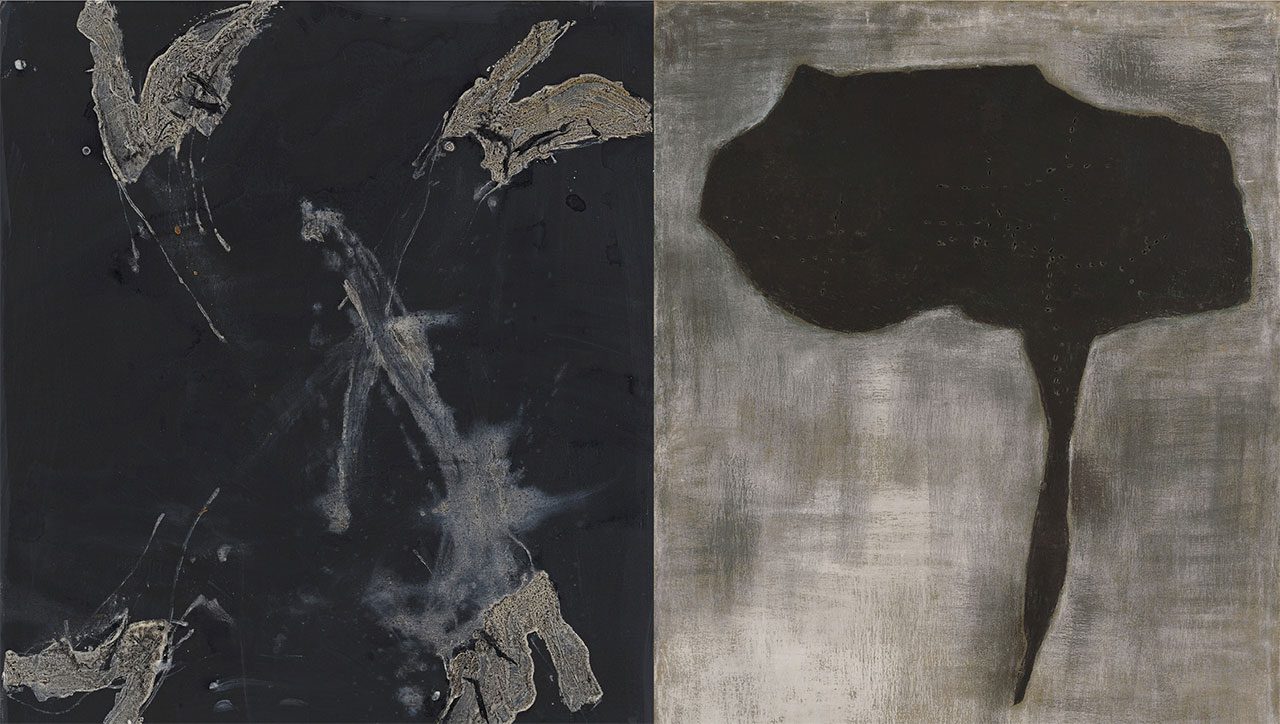
The exhibition “L’aurora viene” brings together, for the very first time, the visionary practices of Georg Baselitz and Lucio Fontana, staging an intergenerational dialogue that spans continents, decades, and artistic languages. Presented as a two-person show, it juxtaposes Baselitz’s recent paintings and sculptures—many from the past ten years—with seminal works by Fontana dating from the 1930s through the 1960s, including a rare group of loans from the Fondazione Lucio Fontana. The result is an encounter that is at once historically grounded and startlingly alive, offering viewers a meditation on how artists confront the limits of their medium in the search for something beyond.
By Dimitris LEmpesis
Photo: Thaddaeus Ropac Gallery Archive
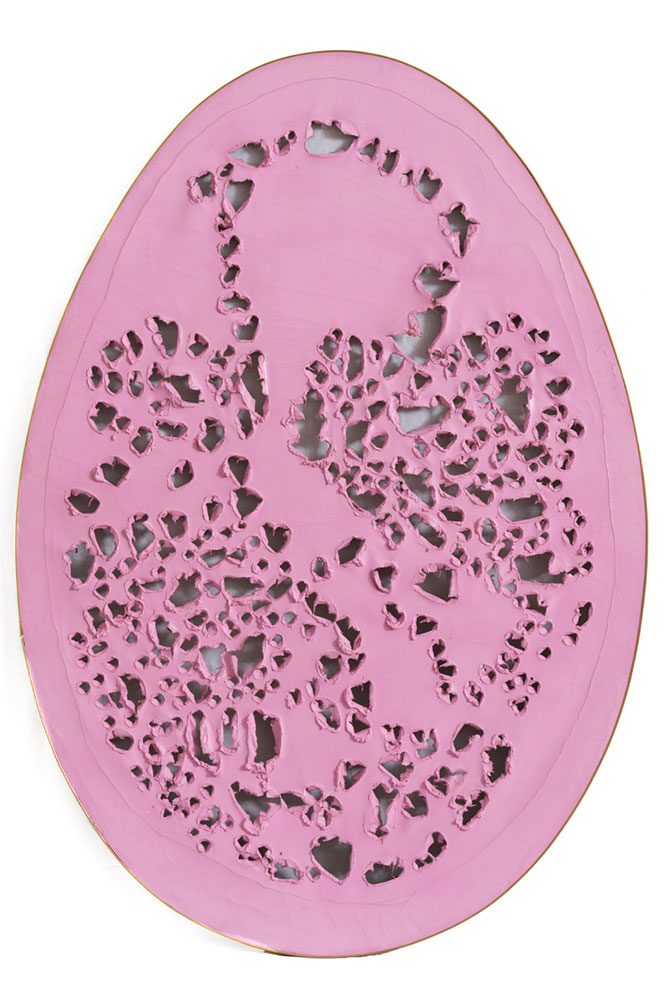
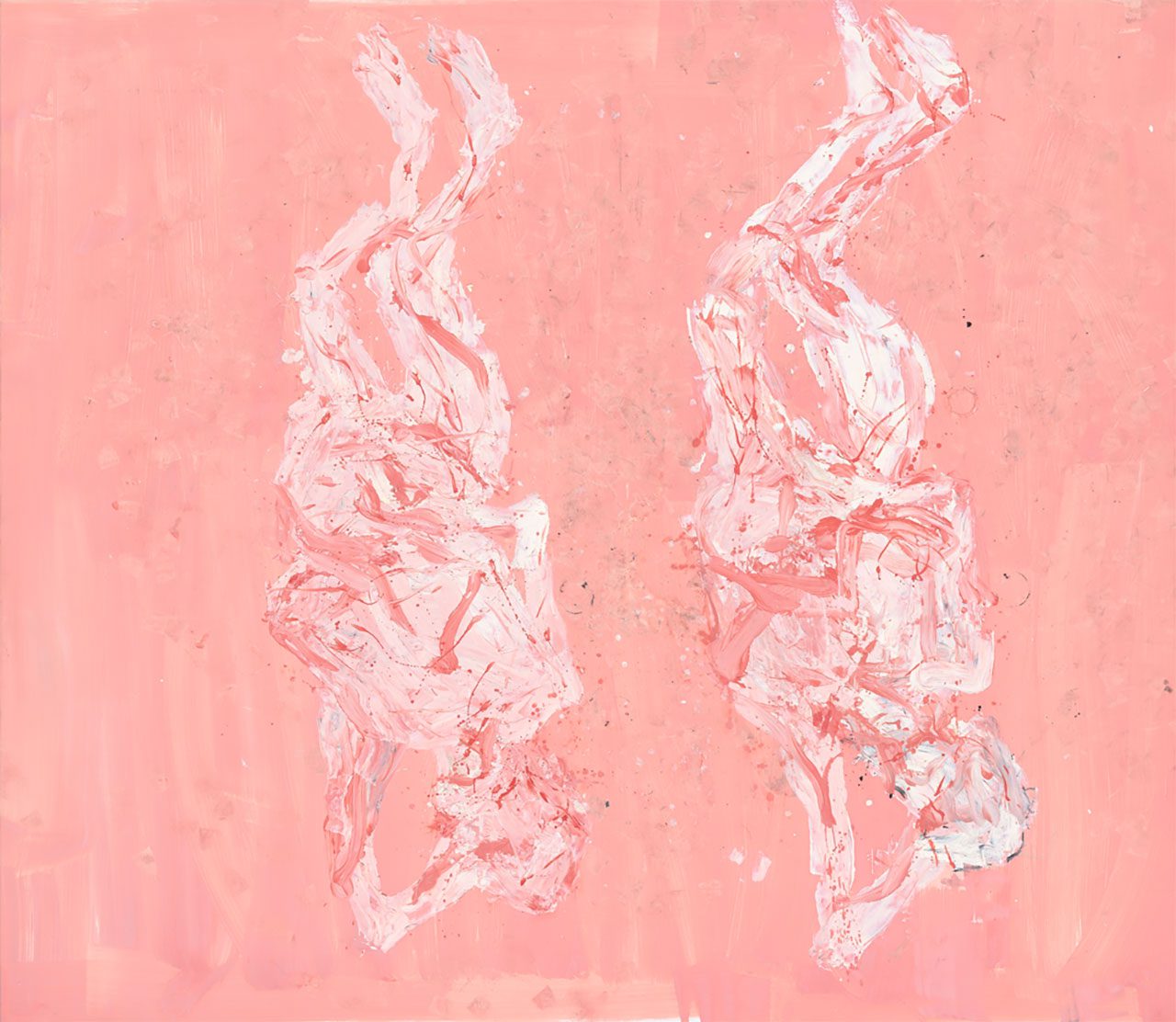
Although Baselitz and Fontana never met, the Argentine-Italian pioneer has long haunted Baselitz’s imagination. Baselitz maintains a studio in Italy, and Fontana spent most of his life in Milan, where his first solo exhibition was held in 1931. This geographical overlap is more than coincidence: it provides the setting for a conceptual meeting across time. Baselitz has often acknowledged Fontana as a decisive figure in his own artistic evolution, particularly for the way Fontana turned the surface of the canvas into a gateway to the infinite. At the heart of the exhibition are Baselitz’s newest works, including a monumental bronze sculpture and paintings marked by dark, unlit voids and spectral figures suspended in mid-emergence. These forms seem to surge forward from a black ground, echoing Fontana’s own effort to break through the picture plane. Fontana’s presence is equally commanding. The selection ranges from his early sculptures of the late 1930s and 1940s to the groundbreaking “Concetti spaziali” of the 1950s and ’60s, among them the iconic “Attese” (slashed canvases), examples from the “Gessi” (1954–58) and “Inchiostri” (1956–59), and even an exceptionally rare “Fine di Dio” (1963–64). To place Baselitz’s recent paintings beside Fontana’s radical cuts is to witness a conversation about space, form, and the metaphysical. Baselitz’s portraits of ghostlike figures, rendered in pale, trembling color and often inverted, originated from a dream in which the artist saw his own skin “torn down the middle, split in two.” Over the past decade he has pursued this image with near-obsessive devotion. The figures, emerging as if from behind the canvas, embody what Baselitz calls an “apparition—something that appears out of the depth.” Critic Steven Henry Madoff describes these late works as having “a hiss…a splintered, pyrotechnic space,” a psychological and formal charge that resonates with Fontana’s own ruptures. Fontana, for his part, was seeking an “art for the Space Age,” as he declared in the manifestos of Spatialism in the late 1940s and early ’50s. To him, painting needed to be opened to the cosmos. His “Concetti spaziali” embody that ambition: canvases pierced with constellations of holes (buchi), or slashed with the famous tagli—gestures that refuse mere representation and instead reveal the infinite. Baselitz’s first sustained response to Fontana came in 2015, when he began a series of works with dark, empty centers that deliberately reference the tagli. One of these paintings, “Aurora viene” lends its name to the exhibition, suggesting a new beginning that lies beyond the edge of the canvas. Limbs in heavy shoes lead the viewer’s gaze toward a void, a metaphorical opening into the unknown. Among the exhibition’s highlights is a breathtaking “Fine di Dio”, one of only 38 that Fontana created between 1963 and 1964. Its radiant, ovular form—simultaneously an origin and an end—embodies what the artist called “infinity, the inconceivable, the beginning of nothingness.” Displayed in the main gallery, its vivid pink surface enters into a chromatic and conceptual conversation with Baselitz’s own “Rosa Riposa” (2019), whose unfurling nude figures are painted in a similarly sensuous palette. The pairing underscores a shared fascination with the tension between matter and void, flesh and cosmos. Throughout the show, the dialogue between the two artists remains both strikingly physical and deeply philosophical. Fontana’s organic shapes, whether punctured or slashed, carry a latent sensuality that mirrors the corporeal intimacy of Baselitz’s inverted bodies. Both artists approach destruction as a path to renewal: Fontana by literally cutting into the canvas, Baselitz by overturning pictorial convention. Baselitz has recalled encountering Fontana’s work in Berlin in the early 1960s, at a moment when many believed painting had reached its end. “The black in the cut left open a glimmer of hope,” he remembers—“hope that, in the middle, there might be something after all.” His own decision, in 1969, to paint subjects upside-down was an equally radical gesture, a way to drain content from form and reinvent the medium. Even their titling habits hint at a shared spirit. Baselitz delights in puns and casual turns of phrase, some directly referencing Fontana; Fontana, meanwhile, often scribbled enigmatic notes on the backs of his works, ranging from philosophical musings to mundane observations. These parallel habits create a hidden textual dialogue behind the visual one. By placing Baselitz’s haunted, luminous voids beside Fontana’s cosmic ruptures, the exhibitionilluminates the deeper union of body and universe that animates both artists’ work. The slash in Fontana’s canvas, Baselitz suggests, was the first glimmer of dawn—a gesture that opened a path he continues to follow. The exhibition ultimately affirms that the conversation between these two visionaries is not confined to history.
Photo left: Georg Baselitz, Aurora viene, 2015 (detail), Oil on canvas, 98 × 88 cm (38.58 × 34.65 in), © Georg Baselitz, Courtesy the artist and Thaddaeus Ropac Gallery. Photo right: Lucio Fontana, Concetto spaziale, 1957, Pastel and collage on canvas with holes, 125 × 100 cm (49.21 × 39.37 in), © Fondazione Lucio Fontana, Courtesy F ondazione Lucio Fontana and Thaddaeus Ropac Gallery
Info: Info: Thaddaeus Ropac Gallery, Palazzo Belgioioso, Piazza Belgioioso, 2, Milan, Italy, Duration: 20/9-21/11/2025, Days & Hours: Tue-Sat 10:00-19:00, https://ropac.net/
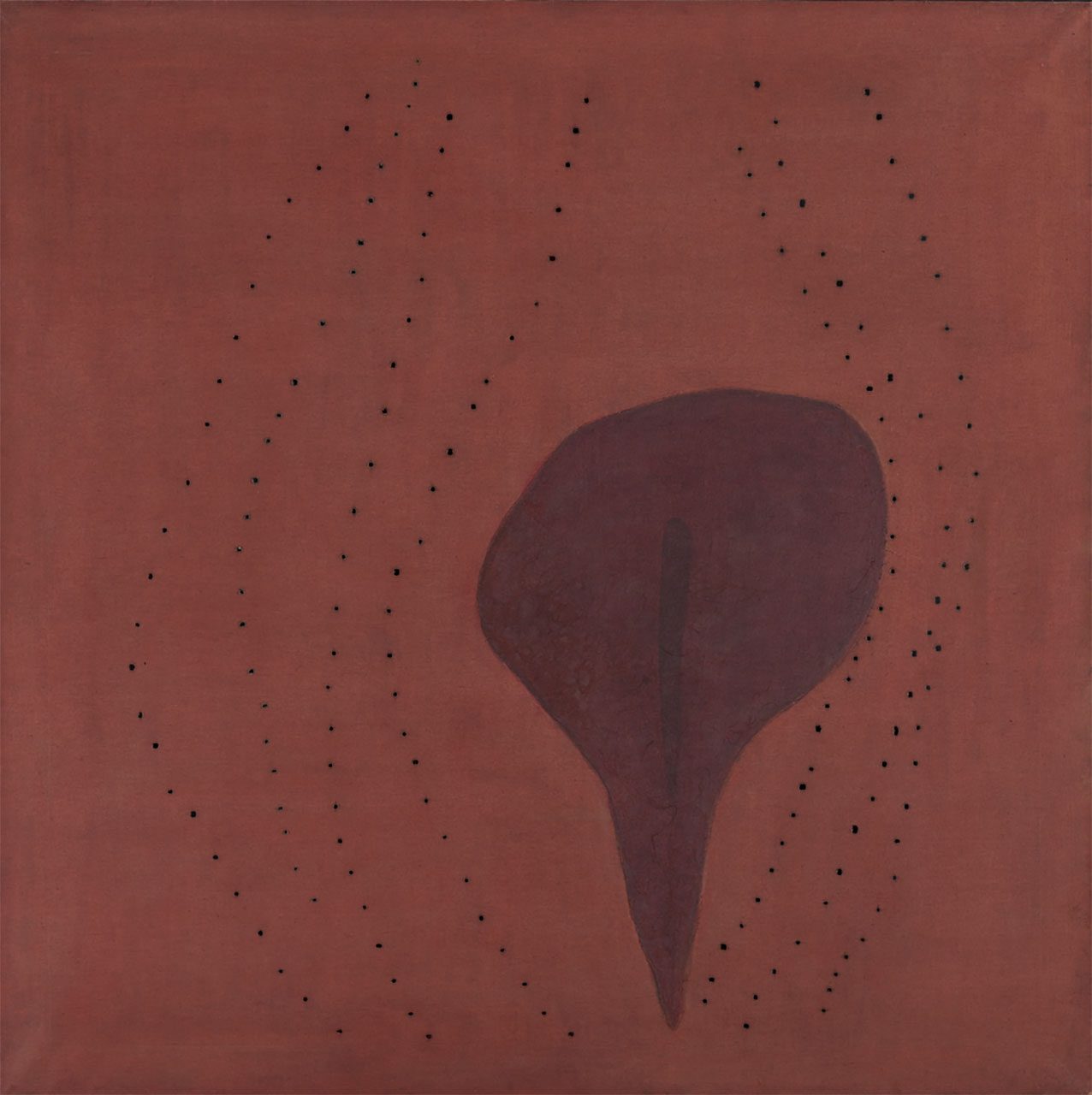
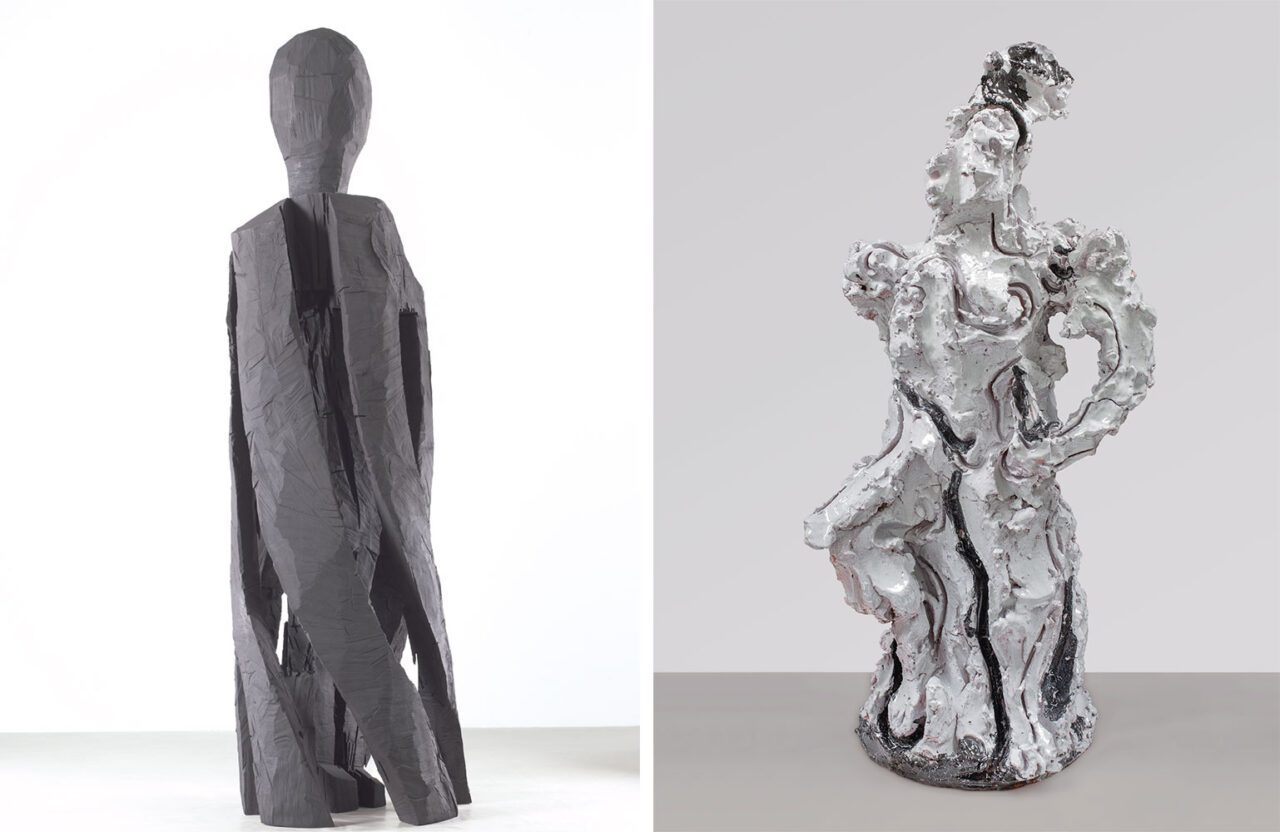
Right: Lucio Fontana, Guerriero, 1953, Glazed ceramic, 105 × 66 × 50 cm (41.34 × 25.98 × 19.69 in), © Fondazione Lucio Fontana, Courtesy F ondazione Lucio Fontana and Thaddaeus Ropac Gallery