PRESENTATION: Dream Rooms-Environments by Women Artists 1950s–Now
Environments are artworks in which viewers play an active role, stimulated by objects, light, moving image, and sound as they move through and around the work. They have been a major feature in international art since the mid-twentieth century, laying the groundwork for the immersive experiences that dazzle museum audiences today. However, the important history of this art form is only partially understood, as so many of these groundbreaking works were destroyed after display, and the focus to date has been almost exclusively on male artists.
By Efi Michalarou
Photo: M+ Archive
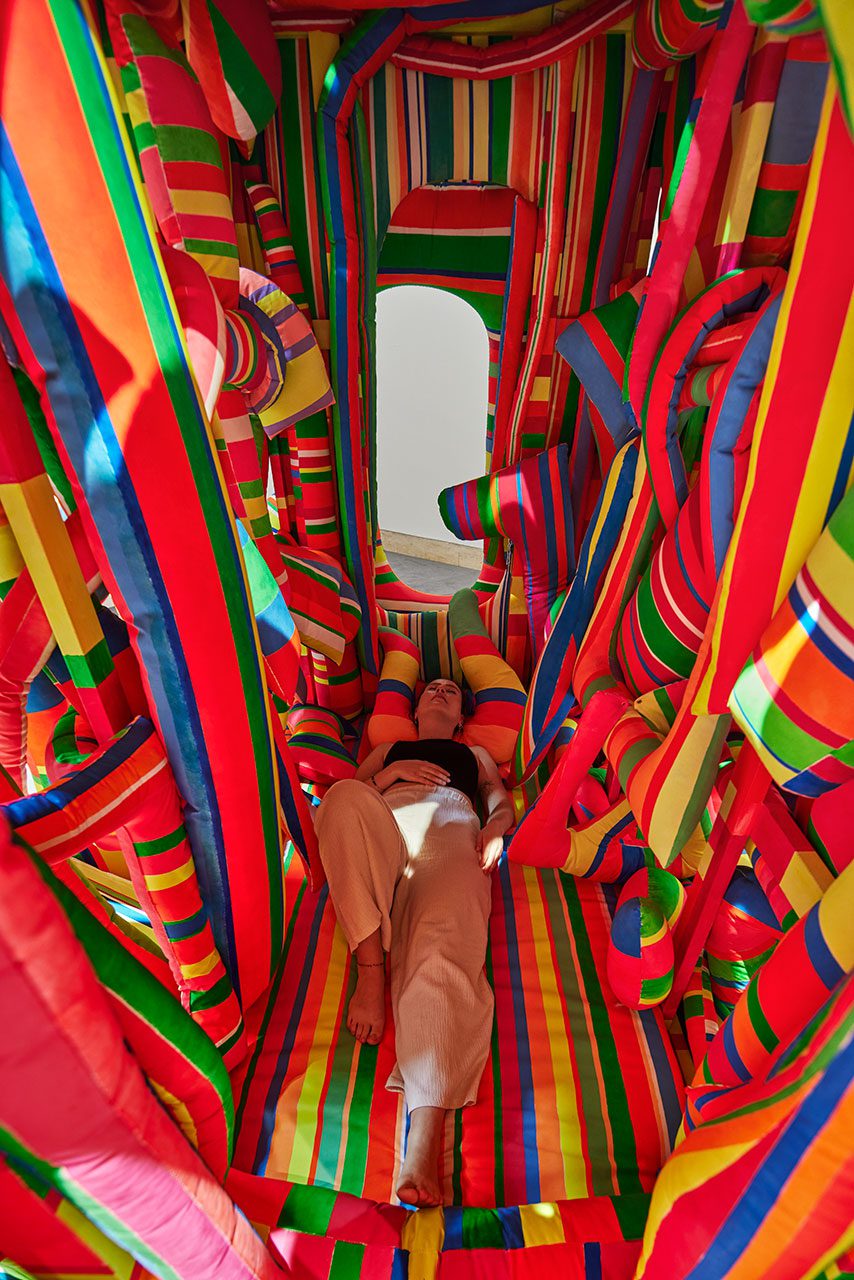
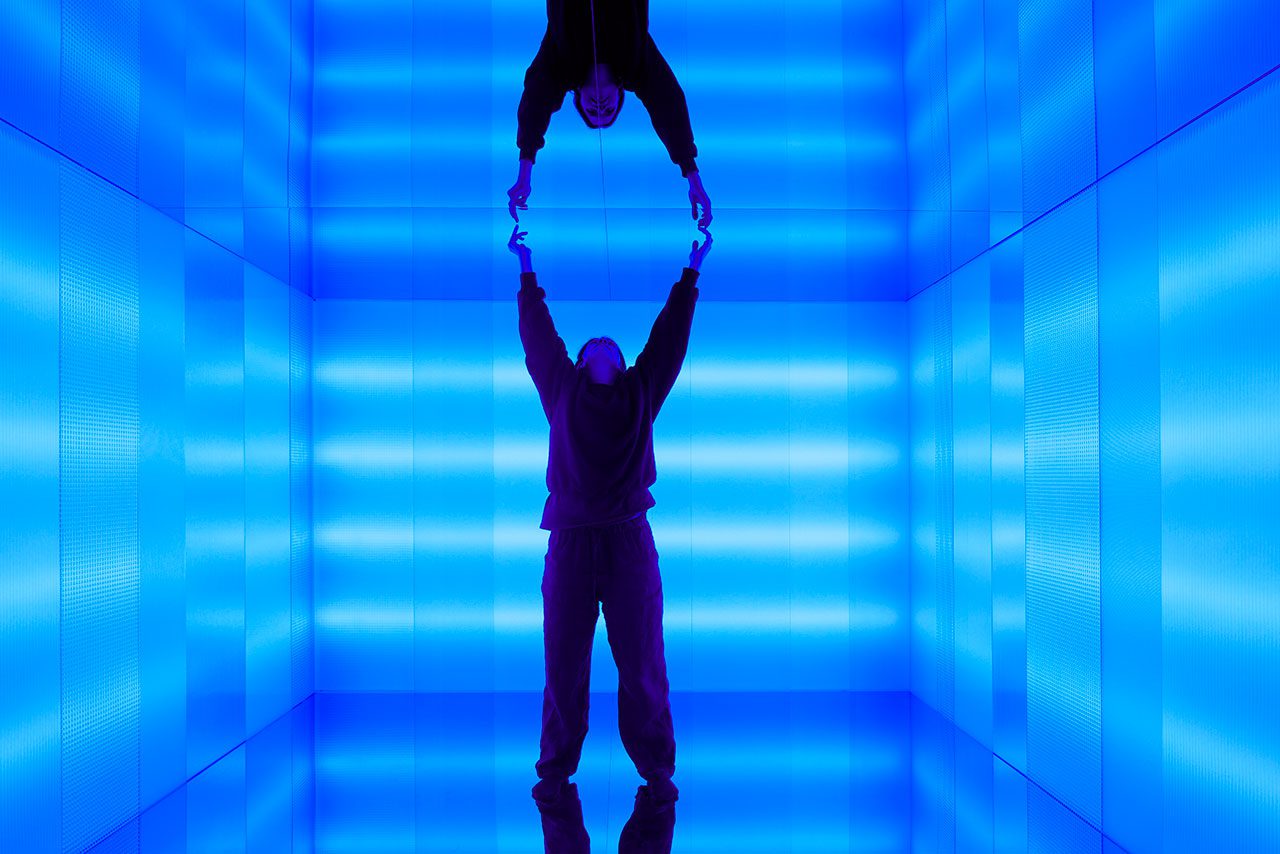
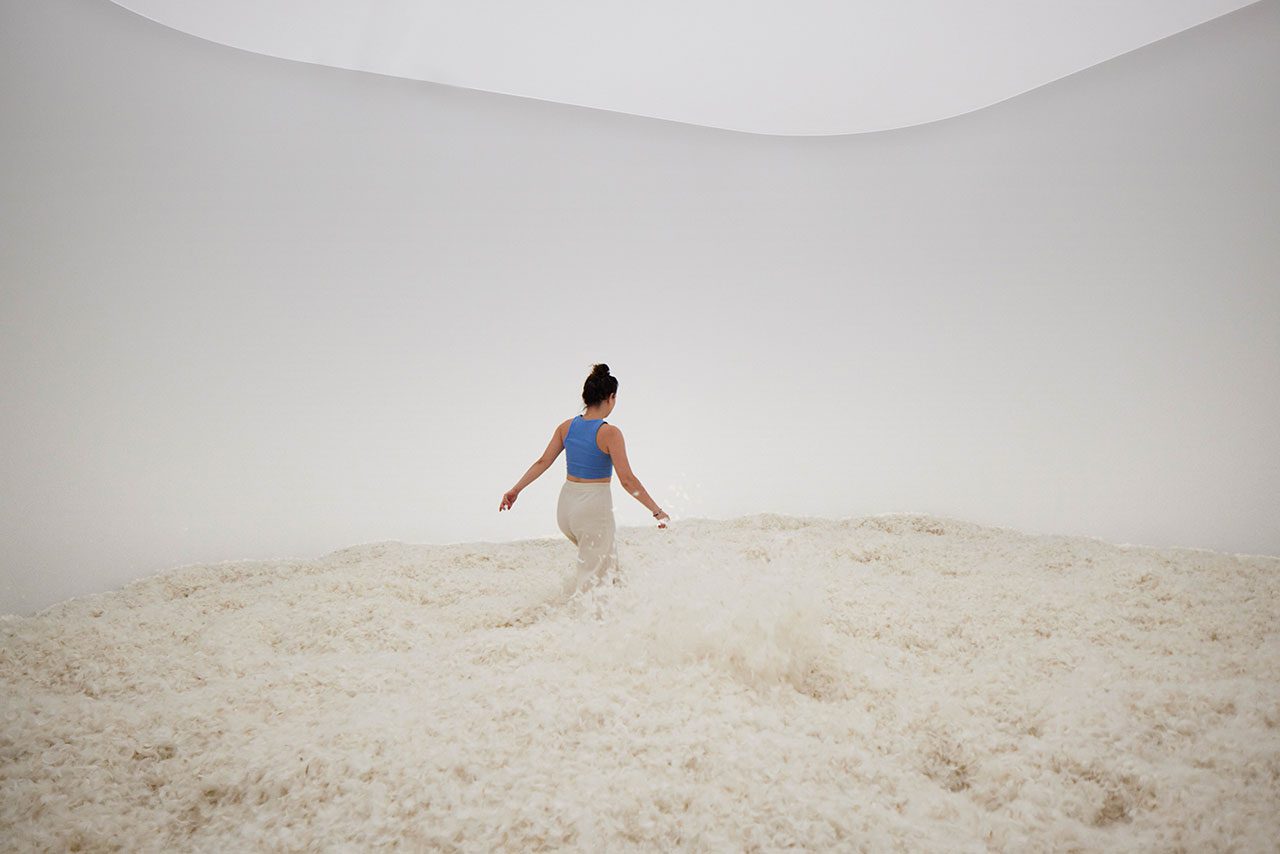
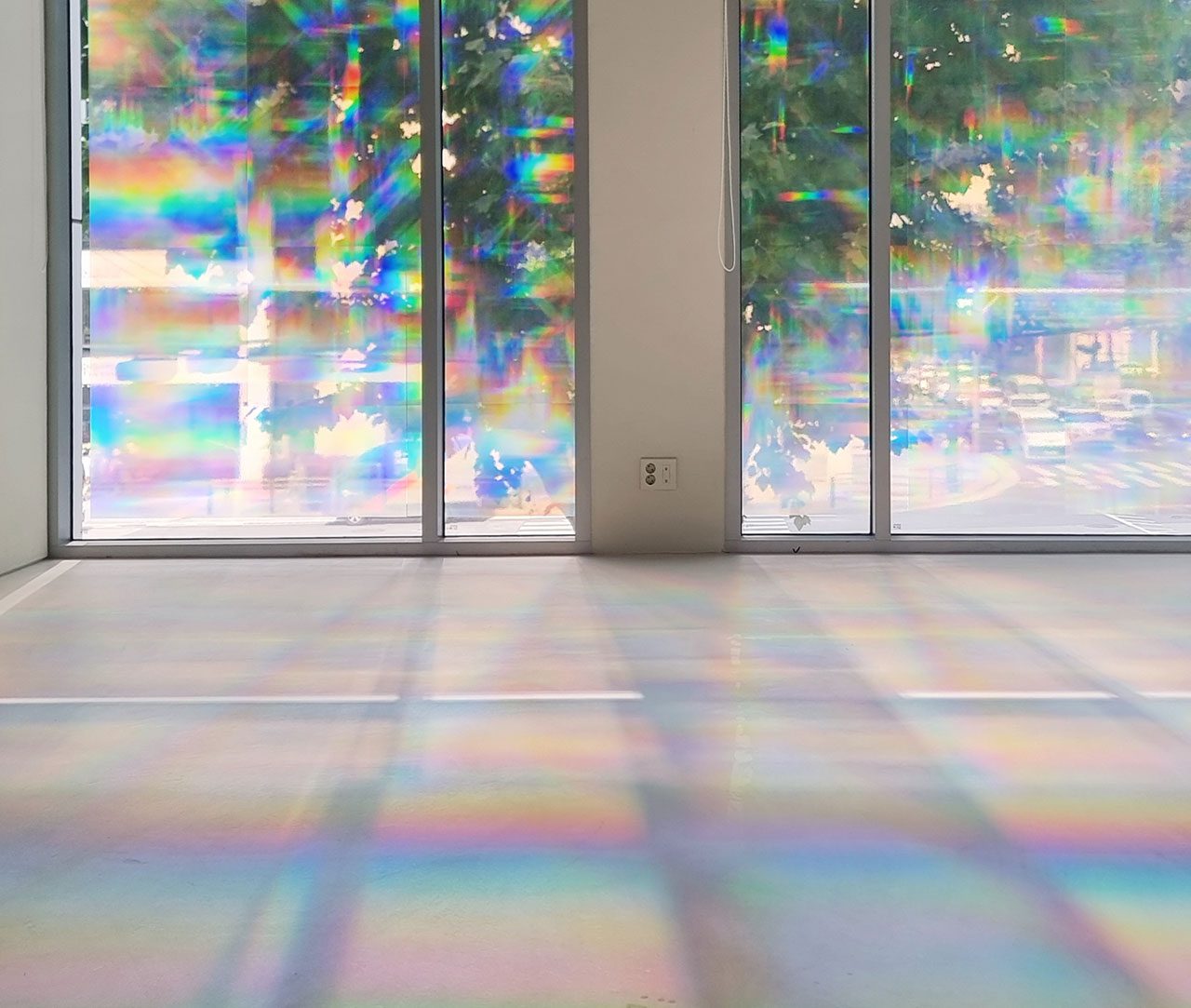
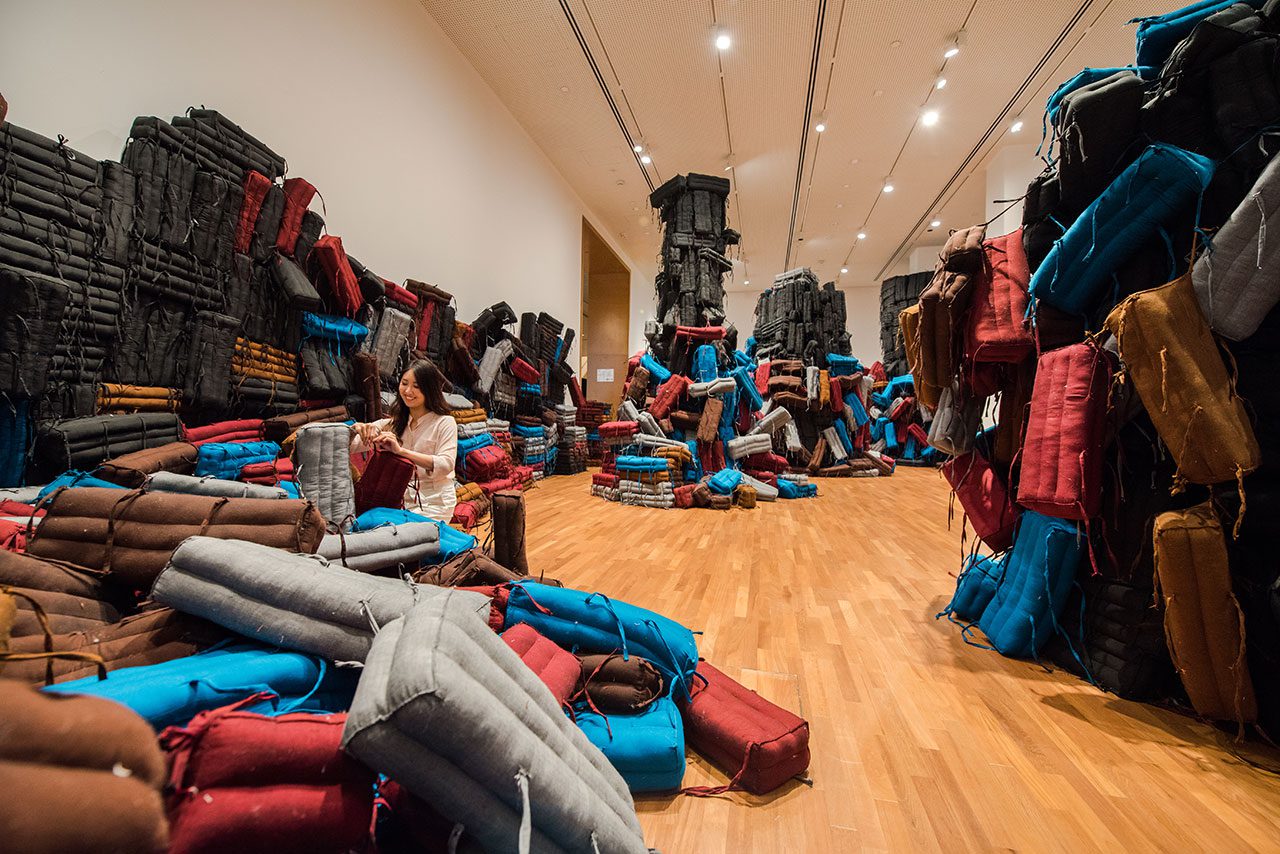
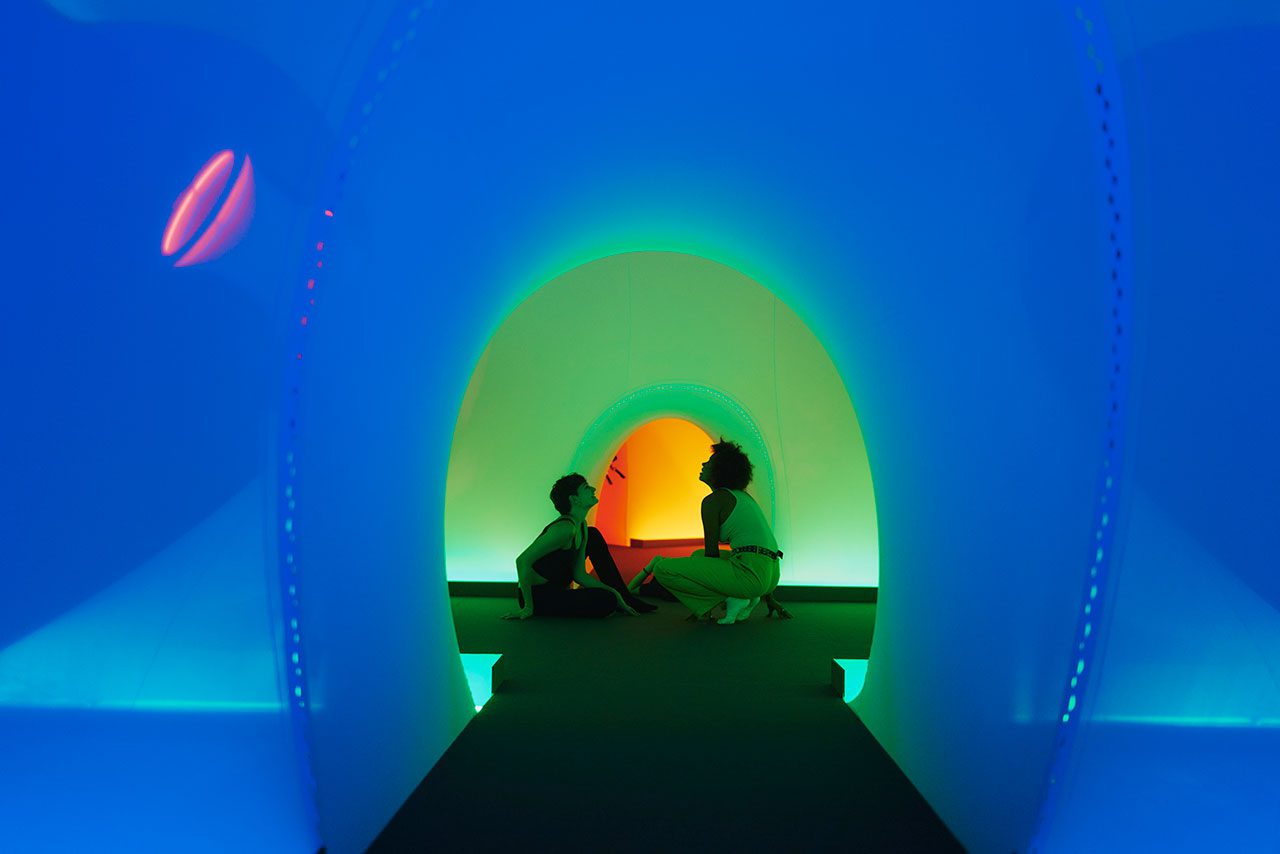
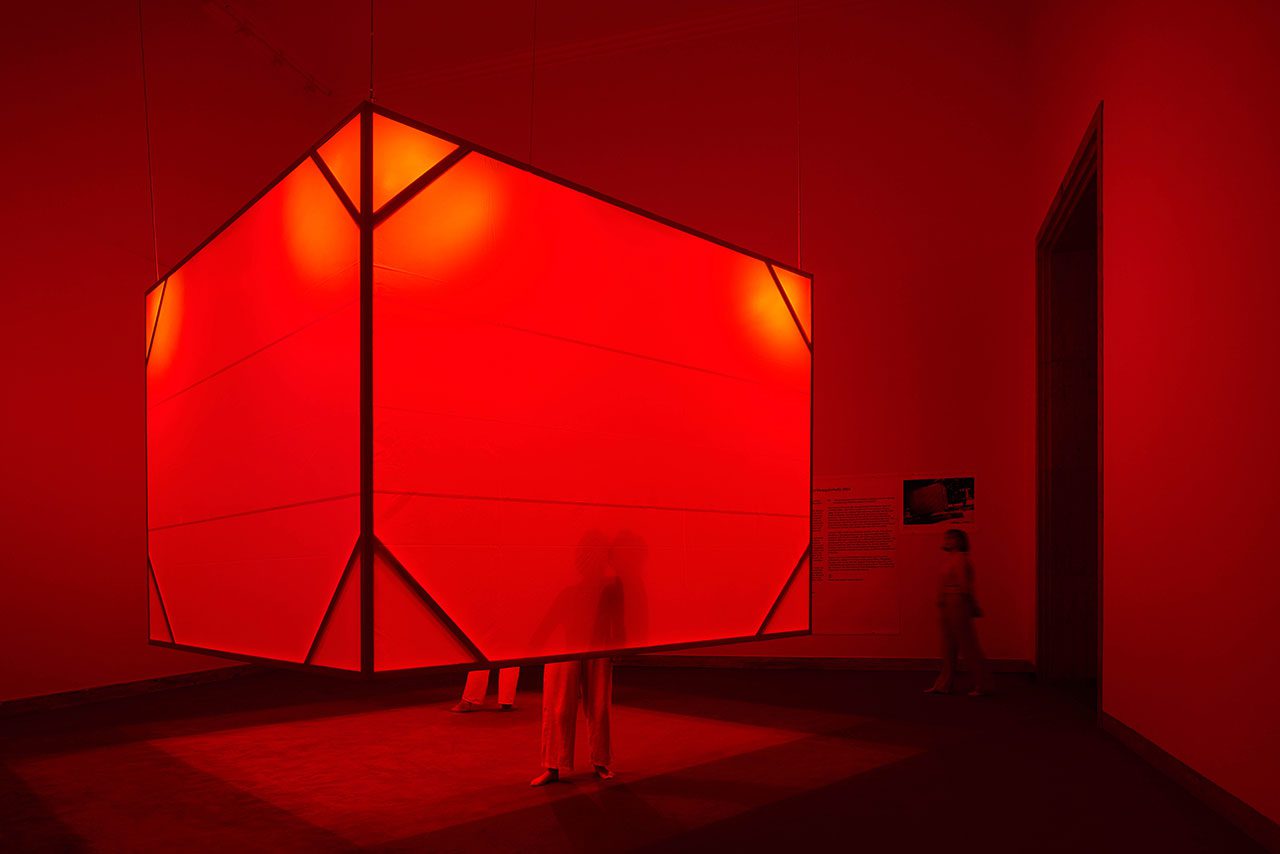
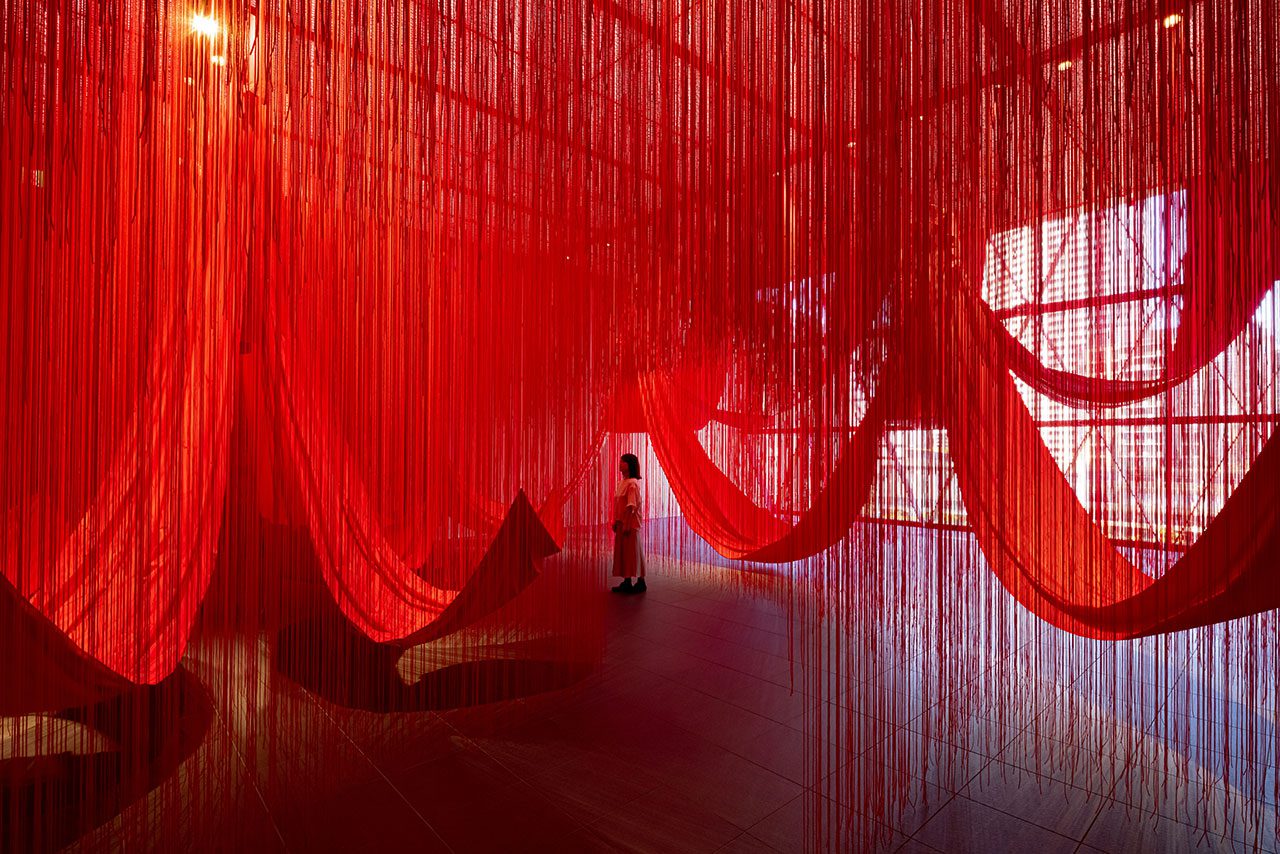
Environments first appeared as an art form in the mid-1950s and 1960s, later coming to be known as installation art. Often ephemeral and experimental in nature and using unconventional materials and technologies, they combined aspects of art, architecture, and design, paving the way for the digital immersive experiences of today. While many of these works were made by women, histories of art have tended to focus on male artists. The exhibition “Dream Rooms: Environments by Women Artists 1950s–Now” addresses this imbalance by foregrounding the visionary contributions of women artists. The exhibition presents the works of trailblazing women artists whose environments made a lasting impact on the history of visual art, illuminating artworks of the present and offering glimpses into the future. It spans several generations of artists from Asia, Europe, and North and South America, presenting full-scale reproductions of each work. These reconstructions are as close to the originals as possible, developed through research and collaboration with experts and the artists themselves. The nine historical installations in the exhibition have been carefully reconstructed through extensive research and collaboration with artists, artist estates, conservators, and scholars. These are: “Vento di Sud-Est (Wind Speed 40 Knots) “(1968/2023) by Laura Grisi, a powerful gust of air in a dark room brings atmospheric phenomena into the gallery, inviting visitors to reflect on our connection with nature and its relationship to our increasingly urbanised lives. The work is complemented by a film in which Grisi documents winds in different parts of the world. “Spectral Passage” (1975/2023/2025) by Aleksandra Kasuba– a monumental work that invites visitors to walk through a series of interconnected nylon structures, each illuminated by neon lights corresponding to the colours of the rainbow. Each space is paired with a different movement from English composer Gustav Holst’s orchestral suite “The Planets, Op. 32” (1914–1917). The work represents a journey through a rainbow as we traverse the life cycle from birth to death and rebirth. “Penetración / Expulsión (del Fluvio Subtunal)” (1970/2023) by Lea Lublin – a transparent tunnel filled with clear PVC balls that represents processes of ovulation and pregnancy, inviting viewers to symbolically re-enter the womb. The inflated structure is connected to an external compressor by a tube that resembles an umbilical cord. Phalus Mobilis, its male counterpart, is a cluster of suspended, inflatable tubes that move as audiences walk through them. “A casa é o corpo: penetração, ovulação, germinação, expulsão” (1968/2023) by Lygia Clark – a multi-sensory journey through darkened chambers that relive the tactile and visual experience of human reproduction. The work has several dark compartments, resulting in moments that are at turns constricting, destabilising, contemplative, and exhilarating. “Feather Room” (1966/2023) by Judy Chicago – an all-white, edgeless, otherworldly space filled with 300 pounds of cruelty-free feathers that physically envelops visitors, making them active participants in the work. With its curved walls and soft, diffused light, the space creates a sense of isolation and infinity while challenging the male-dominated tradition of sculpture comprising hard materials and durable forms. “Ambiente cronotopico vivibile” (1967/2023) by Nanda Vigo – a mirrored box backlit by neon light in different colours creates a magical effect, suggesting a portal to another world. With its controllable external switch that changes the colours of the lights, the work marked a step forward in the development of interactive art. “We used to know” (1970/2023) by Tania Mouraud – a heat- and sound-based installation that provokes psychological unease, such as anxiety, fear, or a sense of threat. This deliberately repellant experience is in part a metaphor for the art world’s rejection of women at the time it was made. “¡Revuélques y viva!” (1964/2023) by Marta Minujín – a soft sculpture made of psychedelic interwoven ‘mattresses’ accompanied by the familiar music of the Beatles for audiences to enter and explore. Minujín’s intimate, inhabitable space evokes a sense of wonder and vitality, showing how the most ordinary things can be made extraordinary. “Red (shape of mosquito net)” (1956/1985) by Yamazaki Tsuruko – a suspended, glowing red cube draws audience inside, their shifting shadows visible behind a luminous screen. The structure echoes the cubic shape of mosquito nets hung over bedroom futons in Japan. The work was first shown outdoors in 1956 and revolutionised the way art was experienced at the time. The three new commissions by M+ include “The House Is Crumbling” (2025) by Pinaree Sanpitak, an experiential, ever-changing environment composed of thousands of Thai khid pillows. Visitors are invited to interact with the work by deconstructing and reconstructing the space, revealing how even the smallest actions can transform our surroundings. In the Focus Gallery, “Infinite Memory” (2025) by Chiharu Shiota features the artist’s signature red threads cascading through the space, enveloping three towering red dresses that evoke the female body and its indelible memories and experiences. “To Breathe” (2025) by Kimsooja is presented across the Level 2 Atrium, wrapping the windows and skylights with a translucent diffraction film that reflects natural light throughout the day, transforming the museum’s architecture into a shifting, iridescent landscape.
Works by: Laura Grisi, Aleksandra Kasuba, Lea Lublin, Penetración, Lygia Clark, Judy Chicago, Nanda Vigo, Tania Mouraud, Marta Minujín, Yamazaki Tsuruko, Pinaree Sanpitak, Chiharu Shiota, Kimsooja
Photo: Chiharu Shiota, Internal Line, 2024, Installation view of I to Eye, Nakanoshima Museum of Art, Osaka, Japan, 2024, © VG Bild-Kunst, Bonn, 2026, and Chiharu Shiota , Courtesy of the artist
Info: Curators: Andrea Lissoni and Marina Pugliese, M+, West Kowloon Cultural District, 38 Museum Drive, Kowloon, Hong Kong, Duration: 20/9/2025-18/1/2026, Days & Hours: Tue-Thu & Sat-Sun 10:00-18:00, Fri 10:00-22:00, www.mplus.org.hk/