
ART CITIES: N.York-Nayland Blake
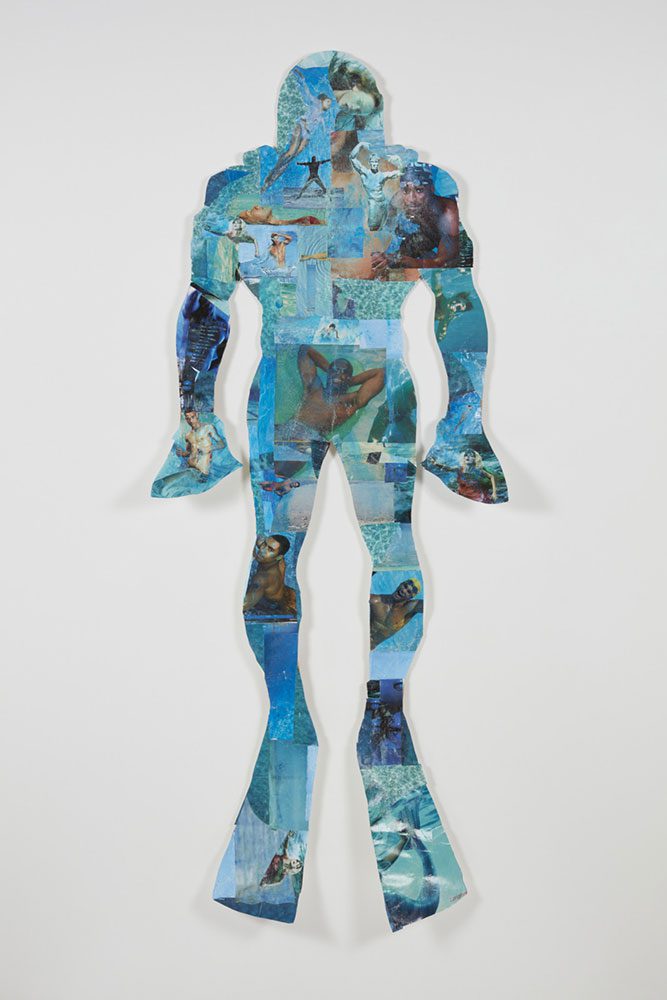
Since the late 1980s, Nayland Blake has constructed an influential body of work exploring play, eroticism, and the subjective experiences of desire, power, and loss. Inspired by feminist theory and queer subcultures, Blake addresses the contradictions of representation in sculptures, drawings, performances, and videos, particularly as it relates to their own identity as a nonbinary multiracial artist.
By Dimitris Lempesis
Photo: Matthew Marks Gallery Archive
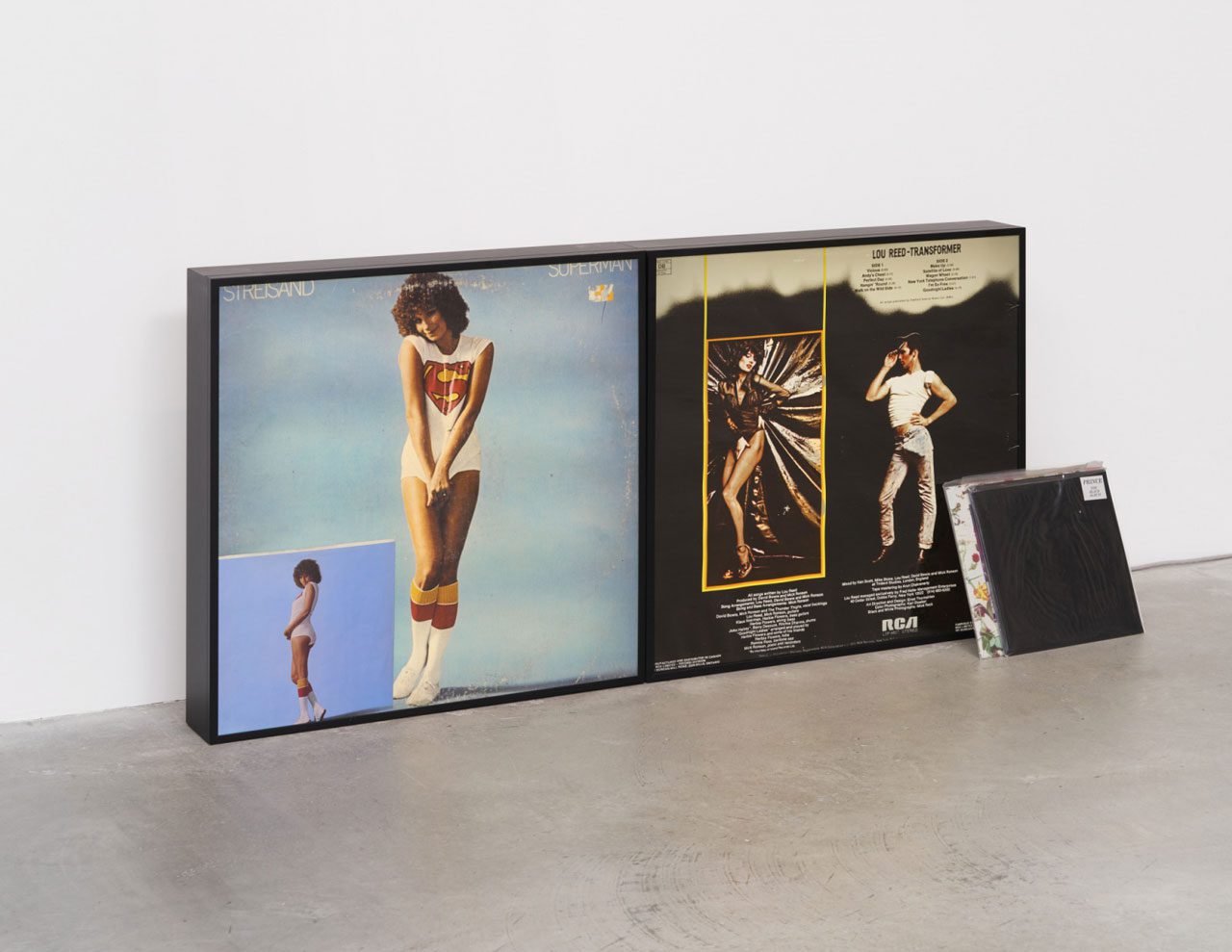
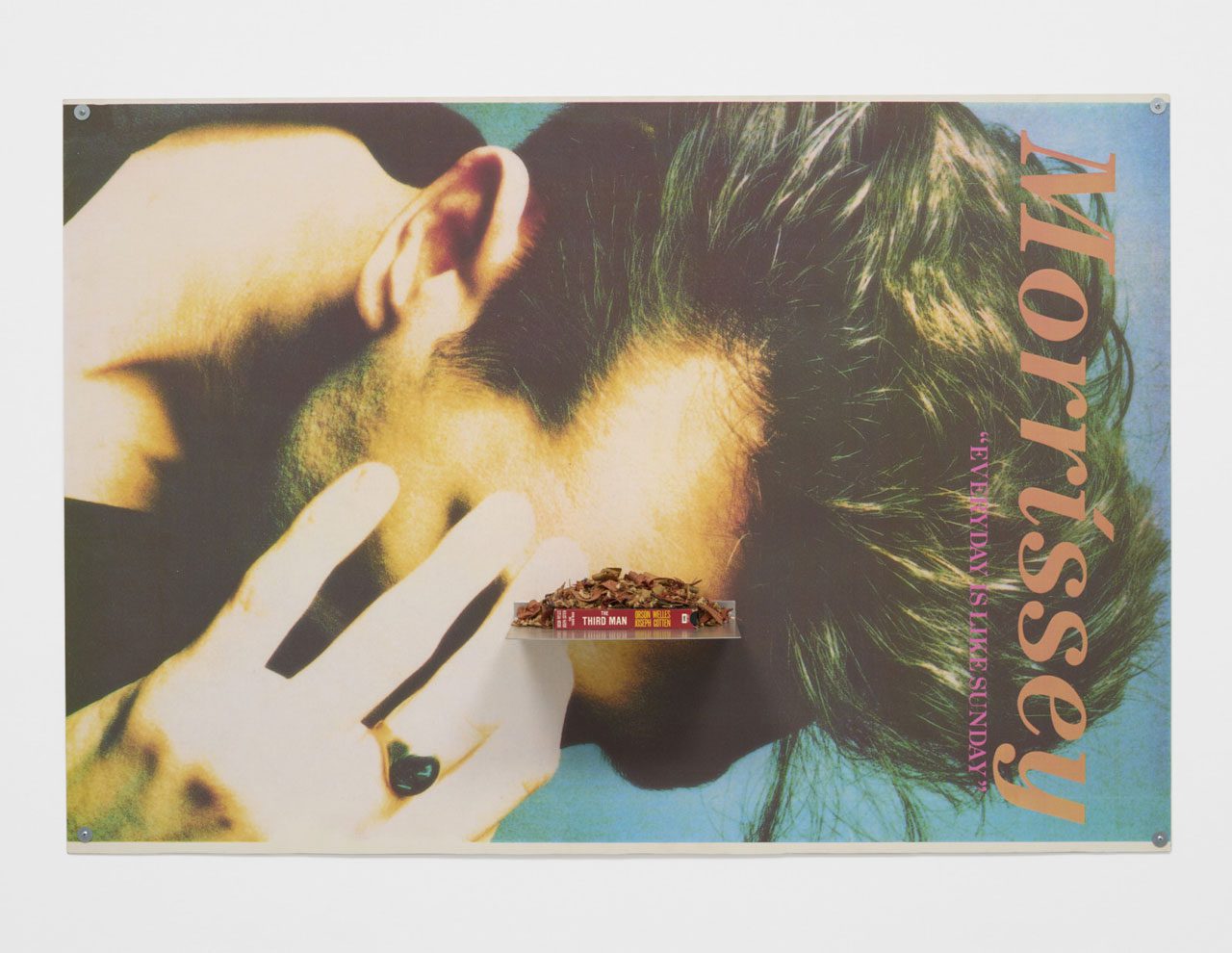
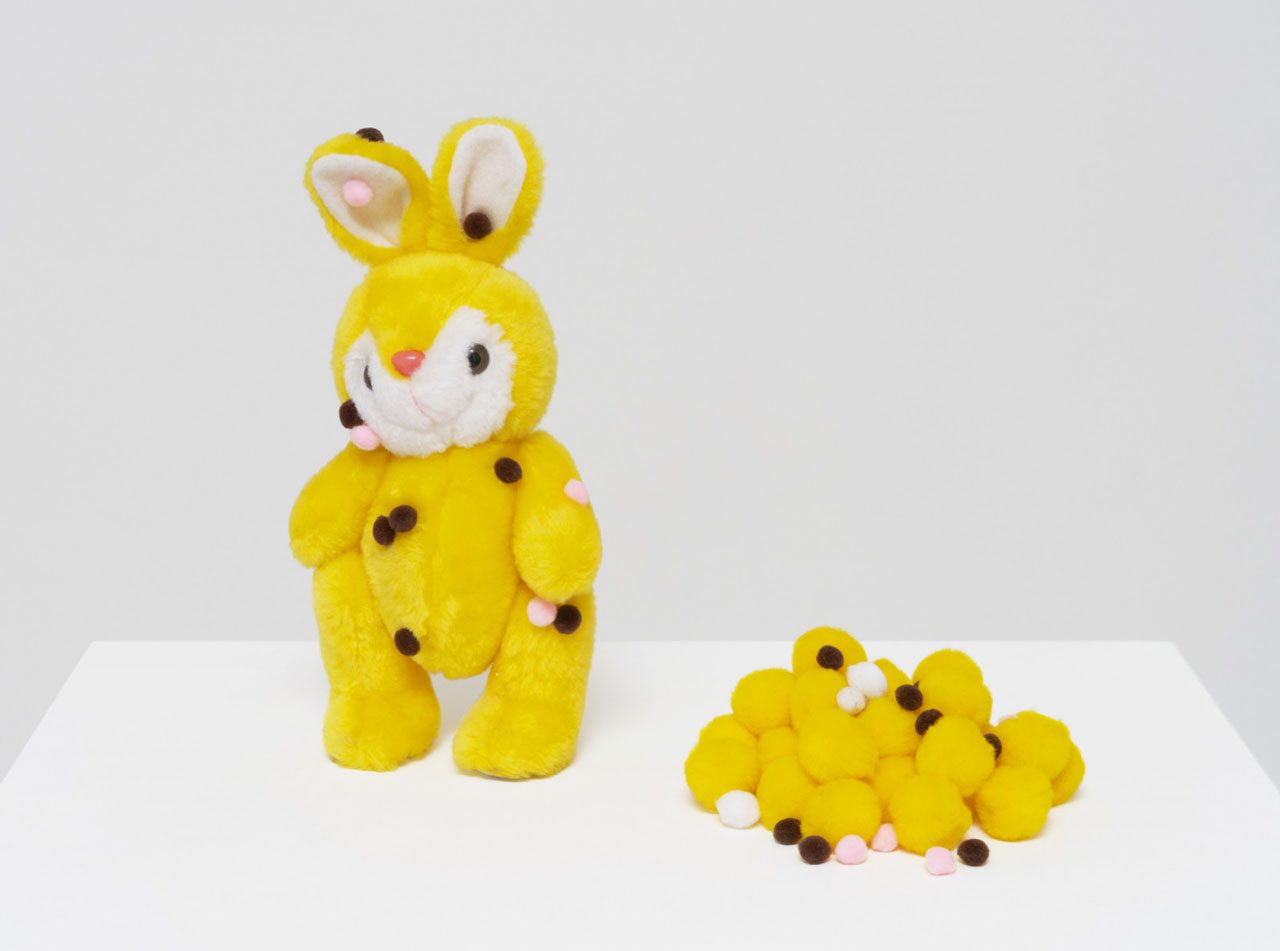
For more than four decades, Nayland Blake has stood as one of the most incisive and imaginative voices in contemporary art, shaping queer culture through a practice that is as fearless as it is tender. As an artist, curator, writer, and educator, Blake has woven together personal experience and collective histories, producing a body of work that is urgent, playful, and profoundly unsettling. Their long-awaited exhibition—unfolding across three interrelated parts—marks the most ambitious presentation of their art in New York in nearly twenty years. Blake’s multidisciplinary practice is rooted in feminist and queer liberation movements, while also drawing sustenance from subcultures as disparate as punk, drag, and BDSM. With a vocabulary that stretches from leather harnesses to stuffed animals, from tar to toys, Blake crafts material metaphors for the contradictions of desire, identity, and power. Questions of racial and gender representation are never abstract here; they are embodied, intimate, and insistent. As a queer, biracial (African American and white) artist who has long interrogated what it means to “pass”—and what it costs—Blake locates duality not as a problem to be solved, but as a generative tension to be lived. Nayland Blake’s exhibition at two Matthew Marks Galleries in New York is in three chapter and opens with “Nayland Blake: Sex in the 90s”, curated by Beau Rutland, a sweeping survey of more than twenty-five sculptures, videos, and drawings produced at the height of the AIDS crisis and the culture wars of the 1990s. Curated by Beau Rutland, this section situates Blake’s work within an era defined by both devastating loss and radical creativity. One of the most enduring pieces from this period is the 1998 performance-for-video “Gorge”, in which the artist, bare-chested, is force-fed by a companion over the course of an hour. What begins with comic, even erotic overtones evolves into a test of endurance—visceral, grotesque, and deeply charged. The dynamics between Blake, who is light-skinned and often read as white, and their collaborator, a visibly Black man, bring racialized power relations into sharp focus. Control slips, boundaries blur, and the feeding turns into a meditation on intimacy, domination, and vulnerability. When Blake restaged Gorge in 2009 as a live performance with friends and lovers as feeders, the piece became even more layered: a theater of trust and surrender in which acts of care and cruelty mingled uneasily. Equally pointed is “Equipment for a Shameful Epic” (1993), a sprawling assemblage originally conceived as props for a mock screenplay. Costumes, masks, and symbols of American politics intertwine in a critique of state power and its failures. Richard Nixon and Ronald Reagan loom as grotesque archetypes, their legacies—war, denial, and neglect—cast in relief against the AIDS epidemic and the communities left to fight for survival. The work positions shame not as personal failing, but as a collective indictment of political systems that abandoned queer and Black lives. In “Negative Bunny” (1994), Blake lends their voice to a stuffed rabbit who begs, cajoles, and pleads for intimacy while insisting on its HIV-negative status. The humor is sharp, but quickly gives way to desperation, embodying the fear, stigma, and isolation of the epidemic’s early years. The bunny’s failed assurances mirror a culture wracked by misinformation and moral panic. At the time Blake made the video, AIDS was the leading cause of death for young Americans aged 24 to 44; the piece remains a haunting reminder of both loss and resilience. The exhibition’s second chapter, “Inside”, turns outward. Curated by Blake, it brings together works by fourteen artists including Joseph Cornell, Felix Gonzalez-Torres, Wangechi Mutu, Betye Saar, and Judith Scott. If Sex in the 90s confronts the external pressures of politics, illness, and desire, Inside is about the intimate act of looking—of wandering, as Blake puts it, “into the worlds that other hands have made.” In their curatorial statement, Blake resists the monumental and the spectacular, favoring instead the modest, the handmade, the fragmentary. They liken the experience to peering into a childhood Viewmaster: small portals to other dimensions, where scale belies intensity. These are works that sustain, that nourish through their attention to detail and the time embedded in their making. In assembling them, Blake pays homage to the artists who have expanded their own imagination, while inviting us to slow down, to dwell, to listen. The final section, “Session”, introduces a suite of new sculptures that extend Blake’s long engagement with themes of restraint, vulnerability, and play. Building on their “Restraint” works of the late 1980s, these pieces transform acts of binding and holding into meditations on the balance between freedom and containment, intimacy and distance. Here, as throughout the exhibition, Blake reminds us that desire is never simple. It is political and personal, joyous and painful, tender and brutal. By staging encounters that oscillate between pleasure and discomfort, Blake not only mirrors the complexities of queer experience but insists that these complexities are, in fact, the texture of being human.
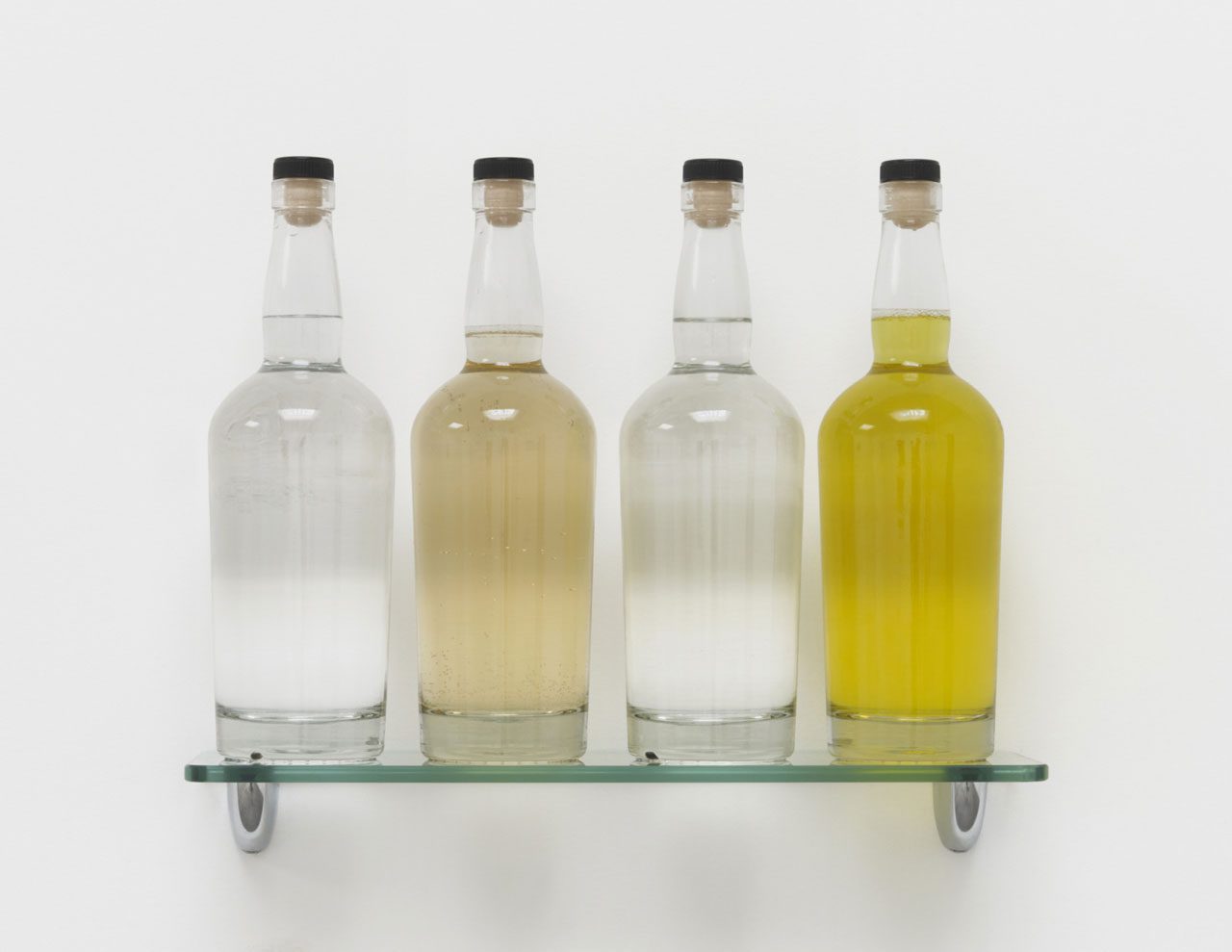
Photo: Nayland Blake, Water/Wine/Vinegar/Piss 1987/2025, Water, wine, vinegar, urine, glass, stoppers, and hardware, 11½ × 15½ × 4⅞ inches; 29 × 39 × 12 cm, © Nayland Blake, Courtesy the artist and Matthew Marks Gallery
Info: Curators: Beau Rutland (Nayland Blake: Sex in the 90s) & Nayland Blake (Inside), Matthew Marks Gallery, 522 22nd Street, & Matthew Marks Gallery, 526 West 22nd Street, New York, NY, USA, Duration: 12/9-25/10/2025, Days & Hours: Tue-Sat 10:00-18:00, https://matthewmarks.com/

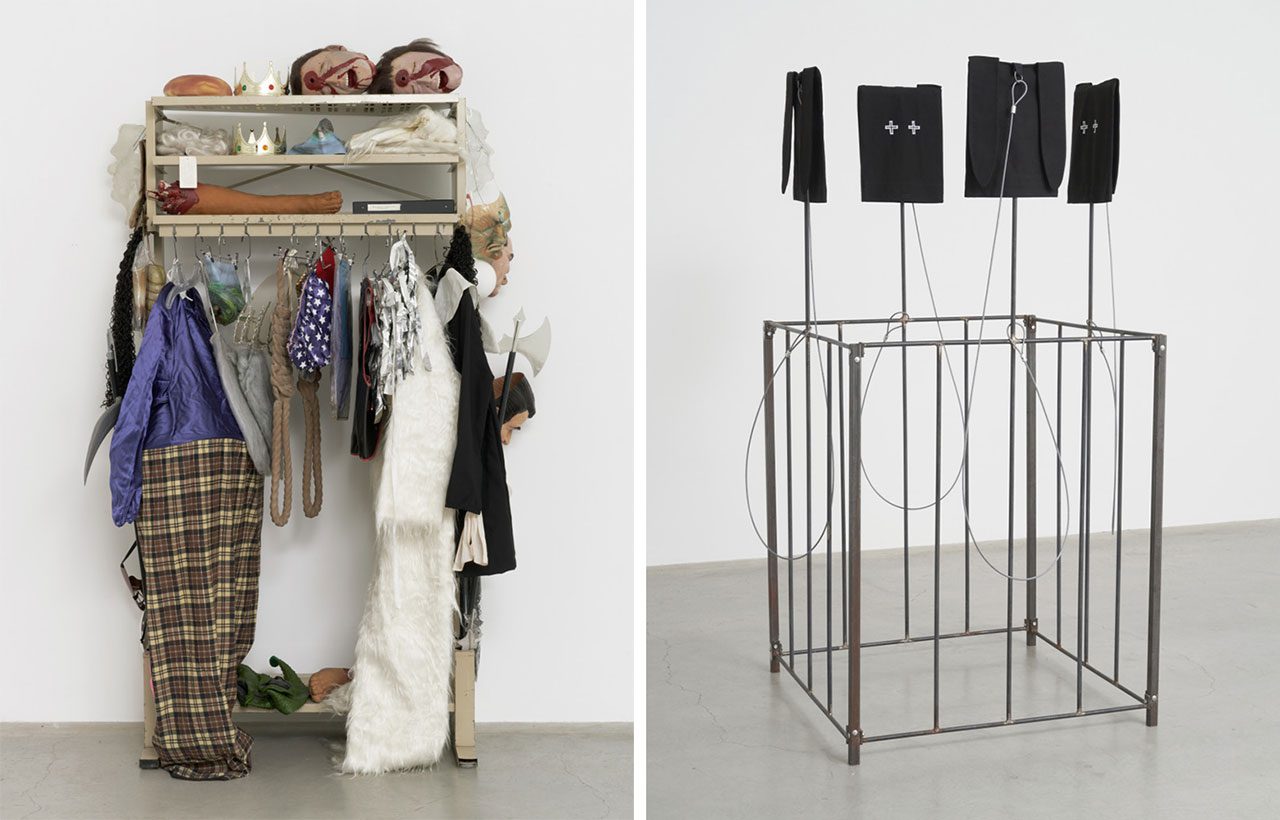
Right: Nayland Blake, Arena #1, 1993, Cloth and steel, 73 × 36 × 36 inches; 185 × 91 × 91 cm, © Nayland Blake, Courtesy the artist and Matthew Marks Gallery
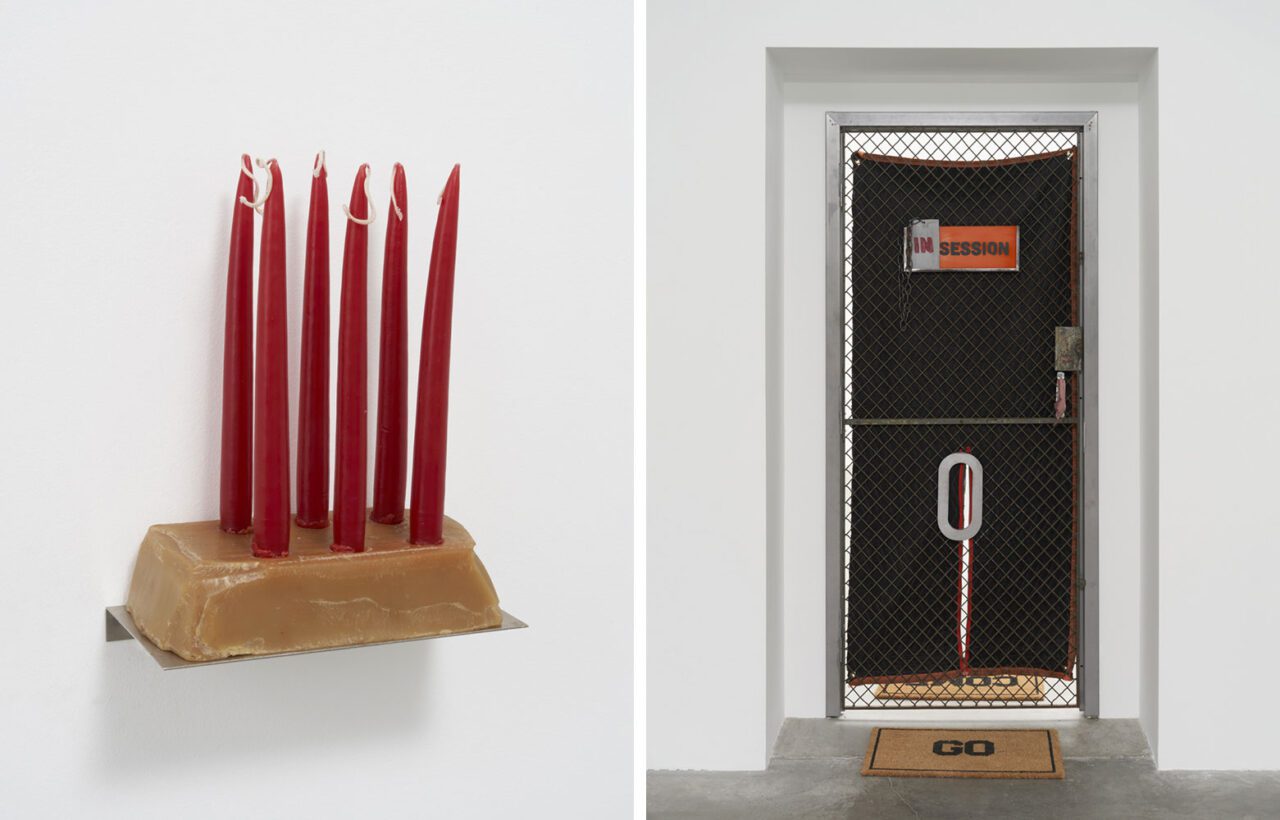
Right: Nayland Blake, Entrance, 2025, Steel, doormats, fabric, leather, acrylic, wood, paint, and hardware, 82½ × 37 × 46½ inches; 210 × 94 × 118 cm, © Nayland Blake, Courtesy the artist and Matthew Marks Gallery


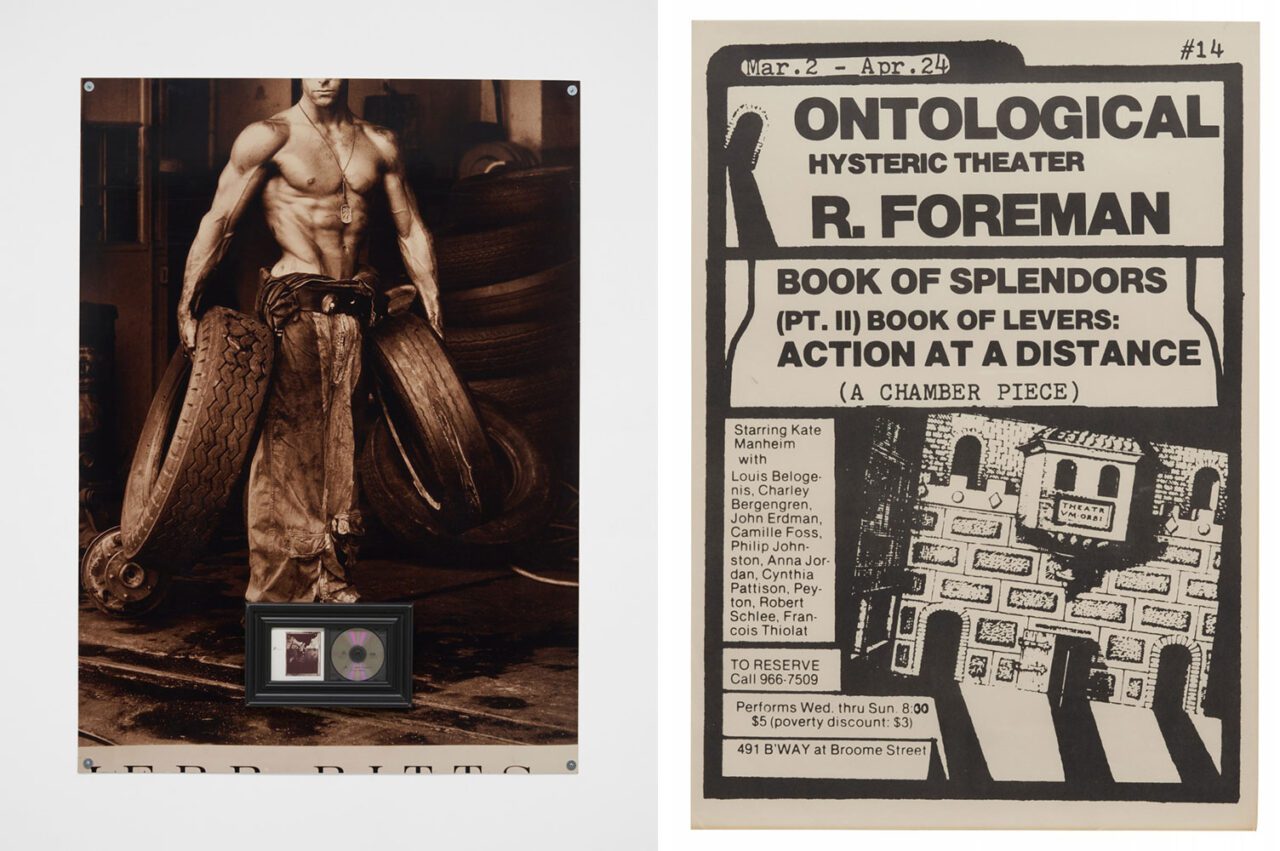
Right: Richard Foreman, Book of Splendors (Part II), Book of Levers: Action at a Distance, 1977, Poster, 20 × 14 inches; 51 × 36 cm, Courtesy Matthew Marks Gallery