ART CITIES: Berlin-Mark Leckey
Mark Leckey has long occupied a singular position in contemporary art, where video, installation, performance, and sound converge to probe memory, class, desire, and identity. His practice often turns to the materials of everyday life—objects, subcultures, and technologies—to reveal how they shape collective and personal narratives. British youth culture, in particular, becomes a recurring lens through which Leckey explores the intertwined forces of media and imagination.
By Dimitris Lempesis
Photo: Julia Stoschek Foundation Archive
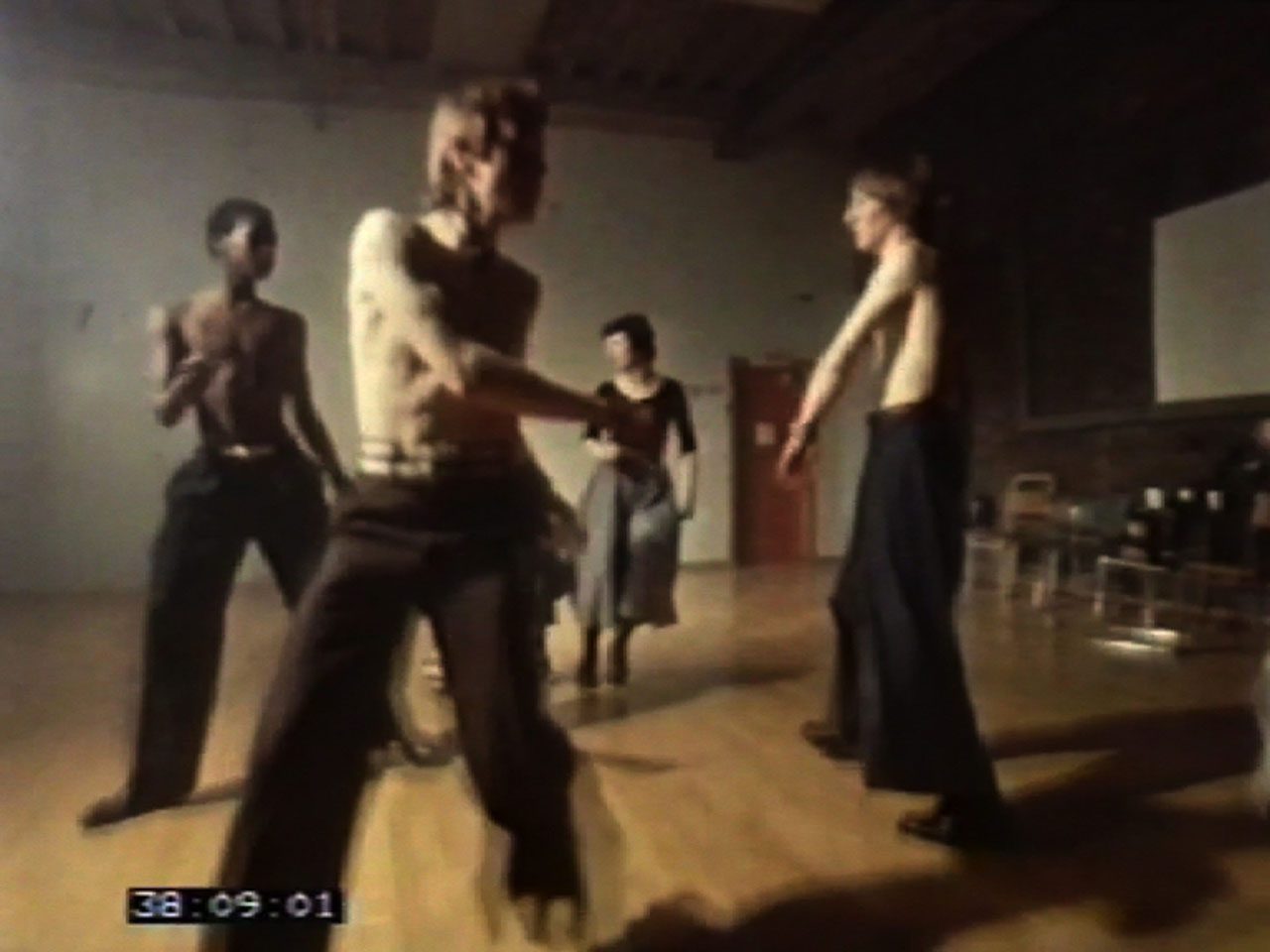
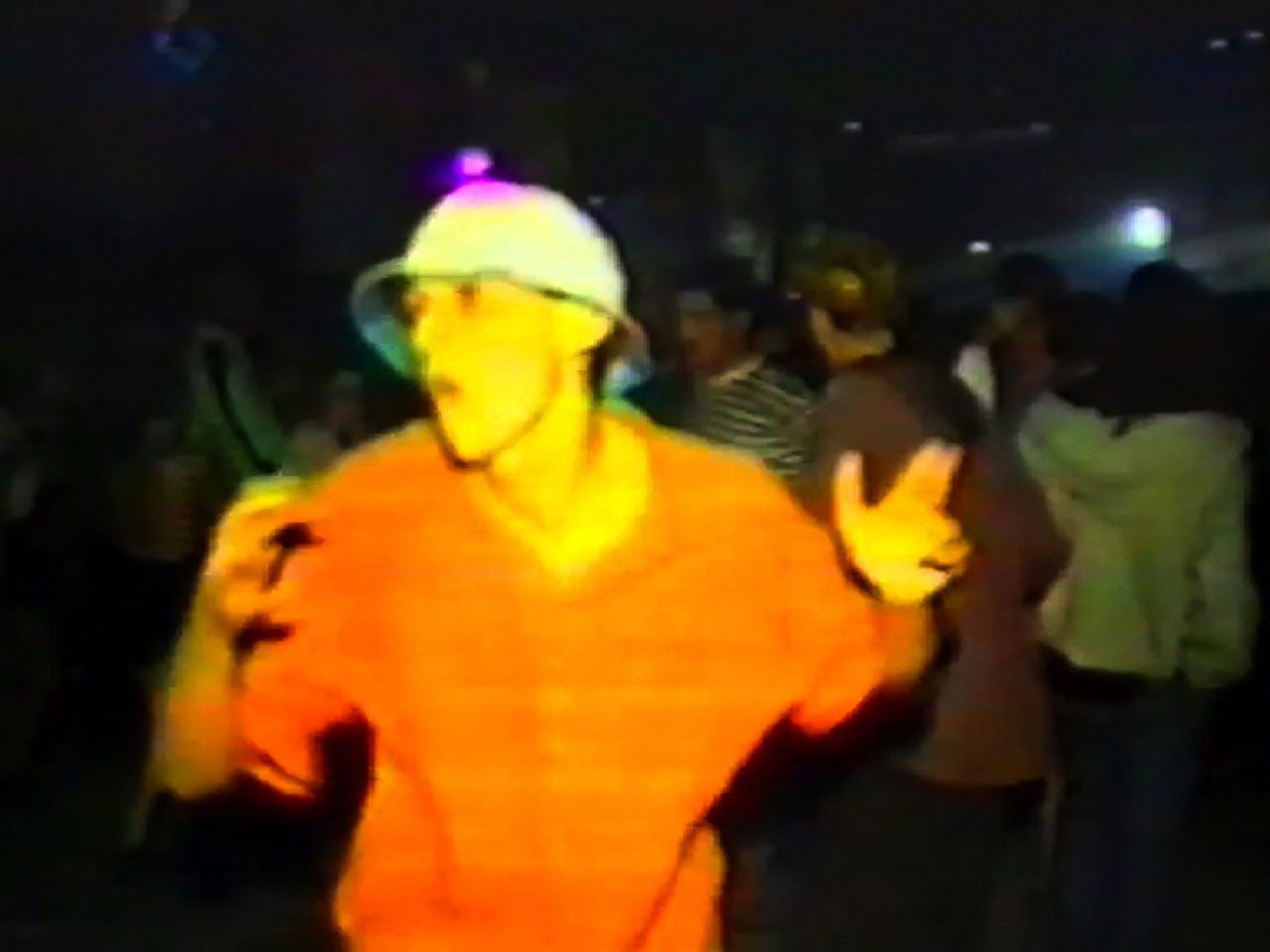
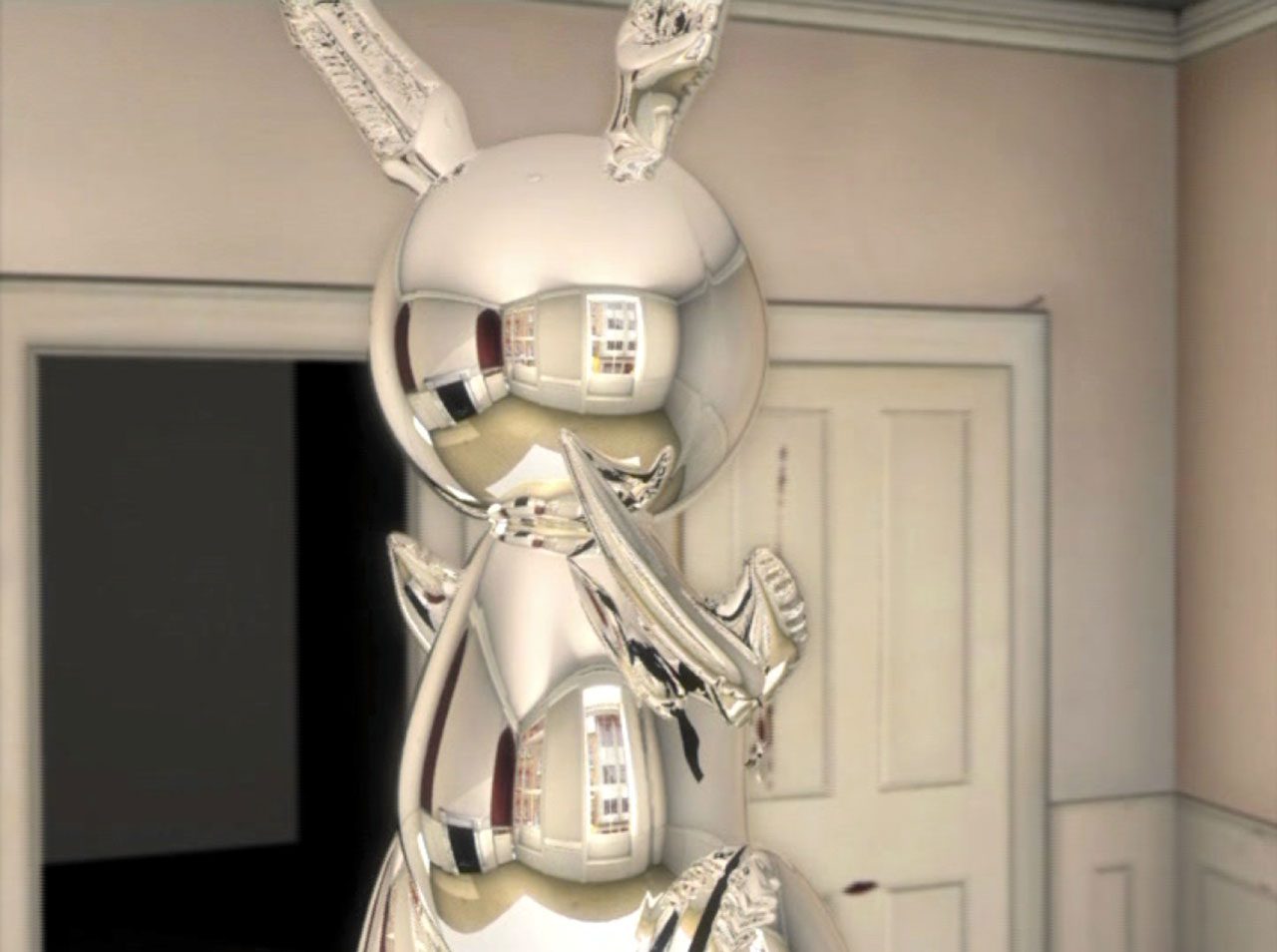
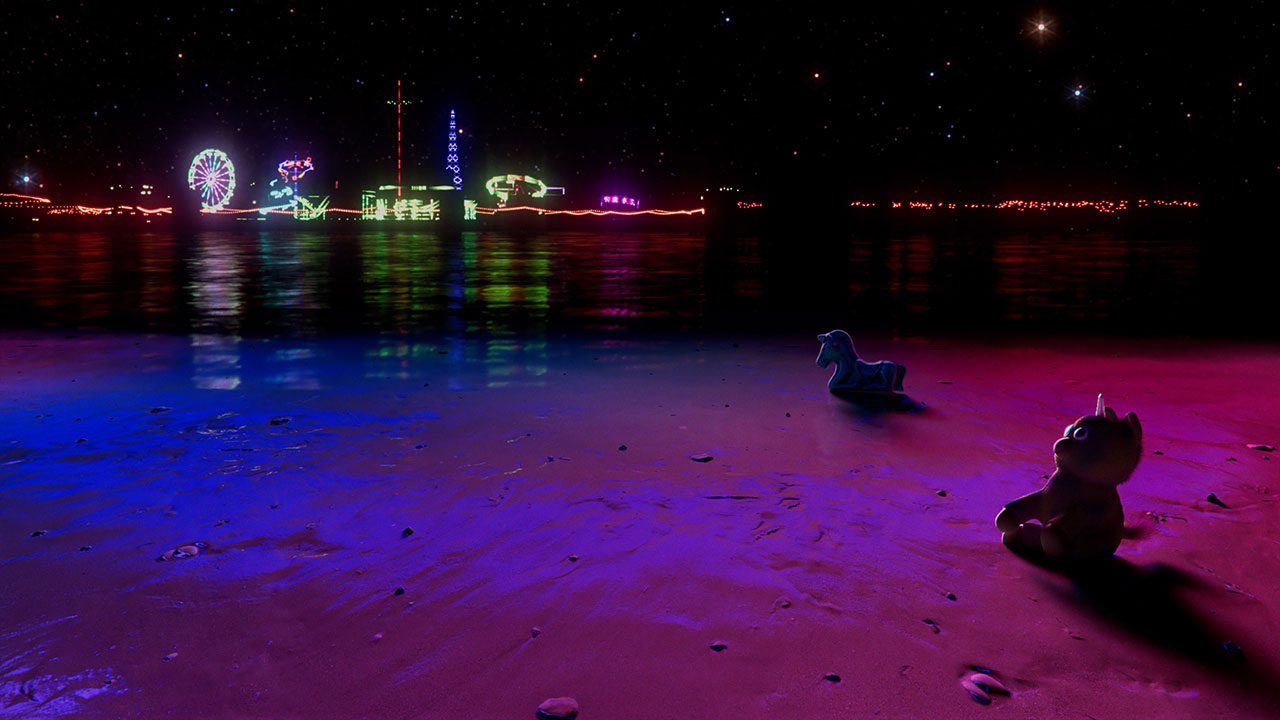
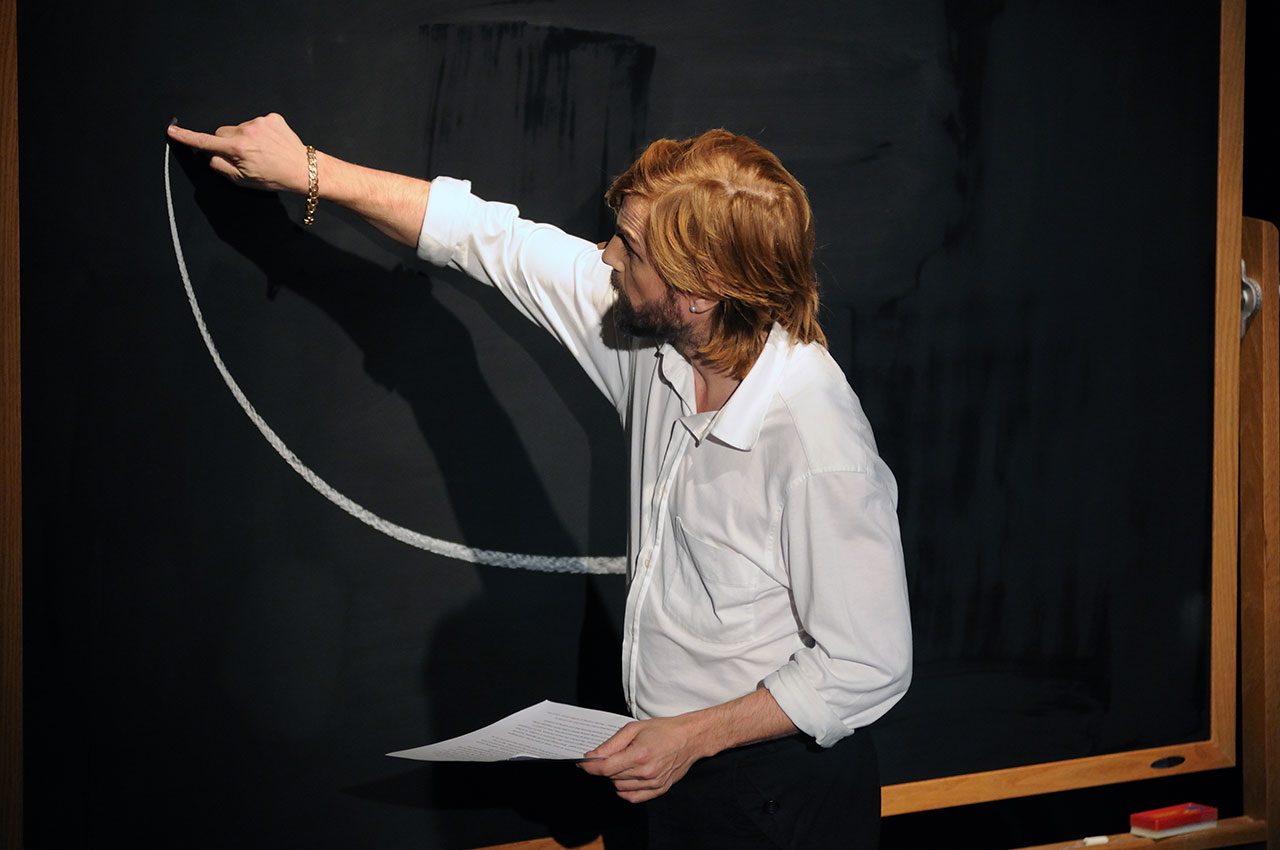
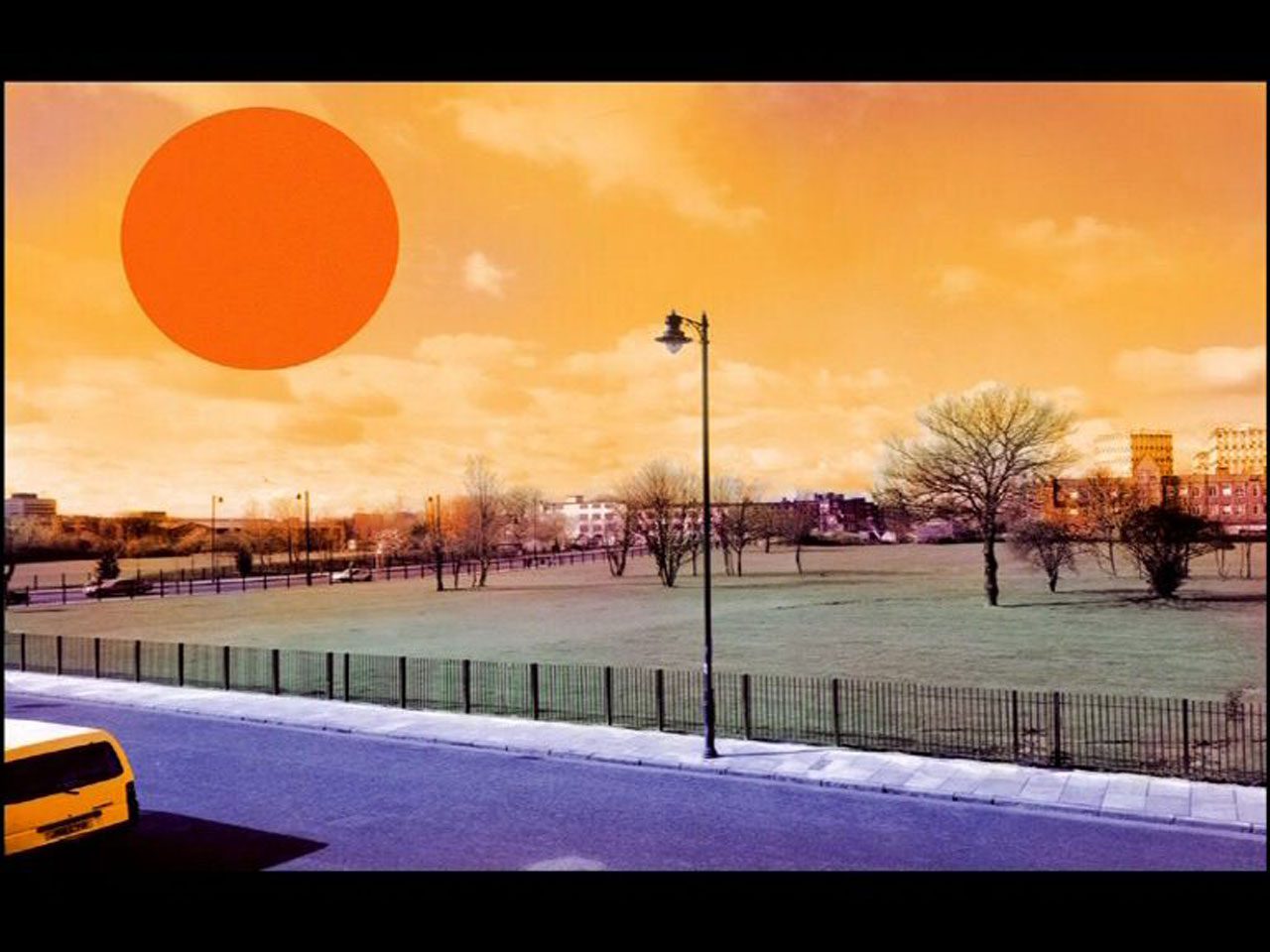
Mark Leckey’s art is rarely linear; instead, it moves through cycles of nostalgia, anxiety, and desire, weaving fragments of popular culture into works that are at once intimate and socially acute. Whether lifting footage from forgotten VHS tapes, reanimating consumer goods, or staging environments haunted by technology, Leckey illuminates how images and sounds do not merely represent. One of Leckey’s most ambitious solo exhibitions to date, “Enter Thru Medieval Wounds” brings together landmark video works from the Julia Stoschek Collection (1999–2010) alongside more recent pieces, offering a panoramic view of his evolving practice. Anchoring the exhibition are seminal works such as “Fiorucci Made Me Hardcore” (1999)—his cult portrait of Britain’s underground dance scenes—and “Cinema-in-the-Round” (2006–08), the project that earned him the Turner Prize in 2008. Through these, the exhibition traces nearly three decades of Leckey’s preoccupation with how technology mediates experience, perception, and memory. The exhibition’s title gestures to Leckey’s fascination with medieval iconography and the notion of images as vessels of power and presence, not mere representation. His works—whether sculptural, sonic, or screen-based—constantly negotiate between the physical and the imagined, between the shared memory of urban environments and the endlessly refracted space of digital imagery. Leckey’s breakthrough film, “Fiorucci Made Me Hardcore” (1999), remains one of the most compelling documents of British subculture ever produced. Built entirely from found footage, “Fiorucci Made Me Hardcore” traces dance culture from the 1970s to the 1990s, moving fluidly from soul all-nighters to acid house raves. The film eschews the explanatory voiceover of sociology in favor of immersion—bodies on dance floors pulse, sweat, and move with a ritualistic intensity that exceeds mere documentation. The title nods to Fiorucci, the flamboyant Italian clothing label that, for a generation of British youth, symbolized aspiration and social code. In Leckey’s re-edit, Fiorucci becomes shorthand for how style, music, and attitude communicate across subcultures. The footage, grainy and immediate, collapses decades into a single continuum of ecstatic movement. Viewed today, in an era where collective gatherings have been interrupted, the work feels both archival and achingly alive: a reminder of the joy and necessity of bodies in unison. In “Parade” (2003), Leckey inserts his own silhouette into a landscape of glowing signage—Sony, Bose, Pioneer—icons of the consumer dream. The work stages a tension: the artist both inside and outside the circuitry of desire, both seduced by and estranged from the promises of capital. The video suggests that identity itself is generated in dialogue with brands and images, as much as with lived experience. Clothes, gestures, advertisements—these circulate as materials from which selfhood is composed. In its final scenes, as the protagonist becomes indistinguishable from the advertisements that surround him, Parade asks a haunting question: when consumption is the very stage upon which we appear, where does desire begin, and where does it unravel? Leckey’s fascination with youth, class, and violence finds expression in “Shades of Destructors” (2005), a reworking of Graham Greene’s 1954 short story “The Destructors”. Greene’s tale of postwar adolescents dismantling a house brick by brick becomes, in Leckey’s montage, a fractured meditation on rebellion and destruction. Leckey draws from the BBC series “Shades of Greene” (1975), splicing its images with clips from “Donnie Darko” (2001) and photographs by Gordon Matta-Clark. The result is a ghostly layering of narratives: still photographs animated by warped voiceovers, uncanny faces pressed into grainy backdrops, and an almost ritualistic tearing apart of a house. The work makes visible both the rage and the emptiness of destruction, situating it within a longer history of youth as both social threat and cultural engine. With “Enter Thru Medieval Wounds”, Leckey reaffirms his status as one of the most incisive chroniclers of how technology and culture co-construct desire, memory, and identity. His works do not simply depict subcultures, consumerism, or media—they metabolize them, making visible the hidden circuits through which images inhabit us. In doing so, Leckey offers not just an exhibition but a way of reading contemporary life itself.
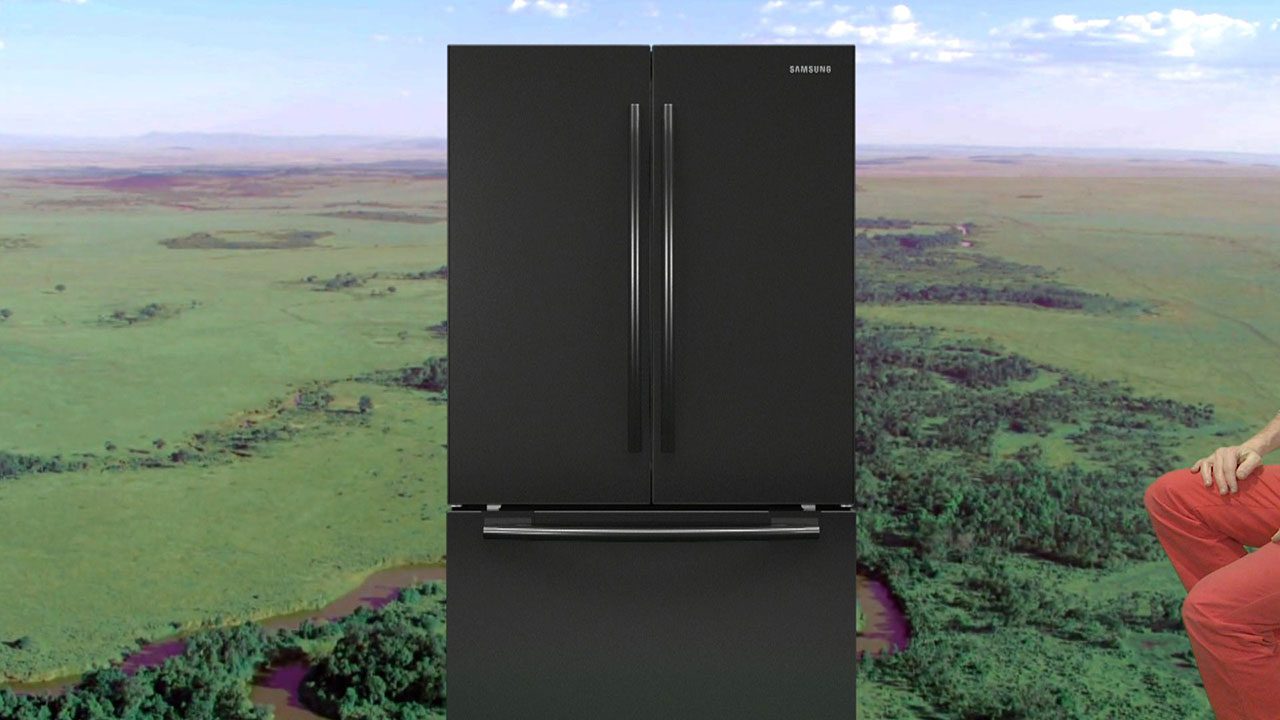
Photo: Mark Leckey, GreenScreenRefrigerator, 2010, Digital Video, 17′10″. Courtesy of the artist, Gladstone Gallery, Brussels/New York and Galerie Buchholz, Berlin/Cologne/New York
Info: Julia Stoschek Foundation, Leipziger Strasse 60, Berlin, Germany, Duration: 11/9/2025-3/5/2026, Days & Hours: Sat-Sun 12:00-18:00, www.jsc.art/