
PREVIEW: The New Hague School-Freedom above all
In the 1950’s, a uniquely innovative and experimental art movement began to flourish in The Hague: the New Hague School. Inspired by the motto “Freedom above all”, the artists who were active in this movement between 1945 and 1975 rejected the respectable image of their predecessors in the Hague School. The New Hague School artists’ work is characterised by an exuberant use of colour. It opposed the Cobra avant-garde movement and found its inspiration in 17th-century art and the experiences of the Barbizon School and the resulting Hague School.
By Dimitris Lempesis
Photo: Kunstmuseum Den Haag Archive
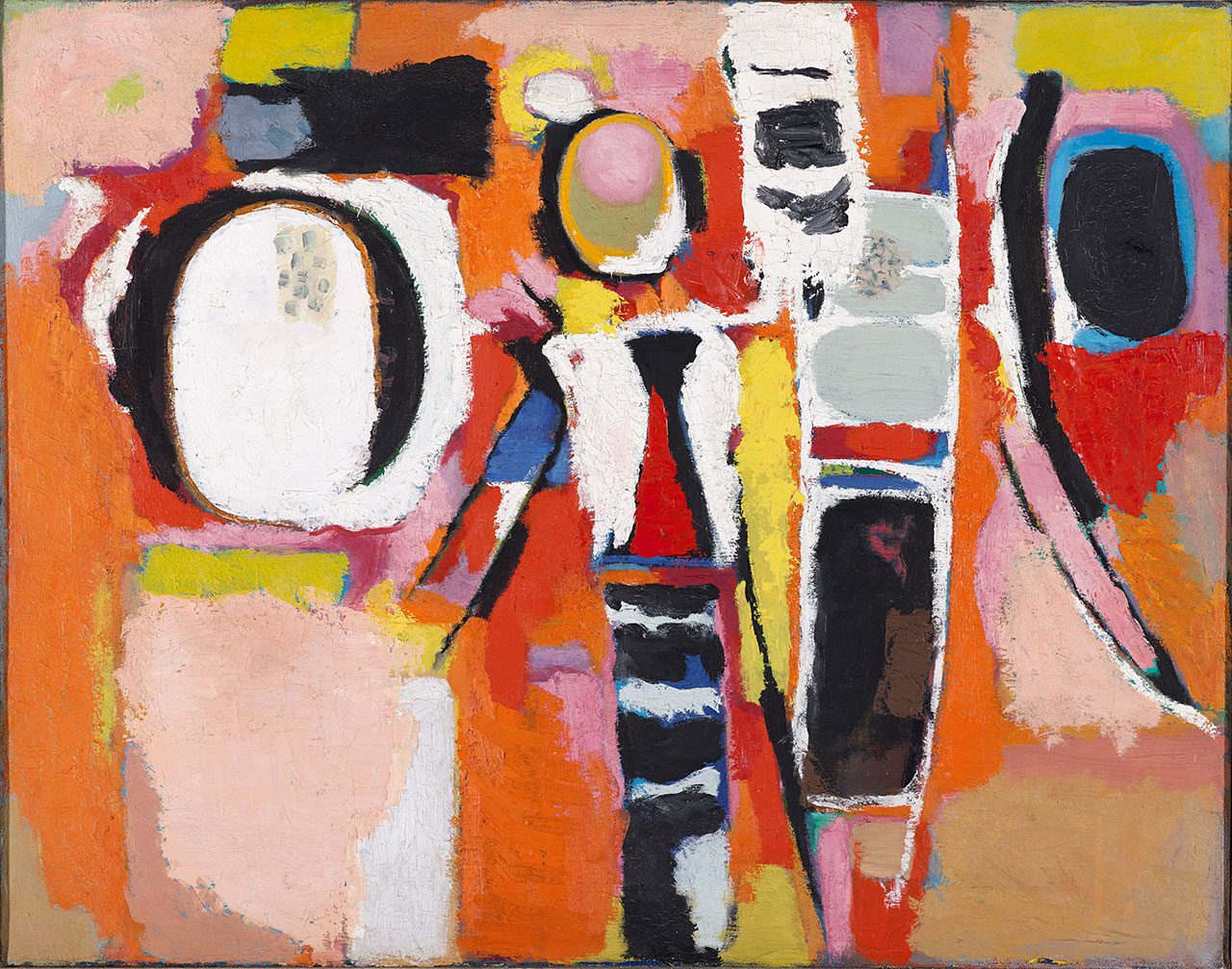
At the Kunstmuseum Den Haag, the exhibition “The New Hague School – Freedom Above All” shines a fresh light on the postwar artistic scene of The Hague, celebrating its vibrancy, diversity, and restless spirit of renewal. The show brings together works by figures central to this period, not only those already canonized but also artists who, for decades, remained overshadowed by larger movements—among them Jenny Dalenoord, Jan van Heel, Quirine Collard, and Willem Schrofer. All works on display come from the museum’s own collection, complemented by a selection of rare and striking posters on loan from a private collection. In the immediate aftermath of the Second World War, The Hague became a fertile ground for experimentation and reinvention. While the Cobra movement electrified Amsterdam and beyond, artists in The Hague sought their own forms of renewal—less confrontational perhaps, but equally ambitious. In 1949, the Posthoorn-group emerged, named after the lively café and gallery De Posthoorn, where painters, poets, and musicians converged. This group, disbanded in 1962, was followed in 1951 by Verve (or Hague Verve), a circle that translated the innovations of the School of Paris into a distinctly Hague form of modern figurative art. Though short-lived—the group dissolved in 1957—its influence was far-reaching. Verve’s spirit carried into Fugare, founded in 1960, which embraced non-figurative tendencies and lasted until 1967. These collectives did not exist in isolation. Between 1947 and 1959, the Gemeentemuseum Den Haag (today’s Kunstmuseum) organized nine editions of the exhibition Haagse Kunstenaars (“The Hague Artists”), bringing these painters to a wider public. Participants often overlapped across Posthoorn, Verve, and Fugare, together forming the core of what later came to be called the “New Hague School”—a term first introduced by Jos de Gruyter, then chief curator of modern art at the museum.
One of the figures who linked this Hague renewal to broader European developments was Piet Ouborg (1893–1956). His career bridged continents and styles: trained as a teacher, he worked in the Dutch East Indies during the First World War, where he taught drawing. Back in Europe, he discovered cubism and surrealism, drawing inspiration from Joan Miró. Settling permanently in The Hague in 1939, Ouborg became a key advocate of modern art in the Netherlands. He exhibited with the Experimentelen in 1947 and was often associated with Cobra, though he resisted formal membership. His art combined personal symbolism with modernist abstraction, earning him both acclaim and controversy—for instance, when he received the Jacob Maris Prize in 1950 for his drawing Father and Son.
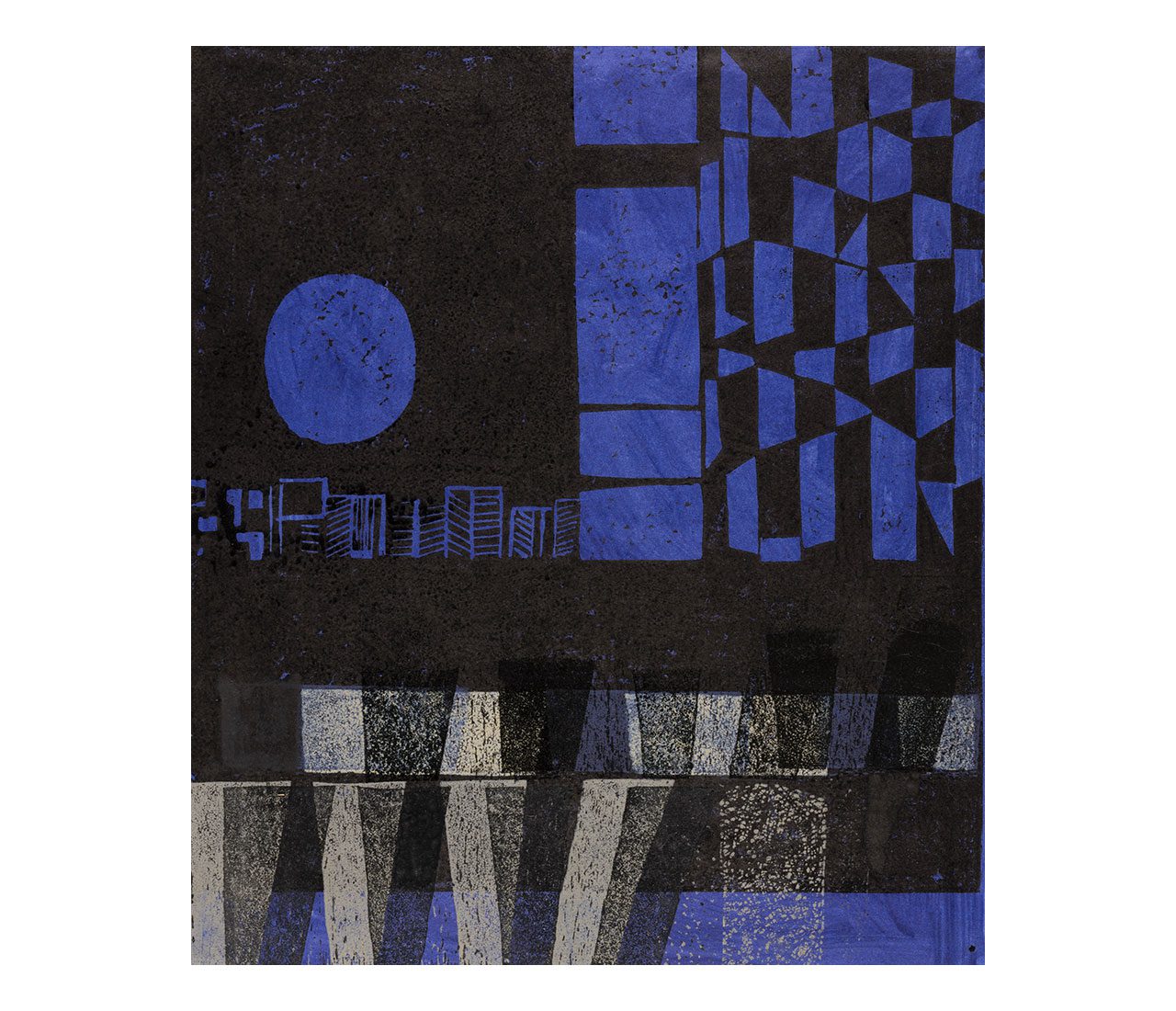
The exhibition also highlights Jenny Johanna Dalenoord (1918–2013), an artist and illustrator whose work is only now receiving the recognition it deserves. Born in Cheribon, Java (then the Dutch East Indies), Dalenoord spent her early years immersed in the lush tropical environment that became her first school of art. She observed plants, insects, and animals with fascination, storing away the fantastical forms and colors that would fuel her imagination for decades. At just eleven years old, she left Indonesia with her ailing mother, relocating to a Netherlands that felt cold, austere, and alien. In The Hague, she pursued Fine Arts at the Academy of Visual Arts, studying under Paul Citroen, Rein Draijer, and, most importantly, Willem J. Rozendaal, who taught her to distill essence and capture the characteristic. Henri Friedlander deepened her understanding of graphic design and typography, skills that later enriched her career as a children’s book illustrator. In collaboration with fellow student Jetty Krever, Dalenoord produced eight children’s books, weaving narrative and image into poetic unity. Beyond illustration, she continued to draw and paint, often finding her subject matter in animals—echoes of her tropical childhood. Between 1970 and 1978, she returned to her alma mater as a lecturer, shaping a younger generation of artists. Her presence in this exhibition reminds us of the porous boundaries between “high art” and illustration, between the canonized and the overlooked.
Equally emblematic of the restless spirit of the postwar decades is Jan Cremer (b. 1940). An enfant terrible from the very beginning, Cremer came of age in the austere years following the war. Restless and rebellious, he lived as a sailor, traveler, and adventurer before committing to painting and printmaking. Critics at his first solo show in The Hague in 1958 described him as a “wild animal”—a reputation he did little to disprove. His art, raw and visceral, was matched by his writing: I, Jan Cremer (1964) became a literary sensation, a bestseller that scandalized and thrilled the Dutch public. Yet Cremer’s oeuvre extends far beyond provocation; his later paintings of tulip fields and Dutch landscapes, infused with boldness and grandeur, reveal an artist deeply engaged with national identity and tradition.
Taken together, the works in “The New Hague School – Freedom Above All” offer not just a survey of postwar art in The Hague but a meditation on freedom itself: the freedom to reinvent, to challenge tradition, to merge influences, and to claim space for voices too long overlooked. Far from being a mere provincial echo of Cobra, the New Hague School emerges here as a vital, multifaceted chapter in Dutch modernism—one in which diversity and individual expression were, indeed, above all.
Photo: Jenny Dalenoord, The New City, 1970, linoleum print, Kunstmuseum Den Haag
Info: Kunstmuseum Den Haag, Stadhouderslaan 41, Den Haag, Netherlands, Duration: 6/9-7/12/2025, Days & Hours: Tue-sun 10:00-17:00, www.kunstmuseum.nl/en
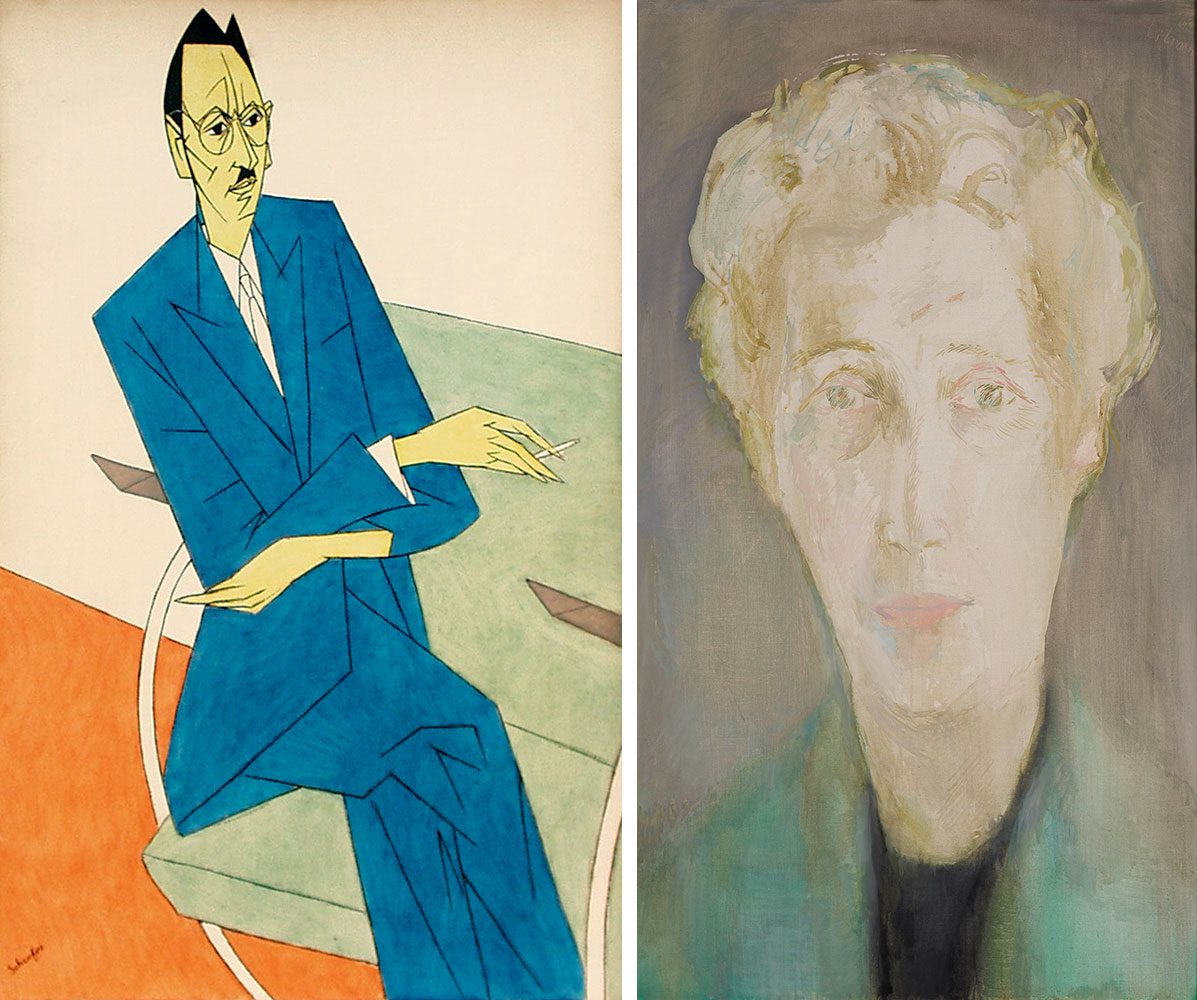
Right: Paul Citroen, Portrait of Mrs J.V.C. Bakker-Hefting, 1963, Tempera on canvas, Kunstmuseum Den Haag
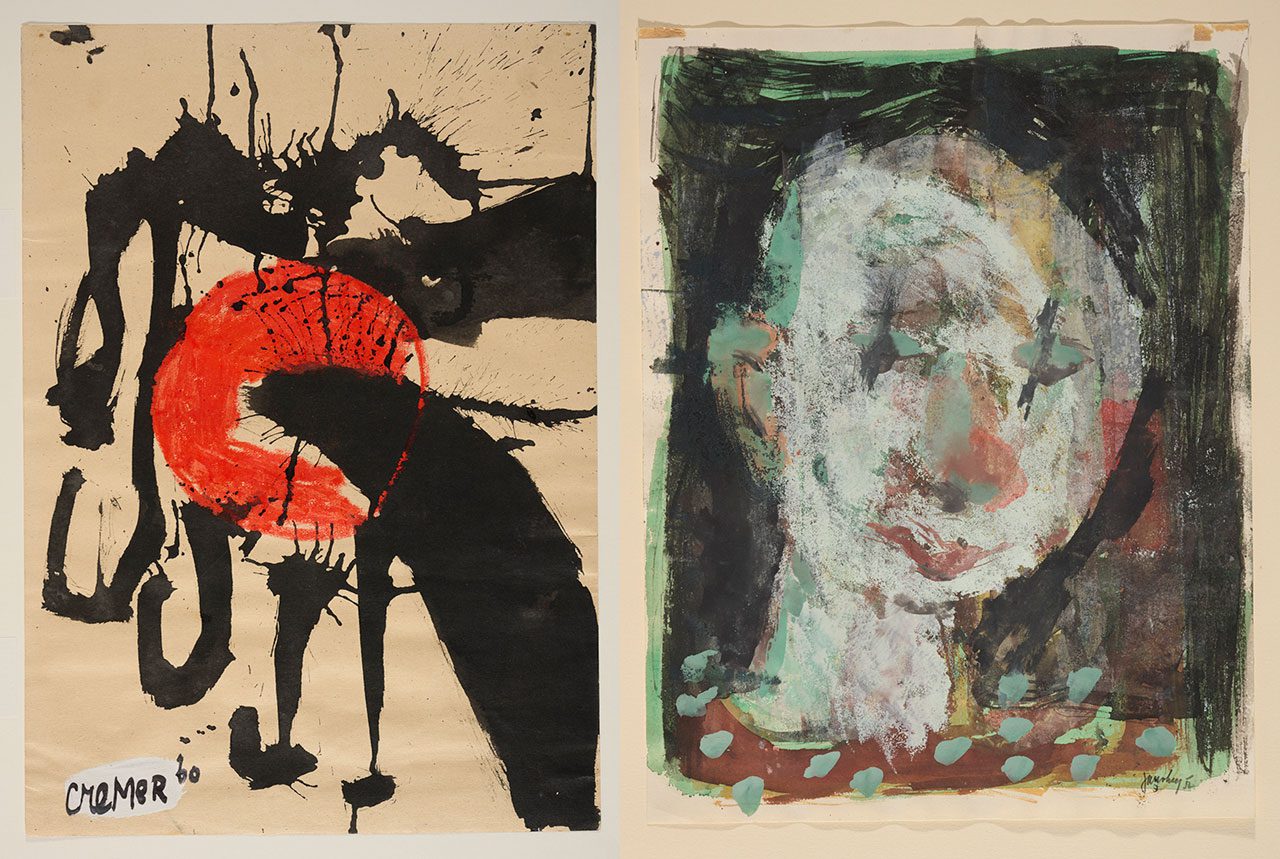
Right: Jan van Heel, Clown’s head, 1952, Gouache on paper, Kunstmuseum Den Haag