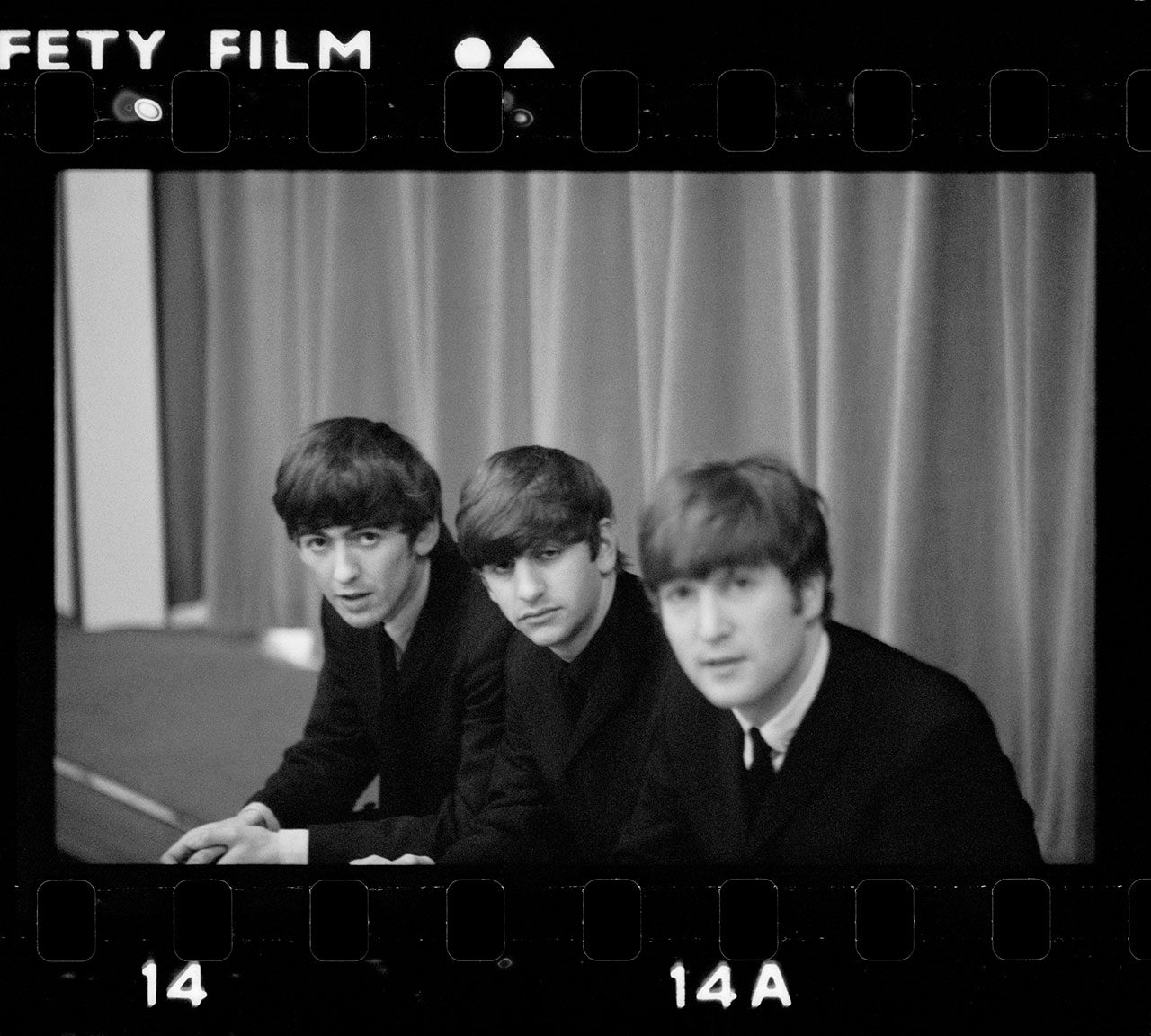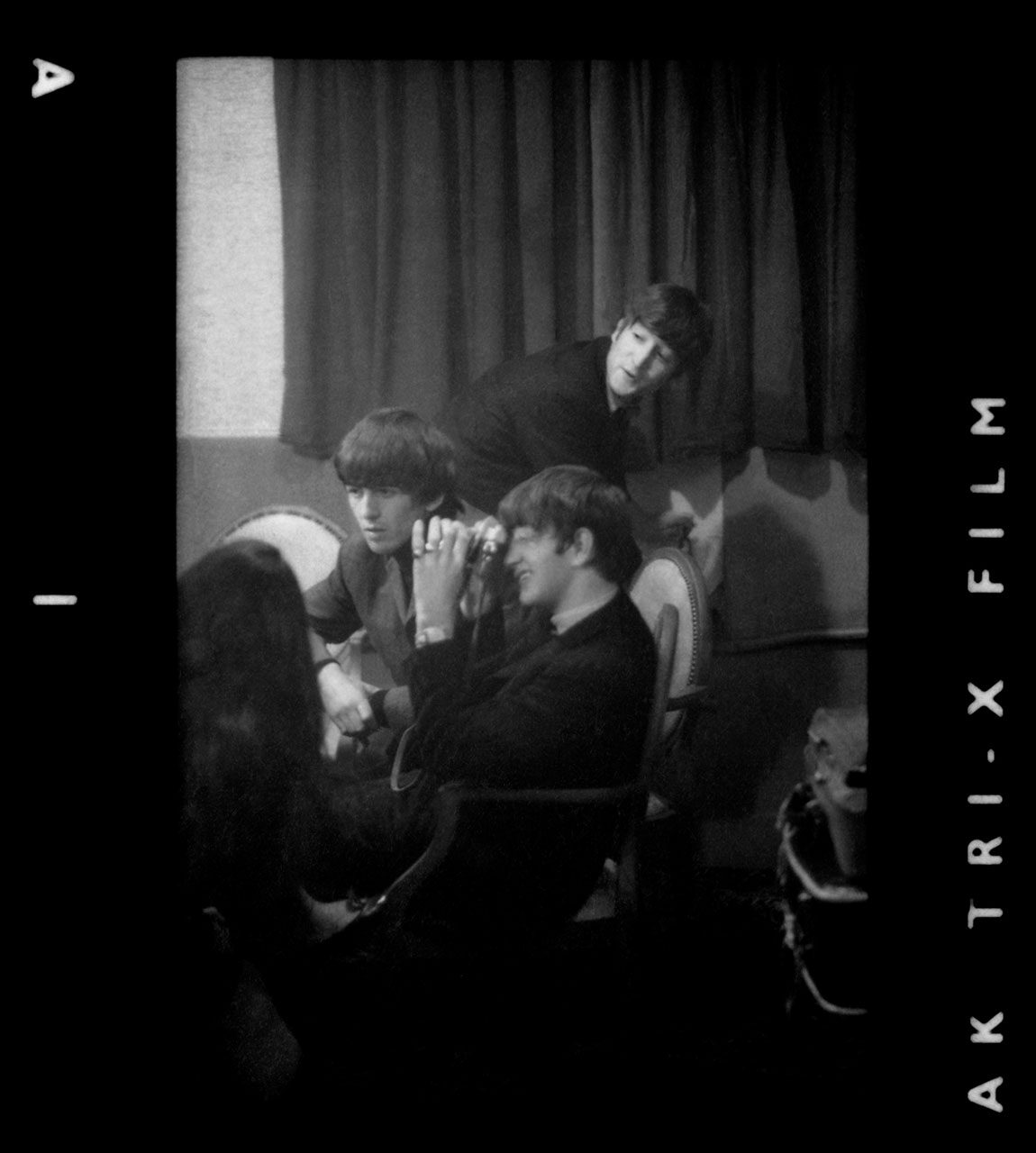
PHOTO: Paul McCartney-Rearview Mirror: Liverpool
Paul McCartney grew up around cameras, his mother, Mary, was an avid amateur photographer, and his late wife Linda McCartney became world-famous for her photography. Paul McCartney himself often carried a camera during The Beatles’ years, capturing behind-the-scenes life on tour, at home, and in the studio. Unlike professional press shots, his photos capture casual, unguarded moments. His Beatles-era photos serve as a historical archive, giving an insider’s view of fame.
By Dimitris Lempesis
Photo: Gagosian Archive
In the winter of 1963, Britain was a country still shaking off the austerity of the postwar years. Rationing had ended less than a decade earlier, and the nation’s popular culture was in transition. The stiff conventions of the 1950s were giving way to the first stirrings of a new youth identity—one built on music, fashion, and a desire to break free of the old order. At the center of this transformation stood The Beatles, four young men from Liverpool whose blend of working-class humor, distinctive style, and irresistible songs struck a chord that reverberated far beyond their hometown. It was during this season of change that Paul McCartney acquired a 35mm Pentax camera and began photographing his life from within. The images, now gathered in “Rearview Mirror: Liverpool–London–Paris”, span December 1963 through February 1964: a liminal moment when the Beatles shifted from being Britain’s most popular band to becoming a worldwide phenomenon. The timing was no coincidence. That same winter, British newspapers coined the term “Beatlemania” to describe the near-hysterical devotion of the group’s fans—scenes of teenagers screaming, fainting, and mobbing theaters that baffled older generations while thrilling the young.
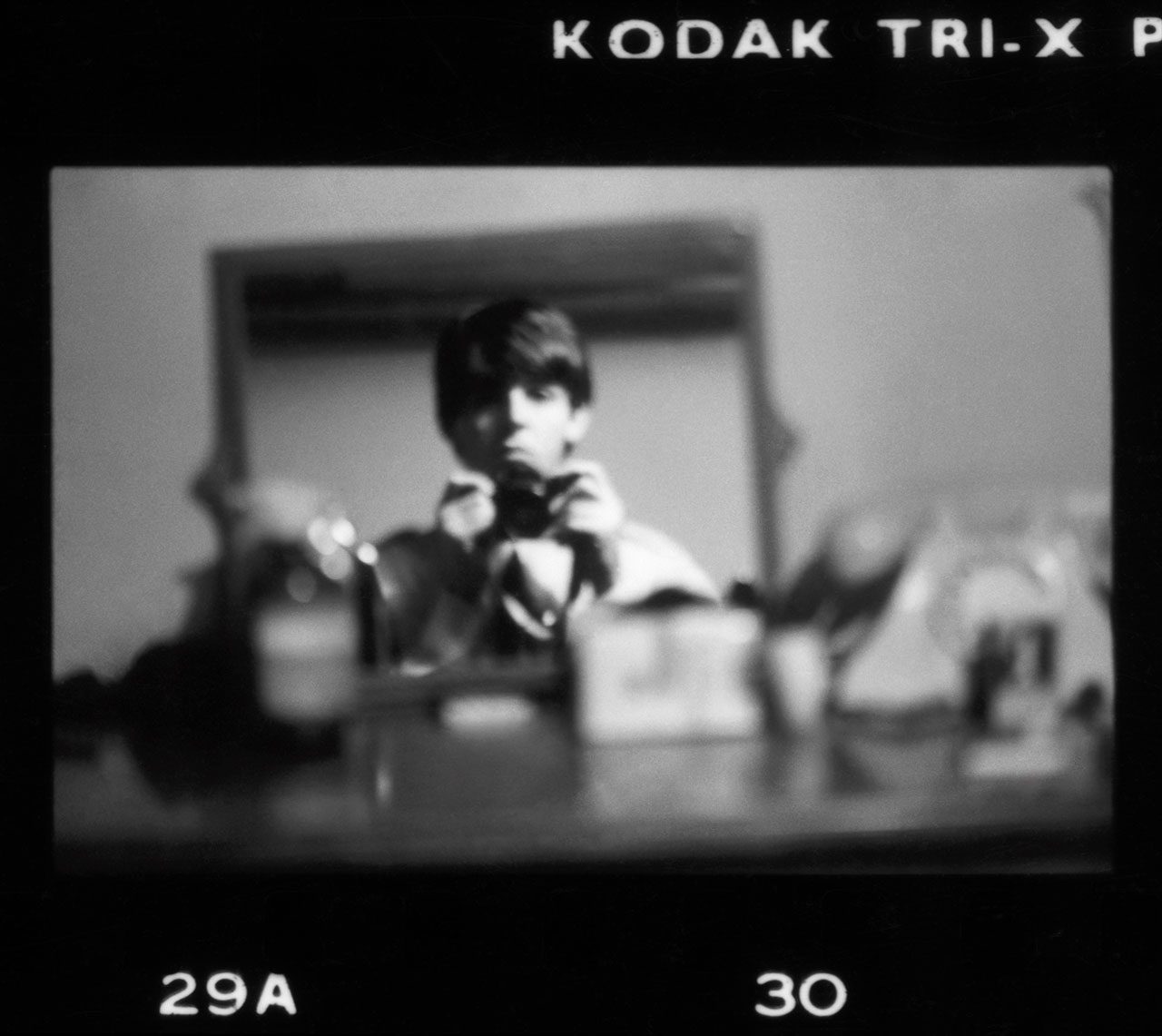
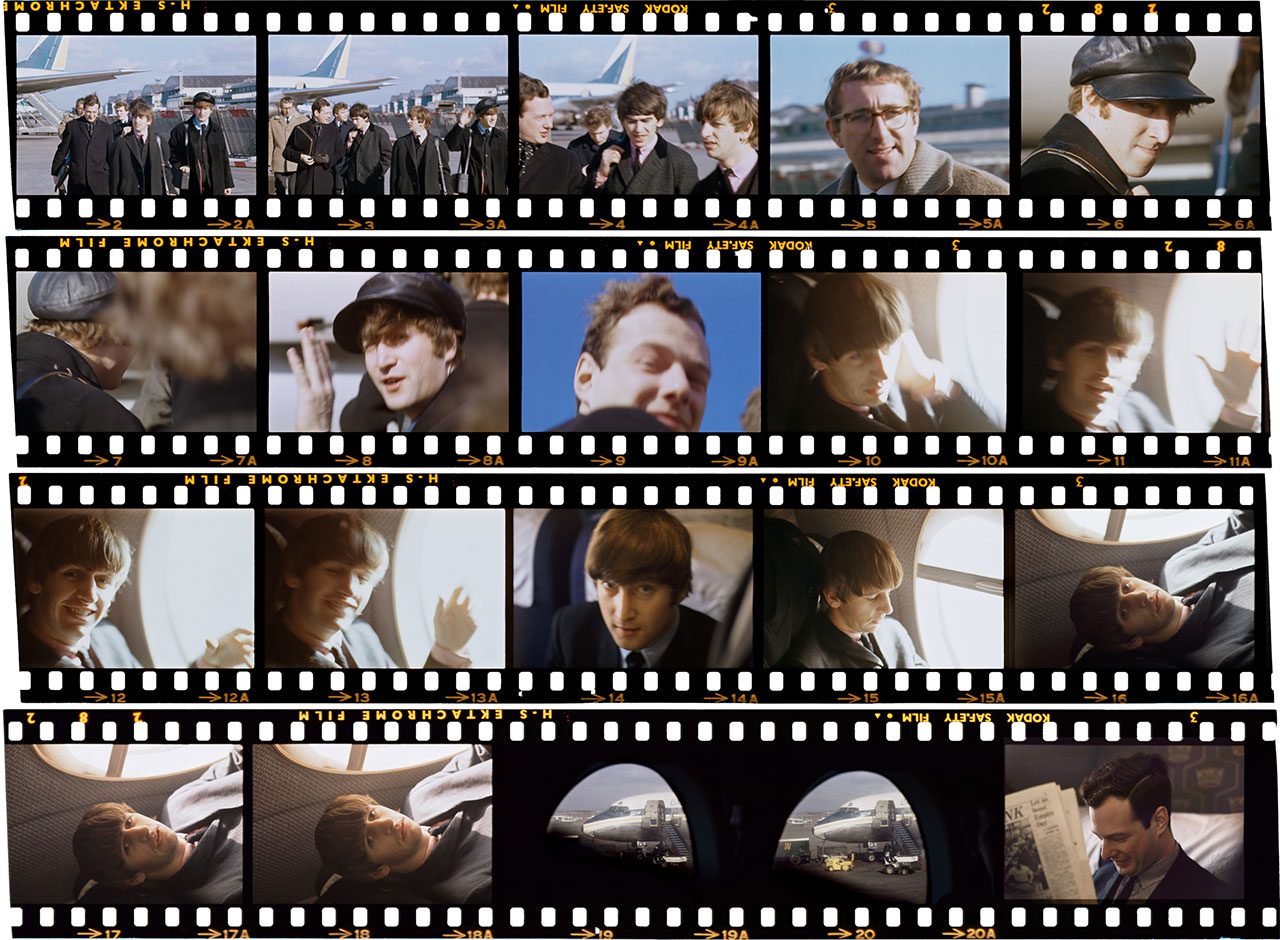
The photographs trace this whirlwind period through a deeply personal lens. They show the band backstage at the Lewisham Odeon, London Palladium, and Finsbury Park Astoria during “The Beatles Christmas Show”, a production that marked their crossover into mainstream family entertainment. Other frames capture them during their three-week engagement at the Olympia Theatre in Paris, where the group tested themselves before discerning continental audiences while also spending long hours refining material for what would become their first film, “A Hard Day’s Night”. McCartney’s camera reveals not only the glamour but also the exhaustion: slumped bodies in hotel rooms, pensive stares from car windows, the blur of city streets rushing by. This was also the winter when Britain itself was changing. The Beatles’ rise coincided with the emergence of London as a global center of style and art. Mary Quant was revolutionizing fashion with the miniskirt; David Bailey and other young photographers were challenging traditional portraiture; the satire boom was poking holes in the authority of politicians and the establishment. To many, The Beatles embodied this new spirit: witty, irreverent, and unapologetically modern. They were part of a broader generational wave that questioned hierarchies, embraced experimentation, and sought to redefine British identity in the wake of empire and austerity. Seen in this wider context, McCartney’s photographs are more than keepsakes of a famous band. They are documents of a cultural turning point. A mirror self-portrait in the attic of the Asher family home in London shows McCartney reflected in a modest room—the same space where he would later dream the melody of “Yesterday,” a song that would come to symbolize the decade’s blend of intimacy and innovation. Enlarged contact sheets chart the band’s playful camaraderie, but also moments of solitude and contemplation, suggesting that even amid the chaos of adulation, the Beatles were acutely aware of the pressures—and possibilities—of their position. The sequence culminates in early February 1964, with images of the band in transit, poised on the edge of history. Within days they would board a flight to New York, where their appearance on “The Ed Sullivan Show” would draw 73 million viewers—an audience larger than the population of Britain itself. That broadcast did more than launch The Beatles in America; it symbolized the beginning of the so-called “British Invasion,” reshaping global pop culture and reinforcing the idea that music could be both entertainment and a force of generational identity. Rediscovered after more than half a century, these photographs remind us that the story of the 1960s was not only about records sold or concerts played, but about the textures of everyday life—the hotel rooms, the dressing rooms, the quiet reflections between the storms of applause. McCartney’s lens captured this liminal world with intimacy and candor, offering a rare view of the cultural earthquake just as it was beginning to shake the foundations of the old order.
Photo: Paul McCartney, At London Airport (with Brian Epstein, Mal Evans, and Neil Aspinall) for Pan Am flight 101 to New York City, 7 February 1964, © Paul McCartney, Courtesy Gagosian
Info: Gagosian, 17–19 Davies Street, London, United Kingdom, Duration: 28/-4/10/2025, Days & Hours: Tue-Sat 10:00-18:00, https://gagosian.com/