
PRESENTATION: Jessi Reaves-Process invented the mirror, Part II
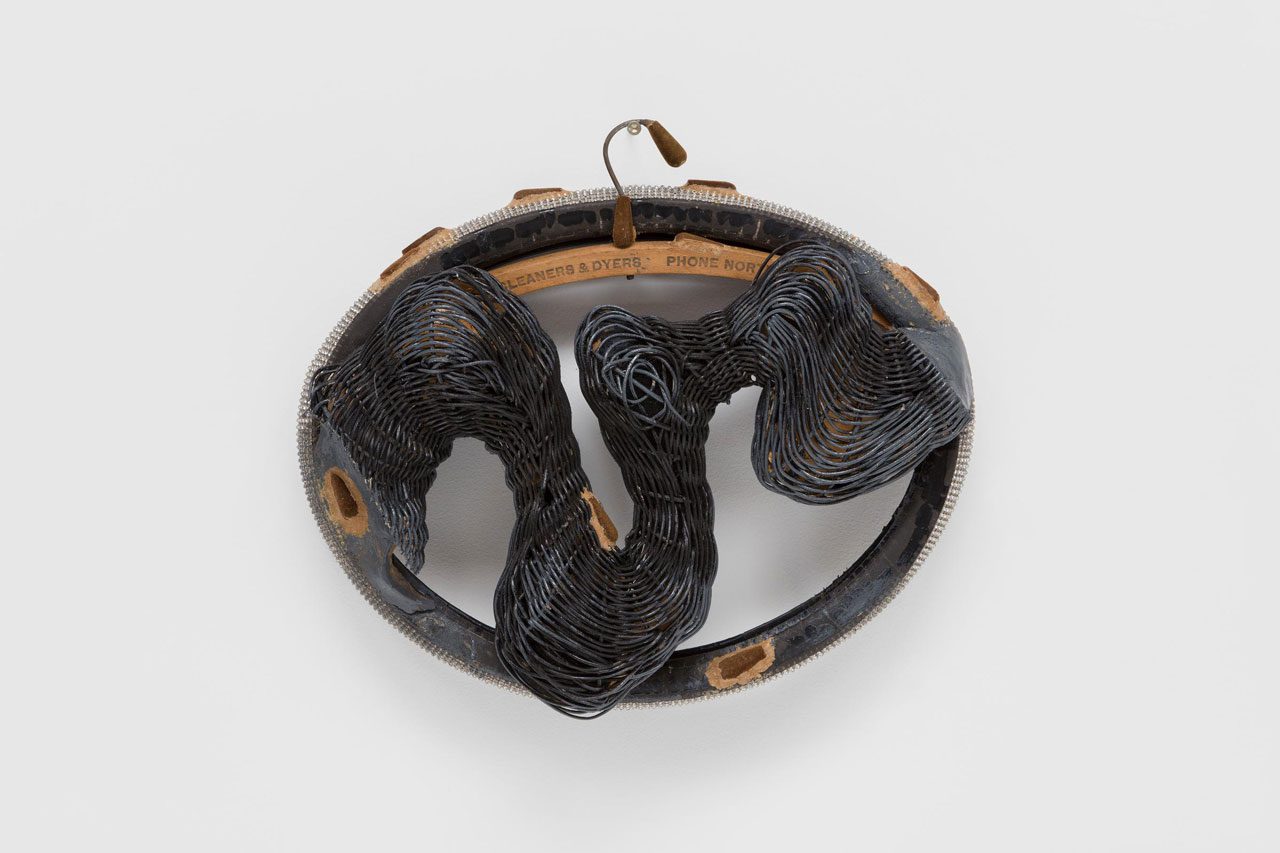
Originally enrolled in the furniture design program at the Rhode Island School of Design, Jessi Reaves left school only to return a year later—this time to study painting. This pivot foreshadowed her eventual fusion of disciplines, merging functional design with conceptual art. After moving to New York in 2010, she took a part-time job as an upholsterer, immersing herself in the tactile world of materials and construction. It was here, amid fabric scraps and wooden frames, that her artistic practice began to take shape (Part I).
By Efi Michalarou
Photo: Walker Art Center Archive
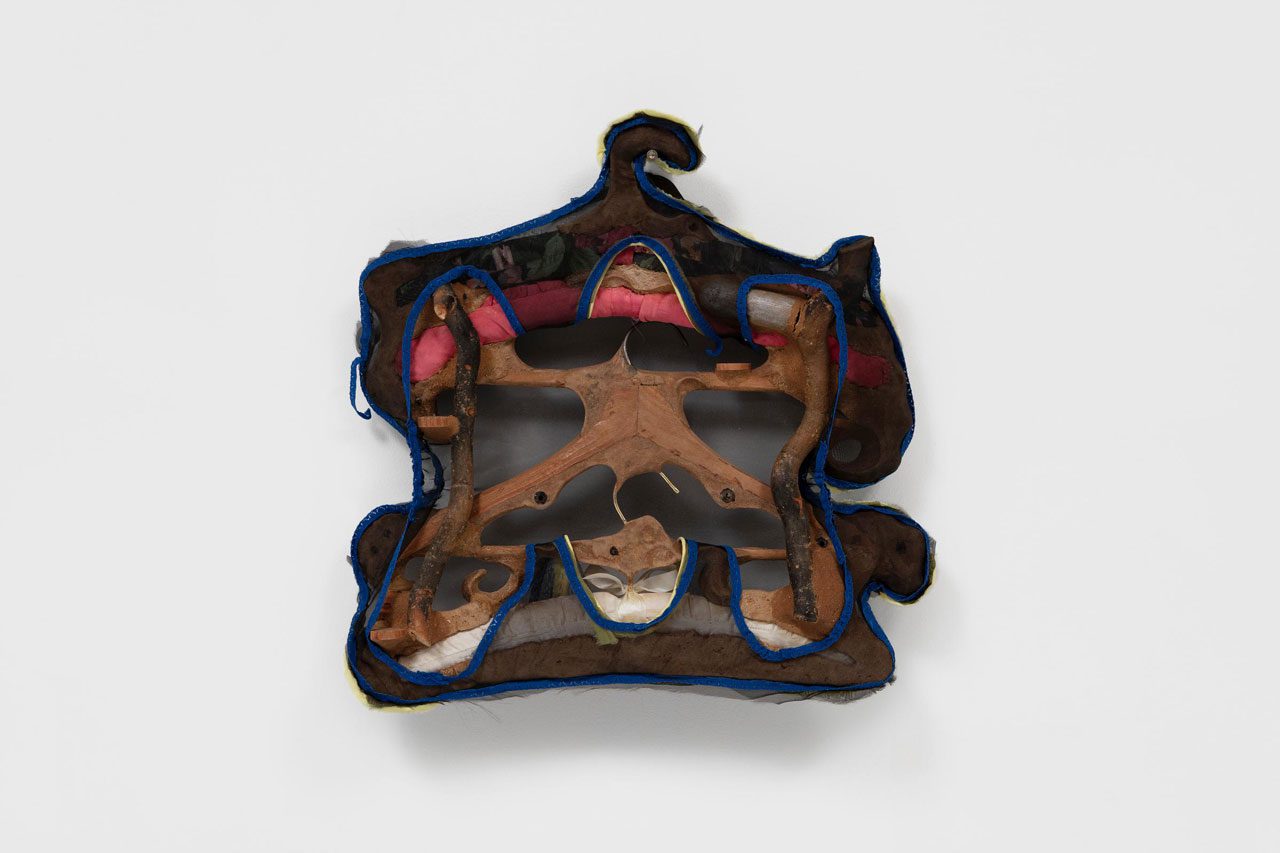
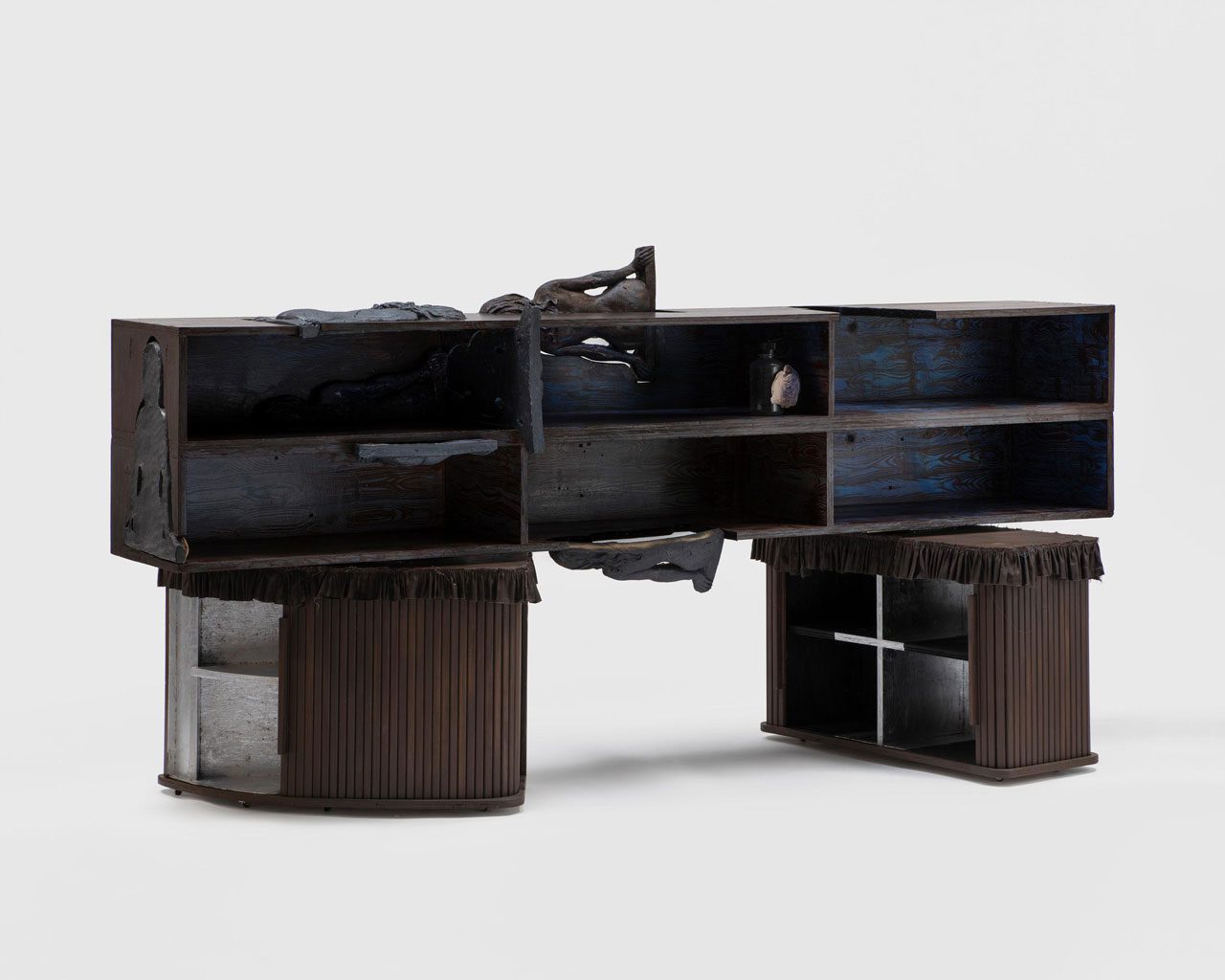
Jessi Reaves’s work exists in a provocative liminal space—sculptures that resemble furniture yet defy conventional utility, art objects that tease functionality while deliberately sabotaging it. Her aesthetic is a form of “ideological revision,” paying homage to Modernist design while undermining its polished perfection with intentional flaws, rough edges, and a subversive sense of humor. Jessi Reaves presents her first solo museum exhibition, “process invented the mirror” a showcase that delves into the labor of creation, the deconstruction of form, and the absurd interplay between usefulness and artistic expression. Reaves begins with found or fabricated furniture—chairs, tables, cabinets—then dismantles, reconfigures, and elevates them into sculptural statements. For this exhibition, she draws from an eclectic array of influences, including the Works Progress Administration’s utilitarian ethos, as well as key figures from Art Deco, Art Nouveau, and Japanese Post-Modernism. The resulting works interrogate themes of value, nostalgia, and the contradictions of consumer culture. Featuring nearly 20 new works, the exhibition highlights Reaves’s signature approach while introducing unexpected materials and techniques. Everyday objects—lamps, chairs, cabinets—are stripped of their original purpose and reborn as hybrid forms, hovering between the recognizable and the uncanny. Many retain vestiges of functionality: doors that no longer open, hinges frozen mid-motion, bulbs that will never illuminate. These frozen gestures amplify the tension between an object’s intended use and its new, sculptural existence.The works in “process invented the mirror” are deeply intertextual, weaving together global design history and intimate personal narratives. Some pieces incorporate collaged fragments from birding magazines once owned by Reaves’s late mother, their pages adhered to plywood and plexiglass surfaces. These inclusions infuse the sculptures with a poignant sense of memory, evoking both the fragility and resilience of adaptation. Other works engage in direct dialogue with design legends—Art Deco pioneer Paul T. Frankl, Art Nouveau master Émile-Jacques Ruhlmann, and Japanese Post-Modernist Shiro Kuramata, whose iconic “Miss Blanc Chair” serves as a touchstone. By reimagining and destabilizing these references, Reaves expands the conversation around historical design movements, questioning their legacies while reinventing their forms. In “process invented the mirror,” Jessi Reaves invites viewers into a world where function is a ghost, where beauty is found in the unfinished, and where the act of making—and unmaking—becomes the art itself.
Photo: Jessi Reaves, Hanger, 2025. Courtesy the artist and Bridget Donahue, New York; photo: GC Photography
Info; Curator: Mary Ceruti, Walker Art Center, 725 Vineland Pl, Minneapolis, MN, USA, Duration: 7/8/2025-4/1/2026, Days & Hours: Wed & Fri-Sun 10:00-17:00, Thu 10:00-21:00, https://walkerart.org/
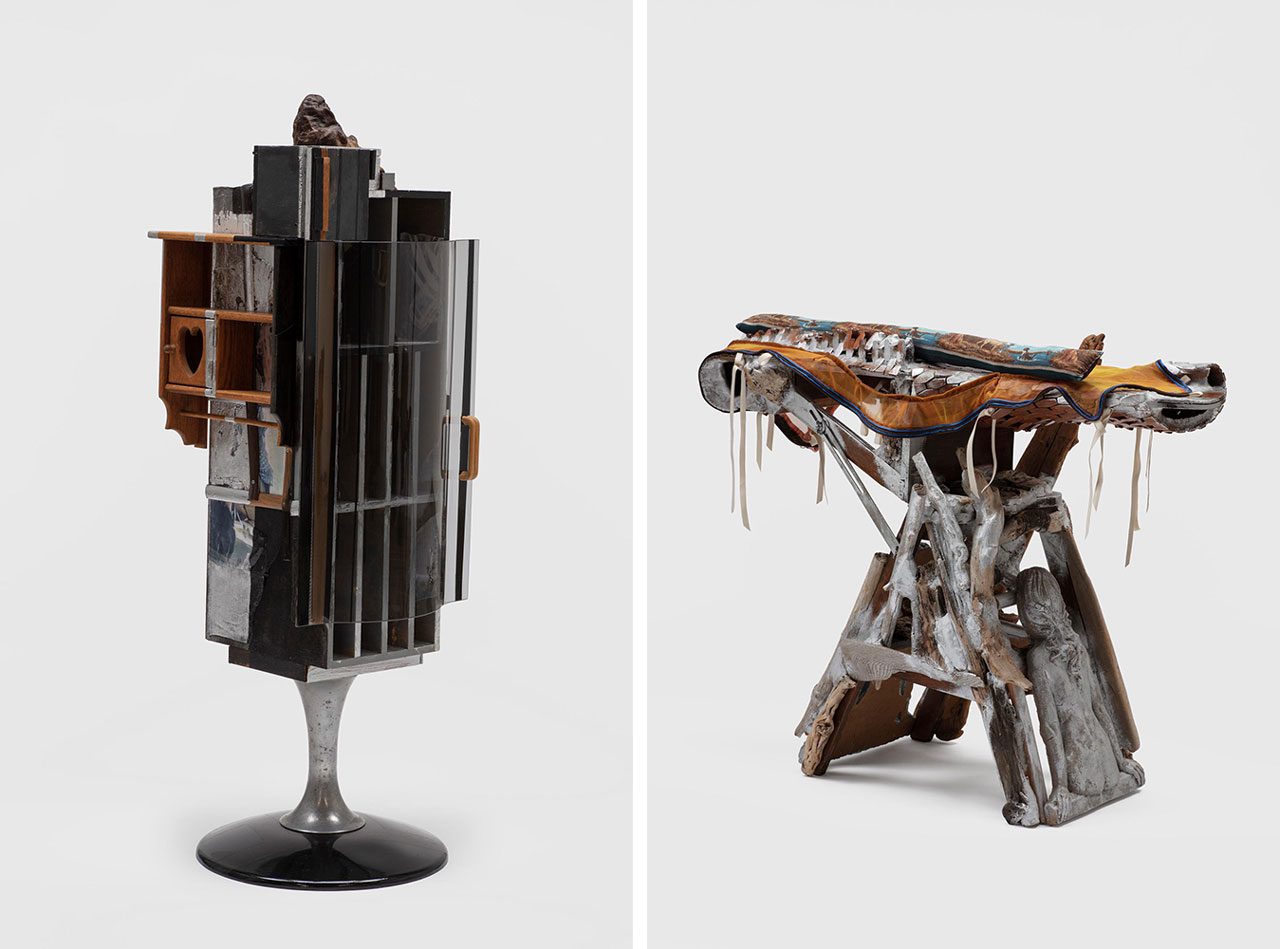
Right: Jessi Reaves, My eyes are down here (bachelors stool), 2025. Courtesy the artist and Bridget Donahue, New York; photo: GC Photography
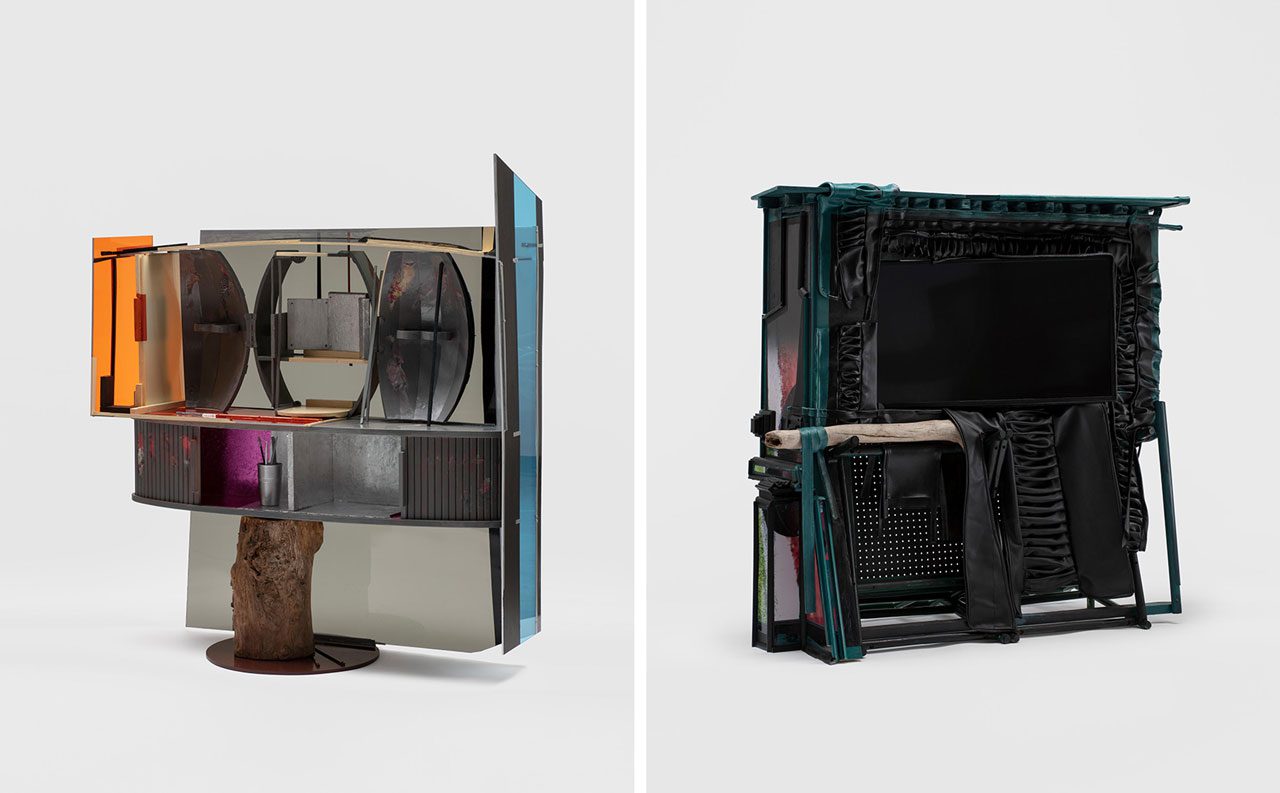
Right: Jessi Reaves, Reflection in black plastic, 2025. Courtesy the artist and Bridget Donahue, New York; photo: GC Photography
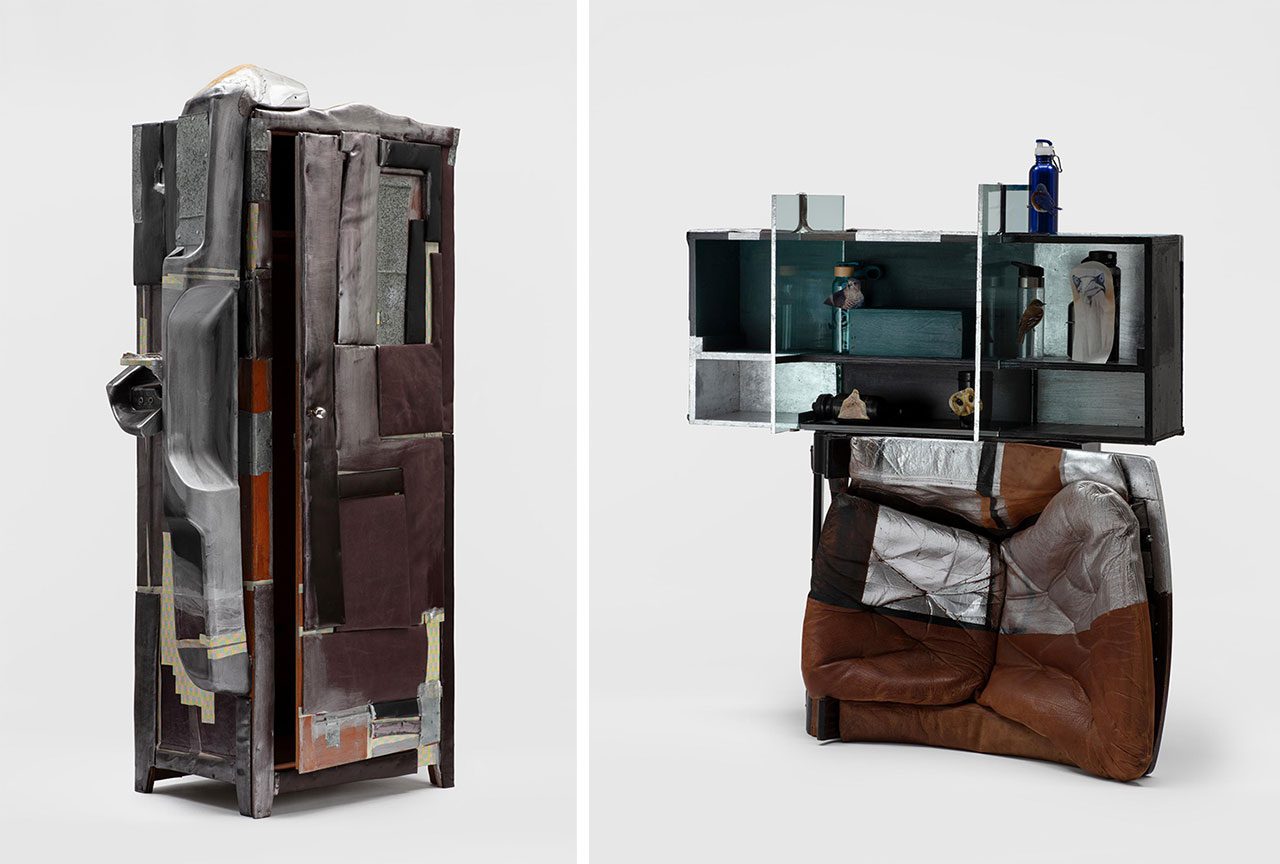
Right: Jessi Reaves, What do people do around here, 2025. Courtesy the artist and Bridget Donahue, New York; photo: GC Photography