ART CITIES: Copenhagen-Jone Kvie
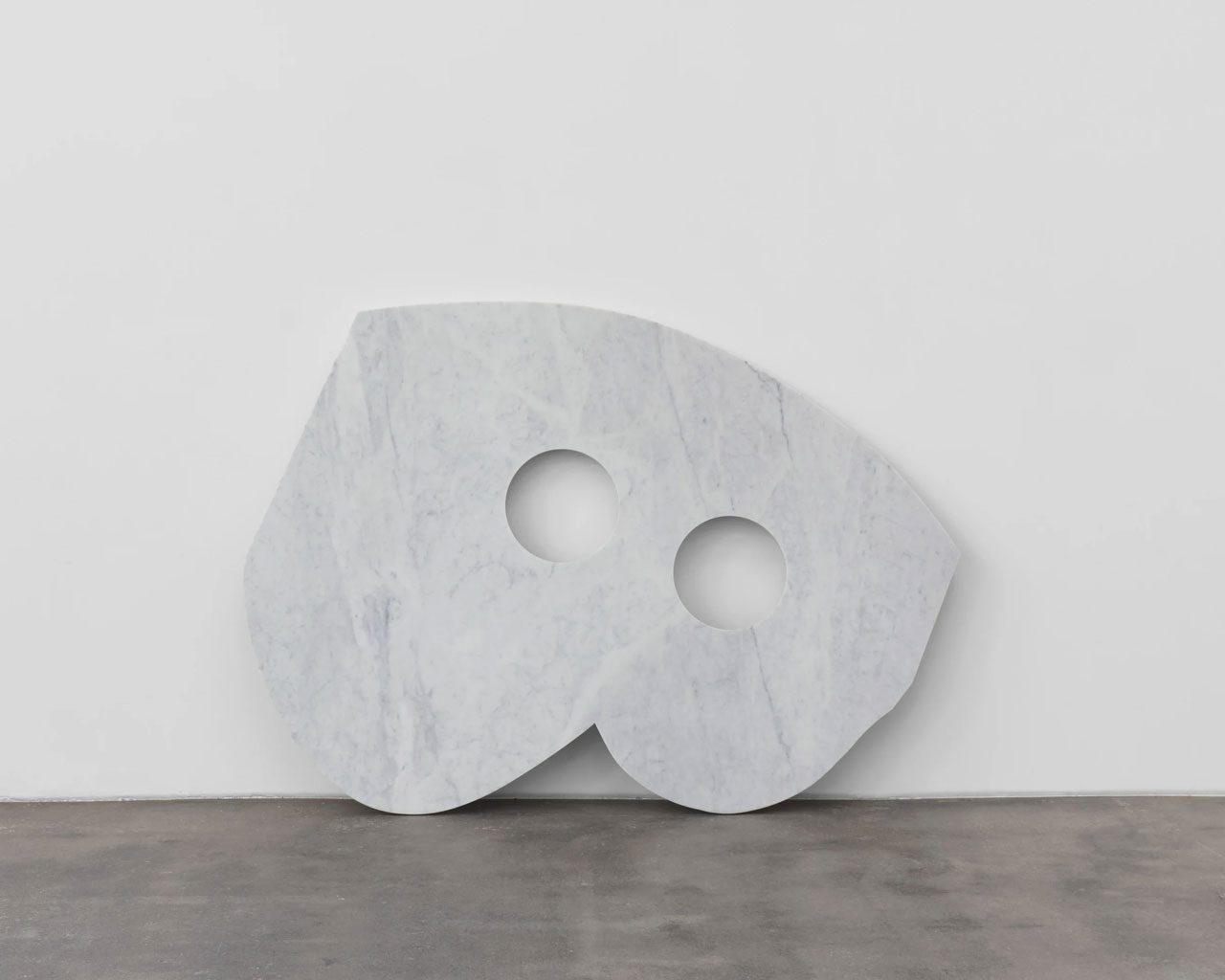
Jone Kvie explores the understanding of the world and our place in it through sculpture, examining both the possibilities and limitations of the medium. His work evokes uncertainty and sparks multiple associations, resisting fixed narratives. By translating natural phenomena like meteors and star clusters into sculptural forms, Kvie captures the essence of the unknown, blending scientific concepts with abstract aesthetics.
By Dimitris Lempesis
Photo: NILS STÆRK Gallery Archive
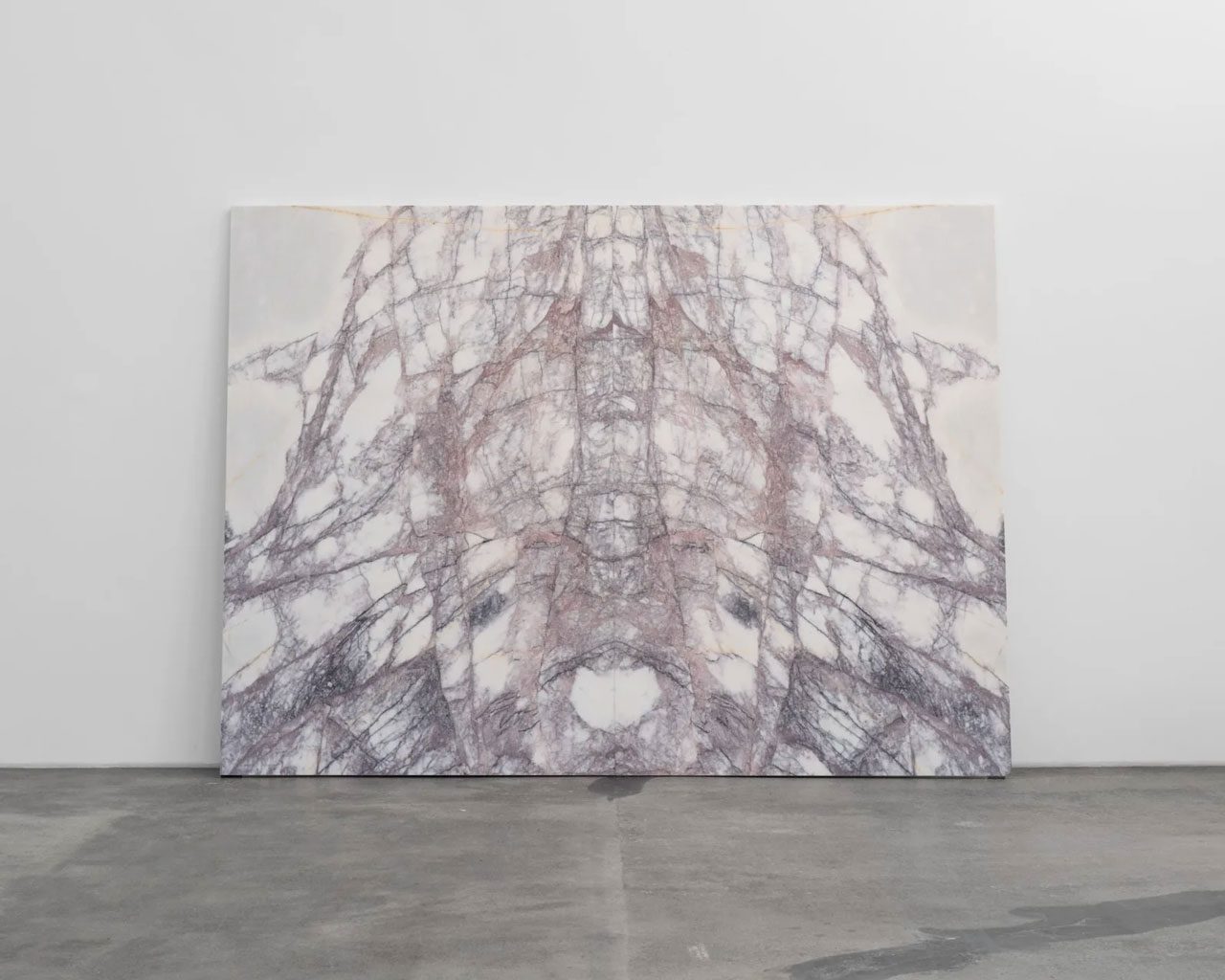
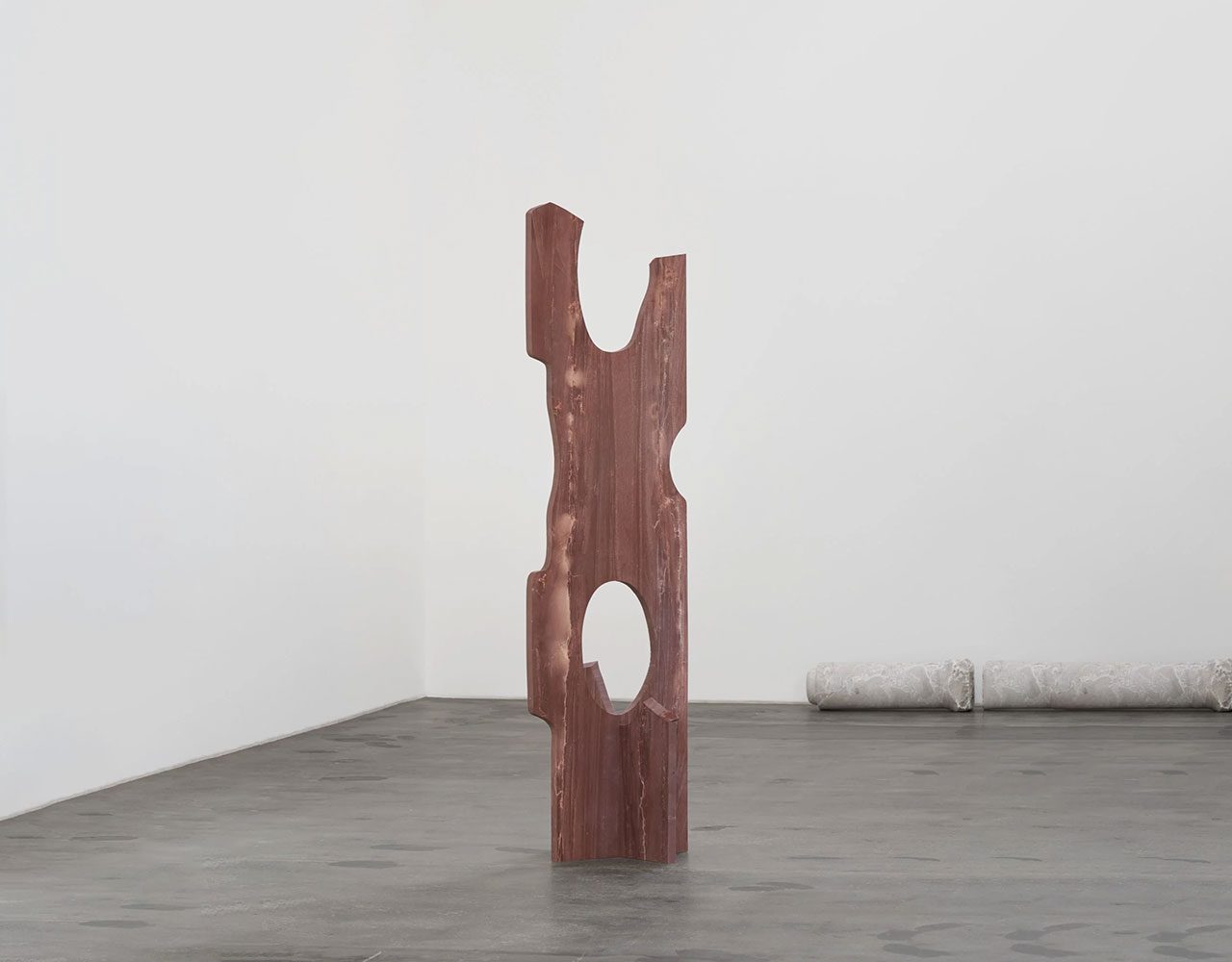
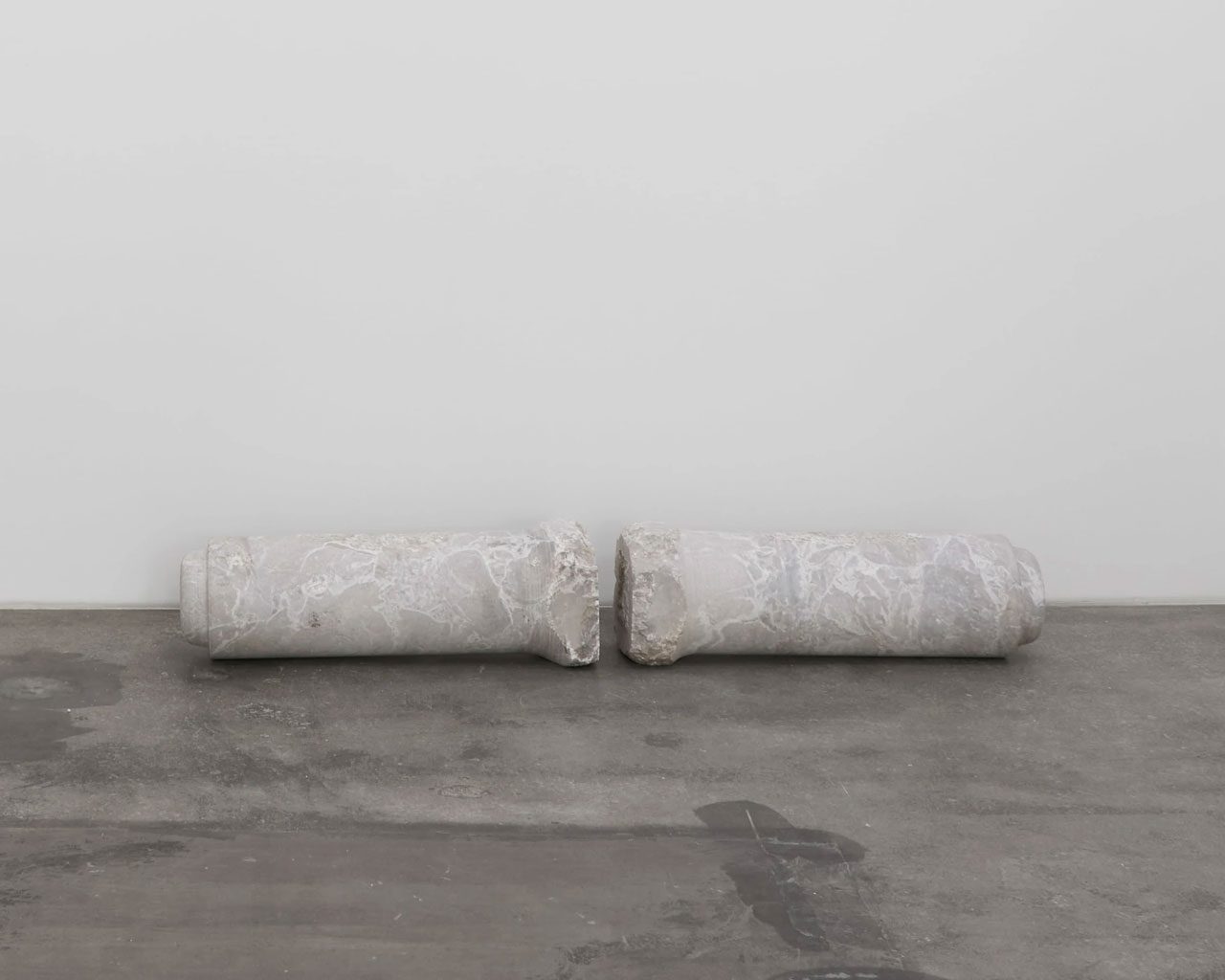
Jone Kvie’s practice is defined by the translation of abstract ideas into material form. His sculptures reduce complex scientific, philosophical, and cultural references into shapes that remain immediate and physical, insisting on their presence in space. Kvie’s materials—ranging from basalt and marble to steel, concrete, and organic matter—are chosen for both their structural characteristics and their capacity to carry symbolic weight. What emerges is a body of work situated at the intersection of art and science, where matter becomes a means of reflecting on the limits of human perception and knowledge. The exhibition “salthour” at NILS STÆRK demonstrates Kvie’s continued investigation into time, materiality, and human existence. Here, the sculptures operate as mediators between geological history and the present moment. Ancient substances and fossil traces are combined with altered everyday objects, producing forms that make visible the continuity between the earliest conditions of the Earth and contemporary life. Rather than illustrating this relationship, the works enact it: they position viewers within a continuum where the human is inseparable from longer temporal and material processes. In recent years, Kvie has shifted his focus toward the encounter between sculpture and the human body. His engagement with basalt reflects this change—selected not only for its geological significance but also because basalt dust is non-toxic, foregrounding the material’s physical relationship to the body. Minimal interventions leave the stones close to their natural state, while their combination with remnants of human activity—such as rusted fence posts—foregrounds the tension between natural formation and cultural trace. His newer works in marble, steel, and concrete extend this logic, drawing attention to the ways human presence is inscribed in the landscape and in the materials that shape daily life. Earlier projects positioned Kvie’s practice within a broader cosmological frame, referencing meteors, mineral structures, and stellar phenomena. These works resist clear classification, oscillating between scientific fact, cultural imagination, and art historical resonance. Central to his approach is a commitment to ambiguity: his sculptures rarely resolve into definitive meanings but remain open, suspended between the known and the unknown. What unifies Kvie’s practice across its phases is a focus on the physical encounter with sculpture itself. His works are not only vehicles of reference but objects that must be experienced through their material presence, weight, and scale. They resist didactic interpretation, instead generating a space for reflection in which viewers are confronted with the interdependence of matter, time, and perception. In this, Kvie underscores the potential of sculpture to exceed representation and to become a site where knowledge, uncertainty, and sensory experience converge.
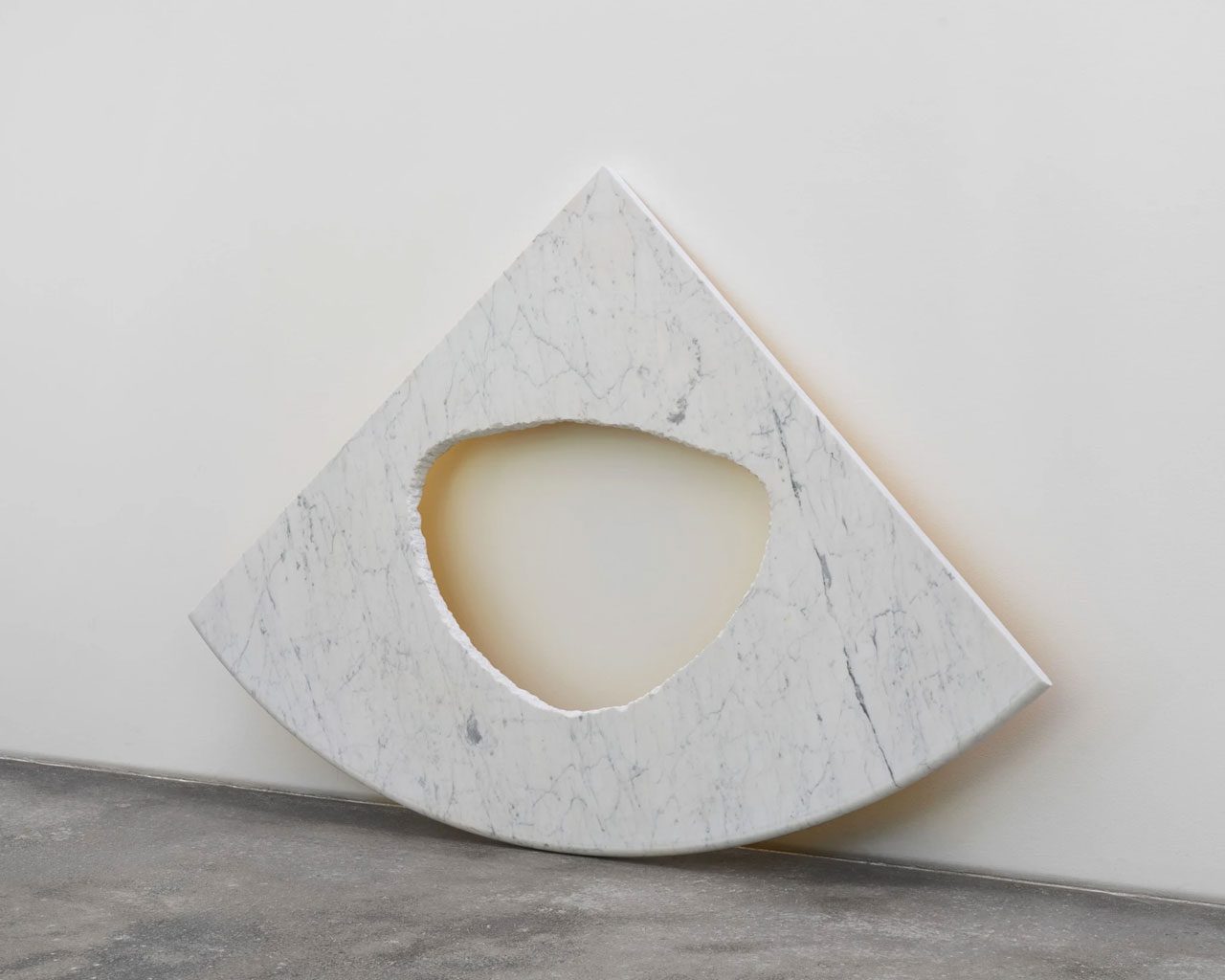
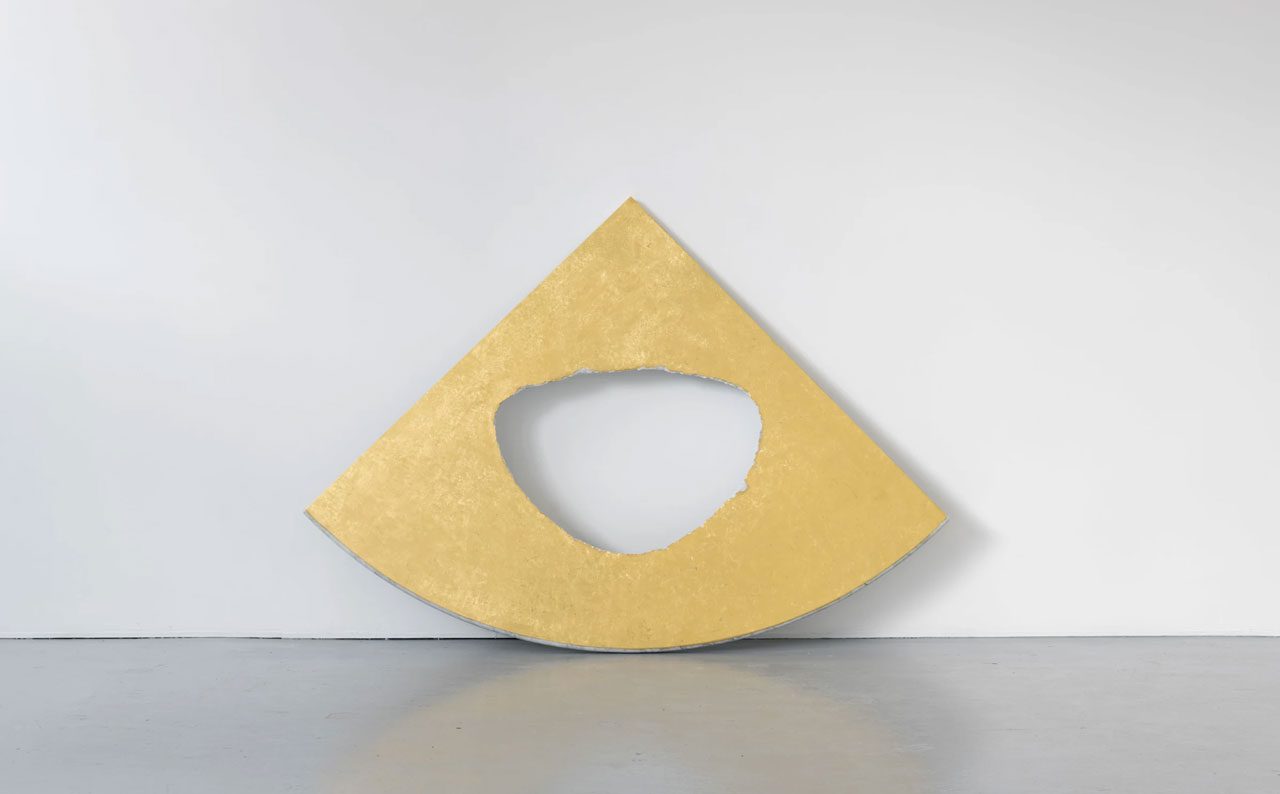
Photo: Jone Kvie, Marble Slant, 2023, Carrara marble and gold leaf, 120 x 120 x 4 cm, 47.24 x 47.24 x 1.57 in, Edition of 3 plus 1 AP, © Jone Kvie, Courtesy the artist and NILS STÆRK Gallery
Info: NILS STÆRK Gallery, Glentevej 49, Copenhagen, Denmark, Duration: 22/8-11/11/2025, Days & Hours: Tue-Fri 11:00-17:00, Sat 11:00-15:00, https://nilsstaerk.dk/