ART CITIES: Paris-Brice Marden
Brice Marden continuously refined and extended the traditions of lyrical abstraction. Experimenting with self-imposed rules, limits, and processes, and drawing inspiration from his extensive travels, Marden brought together the diagrammatic formulations of Minimalism, the immediacy of Abstract Expressionism, and the intuitive gesture of calligraphy in his exploration of gesture, line, and color.
By Efi Michalarou
Photo: Gagosian Archive
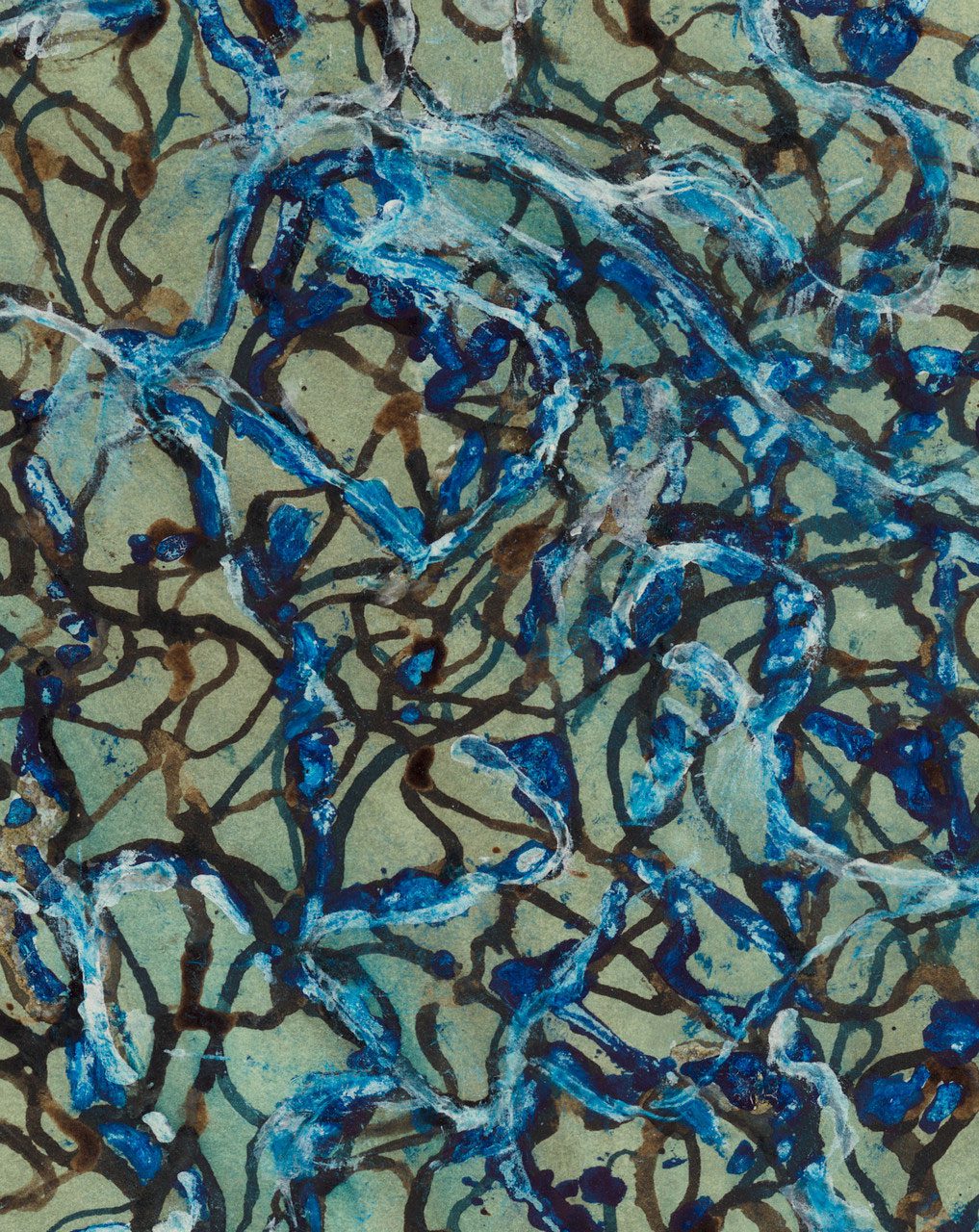
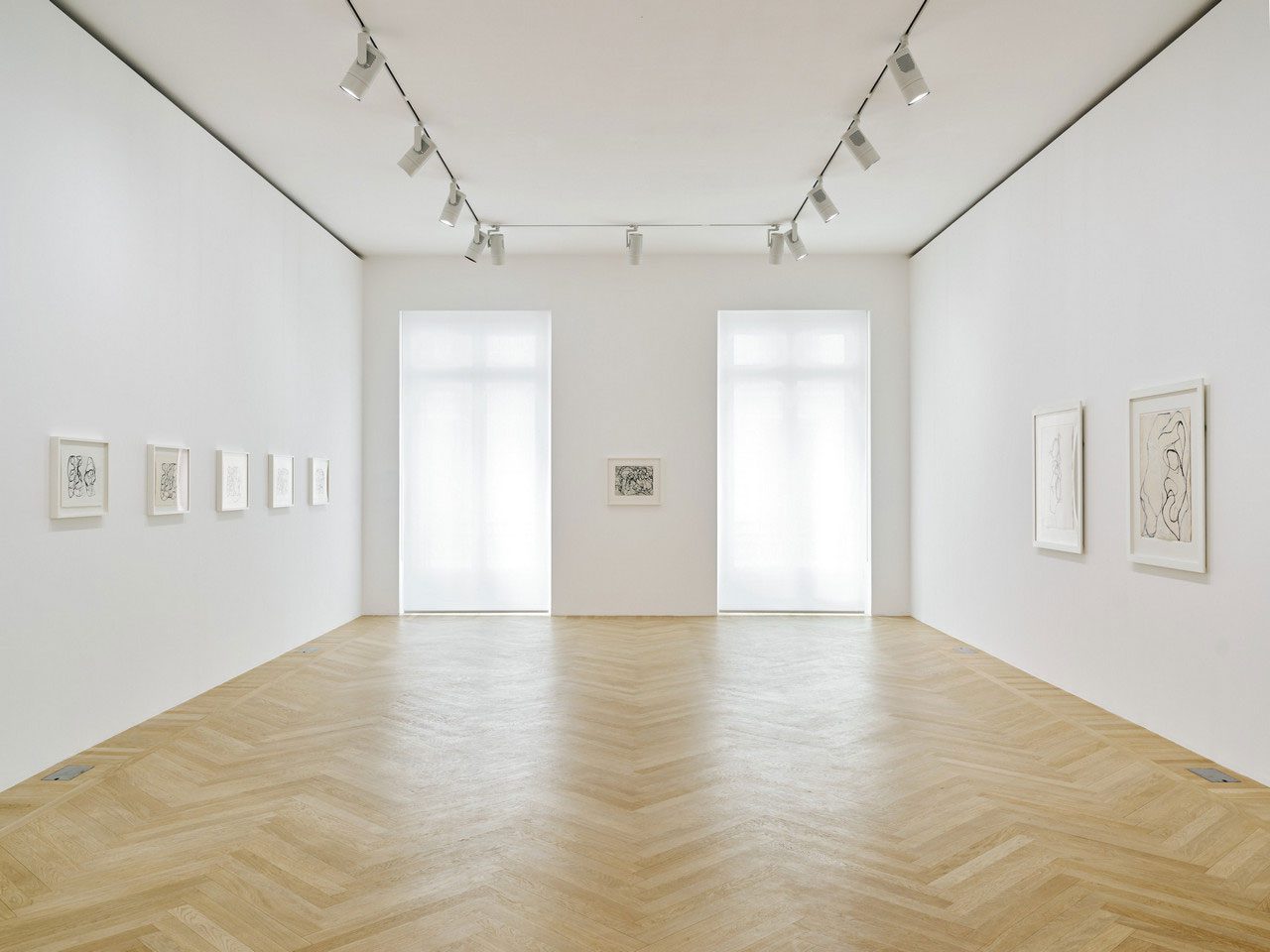
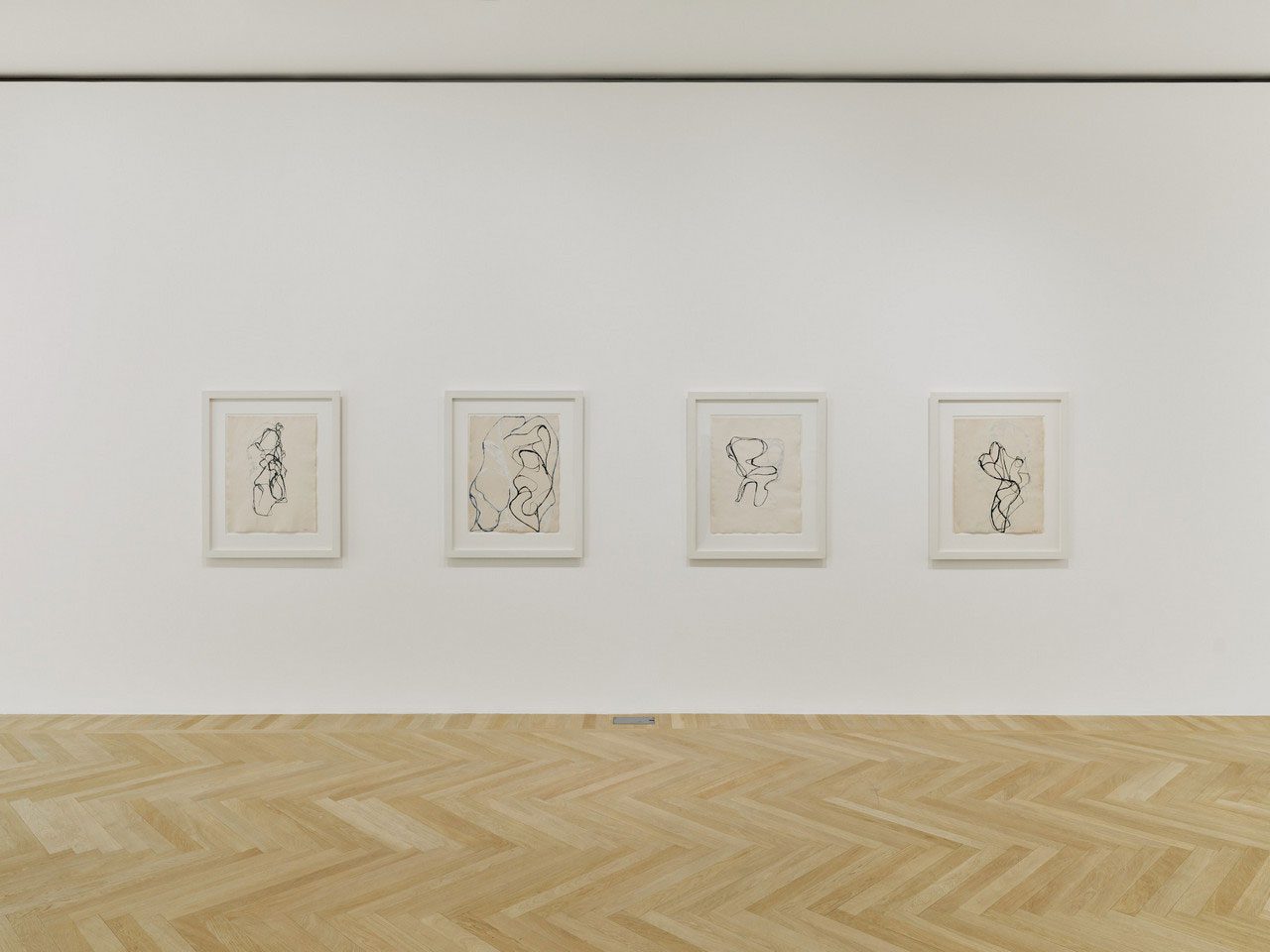
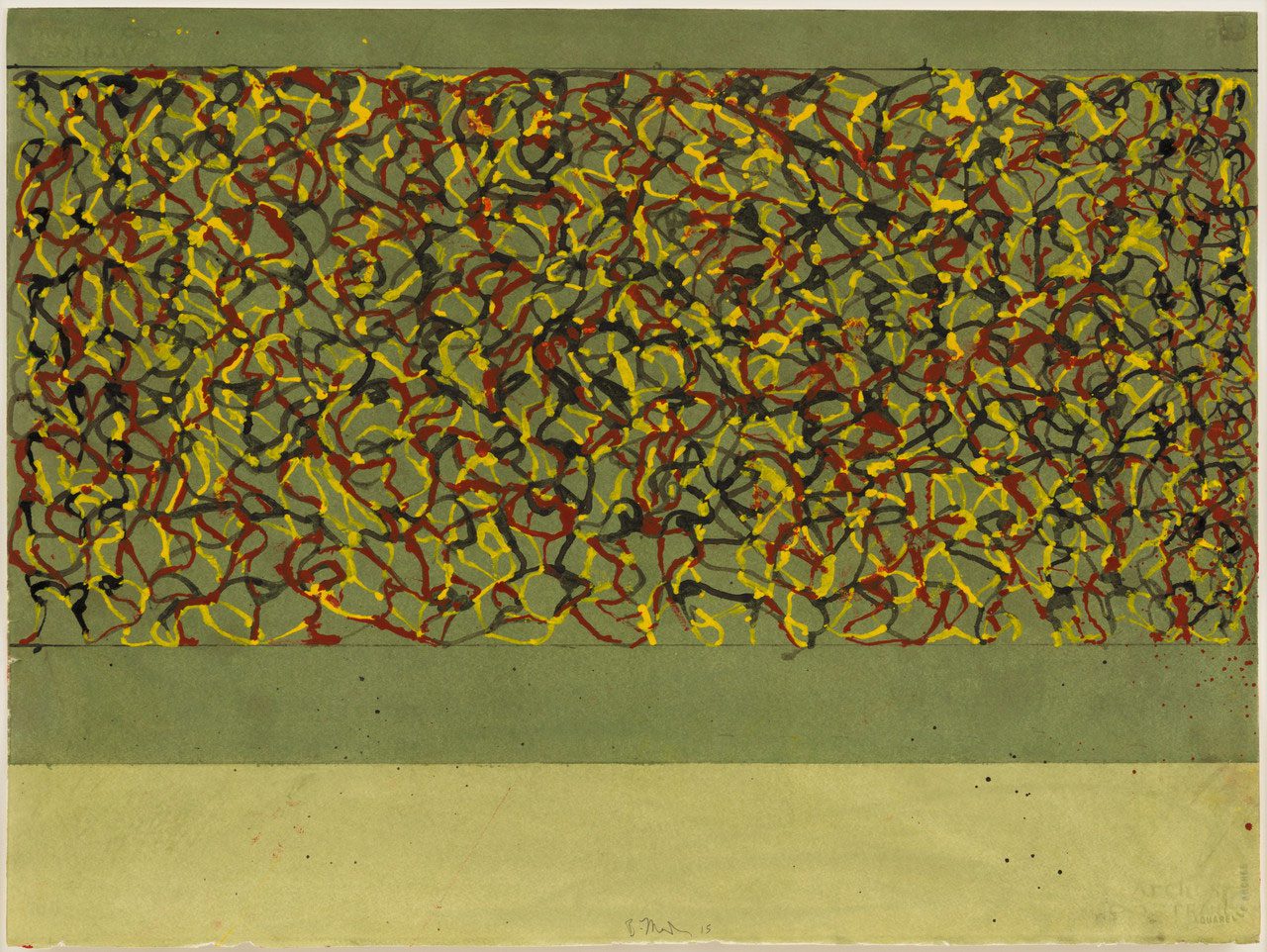
In Paris, the exhibition “Works on Paper” unfolds like a quiet revelation, gathering together works from the final two decades of Brice Marden’s life—pieces that, until now, had remained unseen. Chosen with care by his daughters, Mirabelle and Melia, the exhibition does more than mark a closing chapter; it pays homage to a city that was pivotal in the shaping of his vision. Paris was, after all, the place where in 1964 Marden learned to translate a sense of place into an abstract language, where the real and the remembered fused into something altogether new. In that modest Parisian dwelling, he pressed charcoal to paper against tiled walls, creating grids that were both imprints and inventions. The act was simple, almost monastic: a recording of surface, a registering of space. And yet, in its restraint, it was also radical—turning a room’s texture into a meditation on order, rhythm, and memory. This duality, at once intimate and expansive, esoteric and practical, would remain at the heart of his art. From then on, Marden became not so much a painter of landscapes as their translator, distilling the natural world into lines, tones, and shimmering fields of color. His studios became portals: the broad light of the Hudson River, the lush brilliance of Nevis in the Caribbean, the stark radiance of Morocco, the quiet terrain of Pennsylvania. Each environment gave him a new palette, not of obvious hues but of subtle, elusive vibrations. A river was never just blue—it contained veins of red and green, hidden shadows of brown. A stone was never only gray—it glowed with buried oranges, yellows, even violet undertones. Marden knew that color was alive, layered, shifting. He painted not its fact but its sensation, not its surface but its depth. In this way, he aligned himself with masters of color—Matisse, Rothko—while remaining entirely his own. What drew him was not representation but resonance: the remembered flicker of light on water, the memory of a stone’s weight, the silent pulse of a place. His work is not a landscape to be looked at but an experience to be entered, an echo of the world as it lingers in the body. Gesture was his medium of translation. To Marden, a drawing was not only made through gesture but was gesture itself—an unfolding of motion, rhythm, dance. The stroke of charcoal, the sweep of pigment, the tremor of line: all became movements caught in time. Light, too, could dance. The shimmer of a river’s surface might resemble a stroke of calligraphy, Cézanne’s trembling brushwork, or Pollock’s mercurial drip. In his hands, abstraction became choreography—the endless movement of the visible world distilled into marks, colors, and vibrations. Brice Marden saw the world not in its fixed outlines but in its shifting energies, and it is these energies—fugitive, remembered, luminous—that live on in “Works on Paper”.
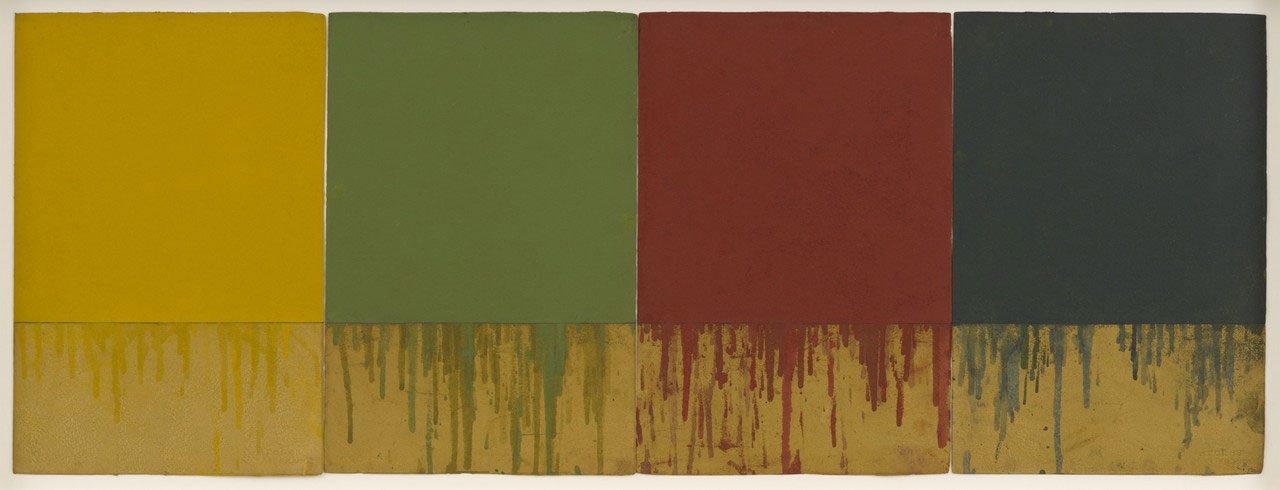
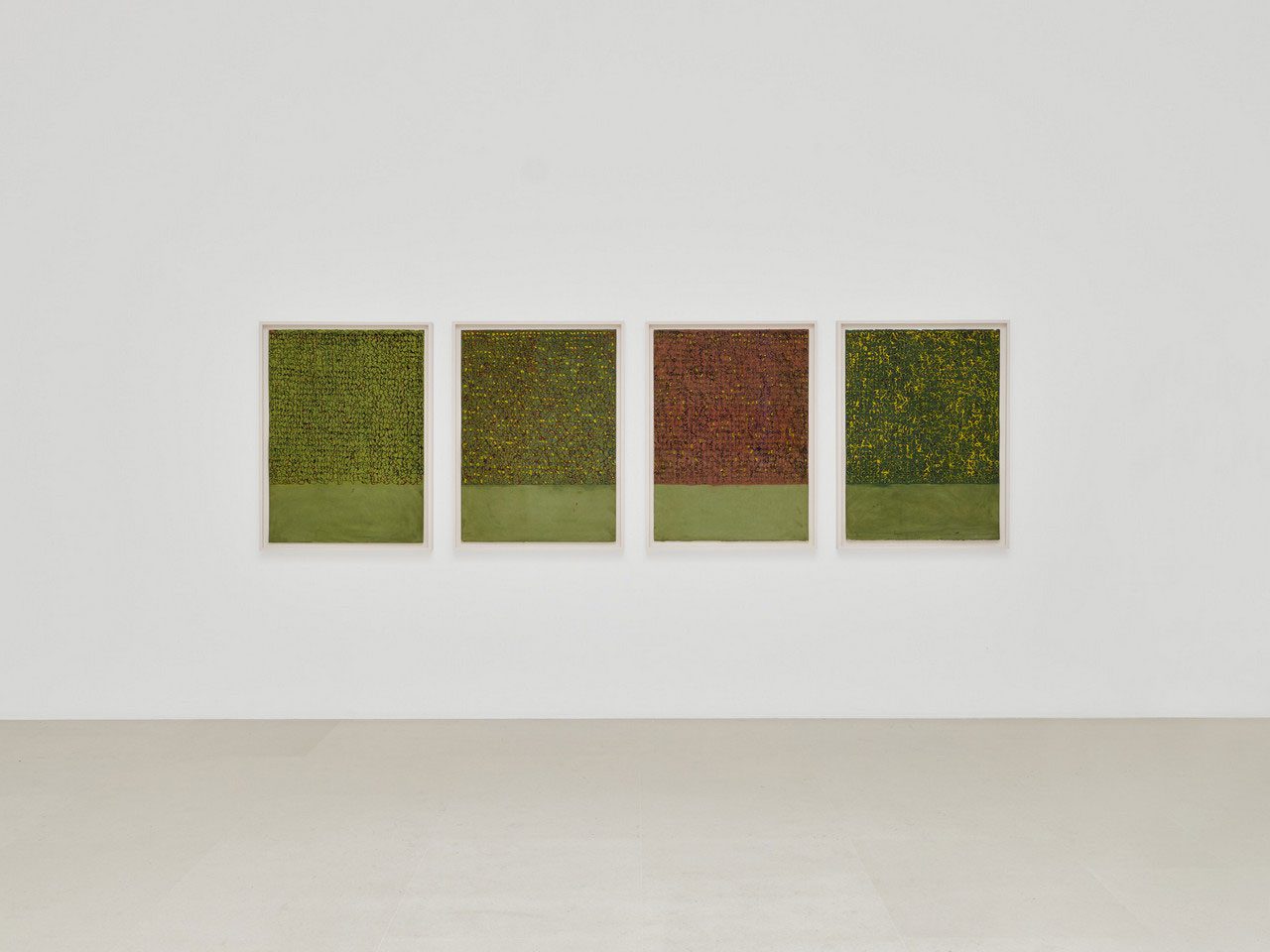
Photo: Brice Marden, River Study 2, 2015, Oil and graphite on handmade paper, four sheets, 22 1/2 x 60 inches (57.2 x 152.4 cm), © 2025 Estate of Brice Marden/Artists Rights Society (ARS), New York, Photo: Maris Hutchinson, Courtesy the Estate of Brice Marden and Gagosian
Info: Gagosian, 4 rue de Ponthieu, Paris, France, Duration: 14/6-4/10/2025, Days & Hours: Mon-Fri 10:30-18:00, https://gagosian.com/
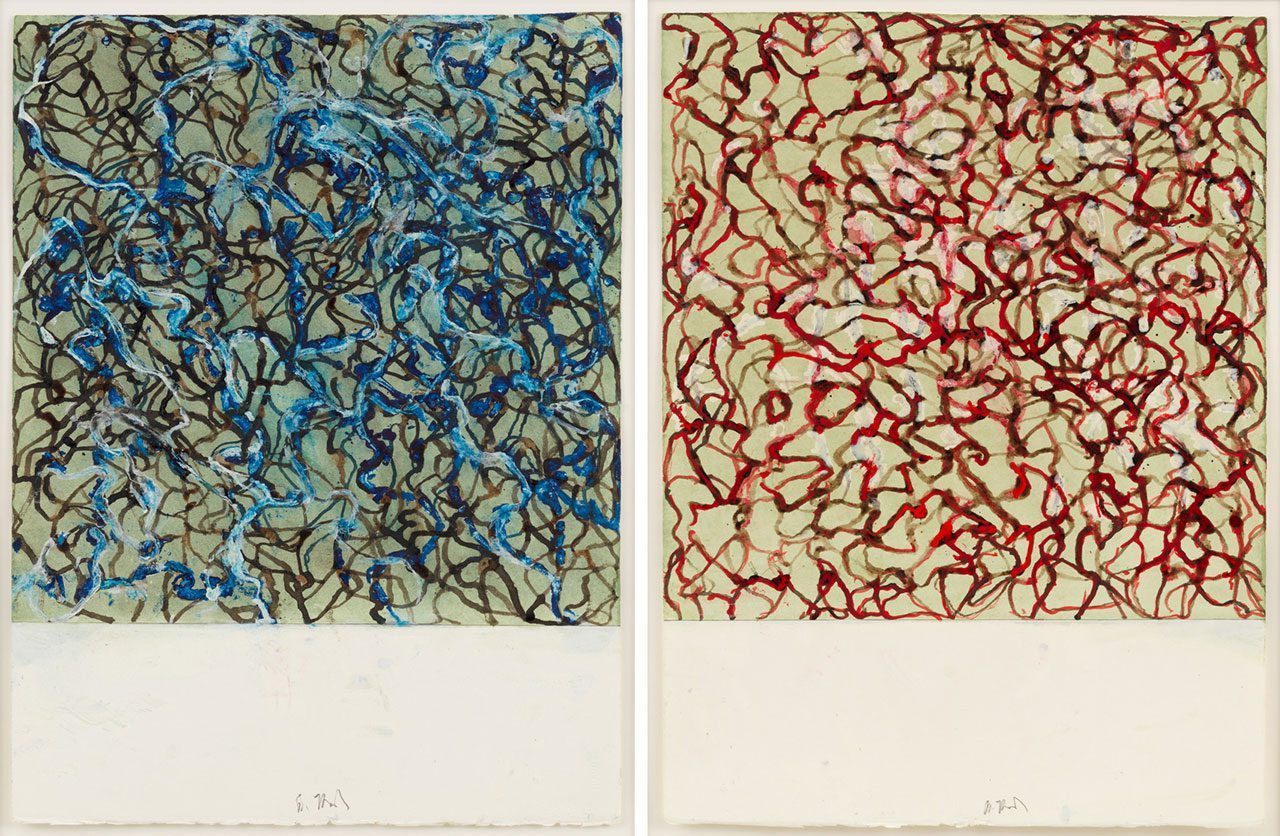
Right: Brice Marden, 15 x 15 6, 2015–17, Kremer inks and Kremer white shellac ink on Arches paper, 20 x 15 inches (50.8 x 38.1 cm), © 2025 Estate of Brice Marden/Artists Rights Society (ARS), New York, Photo: Maris Hutchinson, Courtesy the Estate of Brice Marden and Gagosian