BOOK: Joan Mitchell-I carry my landscapes around with me, David Zwirner
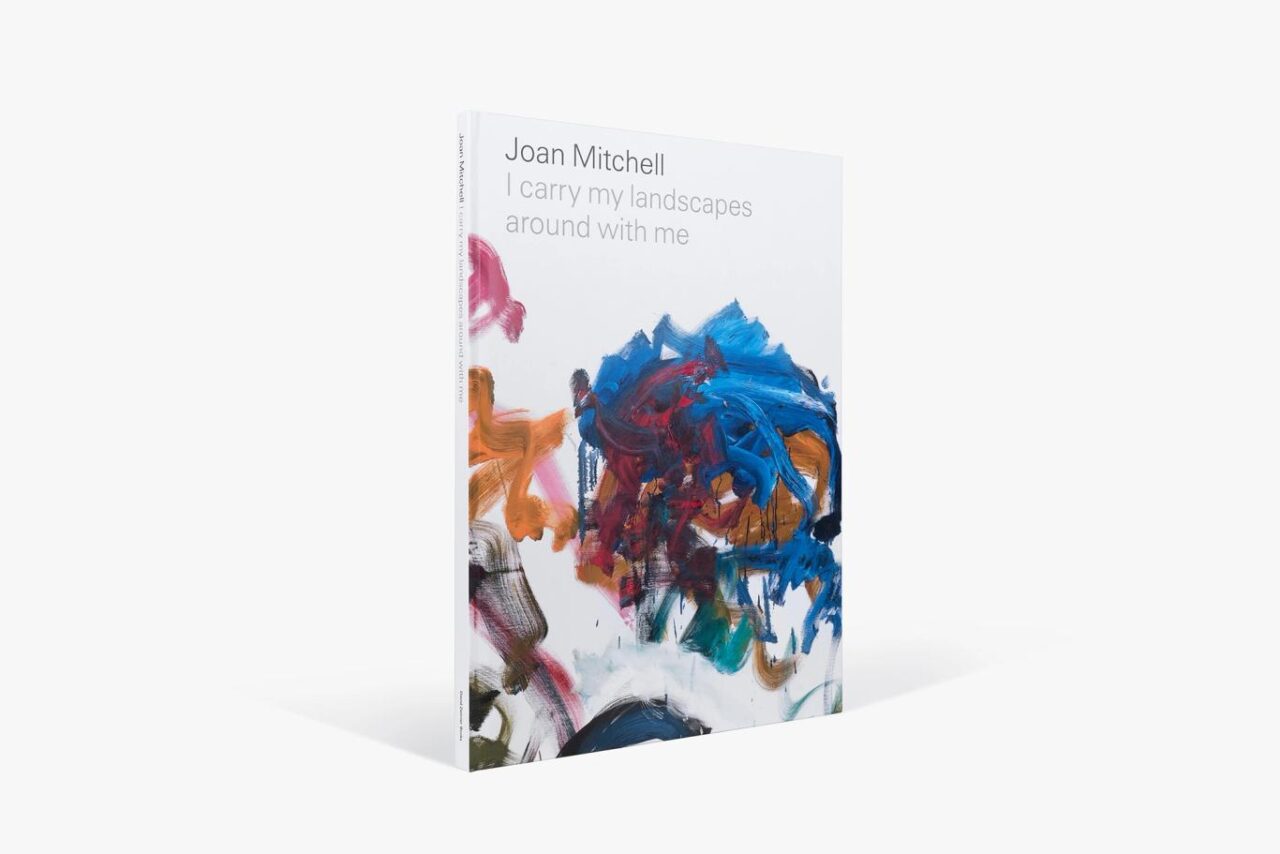
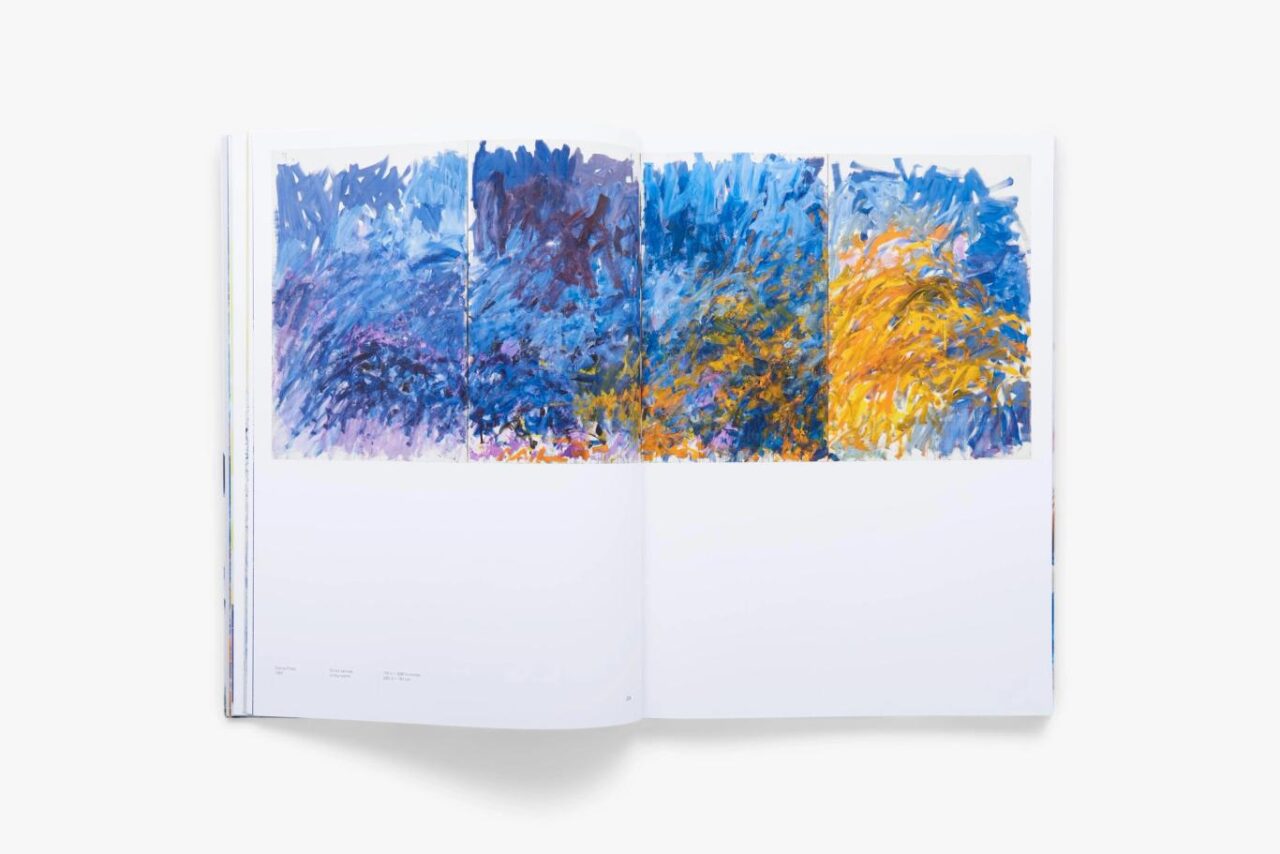
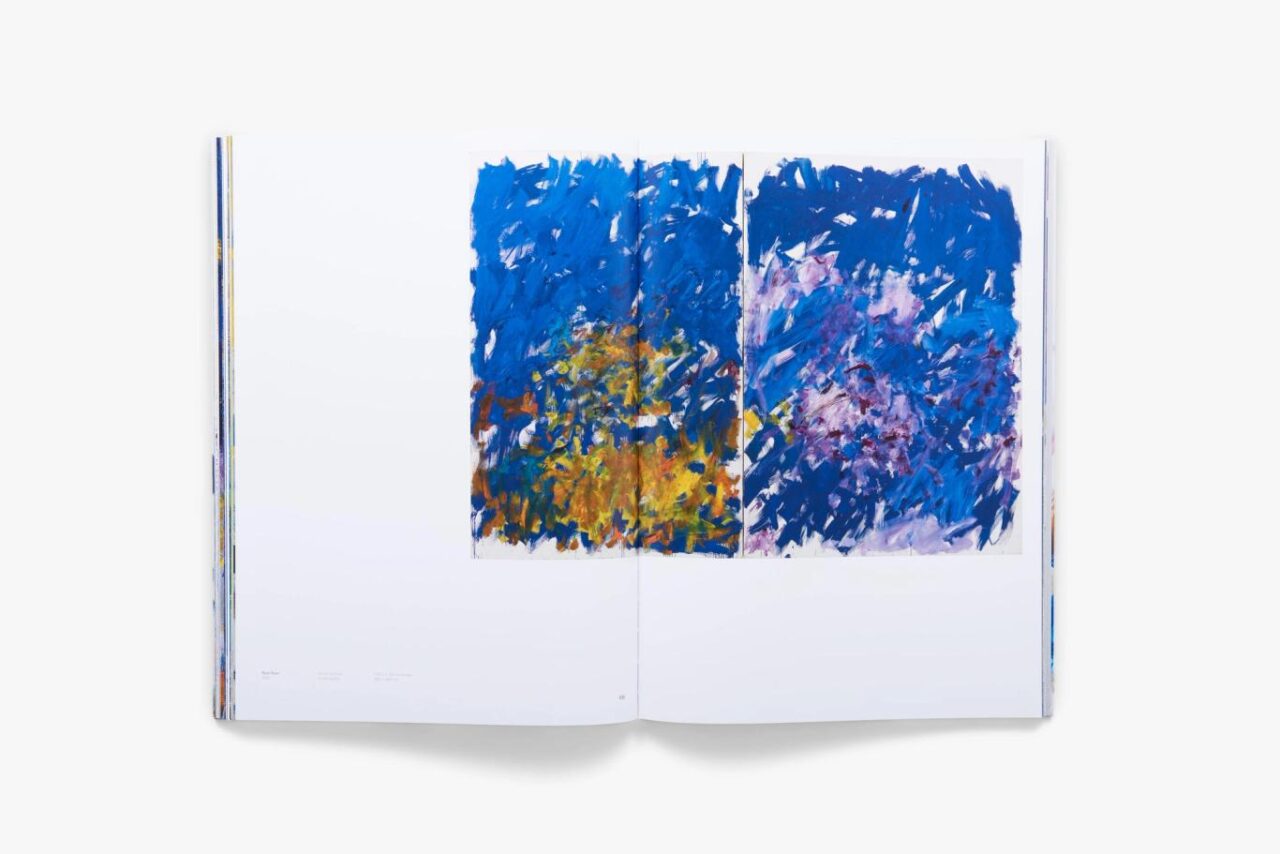
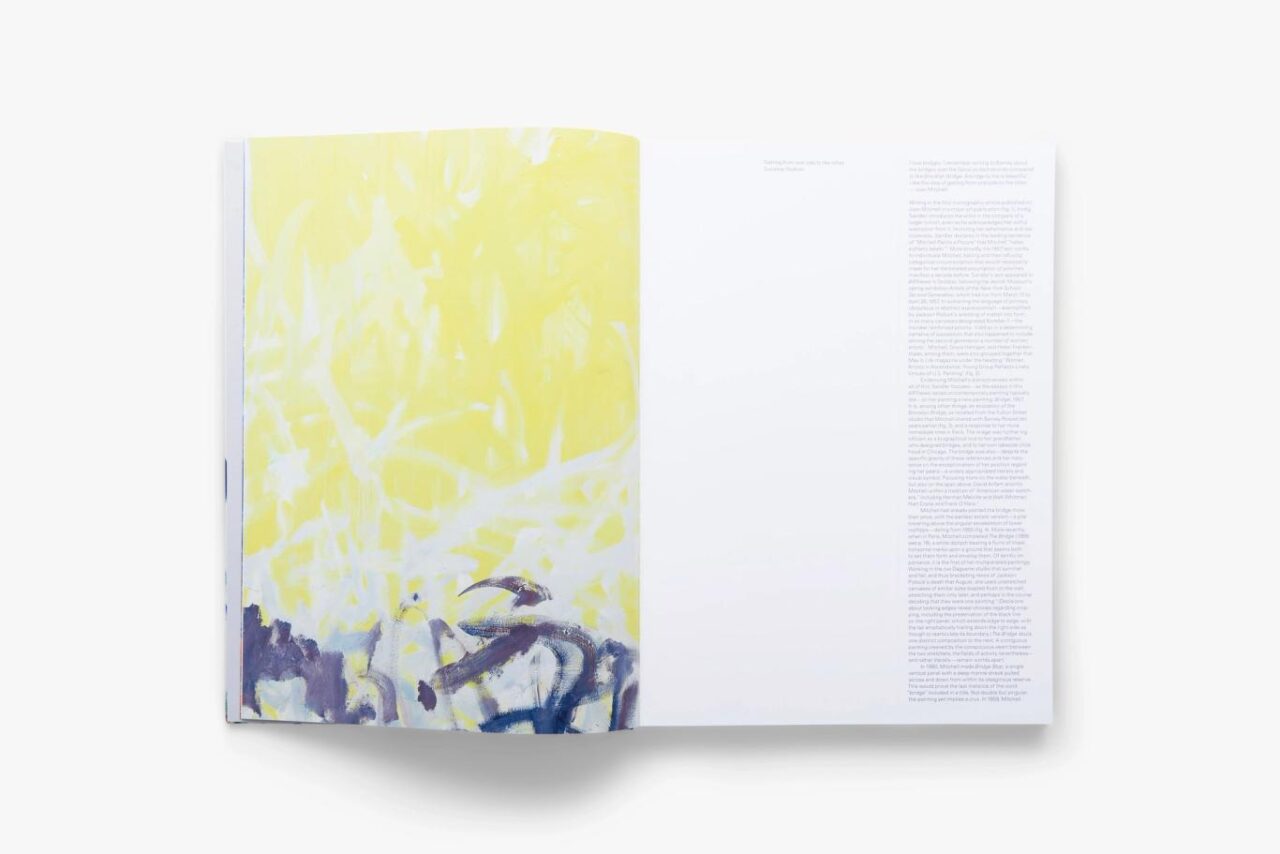
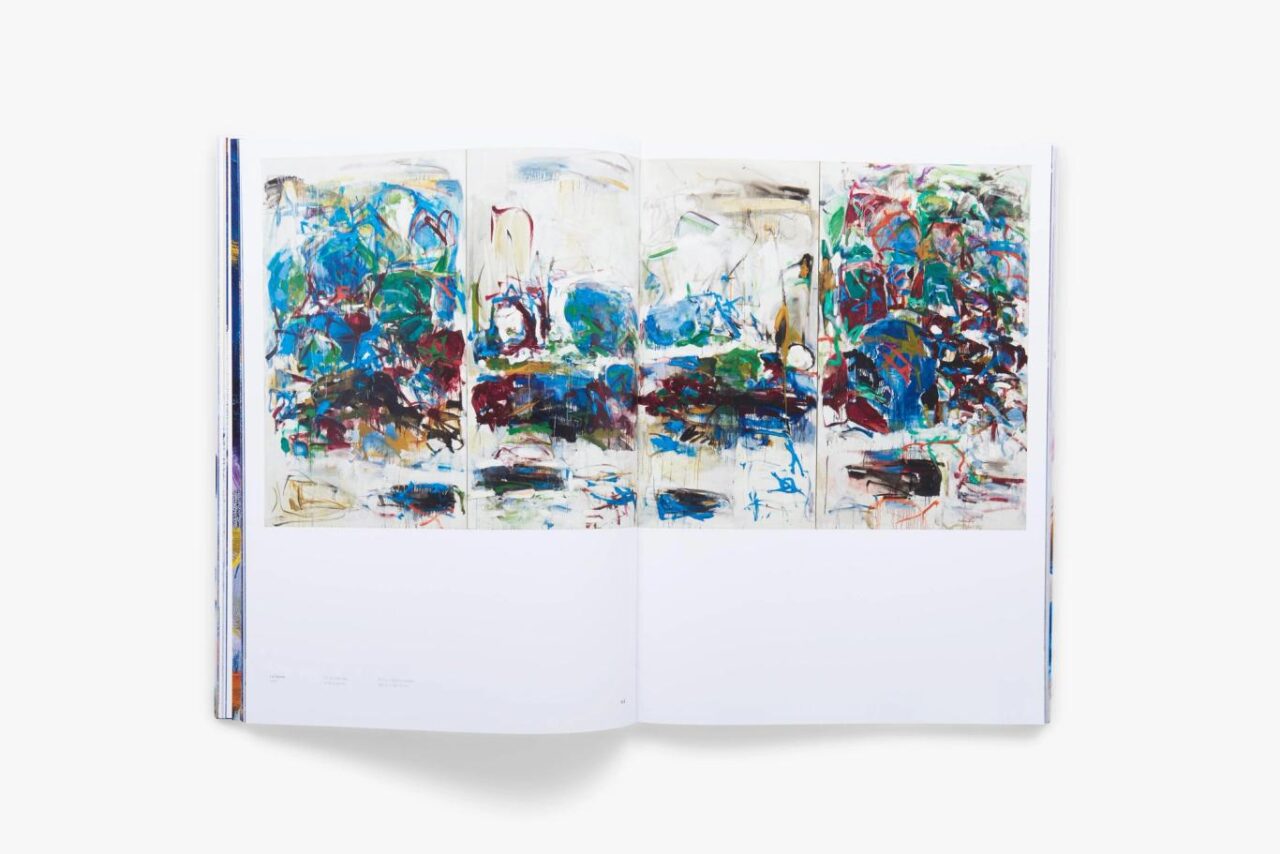
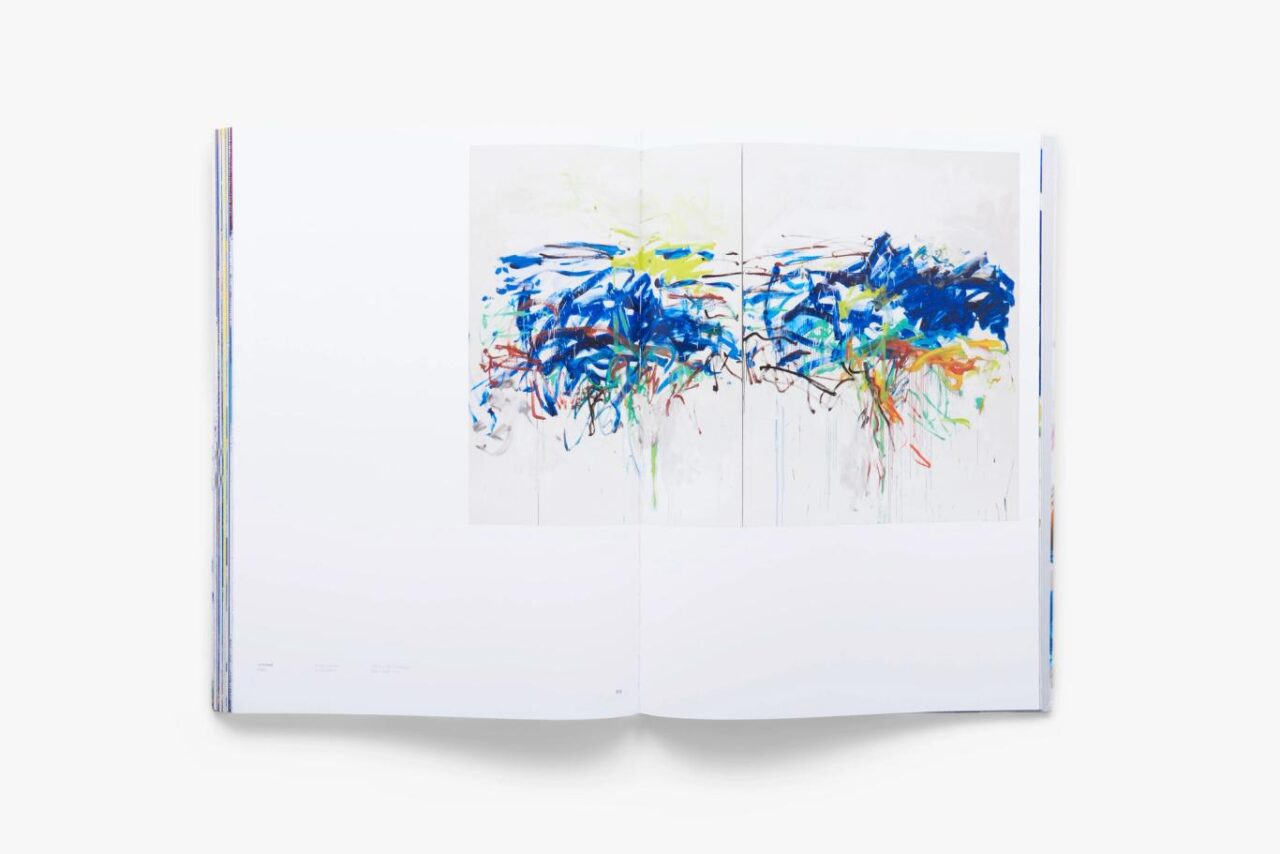
Joan Mitchell’s bold exploration of multi-canvas formats—often spanning from two to five monumental panels—opened up new spatial and emotional possibilities within abstraction. By working across these expansive surfaces, she was able to generate a dynamic tension between continuity and rupture, crafting a panoramic visual field that gestures toward landscapes, or more precisely, the memory and sensation of landscapes carried within her. The book “I carry my landscapes around with me”, published by David Zwirner, focuses on Mitchell’s large-scale multipanel works created between the 1960s and the 1990s. It situates these paintings within the broader arc of her career, illuminating the singularity of her approach to abstraction. Mitchell reimagined the traditional figure-ground relationship, dissolving hierarchies between subject and space, while her intuitive and often synesthetic use of color infused her canvases with an unmistakable vitality. The results are compositions that feel both rigorously constructed and emotionally immediate—works that oscillate between evocations of people, fleeting observations, remembered places, and the resonance of specific moments in time. Art critic John Yau has described Mitchell’s achievement as “one of the towering achievements of the postwar period,” underscoring her lasting impact on modern painting. Published in conjunction with the 2019 exhibition of the same name at David Zwirner in New York, the book offers a rare opportunity to experience the breadth of scale and formal experimentation within this pivotal strand of Mitchell’s oeuvre. Each work is reproduced not only in its entirety, but also through close-up details that reveal the tactility of her surfaces—the layered brushwork, the bursts of color, the raw physicality of paint. The accompanying scholarly essays deepen this exploration: Suzanne Hudson investigates how Mitchell’s multipanel paintings, beginning with “The Bridge” (1956), negotiate boundaries, borders, and edges, treating them simultaneously as material conditions and conceptual provocations. Robert Slifkin, meanwhile, considers the role of repetition, energy, and visual rhythm in her work, drawing illuminating comparisons with artists such as Monet and Willem de Kooning. Taken together, the volume positions Mitchell’s multipanel paintings as not only a hallmark of her practice but also a radical contribution to postwar abstraction—works that expand the possibilities of painting itself by holding in tension memory, perception, and the inexhaustible vitality of the natural world.-Efi Michalarou