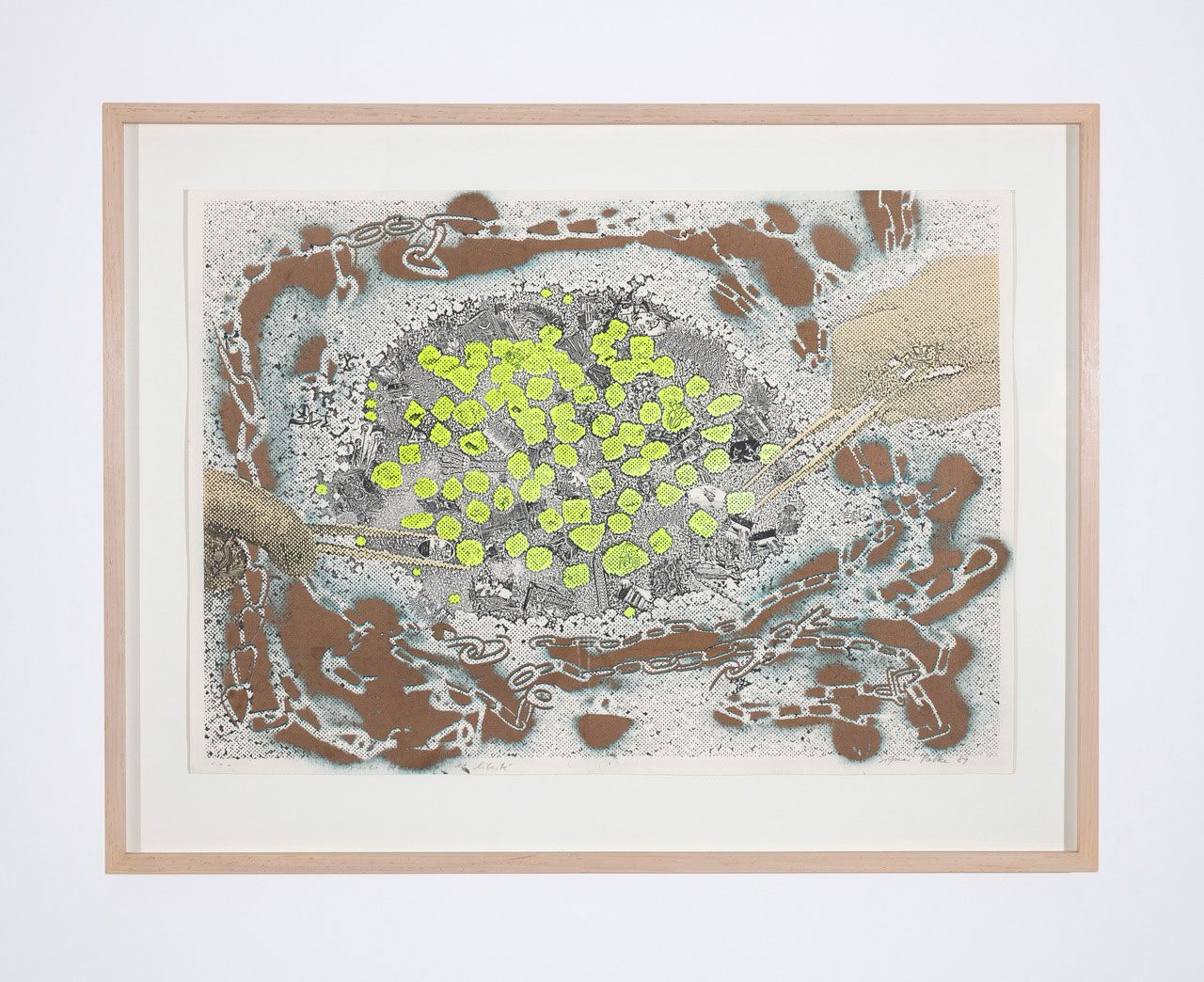
PRESENTATION: Sigmar Polke-Beneath the Cobblestones, the Earth
Sigmar Polke was a German painter and photographer celebrated for his restless experimentation, razor-sharp wit, and subversive satire. A co-founder of Capitalist Realism, Polke blended Pop Art, abstraction, and found imagery, often on unconventional surfaces such as patterned fabrics or net curtains. His art gleefully dismantled conventions, fusing high and low culture, politics, and humor, making him one of postwar Europe’s most influential artists.
By Dimitris Lempesis
Photo: Fondation Vincent van Gogh Arles Archive
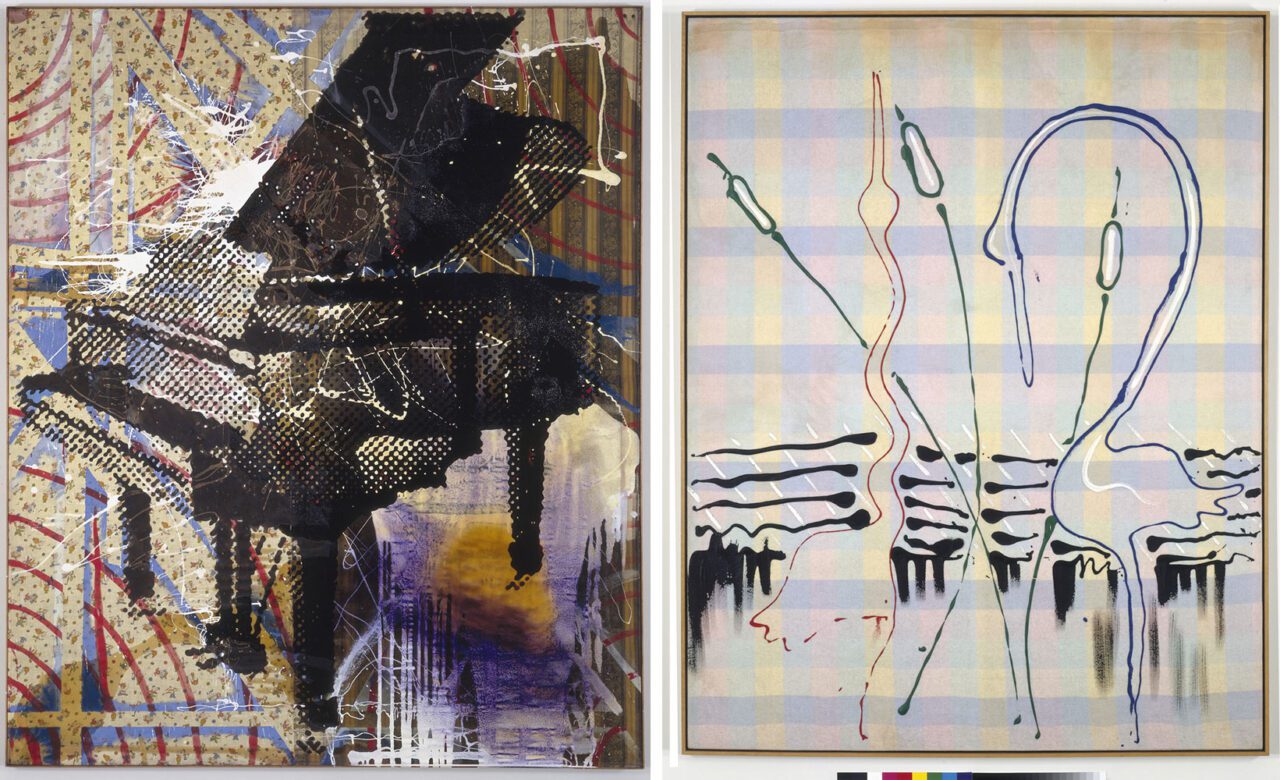
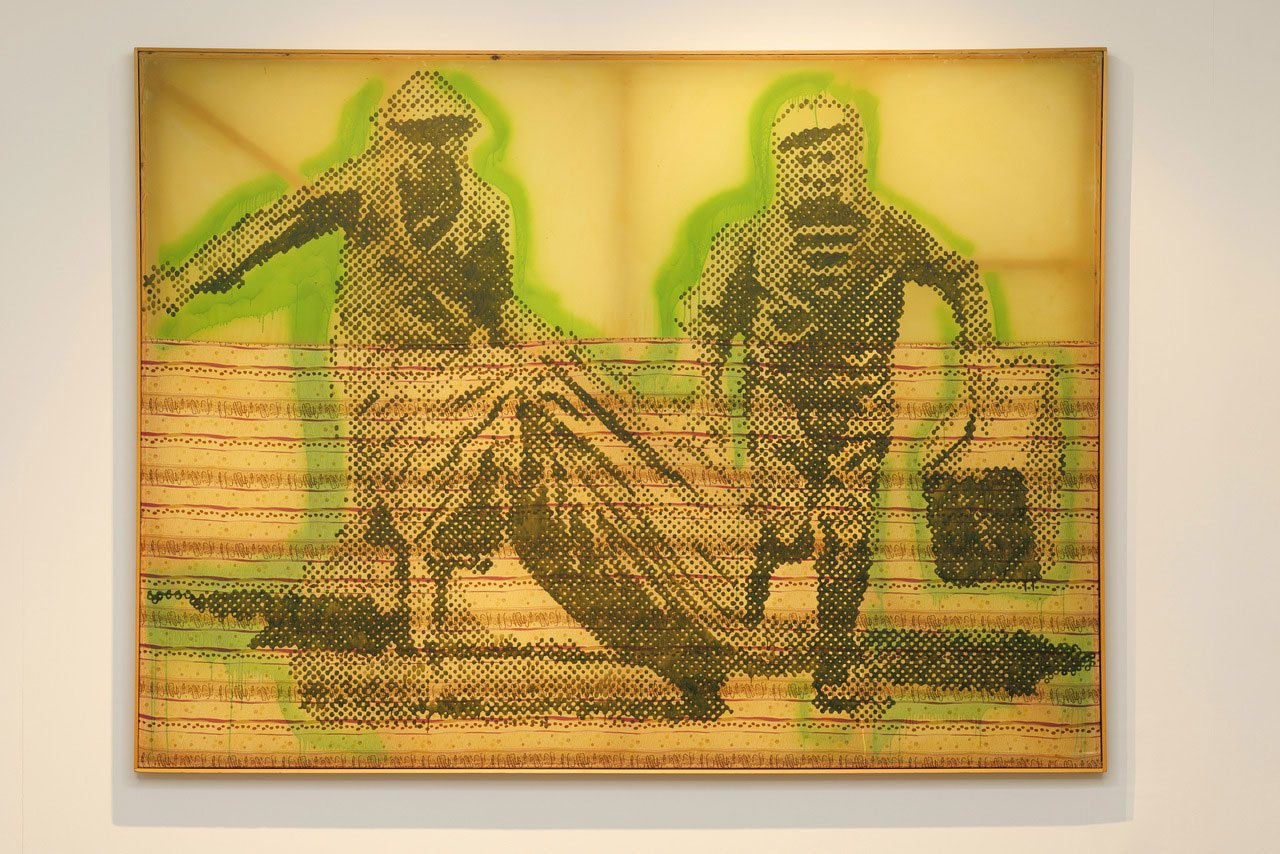
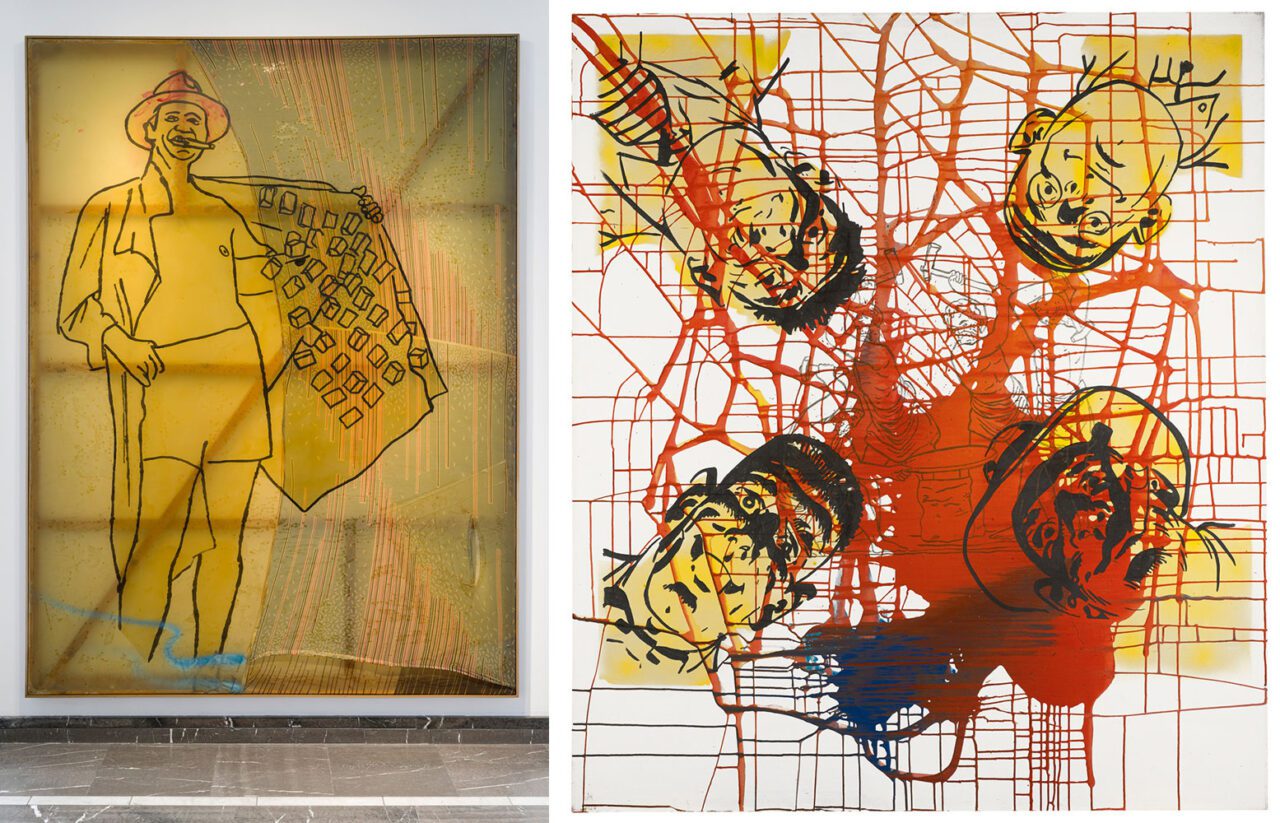
The exhibition “Beneath the Cobblestones, the Earth” at the Fondation Vincent van Gogh Arles pays tribute to this artistic maverick through paintings, prints, photographs, sculptures, and films. It reveals the complexity of Polke’s practice—wickedly humorous, defiantly unconventional, and driven by a delight in experimentation—always underpinned by sharp social observation and a strong personal ethos. The works, dating from 1963 to 2009, center on painting as Polke’s medium for probing truths about the world, while inventing new definitions of beauty beyond the traditional. A tireless cultural analyst, Polke’s recognition in France grew in the early 1980s. Before Suzanne Pagé’s landmark 1988 retrospective at the Musée d’Art Moderne de la Ville de Paris, the Bama / Chantal Crousel gallery had introduced his work, and “Art Pres”s had published Bice Curiger’s in-depth interview with him in 1984, rich with references to Franco-German history. From his earliest years, Polke was fascinated by the power of printed media images—their impact, circulation, and visual codes. In 1963, at just 22, he and Gerhard Richter launched Capitalist Realism, or German Pop Art, as a sardonic counterpoint to the ideological constraints of the GDR. In West Germany’s booming postwar economy, Polke mined the glossy language of consumerism, advertising, and magazines—absorbing it, parodying it, and re-presenting it with both playfulness and bite. At Arles, the exhibition draws a surprising but compelling link between Polke and Van Gogh through the humble potato. For Van Gogh, it symbolized the soil’s nourishment, rural toil, and the poor man’s meal; for Polke, it embodied the “anti-glamour” of postwar German life—a counter-image to the saturated consumer fantasies of American Pop. Both artists, despite stylistic differences, shared a deep humanism and a drive to escape the conventions of mainstream art. The exhibition’s title echoes the May 1968 Paris student slogan, “Beneath the cobblestones, the beach”—a rallying cry for freedom and rebellion that shaped Polke’s early works. It also hints at the grounding in reality that both he and Van Gogh maintained. Two Van Gogh paintings in the show, “Peasant and Peasant Woman Planting Potatoes” (April 1885) and “Basket of Potatoes” (September 1885), bear witness to this shared connection. The show traces Polke’s seemingly erratic yet deeply coherent evolution—from his 1960s halftone “dot paintings” based on newspaper imagery, to watercolors and works like “Reiherbild II” (1968), where the very idea of technical mastery is slyly mocked. His materials were often far from conventional—printed industrial textiles or sheer curtains replaced stretched canvas—and his methods swung between painstaking dot-by-dot reproduction and anarchic splashes of paint, embracing chance and irreverence alike. Polke’s photography, practiced since the early 1960s, was inseparable from his painting. The Arles exhibition includes never-before-shown photographs from the 1960s–70s, alongside iconic series such as “Paris 1971” (1971) and “Palermo, The Catacombs” (1976). Highlights also include paintings on the French Revolution, underscoring his ongoing interest in history, politics, and transformation. Above all, Polke’s work testifies to an irrepressible love of freedom—personal, artistic, and intellectual—combined with an unshakable faith in art’s communicative power. By reintroducing his work to French audiences after a long absence, “Beneath the Cobblestones, the Earth” opens his visionary, unruly, and influential legacy to new generations.
Photo left: Sigmar Polke, Klavier (Piano), 1982-1986, Artificial resin, pigment and lacquer on fabric, 180.5 × 150.5 cm, Private collection, © The Estate of Sigmar Polke, Cologne / Adagp, Paris, 2025. Photo right: Sigmar Polke, Reiherbild II (Picture of Herons II), 1968 Dispersion on patterned flannel, 190 × 150 cm, Private collection © The Estate of SigmarPolke, Cologne / Adagp, Paris, 2025
Info: Curator: Bice Curiger, Assistant Curator: Margaux Bonopera, Fondation Vincent van Gogh Arles, 35 ter, rue du Docteur-Fanton, Arles, France, Duration: 1/3-26/10/2025, Days & Hours: Until 30 September: 10:00-19:00, From 1 to 26 October: Tue-Sun 10:00-18:00, www.fondation-vincentvangogh-arles.org/
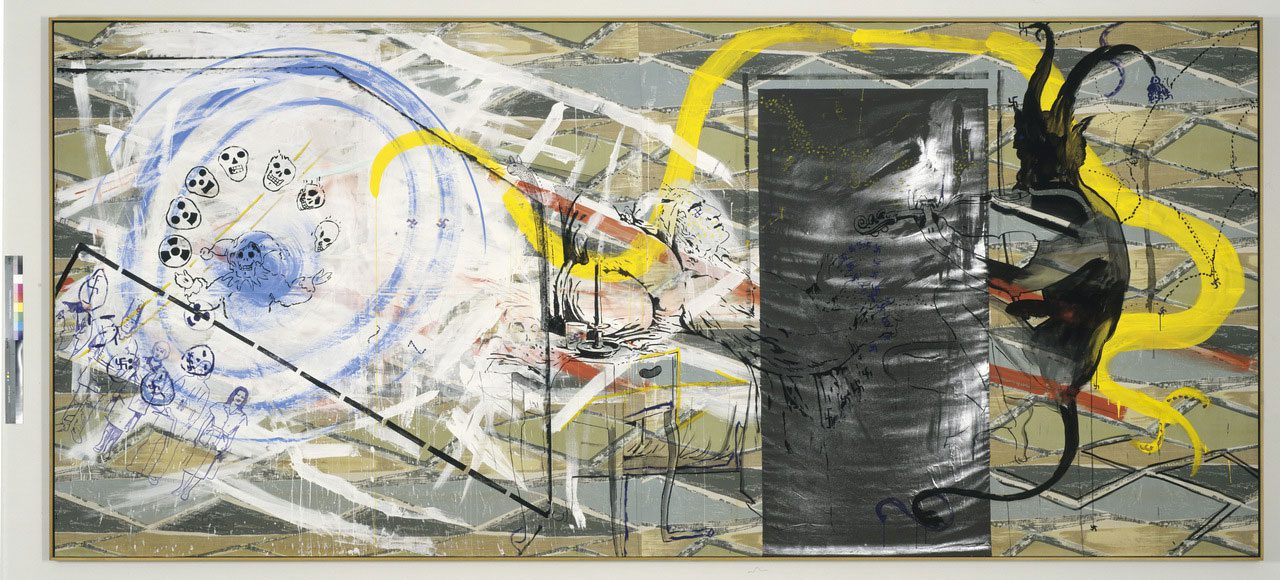
Right: Sigmar Polke, Die Schmiede (The Smithy), 1975m Acrylic and metallic paint on cotton, 150 × 130.4 cm, Arora Collection, London, © The Estate of Sigmar Polke, Cologne / Adagp, Paris, 2025
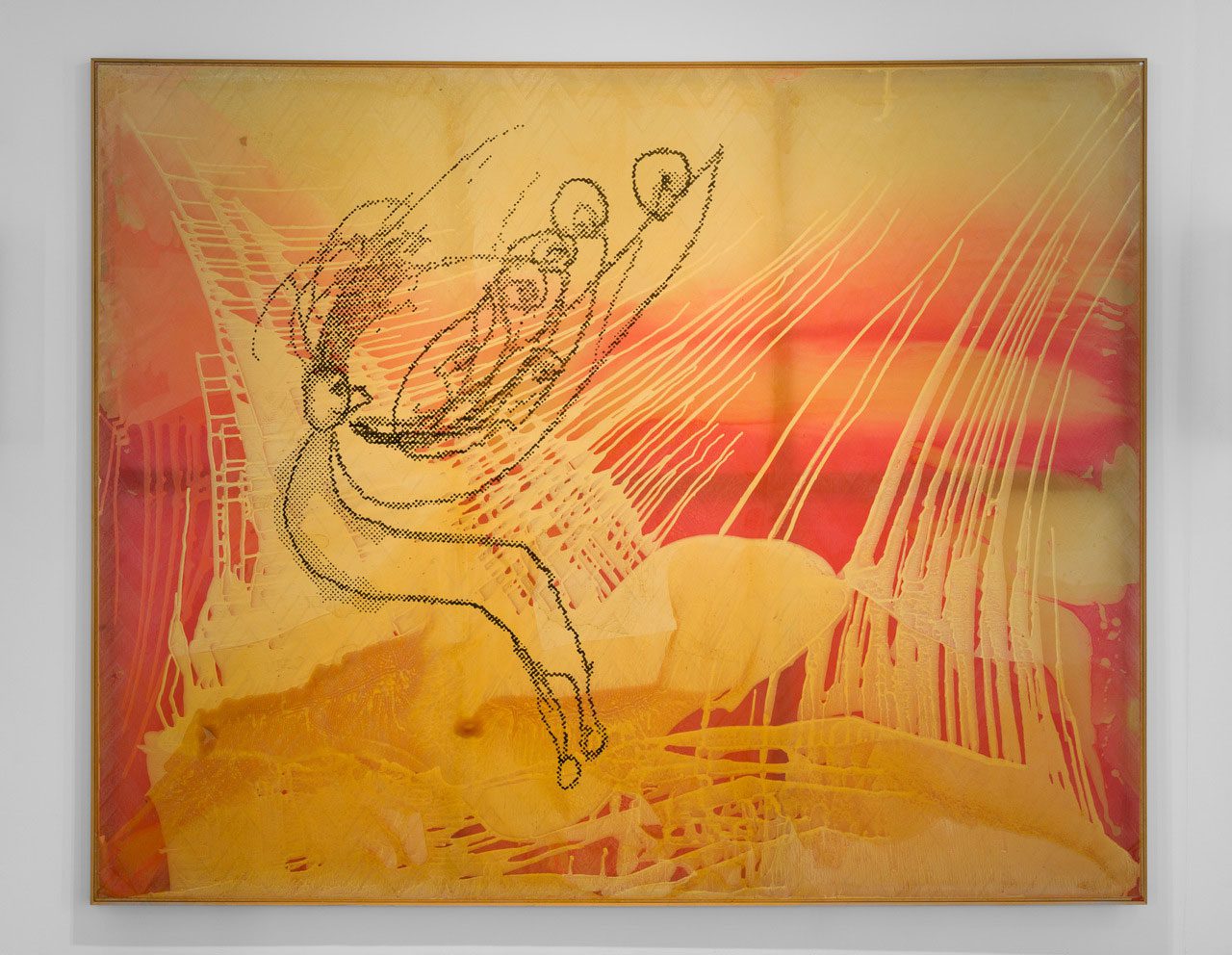
![Sigmar Polke, Tischrücken (Séance) [Table Turning], 1981, Dispersion on fabric stretched in wooden frame, 205 × 200 cm Speck Collection, Cologne, © The Estate of Sigmar Polke, Cologne / Adagp, Paris, 2025. Photo Frank Sperling](http://www.dreamideamachine.com/web/wp-content/uploads/2025/08/SP_TableTournante.jpg)