PRESENTATION: Mehtap Baydu-Let Your Rain Fall
Mehtap Baydu is an innovative performance and installation artist whose work navigates the intersections of gender, culture, religion, and politics. Drawing from her own cross-cultural experiences, she creates thought-provoking pieces that confront entrenched social norms and challenge prevailing narratives. Her performances often transform the audience from passive observers into active participants, inviting them into staged encounters that are charged with symbolic objects, ritual-like gestures, and layered metaphors. Through this direct engagement, Baydu disrupts comfort zones, sparking reflection on identity, power, and the invisible boundaries that shape our lives.
By Dimitris Lempesis
Photo: Staatliche Kunsthalle Baden-Baden Archive
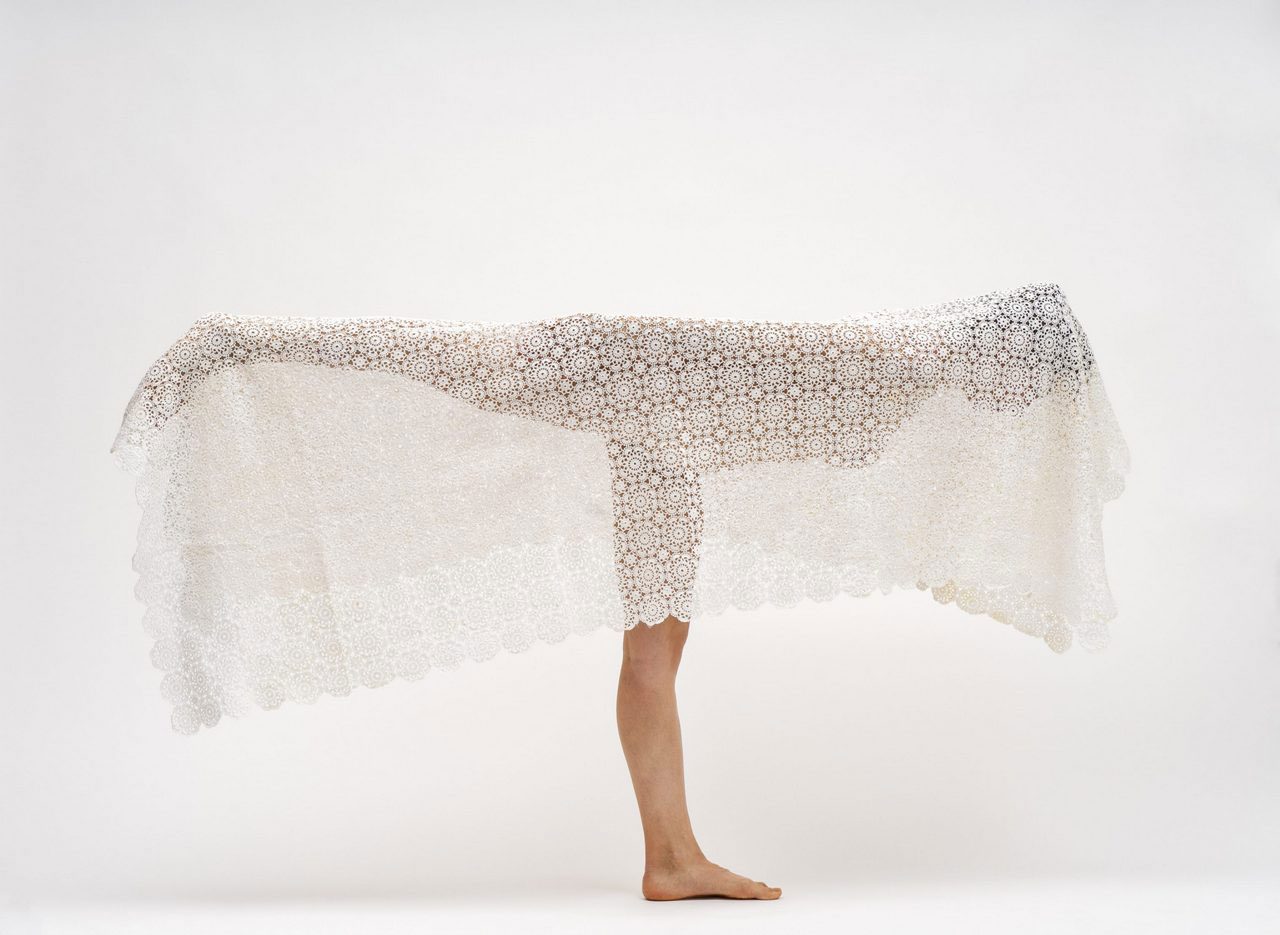
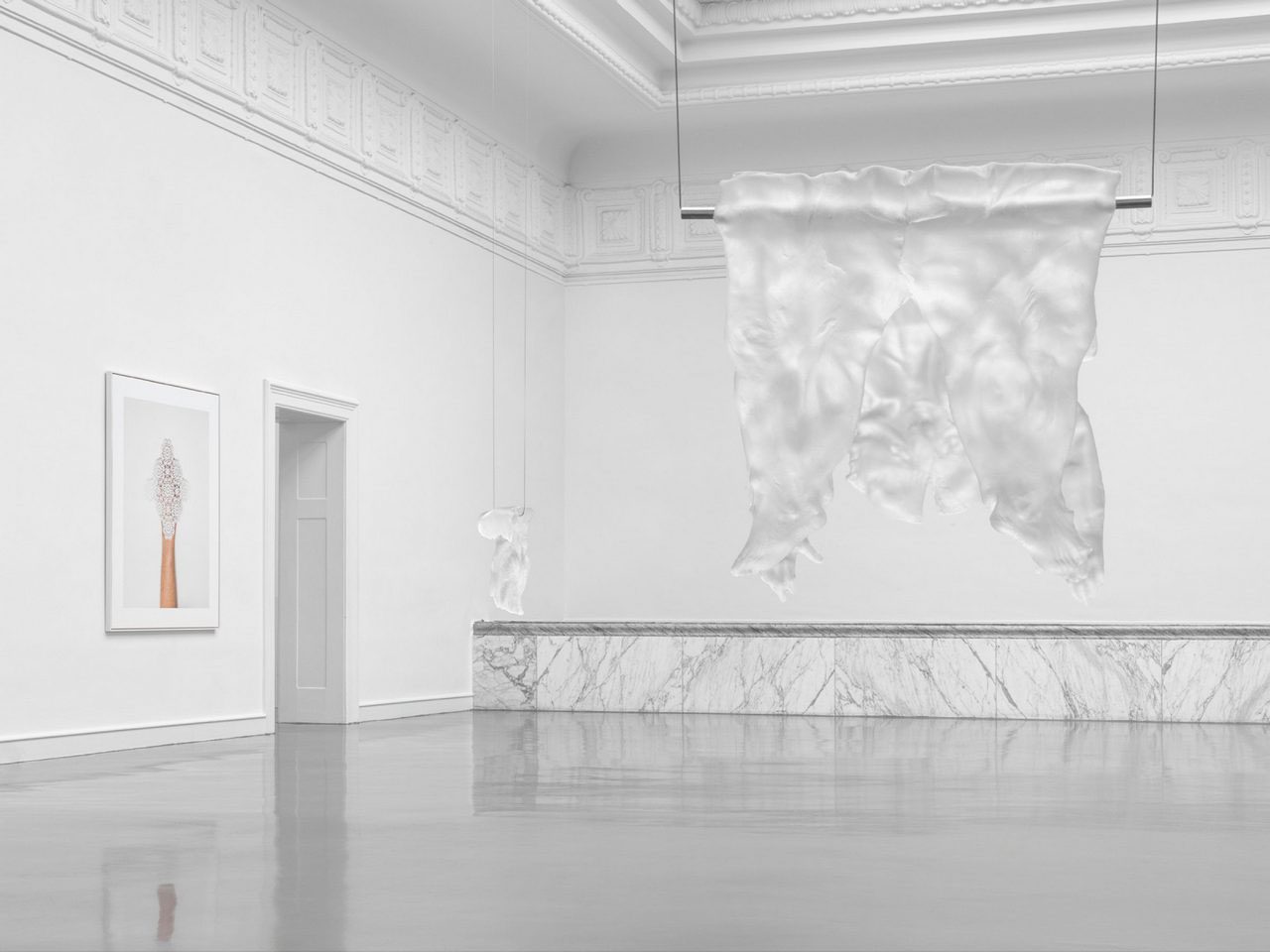
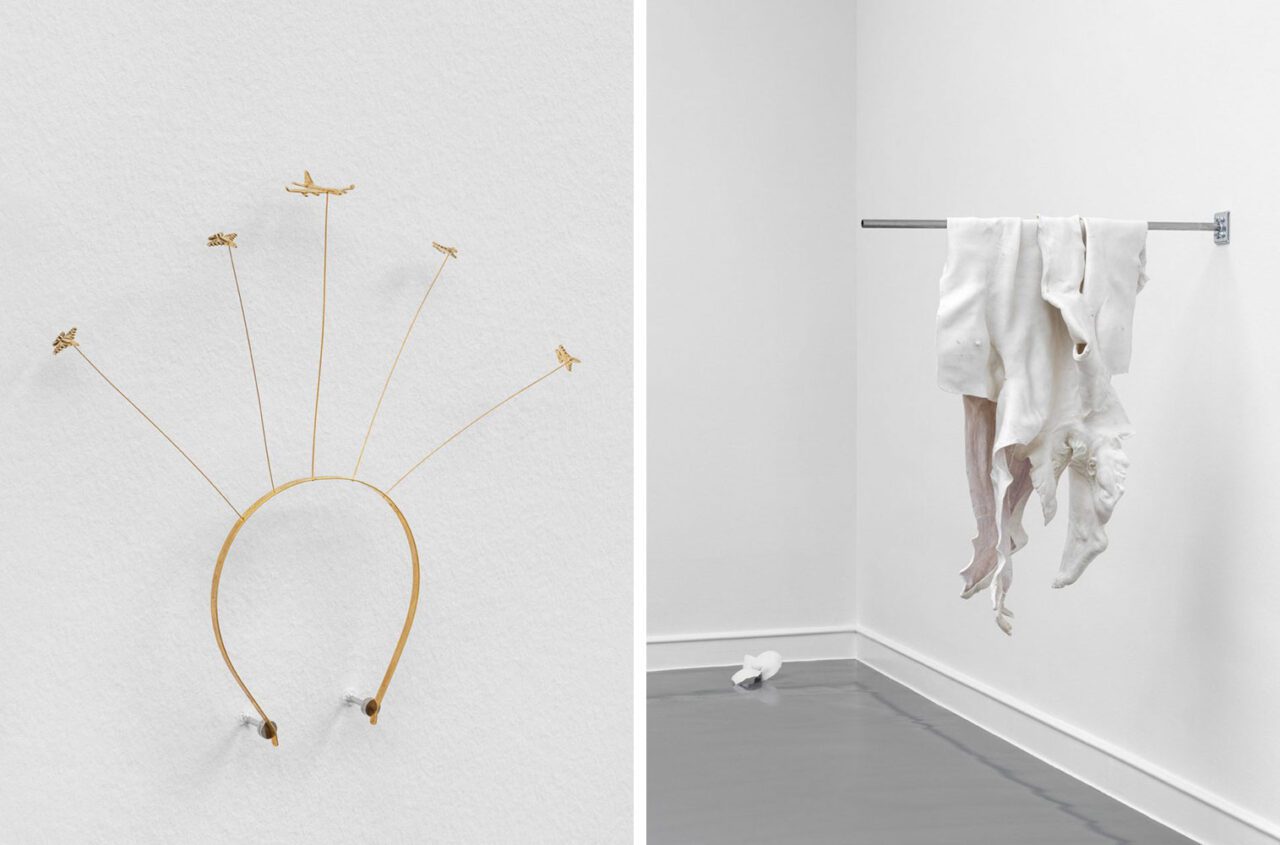
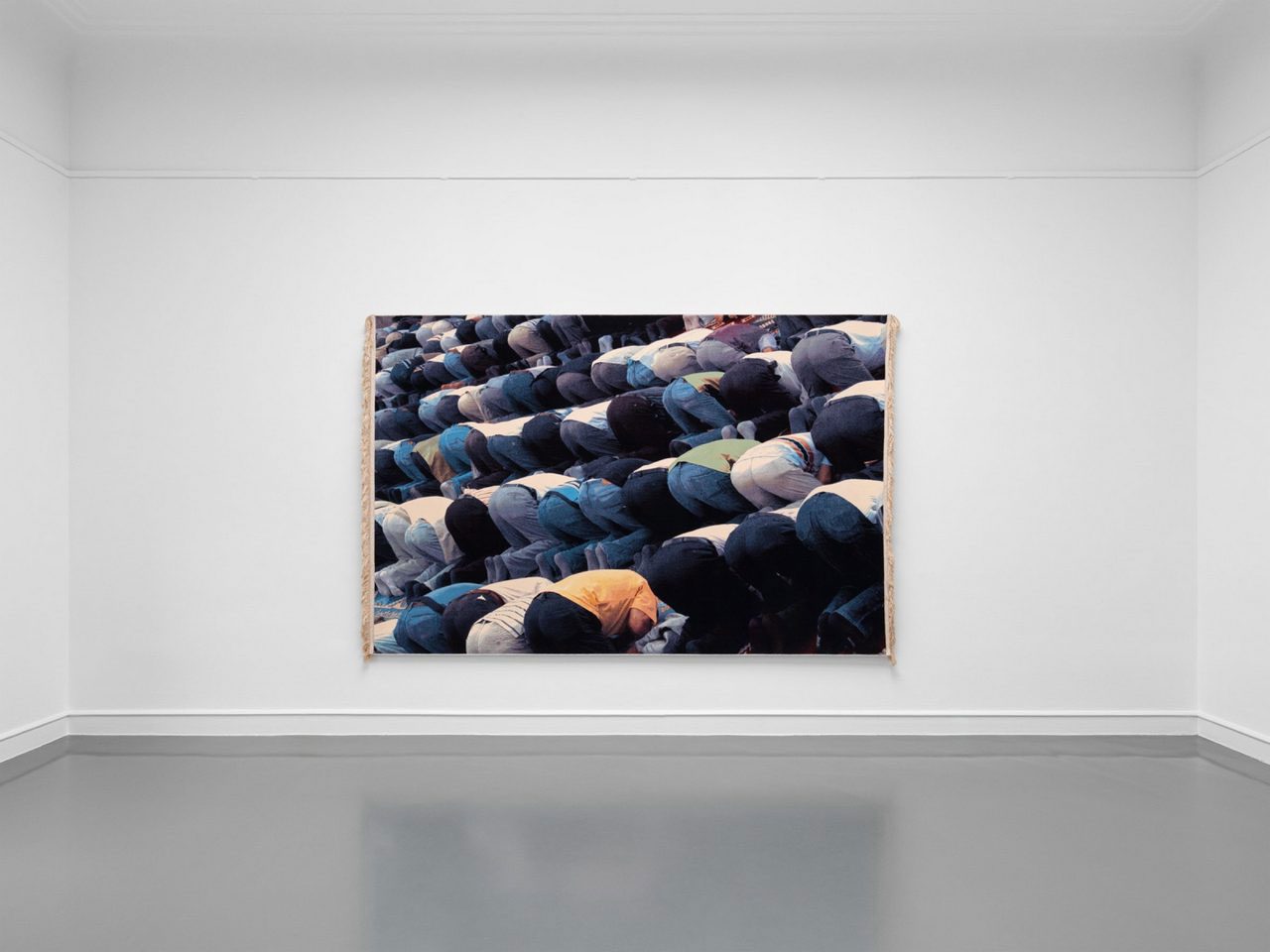
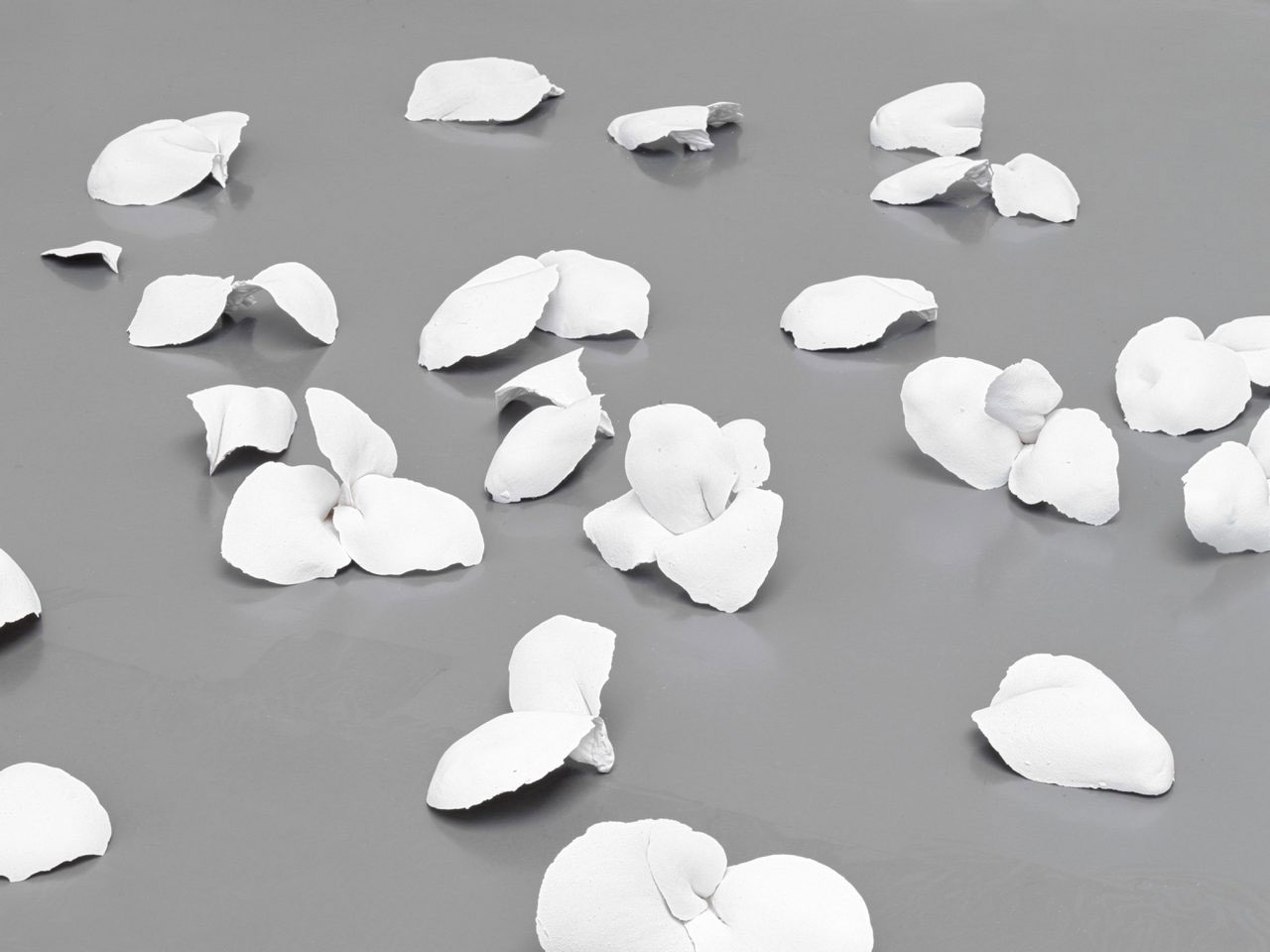
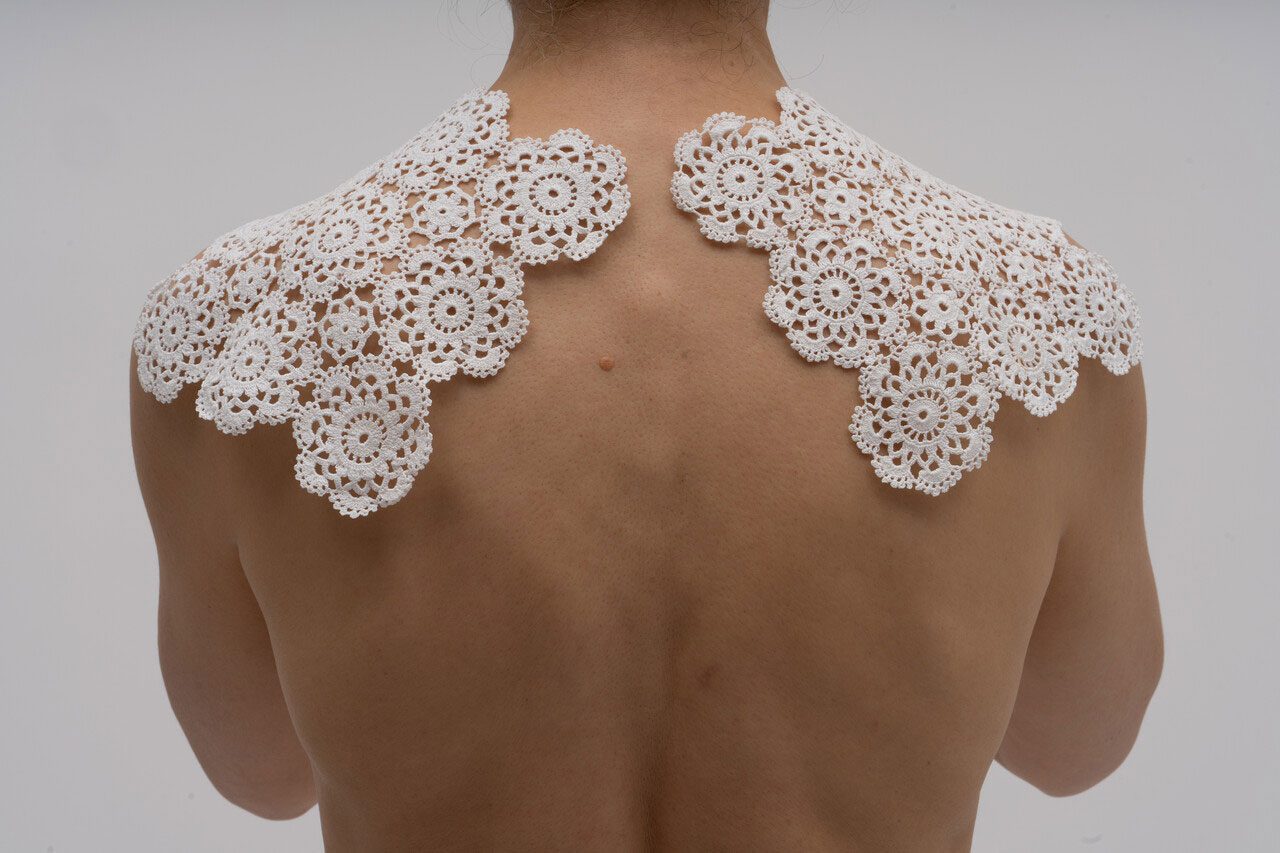
“Let Your Rain Fall” is the most expansive solo exhibition in Germany to date by Mehtap Baydu, an artist whose work draws from the immediacy of performance and the eloquence of the body. In her practice, the body becomes both archive and stage—bearing cultural codes, carrying inherited narratives, and revealing a latent resilience that resists quiet erasure. Baydu unsettles the contours of identity as it is assigned: she adopts gestures traditionally framed as “male,” fractures attributes long labeled as “female,” and unravels the fabric of expectation through carefully staged encounters, fluid role reversals, and a choreography of both exposure and concealment. The exhibition’s Turkish title, “Kendi Yağmurunu Yağdırmak”—translated as Let your rain fall—is less an imperative than an invitation. It speaks of summoning something from within, an act of creation that springs from the self alone, unmediated by the gaze of others. It celebrates agency, but also the quiet, interior joy of dwelling in one’s own presence. Simultaneously, it acknowledges the delicate permeability between self and other, where intimacy coexists with chosen distance. Within the galleries, Baydu gathers works from across her career—recent pieces interlacing with earlier ones—into a landscape that refuses linearity. Rather than closing questions, the works open them further, speaking in the register of poetry and play. They navigate the intricate politics surrounding the female body, the layered realities of migration, the autobiographical as a site of both vulnerability and defiance, and the persistence of traditional roles within conservative cultural and political frameworks. Baydu’s bond with the Staatliche Kunsthalle Baden-Baden is more than institutional—it is an evolving conversation. Over the years, she has immersed herself in the city’s histories, engaged with its communities, and interrogated its public spaces. From this sustained exchange, new artistic currents have continually emerged, shaping and reshaping the contours of her practice. In the series “Mitgift – Çeyiz – Dowry” (2024-2025) objects for a daughter’s dowry have been collected since ancient times: embroidered cloths, crocheted lace, carefully preserved textiles. They speak of care, transfer, and the idea of what a woman should become. This custom is still part of many familial traditions in Europe, Central Anatolia, and the Middle East. In the photographic work “Mitgift – Çeyiz – Dowry” Mehtap Baydu covers her body with lace from her own dowry – made by her mother. The semitransparent textiles allow the skin to show through and direct the gaze to certain parts of the body. Proximity and distance, recollection and the present time, tradition and self-determination overlap in these images. The photographs deal with the dowry as a cultural legacy that can mean both relationship and restriction, and at the same time they open up a space for personal appropriation and reinterpretation. This gives rise to a silent dialogue about origin, belonging, and what it is that many women carry within them. For the exhibition’s main space, Mehtap Baydu has created “The Distance Between Me and Everything Else (a Body in Glass)” and “Heves – Eagerness” (both 2025), two glass sculptures that enable her own body and its skin to be experienced in a particular relationship between closeness and distance. The first large-scale cast reproduces her whole body, and displays a transparent fleshless skin hanging like a fine veil. The second object focuses on an intimate detail: the skin of Baydu’s breasts. The transparency of the material is reminiscent of water, softly enfolding but impalpable. It almost seems as if the glass skins were flowing or even melting; they are fragile yet present. Shedding one’s skin is a recurrent motif in Baydu’s artistic practice. It describes an act of renewal, a process between letting go and holding on that contains both pain and liberation. These glass skins tell of this transition, of the fragility of the moment in which the old falls away and the new becomes visible. The works open up a space for reflection about self and alienation, a re- minder that every change is a dialogue with oneself and the world.
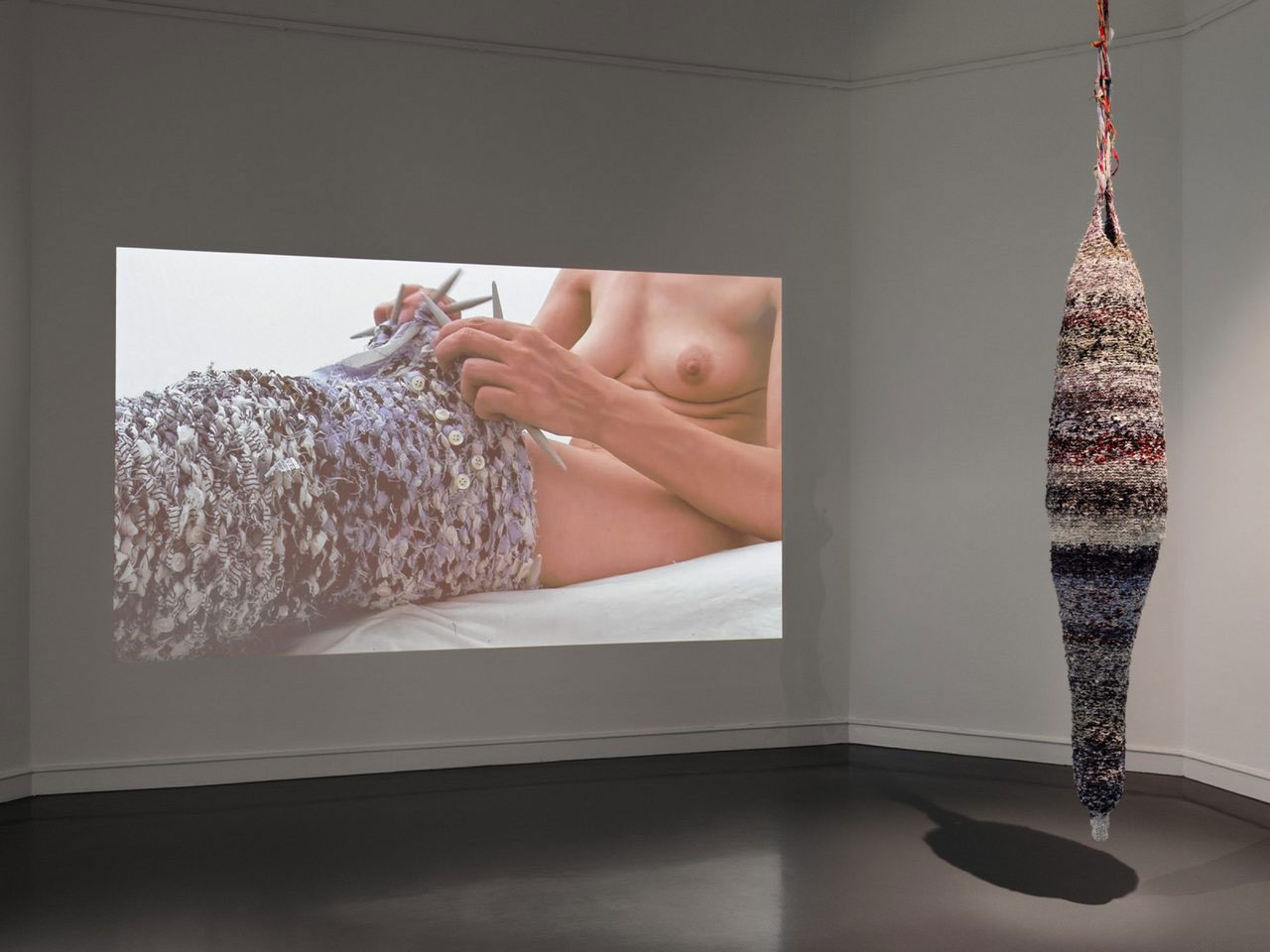
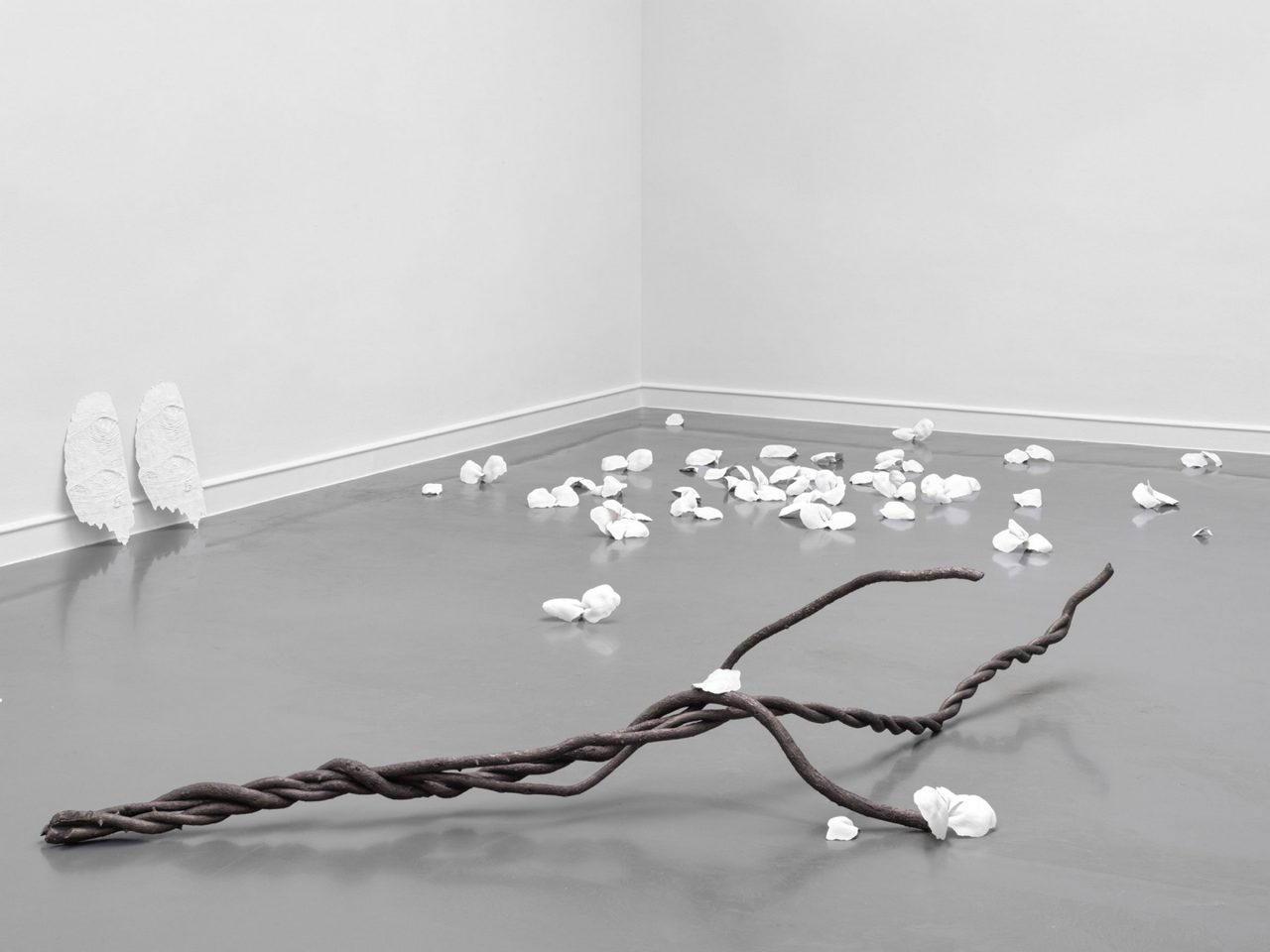
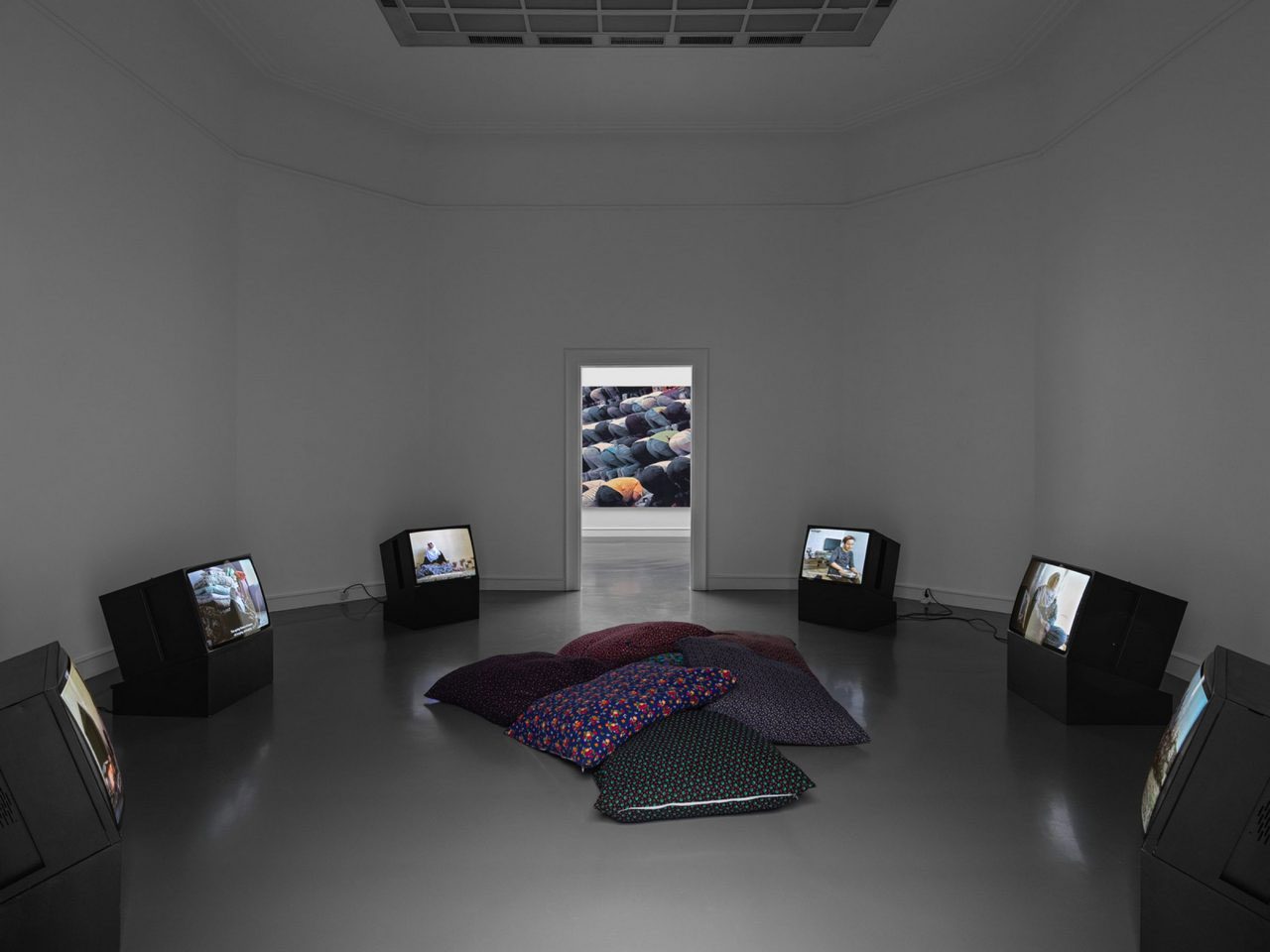
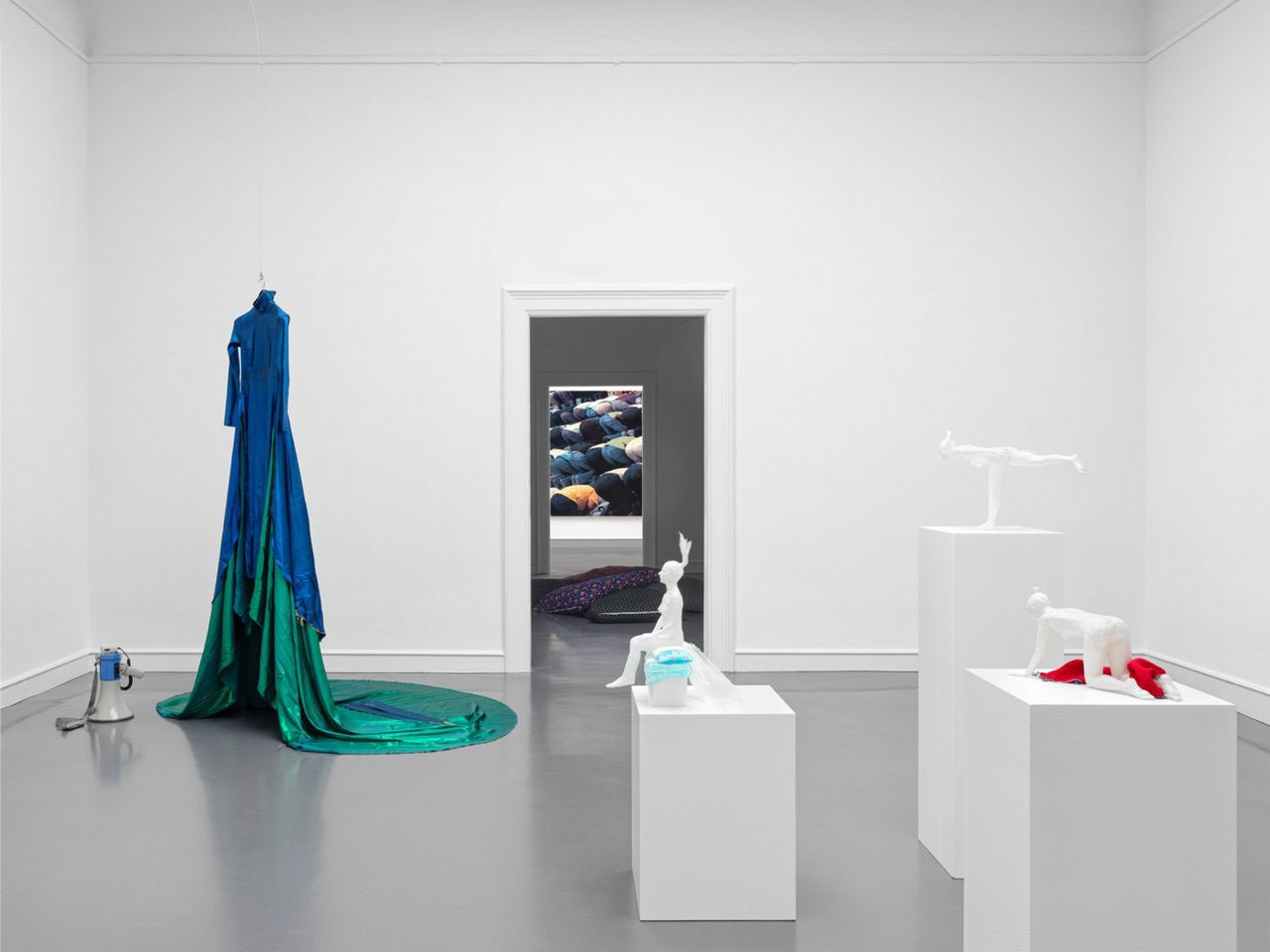
For the performance “Cocoon – Koza” Mehtap Baydu collected 33 shirts from men who had been present in her life in various ways – including friends, acquaintances, artist colleagues, a former classmate, and the proprietor of a neighborhood kiosk. First the men’s portraits were taken – in a manner of their choosing – then they handed over their shirts. These garments were cut up and joined into a single long strand. In a meditative performance lasting several days, Baydu knitted her naked body into this strand to form a cocoon-like object that completely enveloped her. The work combines photographic portrait, textile remnant, and the act of performance; it unfolds a complex dialogue between ascription and self-determination. Clothing that marks masculinity and social roles is broken up and transformed in the process of Baydu’s performance. In the exhibition context the cocoon appears as a moment of change: a space that offers both the limitation and protection in which something new can develop. Closeness and distance, intimacy and social expectation interweave, to be reinterpreted layer by layer. Since 2009 Mehtap Baydu has been working with the alter ego “Osman” a fictive male figure identifiable in the tradition of Turkish “guest worker” biographies from Germany in the 1960s. The project is based on a detailed examination of historical black-and-white photographs and archive material from the time. In 2023 Baydu tried to have Osman officially listed in the registry office of Baden-Baden – a public performative act that revealed the relation- ship between individual history and institutional limitations. The artistic construction of this figure questions popular ideas about masculinity, origin, and social role. Photographs, official forms, and personal documents tell the story of a life that seems very real despite being invented. “Osman” is symbolically “ennobled” in the exhibition space – his fictive life story dug out of anonymity and made visible as an individual biography. The work shows the extent to which identity is a social construct shaped by images, narratives, and social ascriptions. As part of her residency at Watermill Center in New York early this year, Mehtap Baydu created a new group of works from an in-depth involvement with the surrounding natural world. She took plaster casts of the bark of trees around the institution, and transformed a large branch into a bronze sculpture forming the center of the arrangement. The installation “Hautaustausch mit einem Baum’ (2025) deals with the fragile balance between decay and permanence, human beings and nature, body and environment. It refers to a deep affinity that is both organic and culturally determined: the skin as boundary and simultaneously as connection with the world. Baydu supplements the sculpture and plaster casts with fine items from her dowry, including filigree lacework that functions as personal souvenir and cultural symbol. Autobiographical fragments are melded with universal themes of growth, heritage, and transformation. For her work “Kıyafet-Anzug – Clothing” Behtap Baydu had a classic men’s three-piece suit with matching shoes made – but from floral pazen, a flannel fabric traditionally worn by women in Turkey. The suit was made to fit the artist, and is worn at exhibition openings either by herself or by a woman of similar size. In this exhibition it forms part of Baydu’s examination of role models and social expectations. The suit – symbol of male prestige and power – is rendered in a fabric that embodies female care and everyday culture. The encounter of cut and material both raises questions and opens up a space for social renegotiation. The performance and the work analyze the extent to which roles “attract” us, and how new resonances arise in the relationship between self and others through the deliberate recoding of forms and fabrics. Mehtap Baydu returned to her home village in the province of Bingöl in the east of Turkey for the 2018. 6-channel video installation “Dêrık”, varying durations, each between 2 and 5 min. The production of the work was supported by the Badischer Kunstverein e.V. “Dêrık. Lying in the mountains of East Anatolia, along with its Turkish name, Sudüğünü, the village is also called Mazrê/Mêlkun in Kurdish. In the film Baydu turns her attention to an intimate local practice that is often overlooked: women “singing to themselves.” In Baydu’s home region this is an exclusively female form of expression – be- tween song, lament, and quiet self-reassurance. These are not songs for an audience, but fragile personal rituals. A woman sings while cooking, resting, in the garden, in moments of solitude. A form of catharsis in which joy and pain, recollection and the present are woven together. In improvised, often touching songs, women sing of their daily lives, their personal relationships, social constraints, political realities, and little moments of resistance. In “Dêrık Baydu” links landscape, tradition, and personal history. The installation enables one to feel how cultural identity continues not in the big narratives but in lived everyday life, in the body and the voice.
Photo: Mehtap Baydu, from the series “Mitgift – Çeyiz – Dowry”, 2024-2025)
Info: Curators: Christina Lehnert, Sandeep Sodhi and Çağla Ilk, Assistant Curator: Dr. Lisa Steib, Staatliche Kunsthalle Baden-Baden, Lichtentaler Allee 8a, Baden-Baden, Germany, Duration: 27/6-14/9/2025, Days & Hours: Tue-Su 10:00-18:00, https://kunsthalle-baden-baden.de/