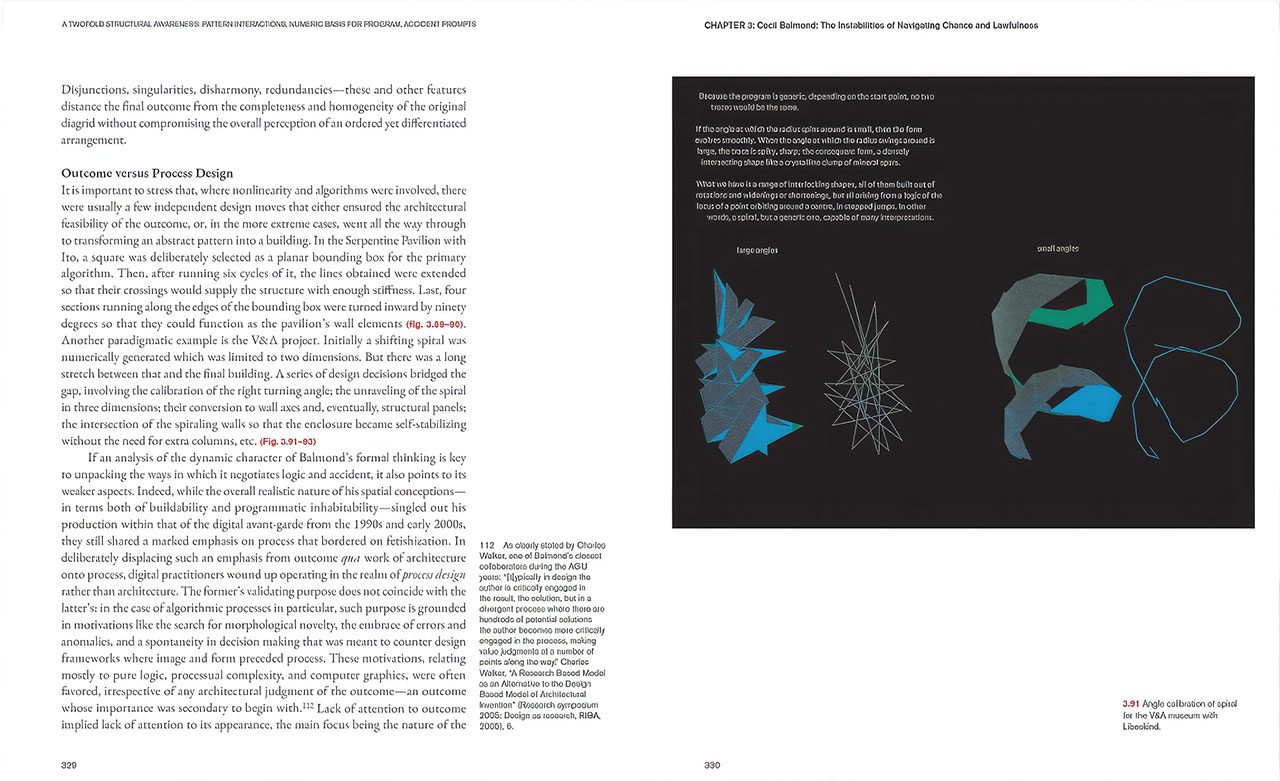
BOOK: Dispositional Intelligence in Architectur-Actar Publishers
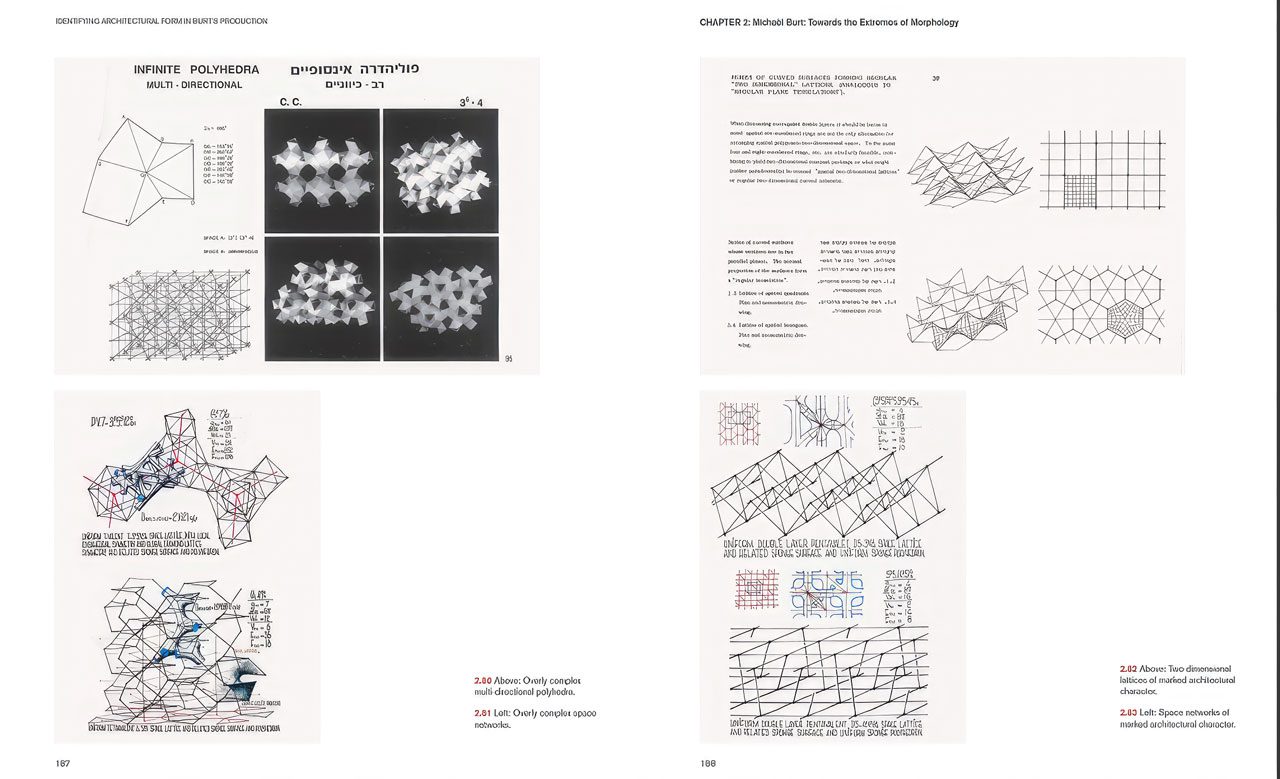
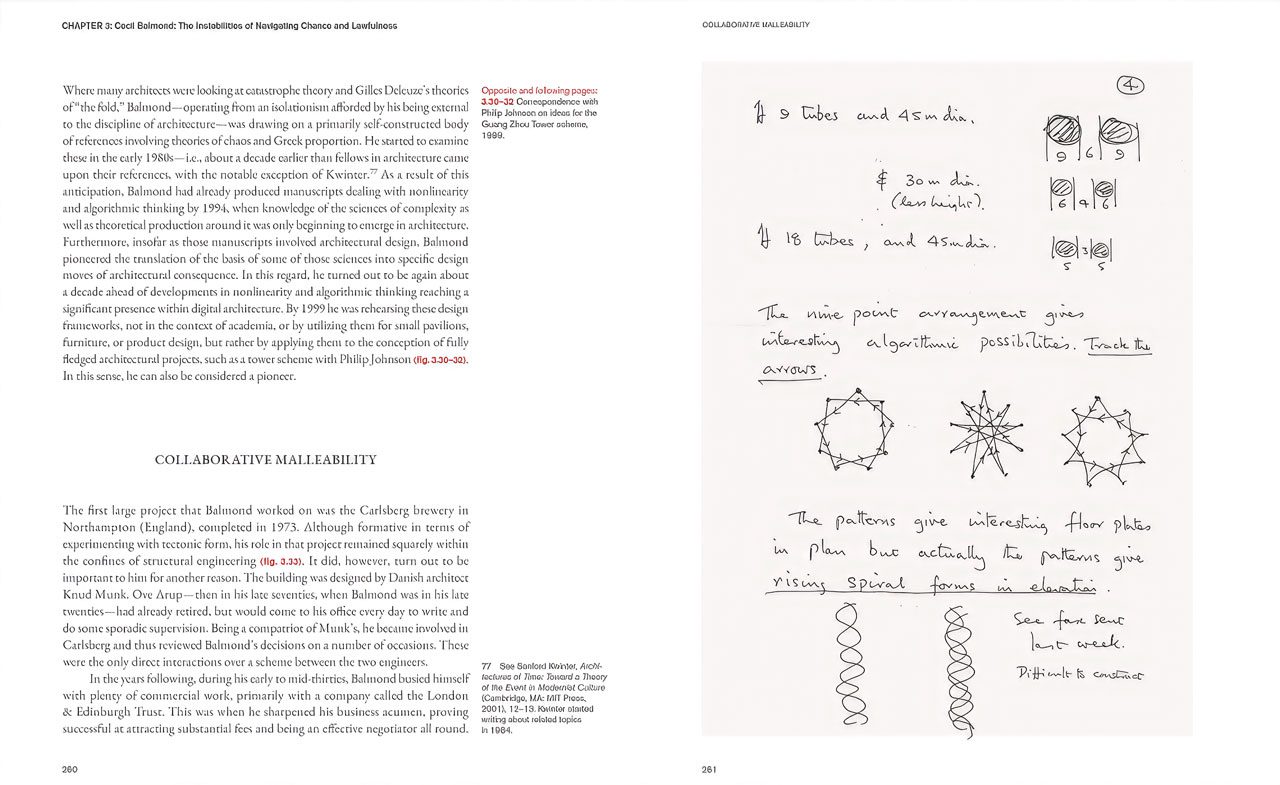
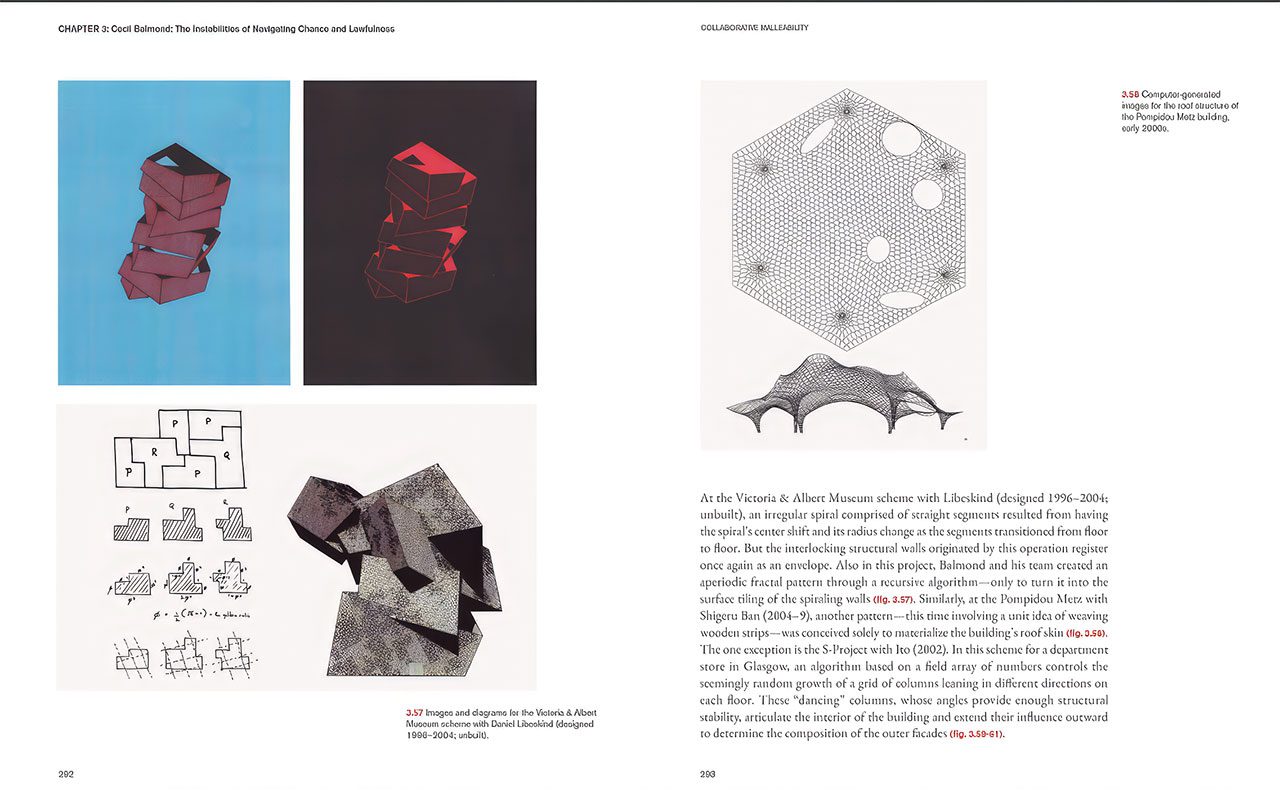
“Dispositional Intelligence” presents a compelling and highly original contribution to contemporary architectural theory, offering a new lens through which to understand spatial organization. Published by ACTAR, the book articulates a theory grounded in what it terms “dispositional intelligence”—a hybrid mode of design production that fuses architectural sensibility with a deeply embedded scientific and engineering logic. This fusion, the authors argue, reflects a historical current that emerged between the mid-1950s and the early 2000s, yet has remained largely under-theorized. At the core of the volume are three case studies: Vittorio Giorgini, Michaël Burt, and Cecil Balmond—figures whose work, while influential within niche circles, has been strikingly overlooked in broader architectural discourse. Giorgini, the Italian architect and artist, is presented as a visionary who incorporated surface topology into architecture with scientific rigor. Burt, an Israeli architect-engineer-geometer, is shown to have conducted one of the earliest and most exhaustive investigations into three-dimensional spatial subdivision via configurational continuity. Balmond’s contributions are framed as pioneering for their translation of nonlinear systems into architectural form-making and their expansive influence on building design. Where the book truly distinguishes itself is in its synthesis of granular historical research with high-level theoretical analysis. Rather than merely recovering marginal figures, “Dispositional Intelligence” uses their work as a platform to rethink the very epistemology of architectural design in an age increasingly shaped by computation, complexity, and scientific abstraction. It maps the rise of a “scientized” design culture in the latter half of the twentieth century, arguing for a recalibration of architectural thought that moves beyond conventional volumetric or typological frameworks. Yet the book is not without its challenges. Its dense theoretical language and ambitious conceptual framing may pose difficulties for readers unfamiliar with the intersections of architectural theory, engineering methodologies, and nonlinear mathematics. Nonetheless, its intellectual rigor and bold repositioning of architectural history make it an essential read for scholars, theorists, and advanced practitioners seeking to expand the disciplinary boundaries of design. Ultimately, “Dispositional Intelligence” does more than excavate overlooked trajectories in architecture—it proposes a fundamental rethinking of how design intelligence operates. By foregrounding the role of dispositional systems, it not only enriches the historiography of architectural thought but also equips today’s discourse with new critical and operational tools. It is a book that challenges, provokes, and inspires—precisely what the field urgently needs. Efi Michalarou