PRESENTATION: Graffiti
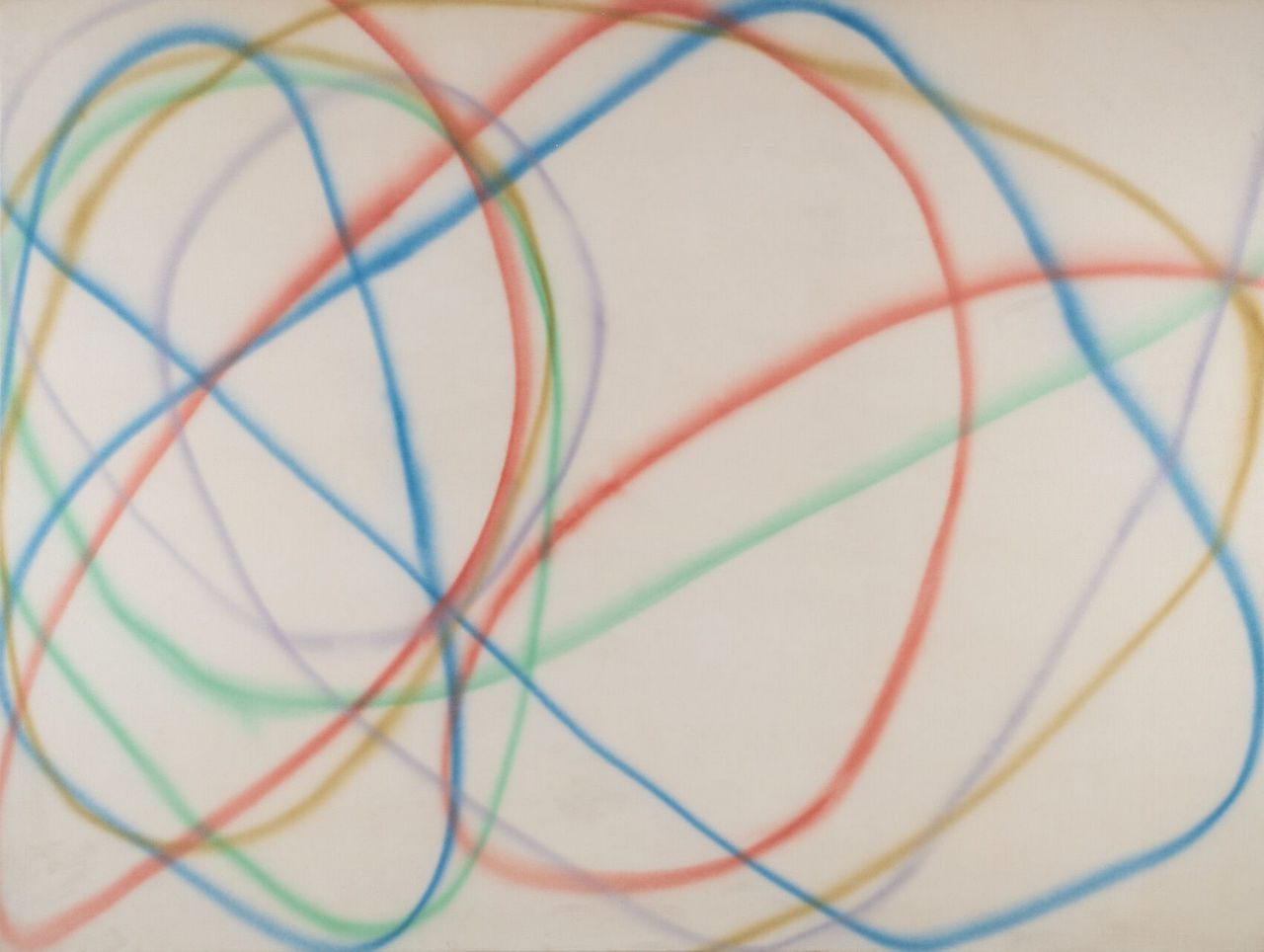
Graffiti is usually carried out with spray paint. Spray paint was patented in the United States in 1951, while graffiti as it is practiced today dates back to the late 1960s. There was thus a less than two-decade lapse between the invention of spray paint and its adoption in modern graffiti, but over that time, several artists experimented with it. Once spray paint became the dominant means for graffiti writing, its subsequent use in any capacity became linked to graffiti. A simple line of spray paint, whether linked to graffiti or not, instantly evokes the street, conjuring associations with urban culture and rebellion.
By DIimitris Lempesis
Photo: Museion Archive
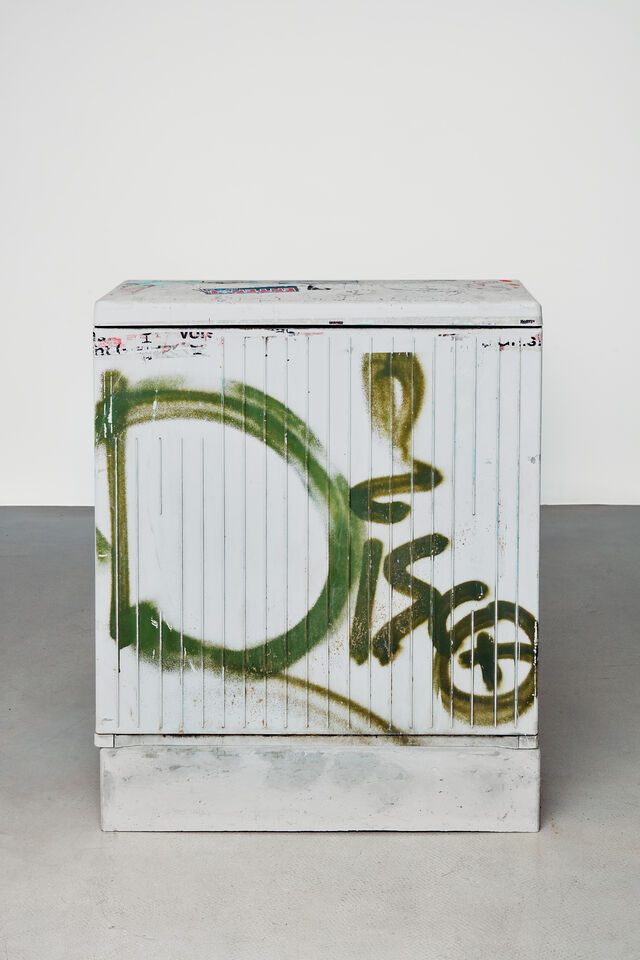
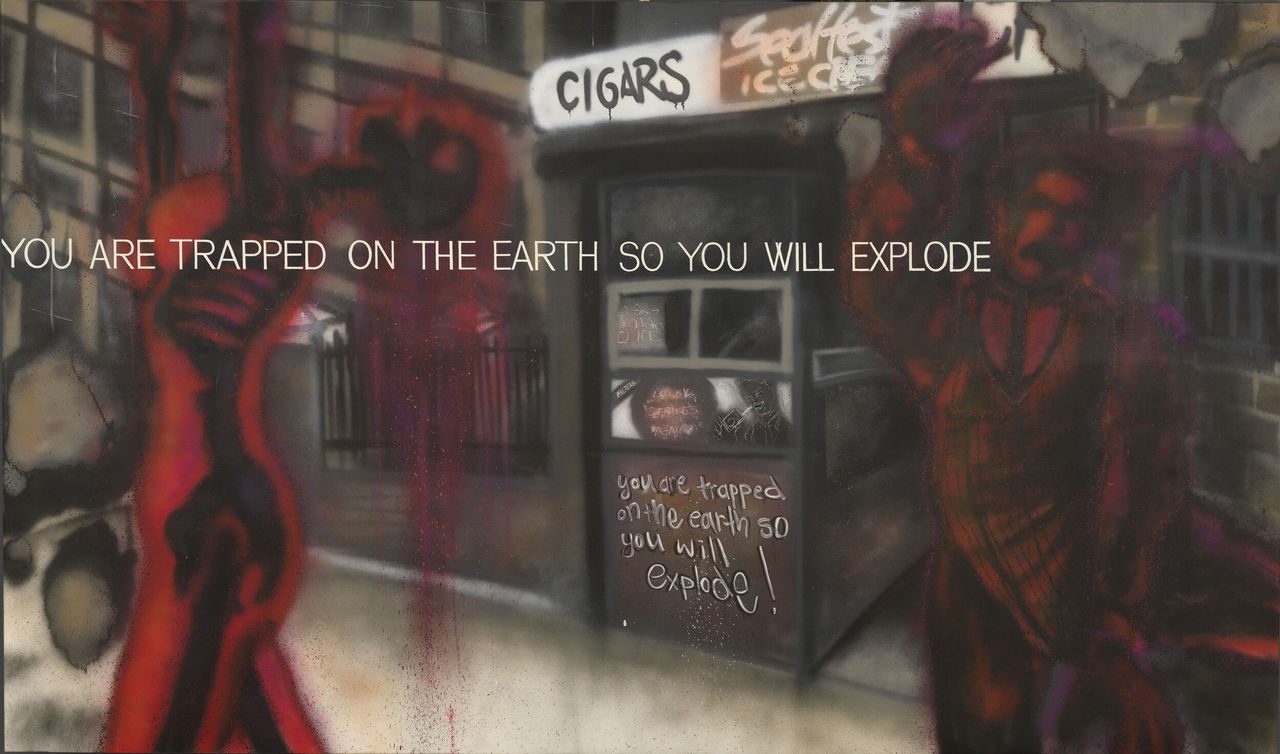
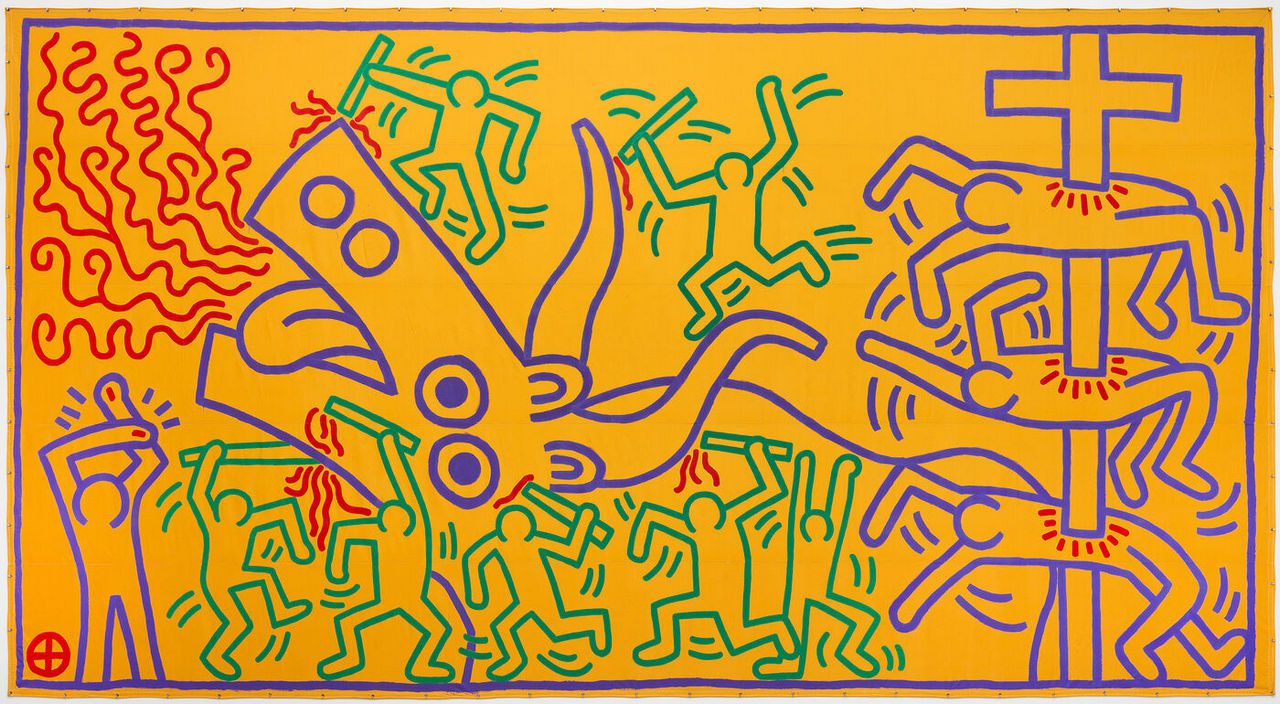
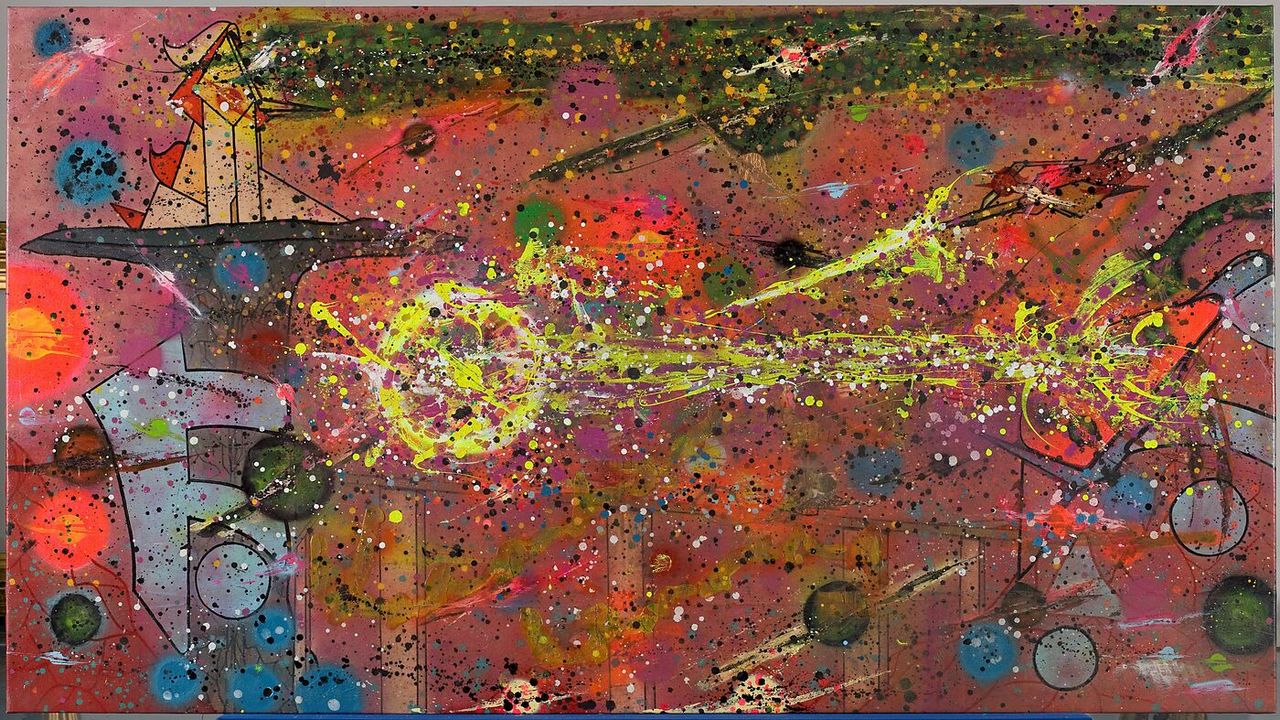
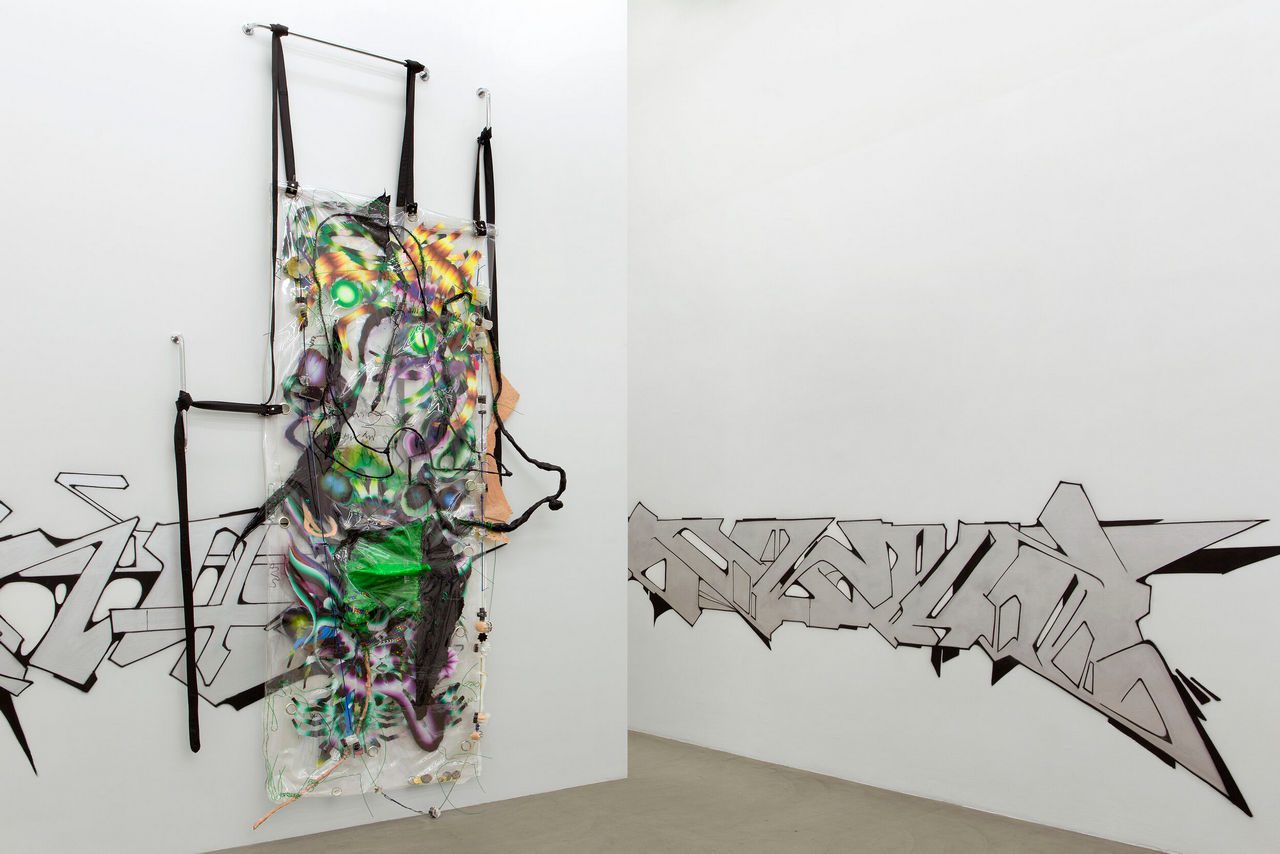
“Graffiti” is the first institutional exhibition in Italy dedicated to exploring the dynamic relationship between graffiti and contemporary art—two fields that have long influenced and transformed one another. Rather than positioning graffiti as a marginal or “outsider” phenomenon, the exhibition embraces it as an integral and evolving artistic language. It weaves together works from pioneering artists who experimented with spray paint in the 1950s and 1960s, iconic pieces by legendary graffiti writers from the 1980s, and a diverse array of contemporary practices that incorporate graffiti’s aesthetics, gestures, and social resonance. Spread across the two expansive upper floors of Museion—totaling 1,500 square meters—the exhibition features a compelling mix of international loans and newly commissioned site-specific installations. It unfolds in two distinct chapters: On the third floor, the exhibition presents a historical timeline titled “Spray Painting” and “Painting Graffiti”, tracing the medium’s evolution from the invention of the spray can in 1951 to the present day. This section spotlights the creative dialogue between fine art and graffiti, showcasing works by artists such as Hedda Sterne, David Smith, Martin Barré, Dan Christensen, Carol Rama, and Charlotte Posenenske—all of whom engaged with spray paint in experimental ways before the rise of modern graffiti writing. These are placed in direct conversation with seminal works on canvas by trailblazing graffiti artists including Rammellzee, Futura 2000, Blade, and Lee Quiñones. The narrative progresses through the 1980s and 1990s with key works that reflect or integrate graffiti’s language—collaborations like Lady Pink & Jenny Holzer, Martin Wong & LA2, and pieces by Keith Haring—before arriving at more recent interpretations by artists such as Heike-Karin Föll, Michael Krebber, and Christopher Wool. Contemporary digital and conceptual engagements with graffiti are also featured, such as Georgie Nettell’s digital tag drawings, Patricia L. Boyd’s photogram of a bus shelter, and Karin Sander’s “Patina Paintings”. Also on view are works by current graffiti writers including Kunle Martins, WANTO, and a newly commissioned installation by N.O.Madski, which is exhibited in dialogue with sculptures by KAYA. The fourth floor transforms into an immersive urban landscape under the title “Making Cities”, where graffiti becomes not just a visual motif, but a material and a method—an imprint of resistance and urban identity. Here, the exhibition shifts focus to films, photographs, and installations that reflect the gritty, imaginative textures of metropolitan life. Highlights include cinematic works by Charles Atlas and Manuel DeLanda, sculptural interventions by Klara Lidén—including readymade trash cans and junction boxes—and Josephine Pryde’s “New Media Express”, a model train adorned with miniature graffiti tags. Elsewhere, the tools and techniques of graffiti find new life in R.I.P. Germain’s sculpture of a faux storefront, Matias Faldbakken’s wall installation, and Alix Vernet’s castings of urban surfaces. Together, these works reframe graffiti as a lens through which to view the city—its surfaces, tensions, and rhythms. More than a survey, “Graffiti” is a critical and poetic inquiry into how artists have harnessed the power of the spray can—once a utilitarian invention patented in 1951—as a means of expression, defiance, and transformation. It inaugurates a new, long-term research initiative at Museion centered on soft, non-violent forms of resistance, and the evolving role of art as a social and urban practice.
Participating Artists: Yuji Agematsu, Chantal Akerman, Nick Atkins, Charles Atlas, Lutz Bacher, Martin Barré, Blade, Monica Bonvicini, Patricia L. Boyd, Dan Christensen, Shaun Crawford, Curtis Cuffie, René Daniëls, Daze, Manuel DeLanda, Melvin Edwards, Matias Faldbakken, Heike-Karin Föll, Futura 2000, Keith Haring, Jenny Holzer & Lady Pink, KAYA, Jutta Koether, Michael Krebber, Brad Kronz, Maggie Lee, Klara Lidén, Ilya Lipkin, Colette Lumiere, Kunle Martins, Jeanette Mundt, Georgie Nettell, Armando Nin, N.O.Madski, Clayton Patterson, Charlotte Posenenske, Josephine Pryde, Quik, Lee Quiñones, Carol Rama, Rammellzee, R.I.P. Germain, Matthew “Zexor” Rodriguez, Karin Sander, Seen, David Smith, Dash Snow, Ben Solomon, Hedda Sterne, Emily Sundblad, SoiL Thornton, Alix Vernet, WANTO, Lawrence Weiner, Dondi White, Martin Wong & LA2, Christopher Wool, Zephyr
Photo: Keith Haring, Untitled, 1983. Centraal Museum Utrecht Collection Photo: Gert Jan van Rooij. Keith Haring artwork, © Keith Haring Foundation
Info: Curators: Leonie Radine and Ned Vena, Museion, Piazza Piero Siena 1, Bolzano, Italy, Duration: 29/3-14/9/2025, Days & Hours: Mon-Wed & Fri-Sun 10:00-18:00, Thu 10:00-22:00, www.museion.it/
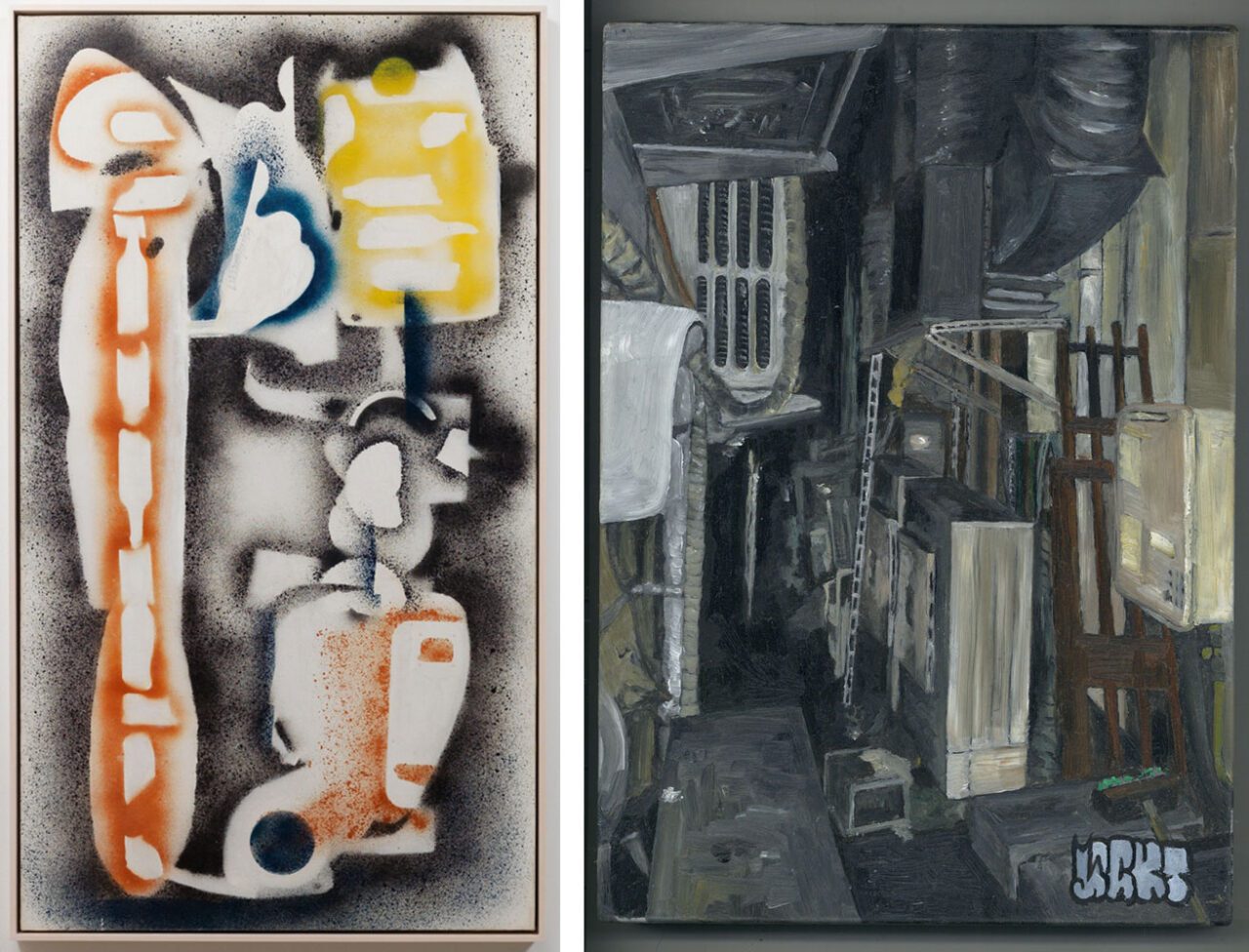
Right: 大都会暗黒路地裏/Dark alleys of the big city, 2021-2022, Courtesy Gallery Naruyama