ART CITIES: Salzburg-Philipp Timischl
Philipp Timischl creates hybrid objects from static and moving images, usually presented in site-specific installations. A recurring theme in his work are power dynamics – often in relation to social classes, queerness, heritage and the art world. Since studying at Städelschule, Frankfurt, and graduating from the Academy of Fine Arts, Vienna.
By Dimitris Lempesis
Photo: Layr Gallery Archive
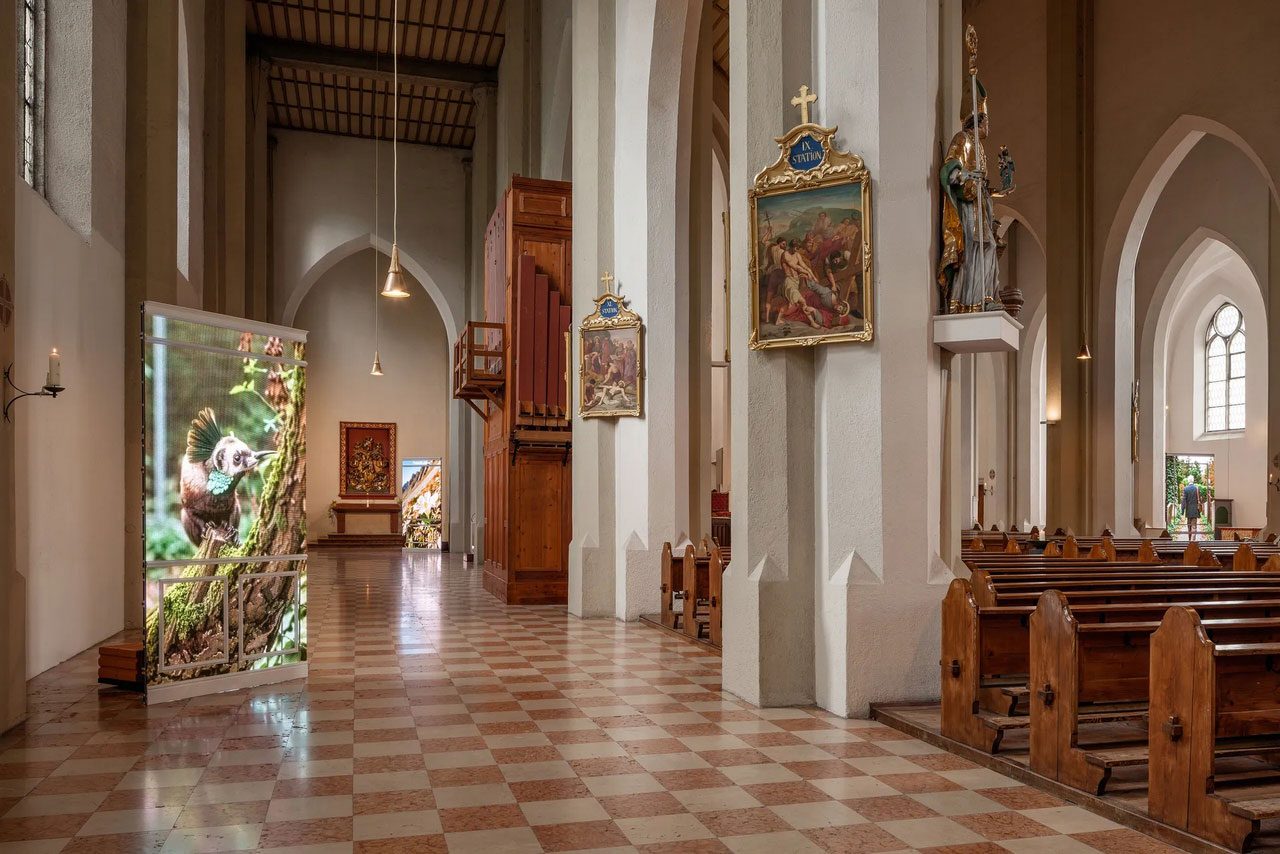
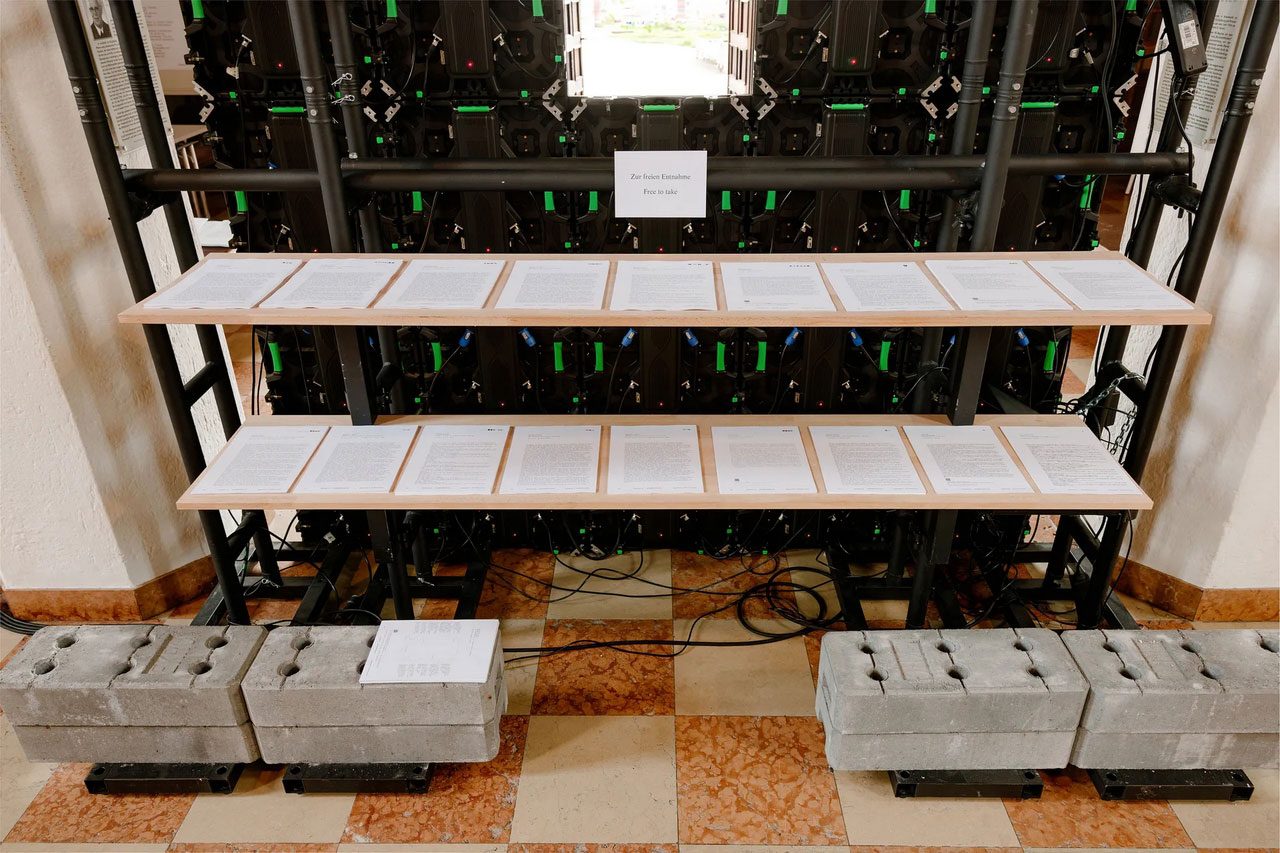
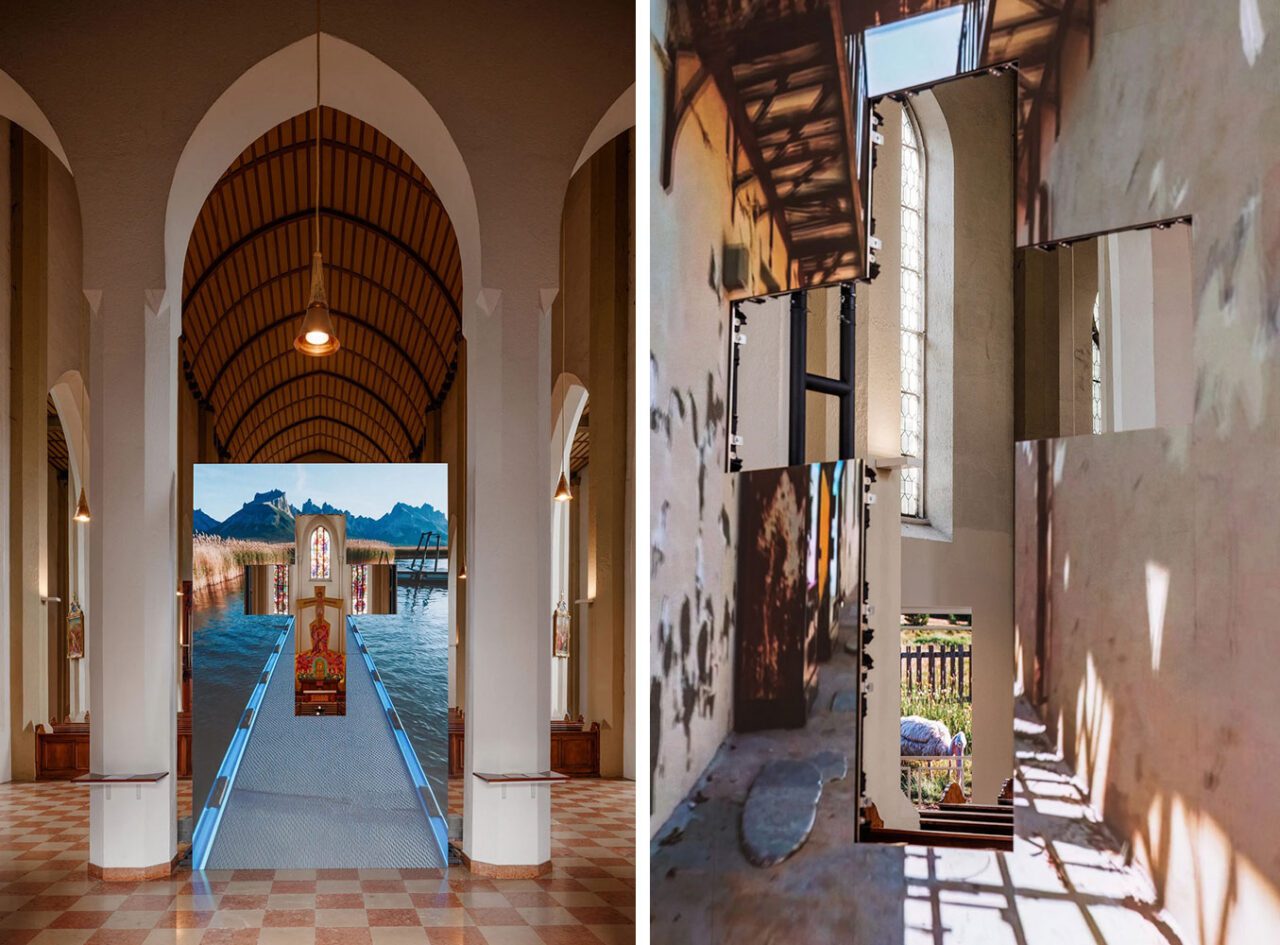
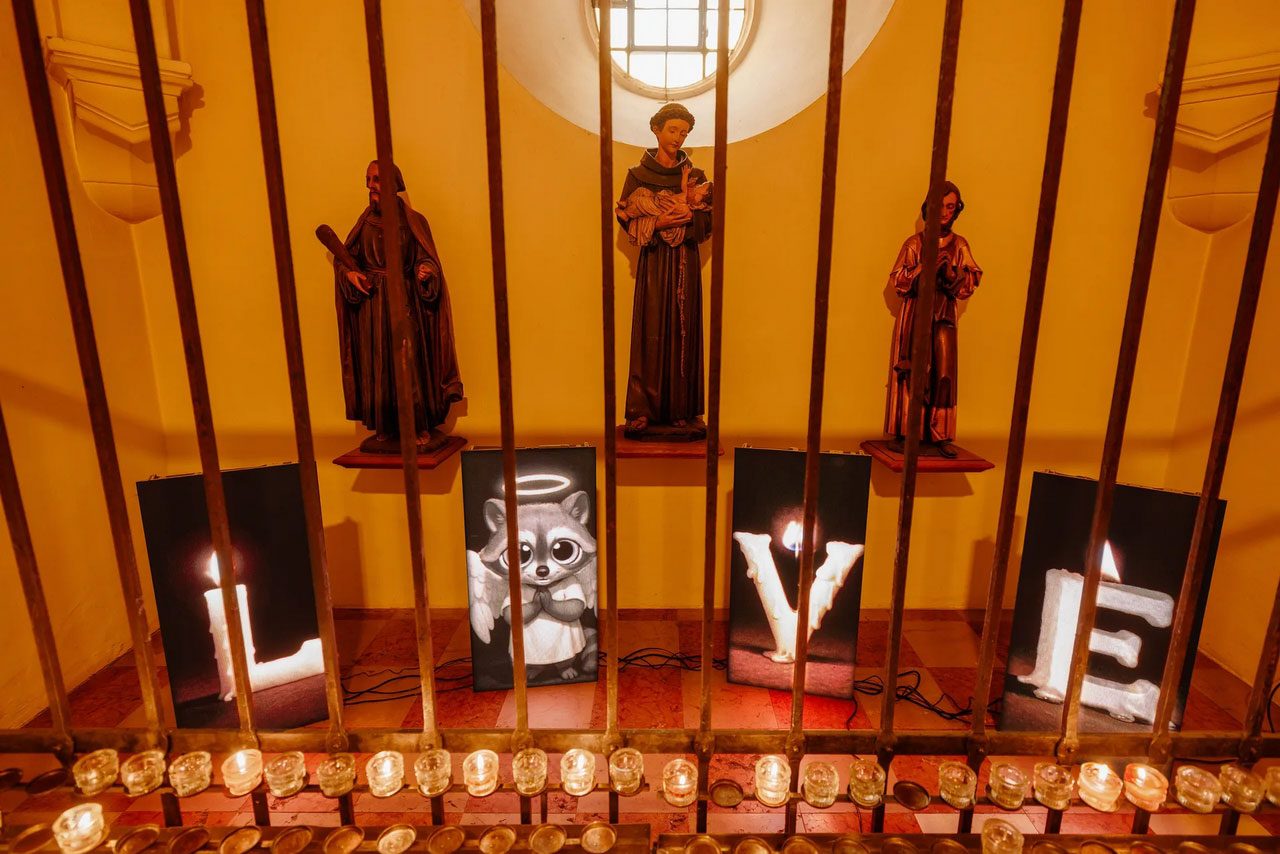
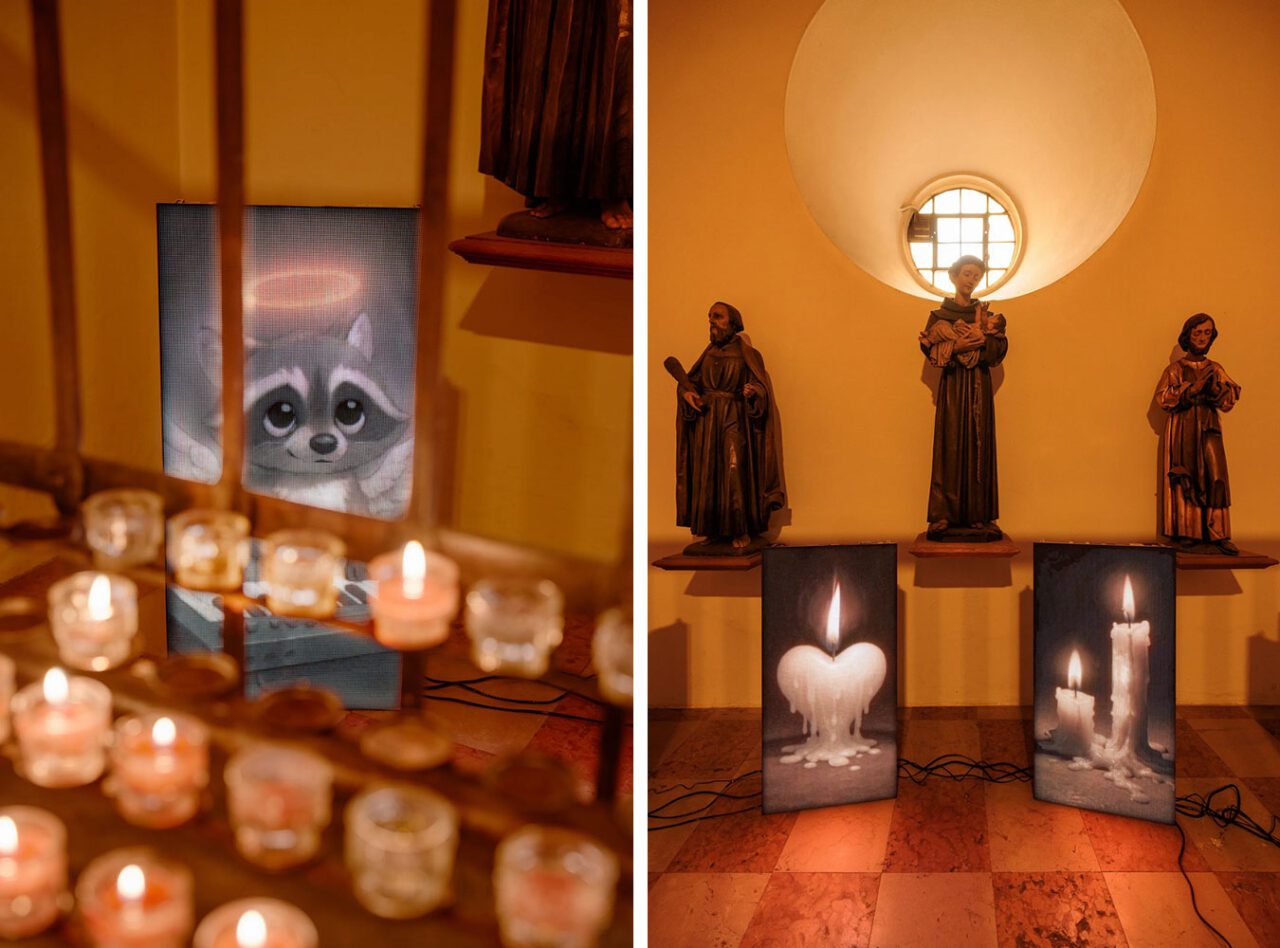
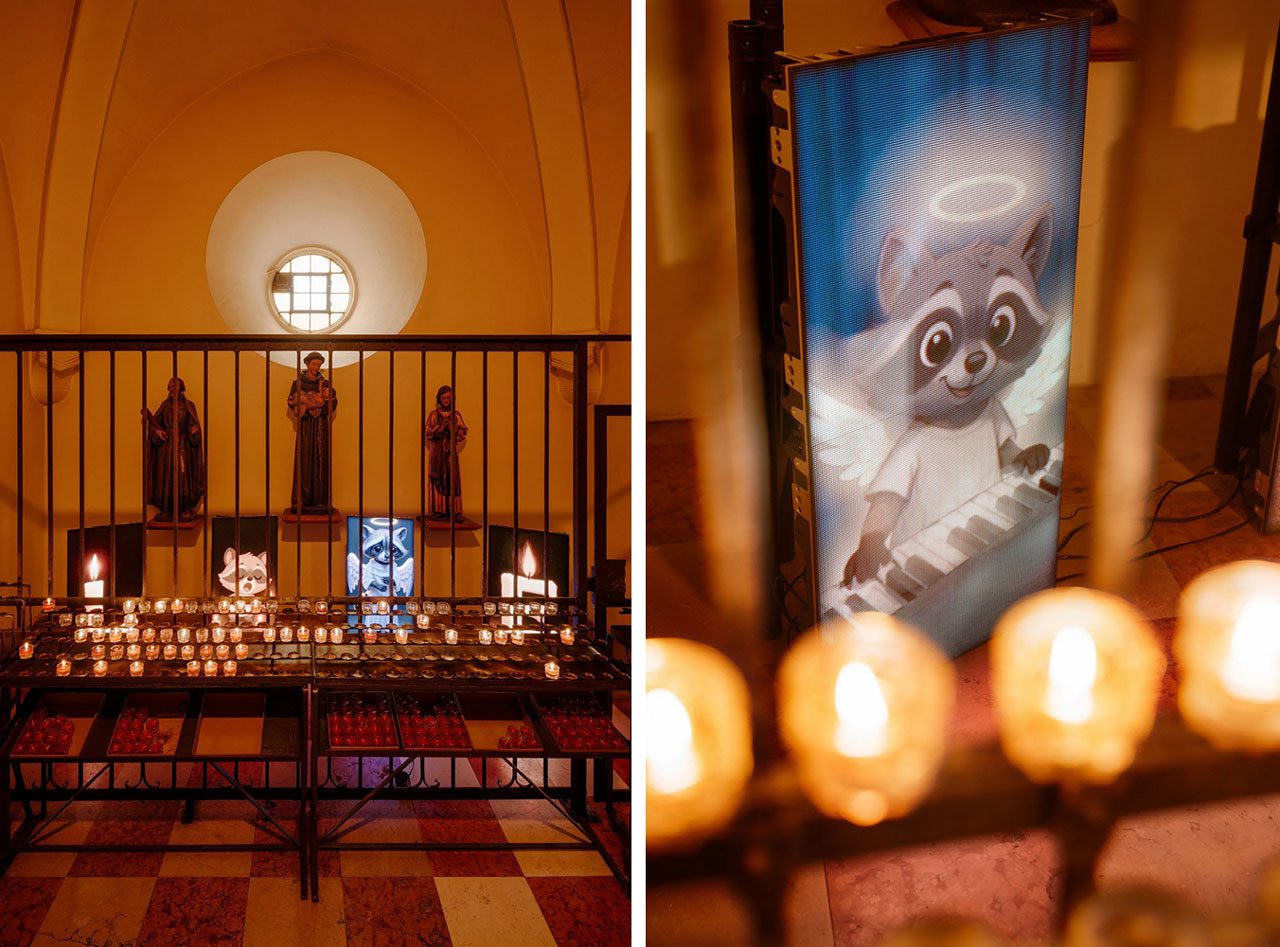
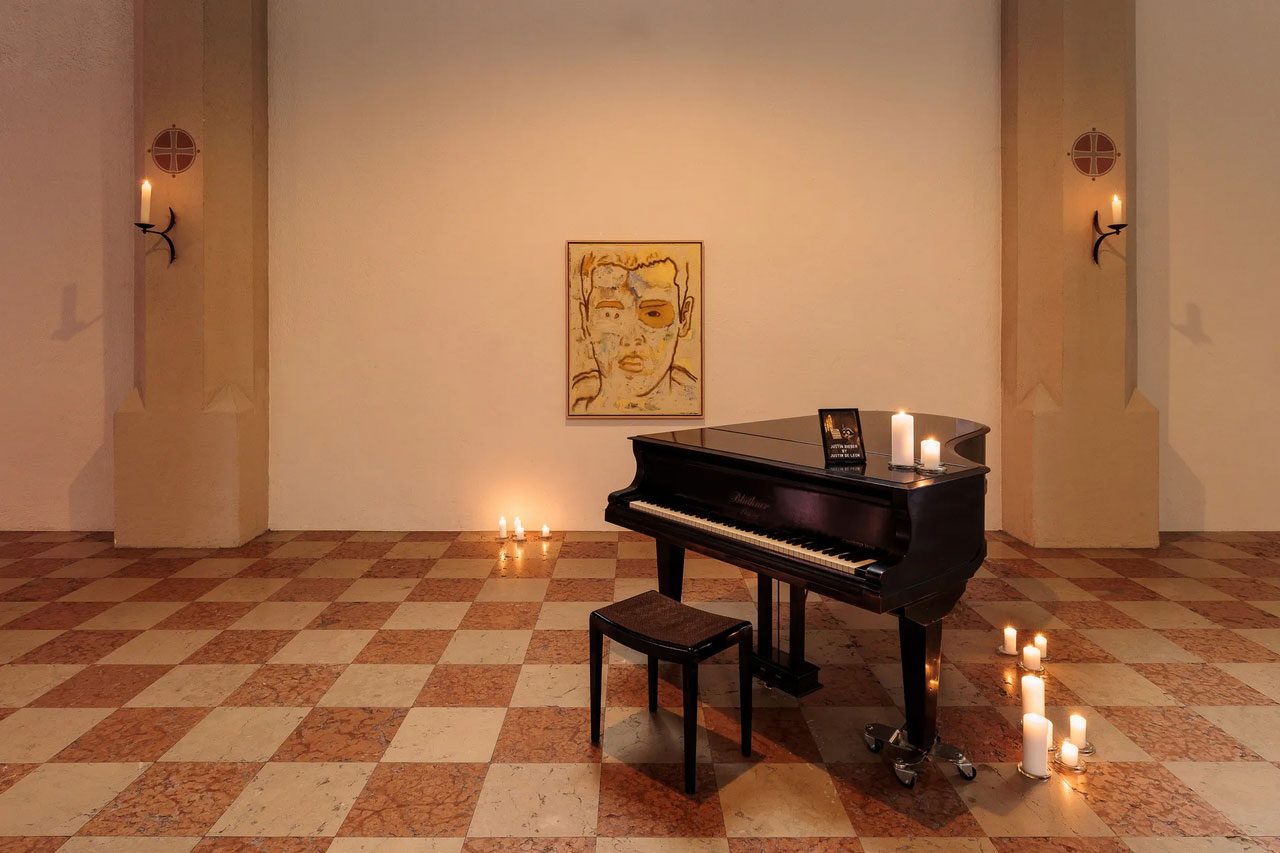
The Christian tradition offers one of the most enduring narratives of origin: a world summoned into being in seven days—divinely ordered, complete, and unquestionable. This vision of creation is not just metaphysical; it’s architectural, cultural, and moral. Churches like St. Andräkirche were built to house and reflect that vision—structured spaces that mirror the clarity of divine intention. Within their arches and altars, the world is made legible through ritual, scripture, and symbol. But “Dummodo me ames”, Philipp Timischl’s latest exhibition, proposes another kind of creation myth. One born not from omniscient command but from the chaotic entanglement of data, algorithms, desire, and the illusions of control. The title, “Dummodo me ames”—Latin for “as long as you love me”—is already a hybrid artifact. It could be lifted from a 17th-century baroque score sung in Salzburg’s cathedral choirs, or it could be echoing from a bedroom speaker in 2012, when Justin Bieber first crooned the phrase to a generation raised on pop fantasy. It oscillates between eras and registers—between liturgical gravity and teenage yearning—setting the tone for an exhibition that weaves sacred architecture with synthetic affect, and ancient longing with algorithmic production. Timischl installs his work throughout the church like an alternate liturgy, one that refracts the structures of religious belief through contemporary technologies of image-making. Upon entering the nave, visitors encounter a monumental LED wall installed within the central arch—an architectural and symbolic focal point, now transformed. A cross-shaped void punctures the screen, offering a literal aperture for reflection: belief or skepticism, transcendence or doubt. Through this opening, we glimpse an unholy spectacle. AI-generated landscapes churn and morph, ethereal and unstable. Faces form at the edge of recognition—almost real, almost human, almost sacred. It’s a vision of the digital sublime, playing out where divine narratives once unfolded. But this screen is not an object of passive contemplation. It moves. It flickers. It glitches. It behaves. It invites scrutiny and resists closure. It does not promise salvation—it prompts questions. What are we seeing? Who made this? Can machine-generated imagery still hold meaning, still provoke emotion, still inspire belief? Timischl’s intervention is agnostic but deeply intimate. In place of God, there is code. In place of scripture, there is the scroll. But the longing persists. Something might still matter—even if it’s made by a machine. The sacred and the absurd intertwine most vividly in a side chapel, where an hourly apparition takes place. A candlelit choir of raccoons appears onscreen, their faces eerily expressive, lip-syncing to Daphne Ahlers’ delicate cover of “As Long As You Love Me.” The moment is fleeting, uncanny, and faintly ridiculous. When the song ends, they vanish, returning to votive light. It’s a gesture that plays with devotional form: the recurring miracle, the sacralized chorus, the flicker of presence. But it’s also funny. Silly, even. And yet, something of it stays with you. The absurdity doesn’t cancel out the sincerity—it magnifies it, as though belief can only survive now when refracted through irony, animation, and pop culture debris.
Elsewhere in the church, a series of LED sculptures rise like altars gone askew. Their frames mimic ornate French moldings—bourgeois decoration colliding with ecclesiastical gravity. The screens are filled with generative images: imperfect, glitched, or subtly wrong. Faces melt, gestures loop, aesthetics collapse. These are not divine visions—they are the visual residue of machine learning processes, trained on datasets filled with human aspiration, vanity, and error. They are not the work of a single creator, but rather the accidental output of systems designed to imitate creativity while bypassing intent. In these works, Timischl stages a confrontation: between old world ornament and new world automation, between taste and faith, between the domestic and the divine. In one particularly striking work, a painted male figure—muscular, bearded, reflective—leans toward a screen, pen poised at the edge of the digital. He is both creator and created, both prophet and avatar. His gaze is complex: not beatific, not submissive, not entirely self-assured. He might be Timischl’s stand-in for God—or just an artist staring into the abyss of his own tools, wondering if authorship still belongs to him. The thick brushstrokes that form his body push against the clean slickness of the screen, resisting its logic. Painting becomes a site of friction, not tradition—a way to mark presence in an age of machine replication. Throughout “Dummodo me ames”, Timischl revives spiritual structure without claiming spiritual truth. The exhibition doesn’t mock religion, but neither does it worship technology. Instead, it reanimates the ritualistic frameworks of belief—narrative, repetition, spectacle, symbolism—using the language of today: digital image, algorithmic process, pop nostalgia, glitch aesthetics. It scrolls like a feed, sings like a hymn, and glitches like memory. It replaces the sacred with the synthetic, not to erase transcendence, but to ask whether new forms of reverence can emerge from artificial origins. This is not a simple critique of religion or a techno-utopian fantasy. It is something stranger and more vulnerable: an attempt to feel within systems designed to simulate feeling, to find resonance in the artificial, and to allow space for belief—however fractured, ironic, or digitally mediated—to persist. Timischl doesn’t offer answers. He offers altars—some flickering, some glitched, some strange, all sincere. In a world where we increasingly outsource both labor and intimacy to machines, “Dummodo me ames” asks: can love still be real if it’s rendered by code? Can a glitch become a prayer? Can we still make meaning—still find beauty, silliness, longing, transcendence—when we are no longer the sole creators of our own myths? The exhibition’s title echoes in the background like a plea, a warning, a hope: as long as you love me. As long as you love me—what will you believe?
Photo left & right: Philipp Timischl, Let the world pass, 2025, Video Installation, LED Panels, Media Processor, Laptop, 10:07 min video, 400 × 250 cm, © Philipp Timischl, Courtesy the artist and Layr Gallery
Info: Layr Gallery, Layr Andräkirche / St. Andrew’s Church, Mirabellplatz 5/1, Salzburg, Austria, Duration: 23/7-31/8/2025, Days & Hours: Tue-Sat 10:00-18:00, https://emanuellayr.com/
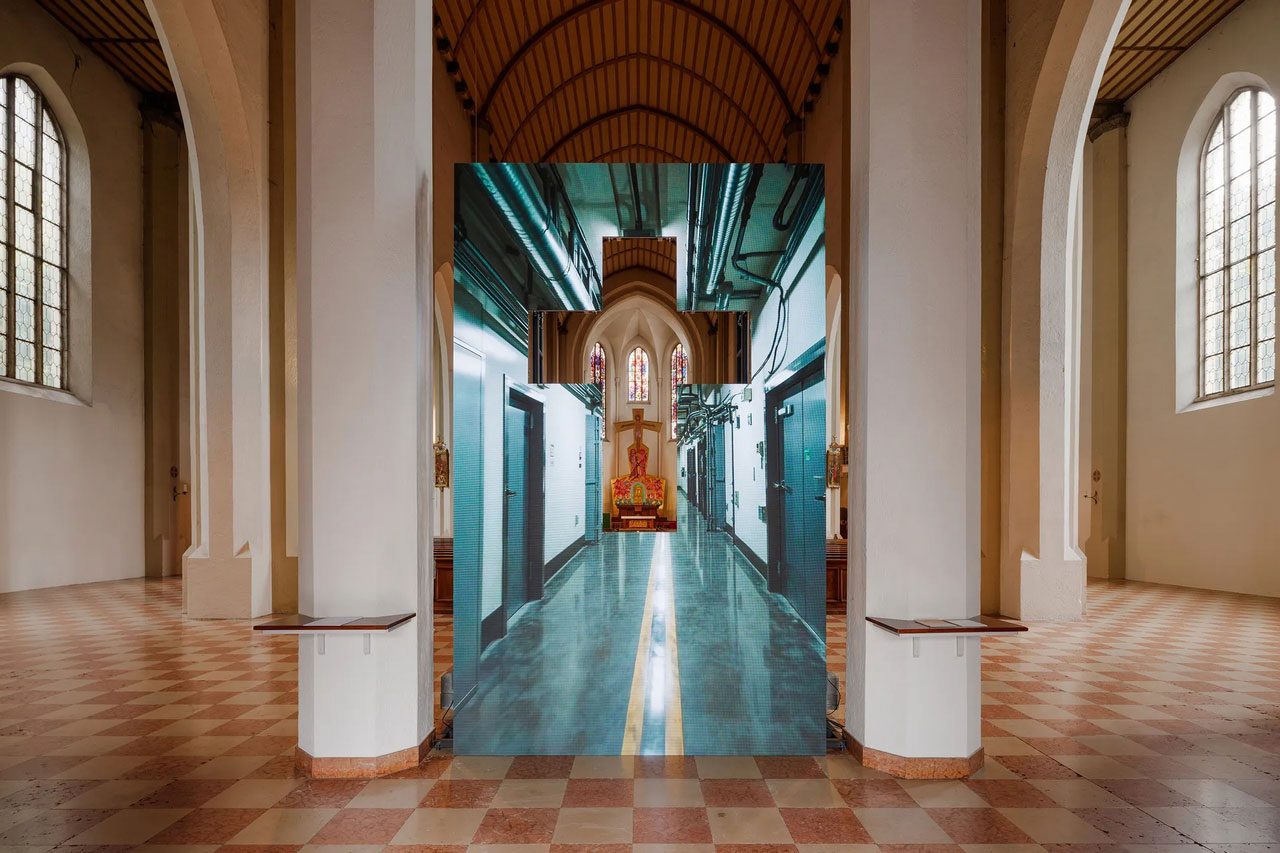
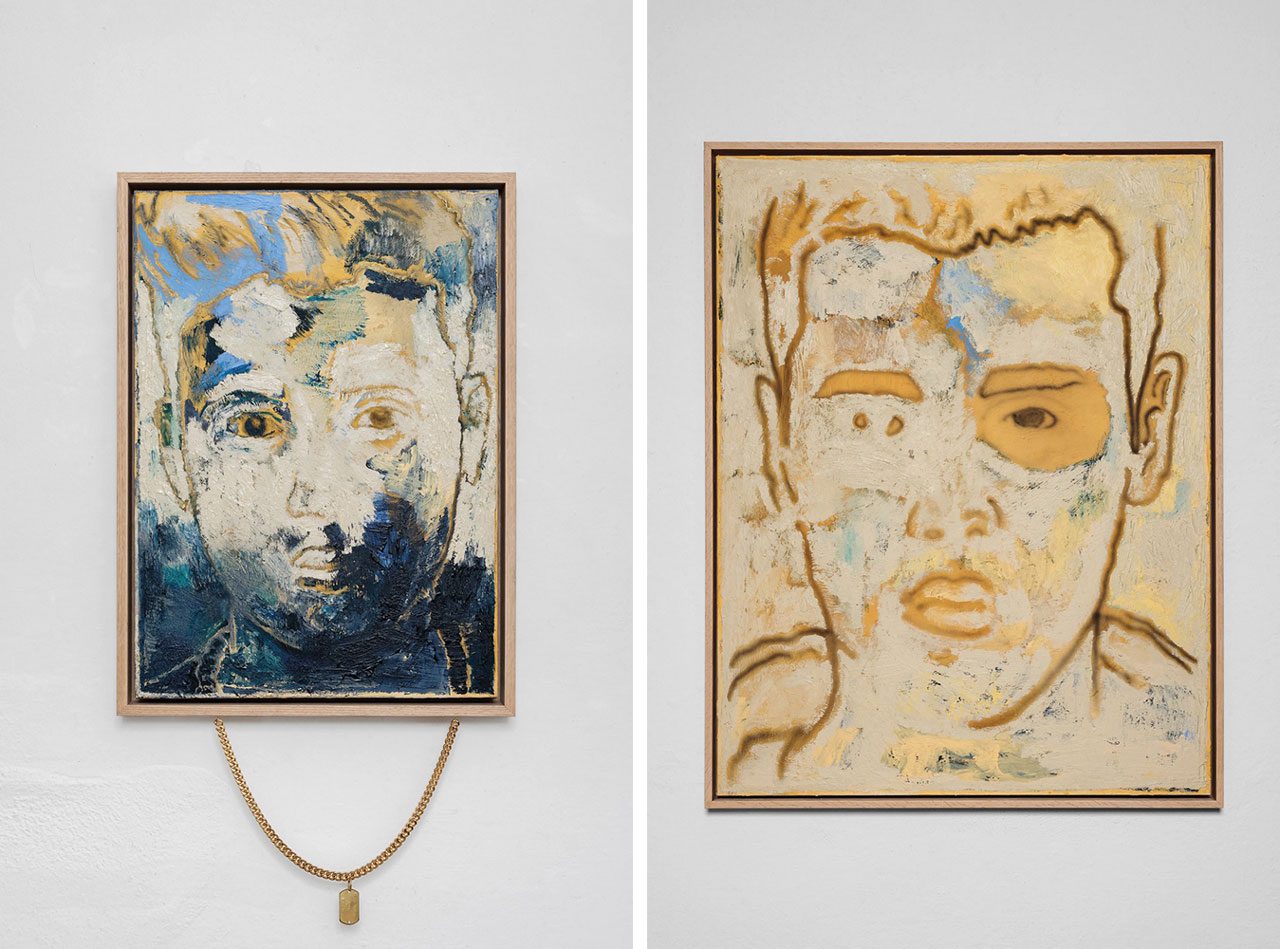
Right: Philipp Timischl, Justin after everything happened, 2025, Oil and acrylic on canvas, 135 × 105 cm, © Philipp Timischl, Courtesy the artist and Layr Gallery
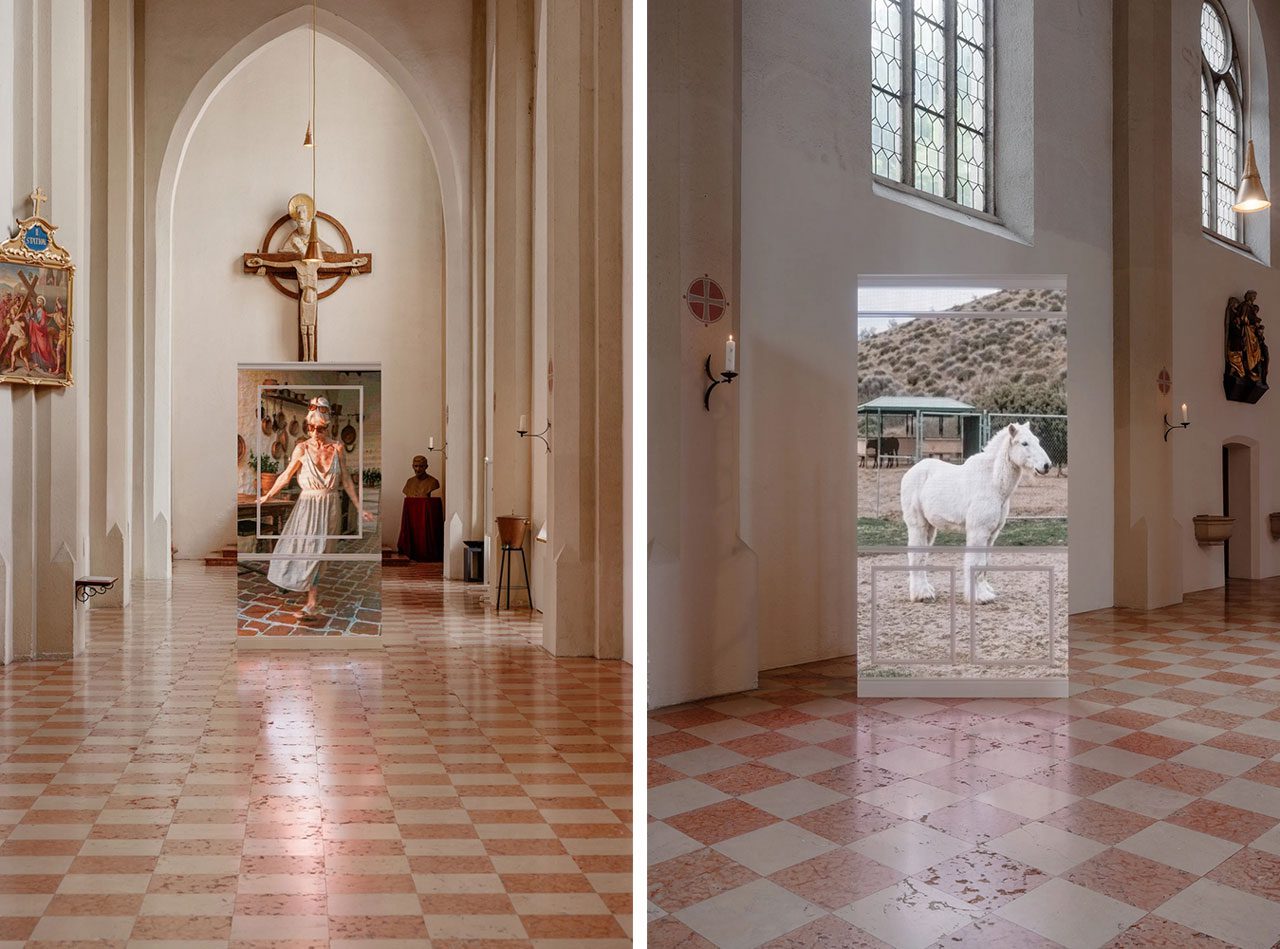
Right: Philipp Timischl, Unfortunately a dying species (Period Apartment Wall Element), 2025, LED Panels, French Mouldings, 07:50 min video, 300 × 150 cm, © Philipp Timischl, Courtesy the artist and Layr Gallery