Robert Wilson 4/10/1941-31/7/2025
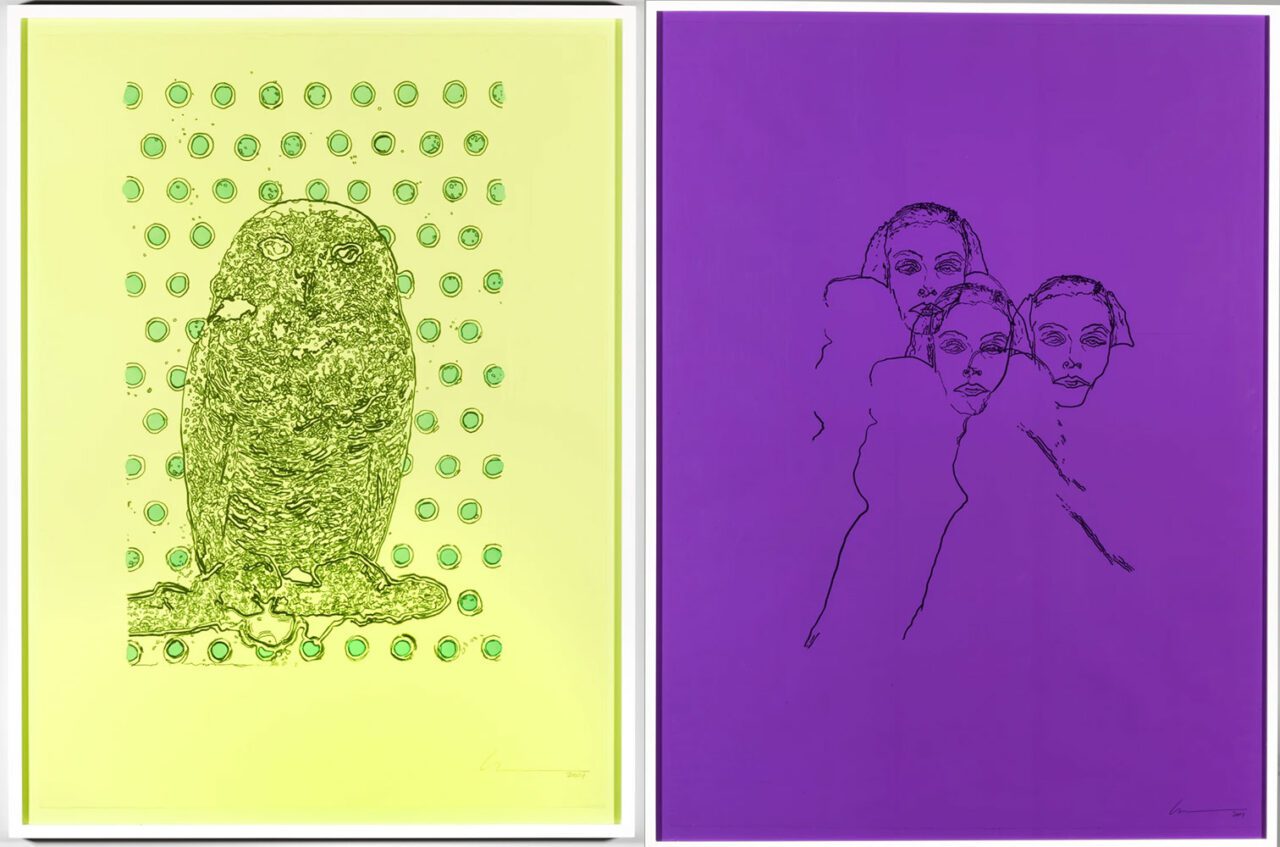
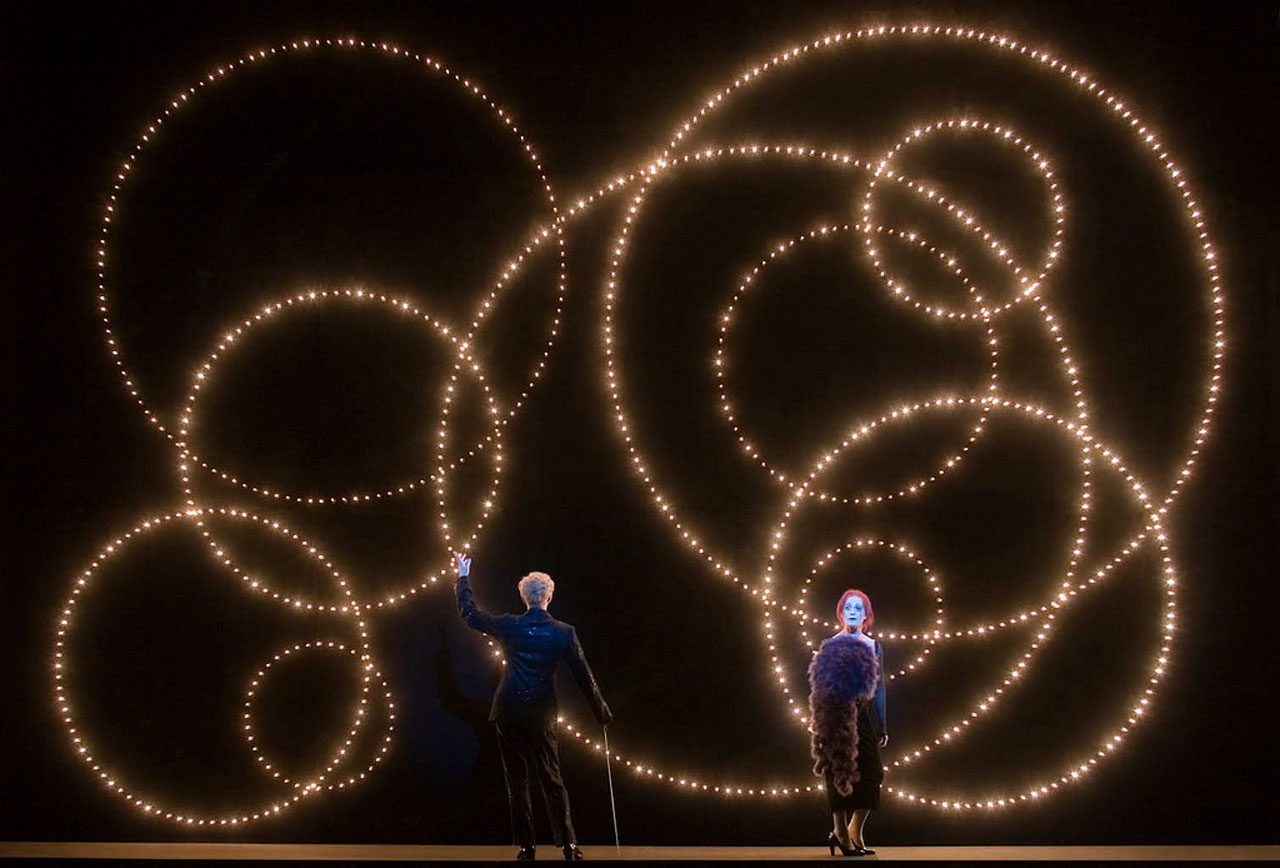
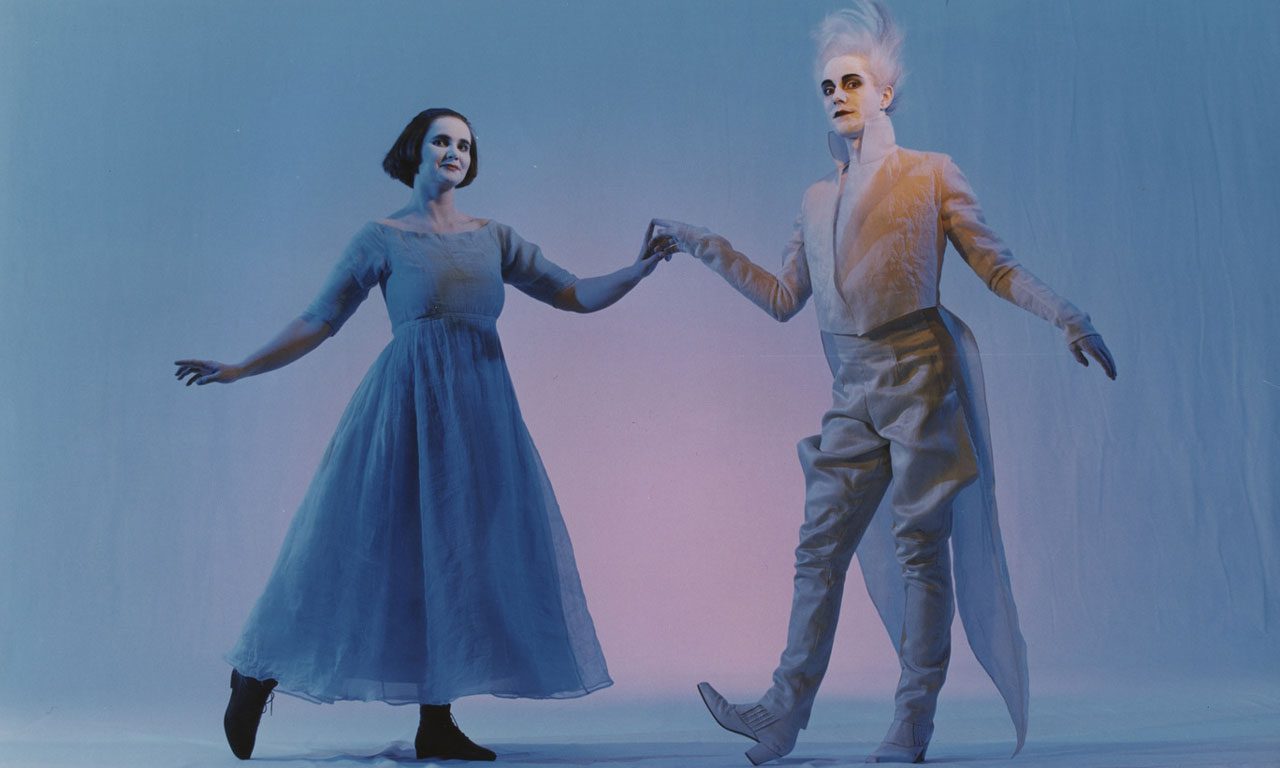
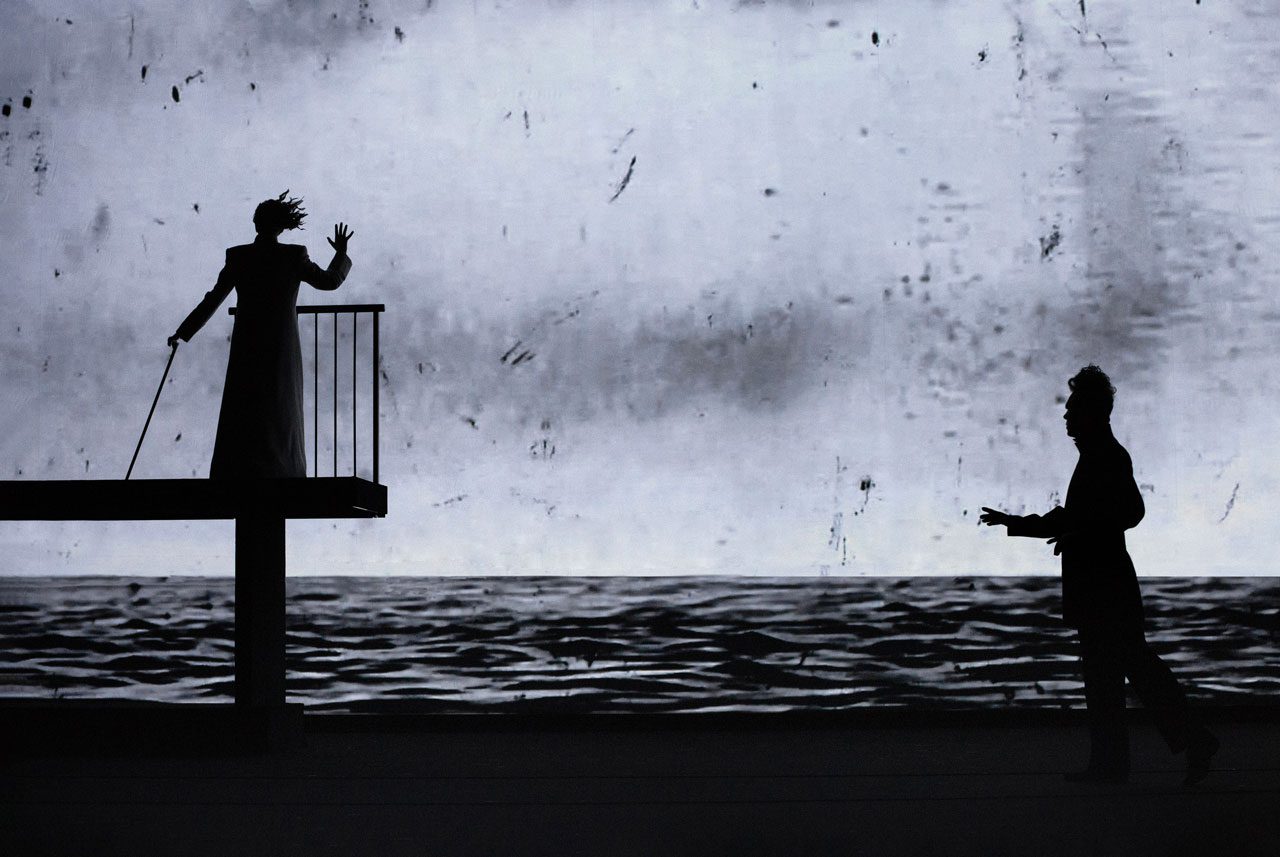
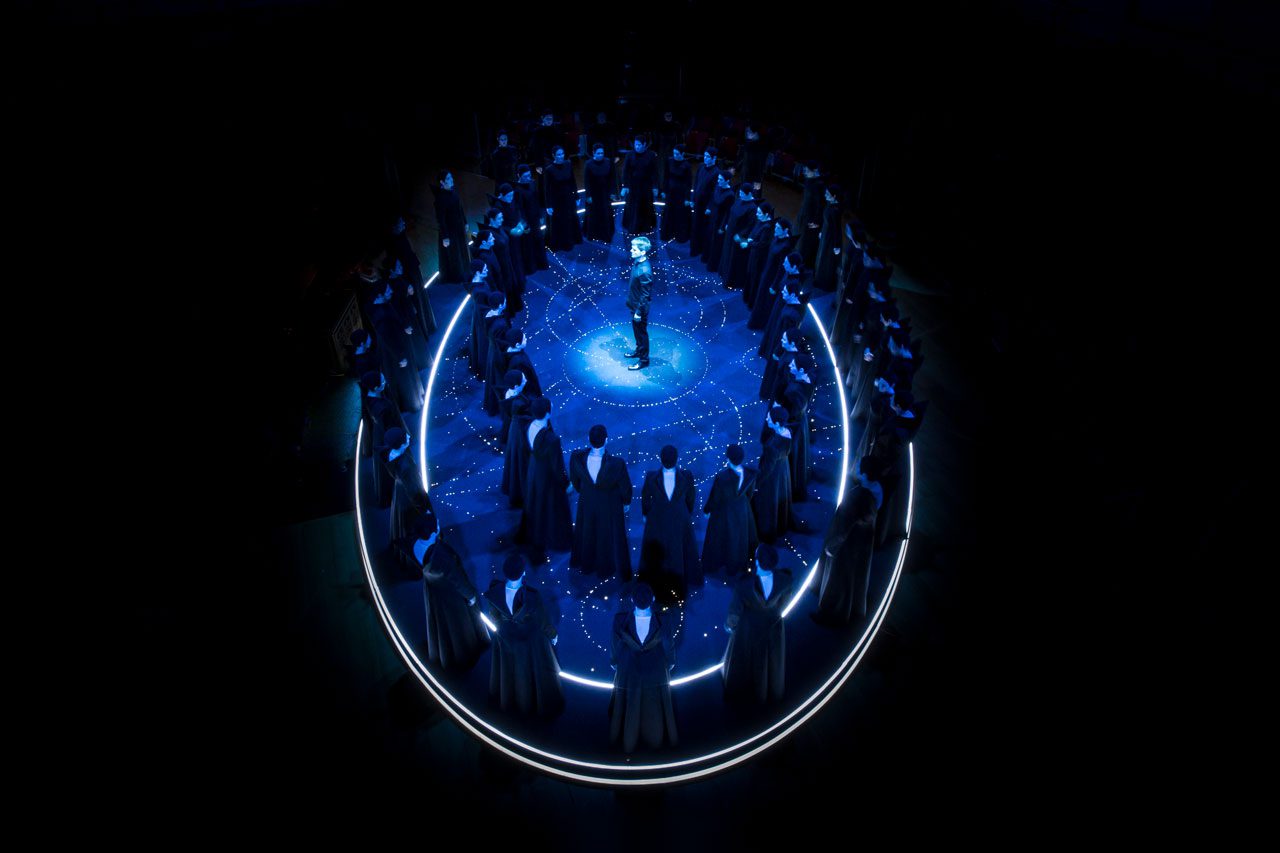
Since the late 1960s, Robert Wilson’s (4/10/1941-31/7/2025) productions have decisively shaped the look of theater and opera. Through his signature use of light, his investigations into the structure of a simple movement, and the classical rigor of his scenic and furniture design, Wilson has continuously articulated the force and originality of his vision. Wilson’s close ties and collaborations with leading artists, writers, and musicians continue to fascinate audiences worldwide. Through documents or interviews, starting with: moments and memories, we reveal out from the past-unknown sides of big personalities, who left their indelible traces in time and history…
By Efi Michalarou
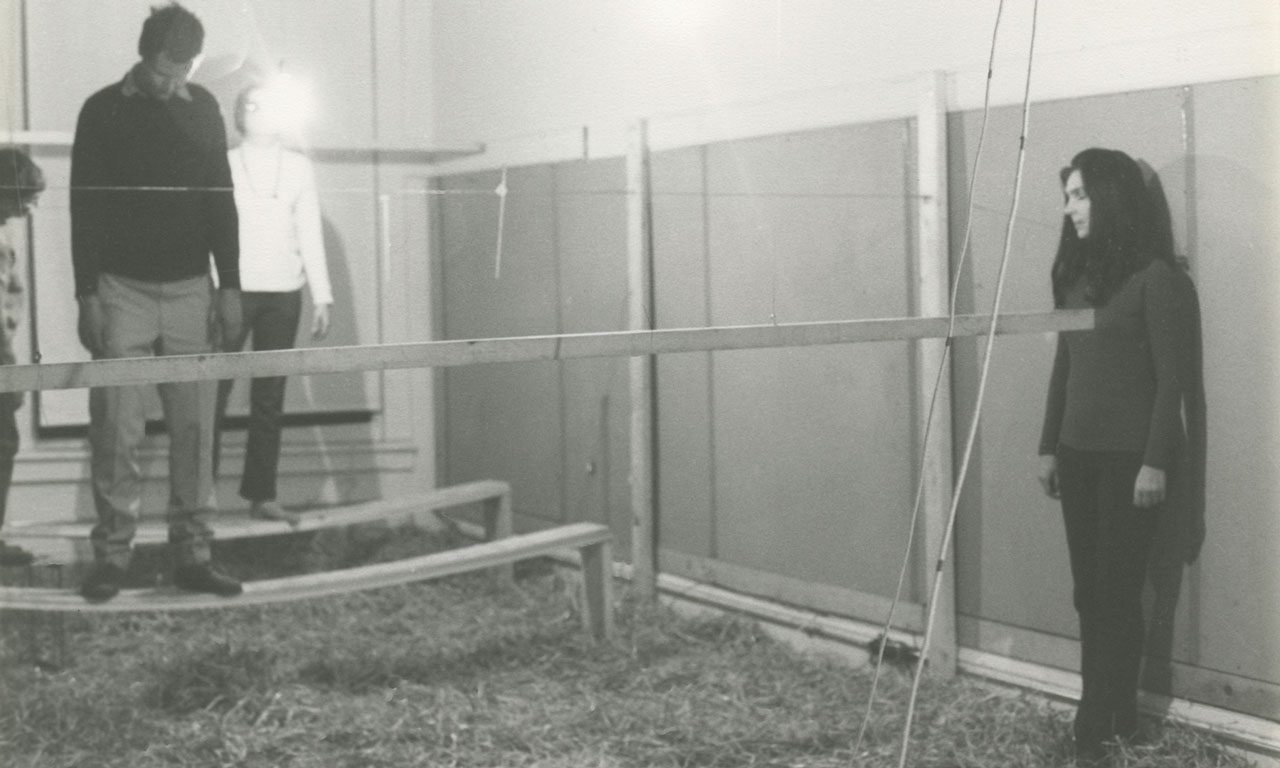
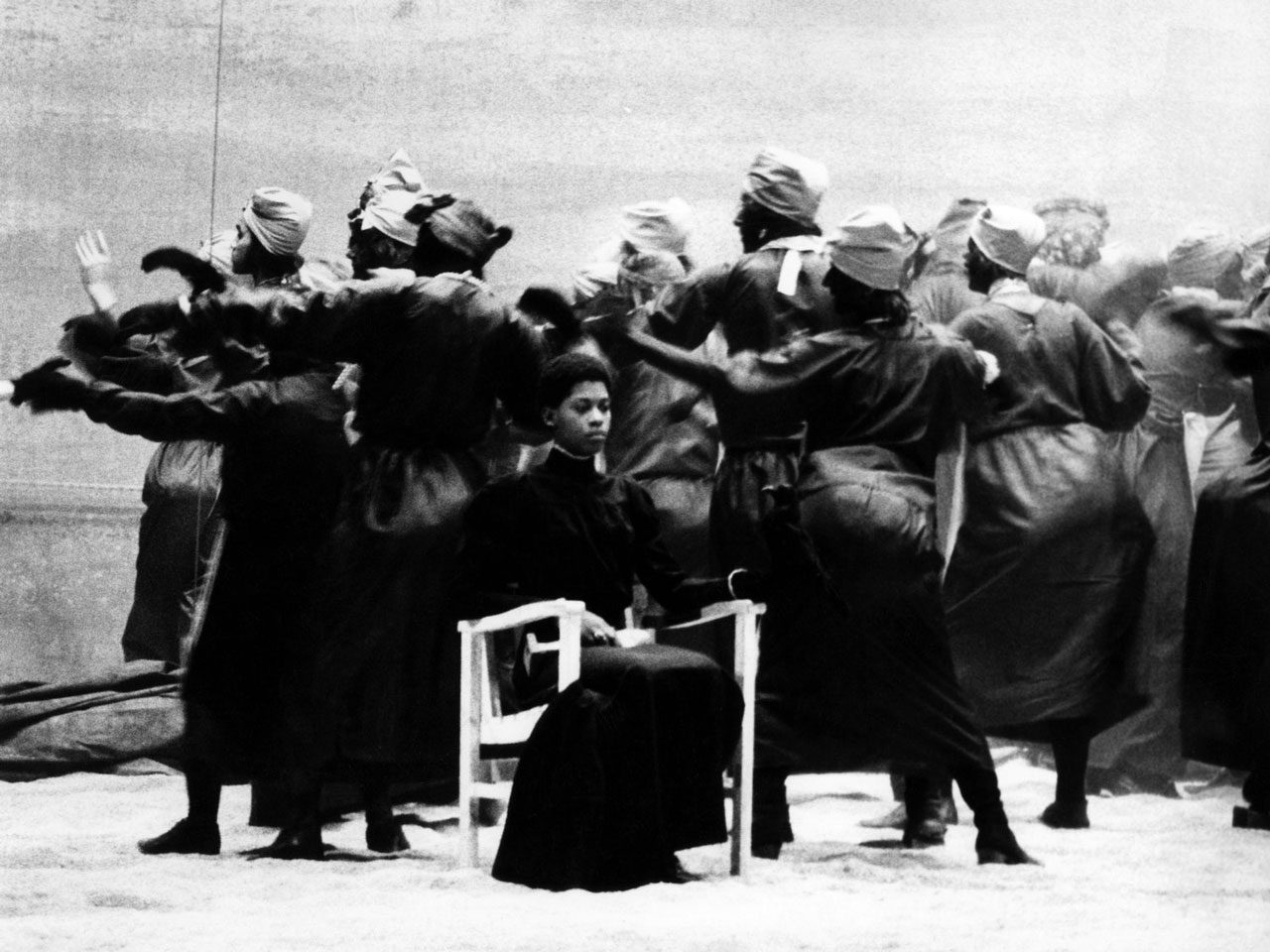
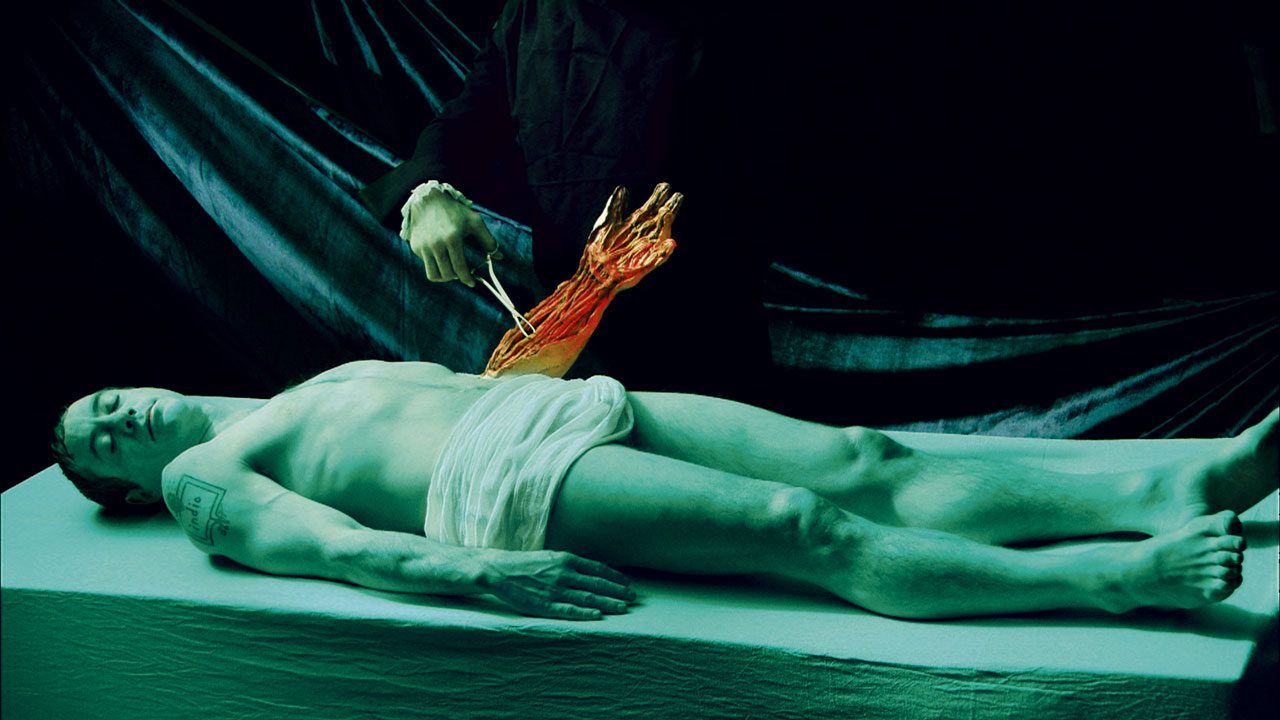
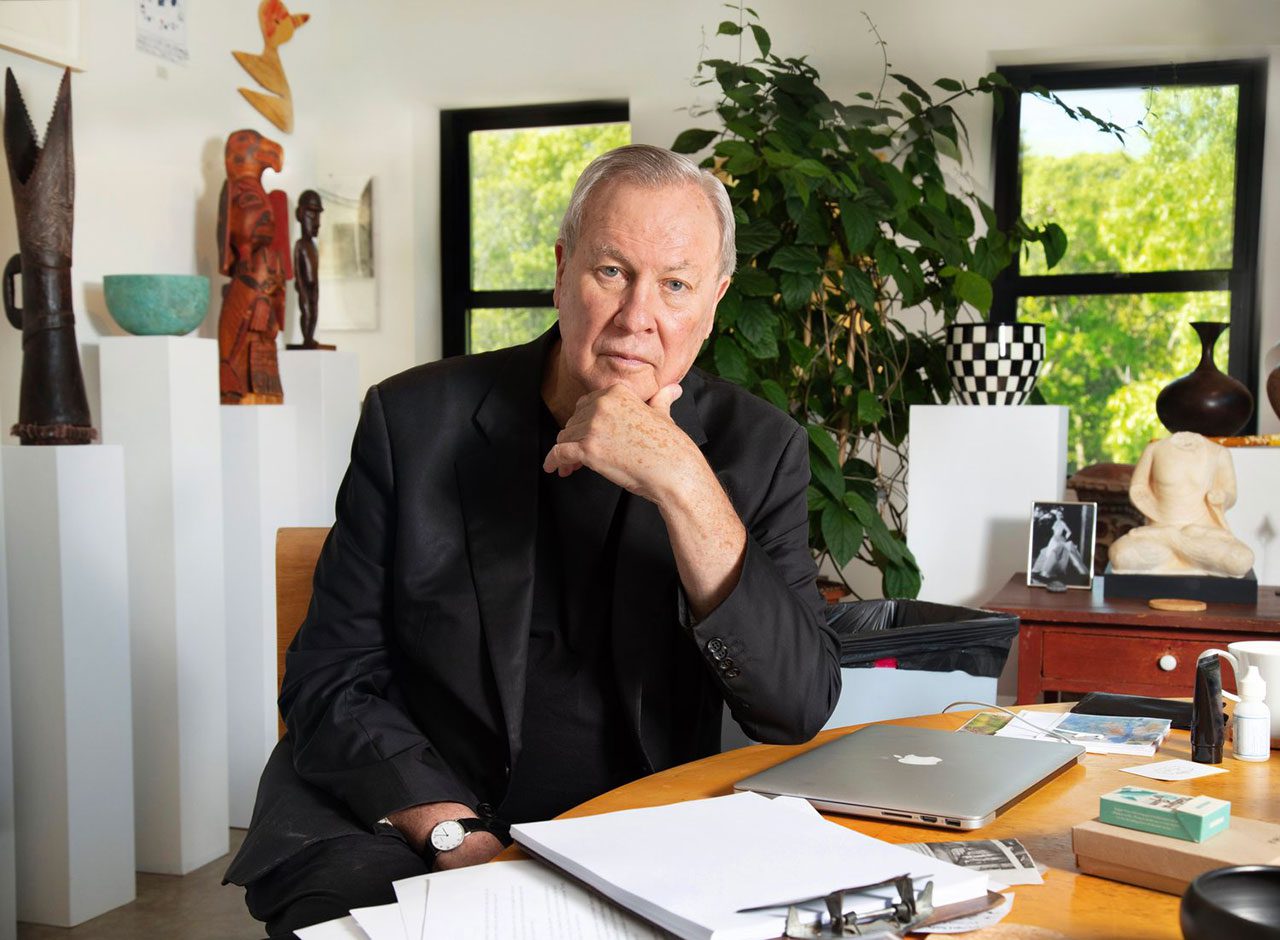 Born in Waco, Texas, Robert Wilson emerged as one of the most visionary and influential figures in contemporary theater and visual art. He grew up in a community where theatre was considered immoral. And yet, with his radical work, he put his stamp on 20th century contemporary art on a global scale. He studied at the University of Texas before moving to Brooklyn, where he enrolled at Pratt Institute and developed an early fascination with architecture and design. His interdisciplinary trajectory took shape further in Paris, where he studied painting under George McNeil, and in Arizona, where he worked with the visionary architect Paolo Soleri. Wilson relocated to New York City in the mid-1960s, immersing himself in the avant-garde arts scene. Influenced by the innovative work of choreographers like George Balanchine, Merce Cunningham, and Martha Graham, he began forging his own path by blending movement, image, light, and silence into highly original performance works. In 1968, he assembled a collaborative group of artists under the name “The Byrd Hoffman School of Byrds”. Together, they transformed a loft at 147 Spring Street in SoHo into both a creative laboratory and performance space. By 1969, Wilson had begun making his mark with two striking productions in New York: “The King of Spain” at the Anderson Theater and “The Life and Times of Sigmund Freud” at the Brooklyn Academy of Music. These early works revealed a bold new theatrical language—nonlinear, visual, and meditative. His breakthrough came in 1971 with “Deafman Glance (Le Regard du Sourd)”, a silent opera co-created with Raymond Andrews, a gifted deaf-mute teenager whom Wilson had adopted. Premiering in Paris, the production stunned audiences and critics alike. French Surrealist Louis Aragon famously declared, “He is what we, from whom Surrealism was born, dreamed would come after us and go beyond us.” Wilson achieved international acclaim in 1976 with “Einstein on the Beach”, a groundbreaking opera created with composer Philip Glass. Debuting at the Festival d’Avignon and later at the Metropolitan Opera House in New York, the work revolutionized the landscape of experimental music-theater. It has since been revived in acclaimed world tours in 1984, 1992, and 2012–2015. Following “Einstein”, Wilson expanded his reach across Europe, becoming a major presence at institutions such as the Festival d’Automne in Paris, Berlin’s Schaubühne, Hamburg’s Thalia Theater, and the Salzburg Festival. His European works include “Death Destruction & Detroit” (1979) and its sequel (1987) at the Schaubühne, and four genre-defying music-theater pieces at the Thalia: “The Black Rider” (1991, with Tom Waits and William S. Burroughs), “Alice” (1992), “Time Rocker” (1996), and “POEtry” (2000).
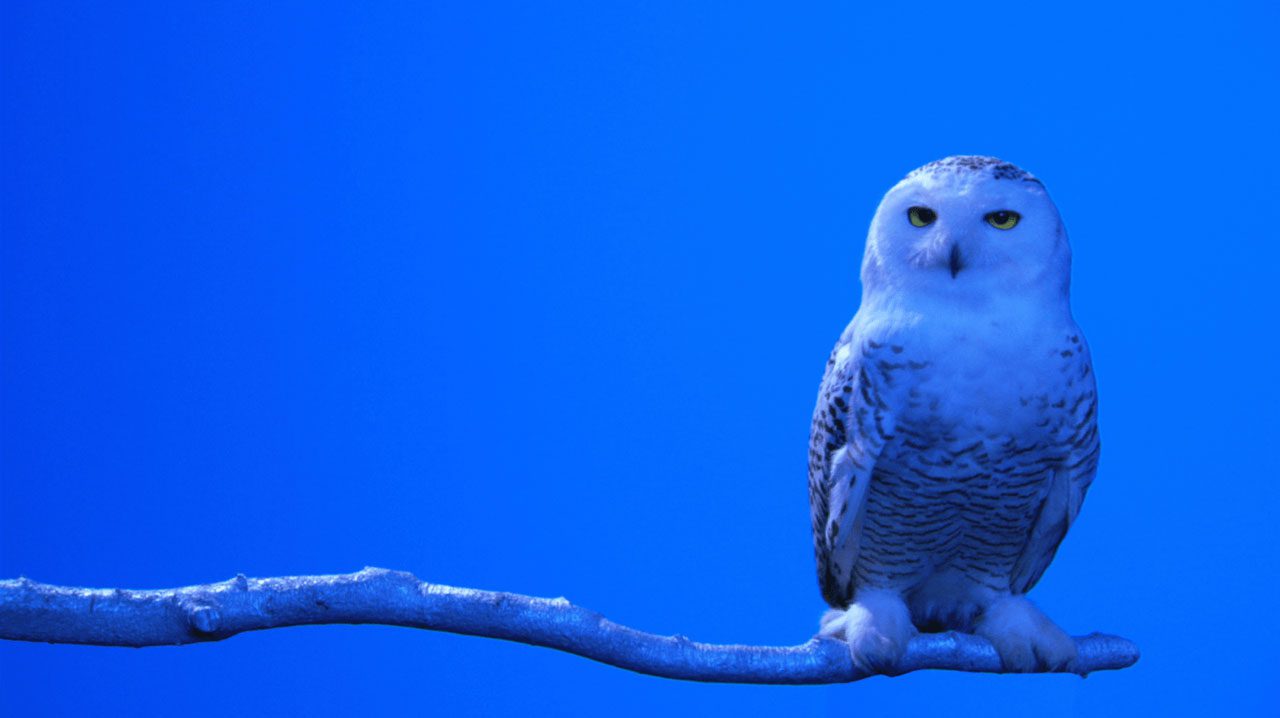
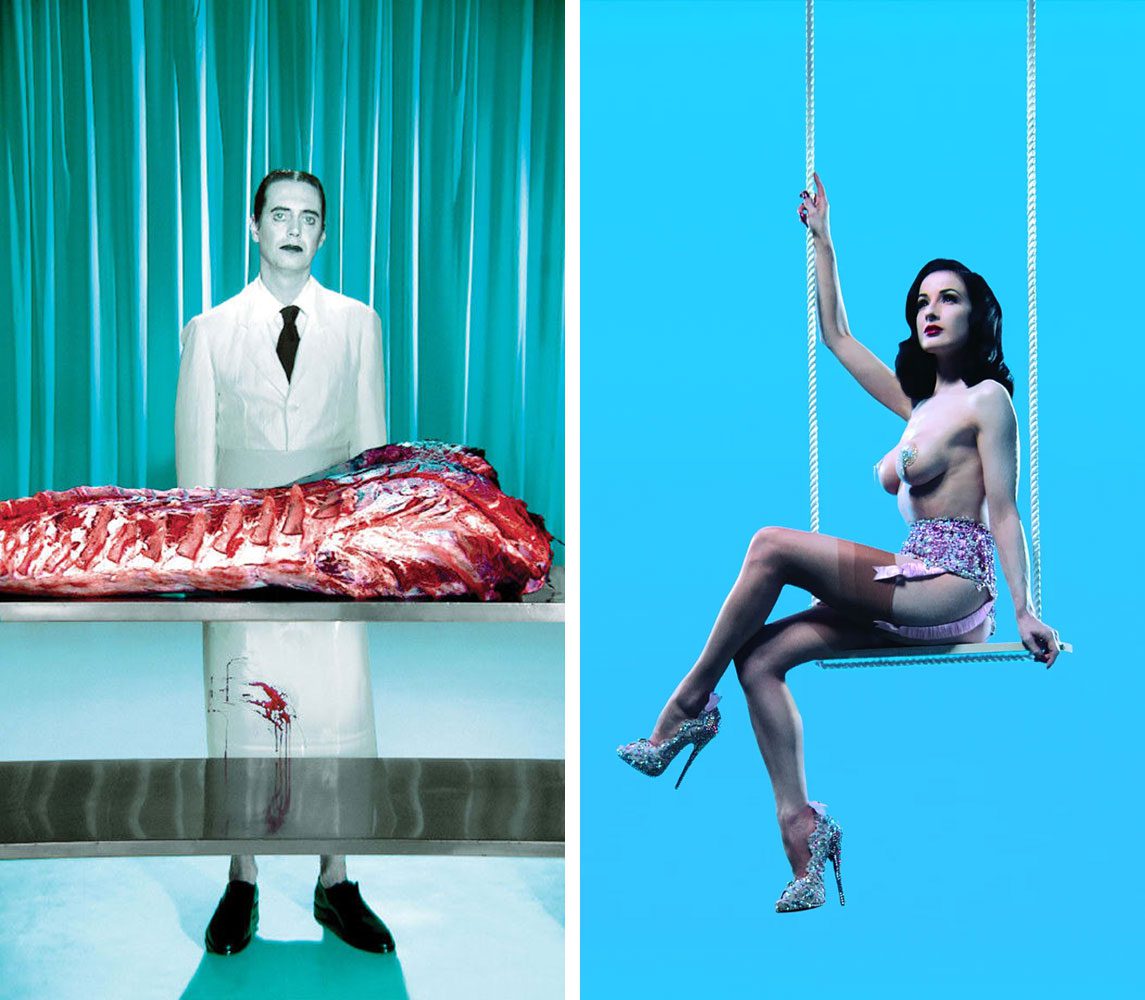
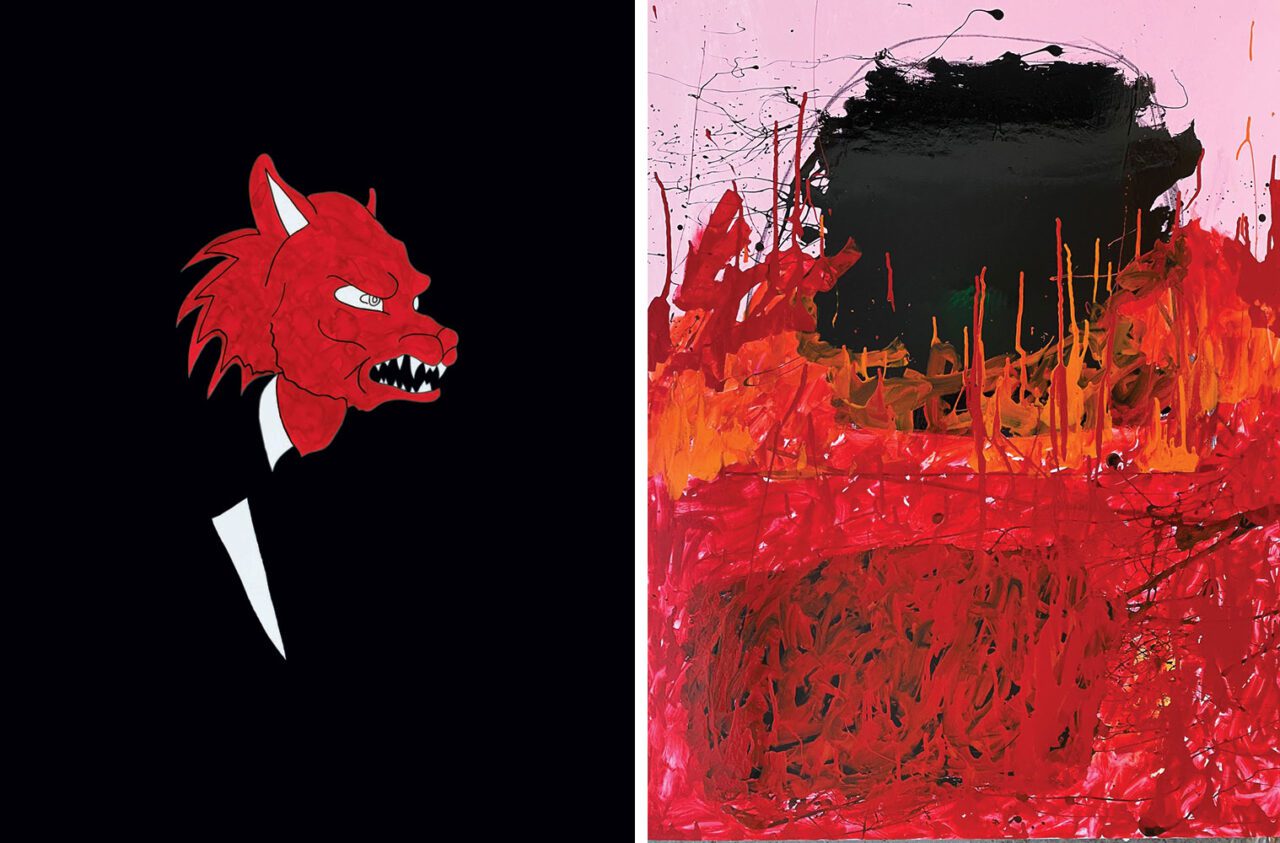
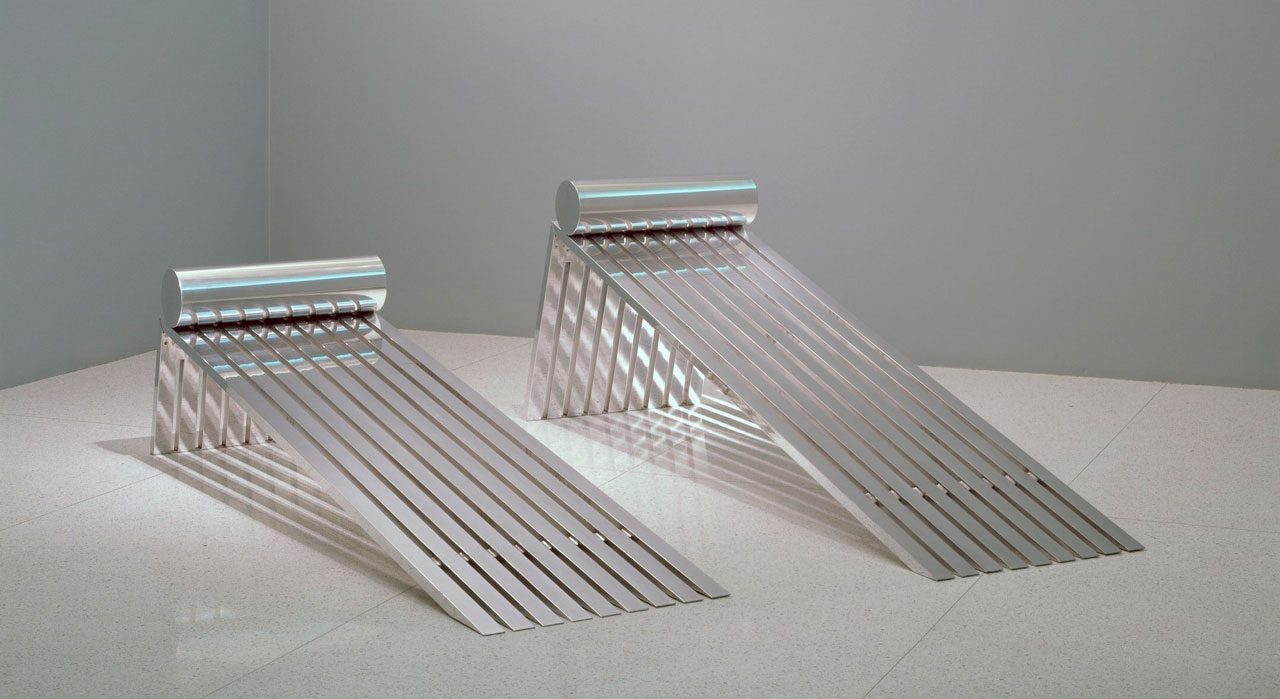
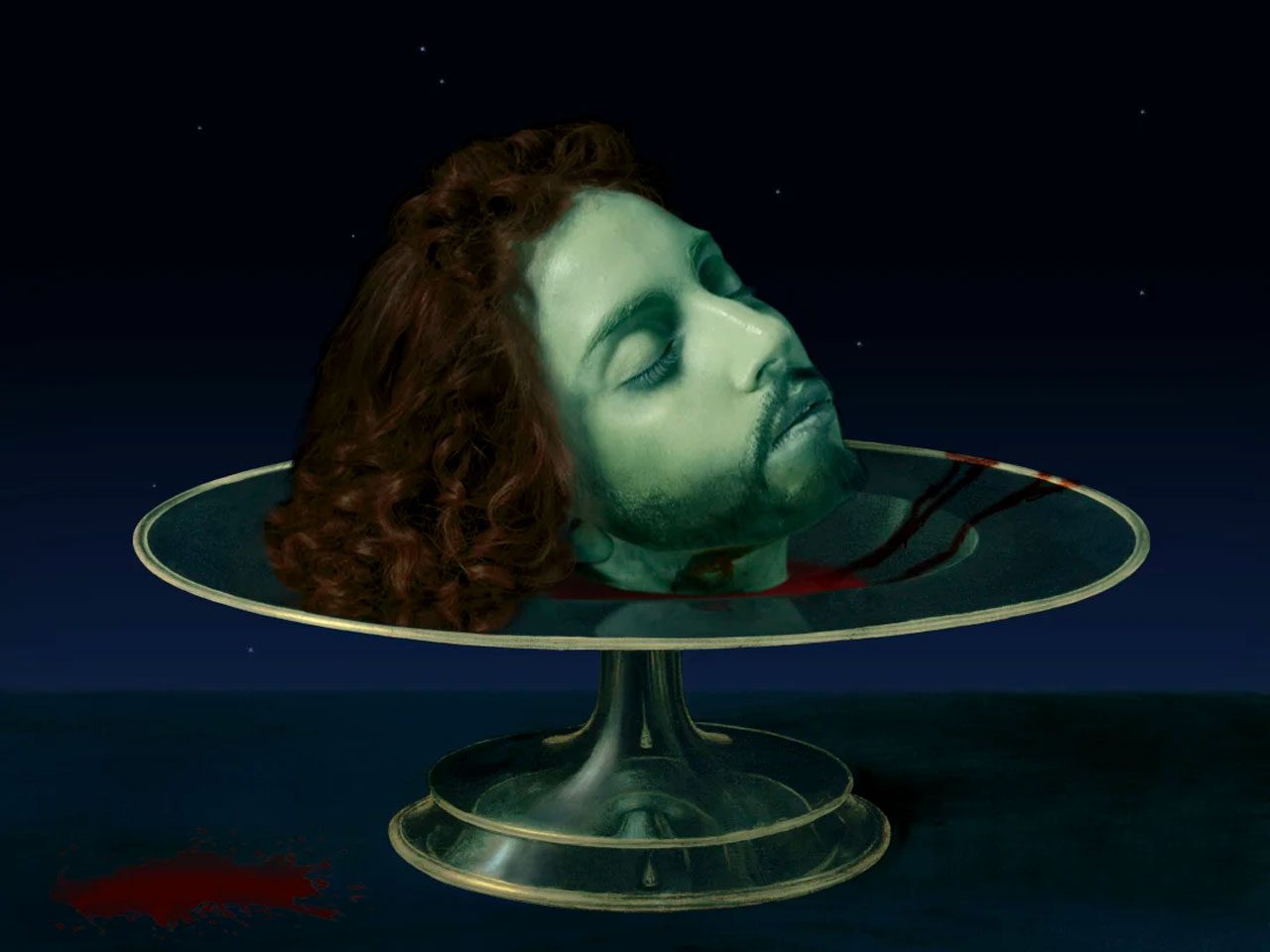
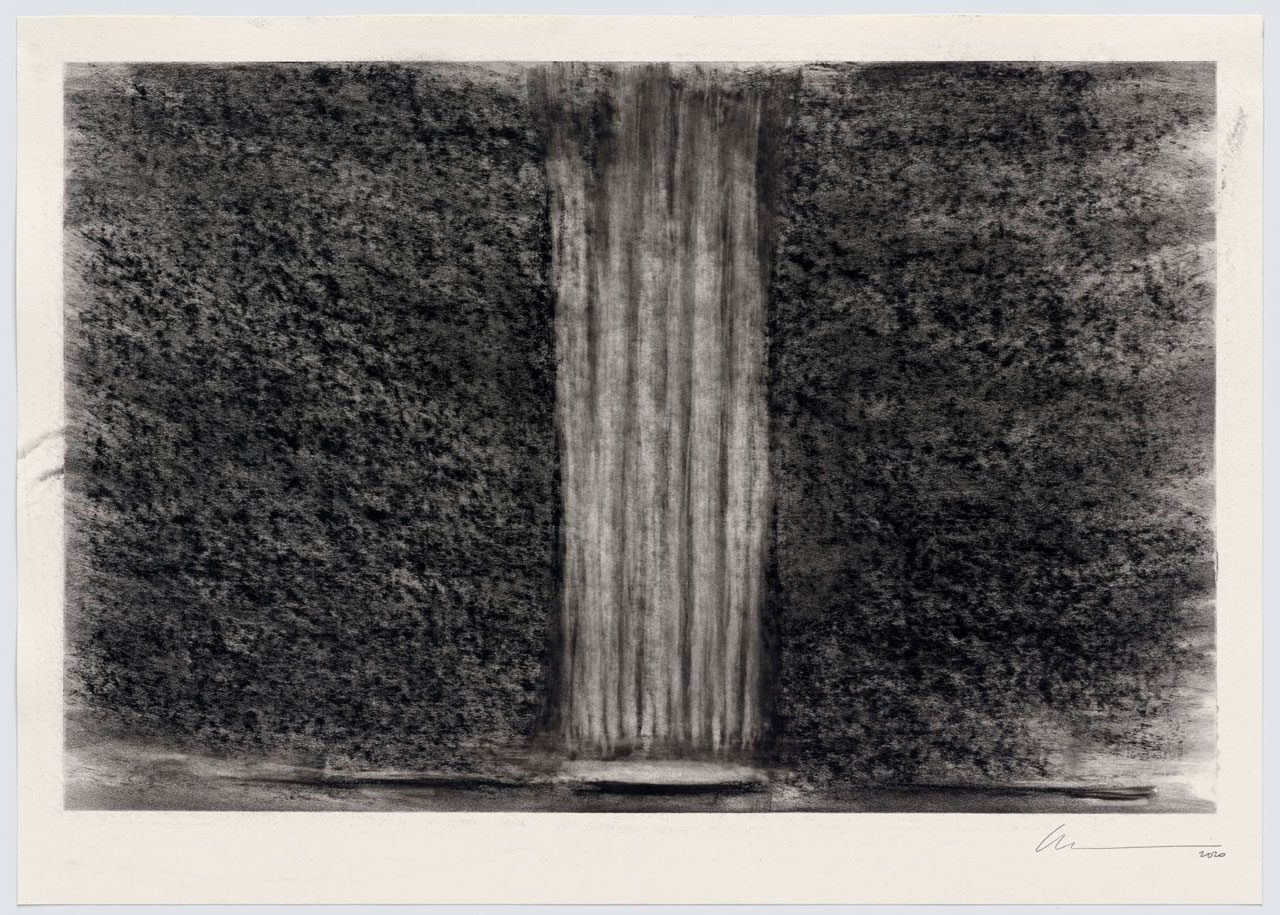
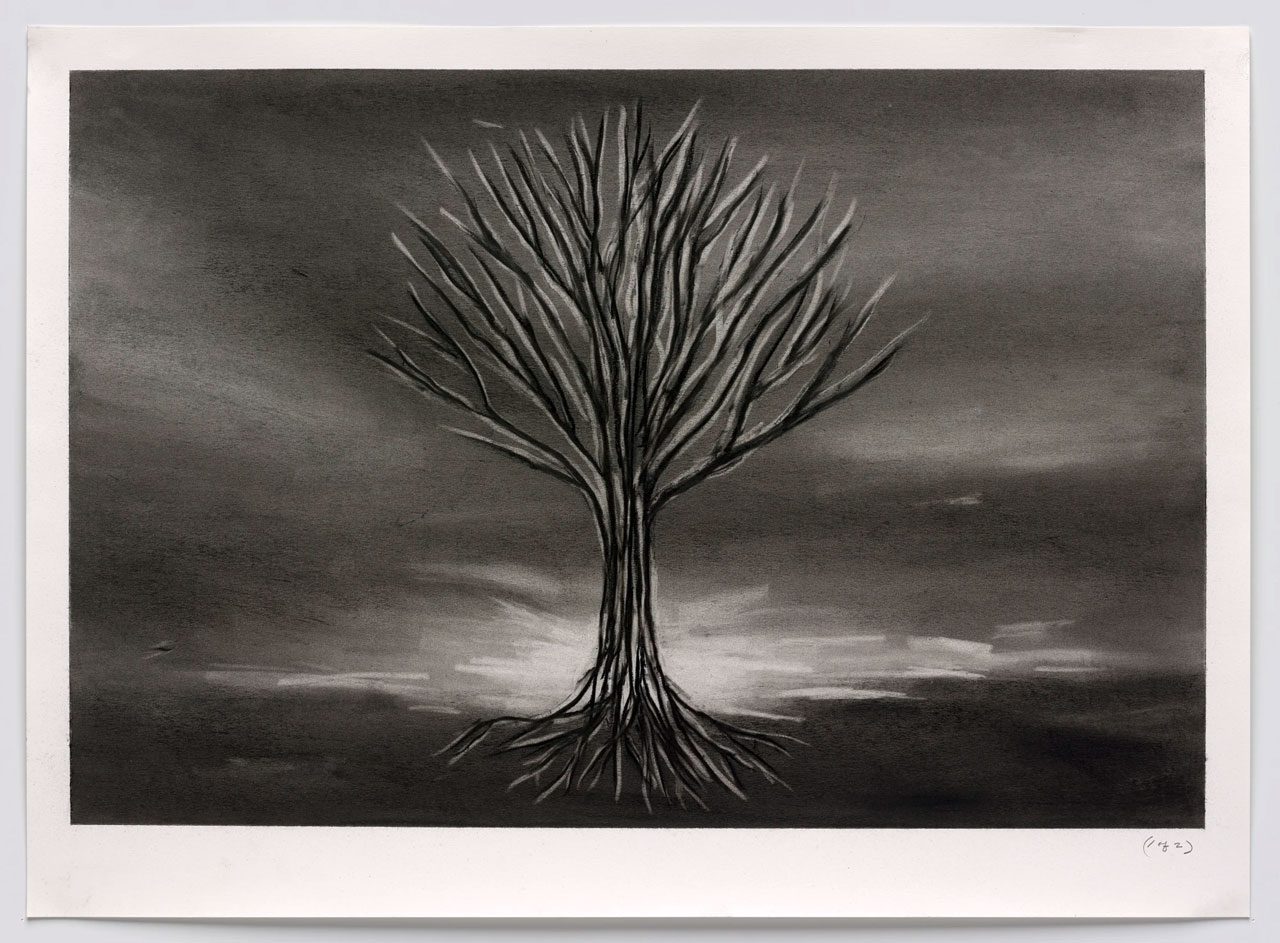
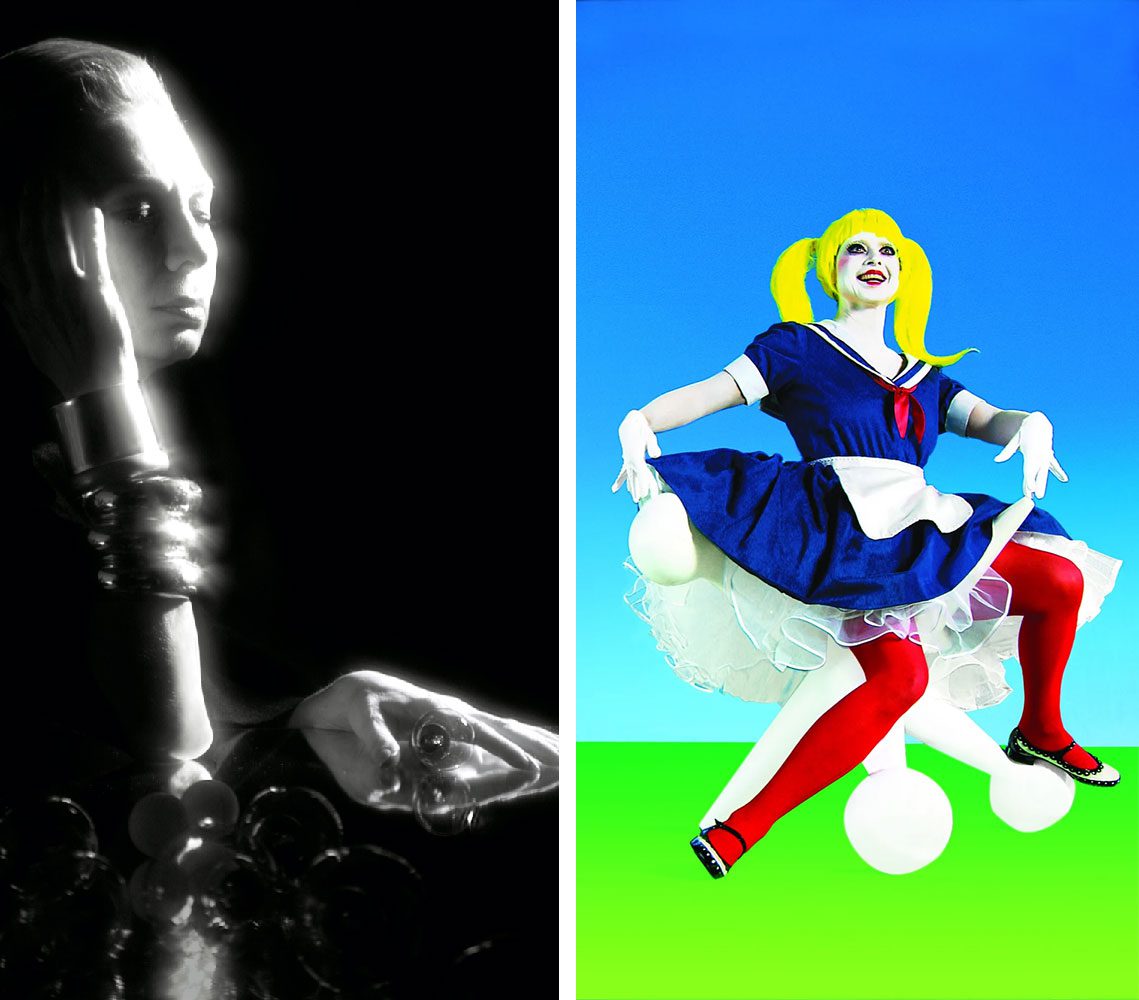
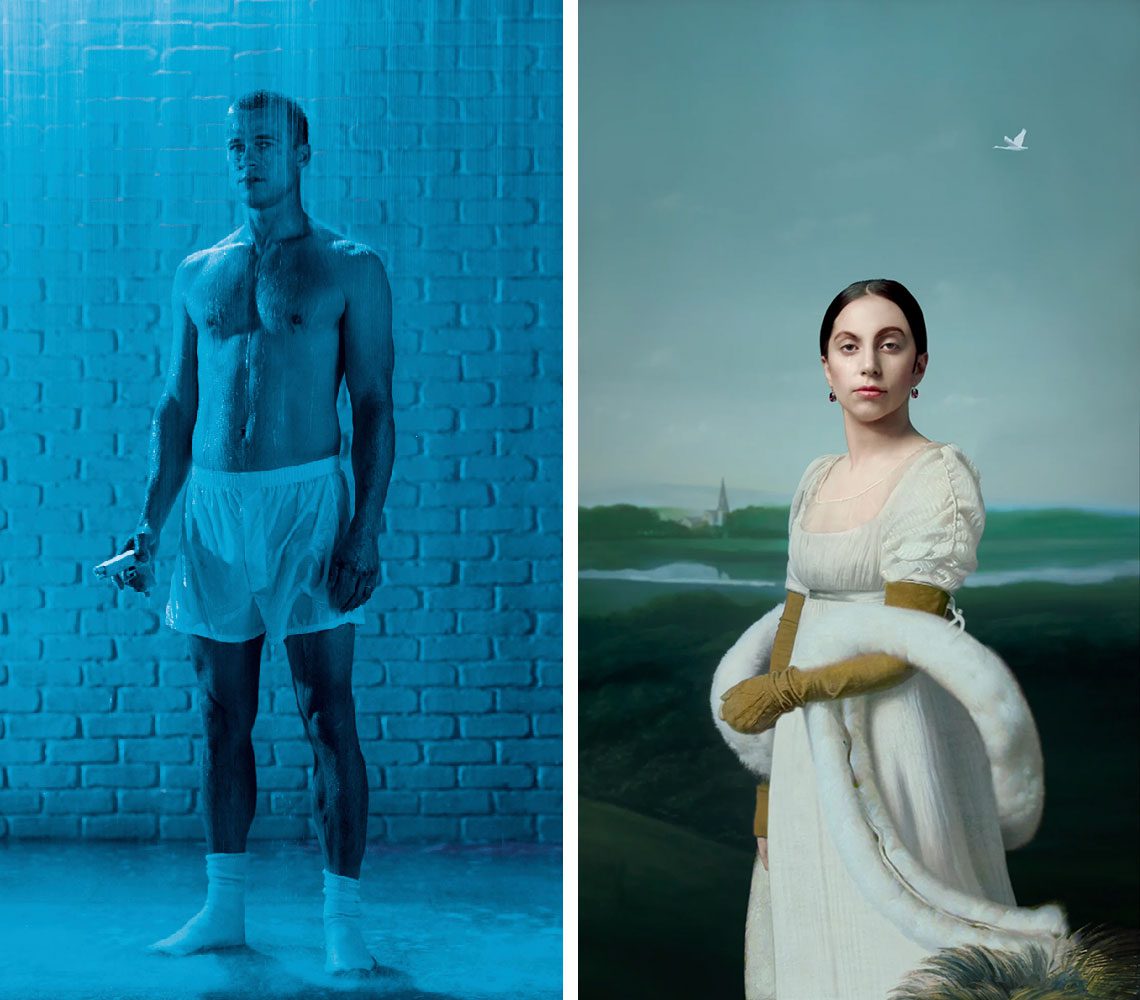
In the early 1980s, Wilson undertook what remains one of his most ambitious endeavors: “the CIVIL warS: a tree is best measured when it is down”. Conceived as an epic international opera for the 1984 Olympic Arts Festival in Los Angeles, the project brought together artists from across the globe. Although the full work was never staged in its entirety, individual sections have been produced in the United States, Europe, and Japan, each bearing Wilson’s signature visual poetics. A lifelong visual artist as well as a director, Wilson has exhibited widely since the 1990s. His drawings, paintings, and sculptures have appeared in major institutions including the Museum of Fine Arts, Boston; Centre Georges Pompidou, Paris; the Contemporary Arts Museum in Houston; and Instituto de Valencia de Arte Moderno. His large-scale installations have transformed spaces such as Rotterdam’s Museum Boijmans Van Beuningen (1993), London’s Clink Street Vaults (1995), the Guggenheim Museum (2000), Vitra Design Museum (2001), and the mudac Lausanne (2022), among many others. A notable highlight is Wilson’s tribute to sculptor Isamu Noguchi, presented in venues including the Vitra Design Museum, Reina Sofia Museum (Madrid), and the Japanese American National Museum (Los Angeles). His design of the “Giorgio Armani” retrospective at the Guggenheim (2000) traveled globally to cities including Berlin, Tokyo, and Milan. In 2004, Wilson began his “Video Portraits” series—stunning high-definition moving-image works featuring subjects ranging from celebrities to animals. These include Brad Pitt, Lady Gaga, Johnny Depp, Jeanne Moreau, Mikhail Baryshnikov, and the Snowy Owl “KOOL.” The series has been exhibited at MoMA PS1, Kunsthalle Hamburg, ZKM Karlsruhe, the Louvre Museum, and more than 50 institutions worldwide. Wilson’s art is held in major public and private collections, including the Metropolitan Museum of Art, MoMA, the Whitney Museum of American Art, Centre Pompidou, the Art Institute of Chicago, the Stedelijk Museum, and the Hamburger Bahnhof in Berlin. A master of stillness, scale, and the surreal, Robert Wilson has shaped a singular career across disciplines, geographies, and decades—continuously challenging our understanding of time, narrative, and the very nature of performance and perception. Since the early 1990s, Robert Wilson has held workshops for students and experienced creative professionals from around the world at the International Summer Arts Program at The Watermill Center in Eastern Long Island – an interdisciplinary laboratory for the Arts and Humanities. Following a successful capital campaign, construction of a permanent facility was completed in the summer of 2006, enabling the Byrd Hoffman Water Mill Foundation to offer residencies, lectures and performances, and educational programs throughout the year. Robert Wilson died from a short illness at his home in Water Mill, New York, on July 31, 2025, at the age of 83.