VIDEO: Petra Bauer-WE CALL YOU! Sisters! Mothers! Workers
Petra Bauer is a prominent artist and filmmaker based in Stockholm, whose work explores the intersection of art, politics, and moving images. Deeply engaged with the idea of film as a political practice, Bauer approaches filmmaking not merely as a mode of representation, but as a dynamic space for social and political negotiation, dialogue, and transformation. Her work frequently challenges dominant narratives, foregrounding feminist and collective perspectives that question structures of power and authority.
By Dimitris Lempesis
Photo: The University of Queensland Art Museum Archive
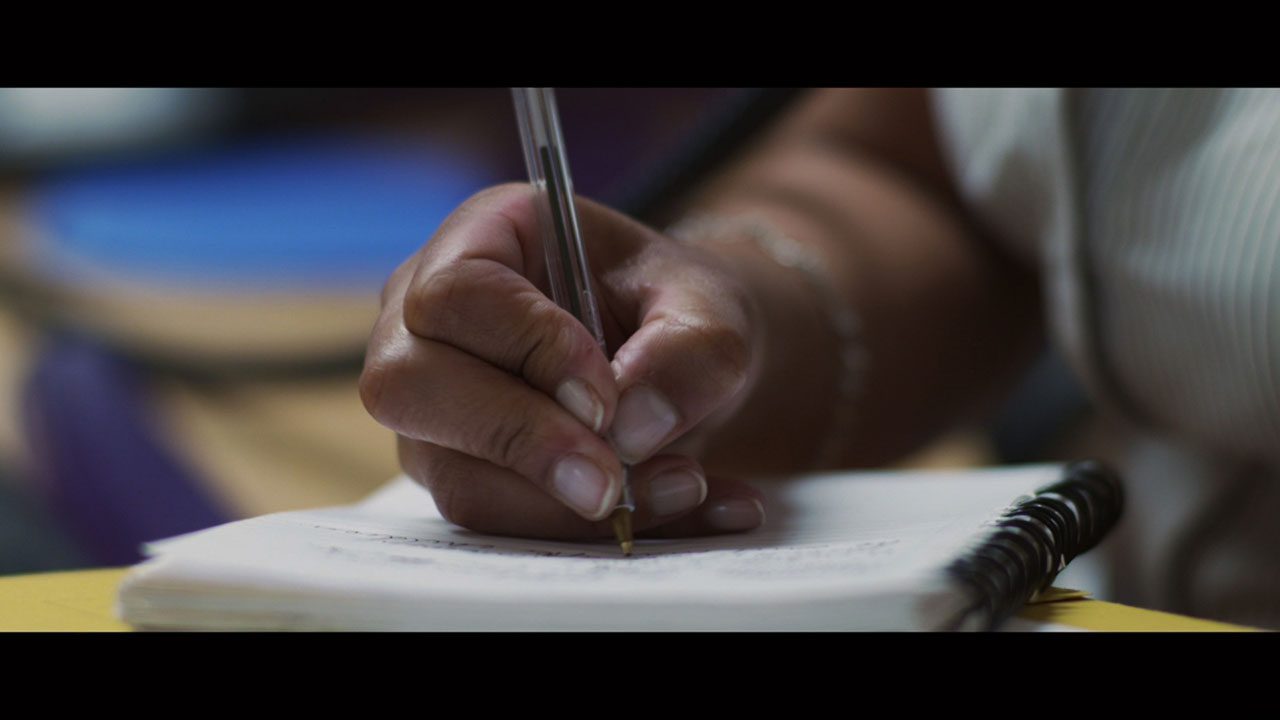
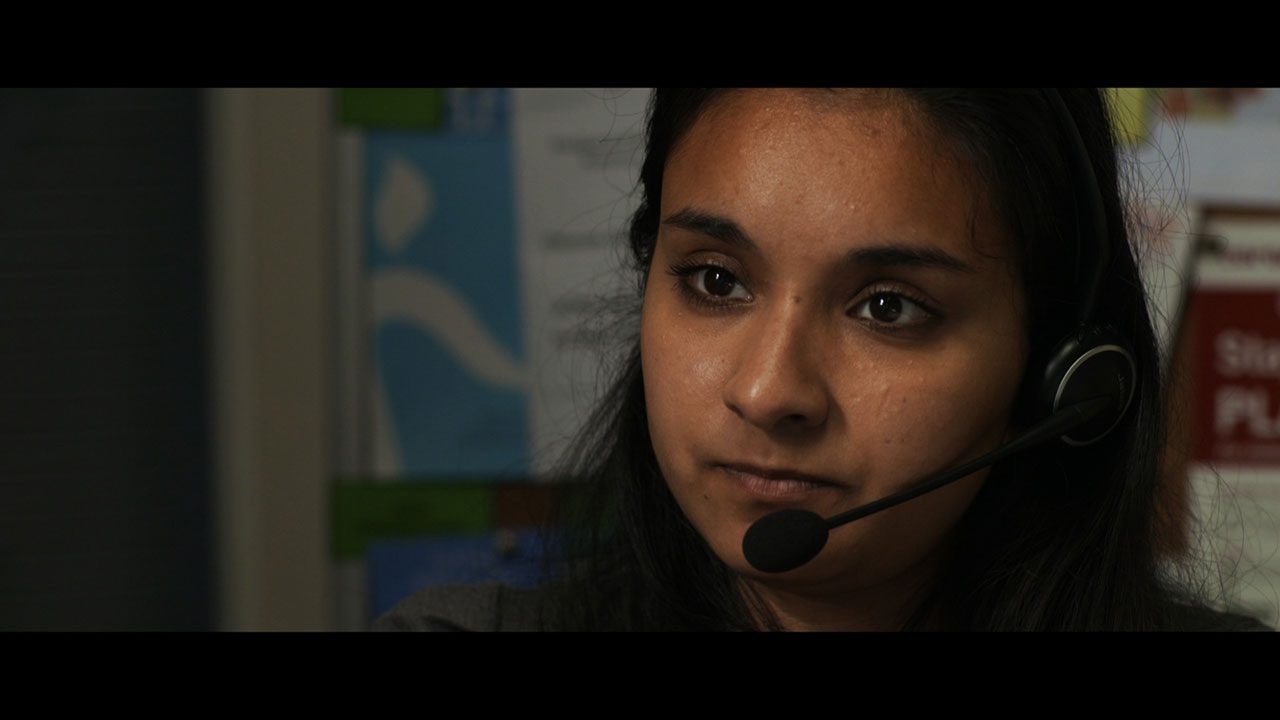
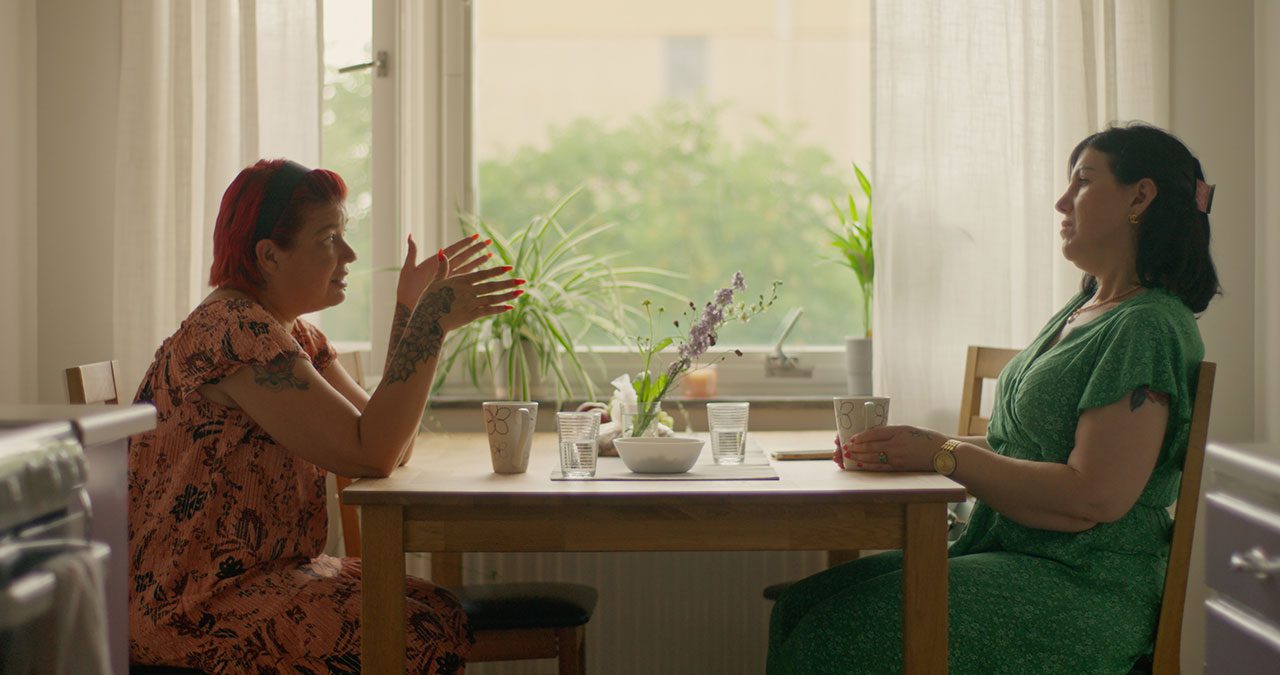
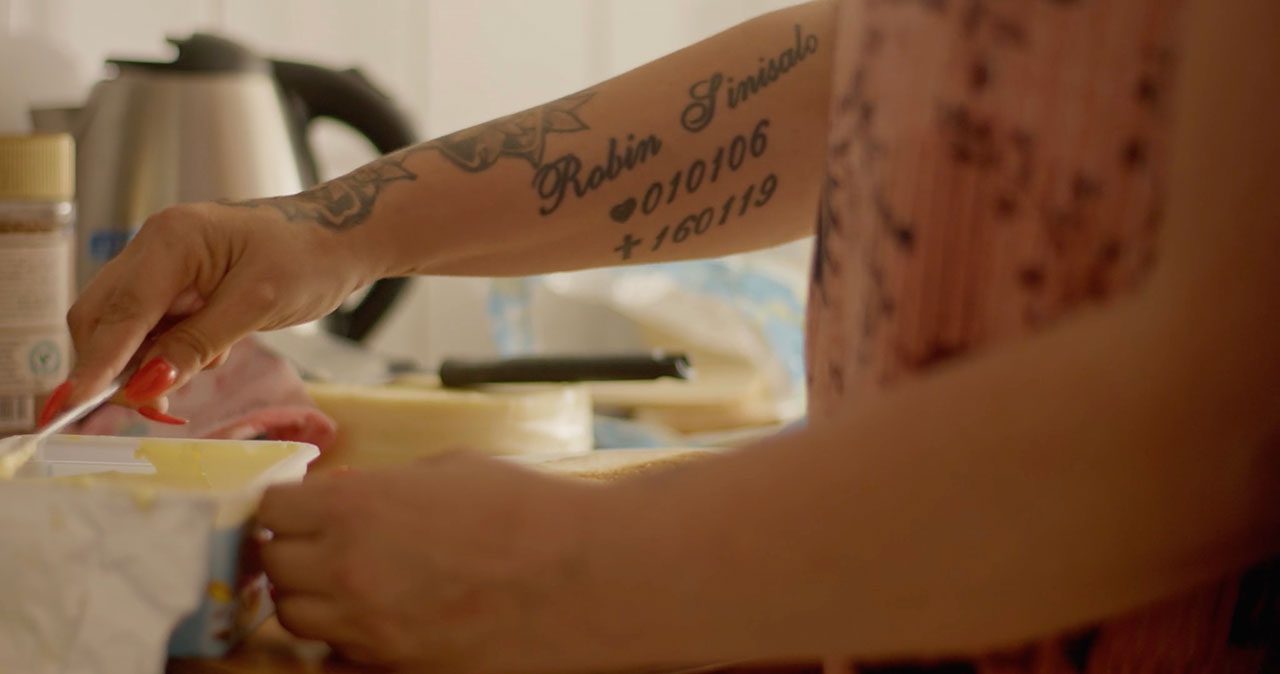
“WE CALL YOU! Sisters! Mothers! Workers!” marks the first exhibition in Australia by Stockholm-based artist and filmmaker Petra Bauer. Known for her critical engagement with feminist and political practices in film, Bauer brings together a compelling body of work that centres on collective authorship, social justice, and the transformative potential of everyday life. The exhibition features films from her ongoing series “Looking for Jeanne”, created in collaboration with feminist organisations such as Southall Black Sisters (London), SCOT-PEP (Edinburgh), and individuals including filmmaker Marius Dybwad Brandrud, activist Carolina Sinisalo, curator Frances Stacey, and producer-director Marta Dauliūtė. Bauer’s practice is rooted in long-term collaborations with feminist and activist groups, emphasising sustained dialogue and mutual learning. Her work treats film not merely as representation but as a political process—an arena for grassroots organising, community-building, and consciousness-raising. This approach is reflected in her collaborations with organisations such as the Women’s Centre in Tensta-Hjulsta (Stockholm), and her role as co-founder of the feminist platform k.ö.k (Women Desire Collectivity). At the heart of the exhibition is Bauer’s “Looking for Jeanne” film series, which takes inspiration from “Jeanne Dielman, 23 Quai du Commerce, 1080 Bruxelles” (1975) by Chantal Akerman. Drawing on Akerman’s portrayal of domestic labour and emotional endurance, Bauer recontextualises the figure of Jeanne through contemporary feminist struggles. The latest film in the series, “fifteen zero three nineteenth of January two thousand sixteen” (2024), co-directed with Marius Dybwad Brandrud, centres on the story of Carolina Sinisalo, whose 15-year-old son, Robin, was killed in a shooting in Stockholm’s northern suburbs in 2016. The film poignantly captures how grief reshapes the rituals of home, and how mourning itself can become a form of resistance. Echoing Akerman’s aesthetic of duration and attention to domestic detail, Bauer’s filmic language foregrounds tasks such as cooking, cleaning, and caregiving—actions often dismissed as mundane, yet central to both life-making and political organising. These feminised forms of labour, often invisible in public discourse, are rendered visible and vital in Bauer’s cinematic collaborations.
Collaborators and Organisations Featured:
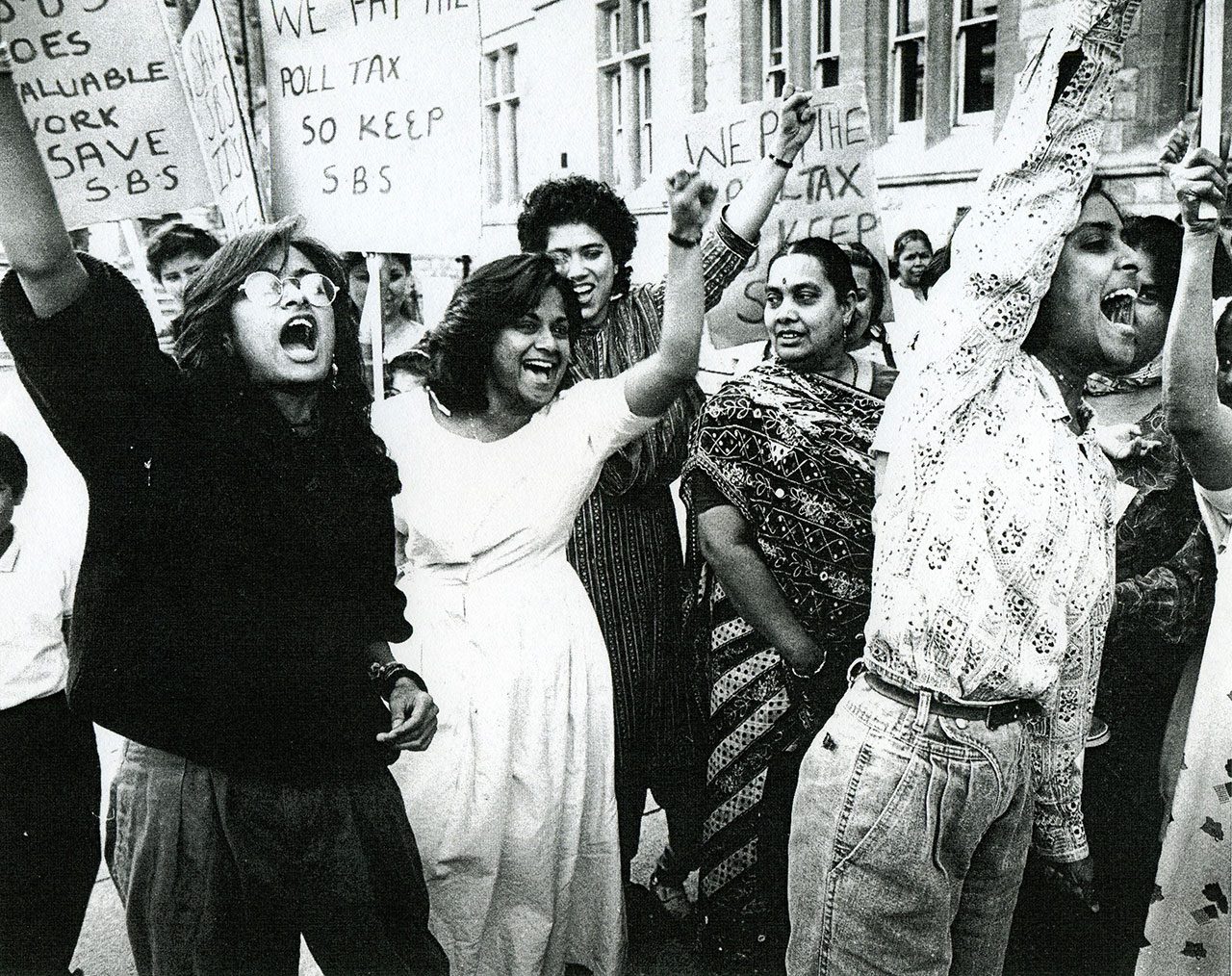
Southall Black Sisters (SBS): Founded in 1979, SBS is a pioneering UK-based feminist organisation that advocates for the rights and welfare of Black and minority ethnic women, especially those experiencing domestic and gender-based violence. Grounded in anti-racist and feminist principles, SBS provides legal advocacy, counselling, and public education, while also campaigning against oppressive cultural and institutional structures. The organisation played a landmark role in legal reform through cases such as that of Kiranjit Ahluwalia, which reshaped public and legal understanding of domestic abuse. SBS continues to be a vital force for intersectional feminism in the UK and internationally.
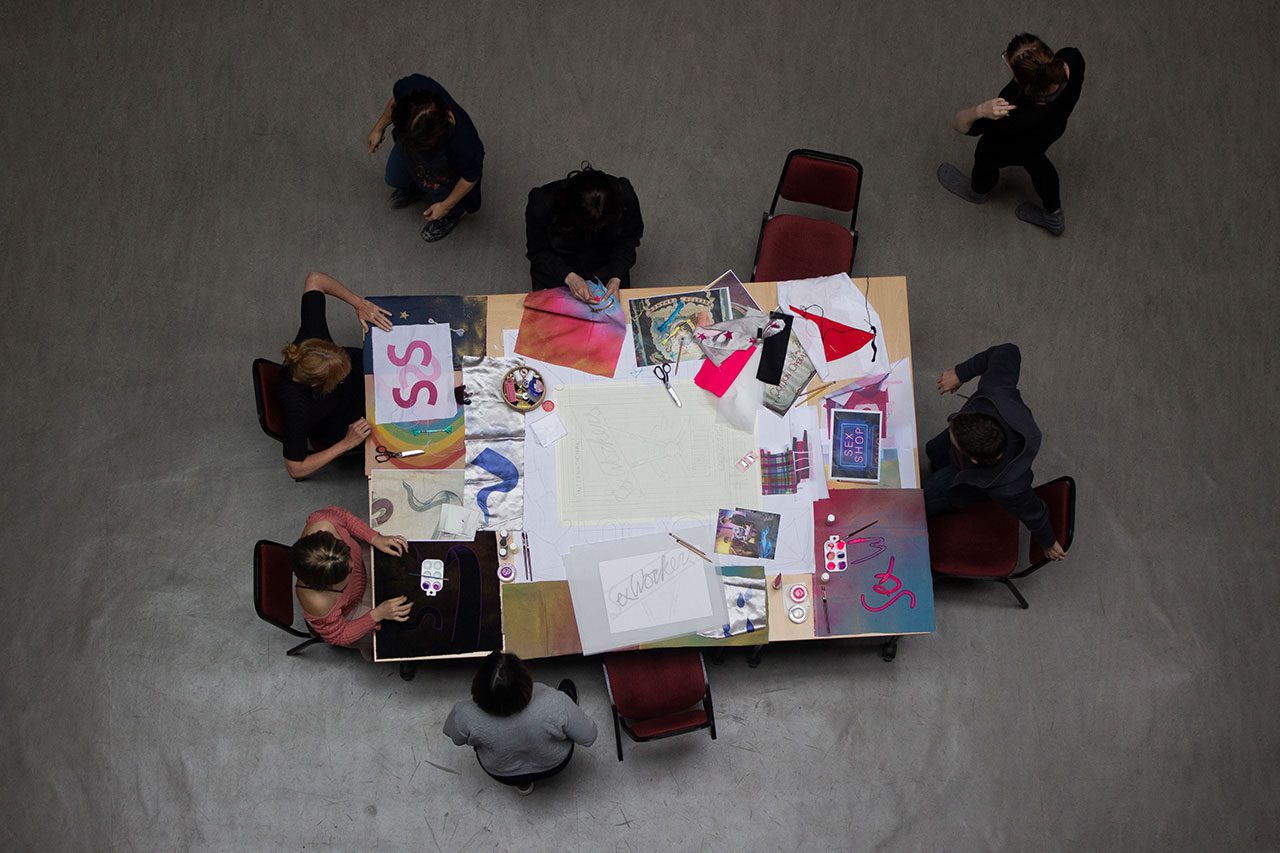
SCOT-PEP: Established in 1989, SCOT-PEP is a Scotland-based, sex worker-led charity that champions the rights, safety, and wellbeing of sex workers. Advocating for the full decriminalisation of sex work, the organisation works in line with international human rights frameworks supported by bodies such as Amnesty International and WHO. SCOT-PEP combines community support with public education and policy advocacy, exemplified by its collaboration with Petra Bauer on “Workers!” (2018), a film highlighting sex workers’ labour struggles and collective resilience.
Marius Dybwad Brandrud: An accomplished filmmaker, artistic researcher, and educator, Brandrud defended his doctoral thesis “Ear Close to Mouth – Conversations Between Film and Philosophy” at Stockholm University of the Arts in 2024. His research explores how film can serve as a form of philosophical inquiry, culminating in the 21-part series “Conversations on Conversation”. He frequently collaborates with other artists as a cinematographer, editor, and co-director, including ongoing work with Petra Bauer.
Carolina Sinisalo: A Swedish activist and mother, Sinisalo became a public voice against street violence after the tragic loss of her son Robin in 2016. Her activism, grounded in lived experience, brings visibility to the systemic issues affecting marginalised urban communities. Her story is at the centre of “fifteen zero three nineteenth of January two thousand sixteen”, a moving portrait of personal grief and public resistance.
Frances Stacey: A UK-based curator and producer, Stacey’s practice centres on collaborative, process-driven approaches to curating. As Programme Director at The NewBridge Project (Newcastle upon Tyne), she champions artist-led development and co-production. Her previous role at Collective (Edinburgh) saw her co-produce “Workers!” with Petra Bauer and SCOT-PEP. Stacey continues to work with Bauer through the Feminism Art Maintenance Group, focusing on feminist and maintenance-based artistic strategies.
Marta Dauliūtė: Originally from Lithuania and based in Sweden since 2002, Dauliūtė is a director and producer known for her commitment to politically and socially engaged film. She holds an MFA in film directing and production from Valand Academy and co-founded the production company MDEMC. Her recent credits include “fifteen zero three nineteenth of January two thousand sixteen” (2024) and “The Building and Burning of a Refugee Camp” (2024). She also co-directed “Good Life” (2022), featured at international festivals including IDFA, Hot Docs, and DOK Leipzig. Dauliūtė is a founding member of the Noncitizen collective and has worked as an intimacy coordinator since 2020.
Photo: Image Courtesy Southall Black Sisters
Info: Curator: Benison Kilby, The University of Queensland Art Museum, University Drive, The James and Mary Emelia Mayne Centre (Building 11), Brisbane, Queensland, Australia, Duration: 22/7-6/12/2025, Days & Hours: Mon-Fri 10:00-16:00, Sat 11:00-15:00, www.uq.edu.au/