ART CITIES: Basel-Vija Celmins
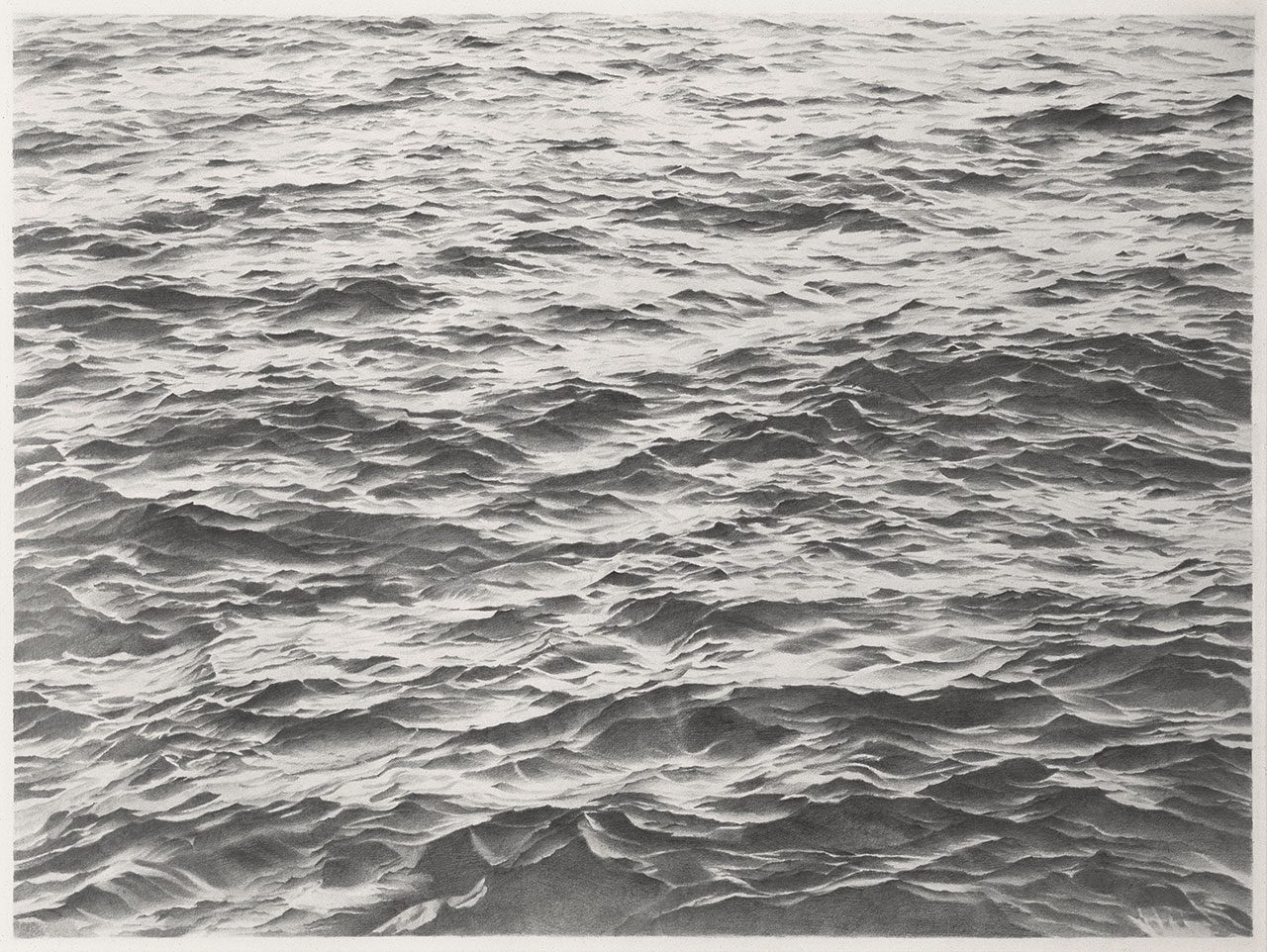
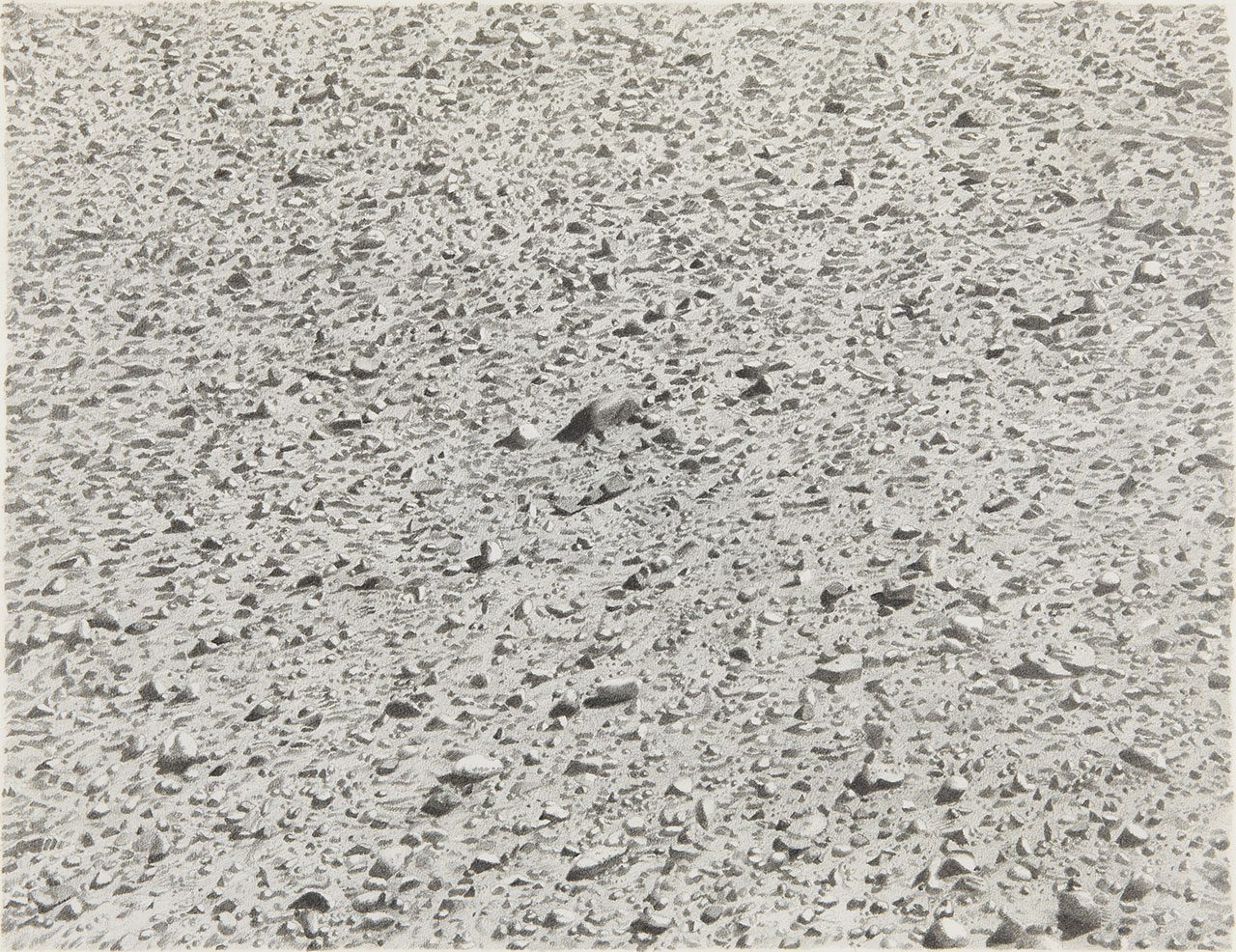
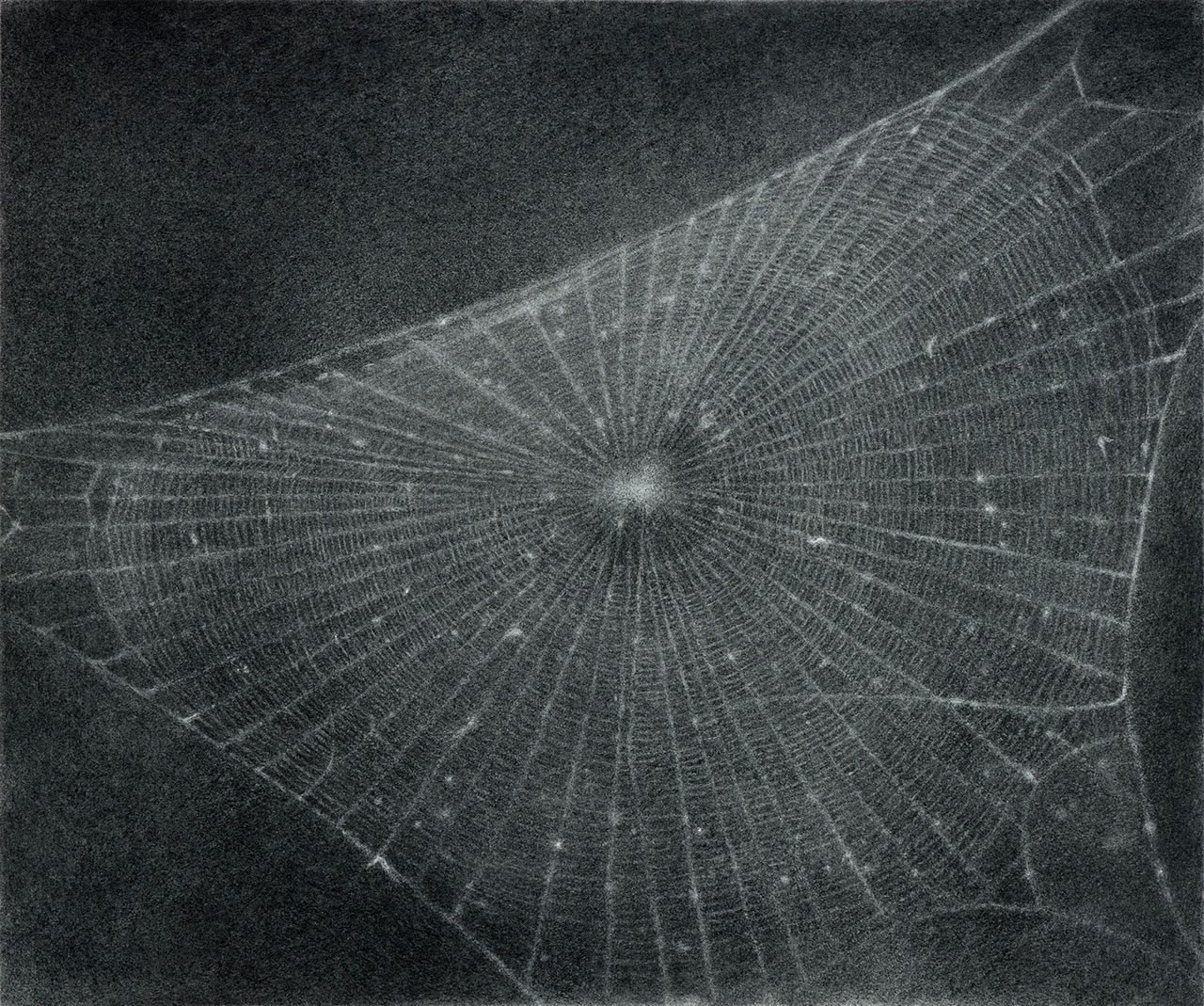
Vija Celmins is a master of subtle visual power. She is best known for her captivating paintings and drawings depicting galaxies, lunar surfaces, desert floors, oceans, and spider webs. Her works are not monumental; they are painted with a restrained palette and defy quick vision. But once you get involved with them, your gaze gets caught and they unfold their fascination and great beauty.
By Efi Michalarou
Photo: Fondation Beyeler Archive

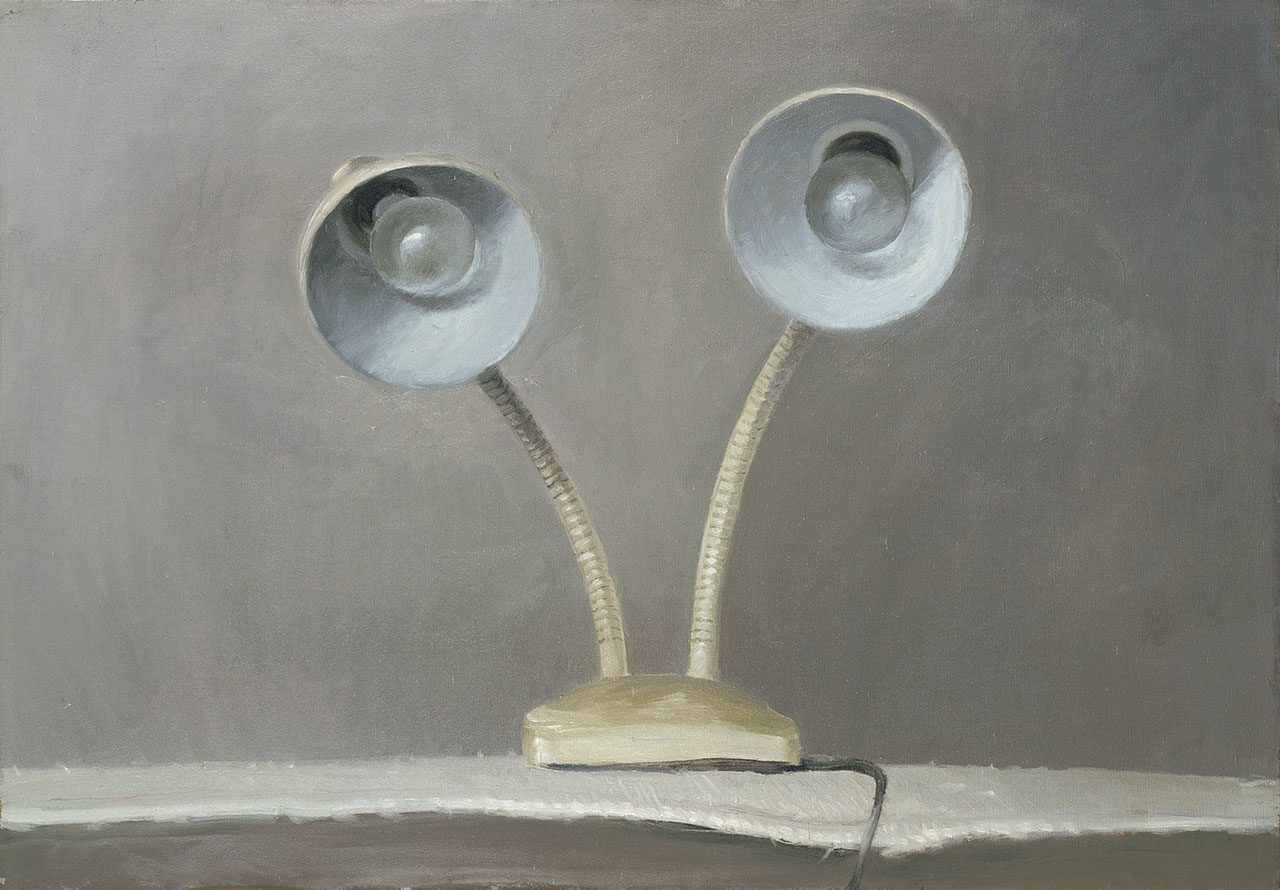
Fondation Beyeler presents one of the most extensive solo exhibitions ever dedicated to the acclaimed American artist Vija Celmins in Europe. Renowned for her meticulously rendered paintings and drawings of galaxies, lunar surfaces, oceans, and deserts, Celmins creates works that demand close, contemplative viewing. Their hypnotic detail and serene intensity invite viewers to pause, observe, and become immersed in visual worlds where perception is subtly unsettled. Like a spider’s web, her images ensnare the gaze, exploring the delicate tensions between surface and depth, stillness and motion, intimacy and vastness. This landmark exhibition features around 90 works—primarily paintings and drawings, complemented by a select group of sculptures and graphic pieces—offering a rare and comprehensive overview of a career spanning more than six decades. Born in Riga, Latvia in 1938, Celmins fled with her family in 1944, eventually emigrating to the United States in 1948. She was raised in Indianapolis and later studied art in Los Angeles, subsequently living and working in New Mexico, New York, and Long Island, where she is based today. Despite her international reputation and the widespread demand for her work among prestigious museums and private collectors, in-depth exhibitions of Celmins’ oeuvre remain few and far between. This scarcity is partly due to the artist’s deliberately measured output: across her entire career, she has produced only around 220 paintings, drawings, and sculptures. Unwavering in her dedication to craftsmanship and reflection, Celmins has consistently resisted art-world trends, choosing instead to focus intently on the demands of her practice. The exhibition begins with a powerful selection of Celmins’ early work from the 1960s, created during her time in a Venice Beach studio in Los Angeles. In stark contrast to the bright colors and pop sensibilities of her Californian contemporaries, Celmins turned inward. Her early paintings depict isolated domestic objects—a hotplate, a heater, a lamp—rendered in a muted palette of greys and browns, with the occasional jolt of red. These works reflect the influence of European masters like Giorgio Morandi and Diego Velázquez, whose work she encountered during a formative trip to Italy and Spain in 1962. From 1965 to 1967, her focus shifted to haunting images drawn from books and magazines: bombers suspended in grey skies, a man engulfed in flames fleeing a burning car, and scenes from the 1965 Los Angeles race riots. These somber, silenced paintings suggest both a personal reckoning with the memory of war and a reflection on the numbing effect of media-saturated violence.
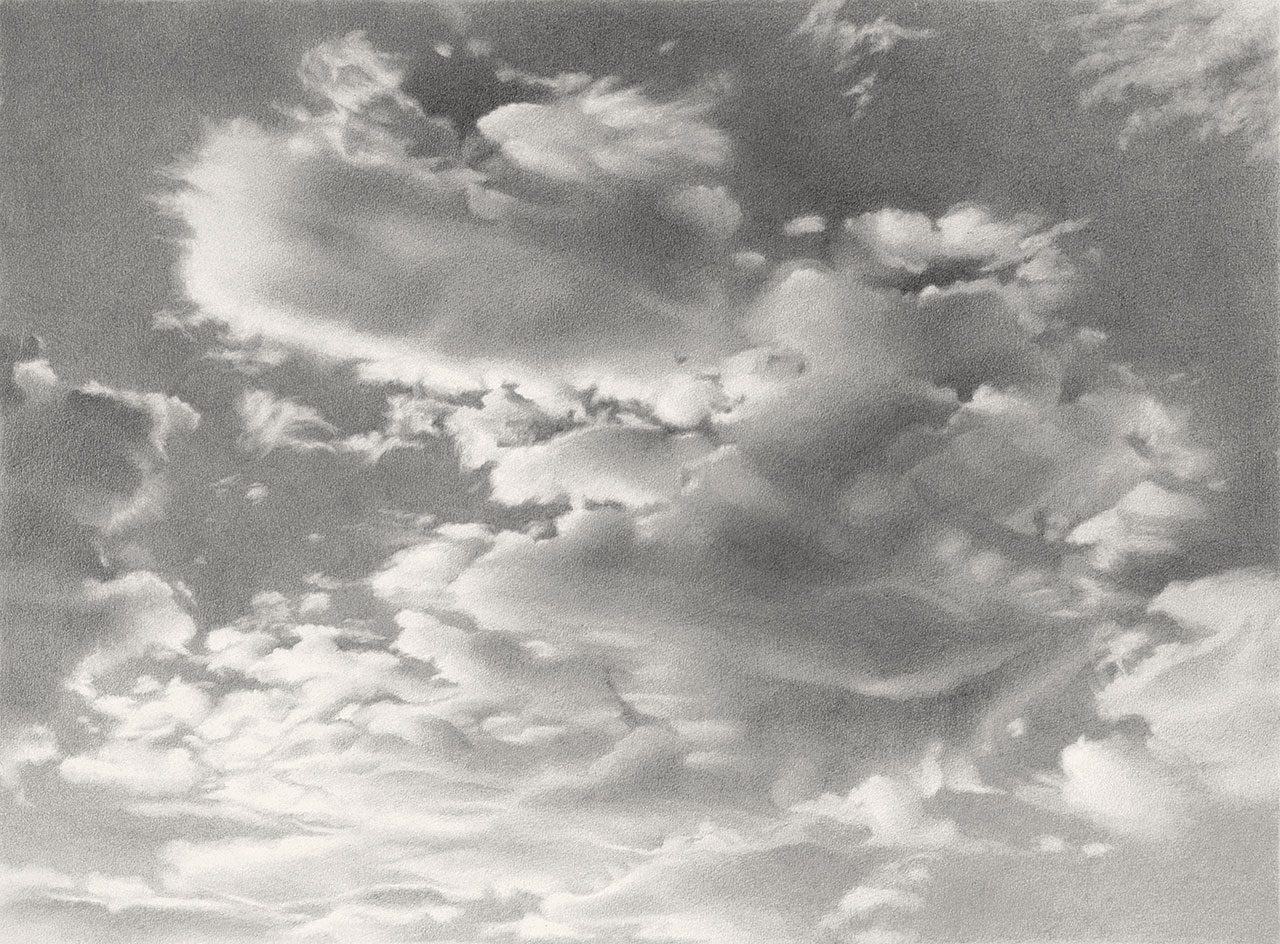
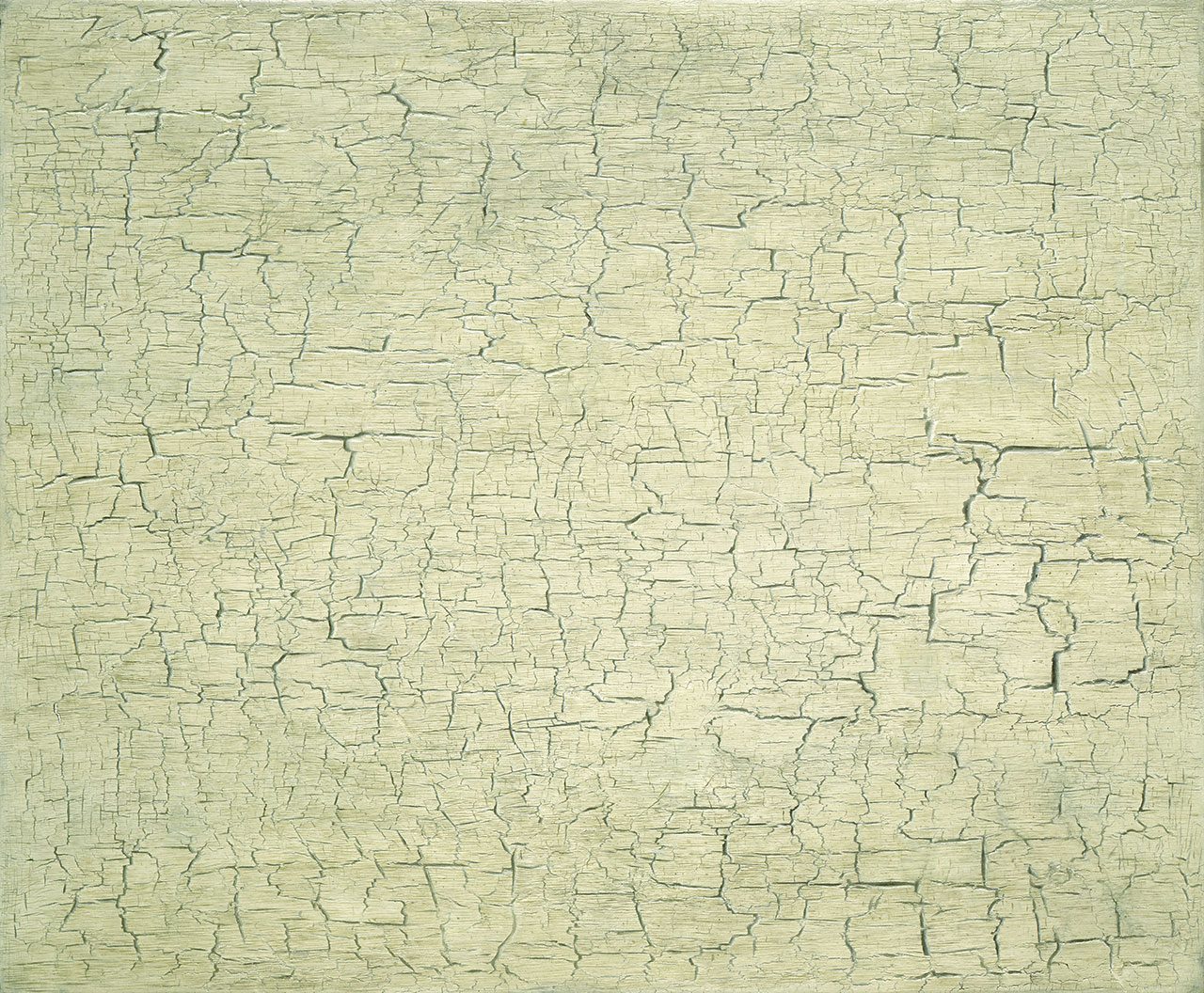
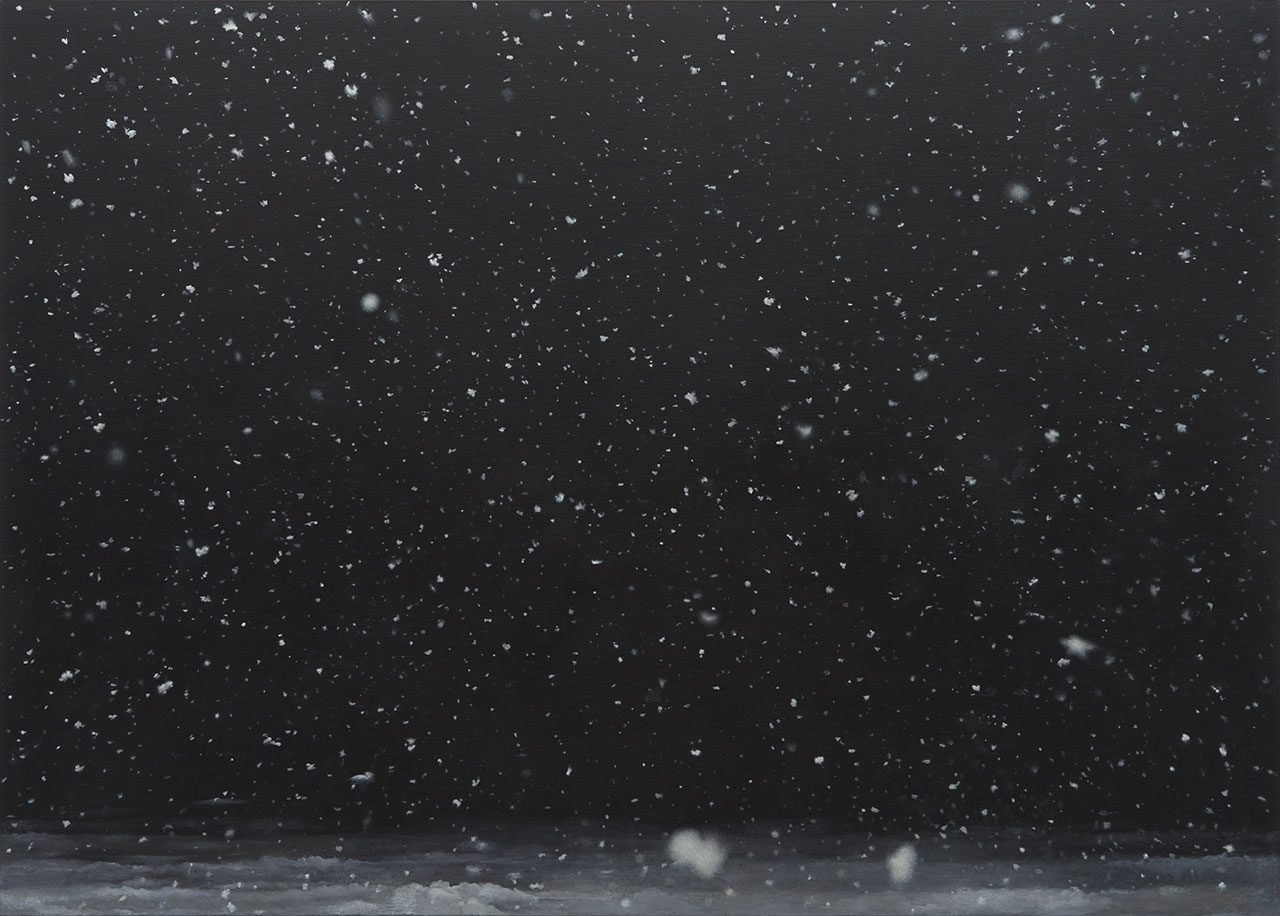
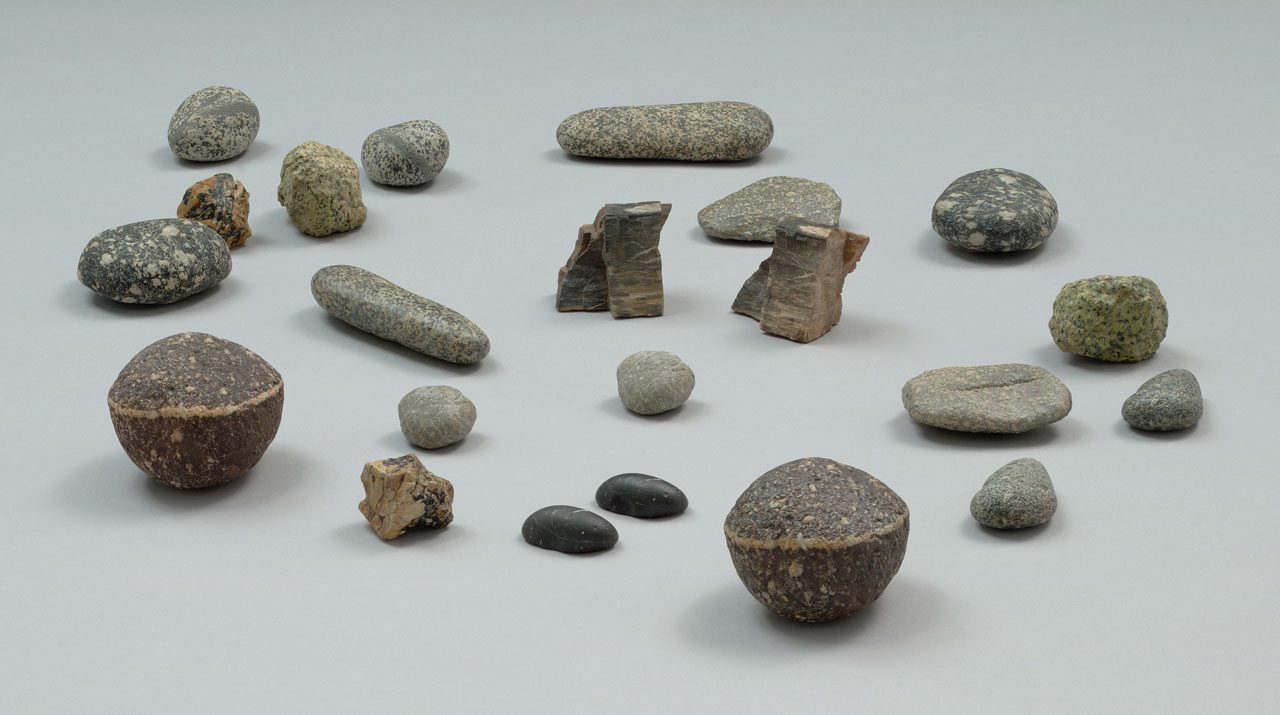
Between 1968 and 1992, Celmins worked almost exclusively in drawing. She turned to photographs—both found and self-taken—as her primary source material, capturing the intricate textures of moon craters, desert floors, ocean waves, and cloudscapes. Her lunar drawings were inspired by photographs from the late-1960s U.S. space missions, which brought distant, otherworldly terrain into everyday life. By 1973, she had begun her now-iconic series of galaxy drawings, based on NASA telescope images, further expanding her exploration of spatial ambiguity and visual depth. Her experiences in the deserts of California, Nevada, and New Mexico deeply informed her sensibility. Celmins sought to convey the sense of infinite stillness and timelessness that these vast, empty landscapes evoked. In the late 1970s, this exploration of perception and illusion took a sculptural turn with “To Fix the Image in Memory I–XI” (1977–1982). In this pivotal work, Celmins cast eleven stones collected in the desert in bronze and painstakingly painted them to be nearly indistinguishable from their natural counterparts—subtly challenging the viewer’s understanding of reality and replication. Celmins’ use of source material—as photographs or found objects—serves not as a blueprint for reproduction but as a springboard for deeper inquiry. Her artworks, whether graphite on paper or oil on canvas, are laboriously constructed through countless layers. Rather than photorealism, they embody a tactile process of re-creation—an attempt to render the incomprehensible, from cosmic expanses to natural minutiae, tangible by hand. In 1992, she encountered illustrations of spider webs that sparked a new body of work. Drawn to their fragile geometry and meditative complexity, she produced a series of paintings and charcoal drawings that continued her fascination with surface intricacy. This meditative quality persisted in later works: close-up renderings of textured objects—a Japanese book cover, the worn enamel of a Korean vase, the weathered surface of an old slate, and an eroded seashell. Each painting offers a poetic reflection on time, memory, and material decay. The exhibition culminates in Celmins’ most recent and largest works: monumental paintings of snow falling through the night sky. Based on photographic images of snowflakes illuminated in darkness, these canvases convey a profound silence and a deep sense of awe, invoking the eternal and the ephemeral in equal measure. Complementing the exhibition is “Vija”, a short film by renowned filmmakers Bêka & Lemoine. In this intimate, spontaneous portrait, Celmins opens the doors to her studio and the drawers of her archive, sharing insights into her lifelong artistic journey. Over 30 minutes, viewers are invited into the rich inner world of one of the most distinctive and quietly radical artists of our time.
Photo: Vija Celmins, To Fix the Image in Memory I-XI, 1977-1982 , Eleven stones and eleven made objects (bronze and acrylic paint), overall dimensions variable, The Museum of Modern Art, New York, gift of Edward R. Broida in honor of David and Renee McKee, 2005, © Vija Celmins, Courtesy Matthew Marks Gallery, Photo: Digital image, The Museum of Modern Art, New York/Scala, Florence
Info: Theodora Vischer & James Lingwood. Fondation Beyeler, Baselstrasse 101, Riehen/Basel, Switzerland, Duration: 15/6-21/9/2025, Days & Hours: Mon-Tue & Thu-Sun 10:00-18:00, Wed 10:00-20:00, www.fondationbeyeler.ch/