PRESENTATION: Mike Bode & Caner Yalçın-Dark World
Mike Bode is a visual artist and researcher whose practice is frequently developed through interdisciplinary collaborations that focus on investigations of place and image in relation to societal, historical, and political shifts. Caner Yalçın is a screenwriter and filmmaker. He studied Journalism at the Faculty of Communication at Marmara University and received his MA in Cinema and Television from Istanbul Bilgi University. He has written screenplays for television channels and digital platforms. His work also includes writing and directing short films.
By Dimitris Lempesis
Photo: Salt Galata Archive
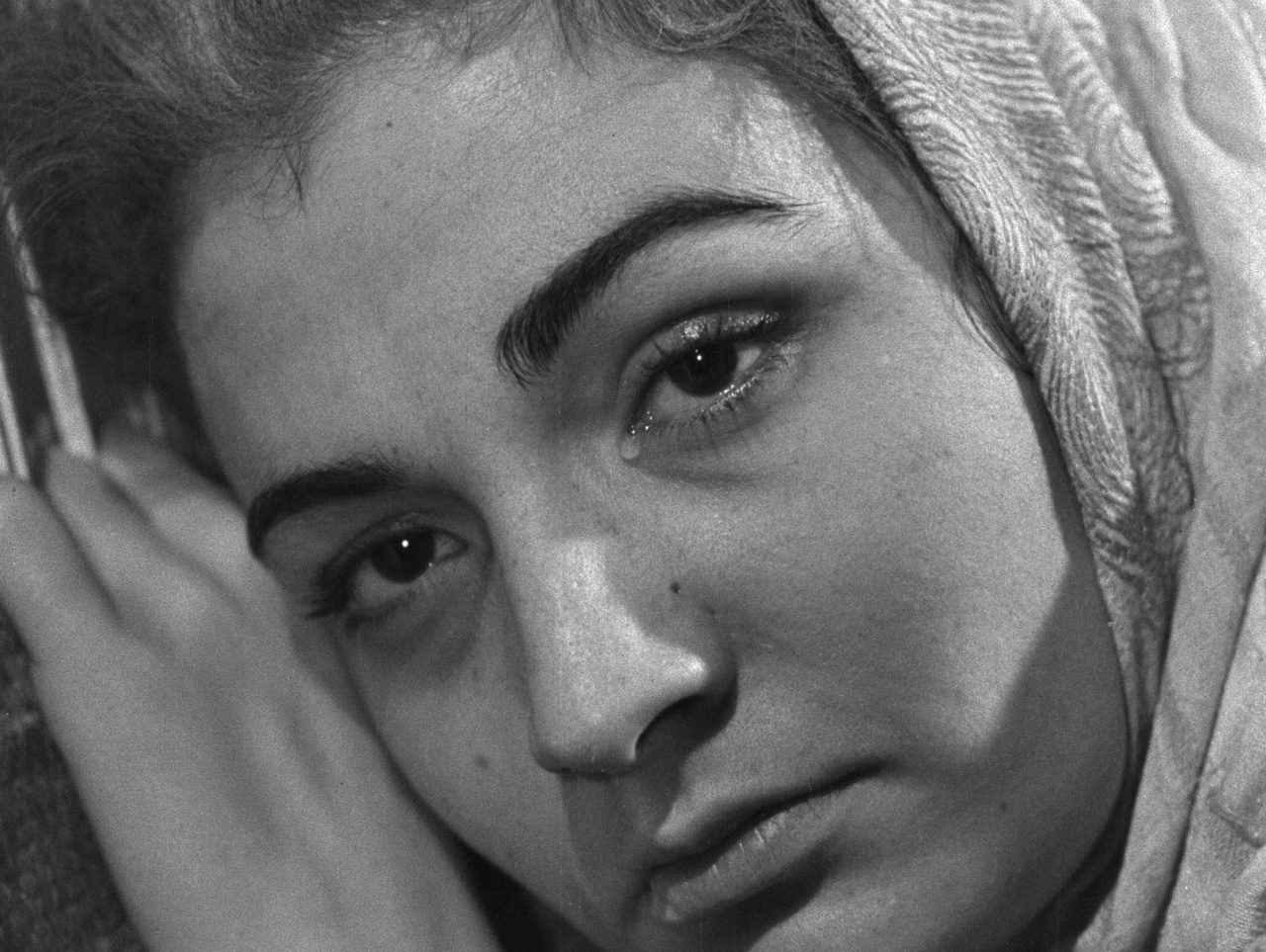
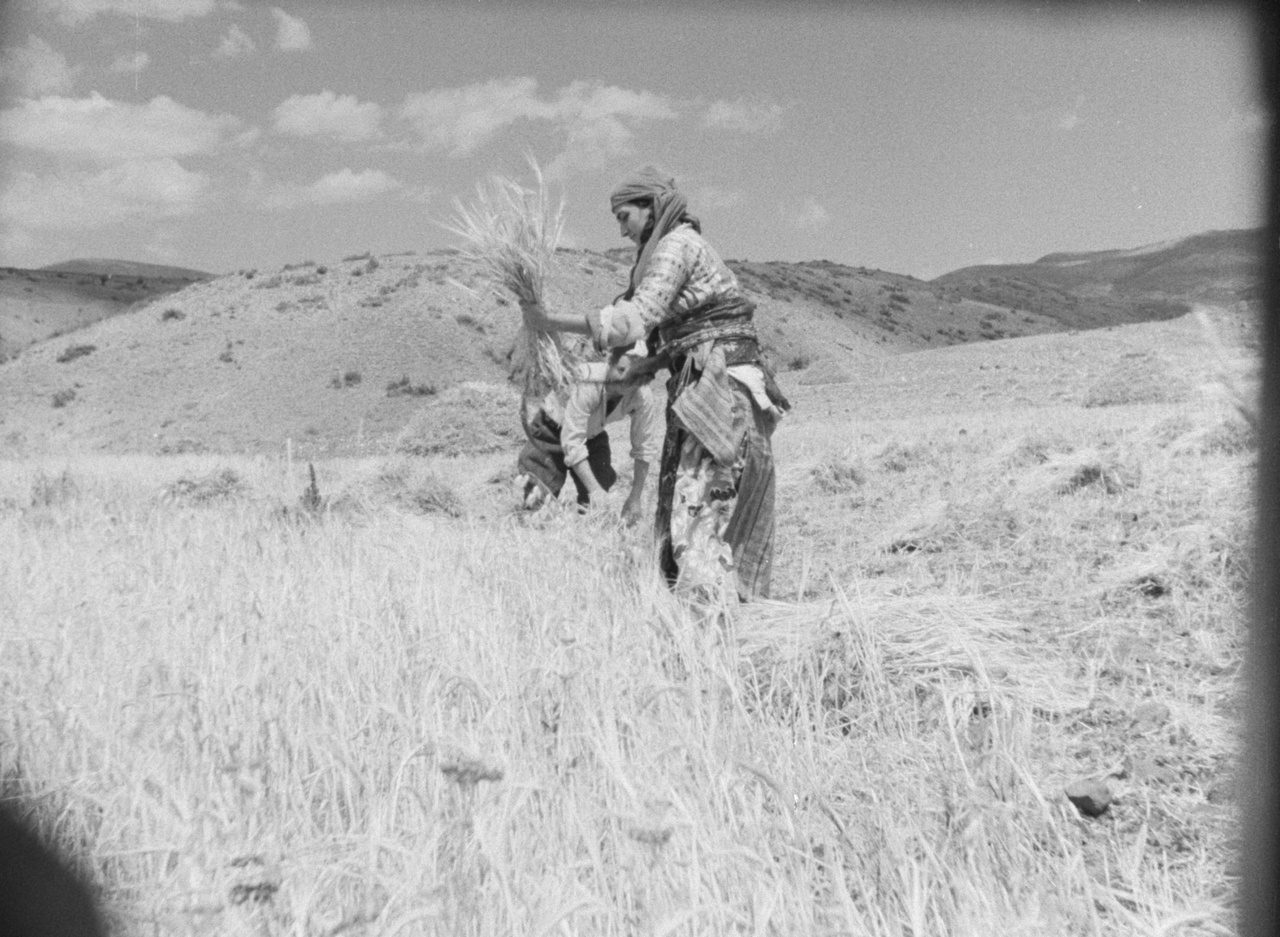
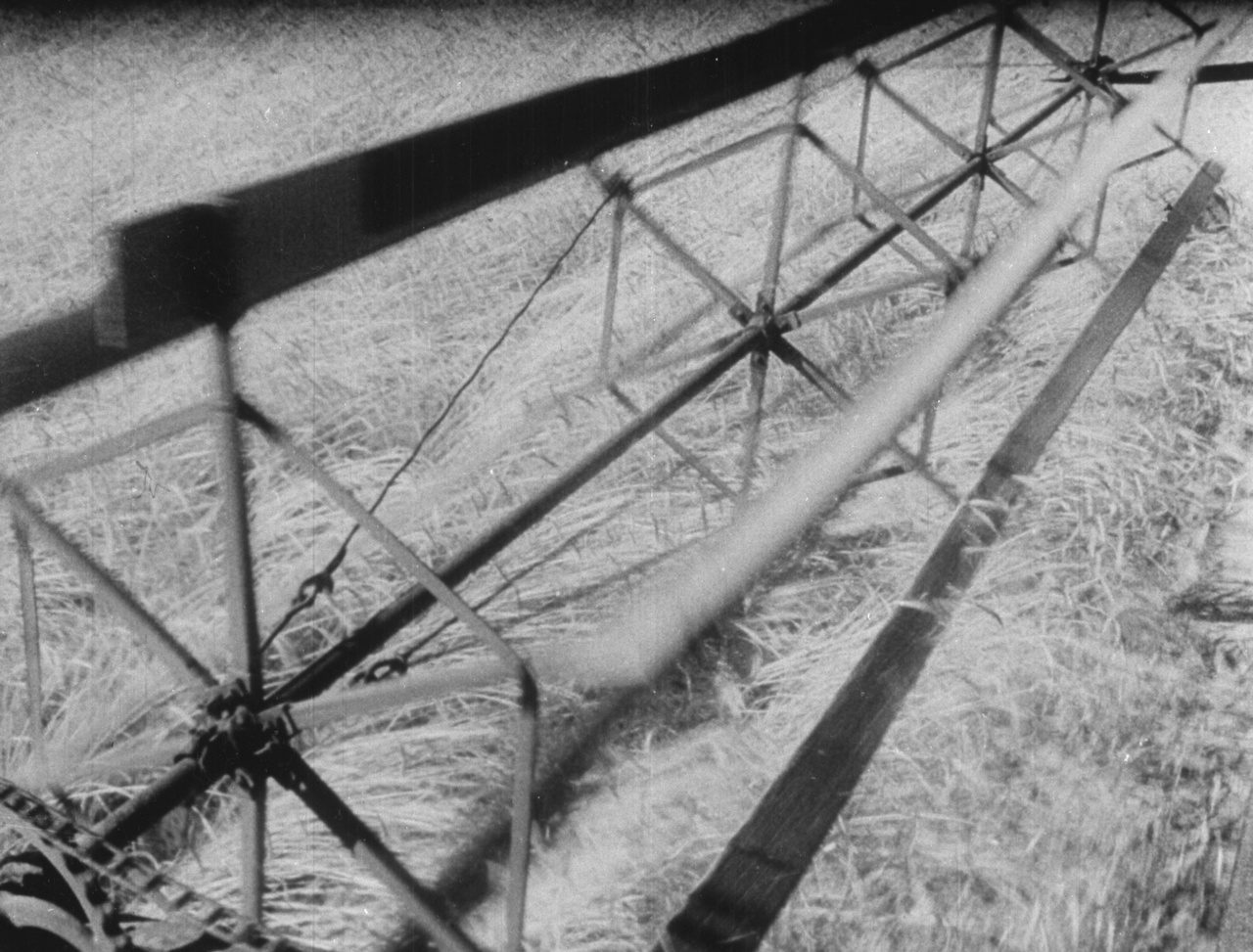
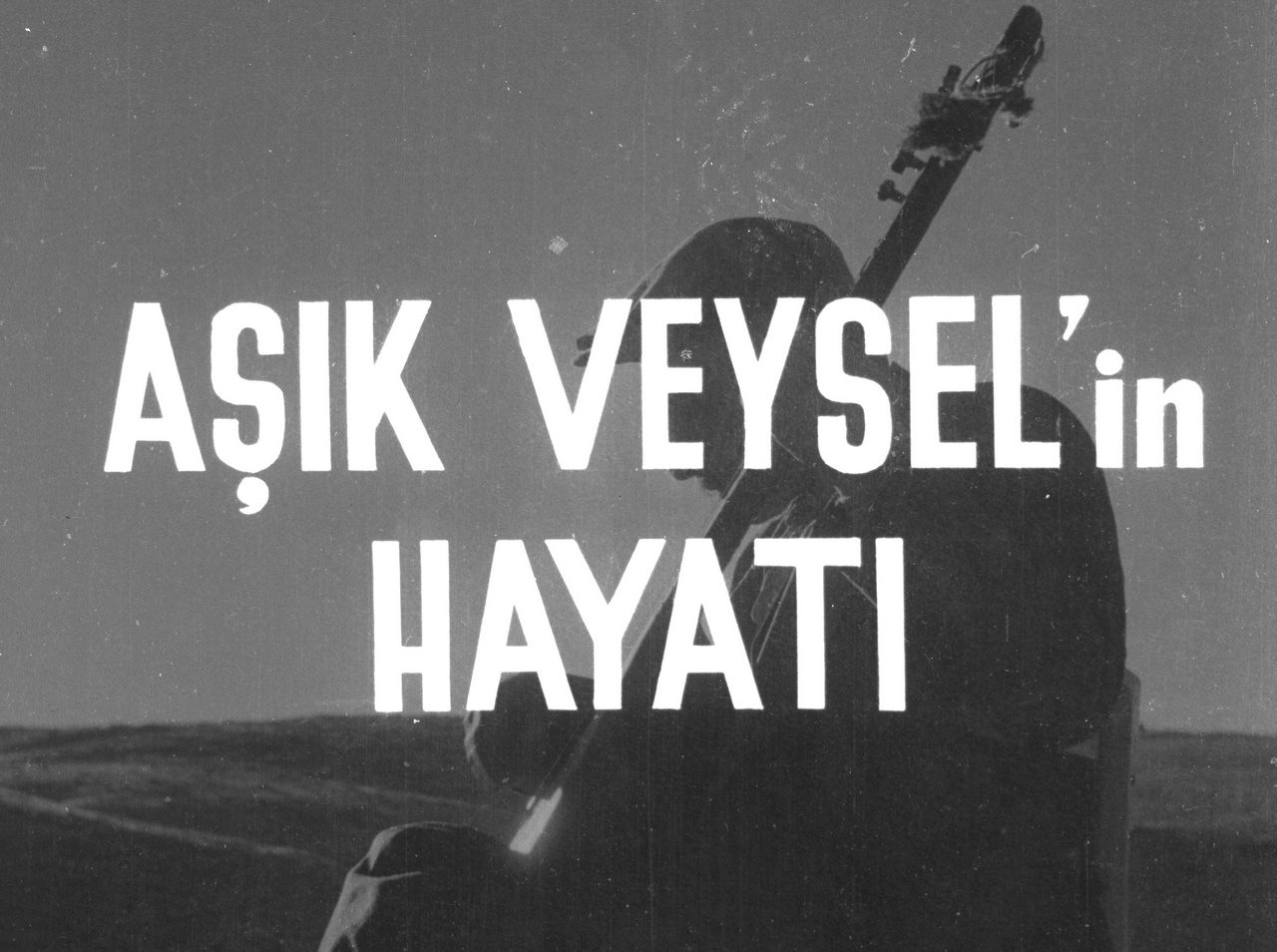
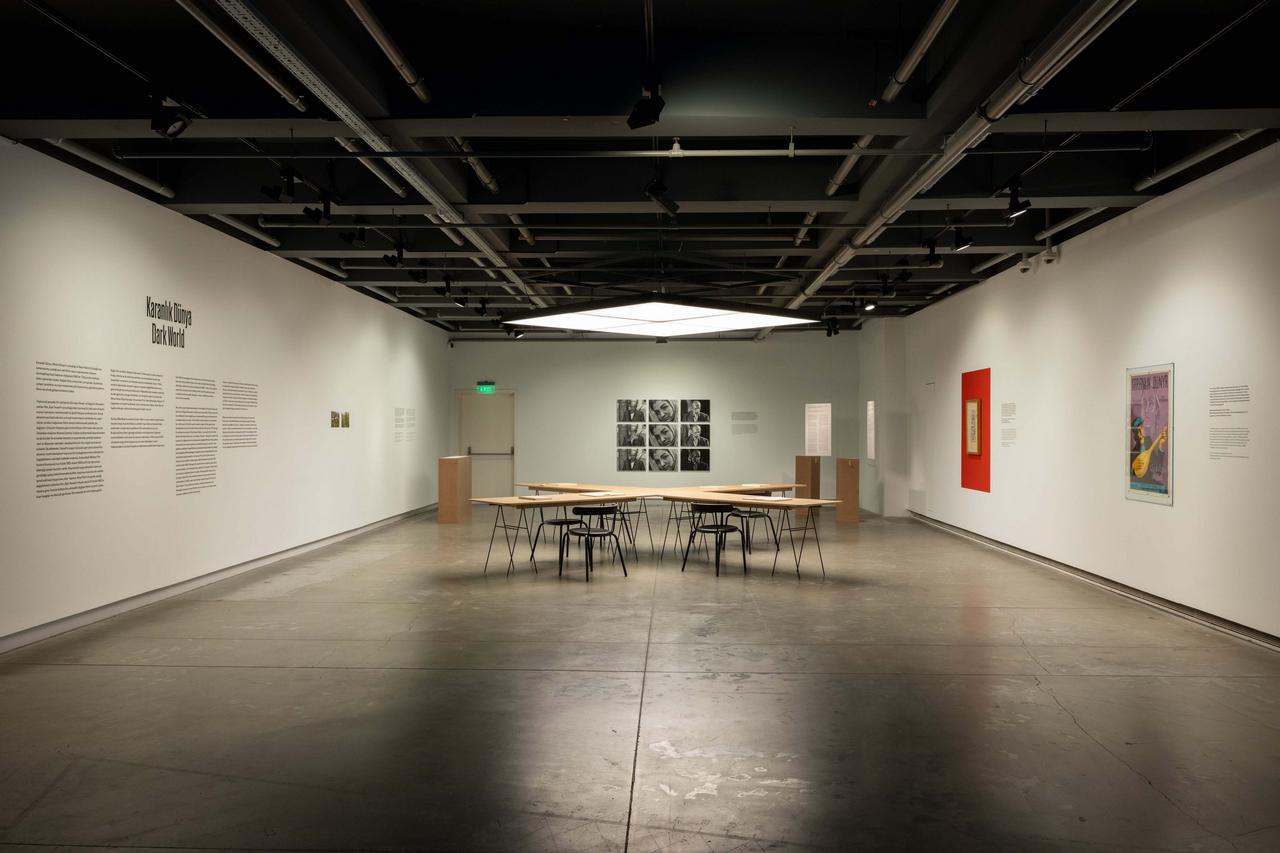
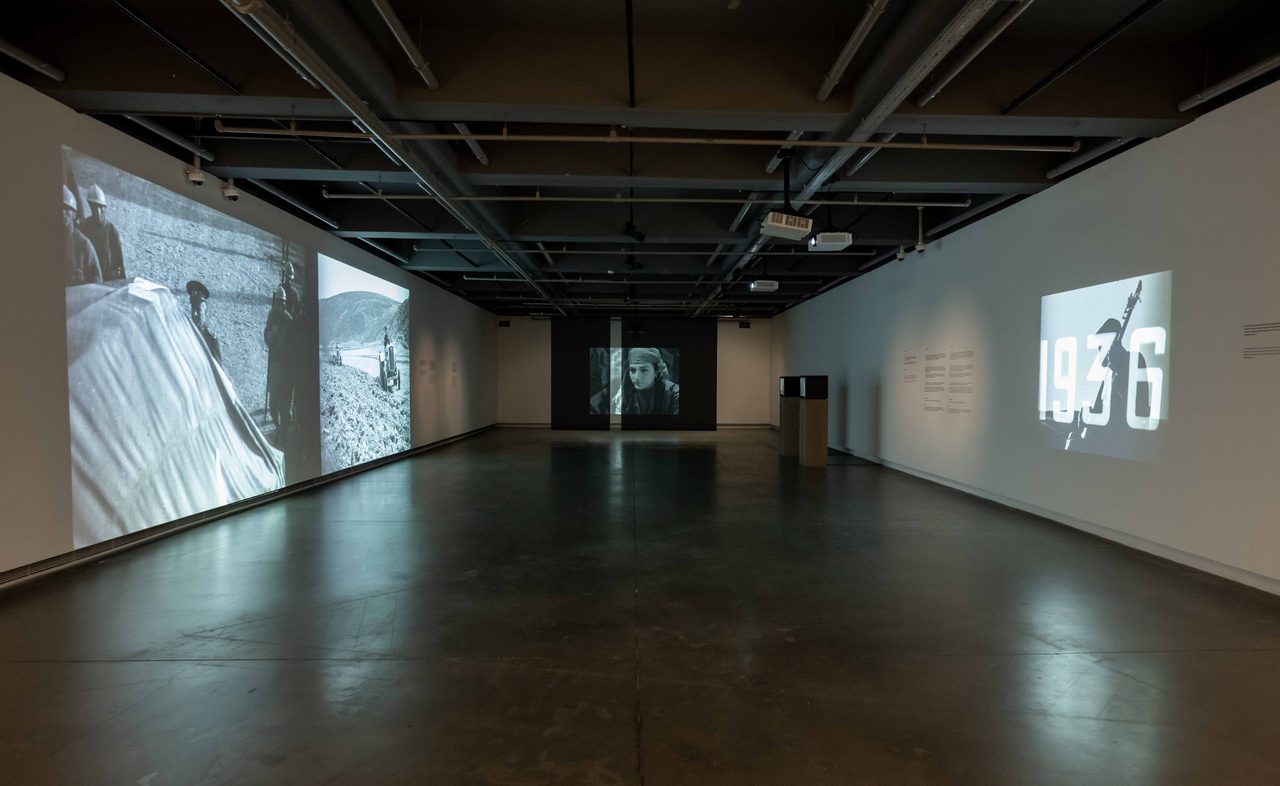
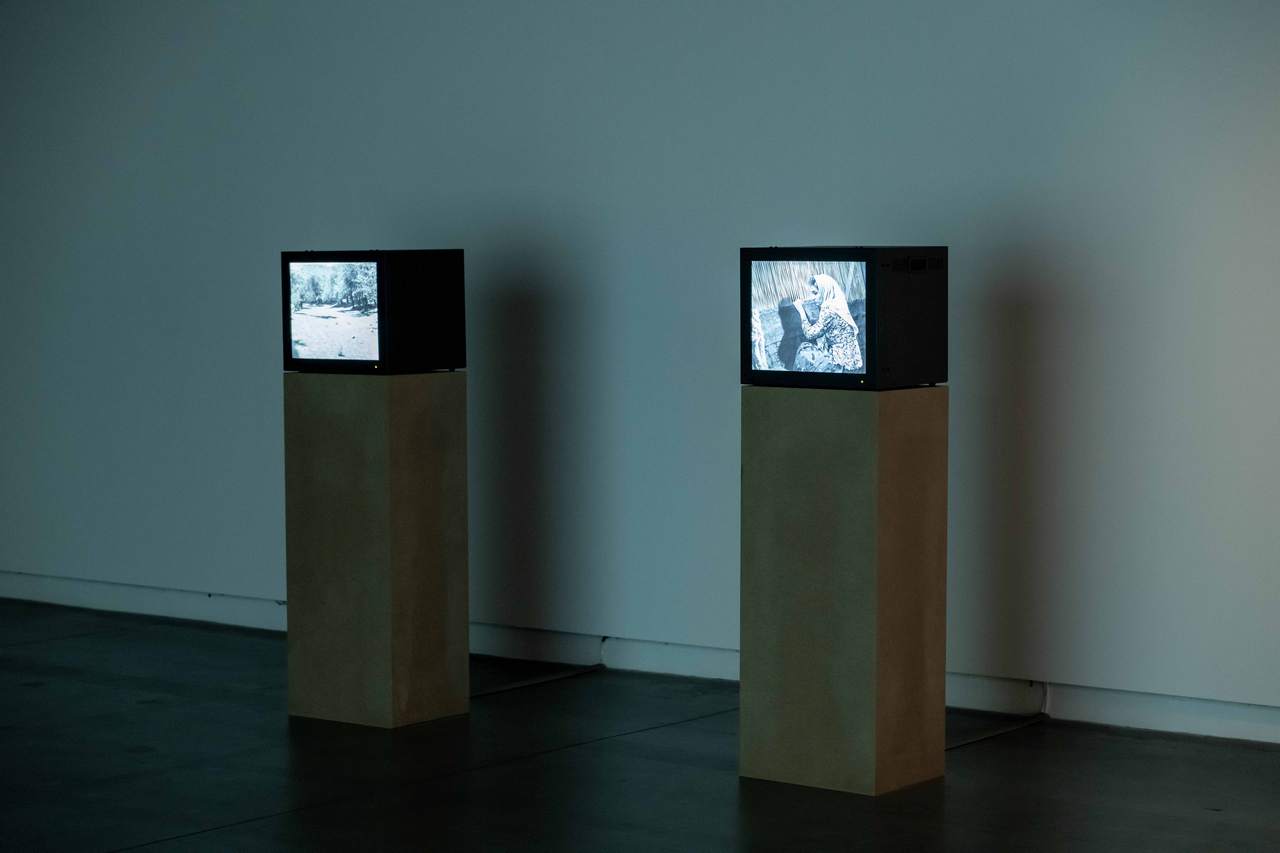
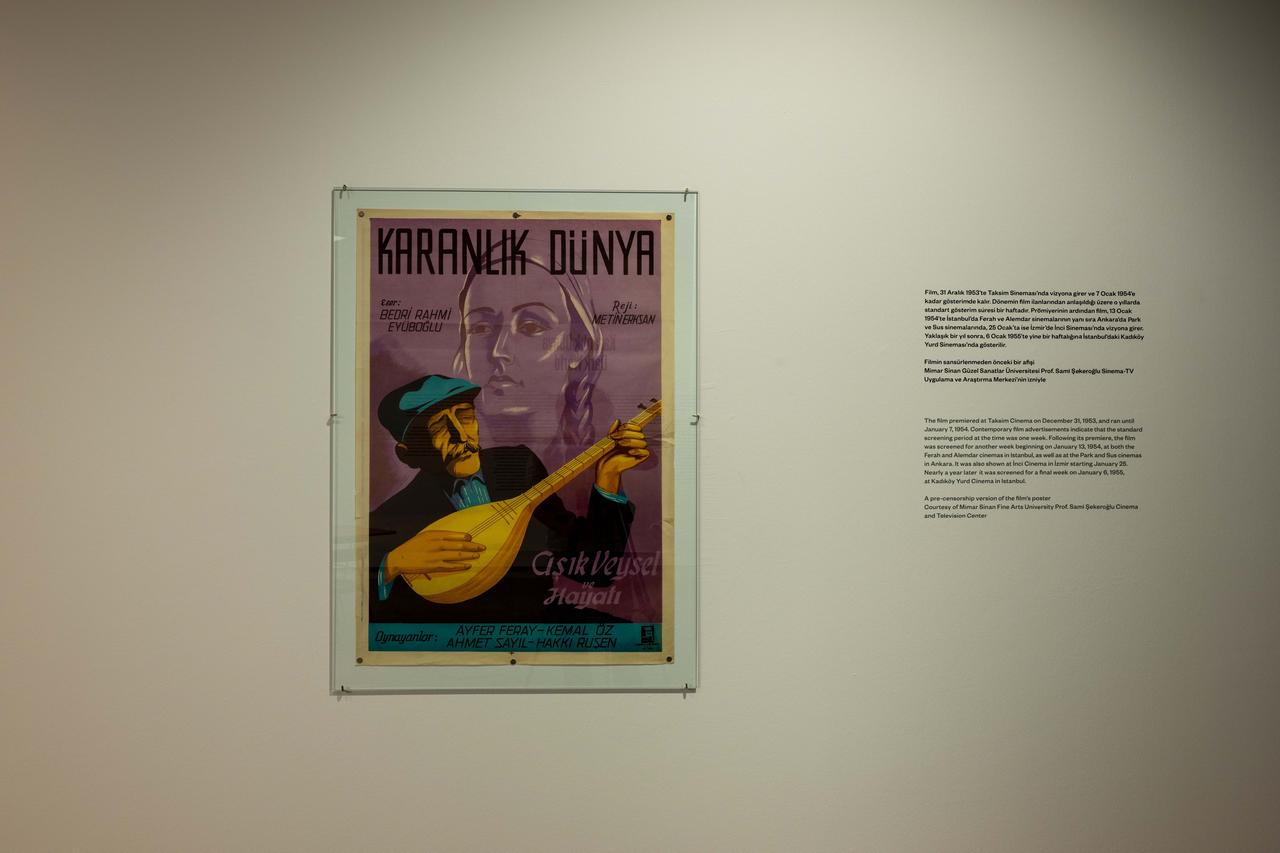
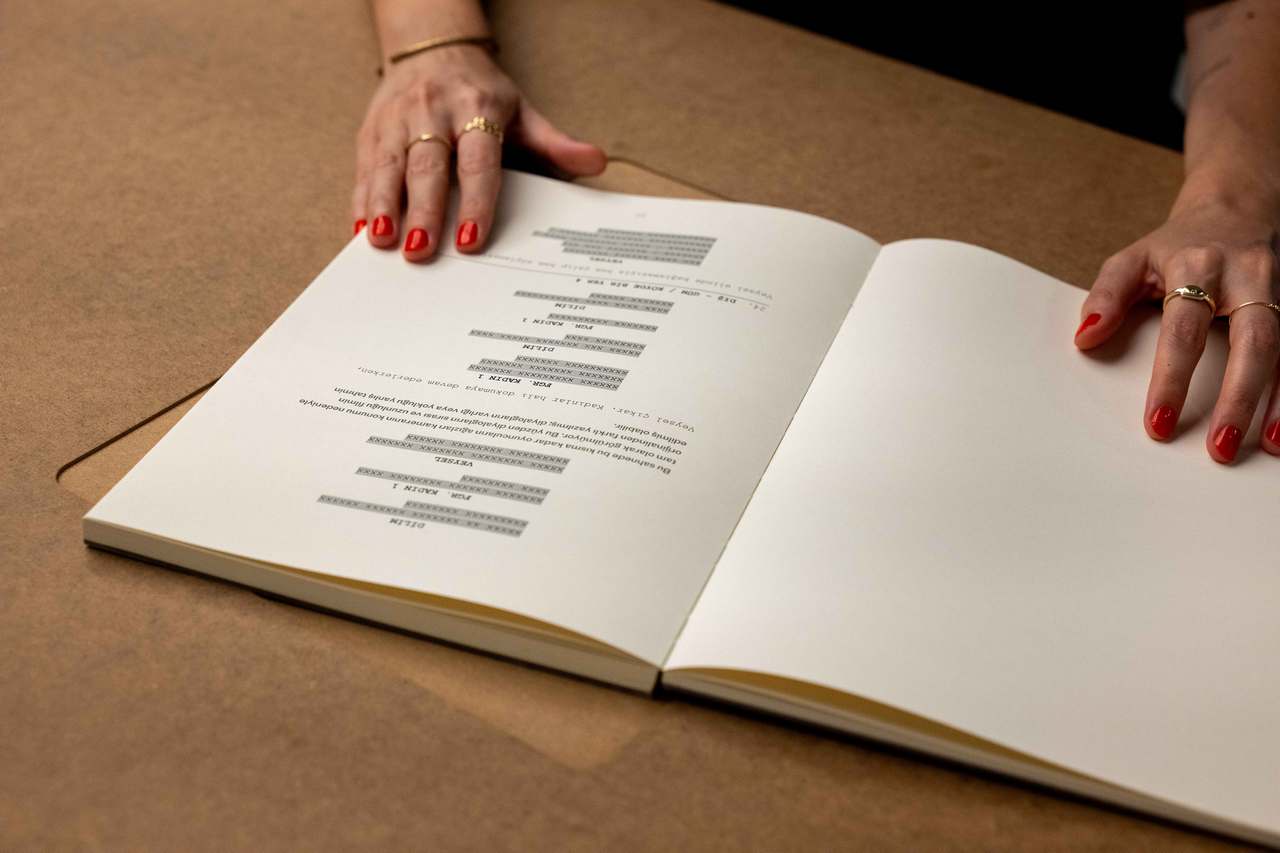
“Dark World” is an interdisciplinary research-based exhibition developed by visual artist Mike Bode and screenwriter Caner Yalçın, centering on the complex and contested history of the film “Karanlık Dünya” (Dark World). Directed by Metin Erksan and scripted by celebrated poet and writer Bedri Rahmi Eyüboğlu, the 1950s film presents a compelling case study in the interplay of culture, politics, censorship, and cinematic form in mid-20th century Turkey. The exhibition critically revisits the film’s production and its evolving reception, situating it within the broader cultural and ideological landscape of postwar Turkey. With a narrative rooted in social realism, the film was originally shot in the rural Anatolian settings of Sivrialan and Ürgüp, charting the life of iconic folk poet Âşık Veysel—from his childhood to his rise as a nationally revered bard. This central biographical thread was interwoven with a melodramatic love story, capturing both personal and collective struggles in a rapidly transforming society. However, the film’s trajectory was abruptly redirected. After coming under scrutiny by the Central Film Control Commission in Ankara, the film underwent significant modifications. Though the commission’s reports—issued between December 1952 and November 1953—did not specify exact scenes for censorship, they reflected a prevailing anxiety about the portrayal of rural life and the imperative to align cinematic representation with the state’s agricultural development and rural modernization agendas. In response, the producer Atlas Film introduced new footage that diluted the original narrative. Scenes of combine harvesters working in Hudson fields, allegedly provided by the United States Information Service, and staged images of a village school and health dispensary, filmed near Istanbul, were inserted to project an idealized vision of the Turkish countryside. These additions displaced Veysel’s story and reframed the film as a vehicle for state-sponsored ideology, culminating in a rebranded version titled Âşık Veysel’in Hayatı (The Life of Âşık Veysel), which premiered on December 31, 1953. What emerged was not a coherent cinematic work but a fragmented and ideologically hybrid artifact—shaped as much by commercial pressures and censorship as by artistic intent. Over time, the film’s original cut vanished, and what remains today is a patchwork of disparate versions: degraded footage, lost or substituted scenes, inconsistencies in sound and image, and layers of silence, both literal and symbolic. Among the rare surviving materials is a 35mm nitrate print containing previously unseen footage, adding further complexity to the film’s fractured legacy. Rather than attempting to reconstruct a definitive version of the film, “Dark World” embraces its incoherence and disassembly. Through a constellation of archival documents, video installations, and a research-driven script that charts the film’s edits, omissions, and mutations, the exhibition foregrounds the material and ideological forces that shaped its production, circulation, and reception. It treats the film not as a stable narrative, but as a palimpsest—a cultural object inscribed, erased, and overwritten by shifting institutional and historical forces. By tracing these entangled trajectories, the exhibition opens space to reflect on broader questions: How does censorship shape national narratives? What happens when art becomes entangled with propaganda? And how can fragments—visual, sonic, archival—be reactivated to tell new stories? “Dark World” invites viewers to engage with these unresolved tensions, offering not closure, but a deepened understanding of the conditions under which cultural memory is made, obscured, and remade.
Photo: Installation view from the exhibition “Dark World”, Salt Galata, Photo: Metean Bars (Salt)
Info: Salt Galata, Bankalar Caddesi 11, Karaköy, İstanbul, Turkey, Duration: 23/7-14/12/2025, Days & Hours: Tue-Sat 11:00-19:00, Sun 11:00-18:00, https://saltonline.org/