PRESENTATION: City in a Garden-Queer Art and Activism in Chicago
The exhibition “City in a Garden: Queer Art and Activism in Chicago” highlights Chicago’s essential yet often overlooked role in the stories of queer art and activism, examining the city’s queer history from the 1980s to the present. The exhibition’s title is based on Chicago’s official motto, Urbs in Horto, meaning “city in a garden.” In the context of this presentation, the title speaks to the exhibited artists’ and activists’ utopian visions of a metropolitan sanctuary for people of all races, genders, and sexualities.
By Dimitris Lempesis
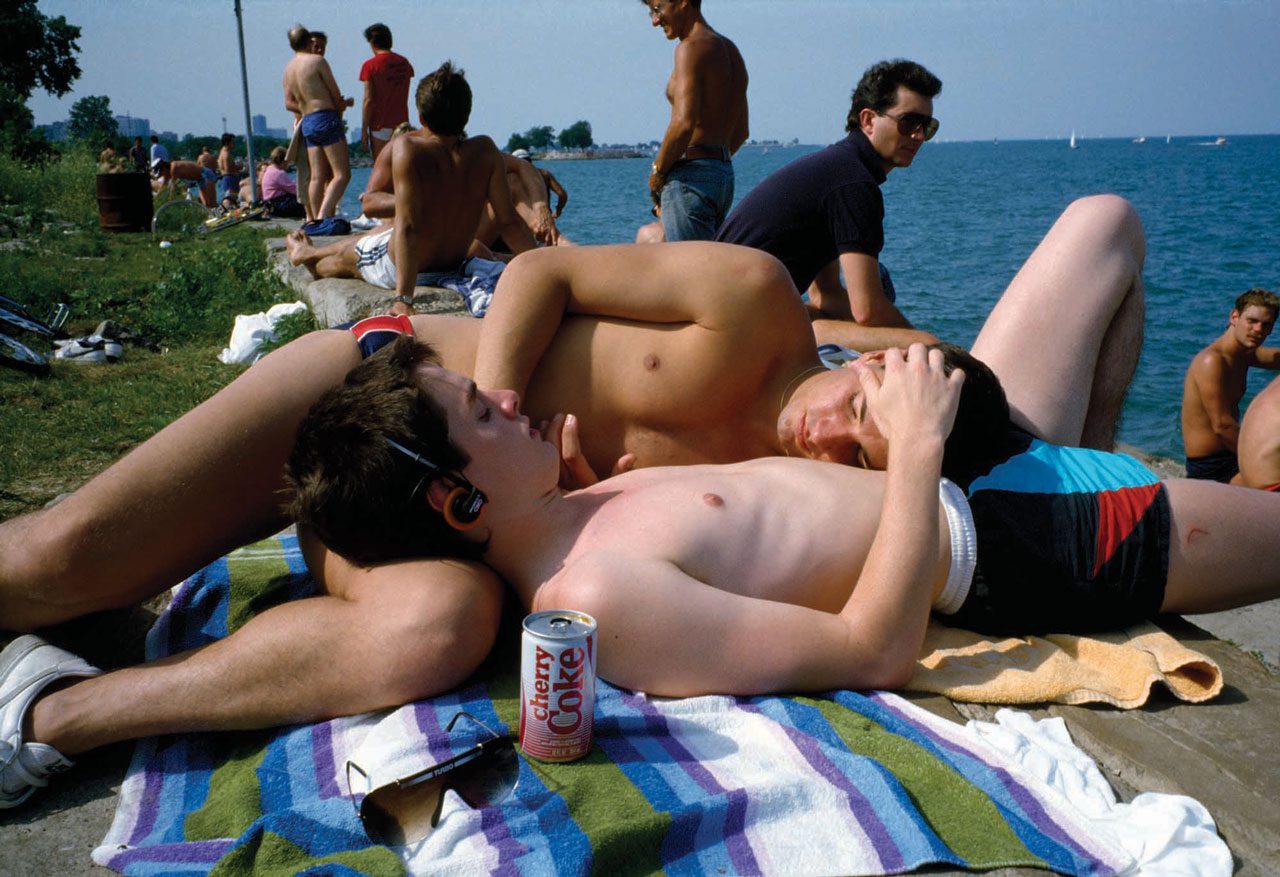
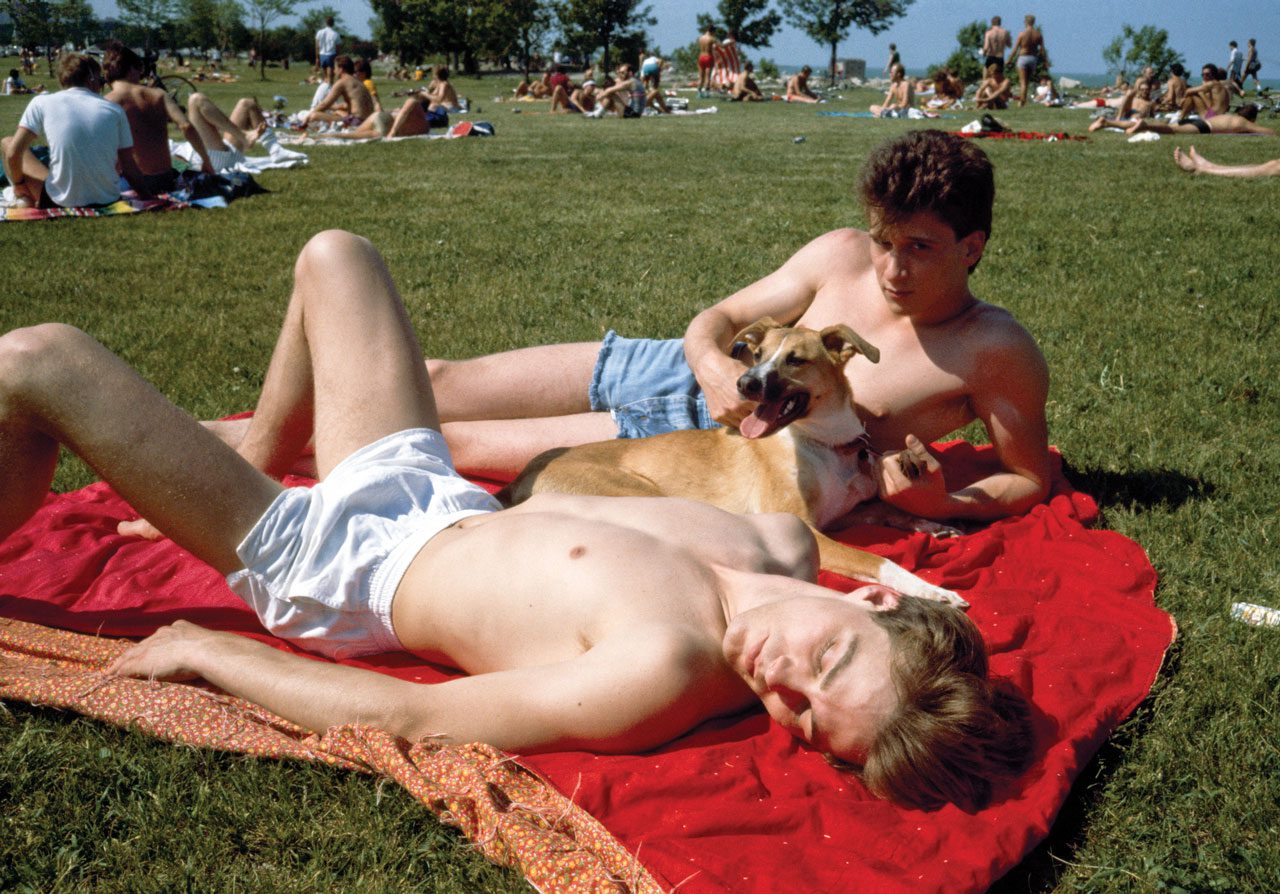
Photo: MCA Chicago Archive
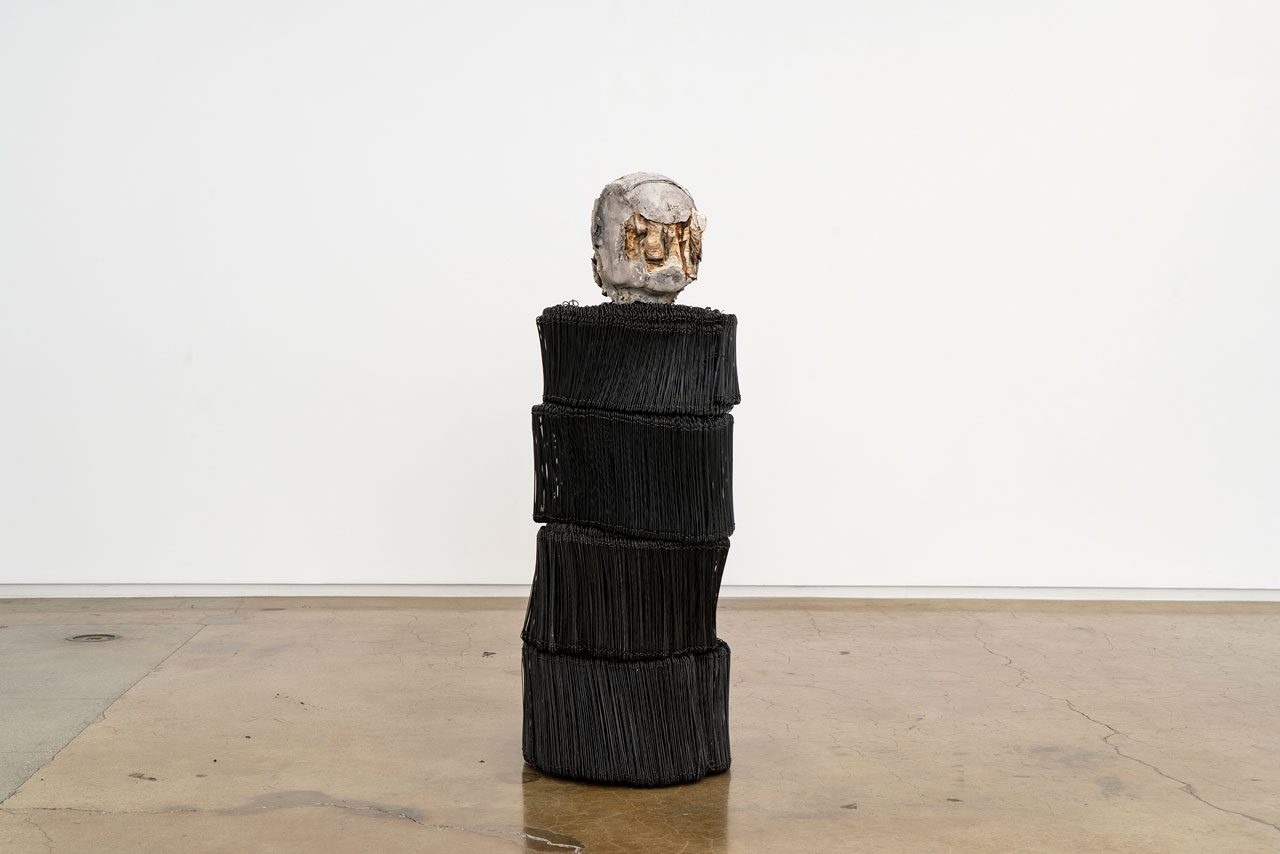
“City in a Garden” is a powerful reflection on the evolution of queer life in Chicago, shaped by political struggle, cultural resilience, and a constant reimagining of identity and space. Featuring over 30 artists and collectives, the exhibition spans from the 1980s to the present, a period marked by both devastating loss and the birth of new possibilities. Organized around five thematic lenses—Garden, Club, Street, Cinema, and Utopia—it presents queerness not just as an identity, but as a creative and political force. The earliest works in the show emerge from the AIDS crisis, a moment when queer communities were mobilizing against widespread indifference and cruelty. In the face of government neglect and rampant homophobia, groups like ACT UP/Chicago mounted bold responses to both the epidemic and the social systems that allowed it to flourish. This era saw the reclamation of the once-derogatory term “queer” as a radical, inclusive label—a rejection of conformity and a call for collective resistance. As scholar Deborah Gould notes, this new sensibility emphasized pride in difference, confrontation over assimilation, and a desire for a radically transformed world. The exhibition’s timeframe—beginning in the 1980s—honors the political and emotional energy of this shift, recognizing it as a turning point that still reverberates today. Works by artists such as Patric McCoy, Luis Medina, and Roger Brown offer intimate views into queer life during this early period. McCoy’s photographs of patrons at the Rialto Tap, a bar and house music venue that primarily served Black men, capture a space of community and desire at a time when few participants openly identified as gay or queer. Medina’s images from the International Mister Leather convention—still held annually in Chicago—document a subculture that celebrated both hypermasculinity and gender subversion. Roger Brown’s “Peach Light” (1983) references the soft lighting of gay bars like Gold Coast, which was used to obscure visible signs of illness during the height of the AIDS crisis. Together, these works portray a world that was complex, coded, and constantly negotiating visibility and survival.
While many early subjects may not have used the word “queer” to describe themselves, their lives and creative practices contributed to the conditions from which queer identity emerged. Diana Solis’s photographs of early Pride rallies and quiet domestic moments further illustrate the richness and diversity of LGBTQ life during this era, capturing the personal alongside the political. A key theme throughout the exhibitionis the significance of place—bars, clubs, community centers, even sidewalks—as sites of queer gathering, expression, and vulnerability. Many of these locations no longer exist: the Belmont Rocks, a beloved lakeside hangout, were demolished in 2003; the Rialto Tap was razed to make way for the Harold Washington Library; and Gold Coast closed its doors in 1988. Their disappearance reflects both the precarity of queer space and the urgency of remembering. This act of remembrance takes shape in different forms throughout the exhibition. Amina Ross’s 2021 video “Man’s Country” : offers a speculative reconstruction of the titular bathhouse, which operated from 1973 to 2018. Having never entered the venue due to its “men only” policy, Ross uses digital tools to reimagine its interior from found images and videos. As the structure dissolves into floating fragments, the work speaks to both the loss of physical space and the persistence of queer memory. The final refrain—“When the feeling arrives again”—gestures toward a future still shaped by longing and imagination. Similarly, Edie Fake’s “Memory Palace” series pays tribute to long-gone queer spaces, including activist groups and community publications. “Killer Dyke “references a newspaper created by the Feminist Lesbian Intergalactic Party, or “Flippies,” a radical student group in the 1980s that called for the overthrow of all systems oppressing women and queer people. Though Fake never experienced these spaces firsthand, his work animates them through architectural fantasies—part homage, part dream. Other works look to the legacy of queer media and collaborative experimentation. In 2004, the Pilot TV collective transformed a Bridgeport building into a temporary television studio, inviting over 200 artists and activists to create experimental videos. Under the banner “Experimental Media for Feminist Trespass”, participants explored transfeminism, performance, satire, and erotics in what became a landmark moment of queer and feminist artmaking in Chicago. Projects included a variety show by the Chicago Feel Tank, an erotic reimagining of “Battleship Potemkin” featuring a cast of trans actors, and performances by artists such as Barbara DeGenevieve and Gregg Bordowitz. Whether documenting lived experience or reimagining the past, the works in “City in a Garden” reveal how queerness is continuously negotiated through space, memory, and community. These artists build on a legacy of activism and resistance, while also insisting on pleasure, intimacy, and joy. In doing so, they trace a lineage of queer creativity in Chicago that is as much about survival as it is about dreaming other worlds into being. At a time when queer communities once again face political threats and cultural erasure, these visions feel particularly urgent. The exhibition reminds us that queer life is not only something to protect—but also something to invent, cultivate, and imagine anew.
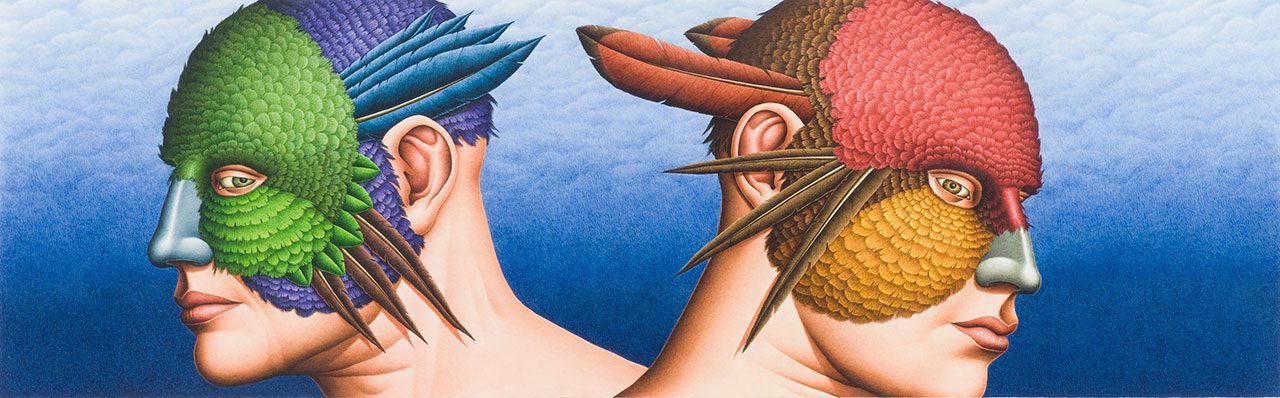
Photo: Robert Lostutter, Forktailed Wood Nymph and Ruby-Topaz Hummingbird, 1982. Watercolor and pencil on paper; Canvas: 8 × 25 1/2 in. (20.3 × 64.7 cm). Collection Museum of Contemporary Art Chicago, Gift of the artist, Dart Gallery, the Illinois Arts Council Purchase Grant, and matching funds, 1982.24. © 1982 Robert Lostutter. Courtesy of the artist and Corbett vs. Dempsey. Photo: Nathan Keay, © MCA Chicago
Info: Curator: Jack Schneider, Assistant Curator: Korina Hernandez, Museum of Contemporary Art , 220 E Chicago Ave, Chicago, IL, USA, Duration: 5/7/2025-31/5/2026, Days & Hours: Tue 10:00-21:00, Wed-Sun 10:00-17:00, https://mcachicago.org/
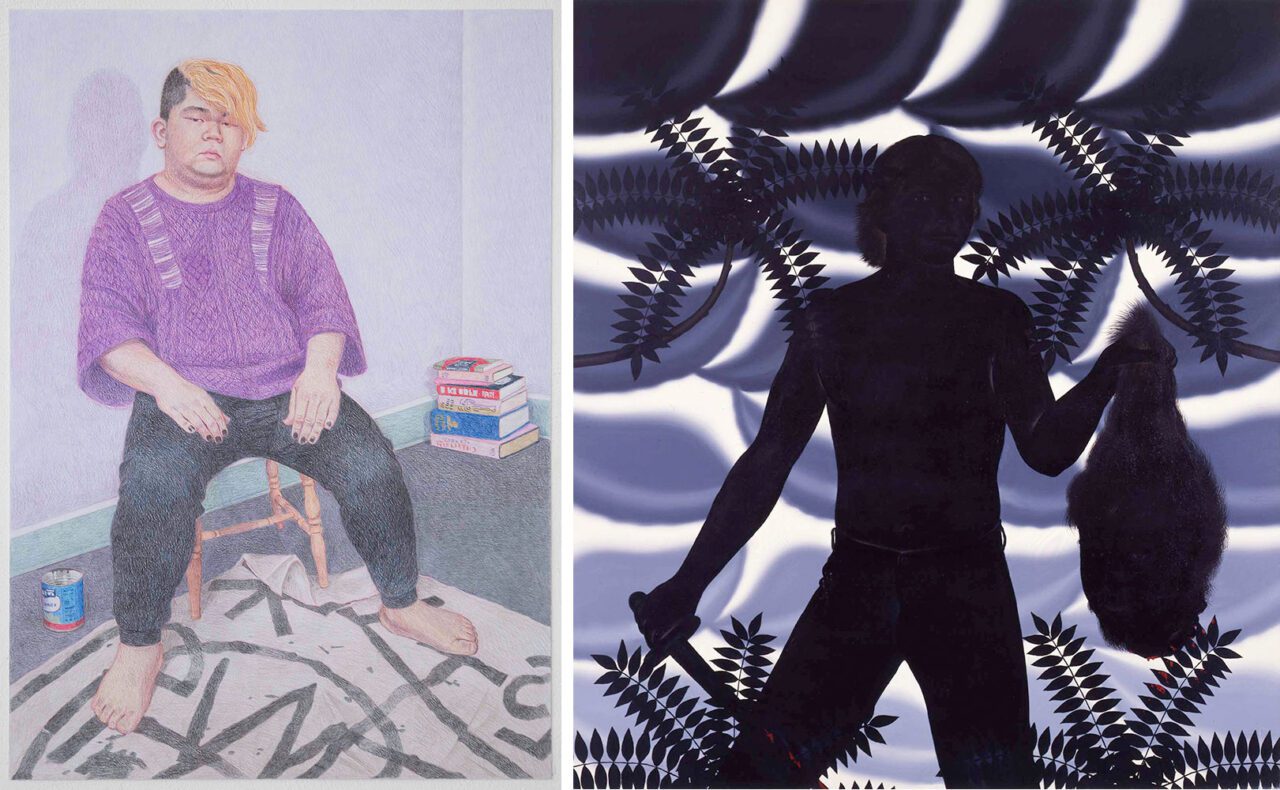
Right: Roger Brown, Steve With The Head of Goliath, 1985. Oil on canvas; 60 x 54 in. (152.4 x 137.2 cm). Courtesy of the Roger Brown Estate, School of the Art Institute of Chicago
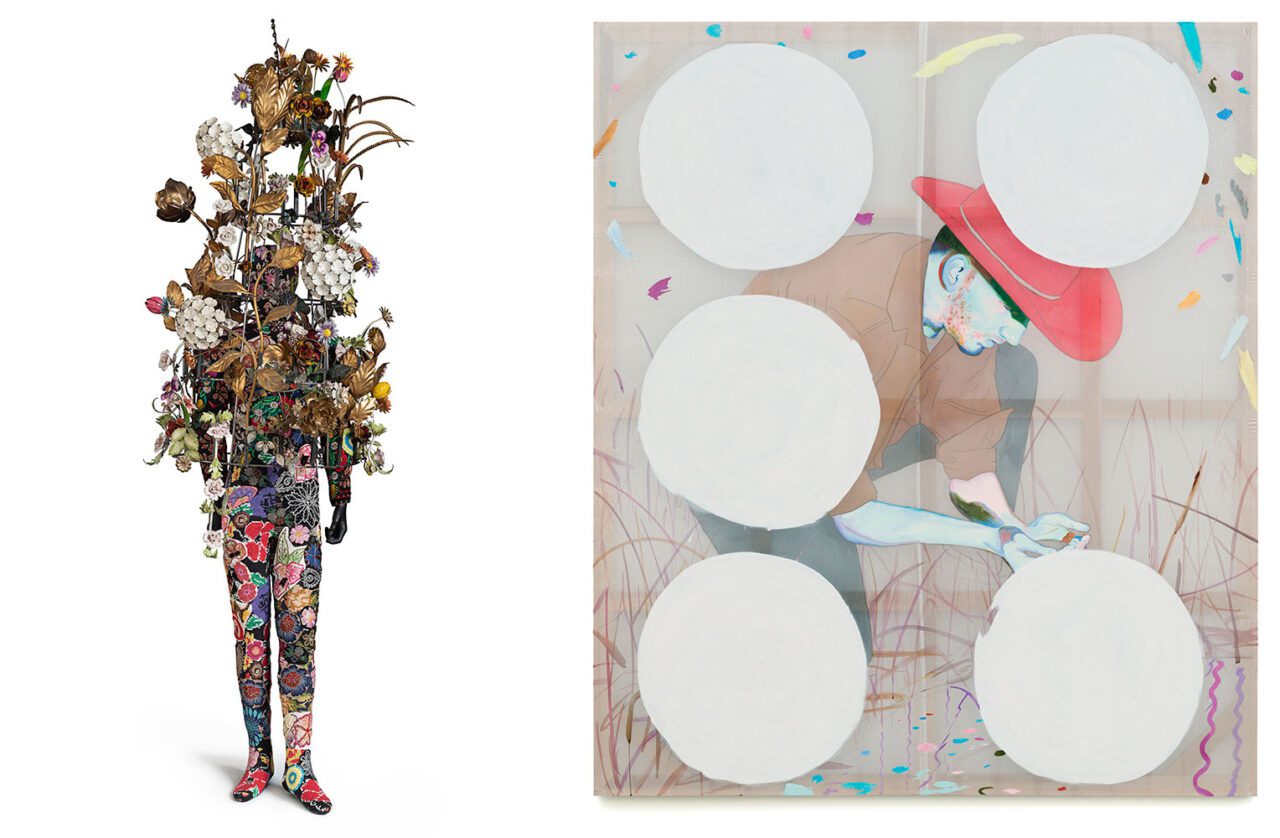
Right: Paul Heyer, Drinking Water (Cowboy), 2017. Oil, acrylic, and glitter on metallic silk; 84 × 72 1/16 in. (213.4 × 183 cm). Collection Museum of Contemporary Art Chicago, Gift of Katherine S. Schamberg by exchange, 2018.9. © 2017 Paul Heyer. Photo: Nathan Keay, © MCA Chicago