PRESENTATION: Laila Shawa-School of Seeing
The Palestinian artist Laila Shawa is known for her use of bold colors and illustrative designs to tackle structural violence, political turmoil, the plight of children and resistance. Shawa paints, photographs and uses silk screen in her art, which includes whimsical paintings exemplifying the beauty and harshness of life for Palestinians living in Gaza.
By Efi Michalarou
Photo: Salzburger Kunstverein Archive
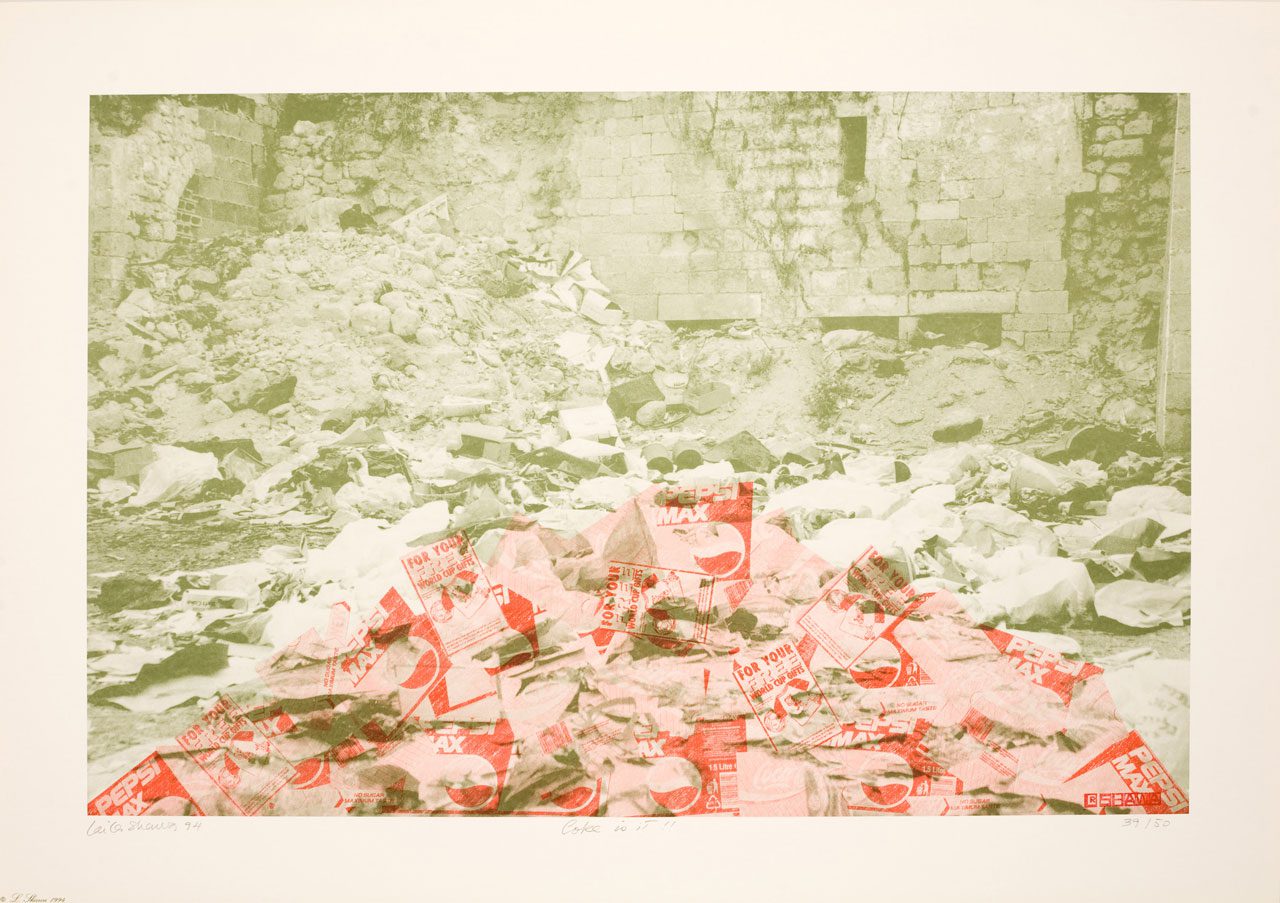
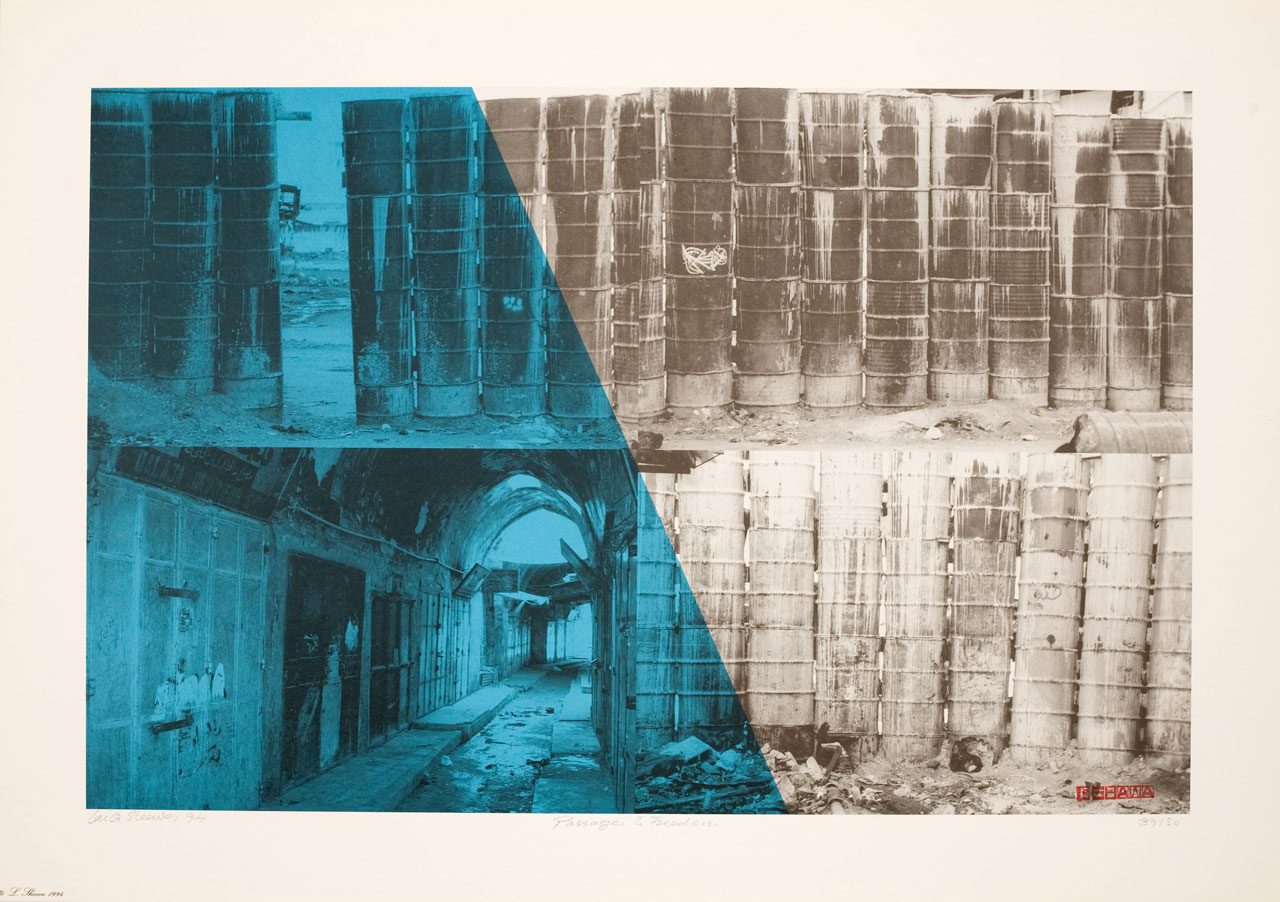
Born in Gaza in 1940, Laila Shawa emerged as a pioneering voice in Middle Eastern contemporary art, using her practice to confront political realities and social injustices with striking visual clarity. Her long-running series “The Walls of Gaza”, composed of silkscreens and prints, serves as a visceral response to the violence, oppression, and surveillance that mark life under occupation. Infused with irony and dark humor, these works highlight Shawa’s signature style—satirical yet piercing. “Irony in my work is very much part of my personality,” she once said. “I always look for the absurd, and try to cover it up with humour.” One notable piece from this body of work belongs to her “Women and the Veil” series, where Shawa critiques the hijab in a manner that is both confrontational and laced with satire. With bold imagery and layered meaning, she dismantles symbols of repression while drawing attention to their wider socio-political contexts. The exhibition “School of Seeing” marks the first presentation of Shawa’s work in Austria and takes its name from the legendary Salzburg Summer Academy founded by Oskar Kokoschka. Shawa studied there from 1960 to 1963, and Kokoschka’s post-war humanist approach to art education left an enduring impact on her worldview. For Shawa, Salzburg was not an endpoint but a catalyst—a launching point for a lifelong transnational artistic journey that would span Gaza, Rome, Cairo, Beirut, and London. Rather than following a linear biographical narrative, the works featured in the “School of Seeing” function as a prismatic time capsule, offering glimpses into the multiple geographies, identities, and aesthetics that shaped her practice. Islamic ornamentation collides with Western pop art; Byzantine calligraphy shares space with urban graffiti. Her distinctive visual language, often described as “Islamo-pop,” is not a gesture of reconciliation but of critique. Shawa reappropriates symbols from across cultural and religious traditions to challenge systemic structures of power, crafting a hybrid aesthetic that expands—and complicates—the framework of global contemporary art.
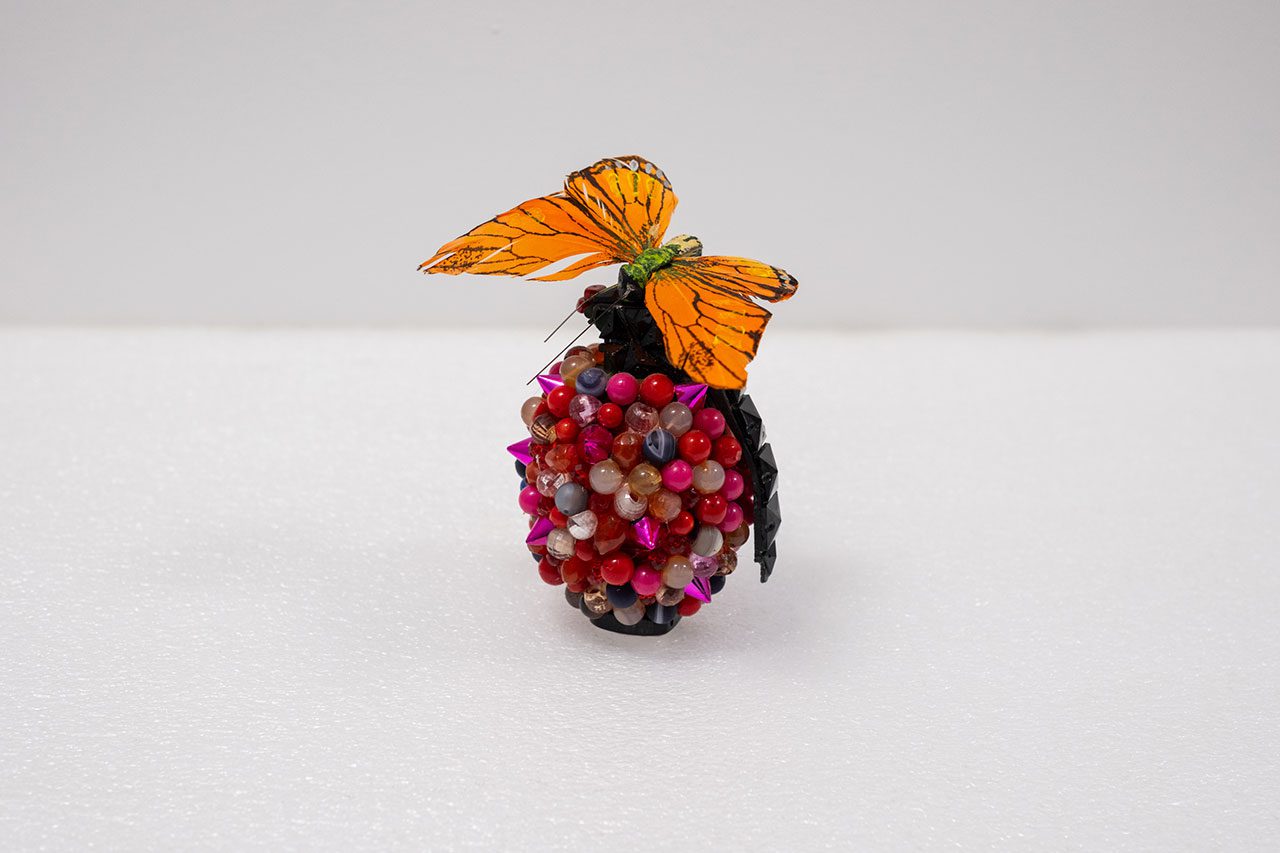
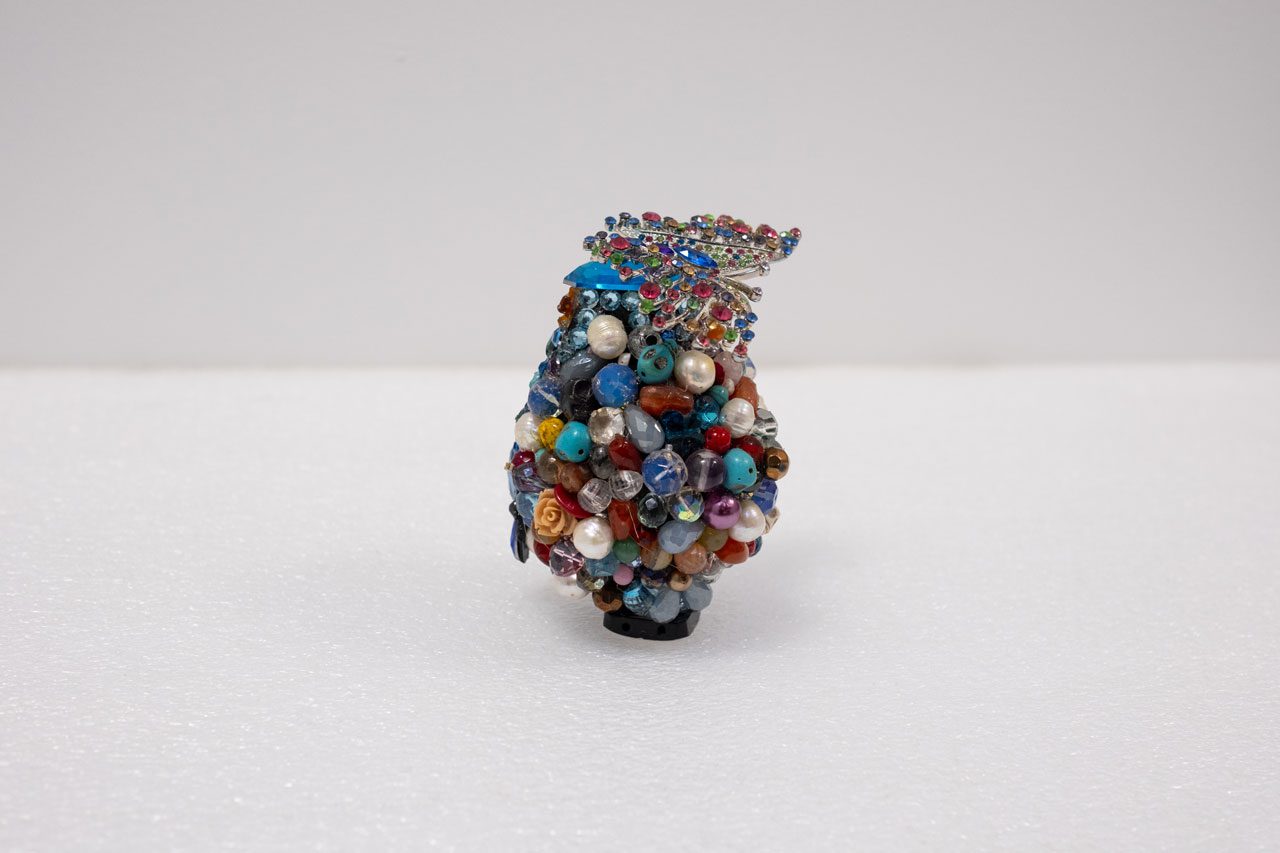
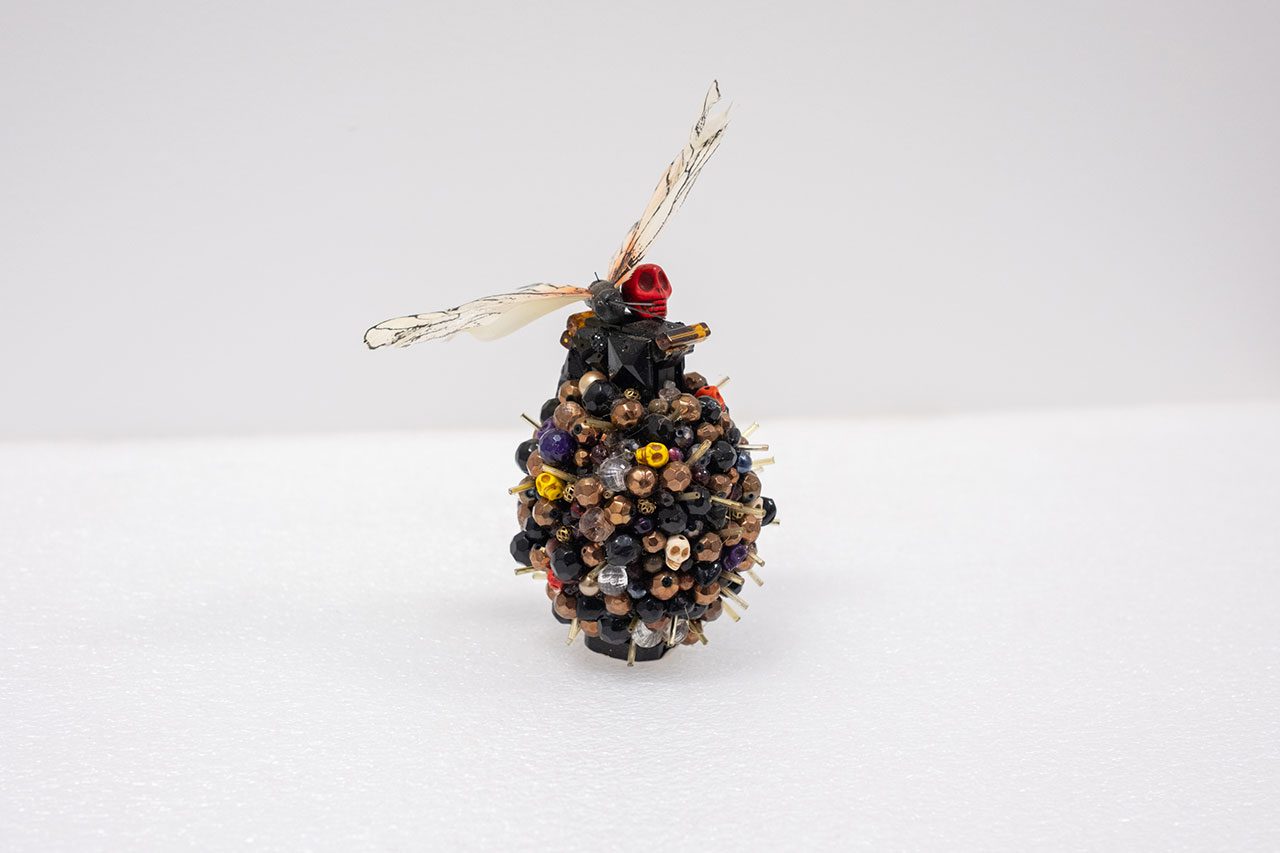
Born into one of the oldest Palestinian landowning families, Laila Shawa inherited a deeply rooted political consciousness. Her father, Rashad al-Shawa, a former mayor of Gaza and noted activist, instilled in her a revolutionary ethos. Her mother, a devoted reader of Simone de Beauvoir, nourished her feminist convictions. These influences converge in Shawa’s art, which fearlessly addresses themes of colonialism, gender, violence, and resistance. This boldness has earned her the title “the mother of Arab revolutionary art.” After beginning studies in political science and sociology at the American University in Cairo, Shawa shifted her focus to the arts. Her formal training took her to Cairo’s Leonardo da Vinci Art Institute (1957–1968), followed by the Accademia di Belle Arti in Rome (1958–1960) and the Scuola di Arti Ornamentali San Giacomo, where she earned her degree in visual and decorative arts (1960–1964). During summers, she studied with Kokoschka in Salzburg, experiences that deeply shaped her aesthetic and pedagogical approach. Upon returning to Gaza, Shawa began teaching art in refugee camps under the auspices of the United Nations Relief and Works Agency (UNRWA), while also training under UN war photographer Hrant Nakasian. In 1967, she relocated to Beirut, dedicating herself fully to painting during a period of intense artistic exploration. The outbreak of the Lebanese Civil War in 1975 led her to split her time between London and Gaza. Between 1977 and 1987, she played a foundational role in the conception and design of the Rashad Shawa Cultural Centre, named in tribute to her father. By 1987, Shawa had settled permanently in London. It was there that she created the series “Women and the Veil”, a searing socio-political critique of the enforced wearing of the hijab. Works like “The Impossible Dream” (1988) exemplify her fusion of activism and aesthetics, using vibrant pop art forms to interrogate religious and patriarchal control. In 1992, she began “The Walls of Gaza” project, blending photography and print to document the psychological and physical toll of the Israeli occupation. The raw immediacy of these images would influence a generation of Palestinian artists. From 1990 to 2000, Shawa expanded her thematic range, producing series that explored mysticism, ritual, femininity, and geometry. In her provocative 2012 exhibition “The Other Side of Paradise”, she tackled the controversial topic of Palestinian women suicide bombers through her “Fashionista Terrorista” series (2011), challenging viewers to confront the intersections of trauma, martyrdom, and media spectacle. Her artistic trajectory was interrupted when her home in Gaza was bombed in 2009, resulting in the partial destruction of her archive. Yet, this loss only intensified her commitment to using art as a vehicle for resistance and remembrance. Her 2019 sculpture series “Where Souls Dwell No. 12”, which features weapons encrusted with precious stones, embodies the contradictions at the heart of her practice—beauty and violence, power and fragility, memory and erasure. Throughout her multifaceted career, Laila Shawa’s work has remained unwaveringly political and unapologetically bold. Her serial, interwoven approach to art-making has created a complex, evolving commentary on the turbulent histories and hybrid identities of the Arab world. Through it all, she insists on the artist’s role not only as a witness, but as an agent of transformation.
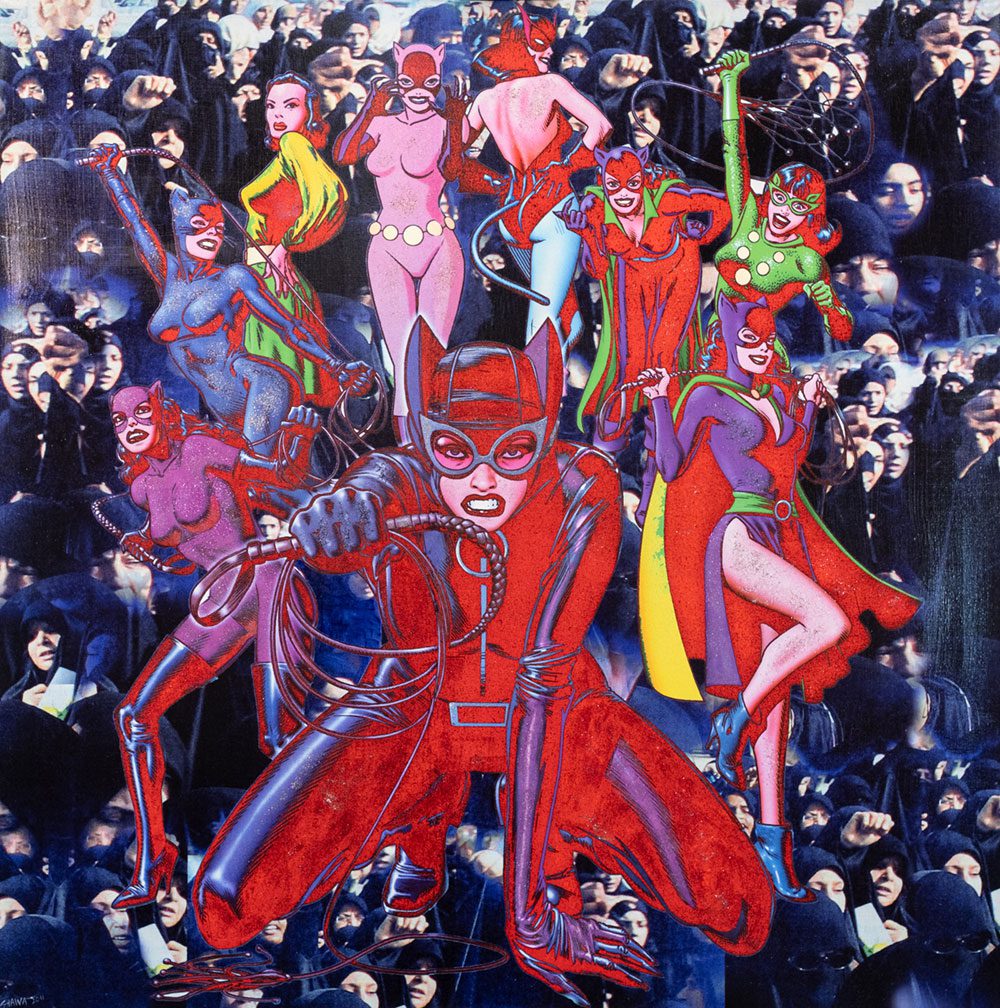
Photo: Laila Shawa, Can We?, 2011, giclee print and acrylic on canvas, 120,5 x 120,5 cm, © Laila Shawa Estate, Courtesy Laila Shawa Estate and Salzburger Kunstverein
Info: Curator: Jakub Gawkowski, Salzburger Kunstverein, Hellbrunner Straße 3, Salzburg, Austria, Duration: 25/7-14/9/2025, Days & Hours: Tue-Sun 11:00-19:00, https://salzburger-kunstverein.at/