ARCHITECTURE: Alvar Aalto-Aalto
Alvar Aalto (1898–1976), the celebrated Finnish architect, designer, and urban planner, stands as a towering figure in the history of modern architecture. Renowned for fusing romantic idealism with pragmatic functionality, Aalto’s work reflects a deeply humanistic vision. His approach to architecture—intuitive yet rational, expressive yet grounded—was characterized by an innovative use of form and materials, always in dialogue with the human experience.
By Dimitris Lempesis
Photo: Serralves Museum of Contemporary Art Archive

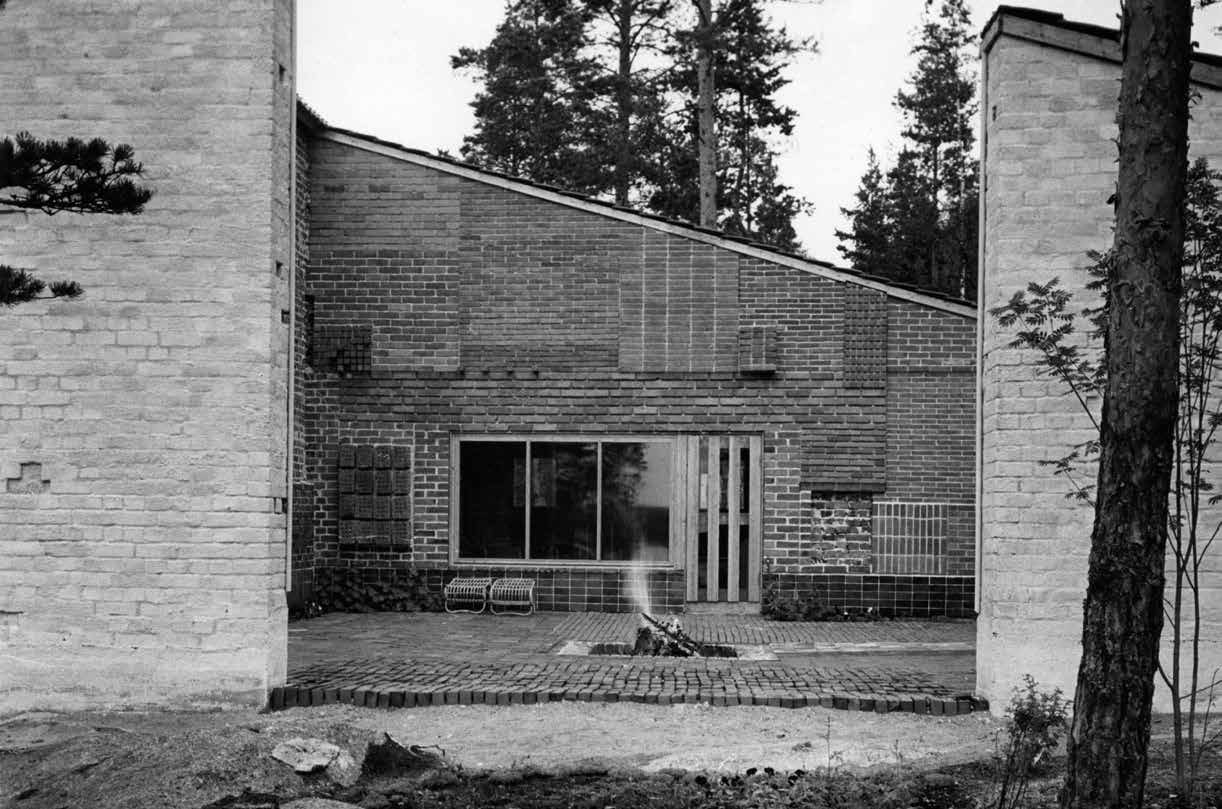
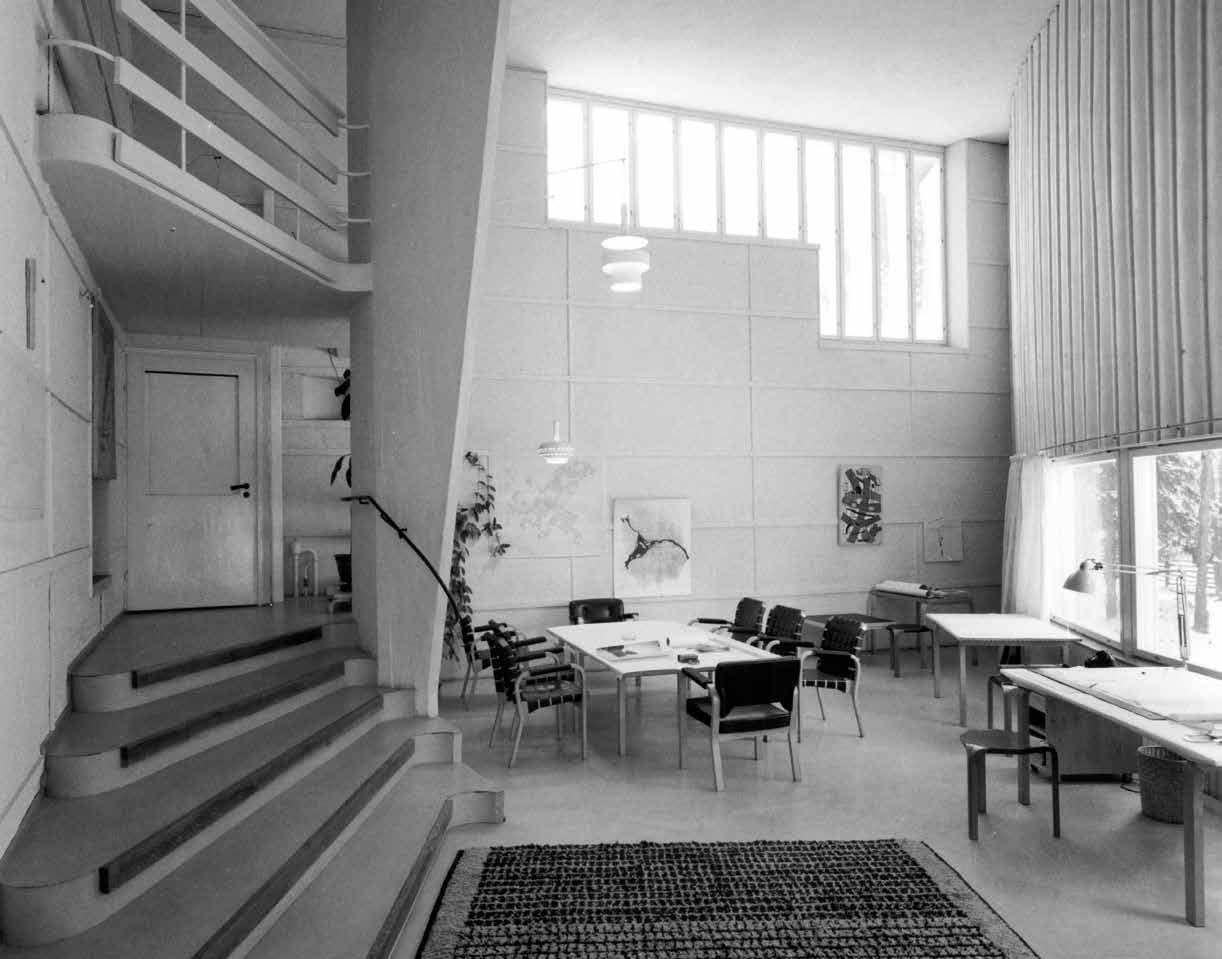
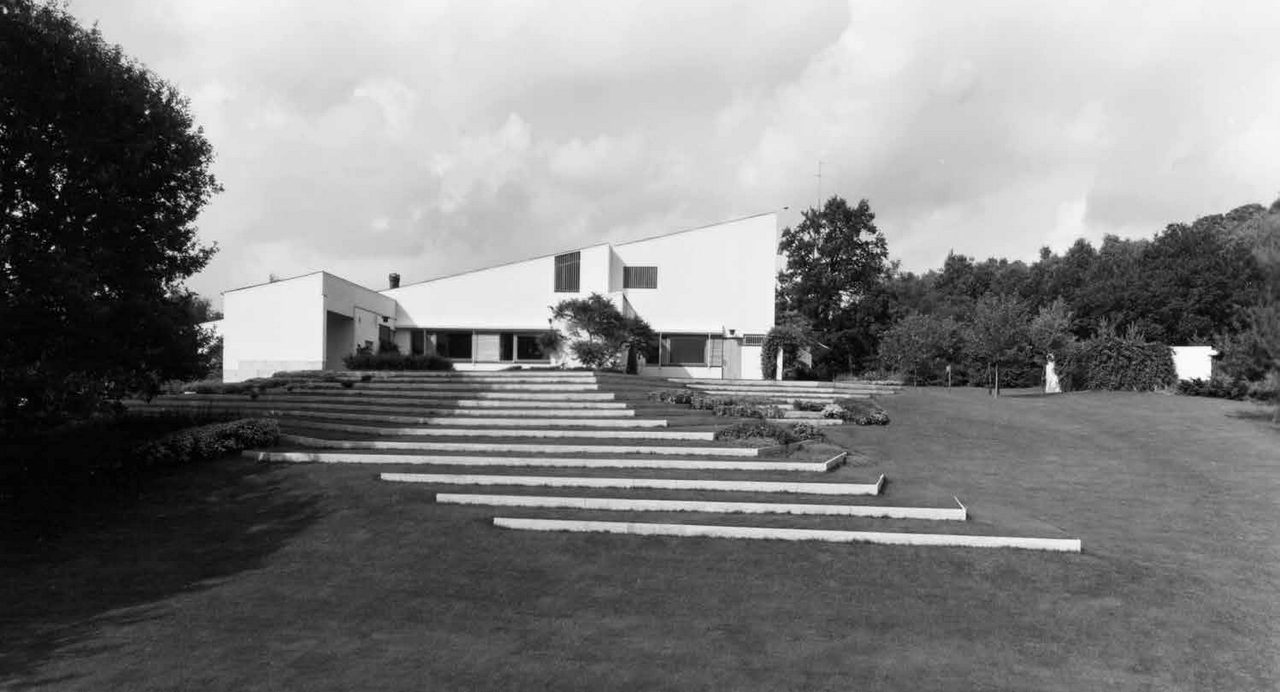
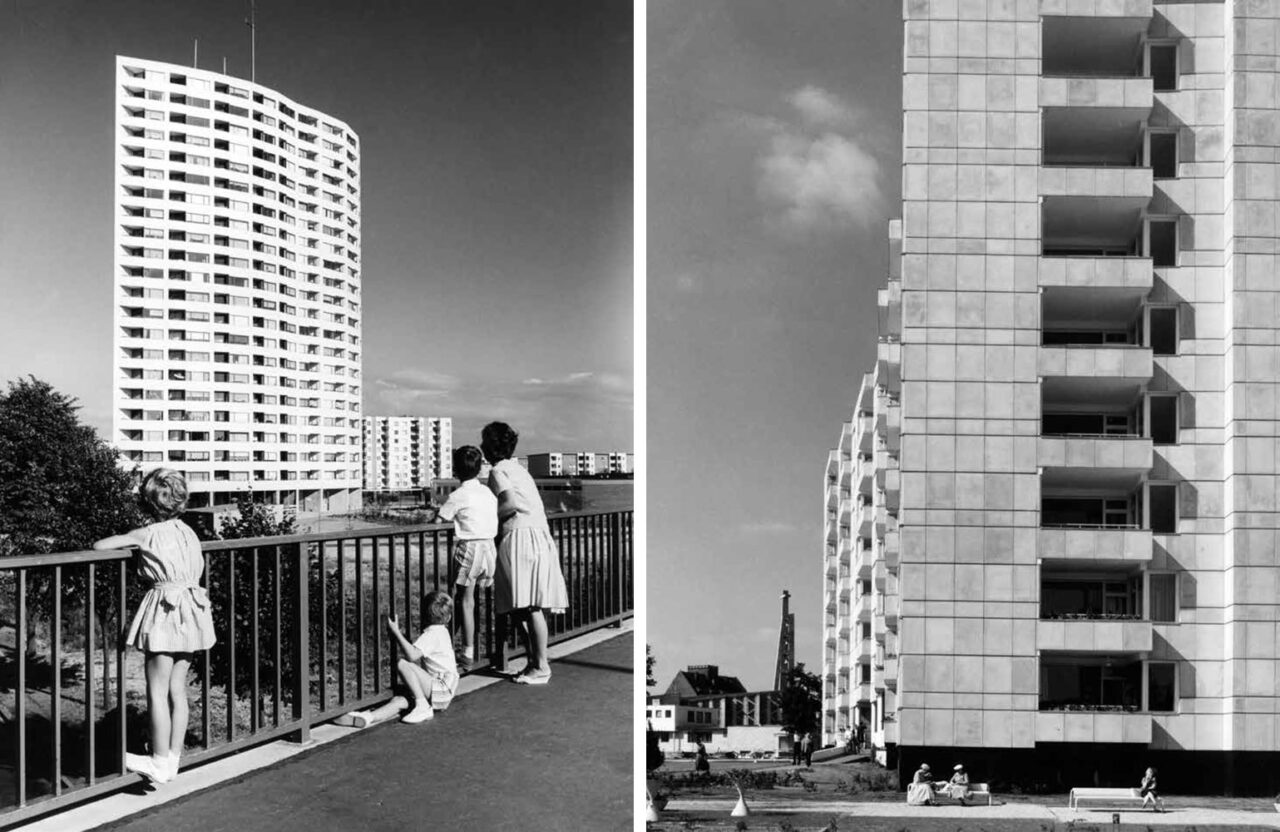
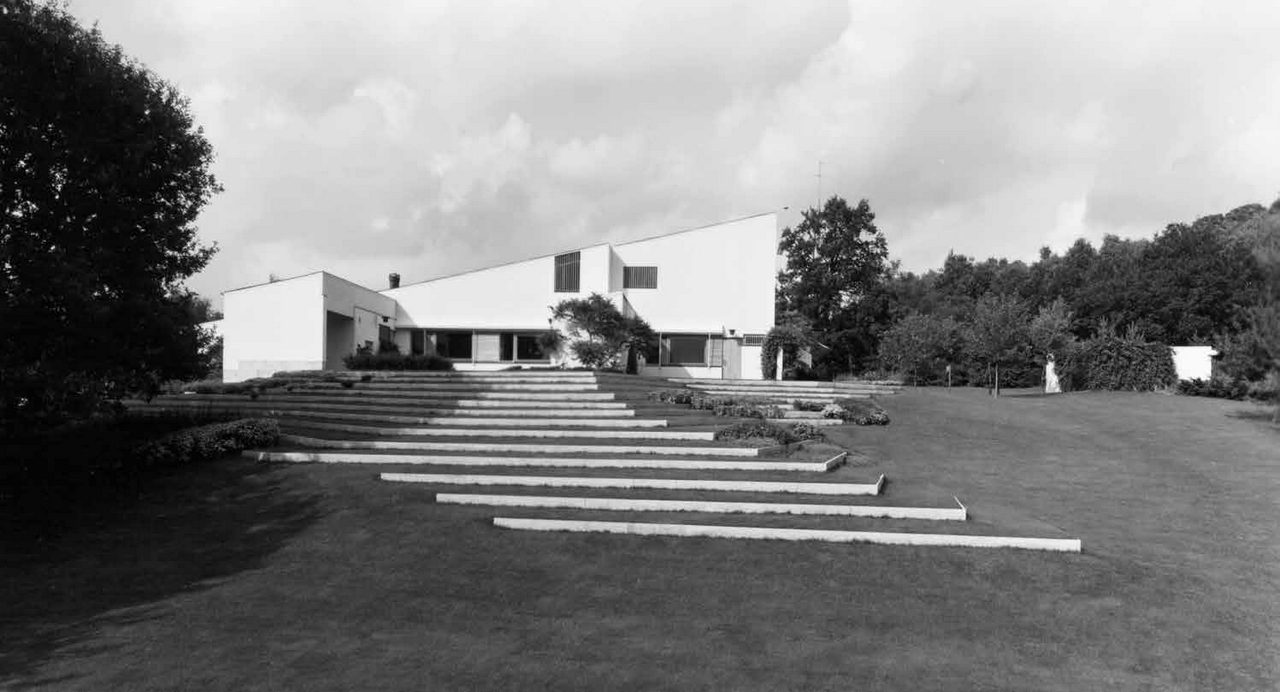
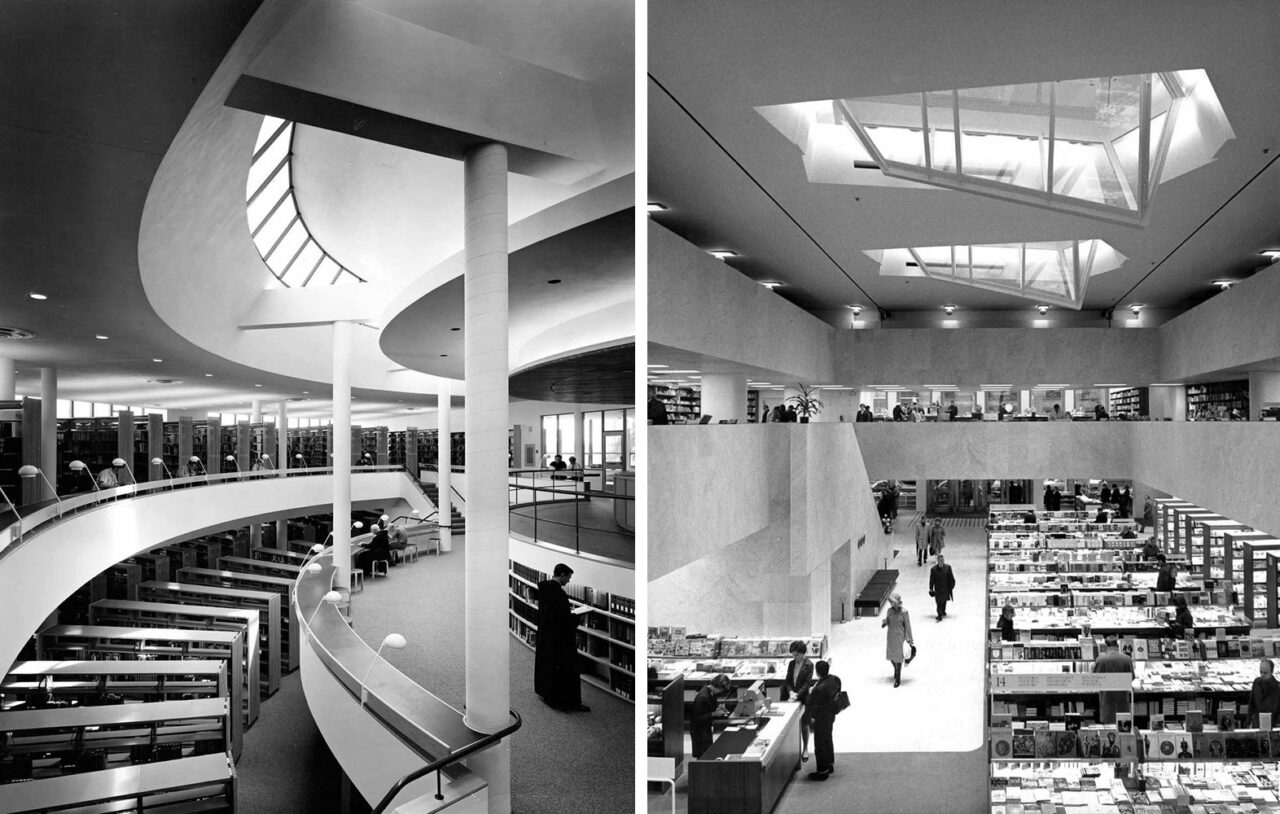
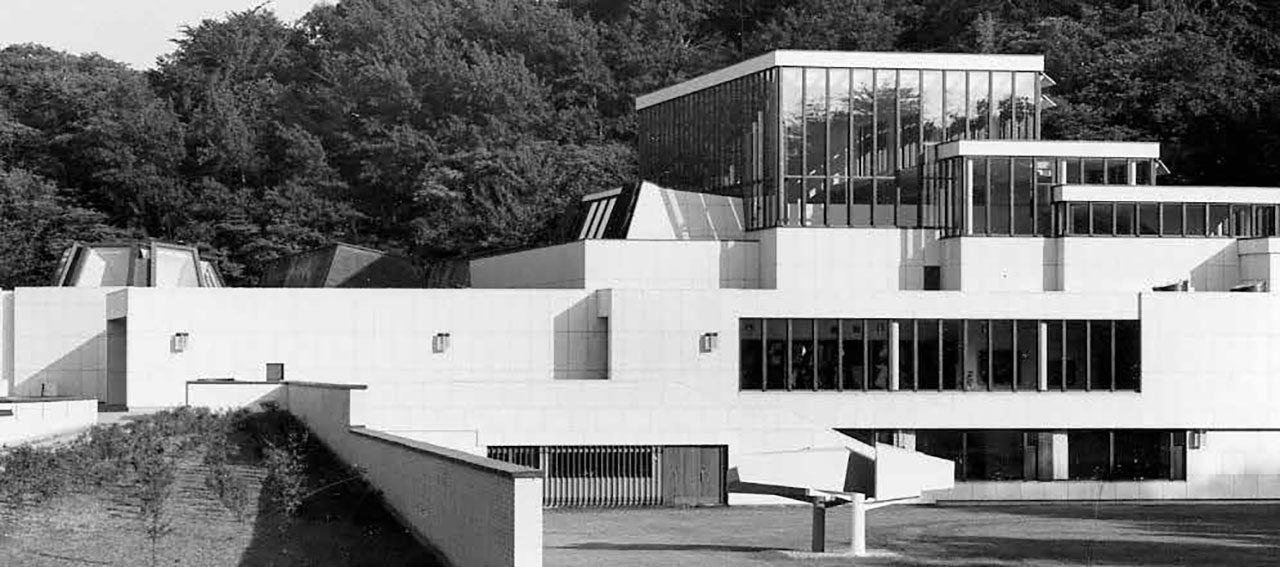
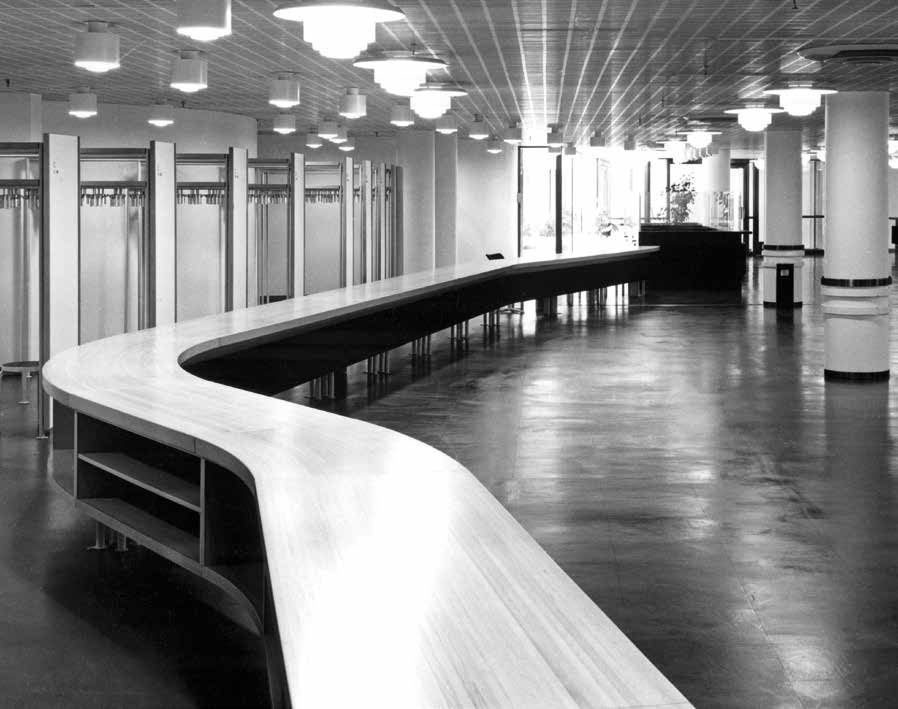
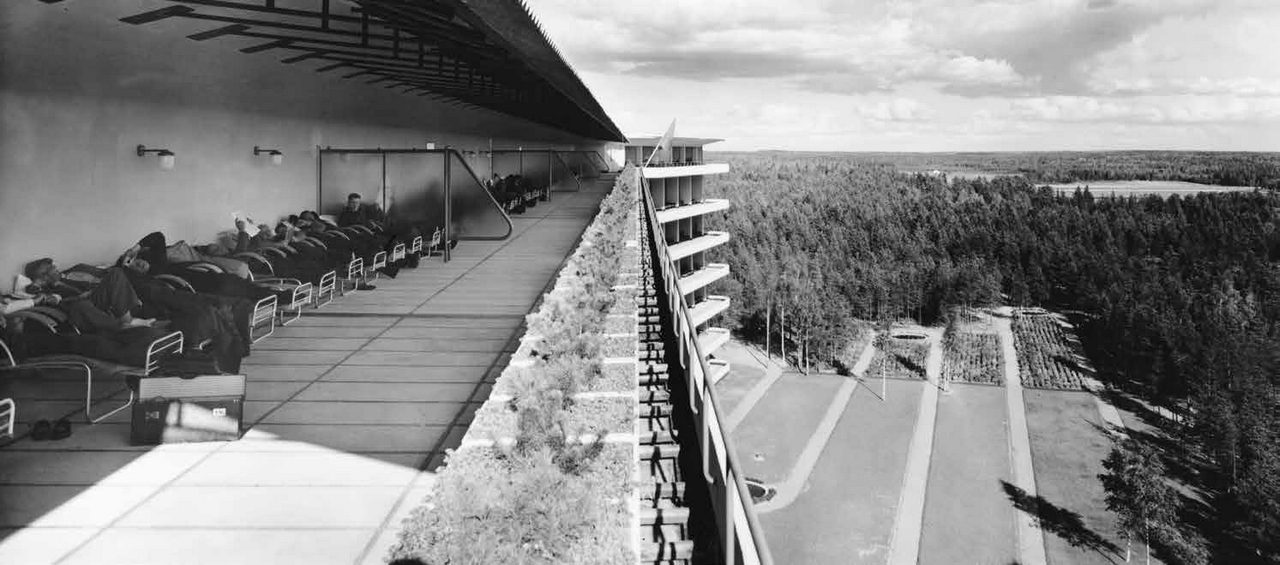
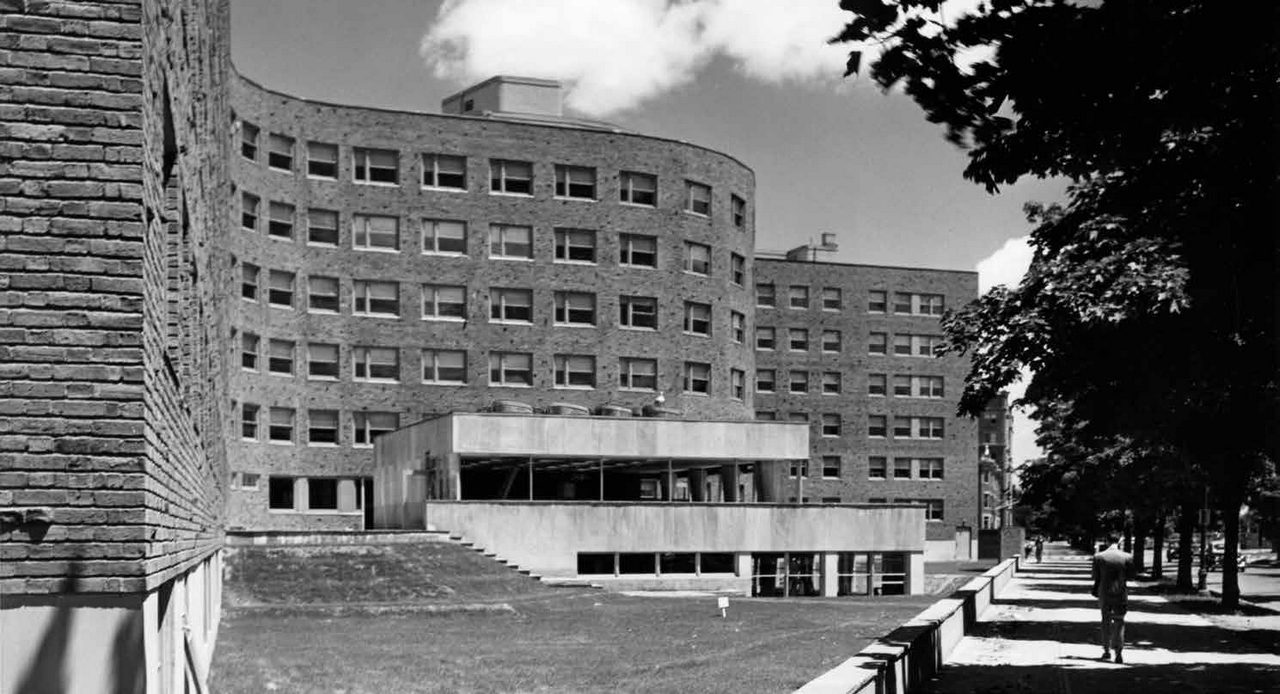
Influenced by the International Style, known in Finland as functionalism, Alvar Aalto developed close ties with prominent European modernists and members of the Bauhaus. Yet, his architecture transcended stylistic categories. Where others emphasized uniformity, Aalto embraced complexity and emotional resonance, creating buildings and objects that felt simultaneously modern and timeless. His designs shaped the trajectory of 20th-century modernism both before and after World War II. As we approach the 50th anniversary of Aalto’s death, the monographic exhibition “Aalto” offers a comprehensive tribute to his extensive body of work—developed in collaboration with his two wives and creative partners, Aino Aalto (1894–1949) and Elissa Aalto (1922–1994). Together, the Aalto family championed a human-centered approach to modern architecture, one deeply rooted in nature. Through thoughtful engagement with site, material, light, and form, they sought to create spaces of comfort, dignity, and harmony. Their vision extended beyond buildings into furniture and everyday objects, many of which were produced through their design company Artek, acquired by Vitra in 2013. Between the World Wars, Aalto and his partners helped shape the cultural identity of the young Finnish nation. Their travels—to Mediterranean courtyards, the International Congresses of Modern Architecture, and the World Expositions in Paris (1937) and New York (1939)—fed into a rich architectural vocabulary. Among their seminal works are the Viipuri Library (now in Russia), Villa Mairea in Finland, Baker House at MIT in the U.S., Maison Carré in France, the Kunsten Museum in Denmark, the Church of Riola in Italy, and the Essen Theatre in Germany. Aalto’s work was not just aesthetically groundbreaking—it was socially visionary. His Paimio Sanatorium, conceived during the rise of antibiotics, exemplifies his belief in architecture as a tool for healing. Designed with meticulous attention to sunlight, air circulation, acoustics, and ergonomics—including silent washbasins and color therapy—the building set a global standard for humane healthcare environments. It is the first of thirteen Aalto projects currently nominated for UNESCO World Heritage status. In recognition of his lasting influence, the Alvar Aalto Medal was established to honor outstanding contributions to architecture. Past recipients include such luminaries as James Stirling, Jørn Utzon, Tadao Ando, Álvaro Siza, and Paulo David. Siza, who received the medal in 1988, once recalled how discovering an architecture magazine featuring Aalto in the early 1950s marked the beginning of his own architectural journey. The exhibition opens with a symbolic gesture: visitors enter through a space that evokes Aalto’s own studio amphitheater, where the Aalto Medal is displayed as a focal point. This entrance subtly mimics the Experimental House in Muuratsalo, where Aalto famously imprinted his fingerprint on the perimeter—a poetic testament to his belief in the architect’s personal presence in their work. The chronological layout of the exhibition begins on the left with Aalto’s early works from the 1920s and concludes on the right with Elissa Aalto’s final contributions before her death in 1994. In total, 31 major projects are presented—one for each year since her passing—interwoven with contextual works that illuminate their broader significance. The exhibition is thematically framed around biblical references, drawing attention to Aalto’s impact on the spatial and symbolic language of Lutheran modernism, and his profound contribution to the architecture of spiritual life.
Photo: From the exhibition “Alvar Aalto-Aalto”, Serralves Museum of Contemporary Art-Porto, 2025, courtesy Serralves Museum of Contemporary Art
Info: Curator: António Choupina, Serralves Museum of Contemporary Art, Rua D. João de Castro, 210, Porto, Portugal, Duration: 17/7/2025-4/1/2026, Days & Hours : Mon-Fri 10:00-19:00, Sat-Sun 10:00-20:00, www.serralves.pt/en/