
PRESENTATION: KUB Project 2025
Kunsthaus Bregenz in a summer project presents a compelling artistic dialogue that transcends borders, generations, and perspectives. On display in the museum’s foyer is a curated selection of works by three distinctive artists whose practices explore themes of identity, embodiment, and cultural narrative. Featured works of Michael Armitage, Maria Lassnig and Chelenge Van Rampelberg.
By Efi Michalarou
Photo: Kunsthaus Bregenz Archive
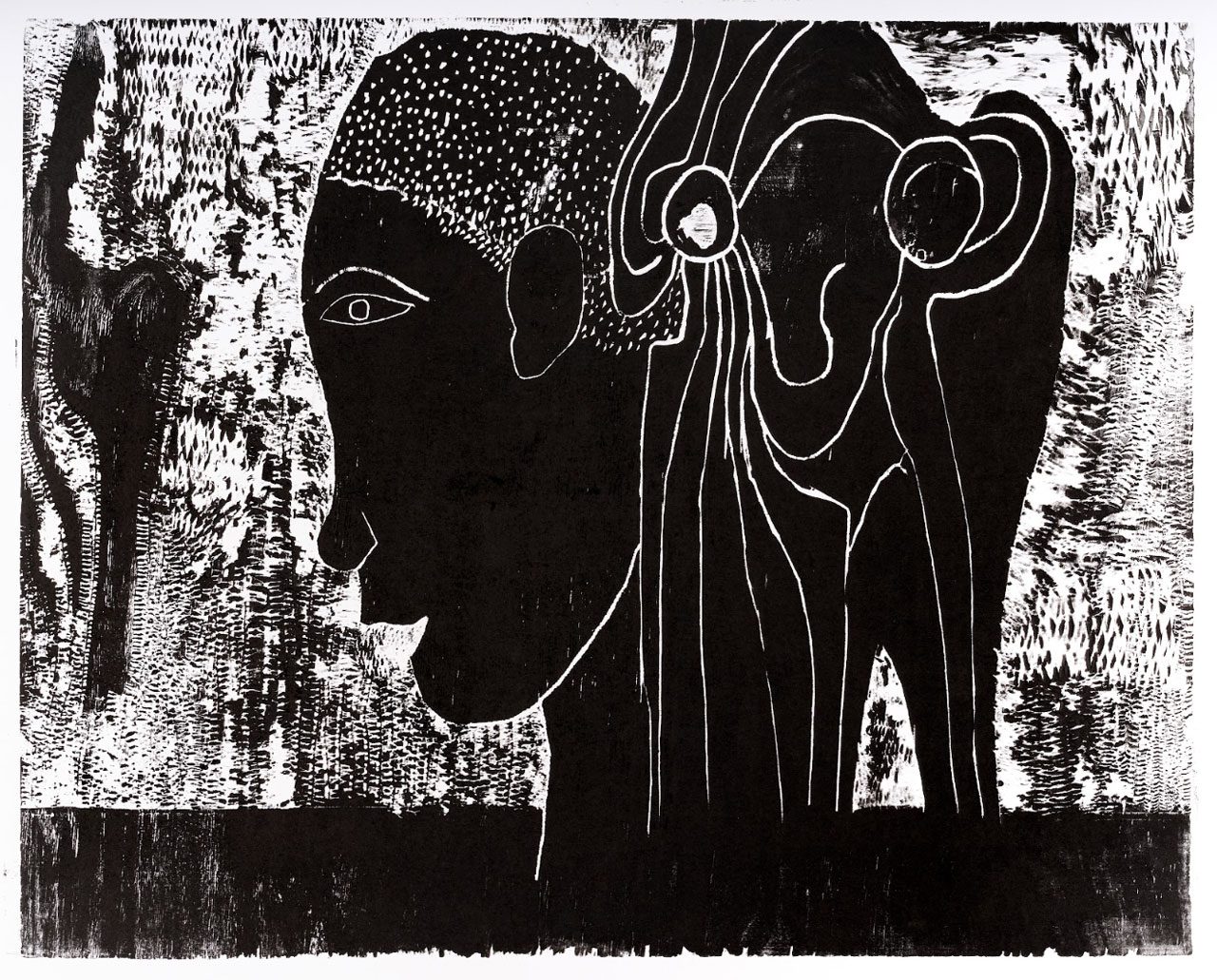
The British-Kenyan painter Michael Armitage is known for his richly layered canvases that merge contemporary East African narratives with the visual language of European art history. His paintings evoke a world where myth, politics, and personal memory coalesce in dreamlike scenes rendered with lush textures and sensitive brushwork. Alongside Armitage’s works are pieces by the late Austrian trailblazer Maria Lassnig, whose radical explorations of self-perception and “body awareness” made her one of the most influential artists of the 20th century. Through drawing, painting, and experimental film, Lassnig challenged traditional representations of the body, portraying it instead as a vessel of emotion and perception, intimately shaped by its environment and internal states. Completing this triadic dialogue is Chelenge Van Rampelberg, a pioneering sculptor and painter based in Kenya, and one of the foremost female voices in East African contemporary art. Her wood sculptures and prints—ranging from stylized human figures to symbolic depictions of nature—speak to the emotional and physical interconnectedness between people, animals, and the environment. Her work radiates both strength and vulnerability, with forms that seem to hover between pain and healing, isolation and connection. This exhibition grew out of conversations with Michael Armitage during the development of his 2023 solo show at Kunsthaus Bregenz. In those exchanges, Armitage reflected on the profound impact of both Lassnig and Van Rampelberg on his own artistic development. He has long regarded Lassnig as one of the greatest painters of all time and credits Van Rampelberg—his mentor, teacher, and friend—as a foundational influence. In the summer of 2025, these three distinct voices come together in a carefully curated selection of works, chosen by Armitage himself, to engage in a multi-layered, cross-cultural dialogue on presence, perception, and the poetics of the body.
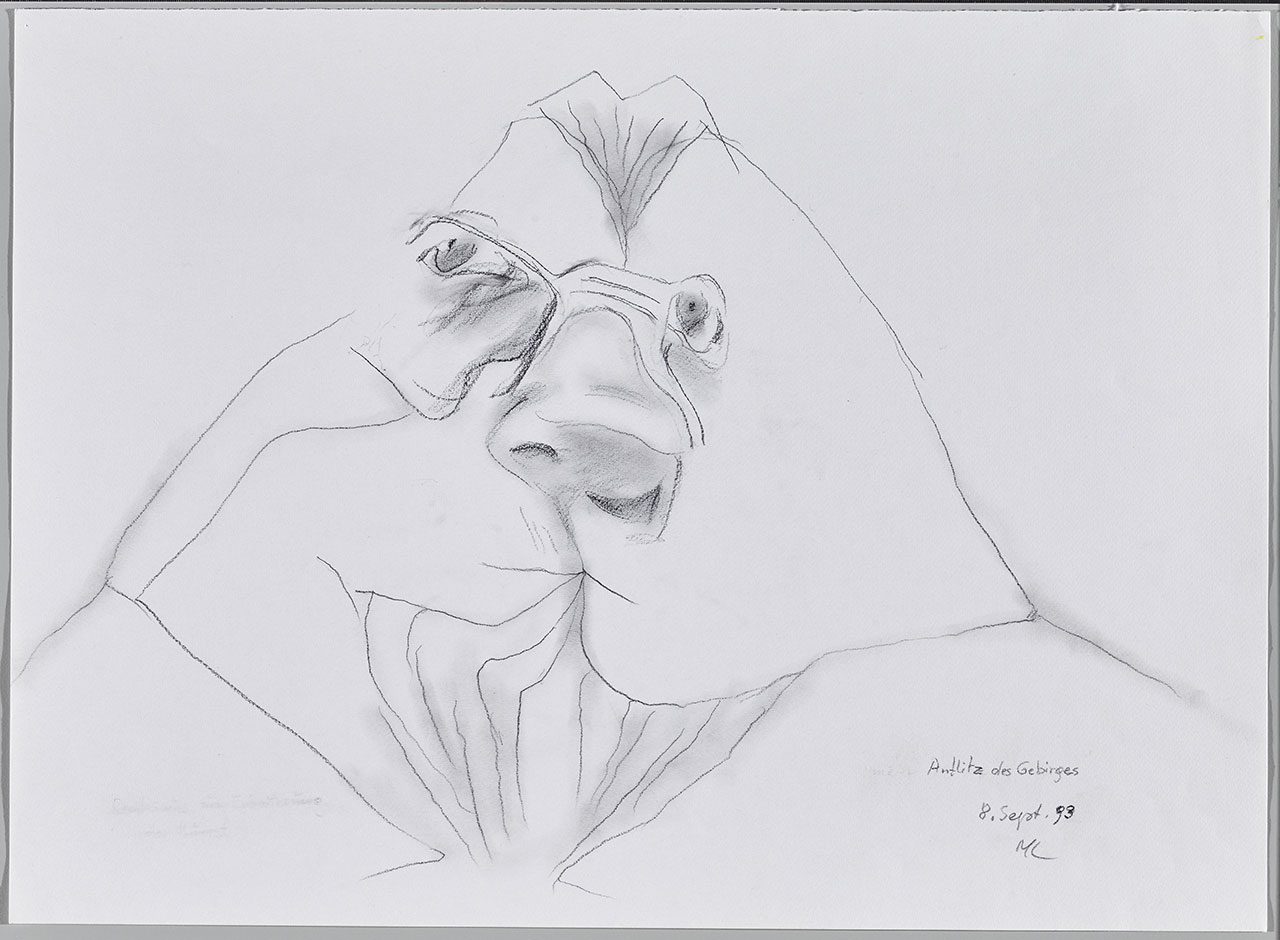
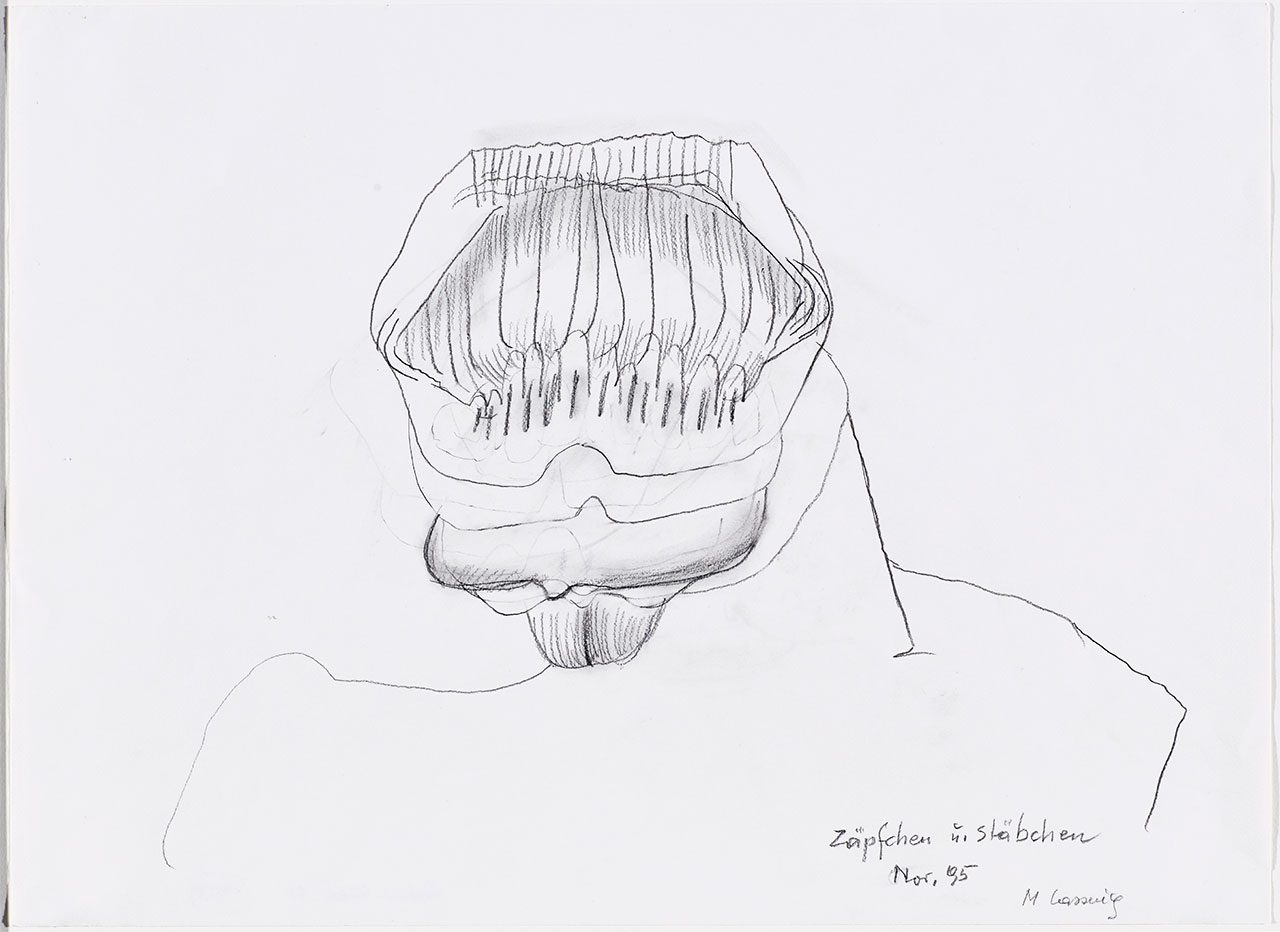
Van Rampelberg’s contribution includes woodcuts and carved sculptures—elongated female figures and expressive male heads with sharply stylized features. Works such as “Eve I” (1996), with the figure’s contemplative, tilted posture, radiate quiet dignity and introspection. Her woodcuts reveal a world of intimate relationships, marked by tenderness and attunement to the rhythms of nature. Through soft contours and subtle tension, they depict a state of existence suspended between fragility and resilience. Maria Lassnig’s drawings, like her paintings, turn inward. The body here is not simply a physical entity, but a site of emotional resonance—a place where the inner and outer worlds collide. In works such as “Einen Hund besitzen” (1976), part of the Kunsthaus Bregenz collection, Lassnig presents a figure holding a dog, confronting the viewer with an unflinching gaze. The dog—part companion, part alter ego—becomes a symbol of emotional interdependence and existential reflection. In contrast, Michael Armitage’s watercolors reveal a delicate interplay of political urgency and lyrical beauty. His sepia-toned washes and translucent layers conjure fleeting moments imbued with tenderness, often directed toward animals and human vulnerability. In “Mydas” (2019), Armitage reimagines the myth of King Midas, exploring themes of greed, loss, and maternal care. A naked man stands over a mother and child cloaked in gold, observed by a watchful hyena that seems to emerge from another dimension—myth and reality intertwined. What unites these three artists is a shared commitment to depicting the human experience in all its complexity—its corporeality, its emotional depth, and its embeddedness in larger social and natural systems. At Kunsthaus Bregenz, their distinct perspectives converge to form a rich, nuanced conversation about what it means to be human—across time, place, and artistic tradition.
Photo: Maria Lassnig, Antlitz des Gebirges (Visage of the Mountain), Sept 8, 1993, Photo: Roland Krauss, © Maria Lassnig Foundation / Bildrecht, Vienna 2025, Courtesy Kunsthaus Bregenz
Info: Kunsthaus Bregenz, Karl-Tizian-Platz, Bregenz, Austria, Duration: 12/7-28/9/2025, Days & Hours: Mon-Wed & Fri-Sun 10:00-18:00, Thu 10:00-20:00, hwww.kunsthaus-bregenz.at/
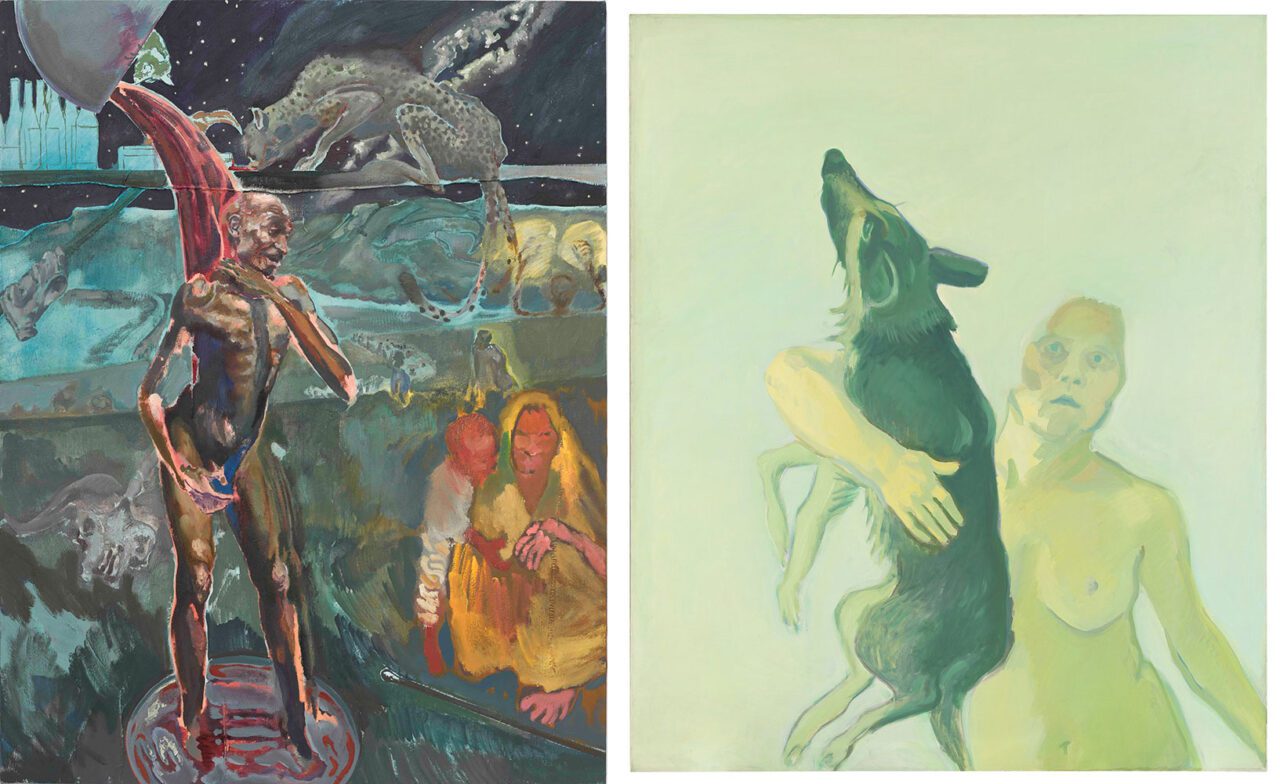
Right: Maria Lassnig, Einen Hund besitzen, 1976, Photo: Günter König, © Maria Lassnig Foundation / Bildrecht, Vienna 2025, Courtesy Kunsthaus Bregenz
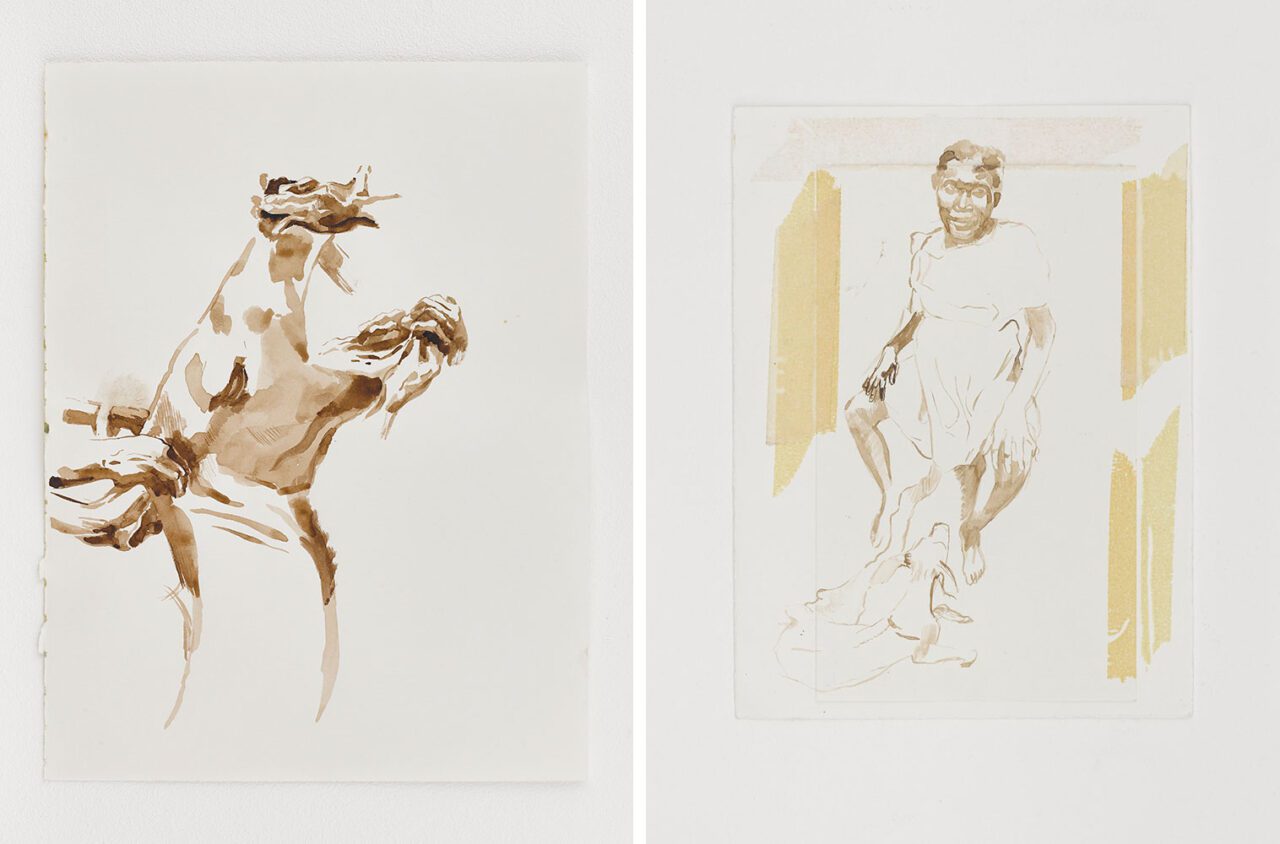
Right: Michael Armitage, Untitled, 2017, Drawing, Photo: Theo Christelis, © Michael Armitage, White Cube, Courtesy of the artist and Kunsthaus Bregenz
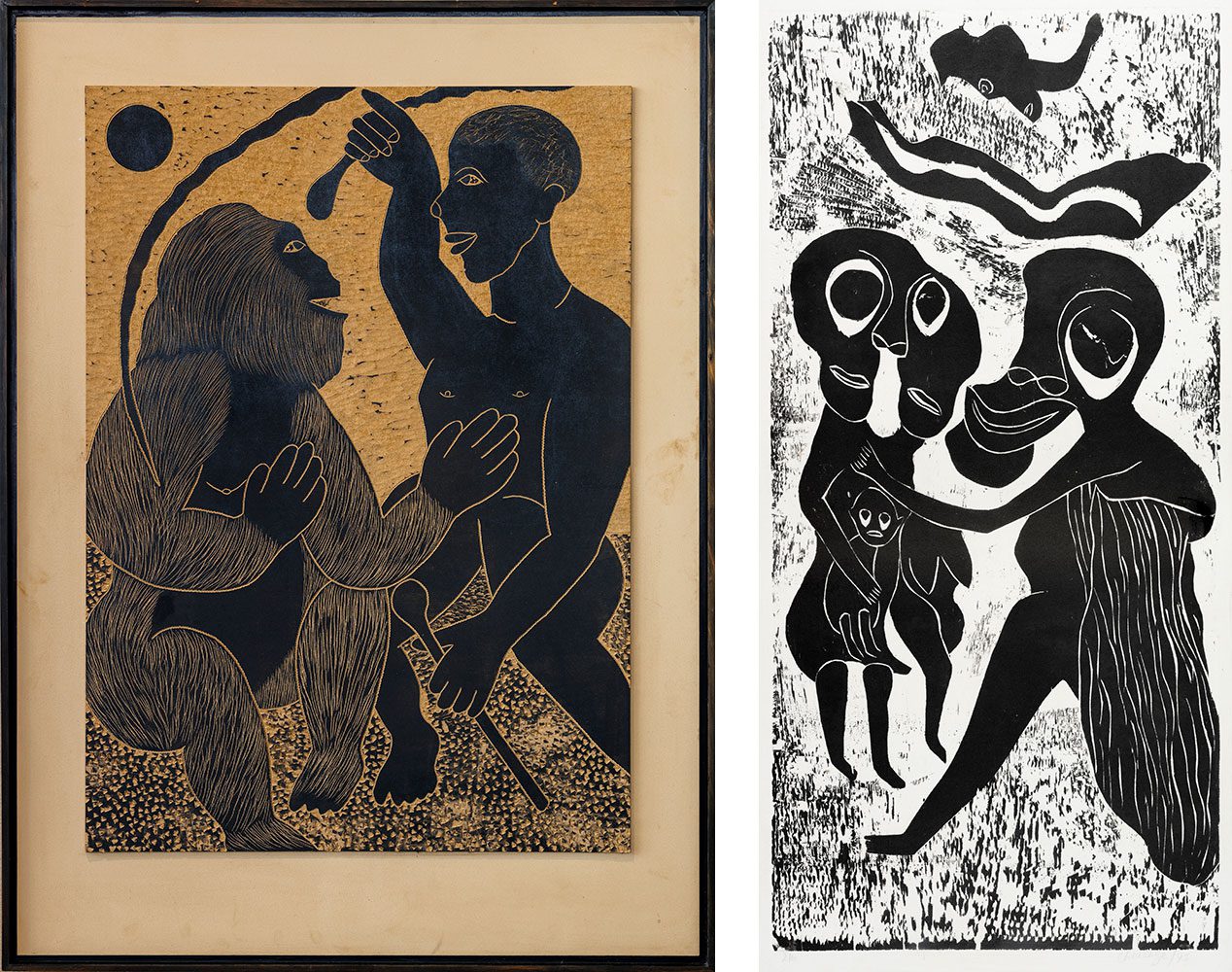
Right: Chelenge Van Rampelberg, Loving Them The Way They Are, 1995, © Chelenge van Rampelberg, Nairobi Contemporary Art Institute, Courtesy of the artist, Nairobi Contemporary Art Institute