PRESENTATION: Alien Shores
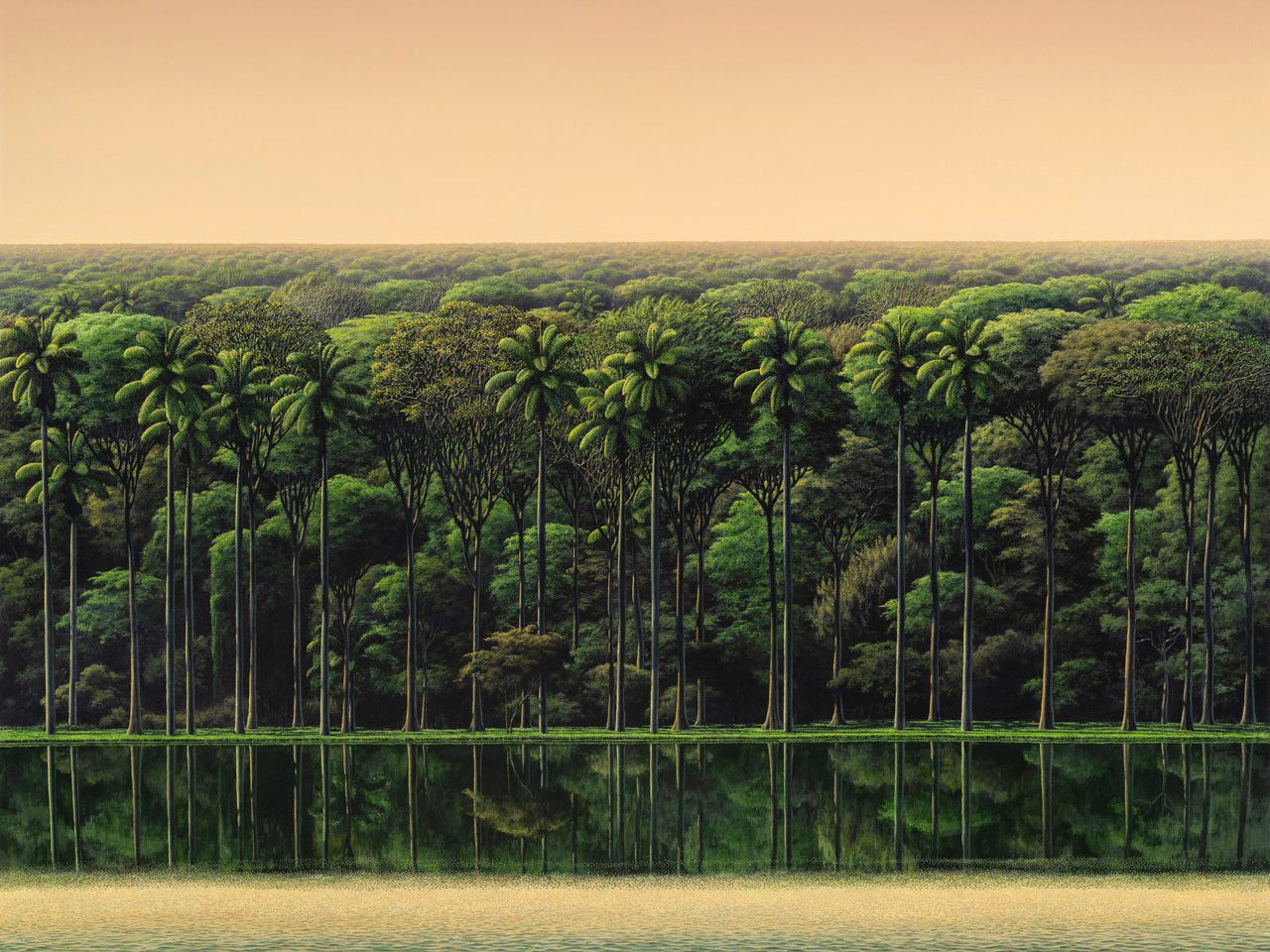
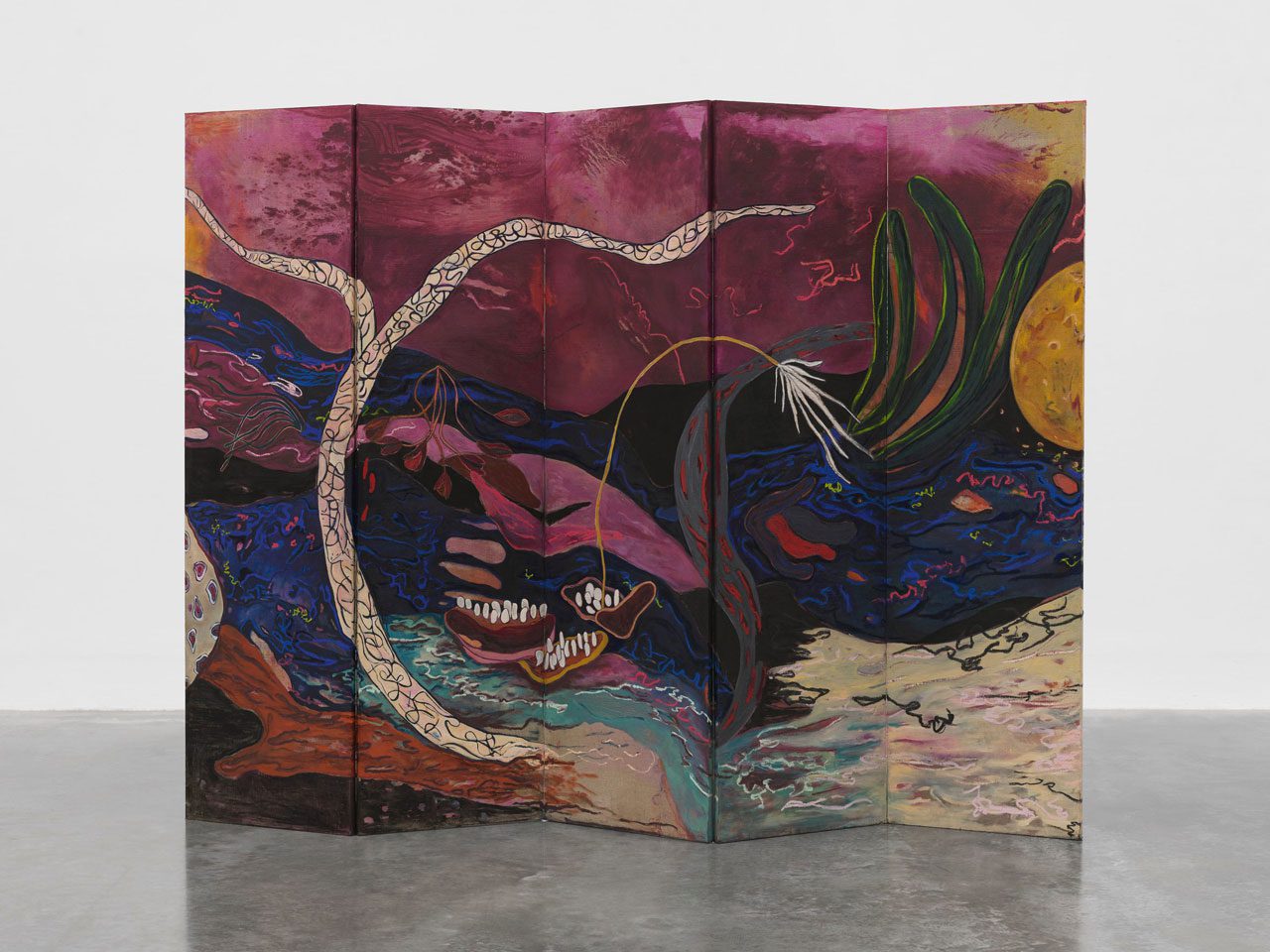
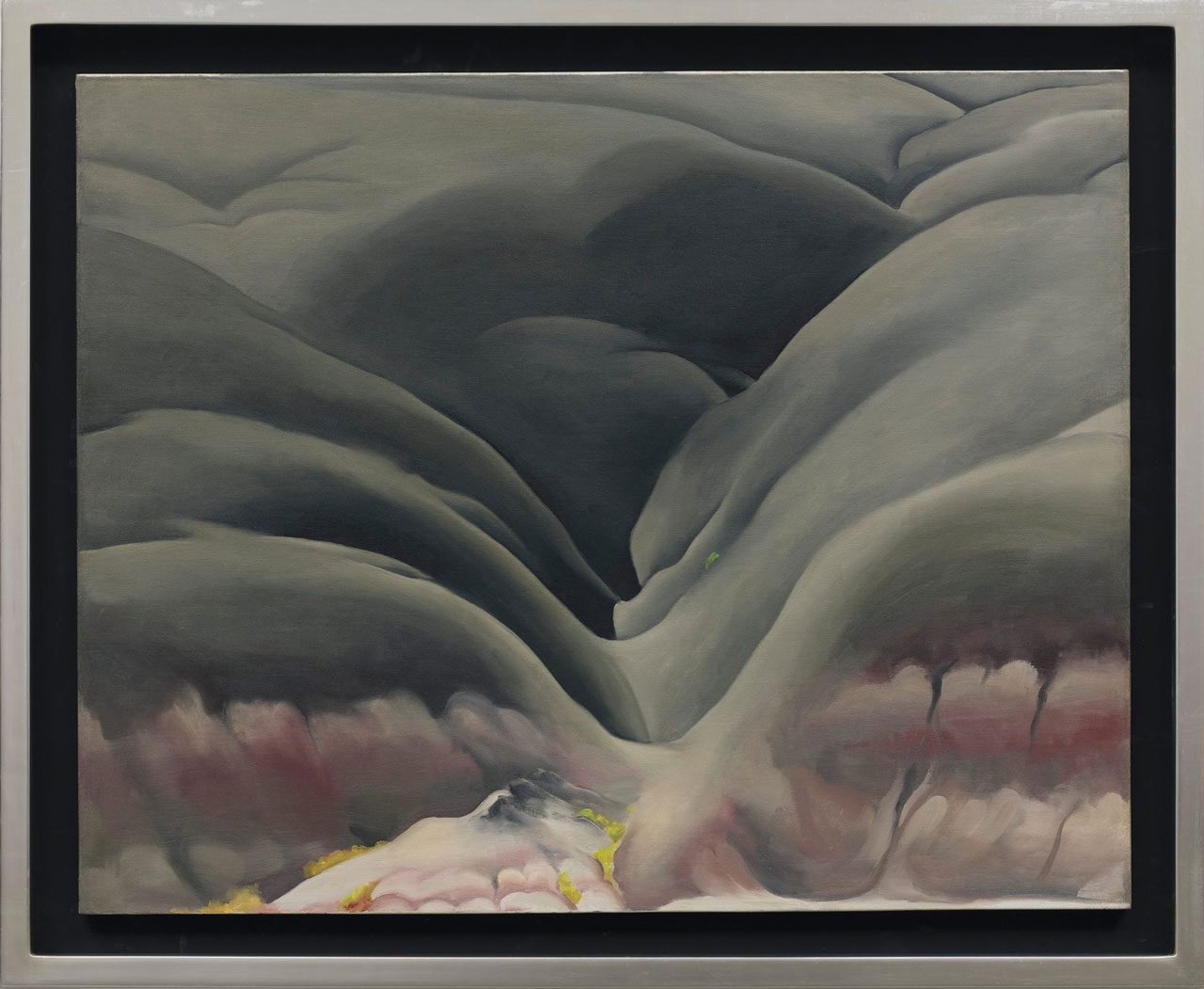
The Group exhibition “Alien Shores” explores landscapes as sites of memory, imagination, and belonging. Through painting, video, photography, and sculpture, the artists present surreal, symbolic, and speculative visions—emotional terrains shaped by time, culture, and technology. These dreamlike worlds blur past and future, where rock flows like water, forests glow unnaturally, and familiar forms dissolve into abstraction, revealing landscapes not of this place or time.
By Efi Michalarou
Photo: White Cube Gallery Archive
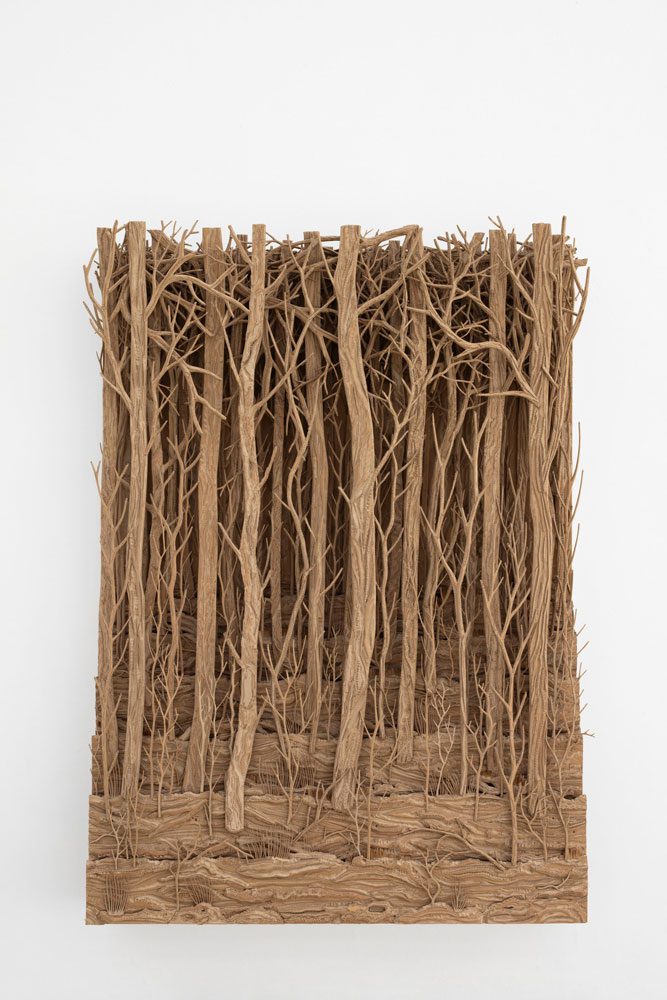
The exhibition’s title draws from the Latin poet Petronius, who urges: “Seek out alien shores… he who disembarks on distant sands becomes thereby the greater man.” In imagining unfamiliar terrains, the artists of Alien Shores grapple with our fractured relationship to nature, seeking new ways to locate ourselves—within memory, within culture, and perhaps, once more, within the land itself. Every landscape is a mirror—reflecting the beliefs, values, and worldviews of the culture that produced it. The cultivated opulence of Roman frescoes speaks to imperial control and luxury; the 17th-century Dutch painters of the Golden Age, in naming the genre landschap, redirected focus from religious themes to depictions of a managed, secular world aligned with Protestant ethics. Romantic artists later infused nature with the sublime, resisting Enlightenment rationalism, while in 19th-century America, vast and awe-struck vistas became emblems of Manifest Destiny and an emergent national identity. In the Western art hierarchy, landscape long occupied a low rank—until the 19th century—whereas in China, shan shui hua (“mountain-water painting”) held enduring prestige for over a thousand years. More than a representation of nature, these ink-based works expressed spiritual and philosophical ideals, such as harmony, permanence, and the virtues of good governance or personal cultivation. The artists of Alien Shores engage with these layered histories and cultural traditions, often obliquely—positioned at a generational and stylistic distance from nature, yet tangled in its legacy. To survey landscape today is to sense a rupture. As urbanised, digitised beings facing ecological collapse, our connection to the natural world has frayed, replaced by estrangement, longing, and unease. Philosopher Augustin Berque attributes this fracture to the emergence of “landscape thinking”—a pivotal shift in perception when nature ceased to be a lived environment and became instead an object of representation. Landscape, in this sense, is not the world itself, but the world filtered through human consciousness—shaped by ideology, memory, and culture. In an era of simulation and hyperreality, mediated images of nature replace lived experience. The wild becomes backdrop: aestheticised, commodified, distanced. “Alien Shores” reflects this alienation through formal and conceptual strategies that make nature strange—abstracted, symbolic, or technologically refracted. Yet, alongside this estrangement flows a persistent undercurrent: a longing for reconnection. In these works there is not only critique, but also wonder—an unsimulated joy in nature’s presence, however fleeting or fragile. This tension—between distance and desire—reveals that our detachment is both recent and incomplete. For most of human history, the land was not separate but integral to daily life. The notion of separateness—from place, from ecology, from the more-than-human world—is a modern construction. And for many, especially across the Global South, it remains a false one. Landscape, historically complicit in justifying colonial occupation—as W.J.T. Mitchell critiques it, the “dreamwork of imperialism”—is being reimagined. In a world marked by displacement, migration, and dislocation, belonging often emerges not from geography, but from continuity with cultural traditions, ancestral memory, and felt relationships with nature. In this light, landscape becomes more than scenery—it is a symbolic and emotional terrain through which identity, memory, and longing are navigated. Though no human figures appear in these works, our presence is palpable. These alien shores are haunted by our absence and shaped by our histories.
Works by: Etel Adnan, Alia Ahmad, Darren Almond, Harold Ancart, Michael Armitage, Milton Avery, Sholto Blissett, Glenn Brown, Lynne Drexler, Pranay Dutta, Fernanda Galvão, Noémie Goudal, David Hockney, Sky Hopinka, Shara Hughes, Marguerite Humeau, Hung Fai, Eva Jospin, Anselm Kiefer, Richard Mayhew, Ken Gun Min, Joan Nelson, Isamu Noguchi, Minoru Nomata, Georgia O’Keeffe, Bagus Pandega and Kei Imazu, Emilio Perez, Marina Rheingantz, Cinga Samson, Tomás Sánchez, Emma Webster, Takako Yamaguchi, Alyina Zaidi and Robert Zehnder.
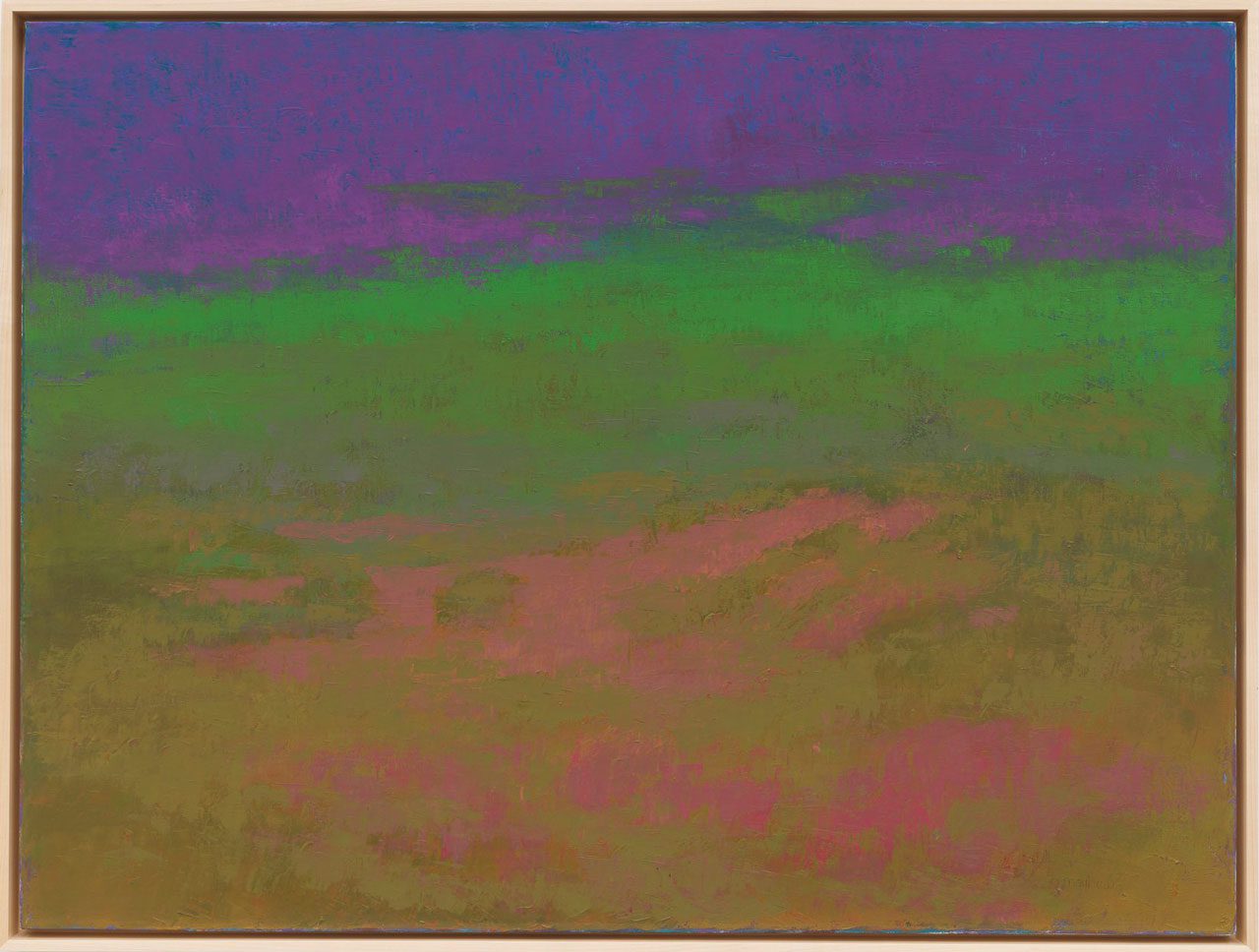
Photo: Richard Mayhew, Untitled, c.2000, Oil on canvas, 76.2 x 101.6 cm | 30 x 40 in., 80 x 105.4 x 5.9 cm | 31 1/2 x 41 1/2 x 2 5/16 in. (framed), © Richard Mayhew, Courtesy the artist and White Cube
Info: Curator: Sussana Greeves, White Cube Gallery, 144 – 152 Bermondsey Street, London, United kingdom, Duration: 9/7-7/9/2025, Days & Hours: Tue-Sat 10:00-18:00, Sun 12:00-16:00, www.whitecube.com/
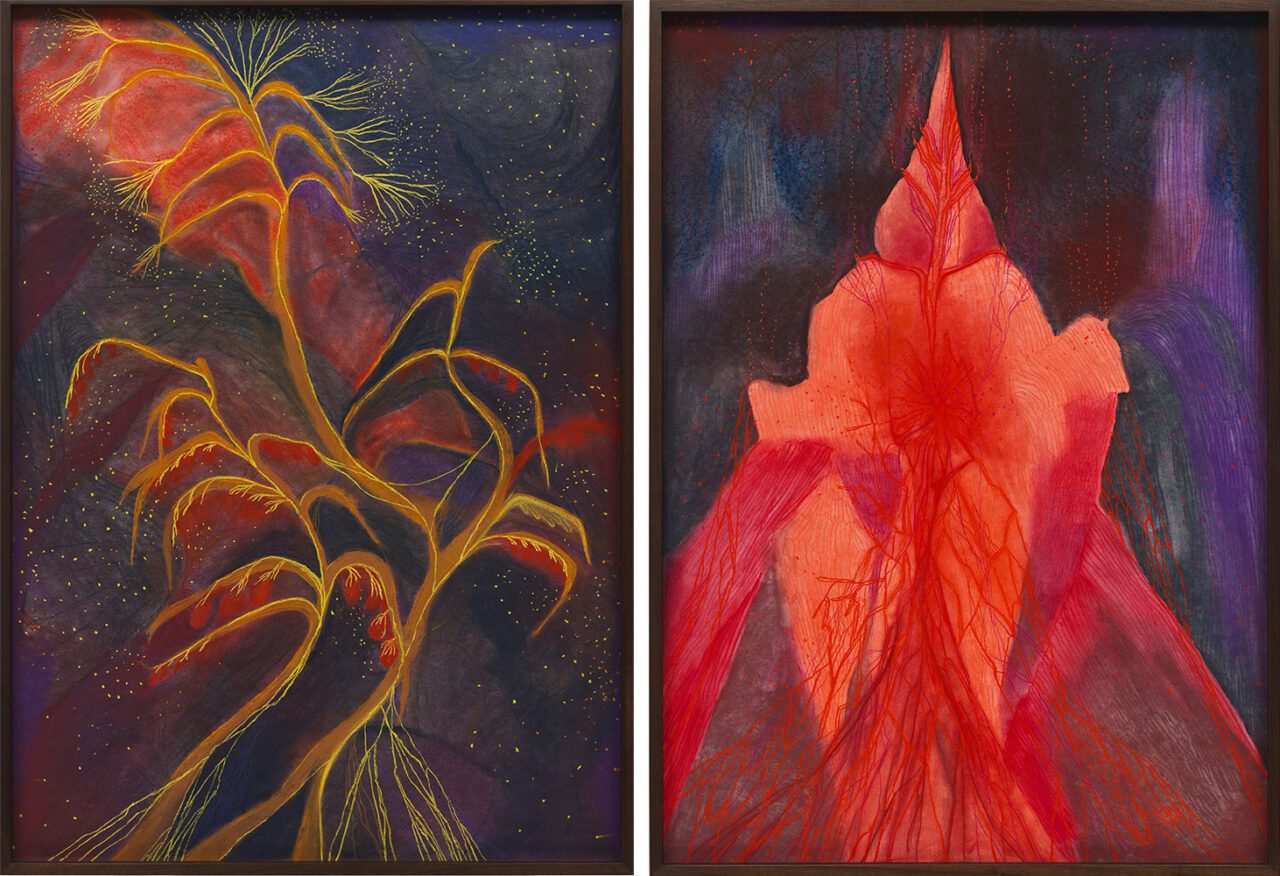
Right: Marguerite Humeau, At the Conciliabule of Breathing Mounds VI, 2025, Pigment and charcoal on paper, 140 x 100 cm | 55 1/8 x 39 3/8 in., 142.5 x 102.6 x 6 cm | 56 1/8 x 40 3/8 x 2 3/8 in. (framed), © Marguerite Humeau, Courtesy the artist and White Cube
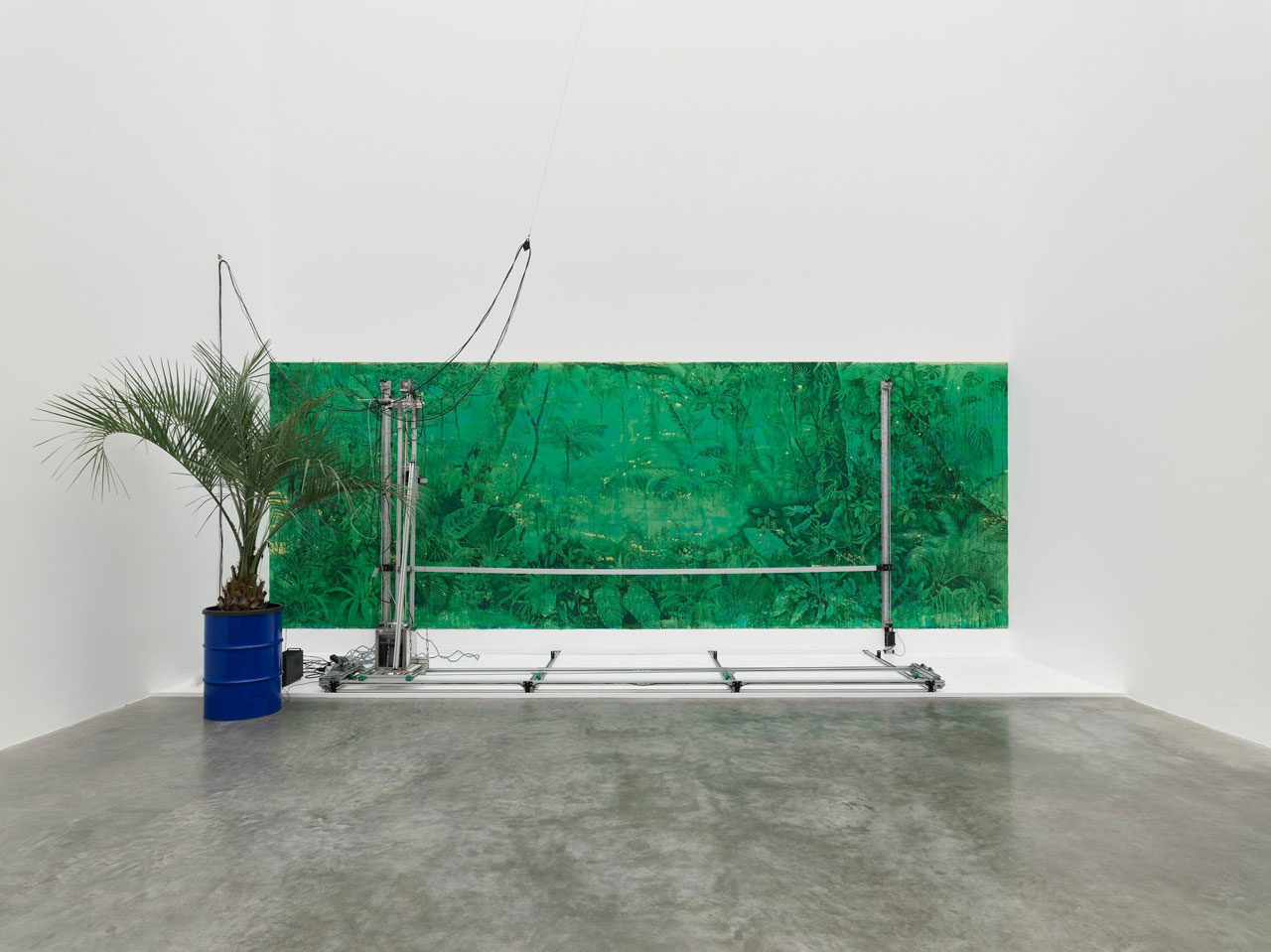
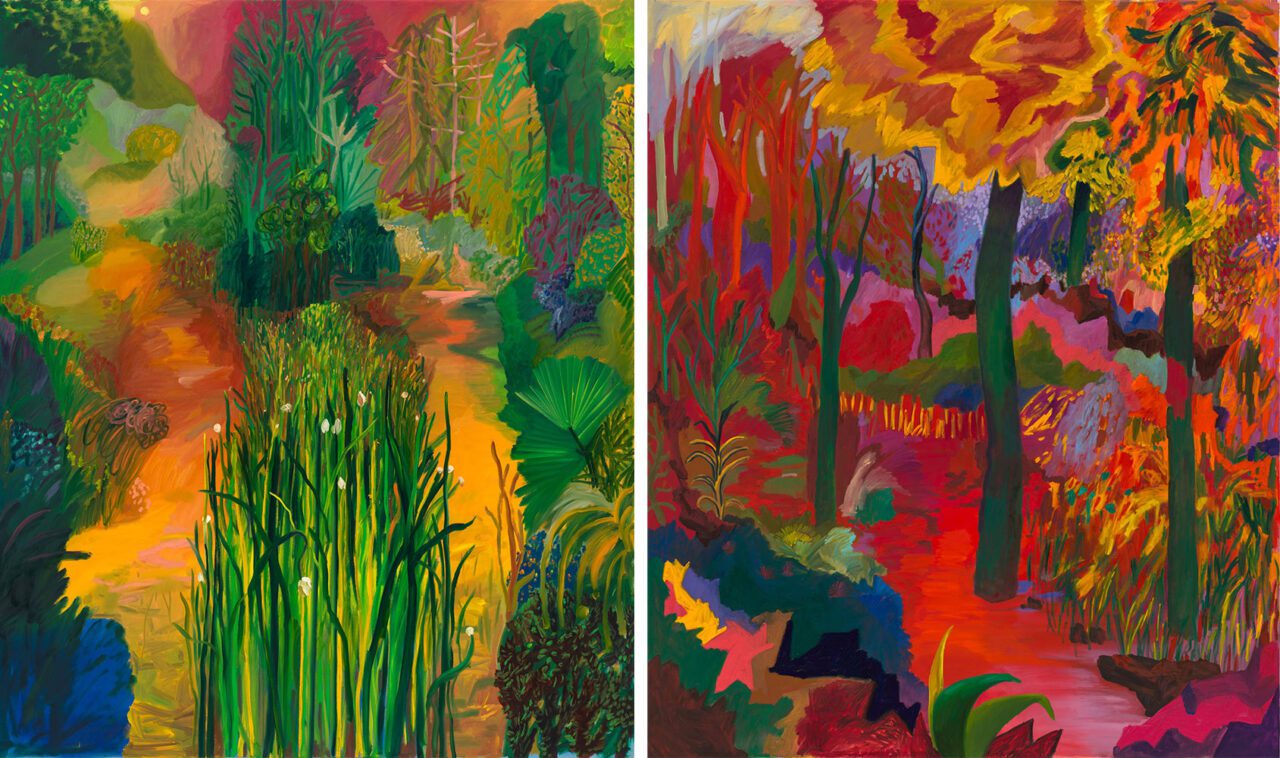
Right: Shara Hughes, Anticipating the Aisle, 2024, Oil and acrylic on canvas, 217 x 183 cm | 85 7/16 x 72 1/16 in., © Shara Hughes, Courtesy the artist and White Cube