
PRESENTATION: Vartan Avakian-A Curse That Turns Gold Into Ladybugs
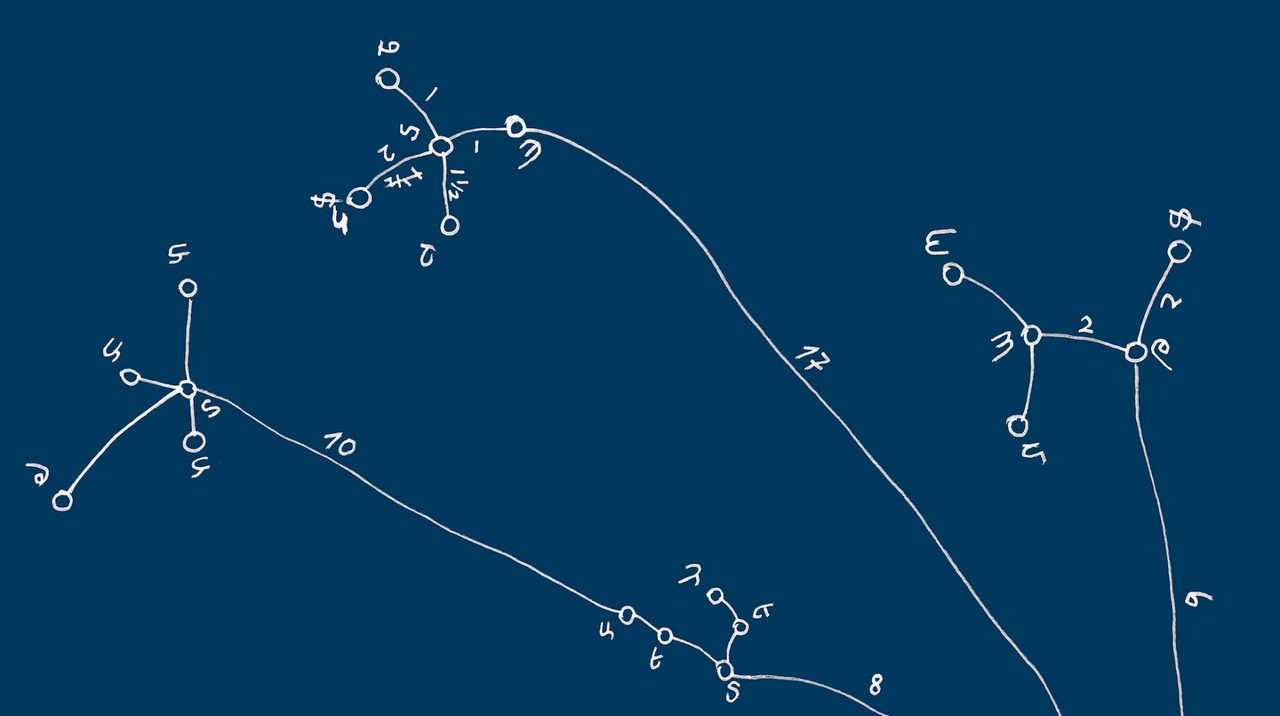
Vartan Avakian’s work is based on the idea that all data exist in sculptural form and only appear as “fossils.” Consequently, memory too is seen as an activity of excavating and deciphering data from traces and remains. In order to explore practices of cultural production and commemoration, the artist employs different media such as video, installation, sculpture, and photography.
By Dimitris Lempesis
Photo: Marfa Projects Archive
Vartan Avakian’s solo exhibition “A Curse that Turns Gold into Ladybugs” delves into the world of rumors, conspiracies, and the fetishization of Armenian wealth in Turkey. It explores the practice of treasure hunting, focusing on cryptic maps, medieval spells, and the myth of buried Armenian gold. This myth possesses treasure hunters, conspiracy theorists, and pseudo-historians, and infiltrates broader political discourses, revealing how the legacy of dispossession remains deeply inscribed in the Turkish popular psyche. Treasure maps lie at the center of this obsession. Every “X” marks not just a possible fortune, but something far more sinister, rendering it a document of desire, despair, and of continual denial. More than a century after the Armenian Genocide, the promise of gold, guarded by spells, curses, and the ghosts of Armenians, continues to haunt the Turkish national imagination. In Turkey, treasure hunting offers the dream of escape from poverty. While some seekers focus on Urartian relics or Persian coins, most are driven by a long-standing myth: that Armenians fleeing genocide in 1915 buried their valuables, hoping to one day return. When the Ottoman Empire entered World War I, it was already in decline. Military losses and rising nationalist movements fueled paranoia within the government, which blamed Christian minorities—particularly Armenians—for its failures. What followed was a state-orchestrated campaign of mass killings, deportations, and forced assimilation. By war’s end, nearly all of the empire’s two million Armenians had been killed or displaced. Stereotypes of Armenians as wealthy hoarders fed the belief that treasure lay hidden in abandoned homes, churches, and cemeteries. Though historians debate how much was actually buried, most agree that any valuables left behind were likely found soon after the genocide. Still, the myth persists. Today, treasure hunting has become a widespread industry, often targeting Armenian heritage sites. These digs are not only illegal—they are destroying centuries-old cultural landmarks. As relics vanish into private hands, what remains of a lost people’s history is quietly being erased.
Photo: Vartan Avakian, A Curse That Turns Gold Into Ladybugs, © Vartan Avakian, Courtesy the artist and Marfa’ Projects, Beirut
Info: Marfa Projects, Beirut, Lebanon, Duration: 10/7/2025- , Days & Hours: Mon-Fri 11:00-18:00, Sat 12:00-17:00, www.marfaprojects.com/
Vartan Avakian, A Curse That Turns Gold Into Ladybugs, © Vartan Avakian, Courtesy the artist and Marfa Projects, Beirut