PRESENTATION: Peter Fischli-People Planet Profit
One of the most significant artists of his generation, Peter Fischli is known for his four-decades-long collaboration with the late David Weiss as the groundbreaking conceptual duo Fischli/Weiss. Today, Fischli’s solo practice continues his longstanding critical engagement with the aesthetics of the everyday and systems of meaning, through works that playfully upend the distinctions between art and life.
By Efi Michalarou
Photo: LUMA Arles Archive
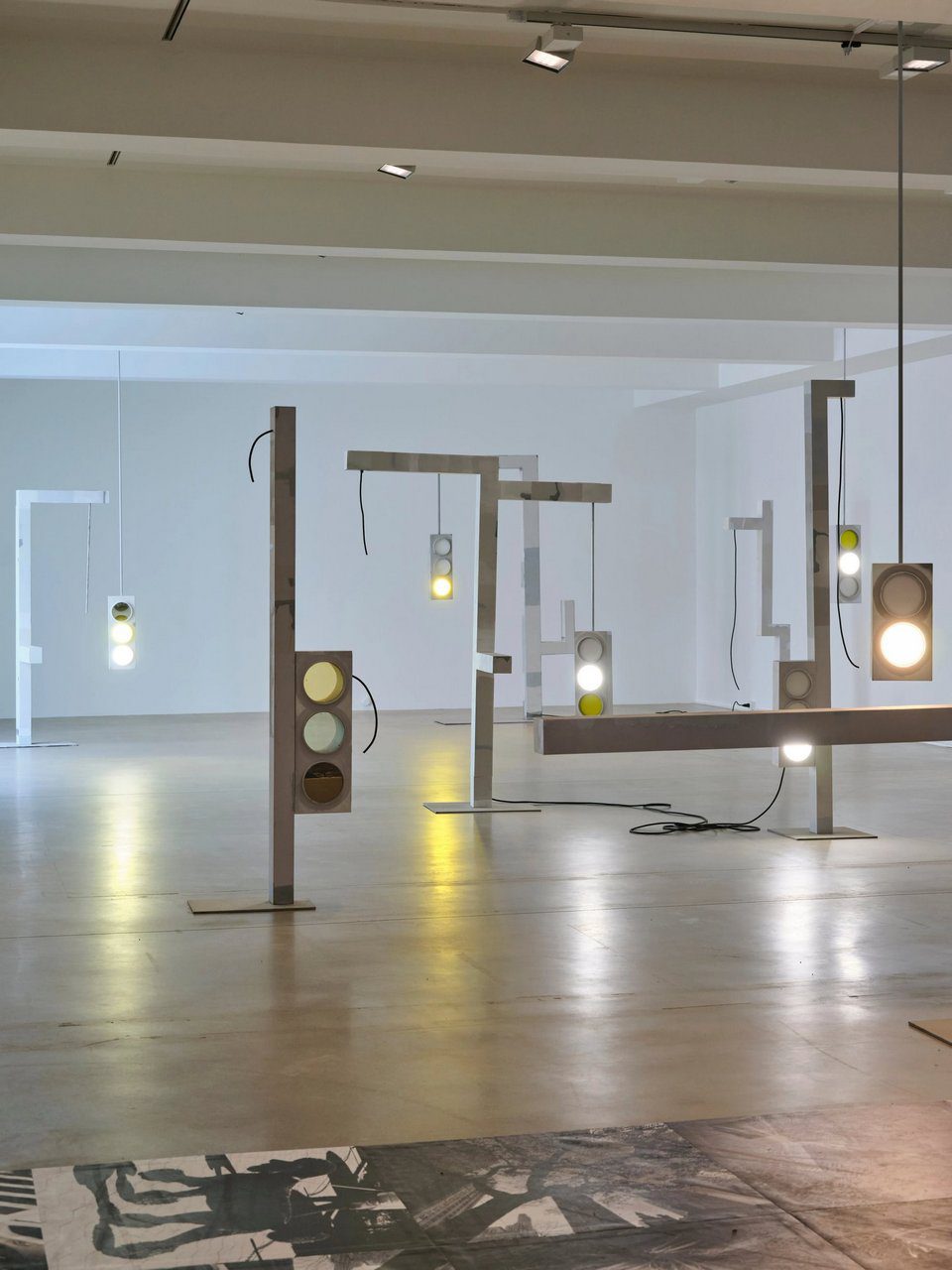
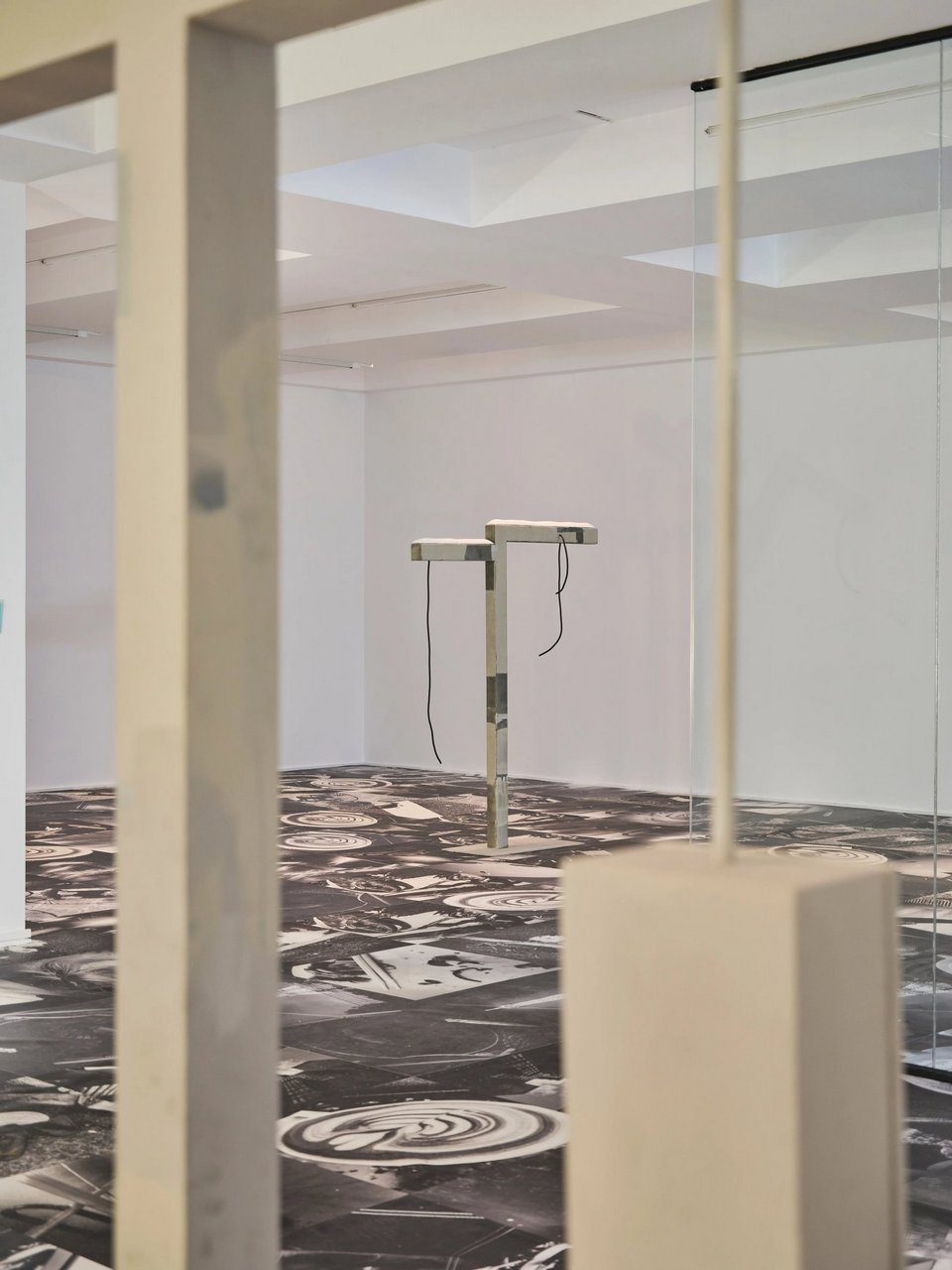
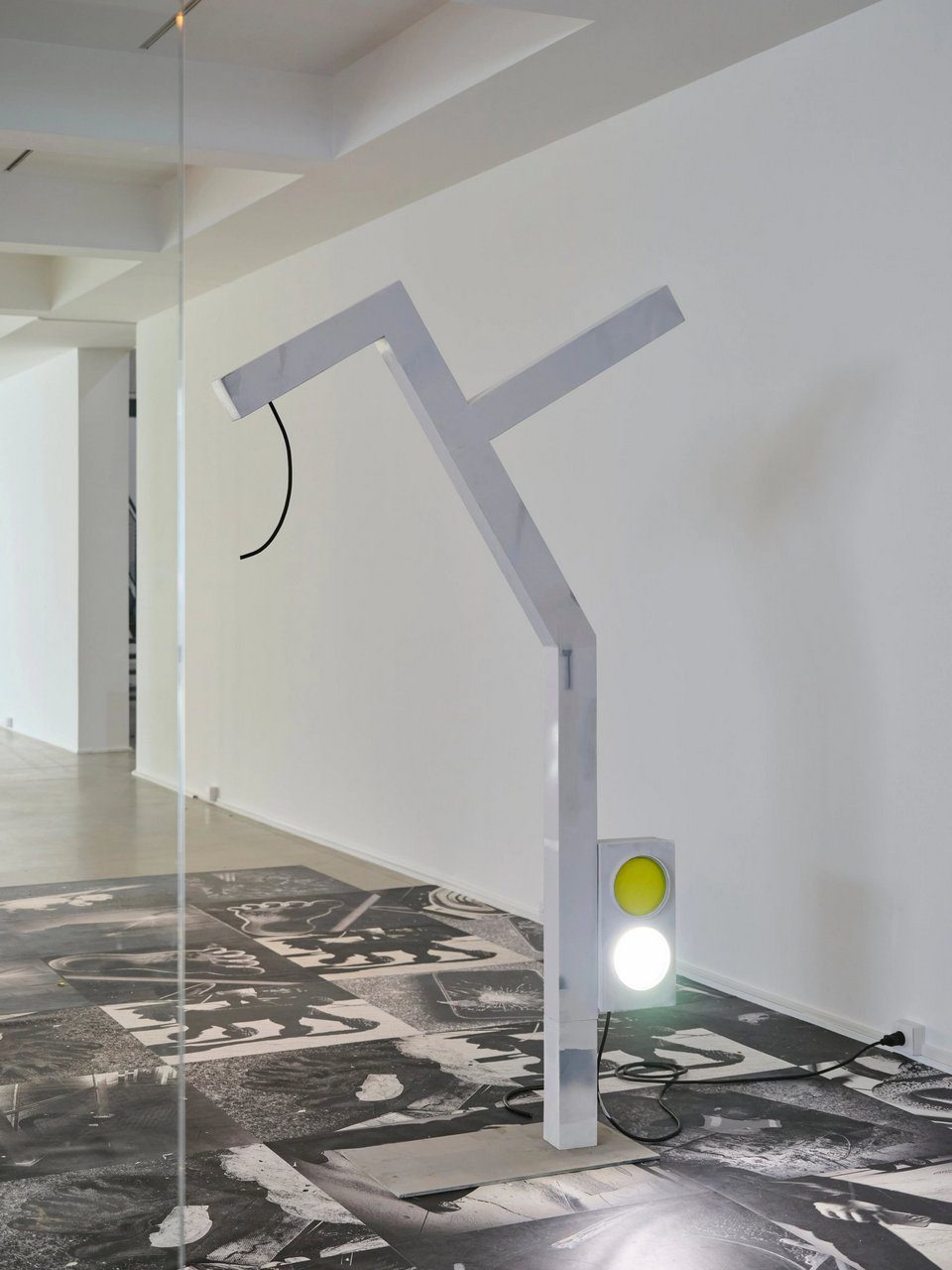
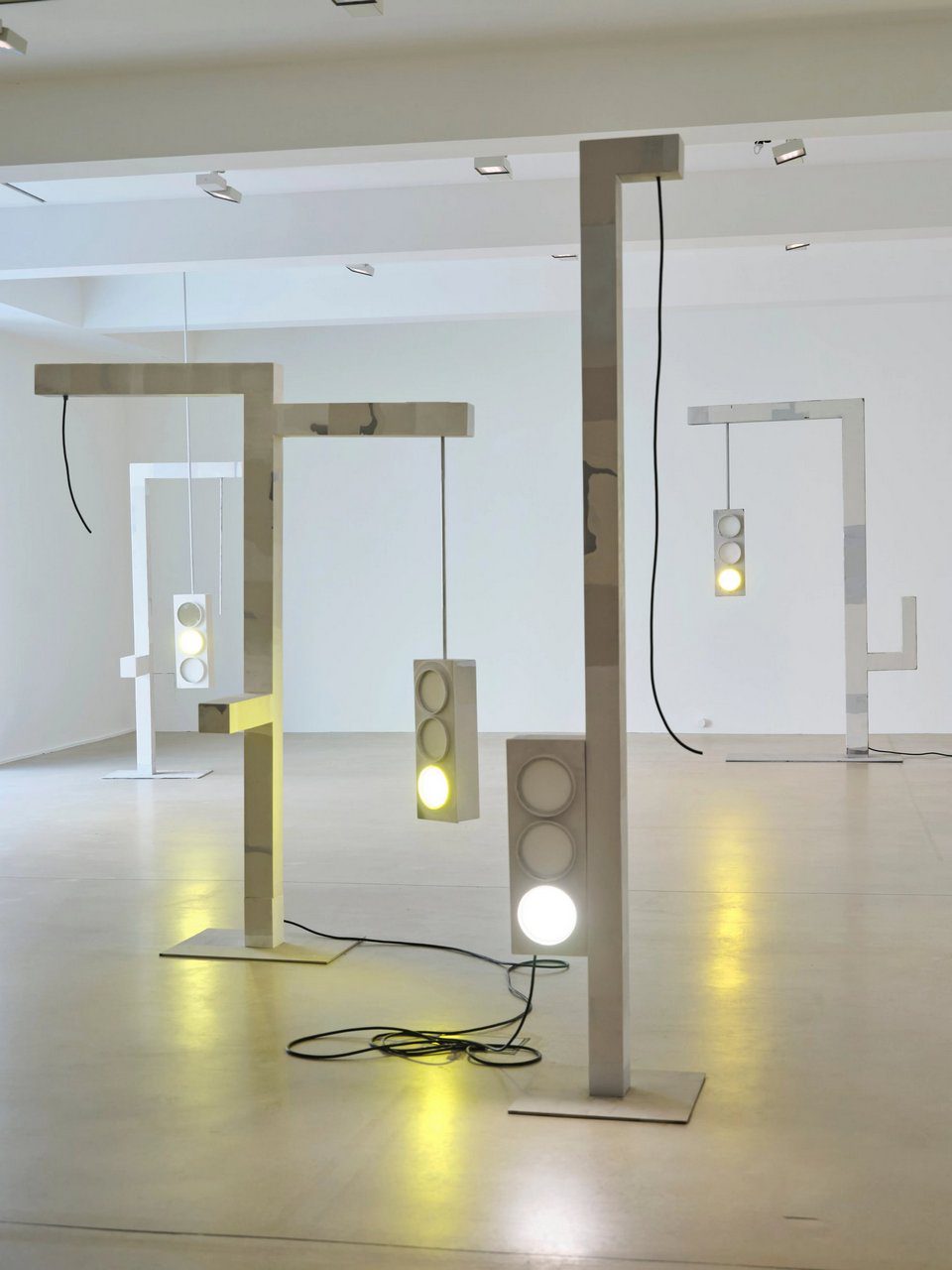
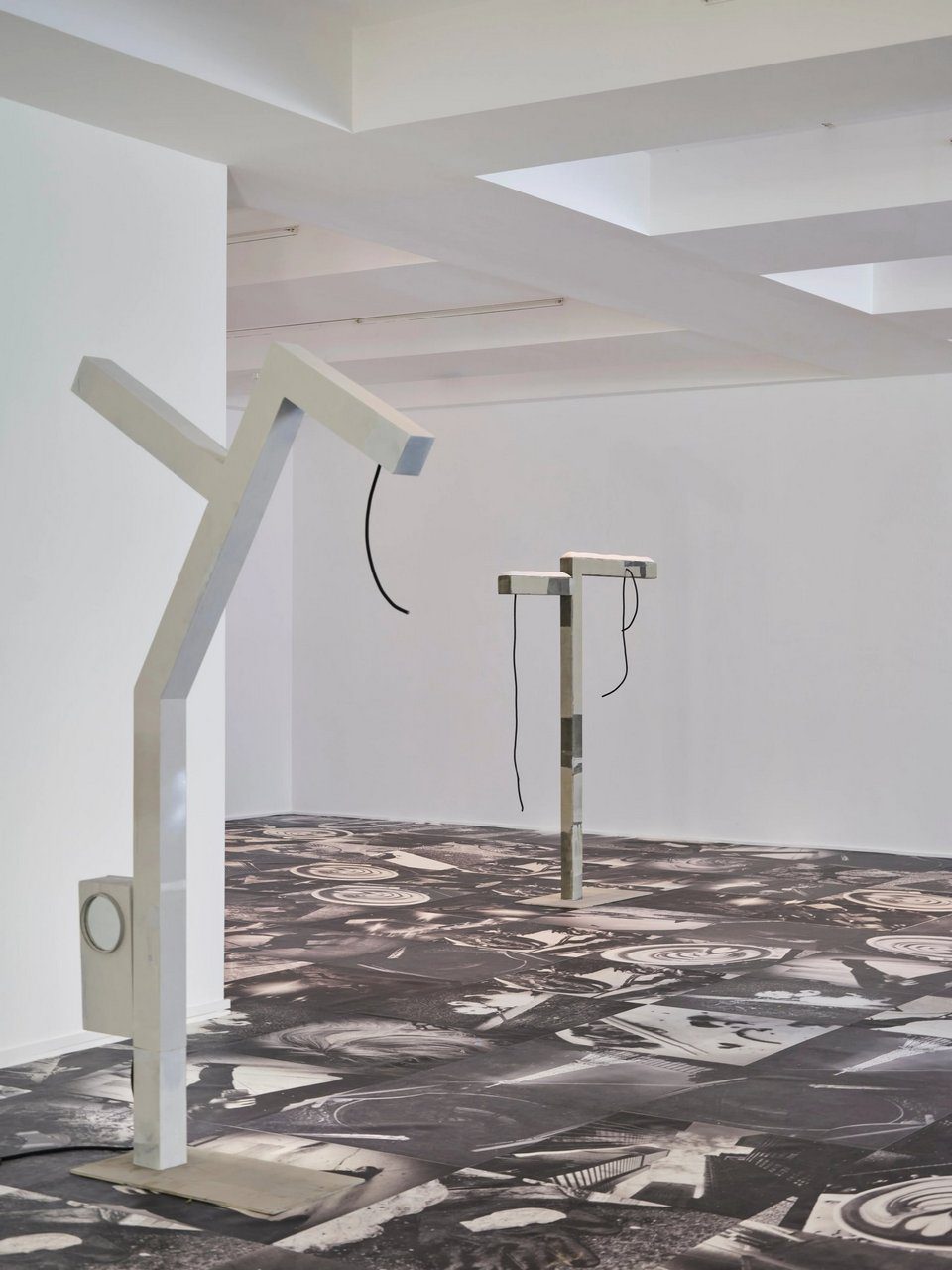
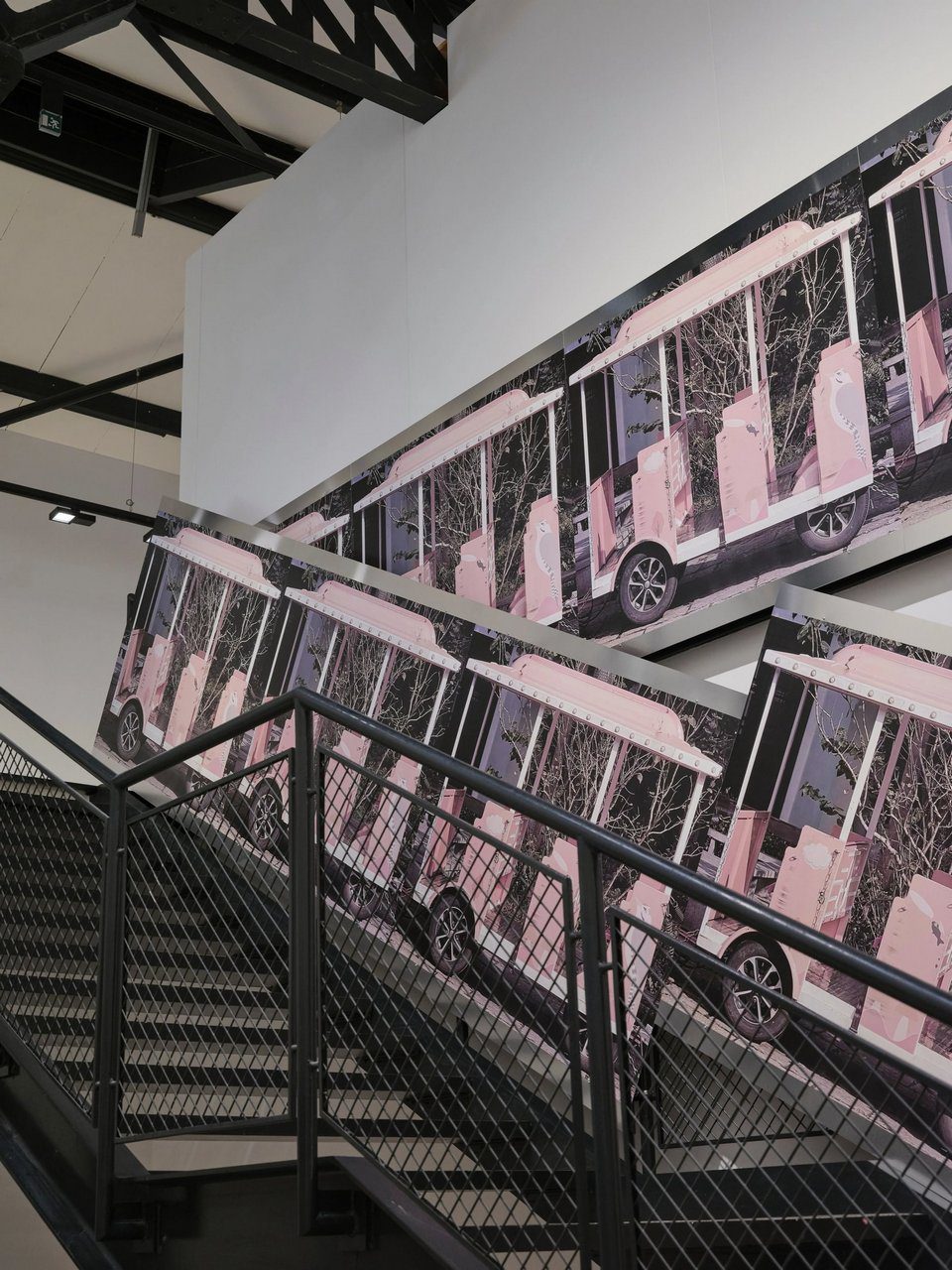
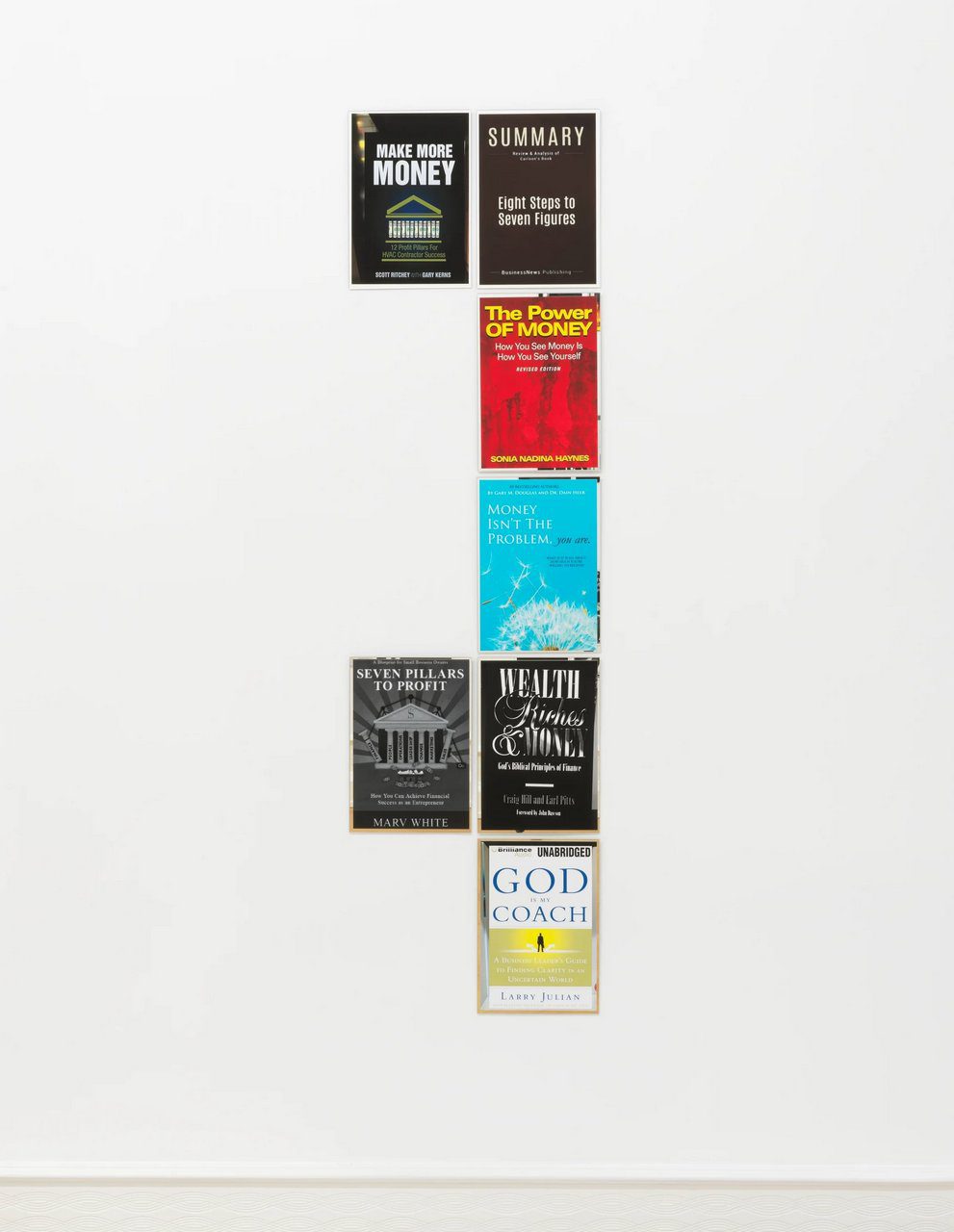
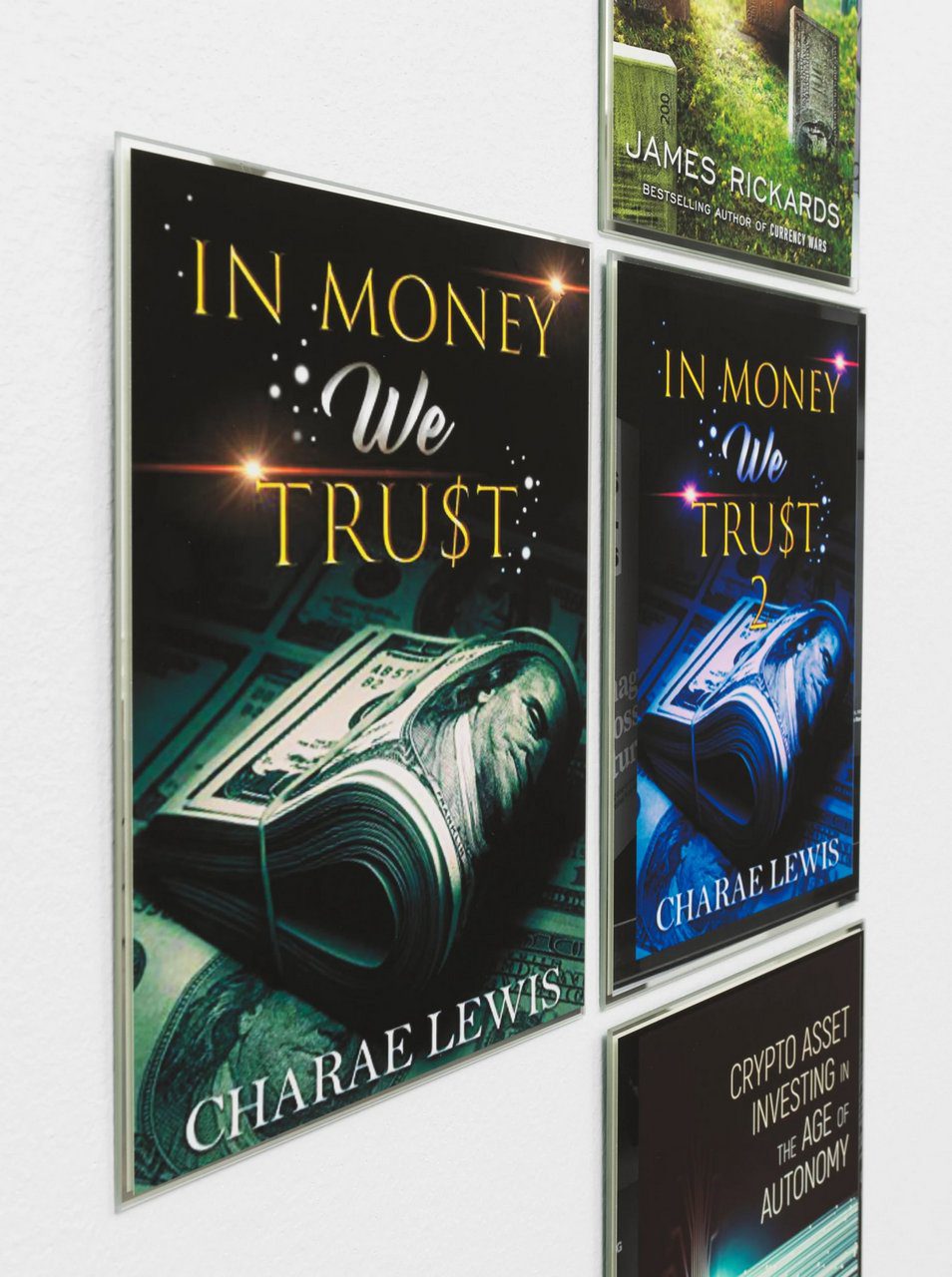
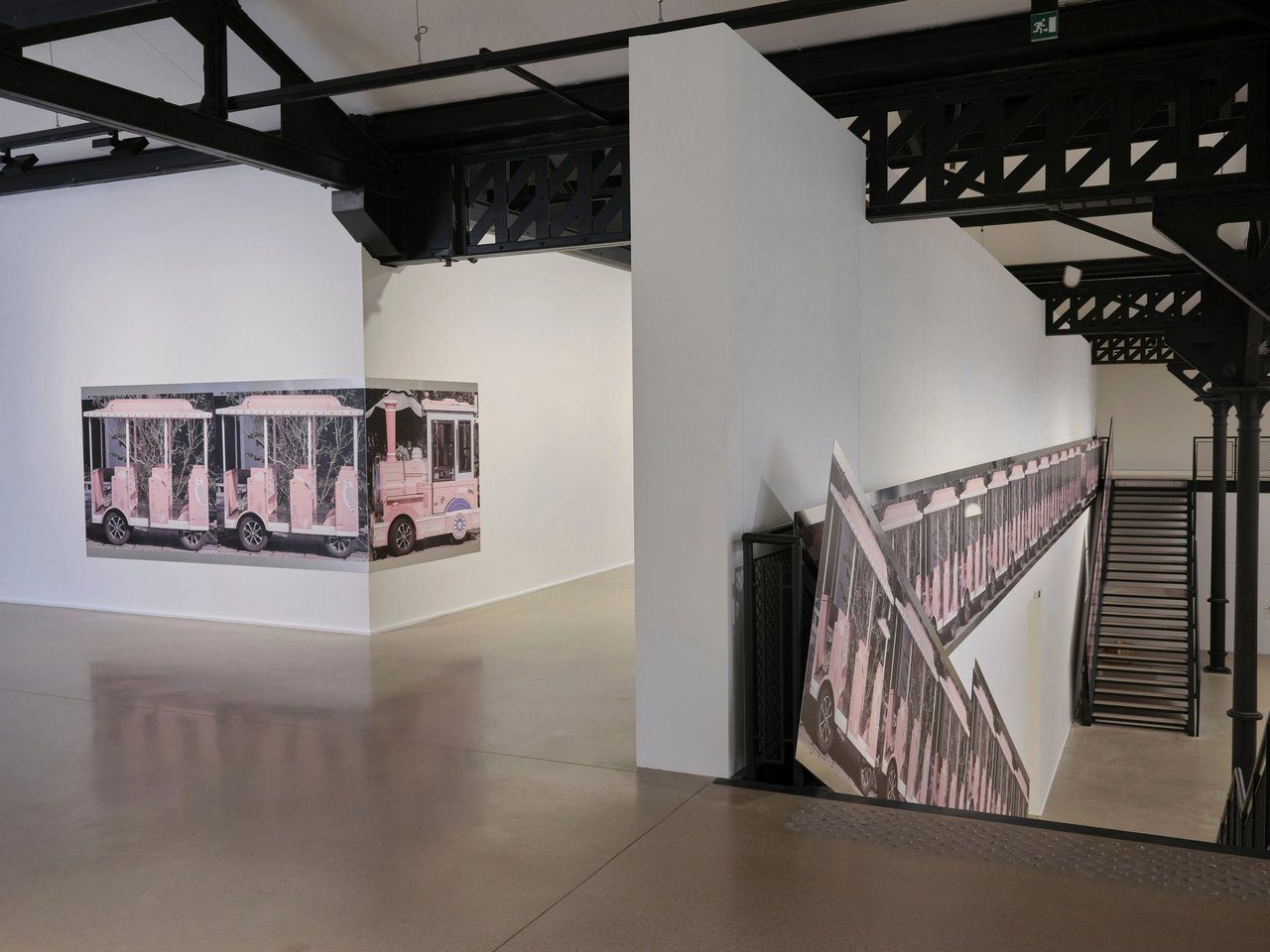
Encompassing recent works across sculpture, installation, video, and sound, “People Planet Profit” marks a bold and incisive solo exhibition by Peter Fischli. It invites us to consider how the language of capitalism — its signs, symbols, infrastructures, and logics — infiltrates our perception, saturates our environments, and reshapes the very fabric of our lives. Fischli draws our attention not only to the visible mechanics of this system but to its emotional and psychological resonances — how we are moved, managed, enchanted, and ultimately implicated by the rhythms and aesthetics of contemporary capitalism. At the heart of the exhibition lies a preoccupation with the image: its mobility, its ubiquity, and its transformation in an era of relentless production and dissemination. Every still and moving image on view was captured using the artist’s mobile phone — a gesture that is at once modest and sharply intentional. In doing so, Fischli positions himself not only as observer, but as participant in the circulatory economies of contemporary image culture. These are images that do not aspire to grandeur or permanence; they are fleeting, fragmented, often banal — mirroring the everyday scroll of screens that now constitutes our dominant mode of vision. But in this accumulation of the ordinary, a strange resonance emerges. We begin to see, with renewed clarity, how images choreograph our movements, mediate our desires, and condition the ways we inhabit both physical and digital space. Fischli’s intervention within the architecture of the LUMA exhibition spaces heightens this inquiry. Rather than presenting a neutral backdrop, the site becomes a kind of living interface — a porous, layered ‘augmented city’ where images, objects, bodies, and signals intersect in unpredictable ways. Visitors are invited to navigate a world in which the boundaries between the digital and the material have become increasingly blurred. In this space, citizen-users — no longer merely “viewers” — engage with infrastructures that are both visible and invisible: screens, sensors, surveillance systems, financial abstractions, data flows, and algorithmic scripts. The choreography is subtle but insistent. What appears to be a passive act of viewing is, in fact, a deeply conditioned form of participation. The exhibition’s title, “People Planet Profit”, borrows from the corporate lexicon — specifically the “triple bottom line” framework first proposed in the 1990s as a way to broaden the definition of business success. Rather than focusing solely on profit, the model suggests that companies should also measure their performance in terms of social equity (people) and environmental sustainability (planet). Fischli’s adoption of this phrase is laced with irony and inquiry. In the context of his exhibition, it becomes less an aspirational mantra and more a conceptual framework for critical reflection: Can these three imperatives truly coexist in balance, or are they fundamentally incompatible under the conditions of late capitalism? Is the language of responsibility and sustainability a meaningful corrective — or simply another aesthetic layer within capitalism’s endless capacity for self-reinvention? These questions are not posed rhetorically, nor are they answered definitively. Instead, Fischli weaves them into the structure of the exhibition itself, allowing them to accumulate across materials, formats, and registers. Sculptural elements suggest the residue of production and consumption — industrial fragments, aestheticized detritus, ambiguous tools and instruments that hint at function but remain enigmatic. Video works trace the flow of images across screens and surfaces, underscoring the simultaneity of spectacle and banality. Sound elements echo across the space, offering both ambience and unease, evoking the hum of data centers, the murmurs of global trade, the algorithmic noise of systems in motion. The site of the exhibition — the former Forges of the Parc des Ateliers — brings these themes into even sharper relief. Once an industrial zone devoted to the manufacture and repair of locomotives, the space has since been transformed into a center for contemporary art and cultural production. This historical shift from heavy industry to creative labor forms a quiet but powerful undercurrent in People Planet Profit. It reminds us that the economic and symbolic engines of society have changed — from the material heft of machines and manual work to the abstract, often immaterial flows of information, aesthetics, service, and brand. The cultural institution itself, in this context, becomes both a mirror and a participant in these transformations. Rather than presenting a singular narrative or argument, Fischli opts for a more diffuse, layered approach. The exhibition resists closure, offering instead a multiplicity of perspectives, affects, and conceptual entry points. What we encounter are not answers, but reconfigurations — subtle distortions of the familiar that allow us to see anew. Everyday gestures are rendered strange; ordinary images acquire an uncanny sheen; systems we take for granted are exposed in all their constructedness. Fischli does not indict or absolve — he illuminates. In the end, “People Planet Profit” does not simply show us the world as it is. It folds that world back onto itself, revealing the recursive, recursive, often contradictory structures that underpin contemporary life. By turning the lens — quite literally — on the systems that shape us, Fischli invites us into a space of heightened awareness: a space where critique coexists with beauty, where irony meets sincerity, and where the boundaries between subject, object, and image begin to dissolve. This is not a world of clarity, but of flux — dizzying, dissonant, and undeniably real.
Photo: Peter Fischli, People Planet Profit, 2025, Les Forges, LUMA Arles, France. © Victor&Simon – Grégoire d’Ablon
Info: LUMA Arles, Parc des Ateliers, 35 avenue Victor Hugo, Arles, France Duration: 5/7/2025-11/1/2026, Days & Hours: Mon & Wed-Sun 10:00-18:00, www.luma.org/