PRESENTATION: Silvia Infranco-Trame organiche
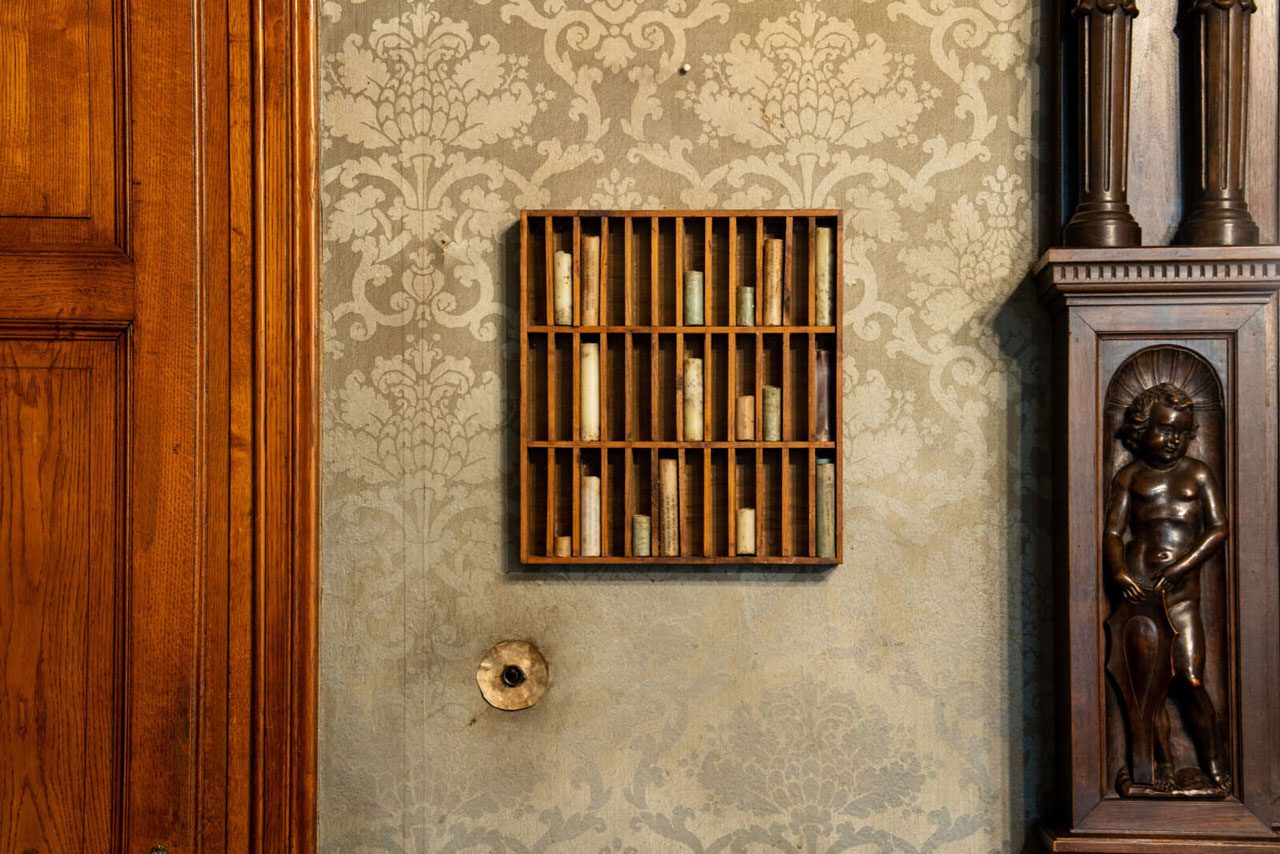
Silvia Infranco’s research is an act of love addressed to life, the quest for a harmonic-evolutionary dimension of the world. In her work concepts of time/memory, definition of the forms and transformative energies intrinsic to them are the core of her research. They are an attempt to elucidate the connection, the possible union of art and science in their existential and autobiographic dimension.
By Dimitris Lempesis
Photo: Marignana Arte Archive
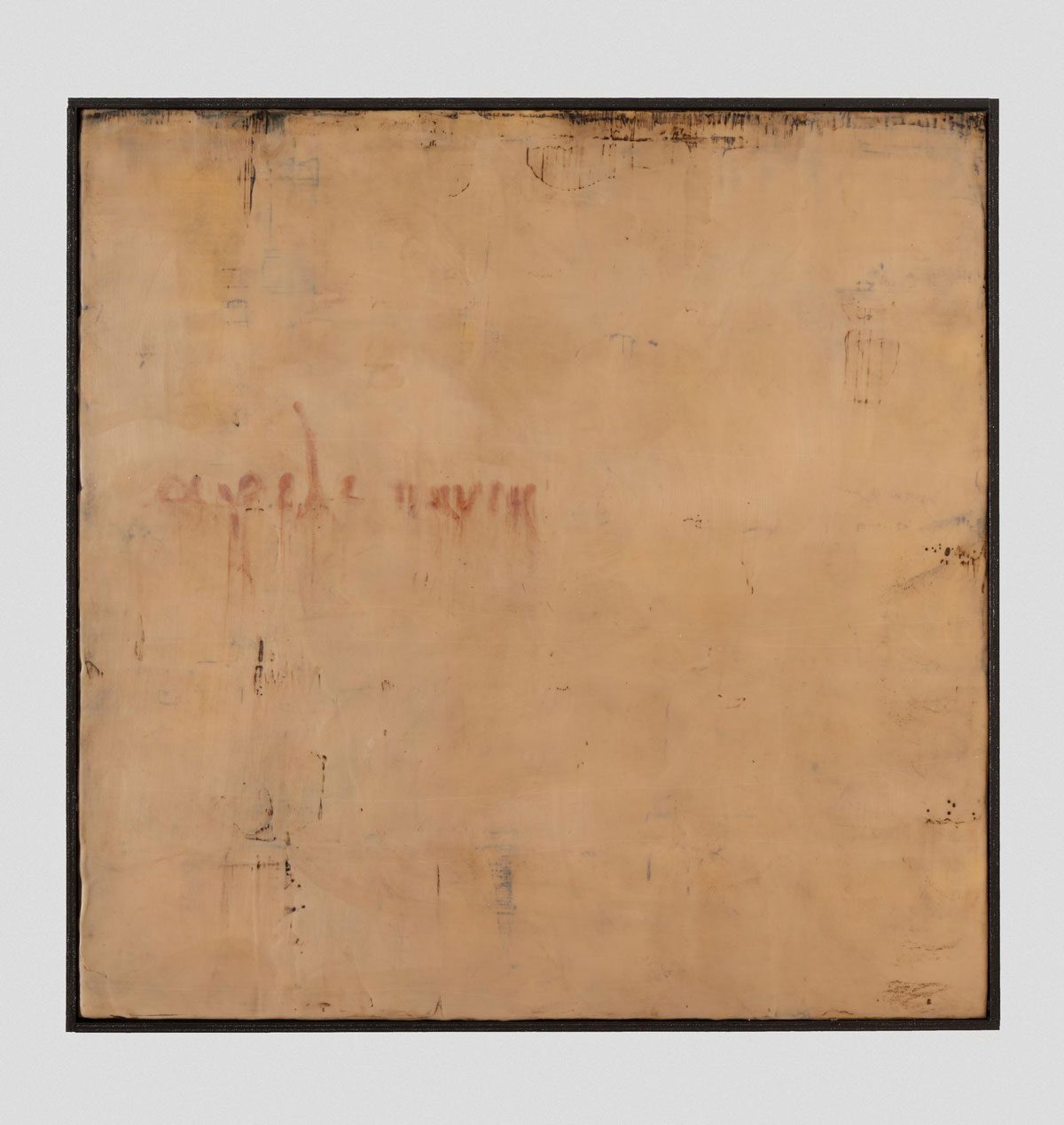
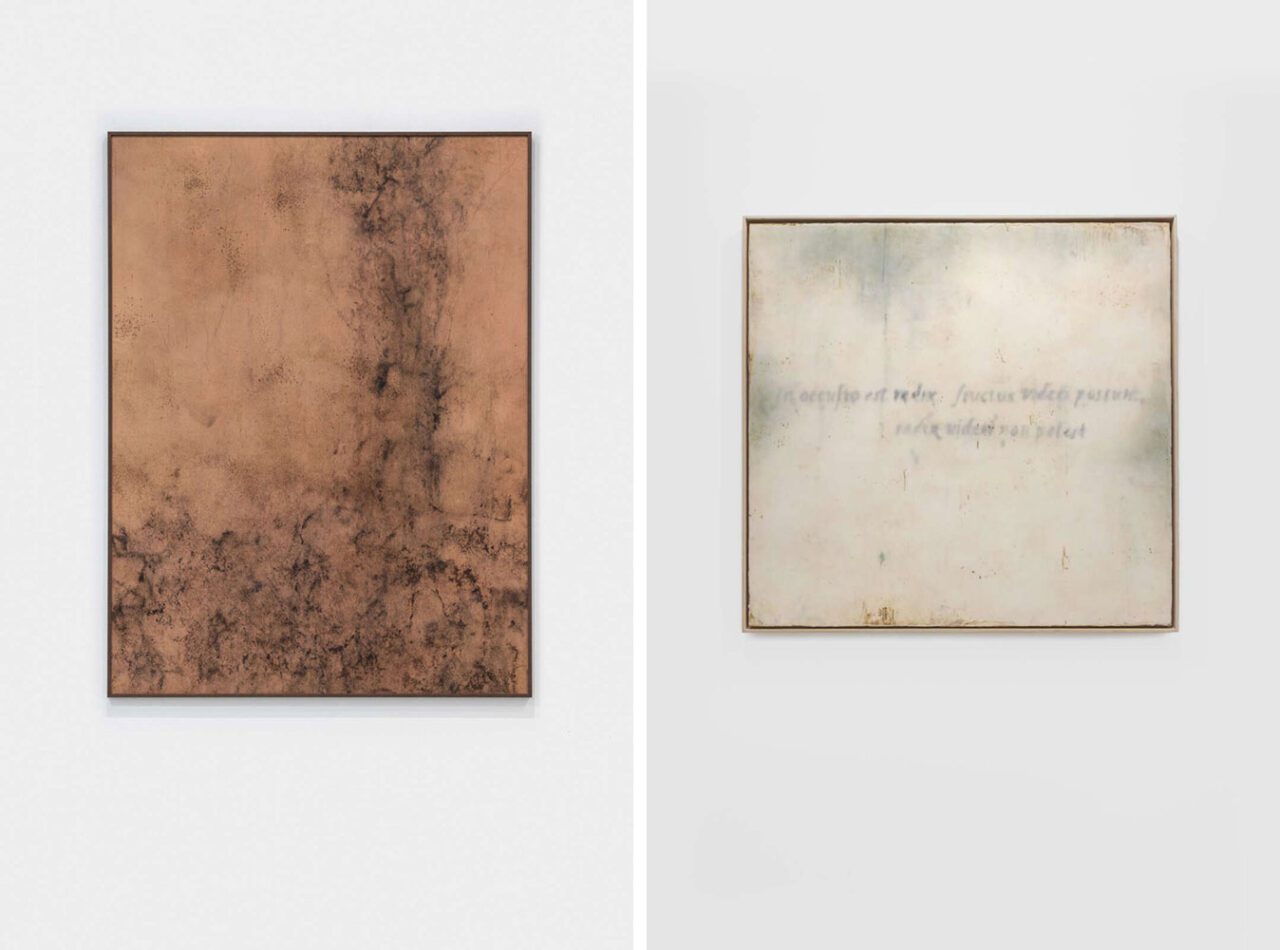
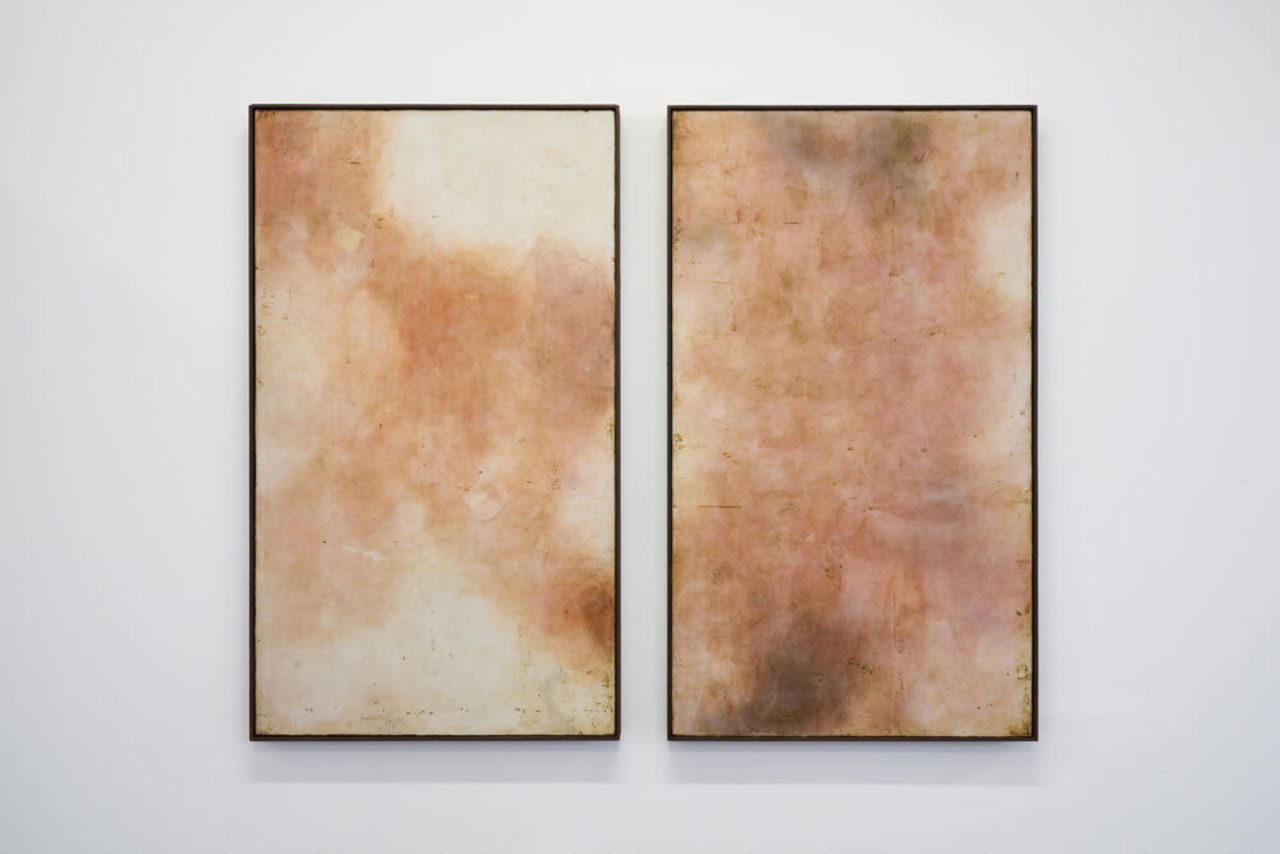
In its second installment of “Future Life”—a visionary project conceived, curated, and promoted by Casa Cavazzini – Museum of Modern and Contemporary Art—continues its mission to engage with the urgent themes shaping our present and the possible futures that await us. Designed as a series of exhibitions, Future Life calls upon some of the most compelling voices in contemporary art to confront the complexities of the current age and to offer new visual imaginaries for what lies ahead. Each participating artist is invited not only to present their work but also to explore and reflect on broader questions of transformation, impermanence, and the evolving relationship between the individual, society, and the natural world. For this second chapter, Casa Cavazzini presents the solo exhibition “Trame organiche” by Silvia Infranco, an artist whose poetic and rigorously material practice offers a profound meditation on time, memory, and healing. The exhibition gathers a selection of works that highlight pivotal moments in Infranco’s creative evolution, revealing the depth and coherence of a research path that has matured through years of silent, meticulous experimentation. Silvia Infranco’s work is rooted in a deep engagement with organic processes and the intimate poetics of natural materials. Her art is less about representation than about transformation—both of the material itself and of the viewer’s perception. She approaches the act of making as a contemplative ritual, where repeated gestures become tools of introspection and emotional anchoring. There is something almost liturgical in the way she works, as if each layer of pigment, wax, or oxide were part of a silent invocation, a passage through which memory is reactivated and sedimented within matter. The title “Trame organiche”—literally “Organic Wefts”—evokes the idea of interwoven elements, both physical and symbolic. Each piece can be seen as a fabric of time and thought, a matrix where signs emerge slowly, like fossils surfacing from the depths of the earth. The exhibition brings together paper, wood, ferrous materials, and natural pigments—materials that speak of earth, decay, oxidation, and regeneration. These elements are worked by hand and often protected or sealed with beeswax, a substance that further underscores the sense of preservation and care that pervades the artist’s process. Wax, with its translucent quality and protective function, serves not only as a physical sealant but also as a metaphorical skin—guarding what is fragile, archiving what is passing. Infranco’s pieces are not loud proclamations but rather quiet revelations. Their surfaces seem to breathe, to hold and slowly release traces of a language that eludes immediate understanding. Each work contains layers—both literal and metaphorical—that invite prolonged observation. As the viewer engages more deeply, subtle textures and marks begin to emerge: hints of written forms, gestures suspended in time, echoes of something both deeply personal and universally human. These are not simply aesthetic choices but vehicles for conveying an understanding of existence as stratified, cyclical, and always in flux. Throughout the exhibition, a strong sense of the body is present—not through figuration but through the material’s tactility, its ability to recall skin, breath, wounds, and healing. The works become almost corporeal presences, emanating a quiet power that resonates with the visitor on an emotional and somatic level. In this way, the exhibition space is transformed into something more than a gallery: it becomes a threshold, a sanctuary, a locus of meditation. “Trame organiche” invites viewers to decelerate, to enter a temporality that resists the speed and distraction of everyday life. In this suspended dimension, the artworks act as portals—opening onto intimate narratives, unspoken emotions, and a reflection on our fragile yet resilient connection to nature, time, and one another. Infranco’s practice insists on the importance of slowness, of care, of tactile knowledge. Her art reminds us that in order to imagine different futures, we must also learn to listen to the quiet languages of the past and of the material world. By choosing Silvia Infranco for this chapter of “Future Life”, Casa Cavazzini underscores its commitment to fostering artistic practices that not only respond to the urgencies of the contemporary moment but also offer tools for reflection, restoration, and the reimagining of possible worlds. Infranco’s “Trame organiche” stands as a testament to the power of art to create spaces of introspection and renewal—spaces where time thickens, memory is honored, and the future can be gently shaped through gesture, material, and care.
Photo: Silvia Infranco, Courtesy the artist and Marignana Arte
Info: Casa Cavazzini – Civici Musei di Udine, Via Cavour 14, Udine UD, Italy, Duration: 4/7-7/9/2025, Days & Hours: Tue-Sun 10:00-18:00, www.civicimuseiudine.it/