ART CITIES: Frankfurt-Werner Tübke
In his multi-layered compositions, characterized by an imaginative, sometimes almost exuberant fantasy, Werner Tübke reflects on the complexity of the world, with all its existential questions, hardships, and conflicts. In doing so, he demonstrates a keen awareness of human vulnerability, placing the individual at the centre of his art.
By Dimitris Lempesis
Photo: Städel Museum Archive
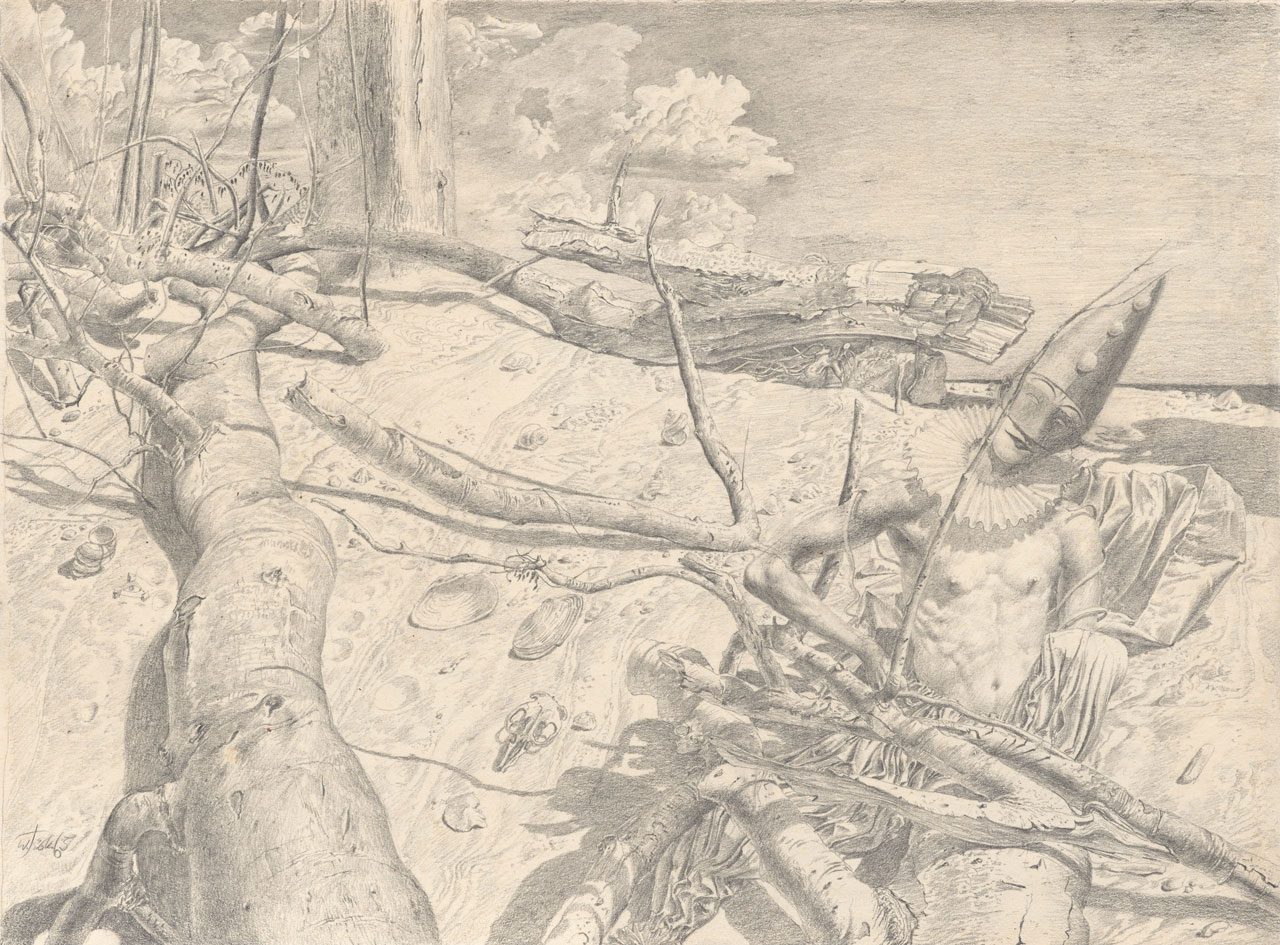
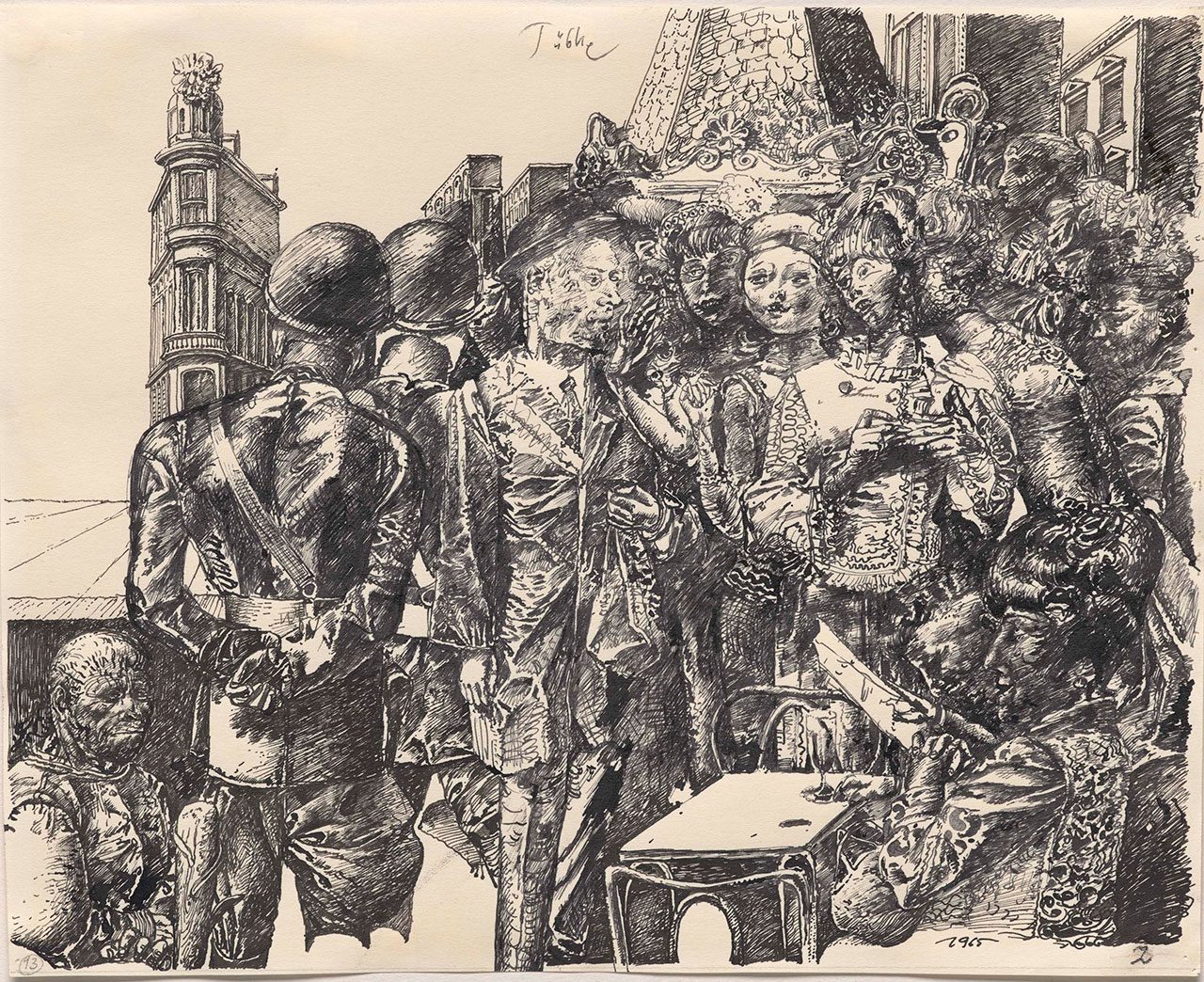
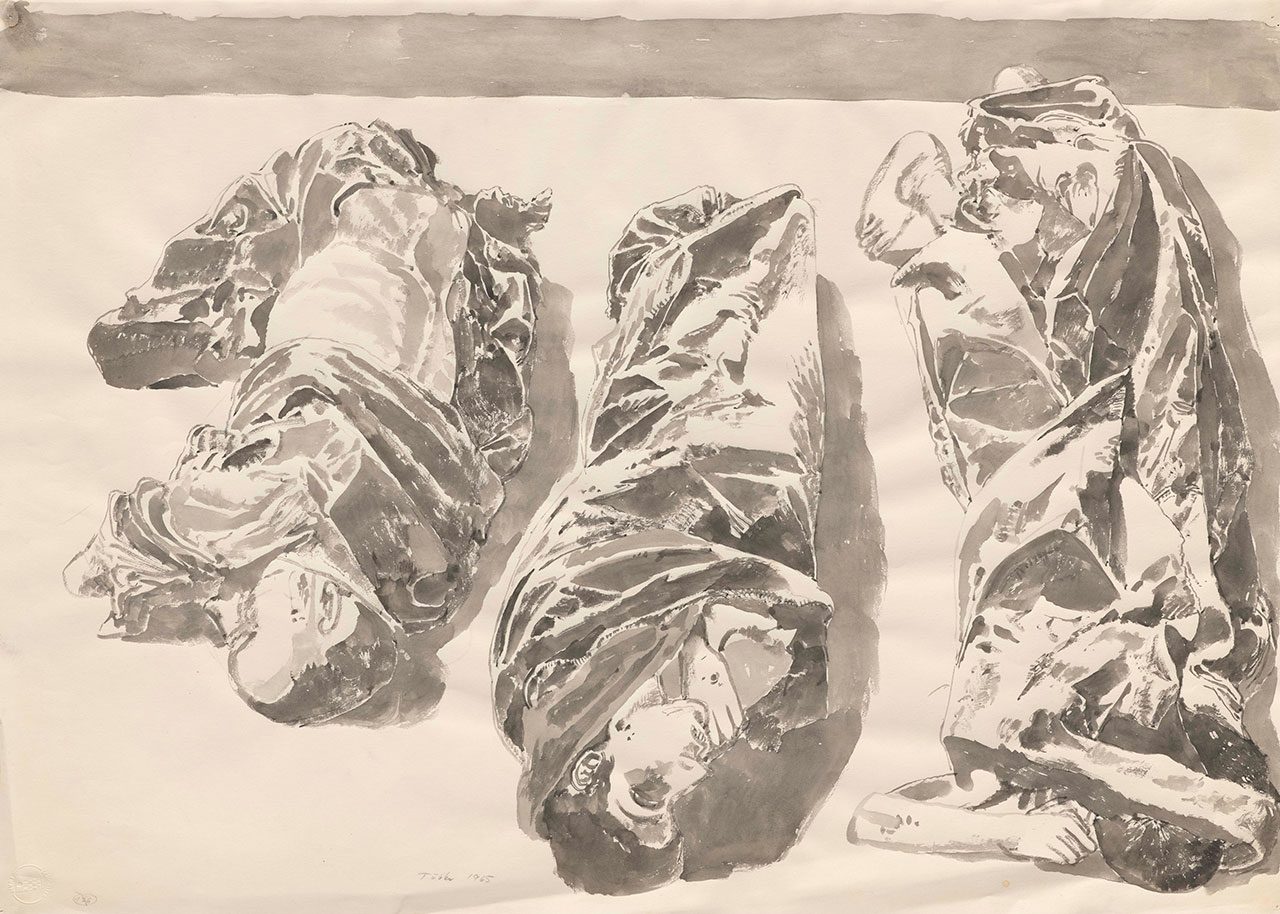
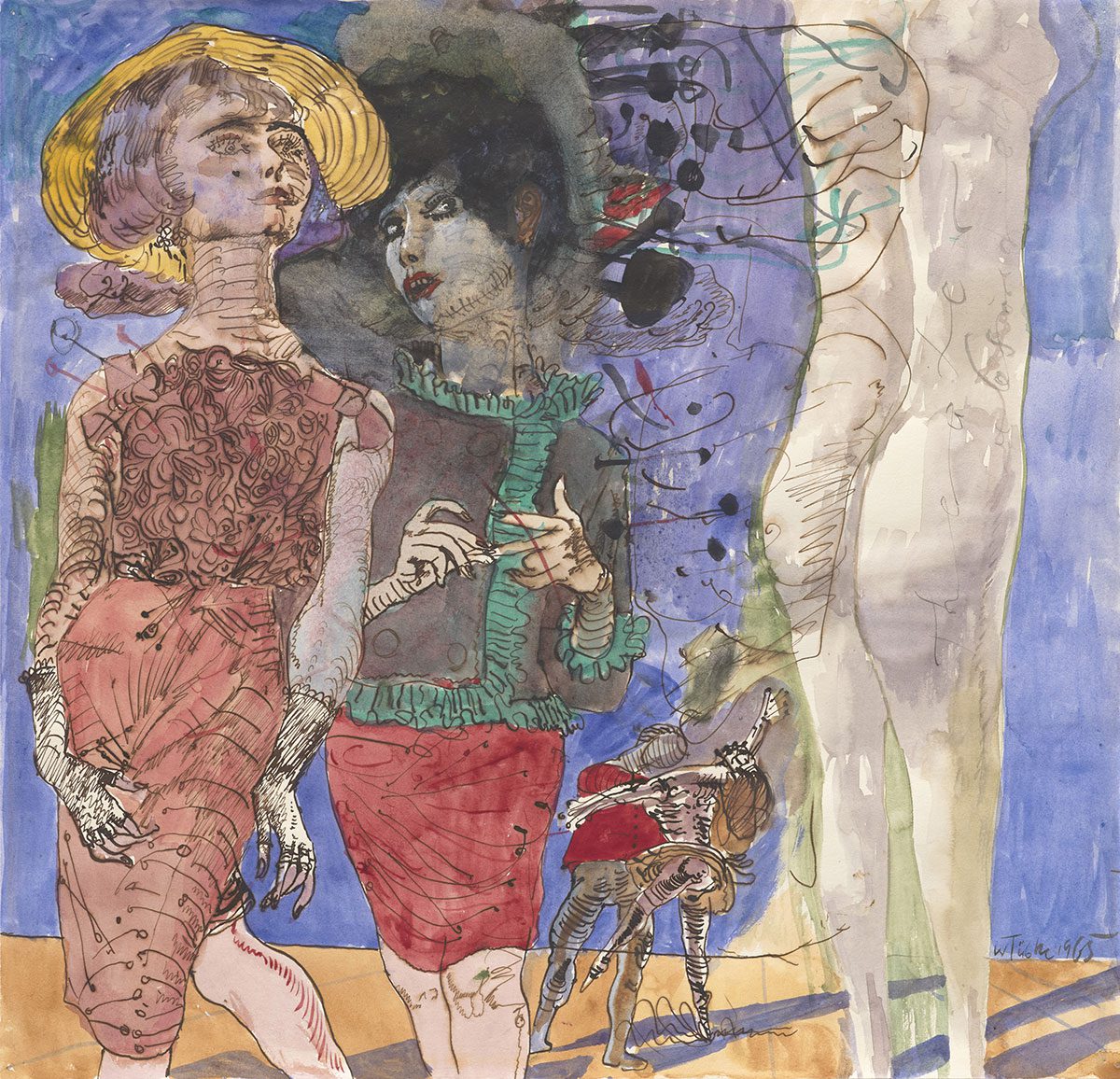
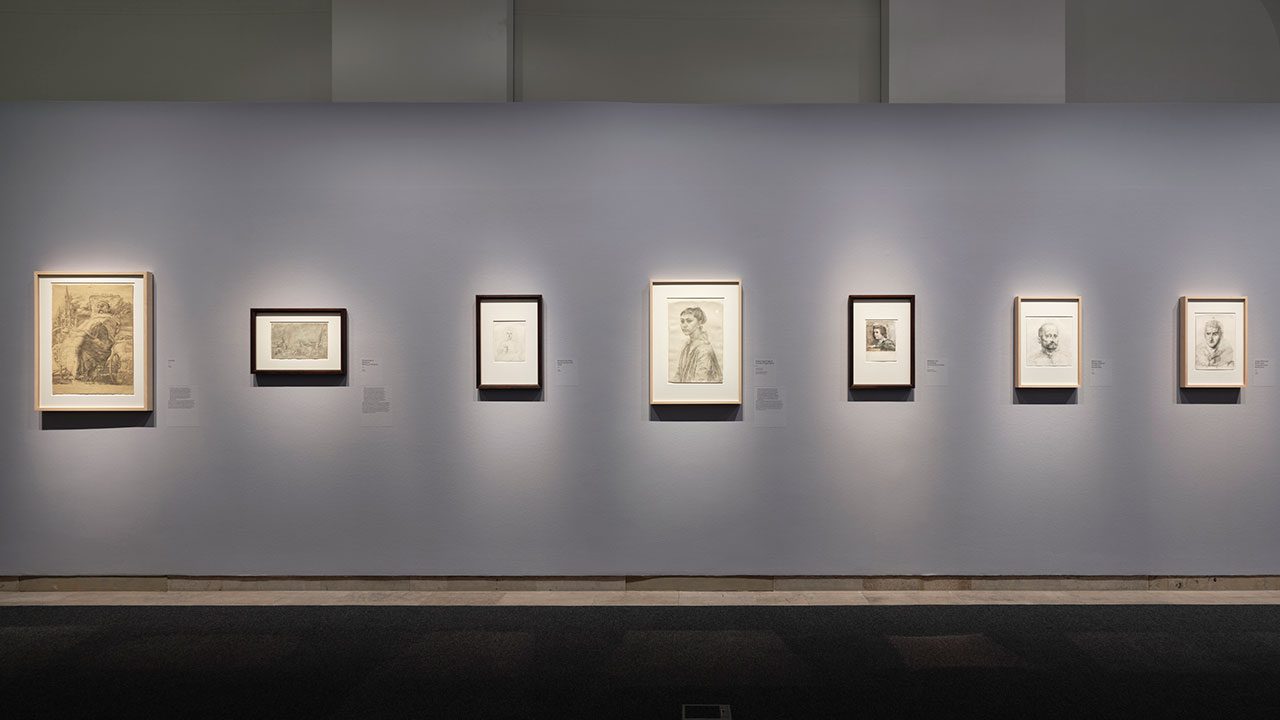
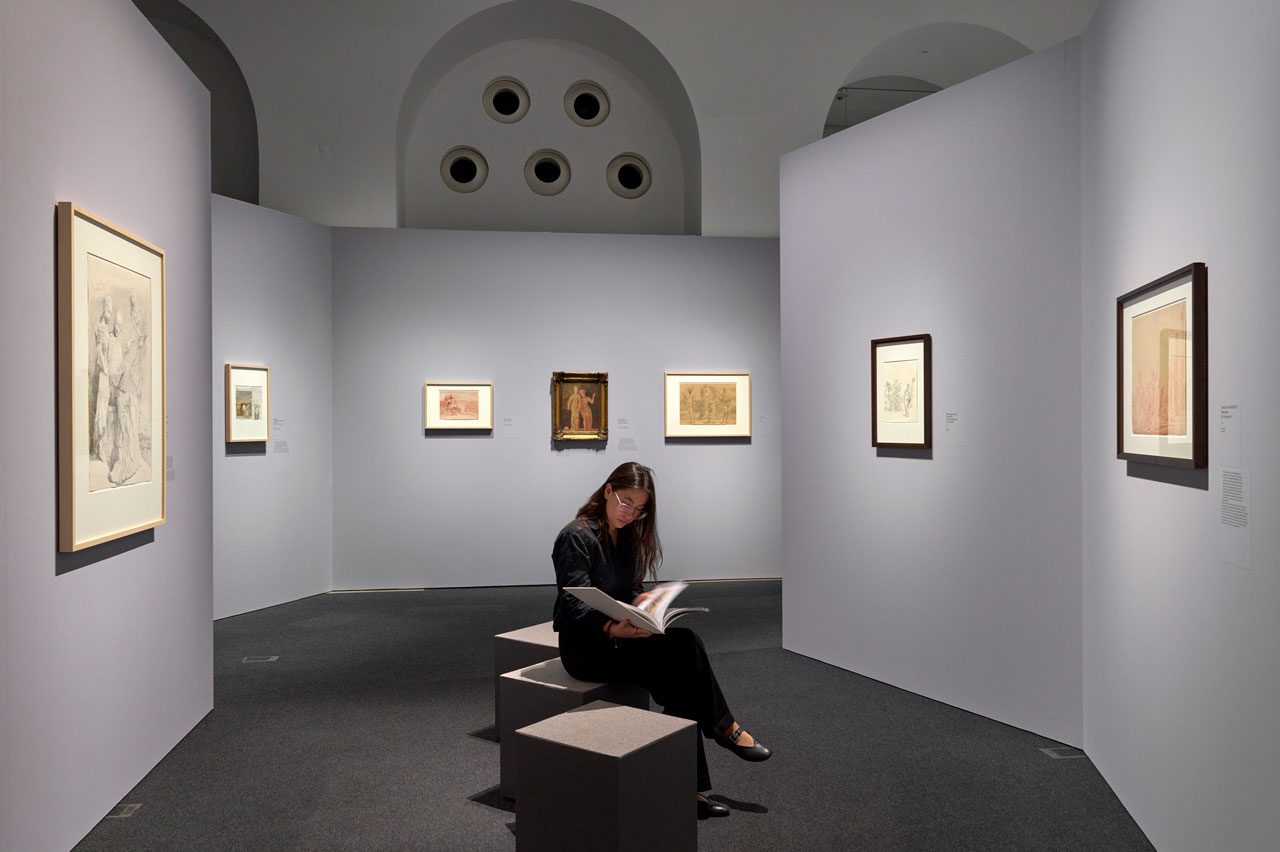
Throughout his life, Werner Tübke was closely associated with the Academy of Fine Arts Leipzig (HGB)—first as a student, then as a professor, and finally as rector. His relationship with the GDR was marked by tension: his independent formal language initially contradicted the official art doctrine of socialist realism, resulting at times in fierce criticism and ultimately leading to his dismissal from the HGB. It was not until the 1970s that his metaphorically charged work was accepted. Werner Tübke’s art repeatedly sparked debate—most recently in the German-German painting dispute over the ‘state art’ of the GDR, which the painter Georg Baselitz triggered in an interview in 1990. In 2023, the Städel Museum received an impressive and representative collection of works by Werner Tübke, one of the most important painters of the German Democratic Republic, from the collection of Barbara and Eduard Beaucamp. Today Städel is presenting this outstanding donation of forty-six drawings and watercolors by Tübke in an exhibition dedicated to his graphic work and metaphorical visual language. The exhibition “Metamorphoses” presents Werner Tübke’s drawings in five chapters that bundle his motifs and themes. Tübke’s self-portraits served as a means of self-affirmation, often manifesting in surrogate figures such as jesters or harlequins—characters outside of social norms and thus symbols of artistic freedom. However, in “Harlequin on the Beach”( 1965), the masked figure appears unable to free himself by his own strength—or of his own volition—from the tangle of trees and branches uprooted by the wind. In “Street in Brussels (with Self-Portrait)” (1965), the artist depicts himself amidst social contrasts, attempting to find his place between NATO soldiers and prostitutes, between sober objectivity and opulent sensuality. The drawing “On the Beach near Suchumi”( 1961) is programmatic for Tübke’s work: the artist depicts himself as an observer from behind, while a dazzling scene unfolds before him, somewhere between real presence and enigmatic vision. Tübke frequently addressed historical and contemporary events, translating them into complex compositions whose titles and realistic, figurative imagery appeared to align with the ideological expectations of GDR cultural policy. However, rather than creating embellished historical paintings, Tübke drew on art-historical models to produce works that explore fundamental human issues and reflect on the recurrence of historical patterns. The depiction of a lynching in the 1957 pen-and-ink drawing “On “White Terror in Hungary”, for example, deals with the 1956 Hungarian Revolution and is reminiscent of classic crucifixion scenes. His most significant work addressing recent history is the cycle “Life Memories of Doctor of Law Schulze” (1965–1967), which was created without commission. Consisting of eleven paintings, fifteen watercolors, and around sixty-five drawings, of which seven are on display at the Städel, the cycle unrelentingly and critically addresses the Nazi regime’s unjust court rulings and judicially sanctioned terror. The fictional character of Judge Schulze represents those judicial officials of the Nazi regime who continued to work in both German states after 1945.
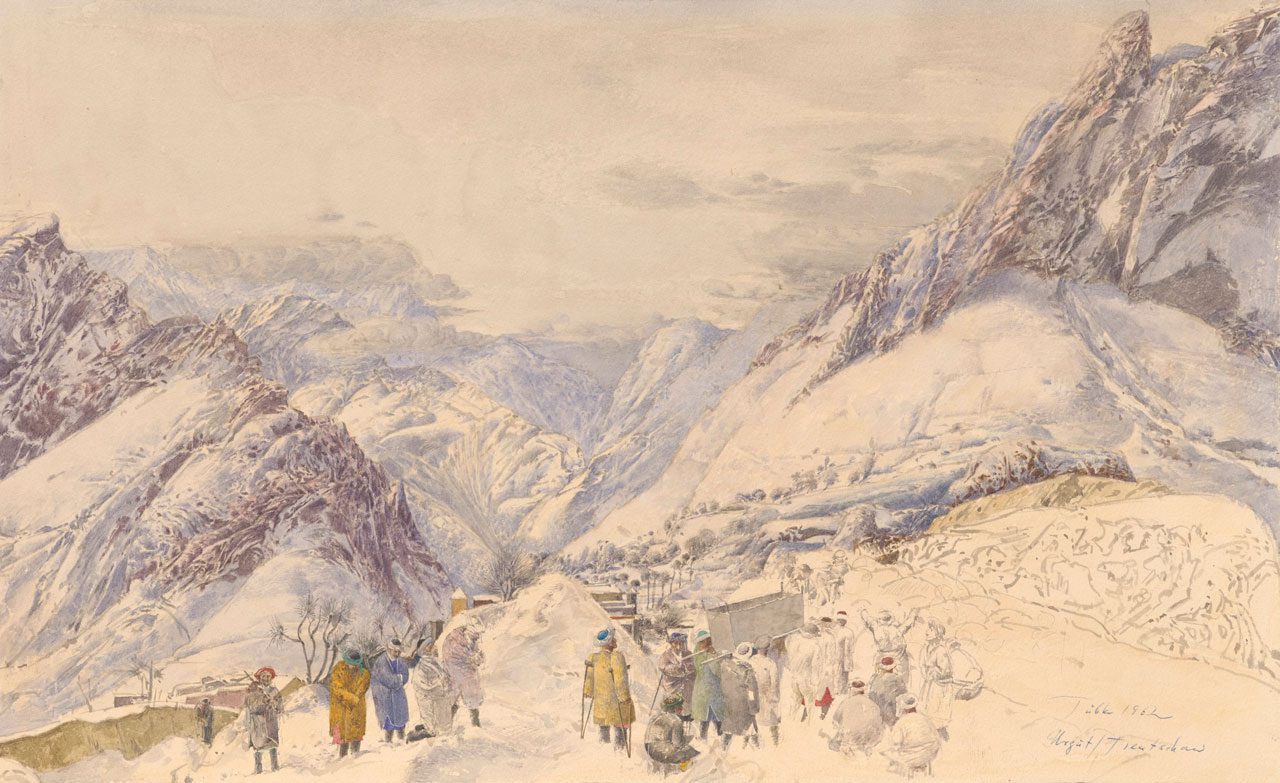
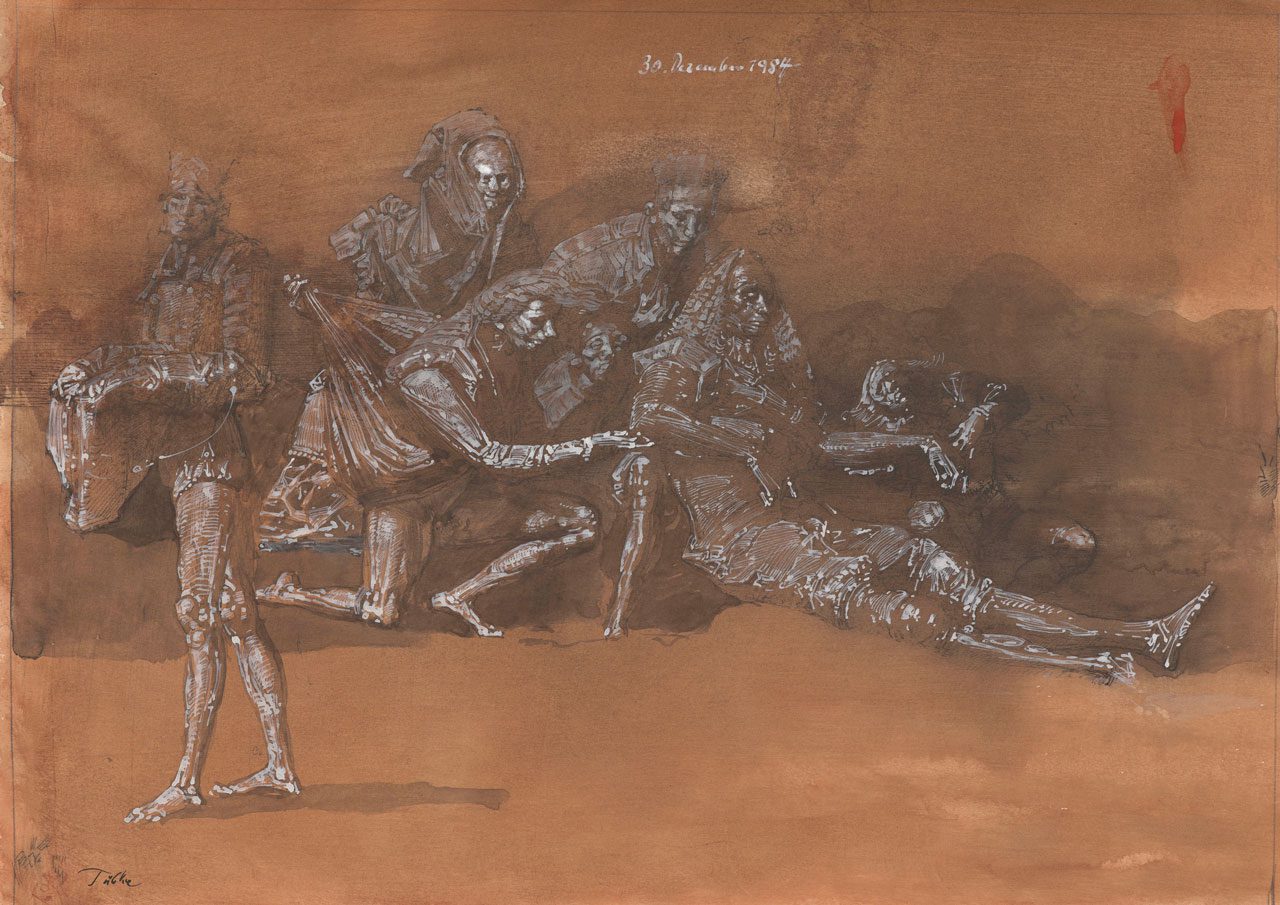
Several study trips undertaken by Werner Tübke from 1961 onwards, including to the Soviet Union, Central Asia, Bulgaria and Italy, had a lasting influence on his artistic work. For him, landscape was not only a motif, but also a vehicle for historical, mythical and cultural significance. In “Icarus over the Vitosha Mountains” (1980), for example, the iconic figure from Greek mythology plunges into the Bulgarian mountain landscape—the site of ancient Thrace, believed to be the birthplace of the slave leader Spartacus. This combination of motifs has been interpreted as a premonition of the failure of socialist utopia, as the slave revolt led by Spartacus in 73 BC posed a serious threat to the Roman Empire. The watercolor “Funeral in the Tian Shan Mountains in Winter” (1962) also transcends the purely pictorial, depicting a Muslim funeral procession in an interplay of observation and imagination. From the late 1970s onwards, Tübke increasingly withdrew from the social reality of the GDR. He created works that drew on a wide variety of sources and refused to tell a concrete story. These enigmatic ‘fables’, incorporating motifs from ancient mythology, the Bible, fairy tales, legends and everyday life, emerged directly from the drawing process and tie in with the pictorial tradition of ‘capriccios’, an art form characterized by playfulness, ambiguity and strangeness. “The Death of the Magician” (1984) for example, depicts a mysterious Rococo gathering around a deceased magician, in whom the artist may have imagined himself. Alongside harlequins and jesters, veiled and bound figures, the physically disabled and other outsiders of society, angels appear repeatedly in Tübke’s world theatre. Examples include “The Angel of the Annunciation” (1977) and the drawing “The Lost Children Return Home” (1978). In the latter, the artist addresses his limited contact with his children following his separation from his first wife. He depicts himself as a troubled Passion figure based on a biblical model. In his works, Tübke dissolved time levels: he drew on older artistic traditions in terms of style and iconography, transforming individual motifs into new, ambiguous statements without quoting them. In everyday scenes, such as those depicted in the drawing “Four Musicians” (1986), the past, present and future intertwine and dissolve into one another. A similar effect can be observed in the portraits, in which Tübke captured people with great sensitivity. Even historical figures such as “Ignatius of Loyola” (1987) are portrayed in such a way that they appear to be contemporaries. Tübke’s lifelong commitment to social outcasts and the less fortunate of history is particularly evident in the graphite drawing “Lourdes” c(1977), in which he pays a poignant tribute to a sick and desperate pilgrim. The title refers to the French pilgrimage site where, according to legend, the Virgin Mary appeared to a young girl in 1858.
Photo: Werner Tübke, Women on the Street. On ʻLife Memories of Doctor of Law Schulze III’, 1965 Watercolour, pen and brown ink, on wove paper, 290 x 301 mm, Städel Museum, Frankfurt am Main © VG Bild-Kunst, Bonn, 2025
Info: Curator: Dr. Regina Freyberger, Städel Museum, Schaumainkai 63, Frankfurt am Main, Germany, Duration: 2/7-28/9/2025, Days & Hours: Tue-Wed & Fri-Sat 10:00-18:00, Thu 10:00-21:00, www.staedelmuseum.de/
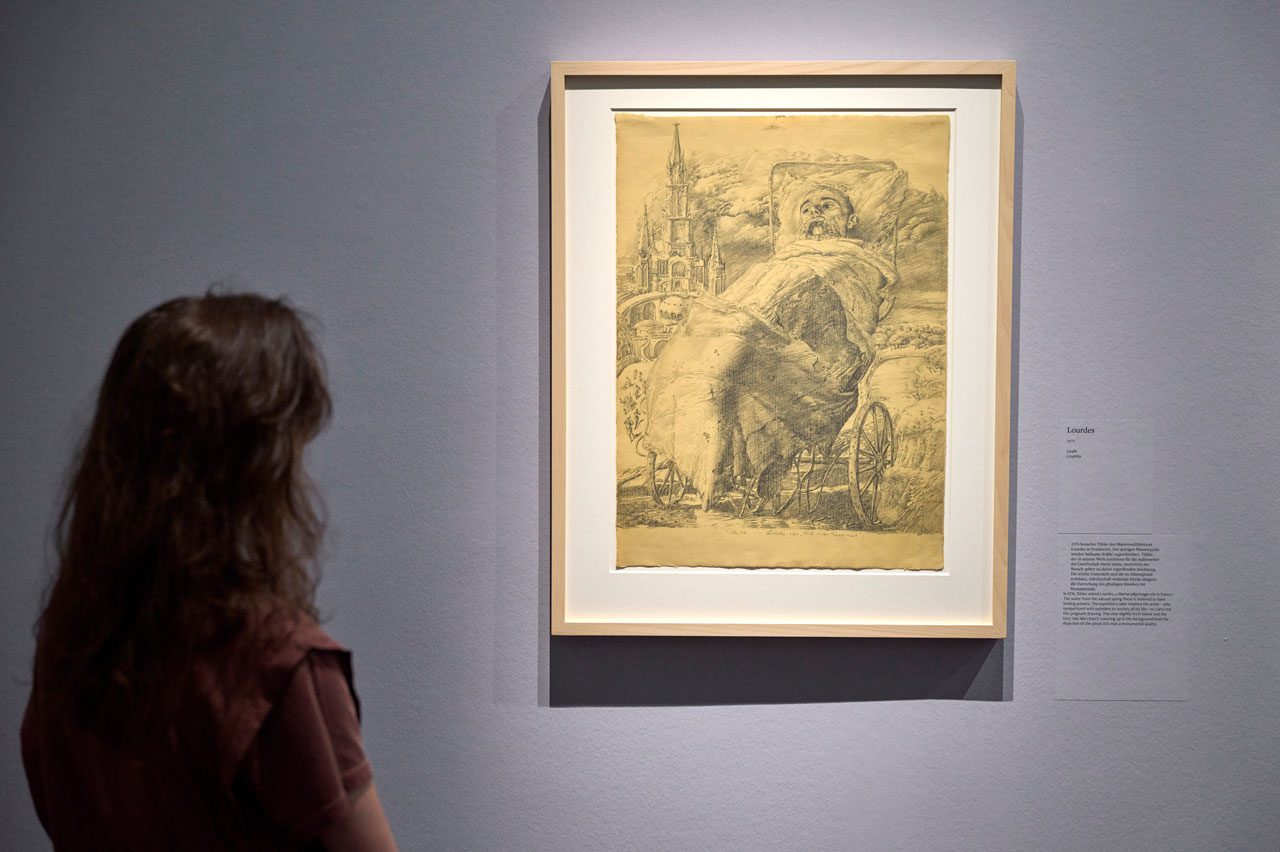
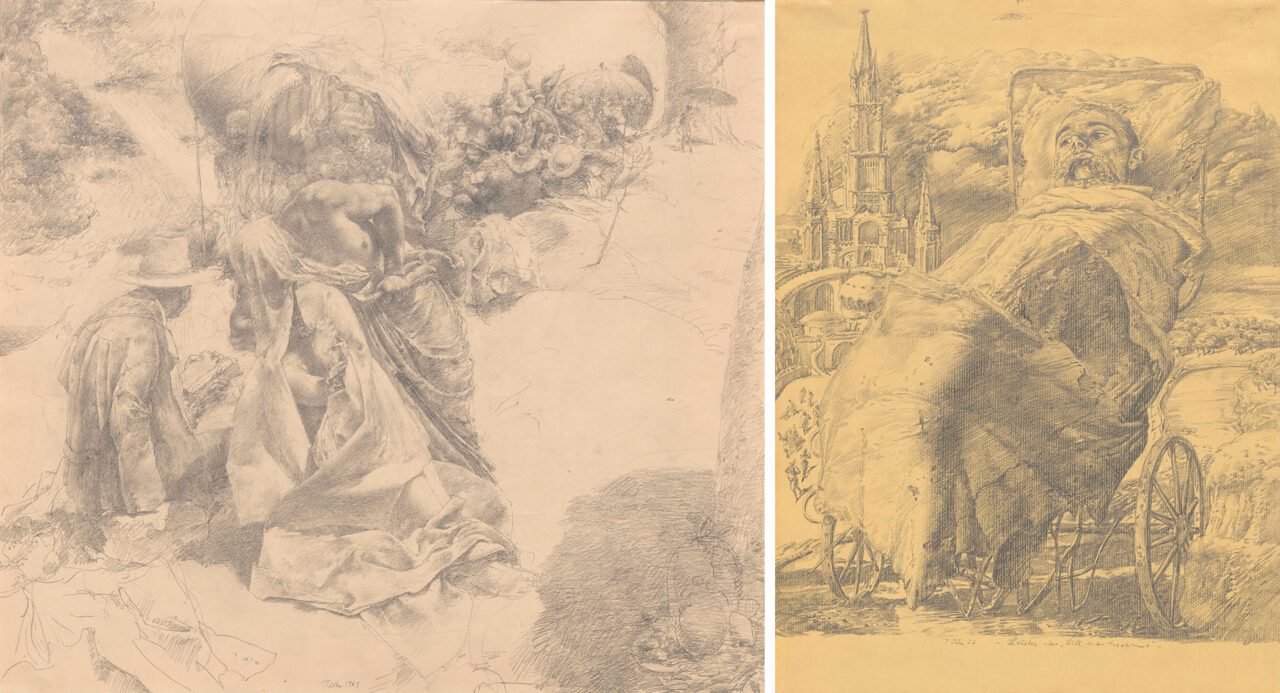
Right: Werner Tübke, Lourdes, 1977, Graphite on yellow tinted vellum paper 673 x 488 mm, Städel Museum, Frankfurt am Main © VG Bild-Kunst, Bonn, 2025