BOOK: Omar Kholeif-Huguette Caland, Sternberg Press
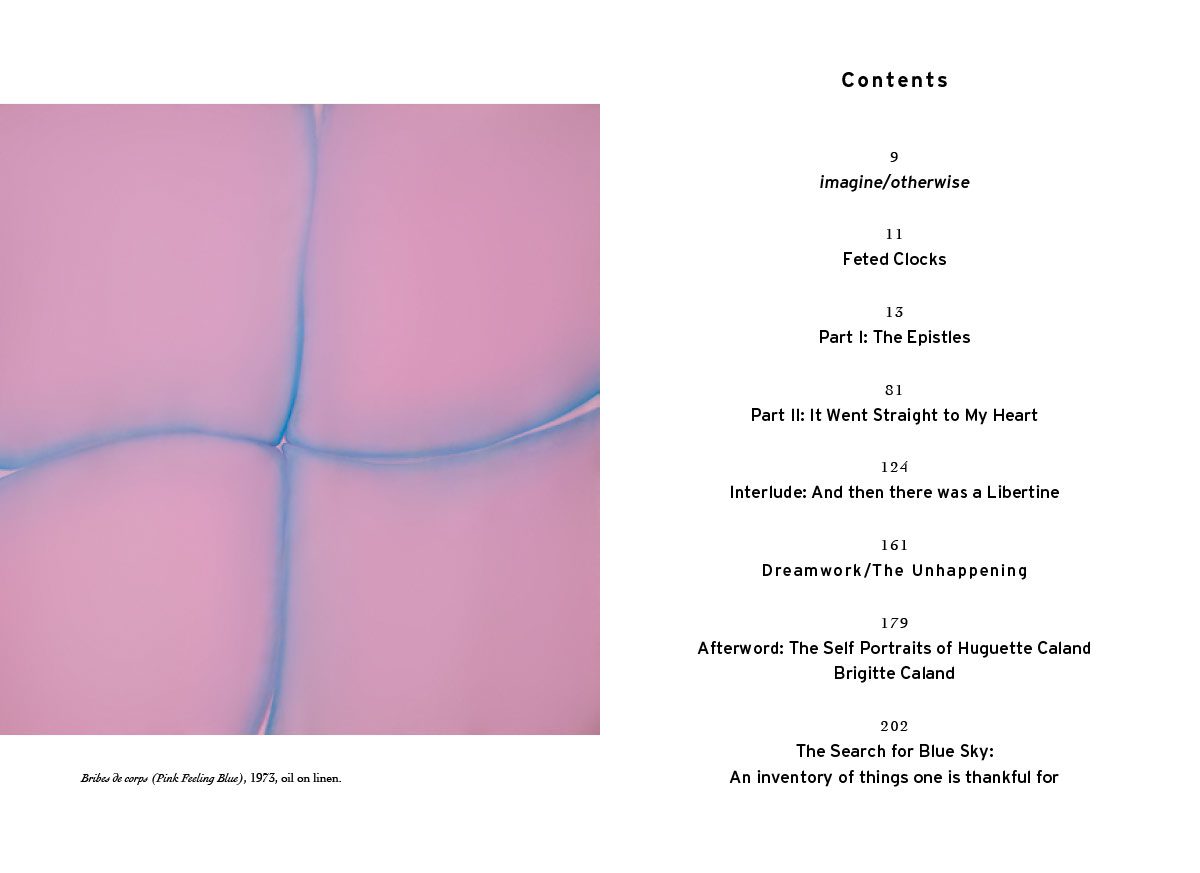
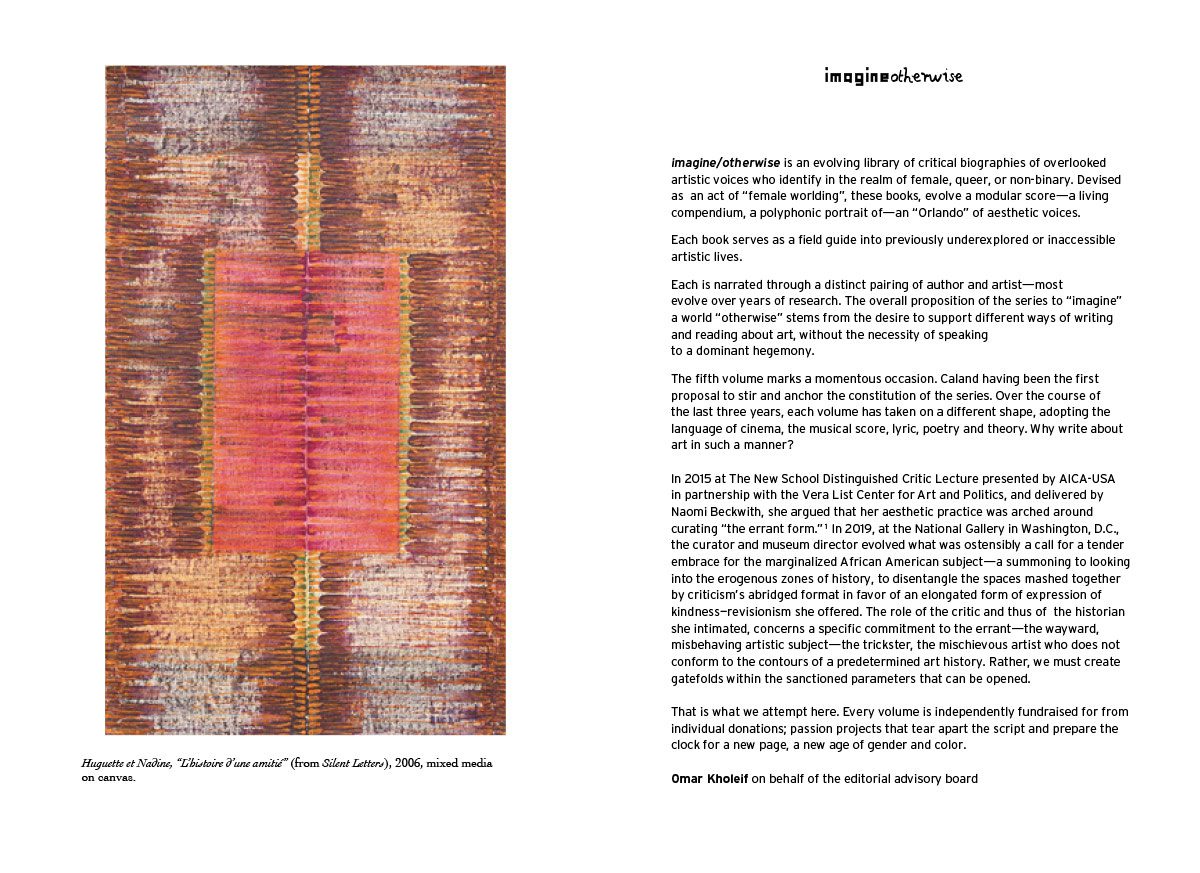
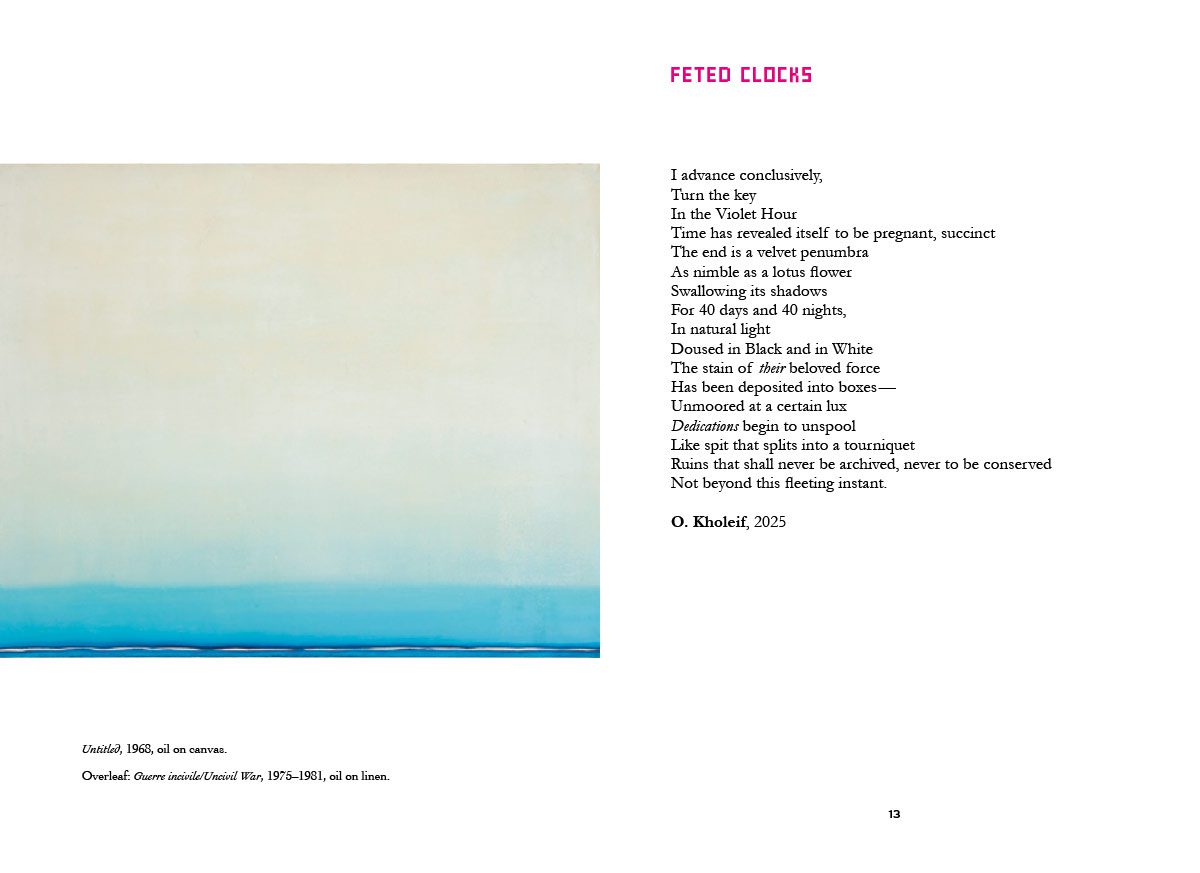
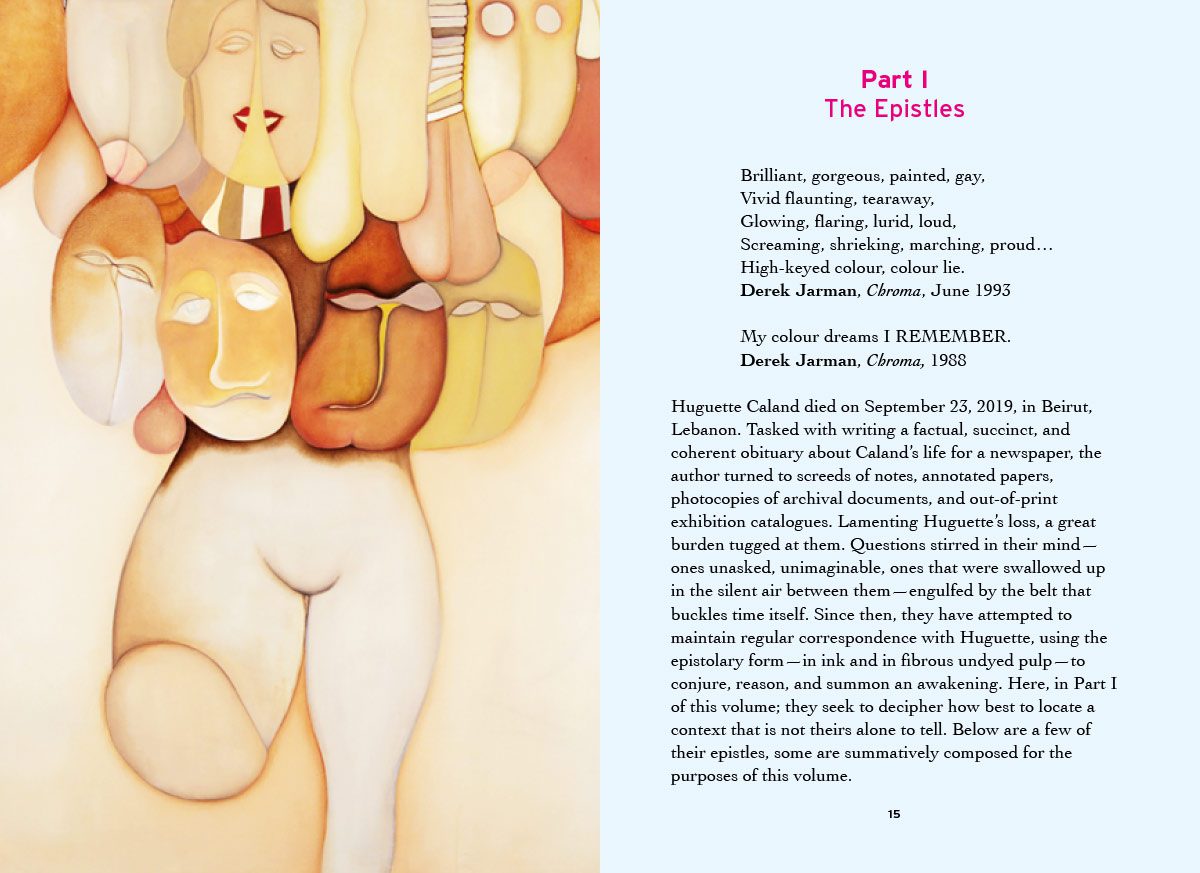
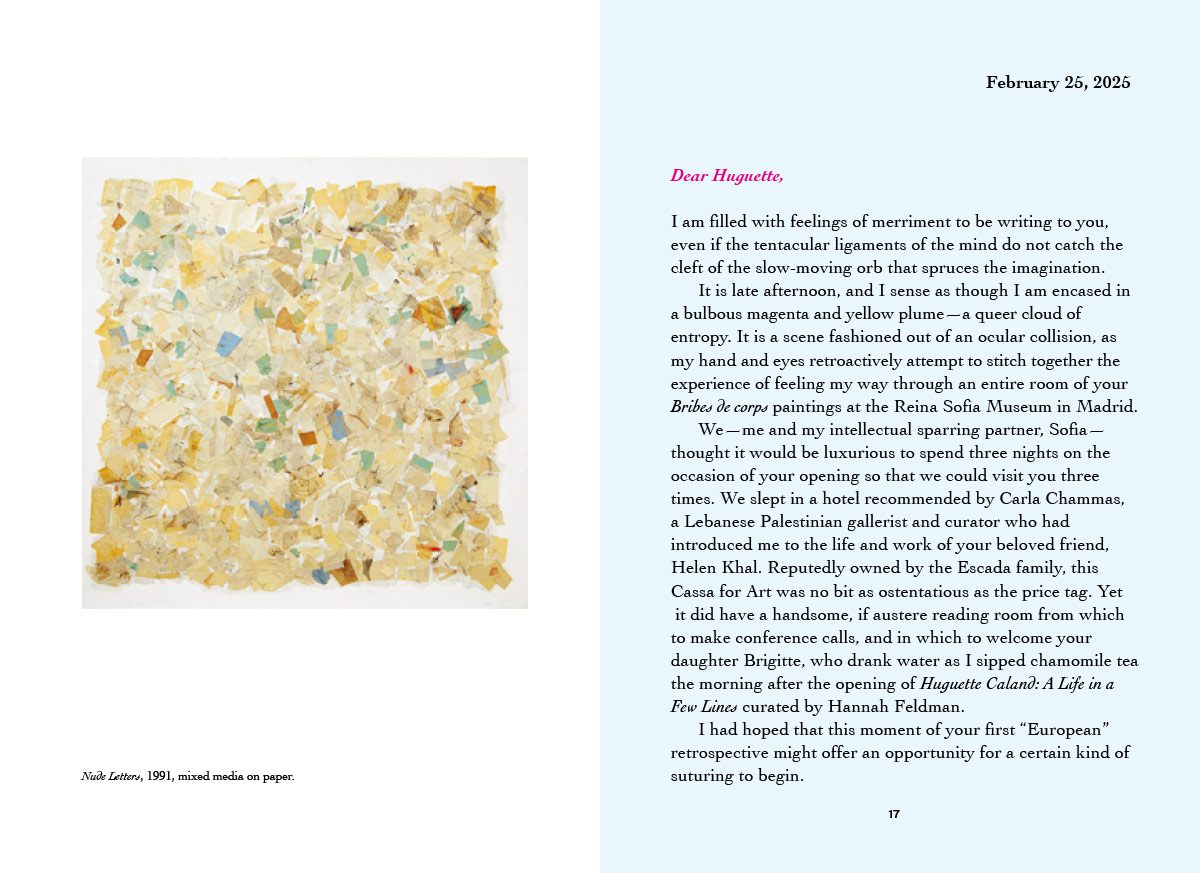
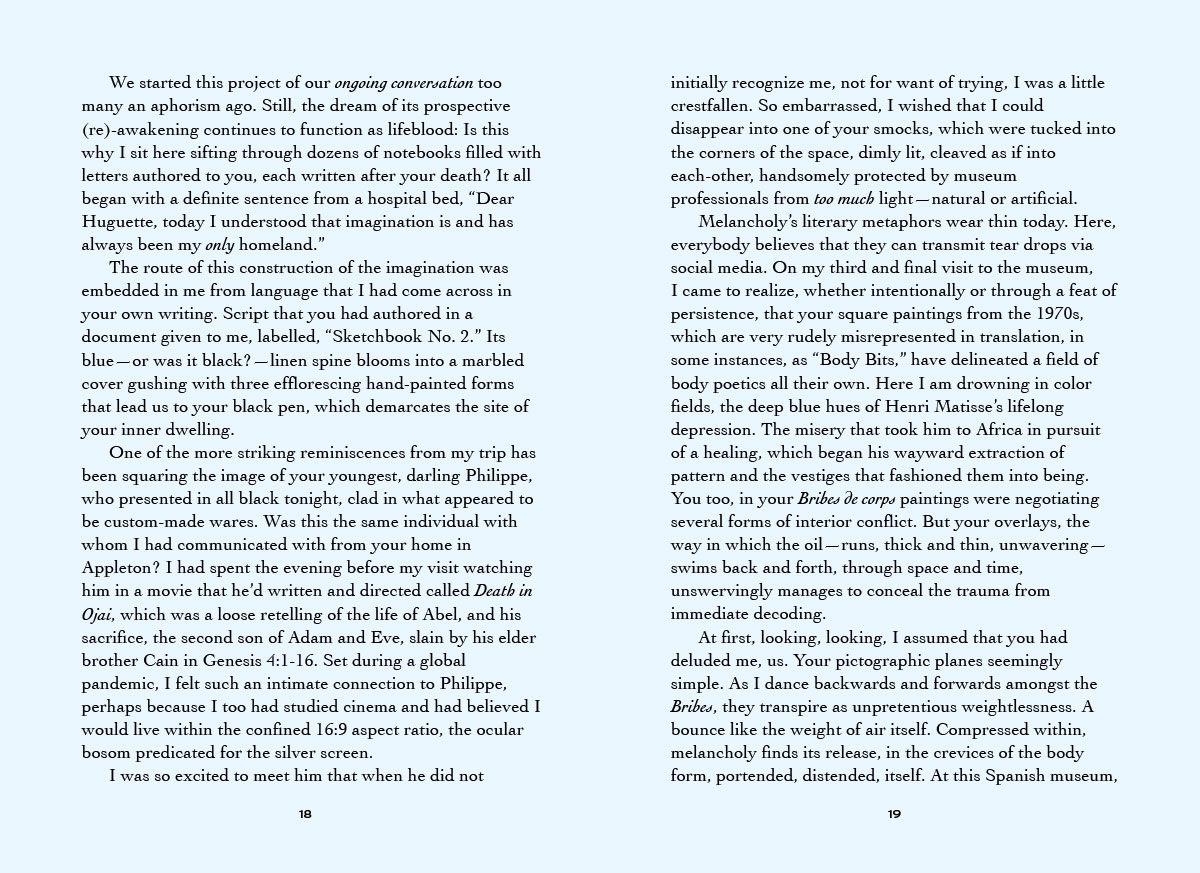
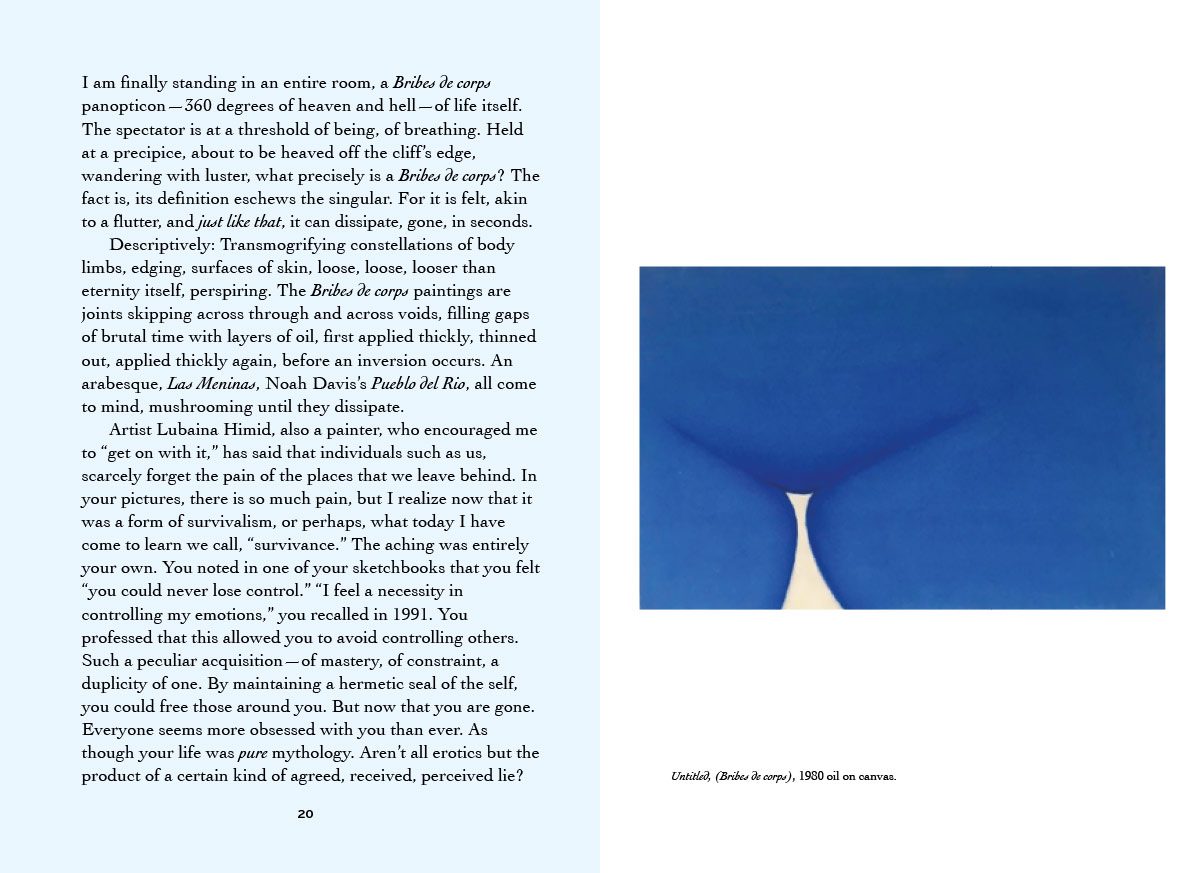
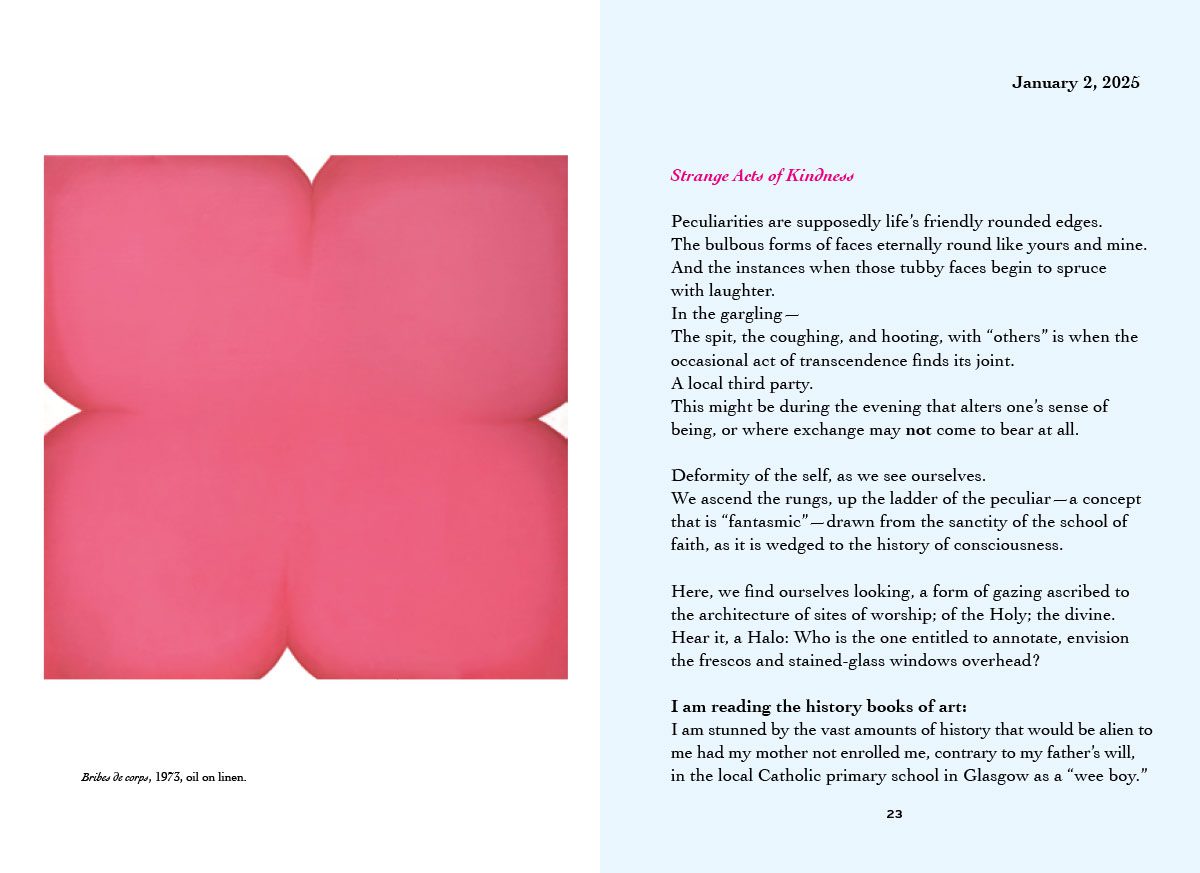
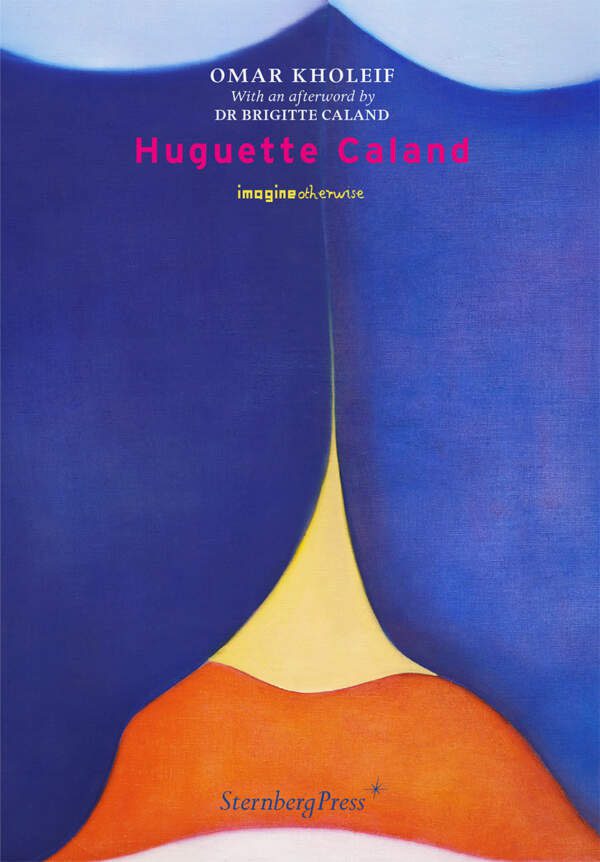 Huguette Caland was born in Beirut, Lebanon in 1931, the daughter of Bechara El-Khoury, who would become the newly independent nation’s first president in 1943. But Caland carved a path far from the constraints of political legacy. Fiercely independent from the outset, she married Paul Caland—nephew of one of her father’s political rivals—and, while still married, maintained a passionate affair with a lover named Mustafa, who would reappear throughout her art as muse and motif. In 1964, at the age of 33, Caland enrolled at the American University of Beirut to study fine art. Six years later, she made a bold break: leaving behind family, lover, and homeland, she relocated to Paris to pursue her creative vision full-time. Her journey would later take her to Venice, California—where she continued to live and work as an artist unbound by geography or convention. This compelling book from Sternberg Press, authored by curator and cultural historian Omar Kholeif, invites readers to plunge into the kaleidoscopic universe of Huguette Caland—a world where brushstrokes whirl like carnival rides and pinks, mauves, and cobalt blues pulse in gravitational orbits. Kholeif describes his first encounter with Caland’s work as akin to tumbling headfirst from a roller coaster into a mountain of icing—an ecstatic moment that marked the beginning of an eighteen-year engagement with one of modernism’s most radical and sensual voices. Part epistolary memoir, part critical biography, the book weaves together intimate letters, archival treasures, and insightful essays into a single cinematic narrative. Caland’s five-decade creative odyssey—from Beirut’s post-independence salons to the Parisian avant-garde and the bohemian enclaves of Los Angeles—is mapped in story-rich chapters that reflect both her life and her luminous, erotic, and experimental art. The book includes never-before-published sketches, textiles, and candid studio photographs, offering rare insight into the playful, subversive, and boundary-dissolving world Caland inhabited. At a time when the art world is reexamining its canon, this volume repositions Caland not as a regional curiosity but as a key figure in the story of global modernism—feminist, transnational, and unapologetically intimate.-Efi Michalarou