PRESENTATION: Nedko Solakov-YOUNGER (a fairy tale) 1980 /1990
Nedko Solakov combines his traditional education with conceptual practices to create complex, multi-faceted and sharp-witted works. He is a great storyteller, showing an unmistakably poetic desire for short narratives, aphorisms, comparative descriptions, plays on words and semantic double entendres that are the characteristic elements of his idiom. In his wide variety of drawings, paintings, performances and installations, Solakov employs an ironic, metaphoric and poly-semantic style to analyse the role and contradictions inherent not only to the contemporary art system, but also collective “truths” and societal norms connected with the human existence.
By Efi Michalarou
Photo: Galleria Continua Archive
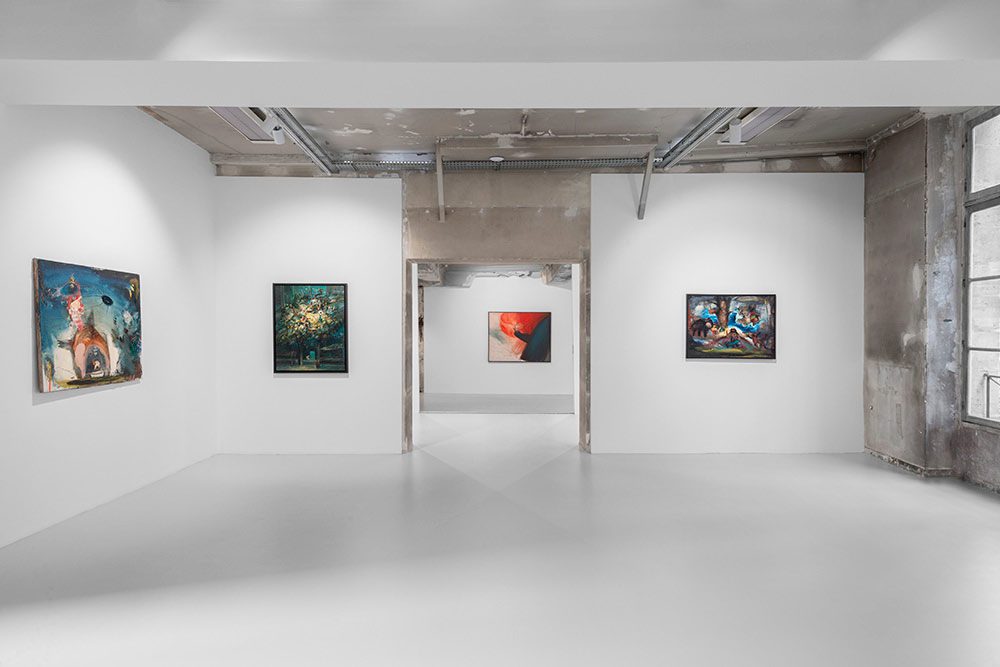
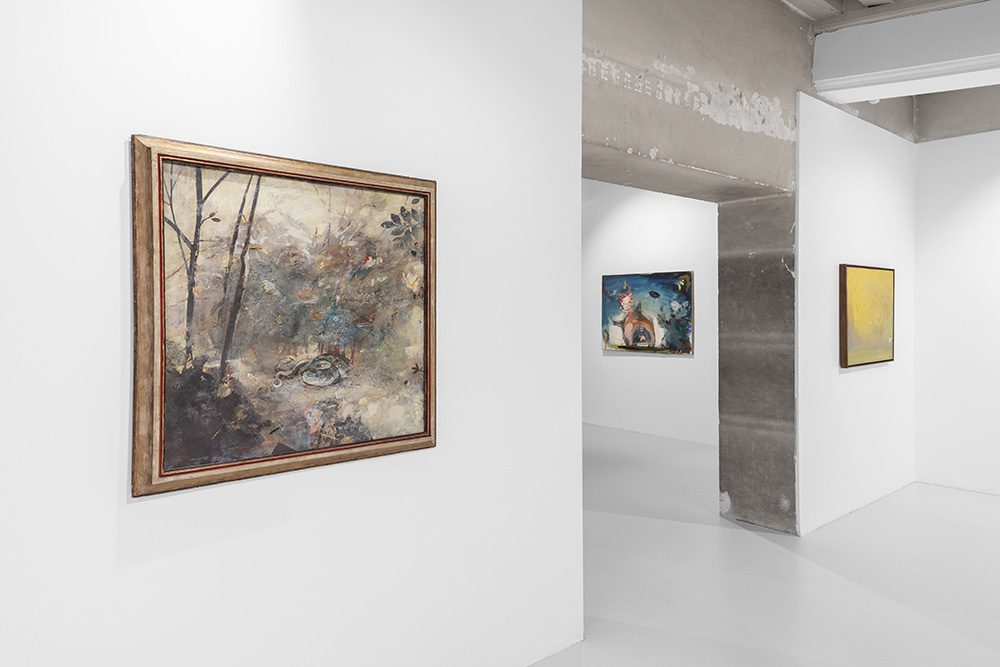
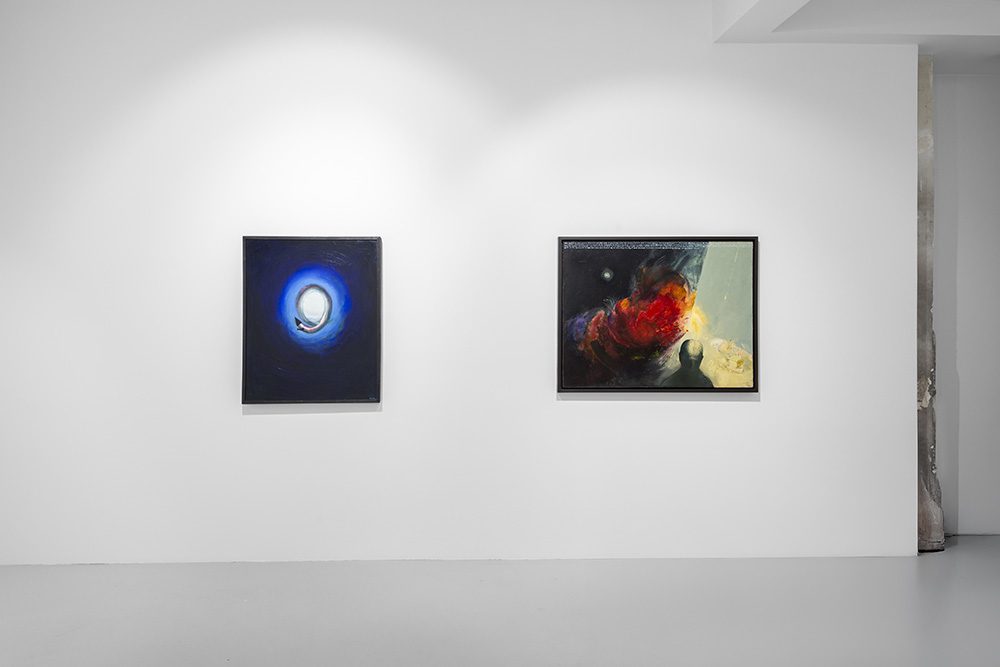
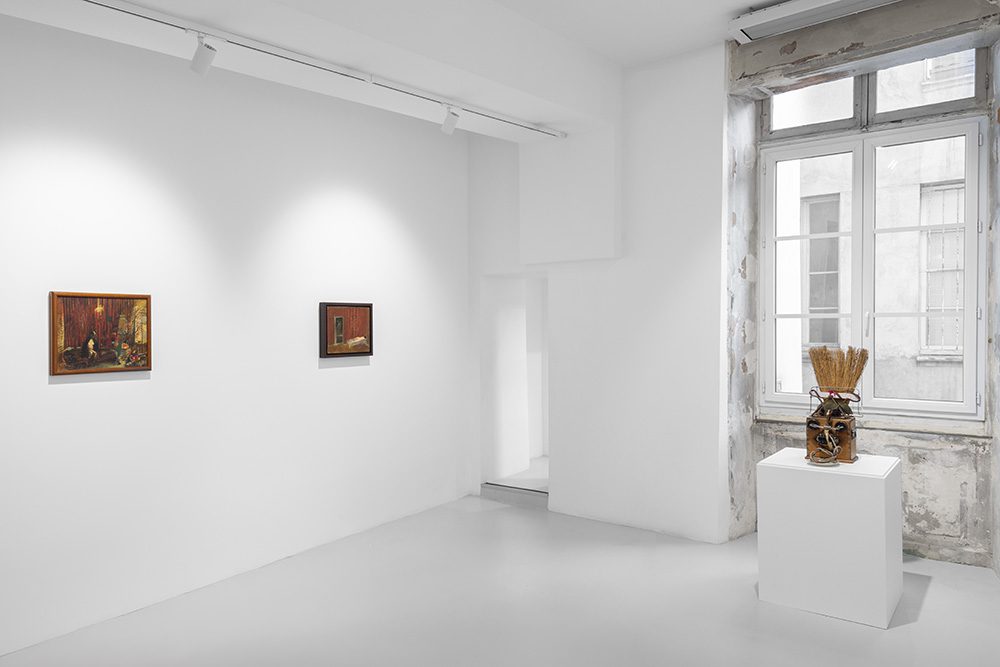
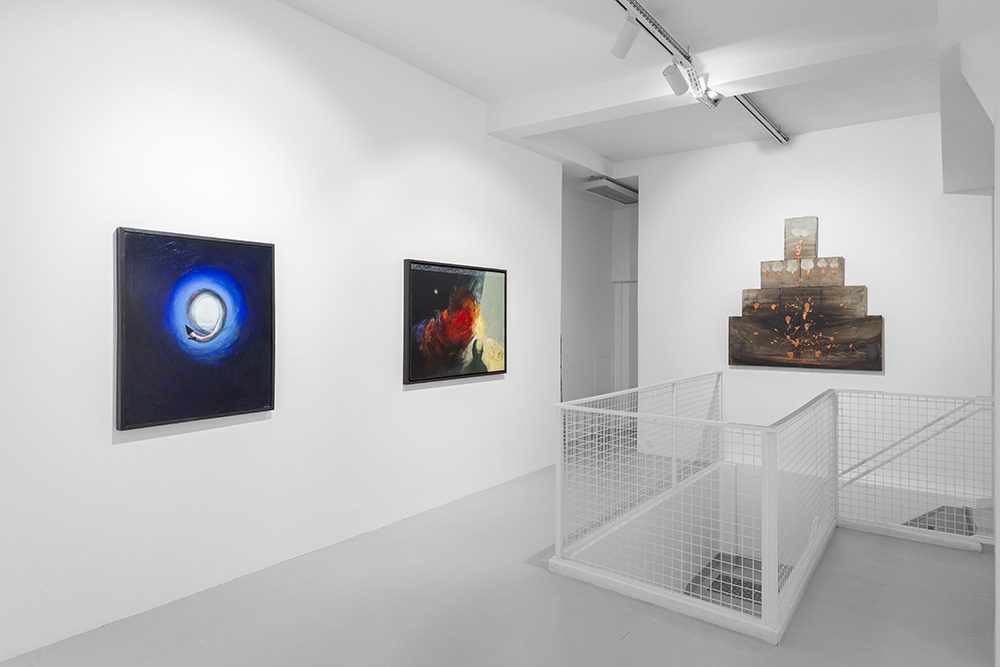
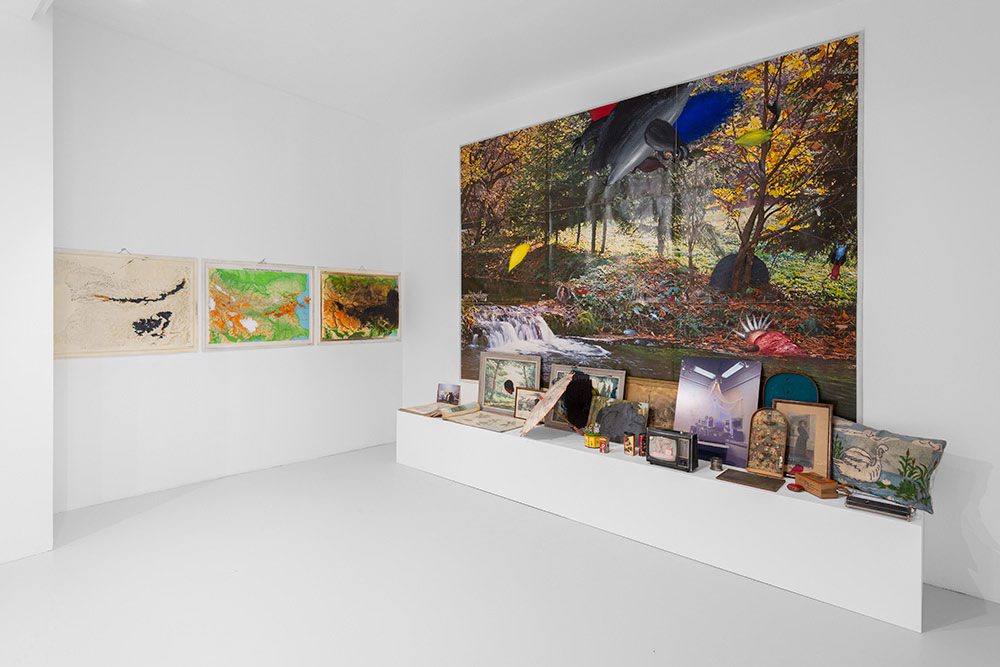
The exhibition “YOUNGER (a fairy tale), 1980 – 1990” retraces Nedko Solakov’s formative decade and, in doing so, brings to France—for the very first time—a pivotal chapter in both the artist’s trajectory and the cultural history of Eastern Europe. Framed by Perestroika, the fall of the Berlin Wall and the slow dissolution of the USSR, the works on view capture a society edging from rigid state socialism toward the dizzy promises—and pitfalls—of incipient capitalism. Born in 1957 and trained as a mural painter at Sofia’s Academy of Fine Arts, Solakov quickly distinguished himself as a sly analyst of the ideological “reality” demanded by the communist state. Beneath the ornamental surface of his canvases runs a mischievous undercurrent of word‑play, micro‑narrative and autobiographical confession that would later make him a fixture at the Venice Biennale and documenta (1993‑2007). The modest, wistful “Studio” (1980) already hints at Solakov’s taste for self‑questioning fables: pigments, palettes and brushes hover in a near‑theatrical light, as though the painter were staging his own uncertainty. This search for direction intensified during his compulsory military service, a period that yielded dozens of paintings and—crucially—an uneasy flirtation with Bulgaria’s secret police. Those encounters later became “Top Secret” (1989‑90), an index‑card archive in which the artist “outs” his youthful collaboration years before the official files were unsealed in 2018—a rare, self‑indicted gesture in the post‑Soviet context. Unable to critique the system openly, Solakov slipped through its cracks by cloaking dissent in fairy‑tale logic. In “A Fairy Tale” (1986) a candy‑bright palette and story‑book title are jolted by the presence of a knife‑wielding figure; innocence and menace coexist in the same dream. Likewise, “I Already Love the Soviet Union” (1988) couches its subversion in a dead‑pan declaration of loyalty: an amorphous giant swallows a diminutive self‑portrait, dramatising the bargain between security and self‑betrayal. The Union of Bulgarian Artists rejected the canvas, sensing its double meaning. Painted the same year, “Hierarchy: (1988) arrays eight fog‑shrouded panels in a dung‑brown pyramid. At the summit, a bloated patriarch soils everyone below—a literal trickle‑down of corruption. The work’s frankness foreshadows the anger that would erupt across the Eastern Bloc within twelve months. When Solakov joined “The City ?: exhibition in Sofia (1988)—mounted by the now‑legendary City Group under the single rule “no paintings allowed”—he embraced object‑based interventions that mocked everyday life under late socialism. This dialogue between brush‑and‑canvas discipline and nimble conceptual detour became a hallmark, allowing him to move fluidly between museums, street corners and, later, the international biennial circuit. A through‑line runs from the miniature narrative figures he tucked into the cracks of urban Sofia to “Shutter People” (2024), in which seven roll‑down metal screens of Galleria Continua in Paris sprout tiny painted protagonists who appear only after closing time, turning the off‑hours façade into an impromptu comic strip. The exhibition reminds us that the fantastical devices, dark humour and self‑critical that forged in 1980s Bulgaria were not provincial quirks but the seedbed of a practice that now occupies MoMA, Tate and Centre Pompidou collections. By mapping the twilight of one ideology and the dawn of another, Solakov offers viewers a mirror in which private memory and collective history blur—suggesting that, even amid seismic change, stories may be our most durable form of truth‑telling.
Photo: Nedko Solakov, YOUNGER (a fairy tale), 1980 – 1990, Installation view, Galleria Continua-Paris, 2025, Photo: © Paul Hennebelle. Paris ADAGP 2025, Courtesy Galleria Continua
Info: Galleria Continua, 87 rue du Temple, Paris, France, Duration: 6/6-6/9/2025, Days & Hours: Tue-Sat 11:00-19:00, www.galleriacontinua.com/