PRESENTATION: Modeling Life
The exhibition “Modelling Life” examines how models emerge in art and everyday life: as play-spaces to collectively explore forms, perspectives, and ideas. Just as a child builds with blocks or plays with a dollhouse, the process of modelling can become a way of learning, discovering, or making anew. Through media such as drawing, sculpture, and photography the exhibition proposes ‘modelling’ as a dynamic process of reflection and experimentation.
By Dimitris Lempesis
Photo: Z33 Archive
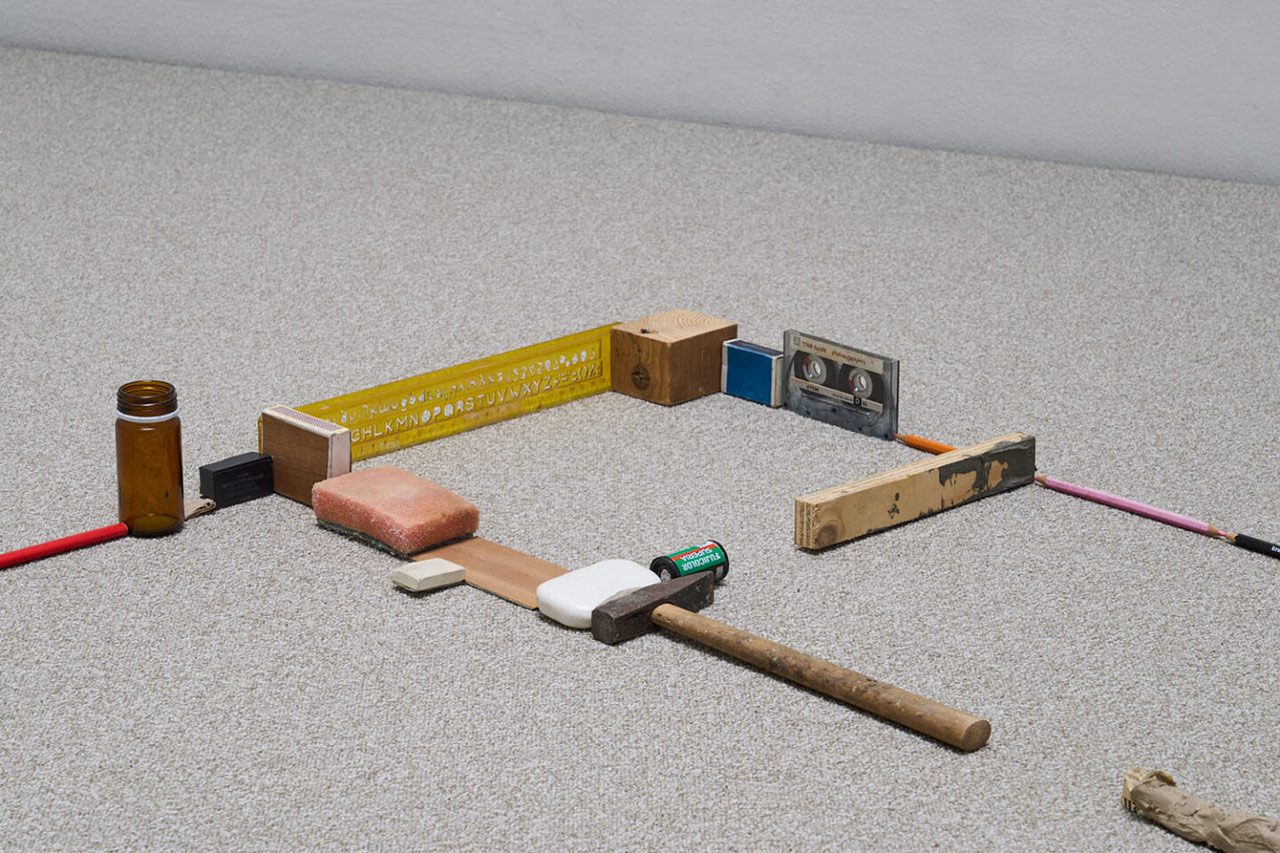
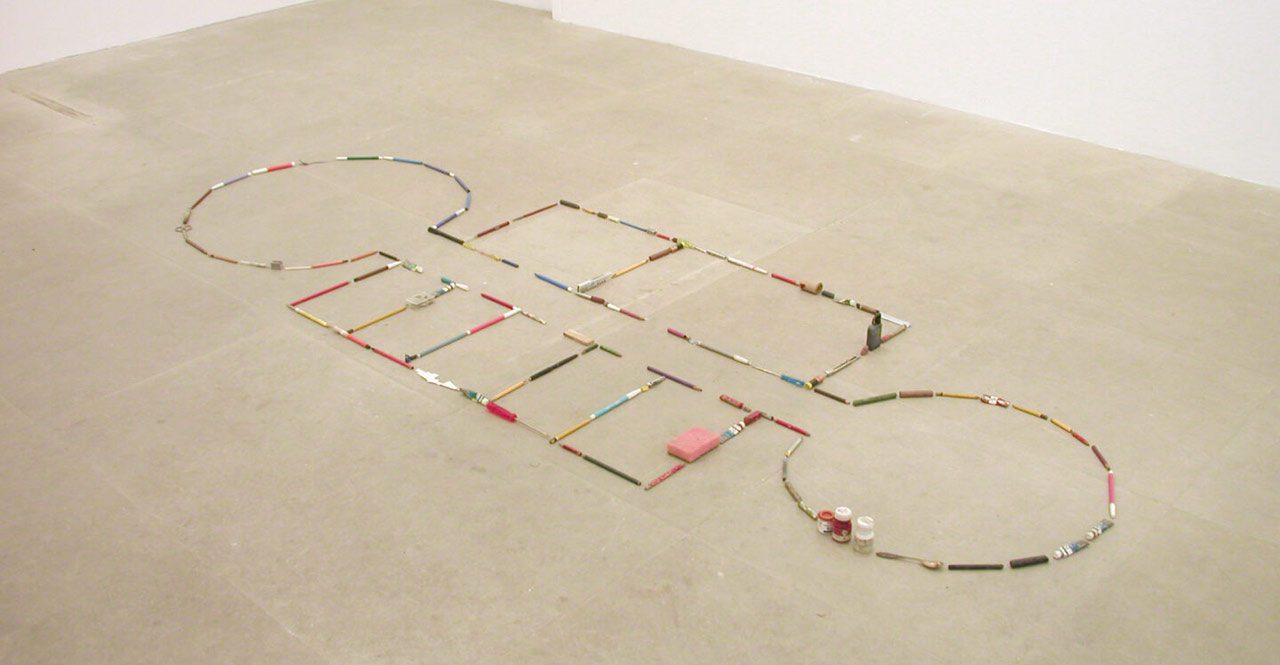
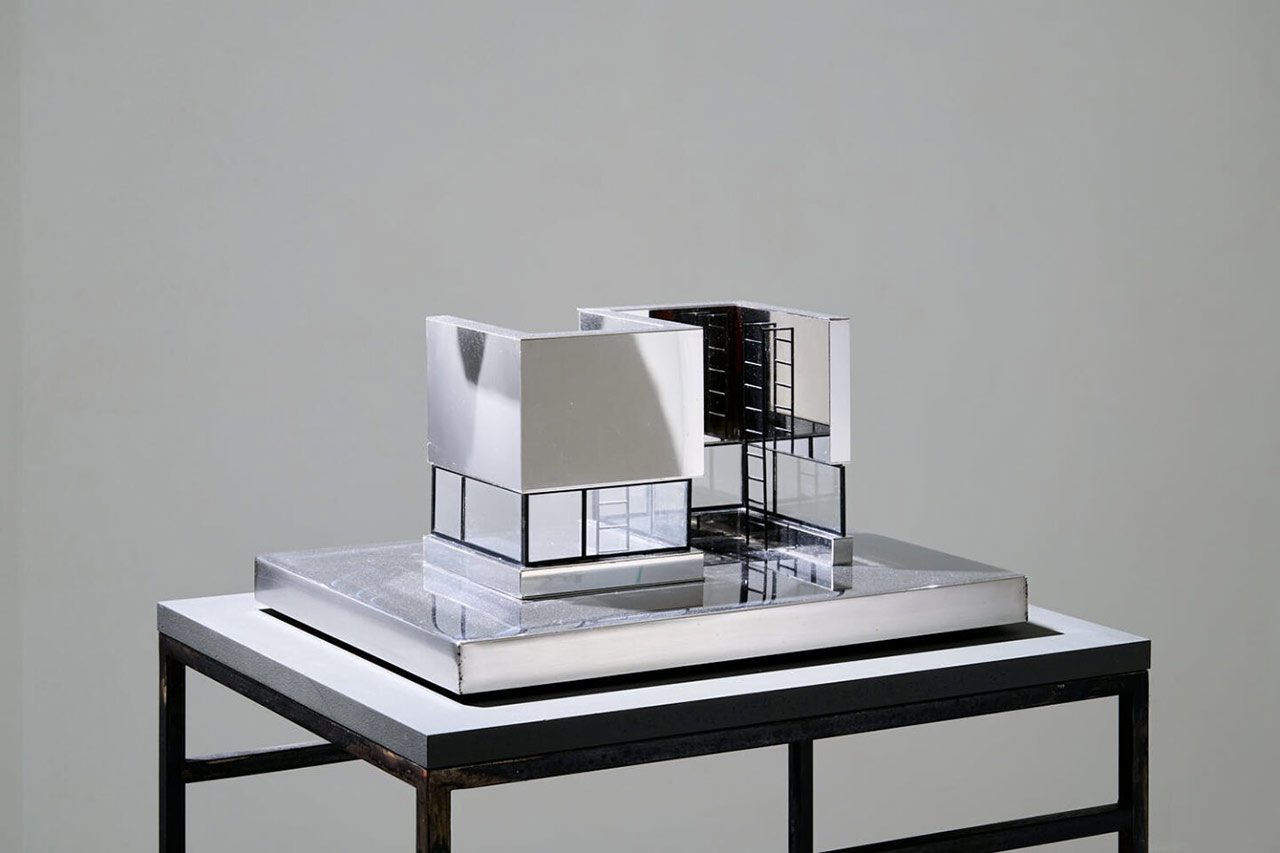
Whether through architectural structures, social archetypes, or conceptual frameworks, models offer us ways to express new realities. At the same time, such models can limit or confine us – much like an adolescent might feel uncomfortable in a world that doesn’t seem to fit. “Modelling Life” traces the contours of our built environment. At the same time, it asks how our identities are constructed. Whether architectural or psychological, the exhibition explores the tools we use to orient ourselves in the world. Through installations and conceptual works, the artists in the exhibition highlight the role of the model as both mirror and blueprint of collective aspirations. The exhibition emphasises the process of making spaces that accommodate diverse bodies, experiences, and dreams, ultimately asking of us: can we create a built environment as rich and complex as life itself? In “Passage”, a new commission created specifically for the exhibition, Christiane Blattmann has taken inspiration from the simple form of a key, a poignant symbol of access, as the basis for a new series of sculptures. Blattmann’s installation employs materials taken from our built environment (metal, fencing, plastic) which are paired with softer modelling materials such as stitched cotton, cardboard, or pigmented wax. Passing through the gallery, we encounter forms that move between model and architecture, entry-point and obstacle. Pablo Bronstein’s intricate paintings on paper invert notions of scale and style. Classical buildings grow whimsical extensions, while modernist apartment blocks spiral into ornate gardens. Bronstein’s rendering skill asks us to imagine these as real spaces, or at least real possibilities. What could a queering of architectural space look like? Bronstein’s watercolours function as models for alternative architectural histories, playfully confronting key architectural concepts such as proportion or ornamentation. Throughout the photographic series “In the Kitchen”, Helen Chadwick playfully inserts herself into a series of handmade kitchen appliances. Carefully constructed from fabric, metal and PVC, these once-rigid industrial appliances become pliable: a second skin. Like clunky garments, they are worn and handled by Chadwick across a series of per- formative photographs. Many of Chadwick’s works take a satirical approach towards issues of the body and its socialised environments. In the works of Helen Chadwick and Diane Simpson, the activity of ‘wearing something’ has varied symbolic connotations. Within Chadwick’s work, the sexist model of a woman’s role being in the kitchen is made humorously literal and physical. Chadwick is not working in the kitchen, but rather her body is embedded into the material of the kitchen itself. On the other hand, in Simpson’s sculptures the decorative or frilly – feminine clothing styles often dismissed as superficial and unserious – becomes imposing, heroic, architectural. In Chadwick’s work we see a reversal where the hard, industrial and machinic becomes softer and more accommodating, even wearable. Park McArthur’s artworks model the constructed nature of public space, a space which reflects the expectations of those who navigate it. How often do these expectations misalign? “Private Signs” is a collection of American disabled parking signs which have been removed of their ‘contents’ such as images or text. Instead, these signs communicate through a language of form, aesthetics, and even intuition. They communicate a plethora of necessities and points of access, but with- hold the specificity of the request. They speak towards systems of navigation, and systems of inclusion and exclusion. Diane Simpson’s architectonic sculptures are based on decorative garments and adornments. Through a practice of drawing, Simpson remodels these pieces of clothing into schematic designs. What was once a soft and pliable form becomes rigid, constrictive, monumental. These drawings are rigorously translated into three-dimensional form using utilitarian materials such as fibreboard or aluminium. The surfaces of these sculptures are carefully treated with enamel or crayon. These works exist in a space between architecture and garment, between delineation and decoration. They speak to how both clothing and architecture remodel the body. Mark Manders seminal work, “Self-Portrait as a Building”, transforms a floor plan into a meditative exploration of identity through everyday objects. Manders eschews linear storytelling, opting instead for an associative logic and open-ended interpretation. By embedding his self-portrait into an architectural form – made of simple objects such as pencils, clothes pins, or rulers – Manders challenges viewers to see identity as a spatial construct, part of the material world.
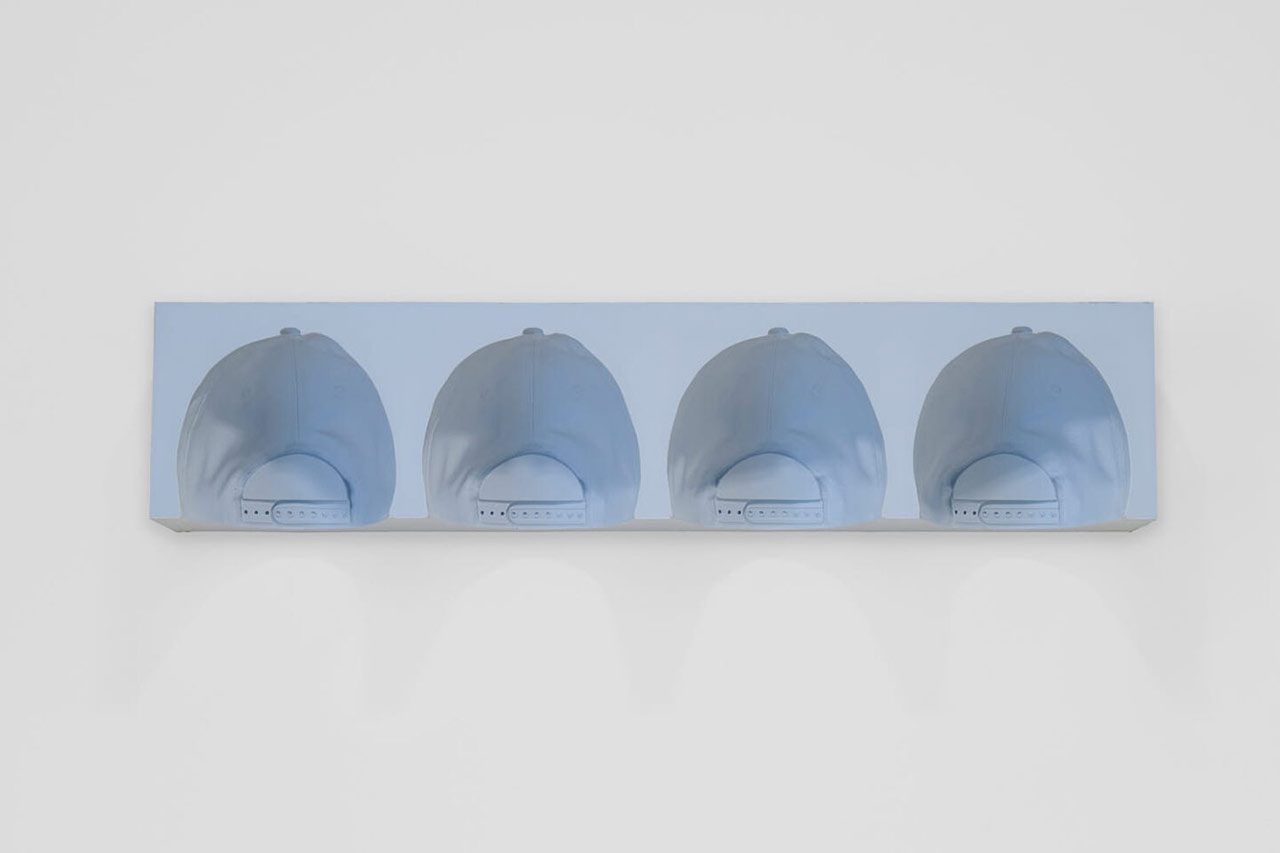
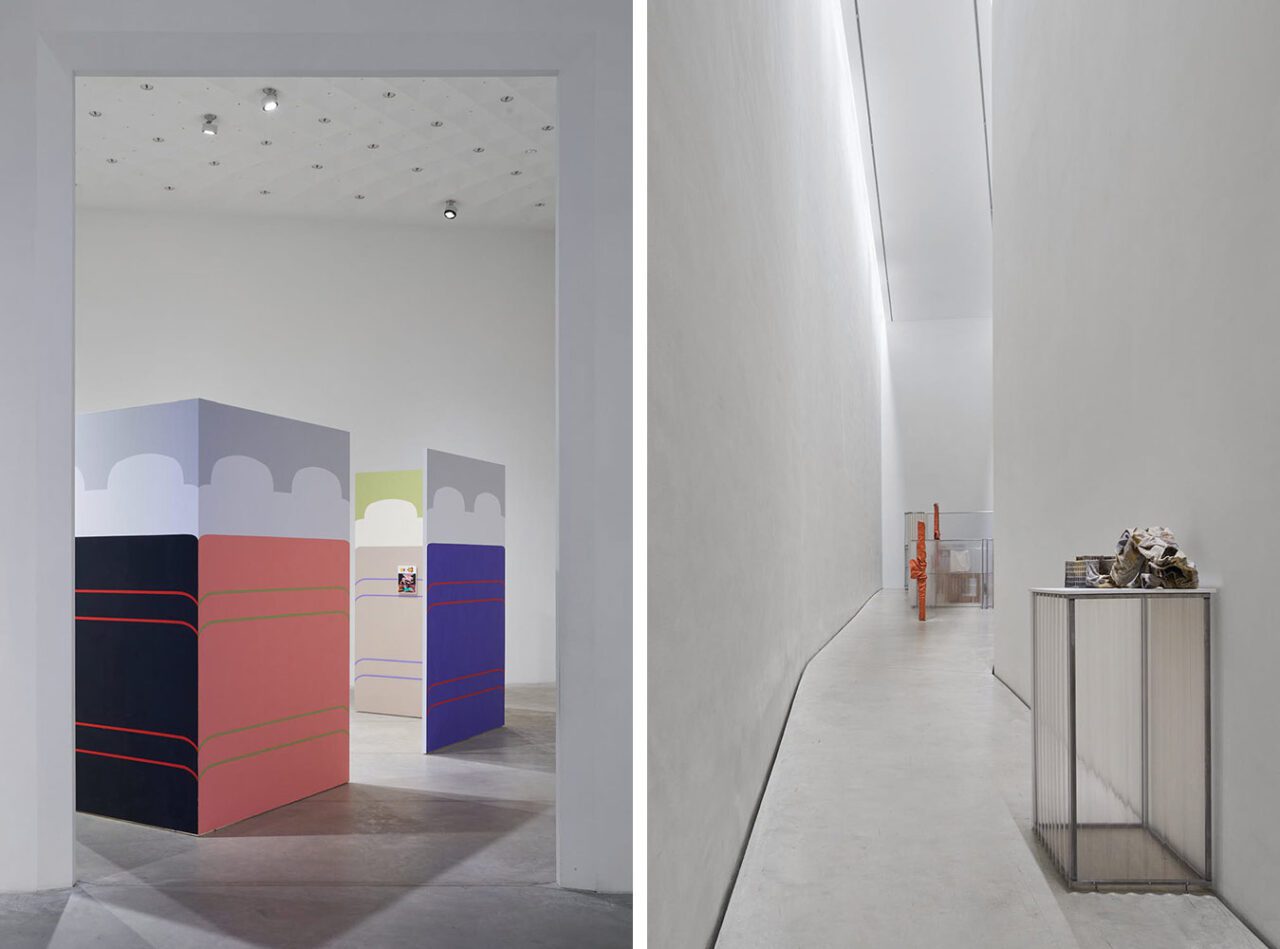
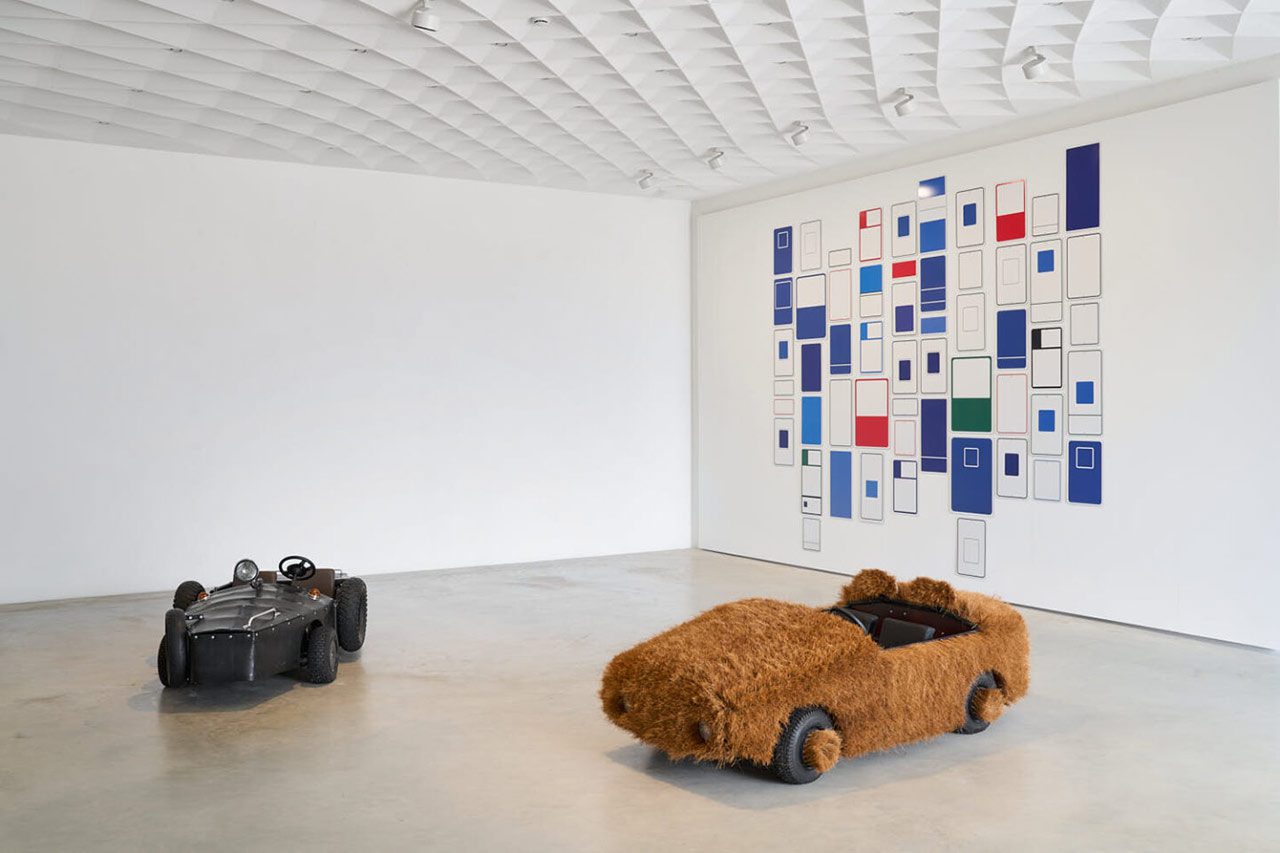
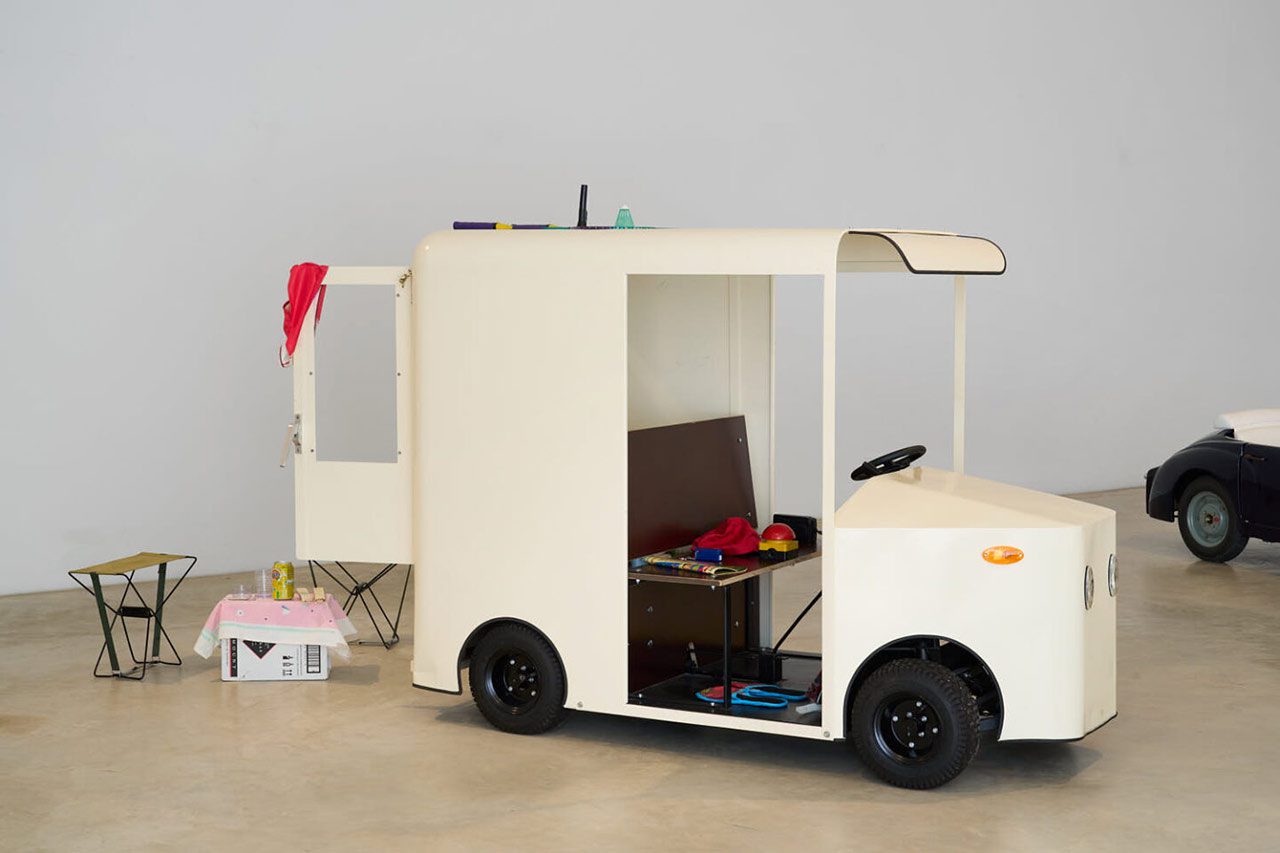
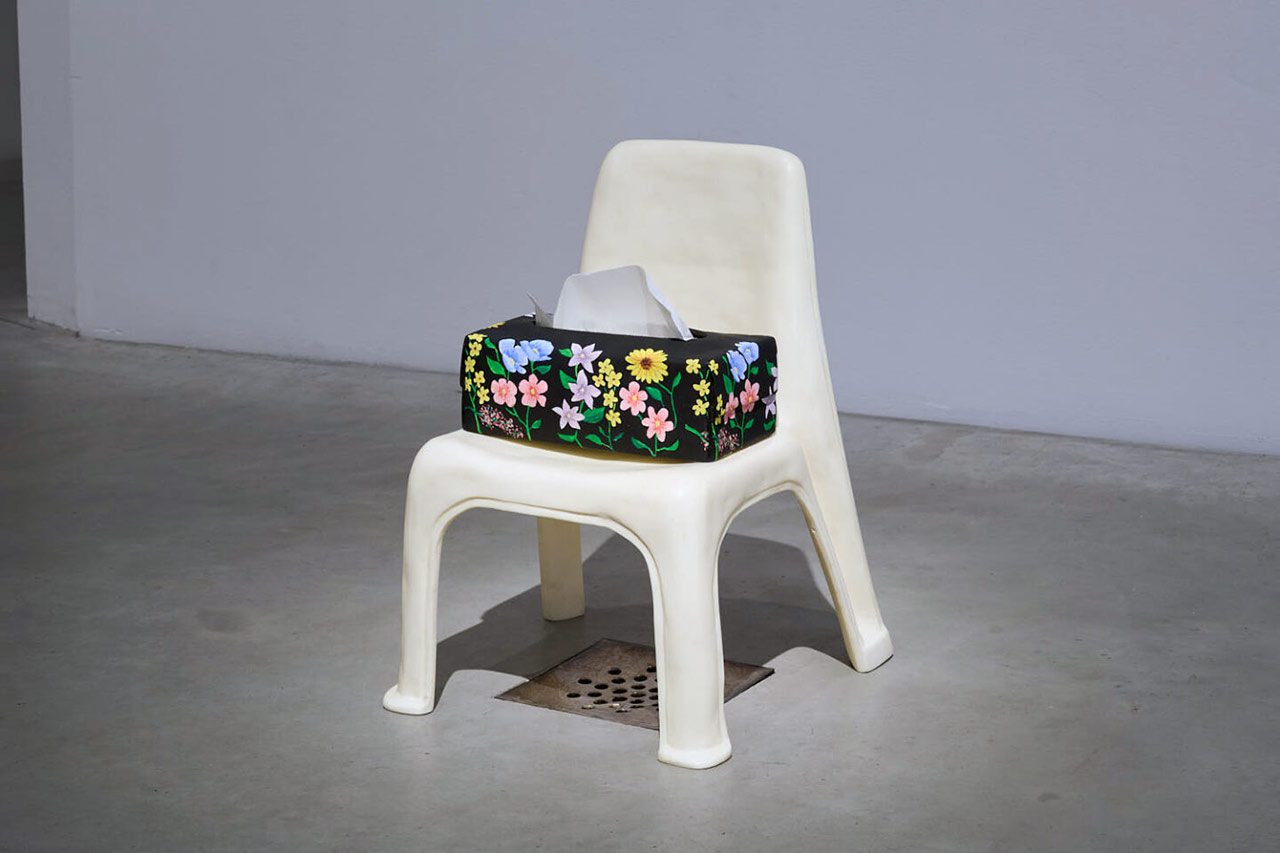
Sara Deraedt and Robert Gober’s “Untitled” works stand together in the gallery. Child-sized, one may have to crouch or bend over to more closely examine them. Foregrounding scale, one may feel awkward or self-aware of one’s own position towards the sculptures. Here the walls and the viewer’s body may become material, too. A children’s chair holding a tissue box stands atop a floor drain: Robert Gober’s sculpture evokes the familiarity of the everyday. His carefully crafted works conjure personal narratives of belonging and estrangement rooted in both memory and materiality. Gober, the act of modelling has physical and psychological connotations. Kasper Bosmans’ small Legend paintings blend graphic symbolism with storytelling, creating a unique visual grammar. The paintings’ contents are drawn from history, personal anecdotes and collective memory. In “Modelling Life”, Bosman’s new commission situates his Legend paintings within an architectural mural environment composed of painted duo-toned double beds. By evoking the domestic realm of the bedroom, a sliver of intimacy is introduced within the larger exhibition. As if inside the chrysalis of a colourful moth, the bed becomes a space for fantasy, self-transformation, reinvention. Joseph Grigely is a conceptual artist who uses language and communication as central themes. Deaf since childhood, Grigely’s long-term series “Conversations” with the Hearing archive years of written exchanges: a model that Joseph has relied on to communicate with those who do not speak sign language. Grigely’s “Conversations” bring language down to earth, turning ephemeral exchanges into tactile models of speech. The “Conversations” depict a unique and challenging way of inhabiting the world, while simultaneously forming new and inspiring affiliations: chit-chatting together on brightly hued or neutral-toned scraps of paper, stained with words, scribbles, drawings and diagrams. Jakob Brugge uses sculpture as a tool to probe archetypal narratives and symbols of group identity. Are you on my team or not? In Brugge’s new commission for Z33 he employs the process of mould making and casting to reinvent clothing items such as baseball caps, belts or boat shoes. His installa- tion is a sculptural interplay between positive and negative forms cast in pigmented rubber. Rubber is a flexible material, easily distorted and warped – Brugge plays its malleability against the rigidity of the imagined archetype. Do we conform to or resist the mould. Atiéna R. Kilfa’s nocturnal photographic series “You Look Lonely” shows a central figure engaged in mundane activities around her apartment: looking in the fridge, going for a shower, preparing for bed. At second glance, the photographic façade begins to crack as we slowly realise the subject is in fact a manne- quin masquerading within Kilfa’s domestic environment. Interestingly, this specific mannequin was modelled from a living fashion model in the late 1960s. By taking the figure out of its intended commercial context and into an intimate and domestic setting, the manufacturing of the ‘idealised form’ becomes more apparent. Simple apartment lighting allows the artist to engage in an active process of modelling, as the camera senses for a subject lying just beneath her plastic skin. Rosemare Trockel’s “Kinderspielplatz” is an installation made up of eight different custom-built child-sized cars and an accompanying video. Each car expresses a kind of personality or characteristic: one is fluffy like a dog, another resembles a military vehicle, a third has neat piles of snowflakes on its hood and fender. The installation is loosely based on a painting by Pieter Breugel called “Kinderspelen” (1560), in which children crowd a town square playing games without an adult in sight. In Trockel’s video we see a world driven by children: one where play and curiosity take centre stage. The installation presents us with a microcosm of our own world through a child’s eyes. Traditionally, objects like dolls houses and toy cars present children with models to learn about adulthood. However, in “Kinderspielplatz” this logic is inverted: we see our world, made differently. The child’s model of life becomes our own.
Participating Artists: Kasper Bosmans, Christiane Blattmann, Pablo Bronstein, Jakob Brugge, Helen Chadwick, Sara Deraedt, Caroline Van den Eynden, Robert Gober, Joseph Grigely, Atiéna R. Kilfa, Mark Manders, Park McArthur, Diane Simpson, Rosemarie Trockel.
Photo: Robert Gober, Untitled, 1997. Cast plastic, painted bronze, paper, silver- plated steel, wood, 17,25 x 13 x 13 inches. Courtesy Matthew Marks Gallery
Info: Curator: Kevin Gallagher, Z33 – House for Contemporary Art,/ Design & Architecture, Bonnefantenstraat 1, Hasselt, Belgium, Duration: 30/3-24/8/2025, Days & Hours: Wed-Sun 11:00-17:00, www.z33.be/en/