PRESENTATION: Franz West-Dinge und Menschen II
Franz West began working actively as an artist in 1970, at a time when the Viennese Actionism Μovement was shocking Austrian society. He distanced himself from the Actionists’ performances that were defined by violence, nudity or sexuality, but not from the desire to provoke. Franz West wanted to break taboos, but those taboos lay within the art world itself, a world dictated by society and tradition.
By Dimitris Lempesis
Photo: Galerie Bärbel Grässlin Archive
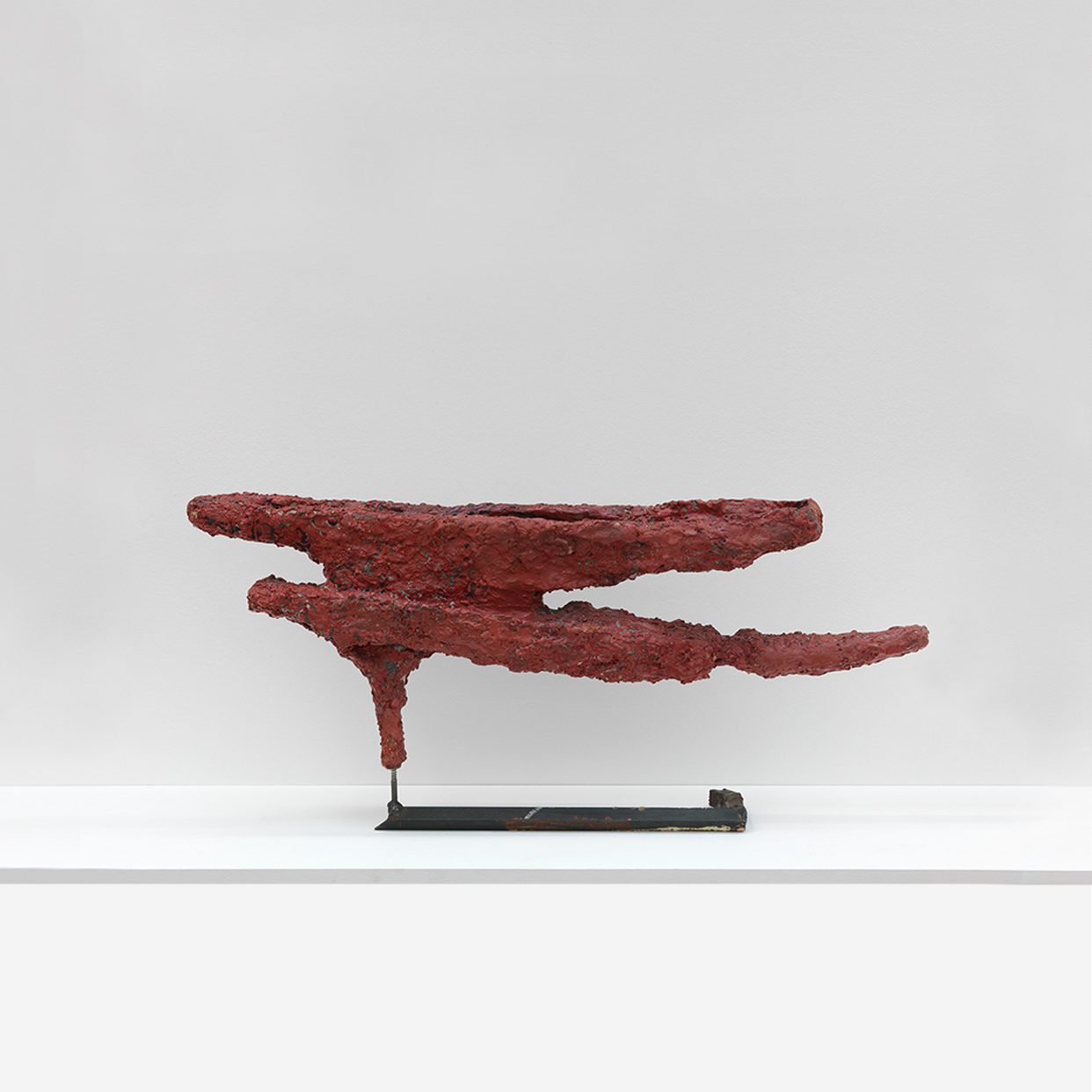
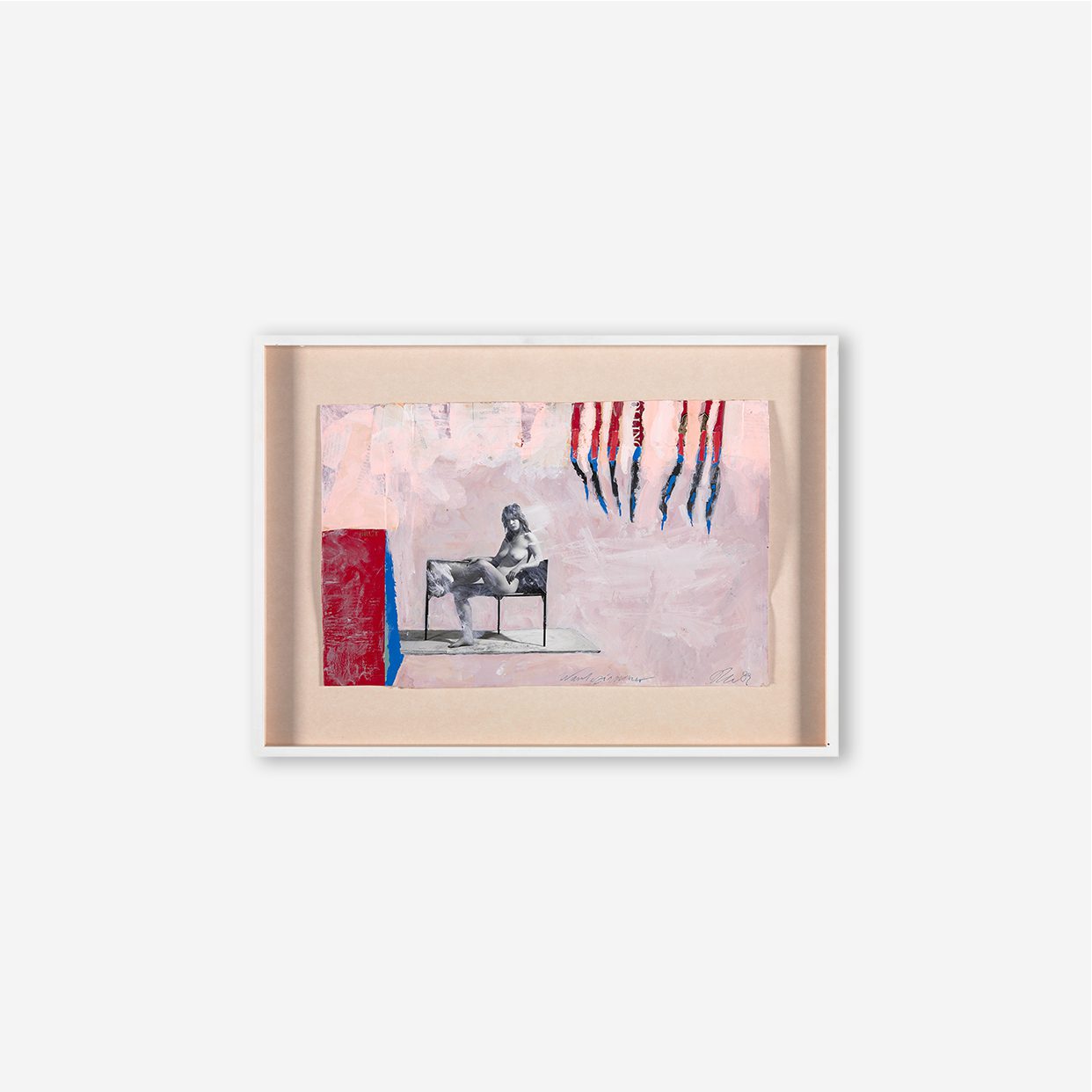
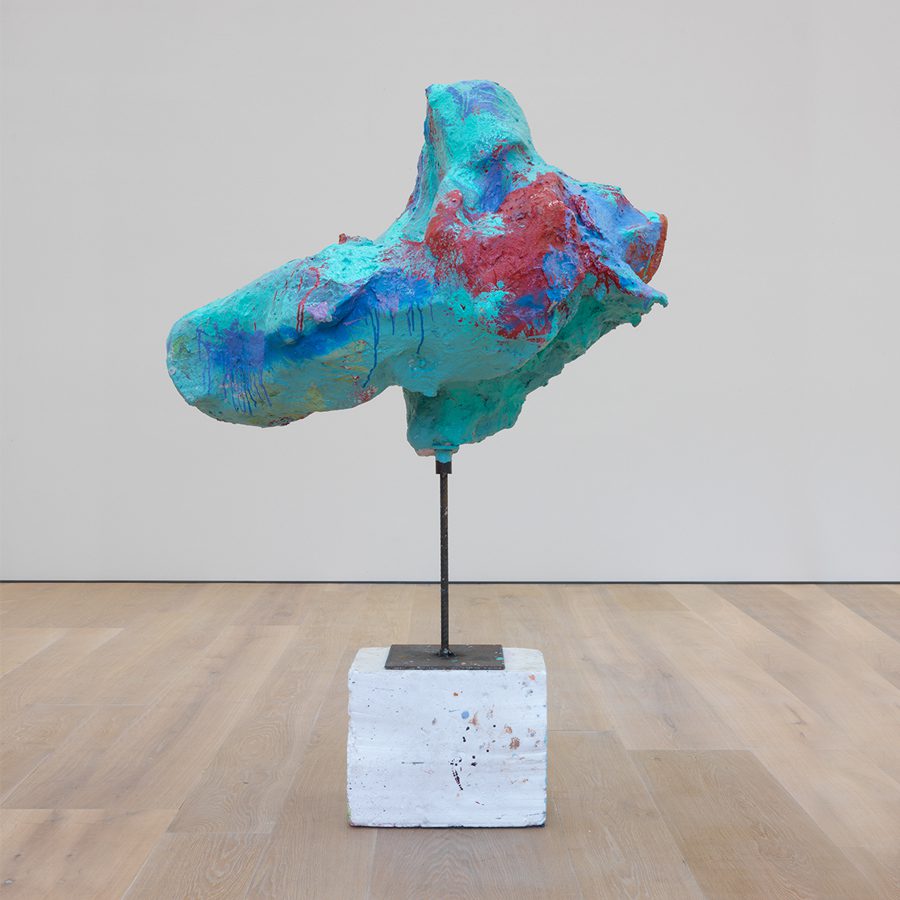
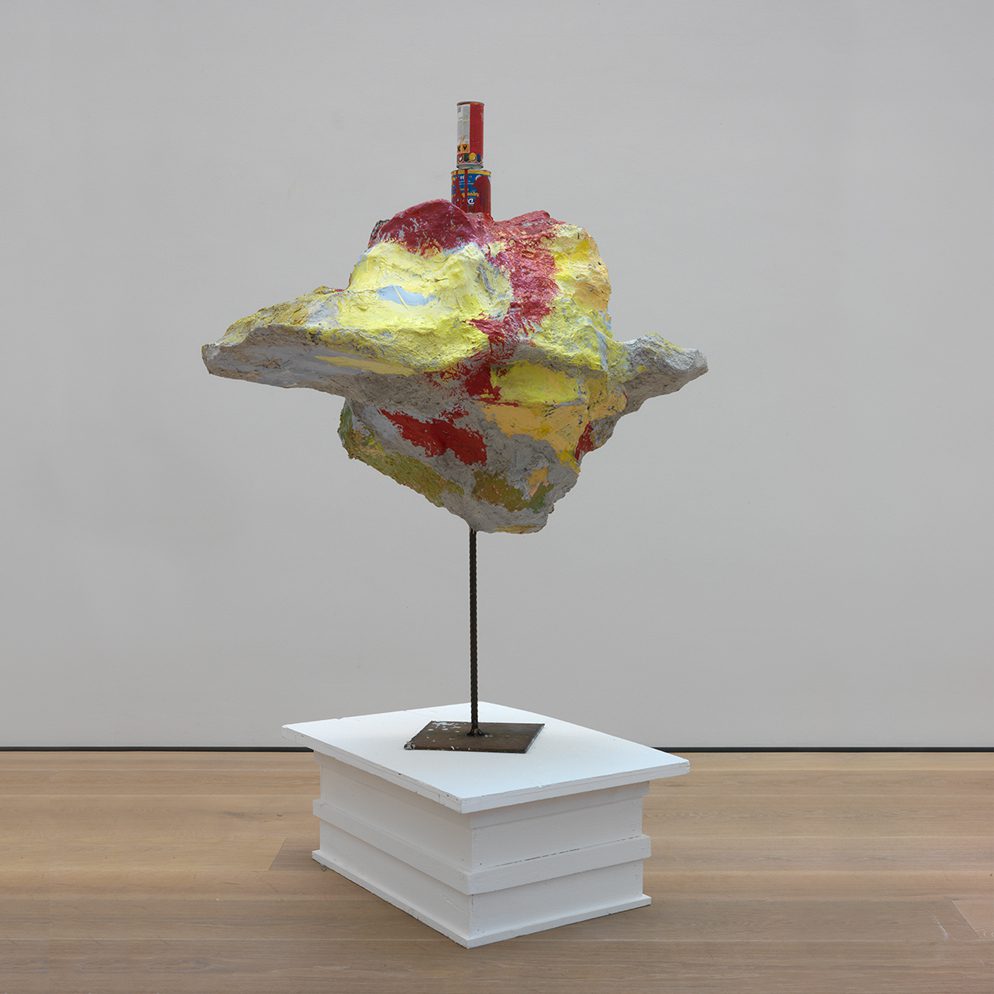
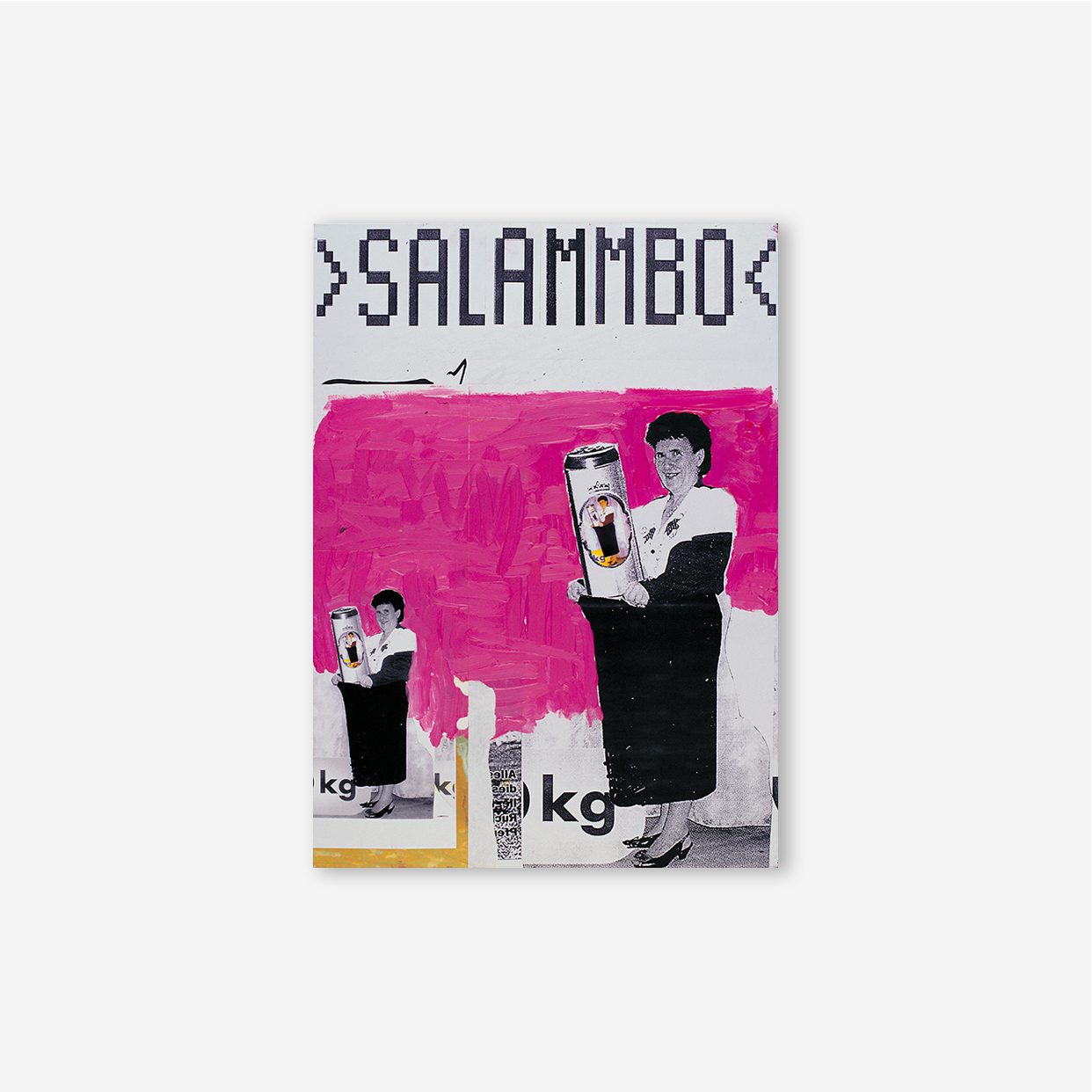
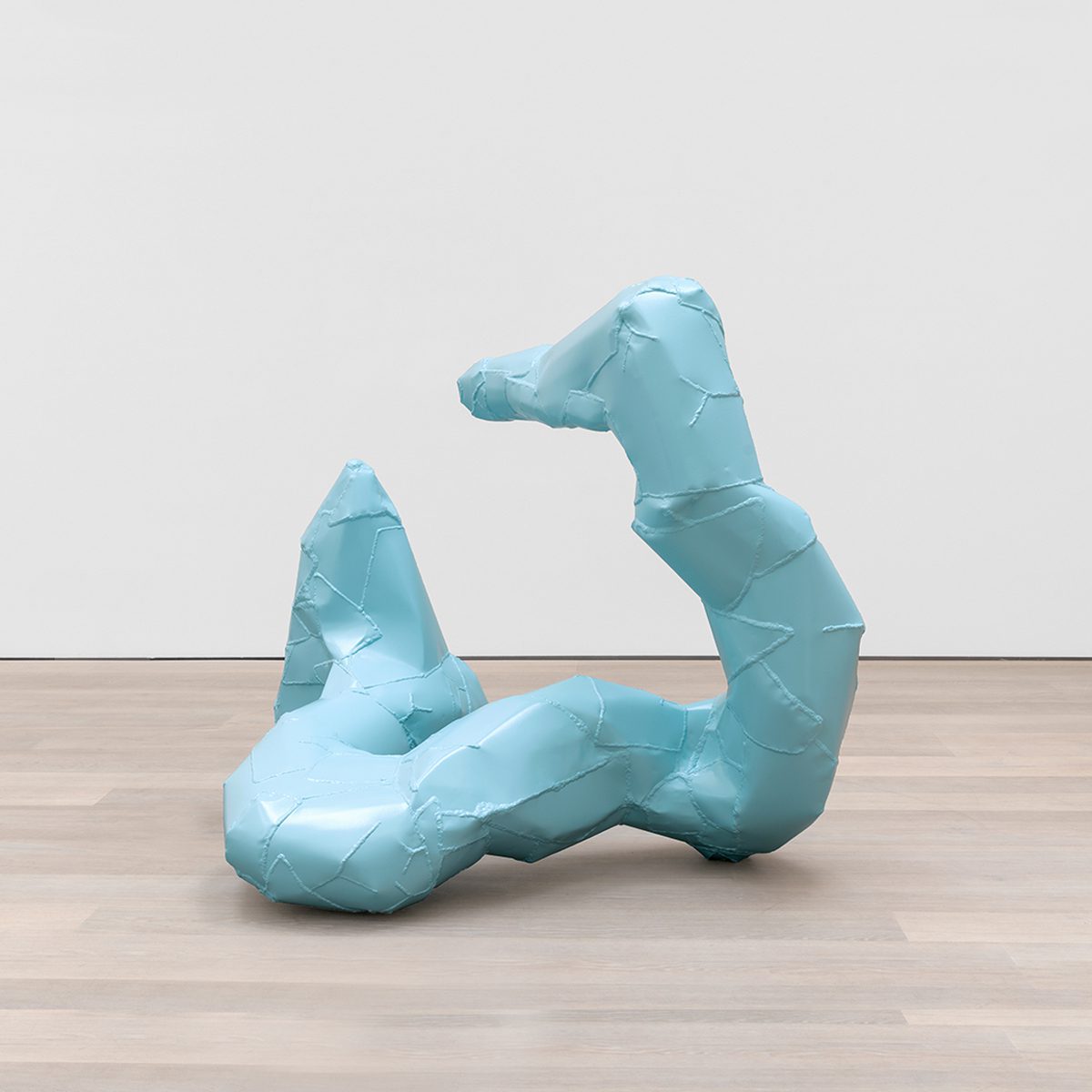
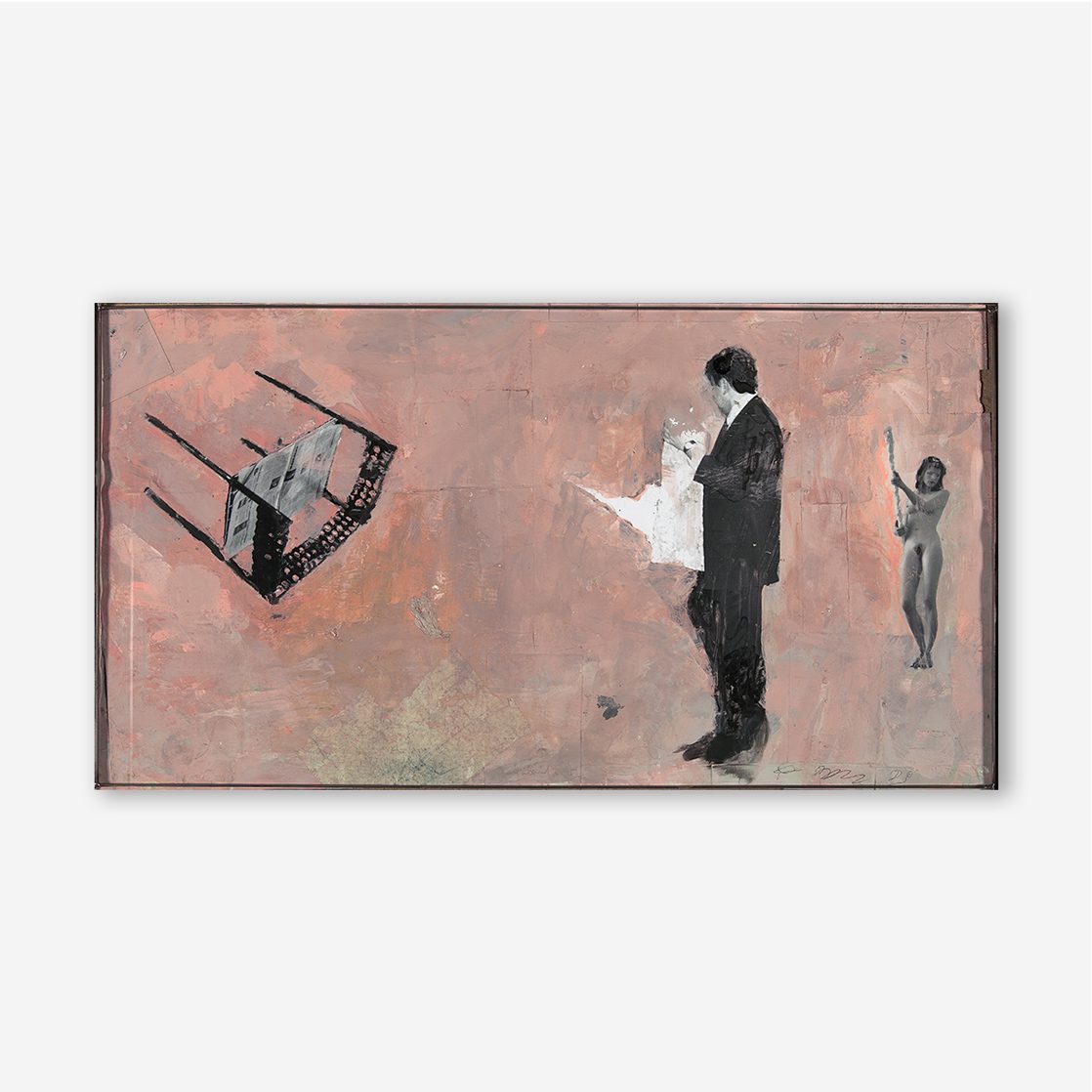
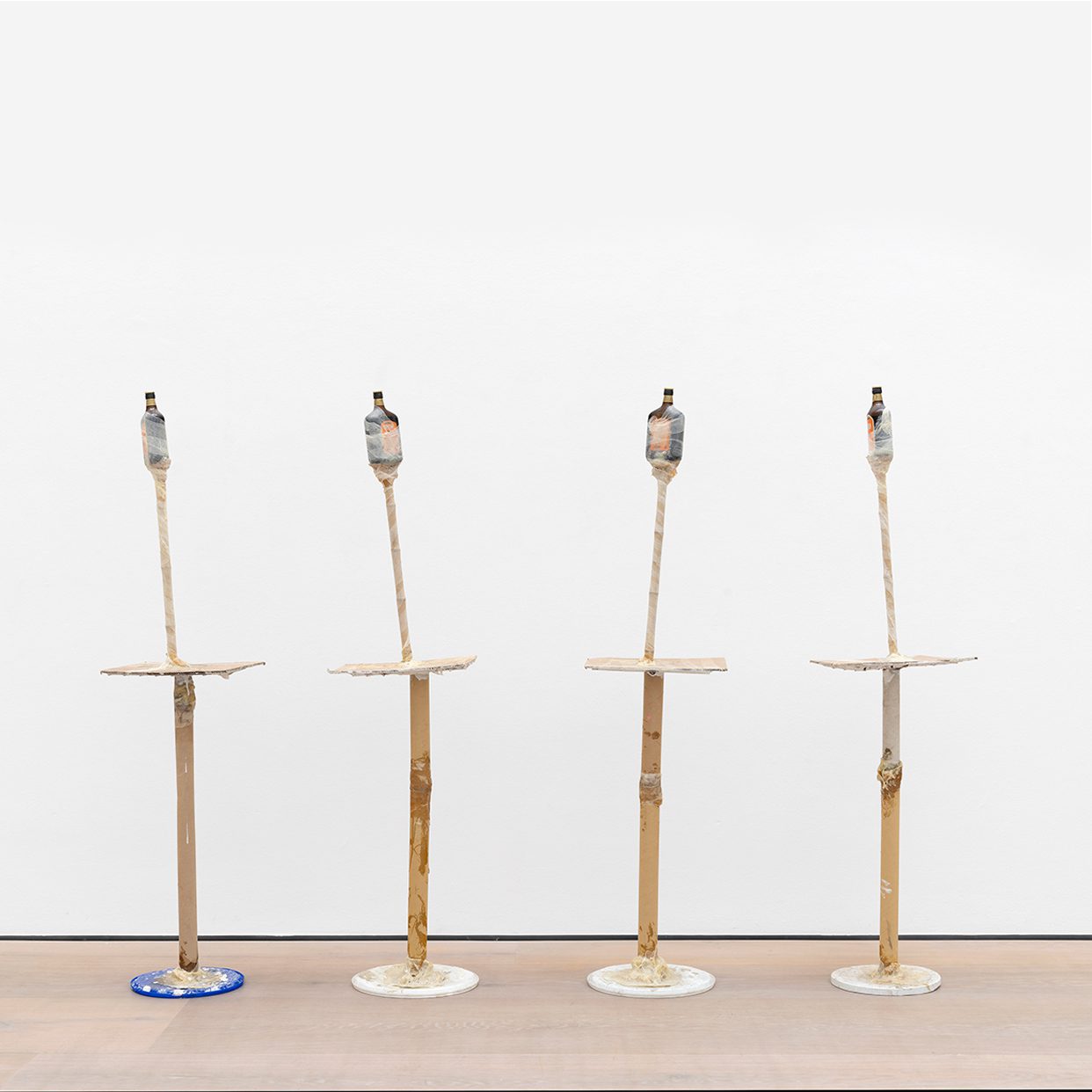
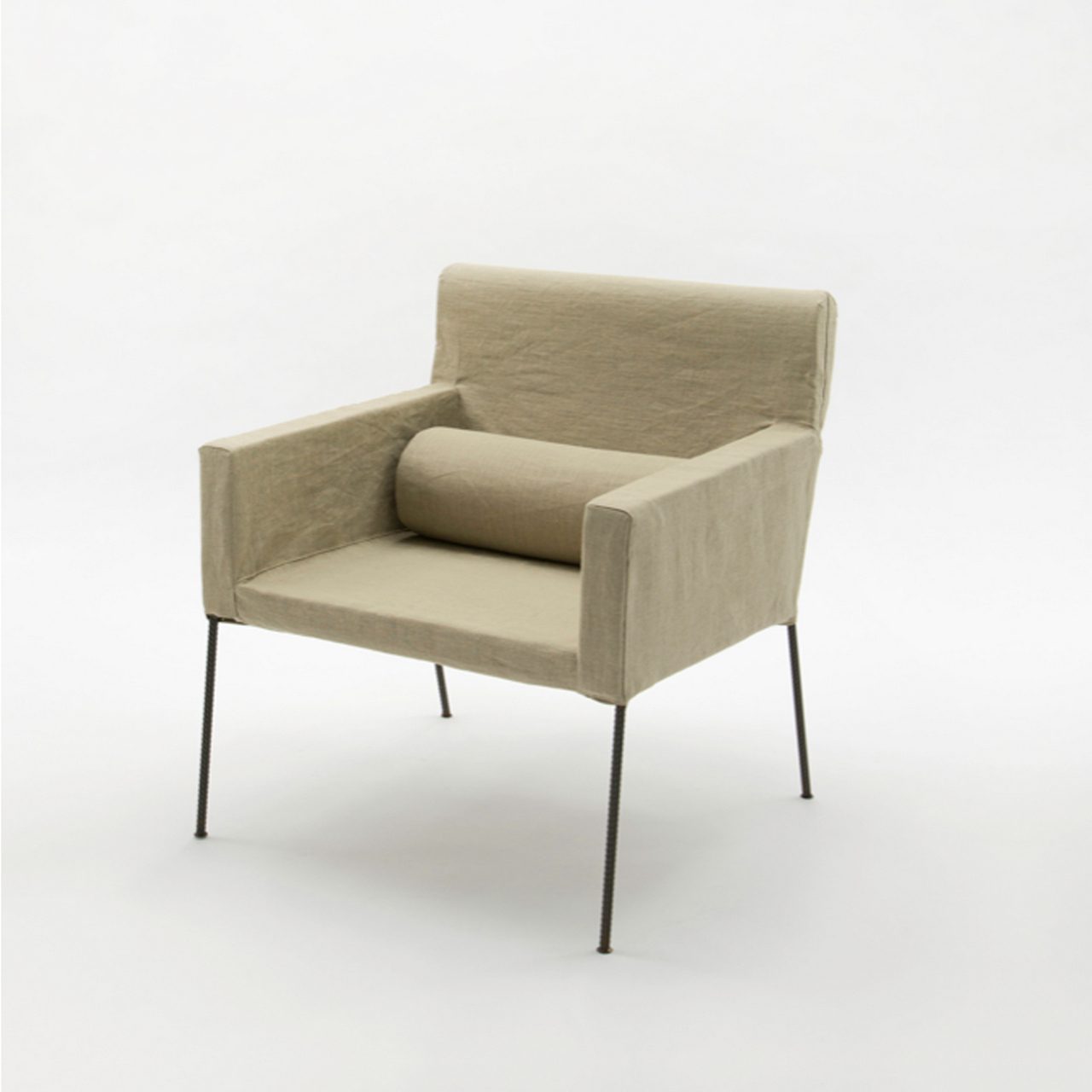
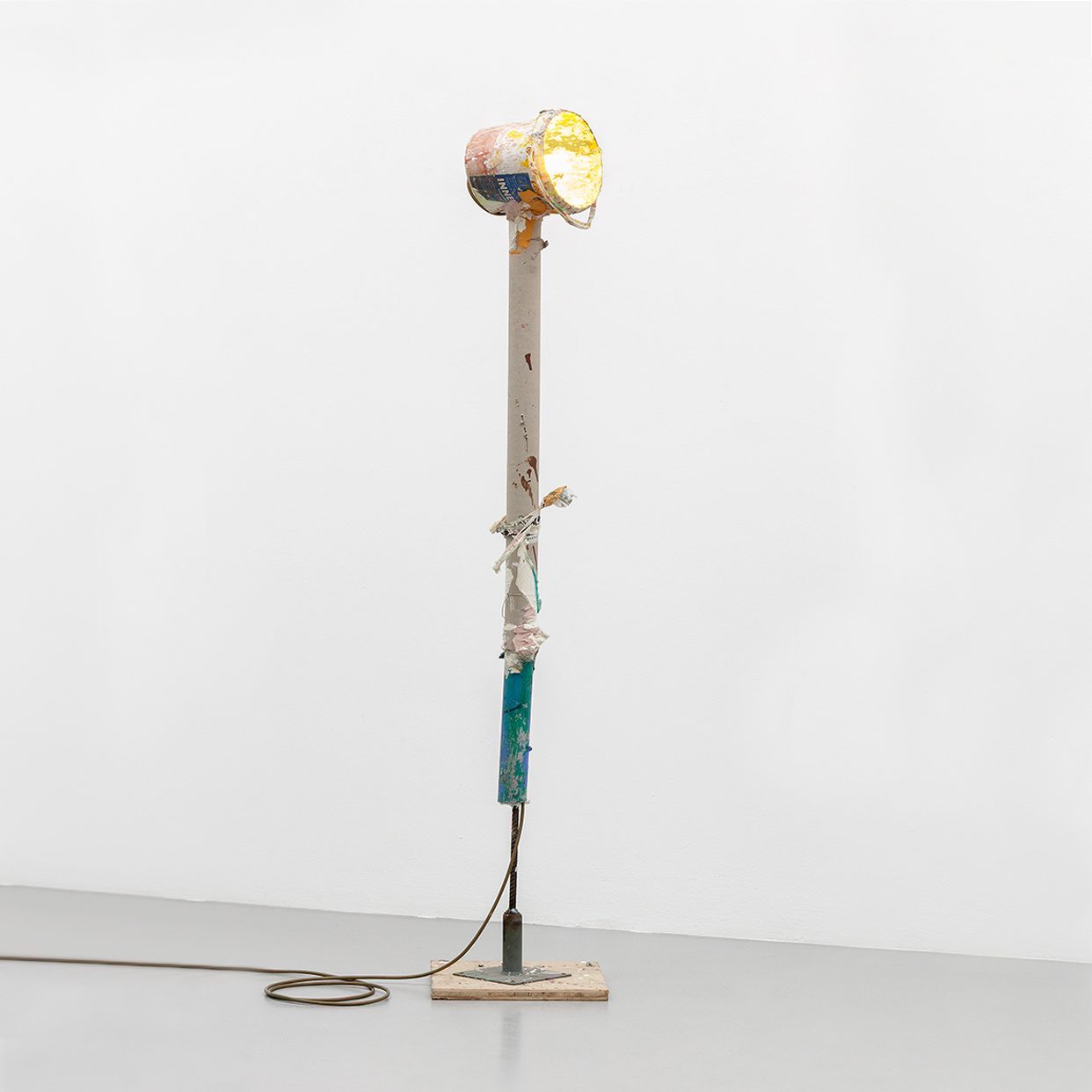
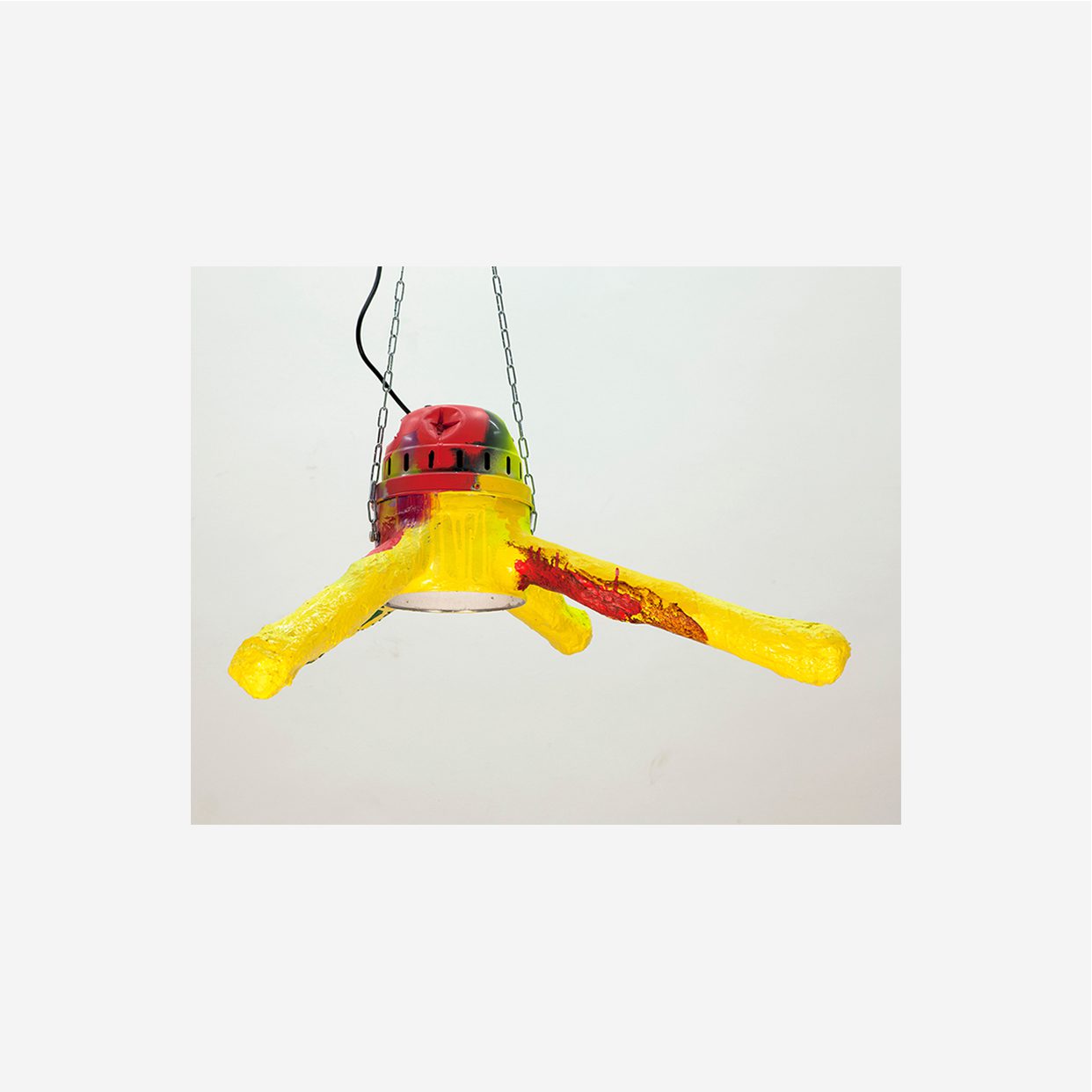
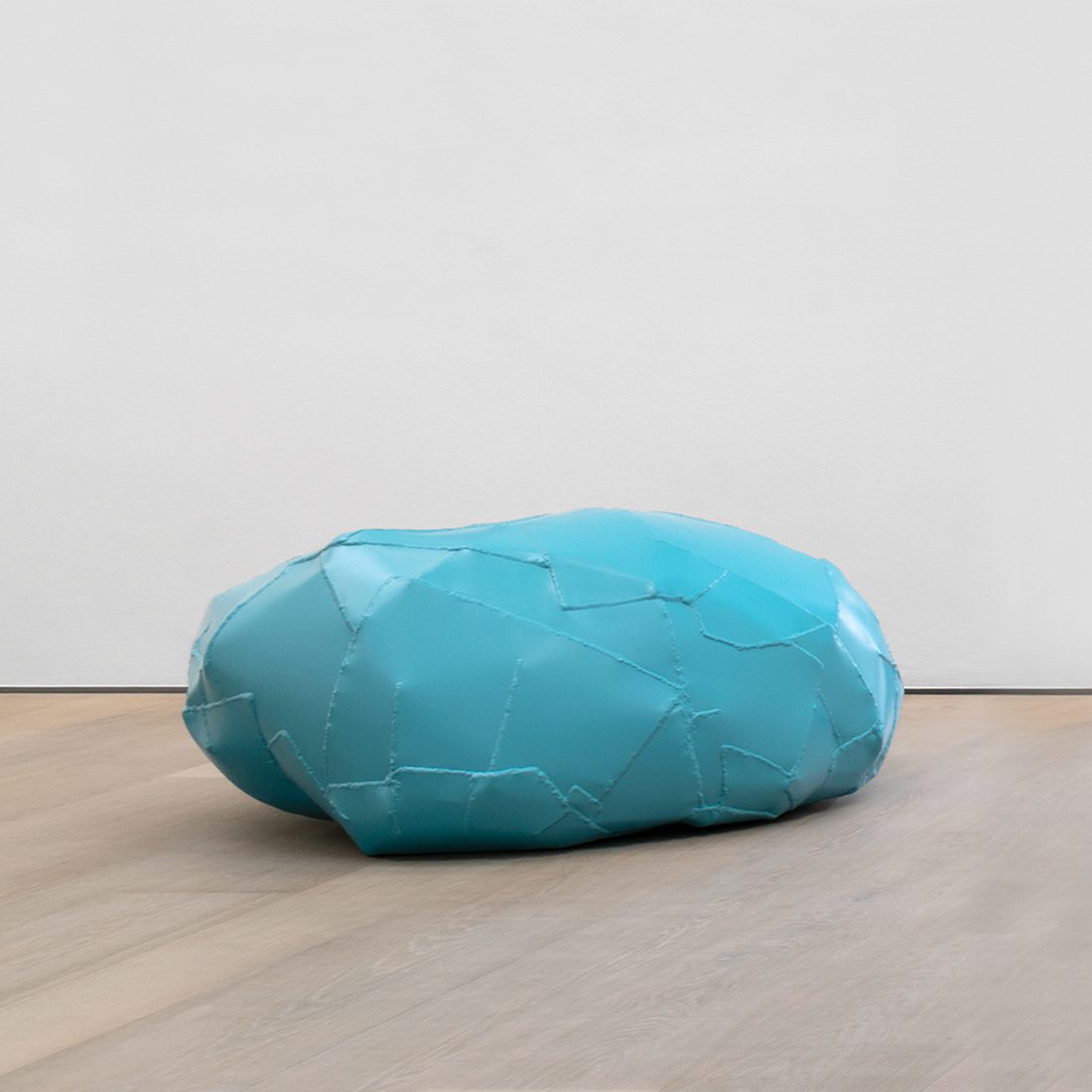
36 years after his first and 15 years after his last solo exhibition, Galerie Bärbel Grässlin presents “Dinge und Menschen II”, an extensive retrospective as a homage to the late Franz West (1947–2012) on the occasion of the 20th anniversary of “Dinge und Menschen” (4/2-16/4/2025) Even in our terrifyingly »advanced industrial society«, no human is one-dimensional. No cog in a machine, no interchangeable code in an algorithm. Even the things surrounding us that complete our world are not one-dimensional. There is always a residue of all-too-human ailments and abysses, unruly dark humor and the longing for a self-determined and dignified life. All of this cannot be functionalized and integrated into the usual exploitative chains of utilization for long. At some point, there is a crack and everything that has been repressed comes to light again. With anarchic carefreeness, art for West is »reality being thrown at our heads«. His sculptures, installations and architectures, his furniture, paintings and collages are approachable and literally ›tangible‹, full of cryptic wit and anti-Freudian in the best sense, namely free of fear, shame, compulsion and taboo. Since the early “Passstücke”, the equal interplay of things »with human bodies« has been what matters to him most. West’s sculptural practice is the art of empowerment. Whether an unshaped or spicy thing, whether a prosthesis, a plant, a table or a chair, whether a ritual fetish, a lamp or even a ›neurosis‹, all these are forms of possibility that allow us to actively, freely and mutably recognize and realize our own place in the world. For people and things are in dire need each other so that there is still a world that we »see fit«. Franz West was born in 1947 in Vienna, Austria where he lived and worked, he died in 2012. He studied sculpture at the Vienna Art Academy. The café culture in Vienna during the 1960s and 1970s clearly inspired Franz West. His brother was an actor and he would spend a lot of time around actors and artists. He declared a keen interest in philosophy and psychoanalysis, particularly the work of Ludwig Wittgenstein and Sigmund Freud. Much of his work makes direct reference to Freud, for example the use of the couch. In all of his work, Franz West is interested in being playful and ambiguous. Franz West began to make the “Adaptives” in the early 1970s. He intended them to be placed over the face, worn around the waist or held in the crook of the neck. Although they may suggest theatrical masks and props, their shapes are usually ambiguous and they remain abstract. These white functionless and abstract forms, are often displayed on plinths or directly on the floor and can immediately be recognized as sculpture. However, at the same time, they also seem to resist the traditional qualities of sculpture made in the same period such as the smooth forms of Richard Deacon or the subject of the body in the work of Anthony Gormley. Another artist who explores body and space through sculpture is Rebecca Horn. The main theme in all of Franz West’s work is the body. He is interested in how the body works in space, in terms of posture and poses and why we move in certain ways. West considers that certain poses are forced on us by society that dictates that we should behave in certain ways. Sexuality is a key theme, in his work there are sexual connotations. Despite the “Adaptives” looking relatively abstract, they can be read as sexual metaphors, this also links with his interest in psychoanalysis. Papier Mâché is often used to make West’s sculptures, as well as other materials that can be modelled by hand such as metal, gauze, plaster and polyester, his materials could be described as everyday rather than specialised. Franz West produced a range of art work, as well as sculpture he worked in collage and paint, and much of his work from this period is typical of Pop Art. Other sculptures are made from welded metal, found objects, particularly furniture and fabric. He also produced brightly colored, aluminum structures with expressive surfaces and open compositions, and monumental, organic forms out of papier mâché spattered with paint and some of his work is made as outdoor sculpture too. Franz West can be seen within a generation of artists that includes Paul McCarthy, Mike Kelly, Dieter Roth and Cindy Sherman, these artists also all share a link with the performance and body art of the 1960s and 1970s. In Austria, Actionism referred to action art, it was not a clear movement but described an approach to making art.
Photo: Franz West, Courtesy Galerie Bärbel Grässlin
Info: Galerie Bärbel Grässlin, Schäfergasse 46 B, Frankfurt, Germany, Duration: 12/4-17/5/2025, Days & Hours: Tue-Fri 10:00-18:00, Sat 10:00-14:00, www.galerie-graesslin.de/