Piero Manzoni (13/7/1933-6/2/1963)
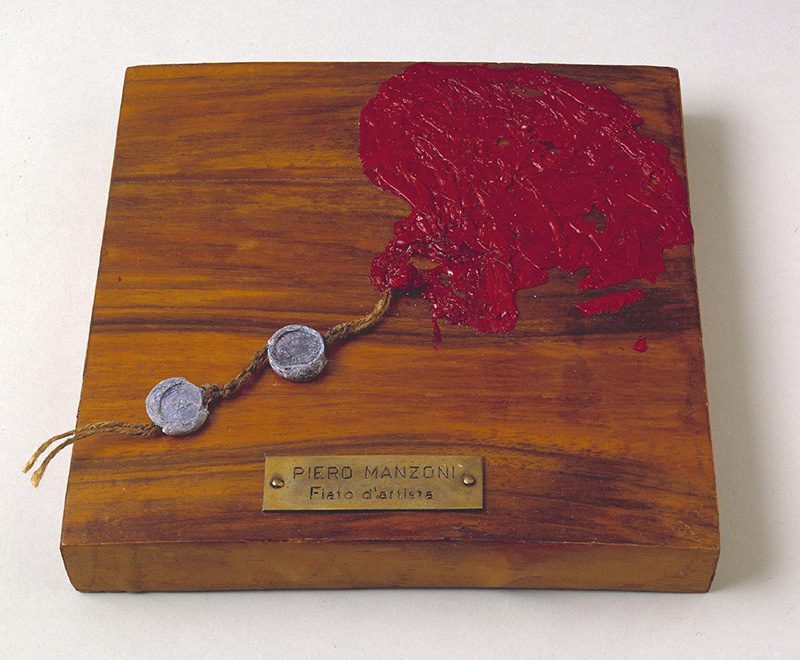
Piero Manzoni (13/7/1933-6/2/1963 )was a pioneering Italian conceptual artist who challenged traditional ideas of art through provocative and unconventional works. He used everyday materials, living bodies, and ironic gestures to question artistic value, authorship, and originality. Best known for woks such as “Artist’s Shit” and “Artist’s Breath”, Manzoni helped shape conceptual and Arte Povera by emphasizing the idea behind the artwork over its physical form, influencing generations of contemporary artists.. Through documents or interviews, starting with: moments and memories, we reveal out from the past-unknown sides of big personalities, who left their indelible traces in time and history…
By Dimitris Lempesis
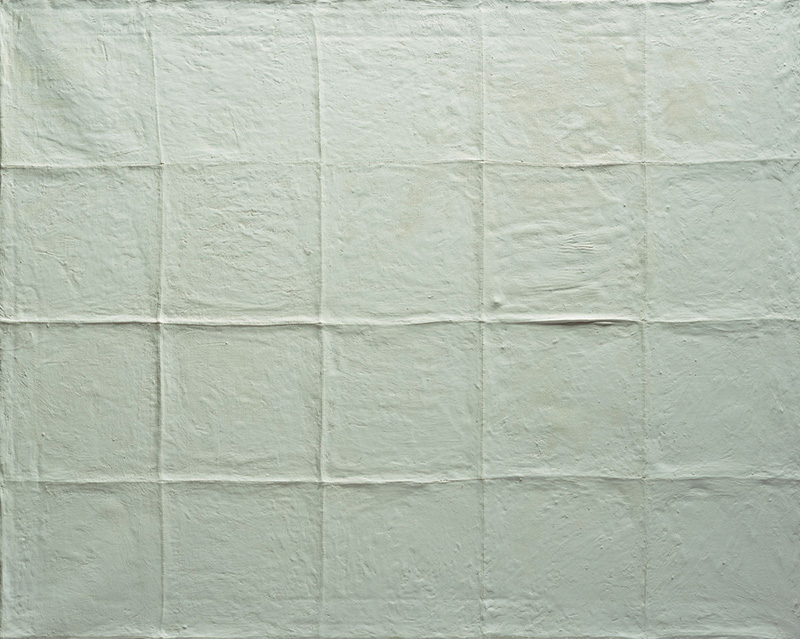
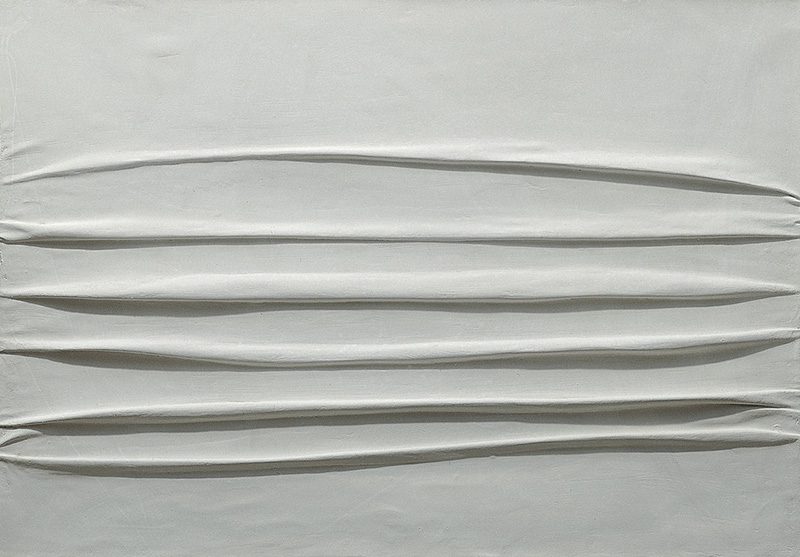
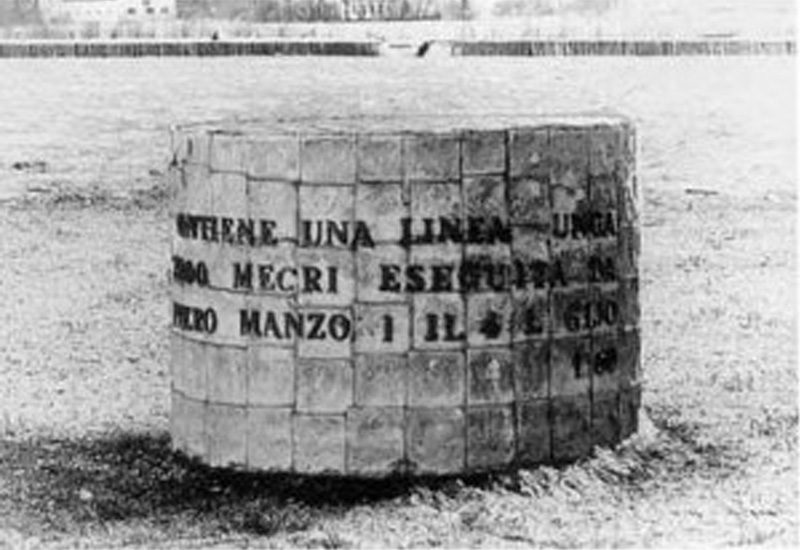
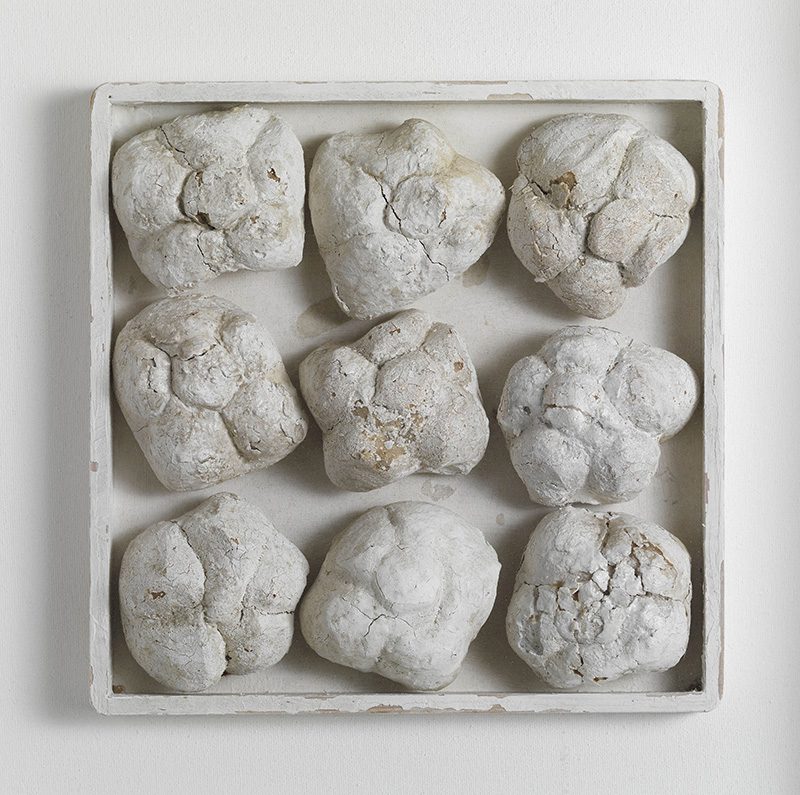
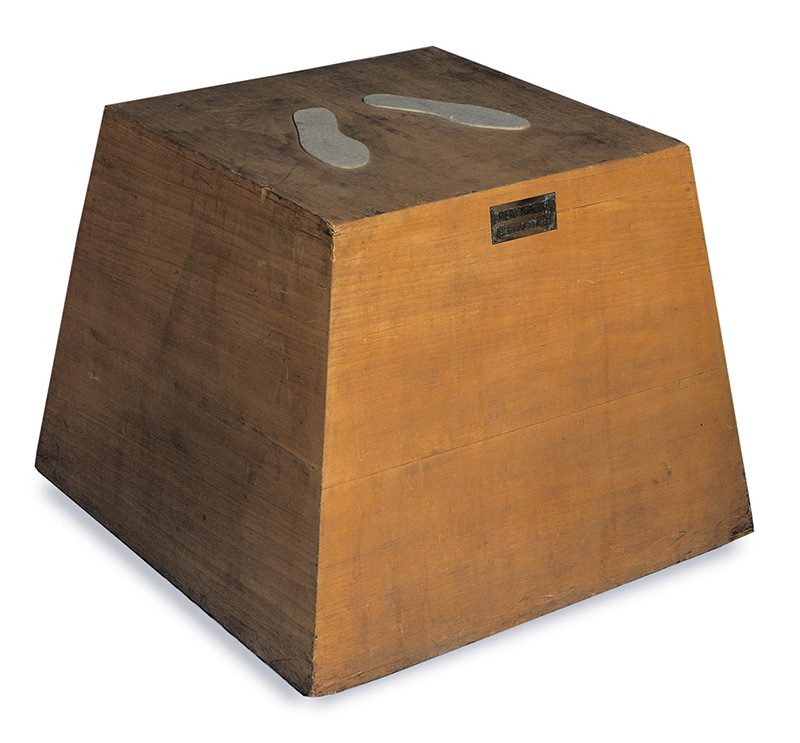
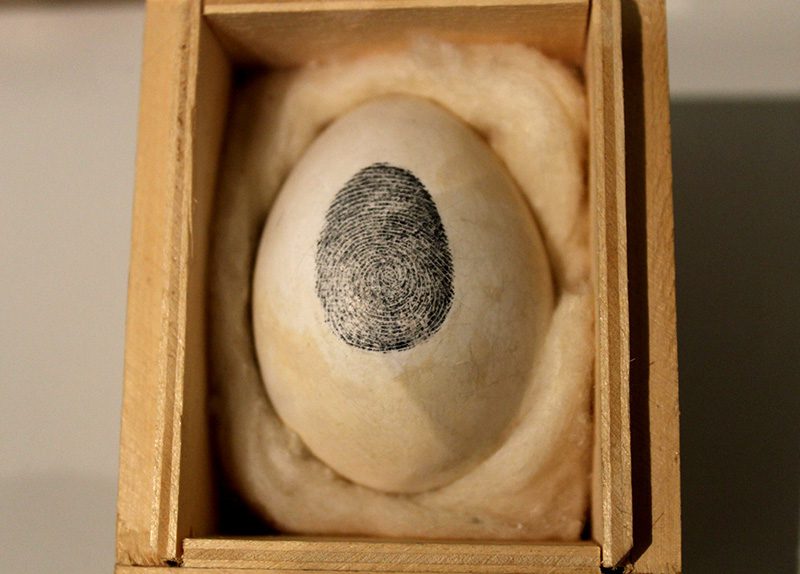
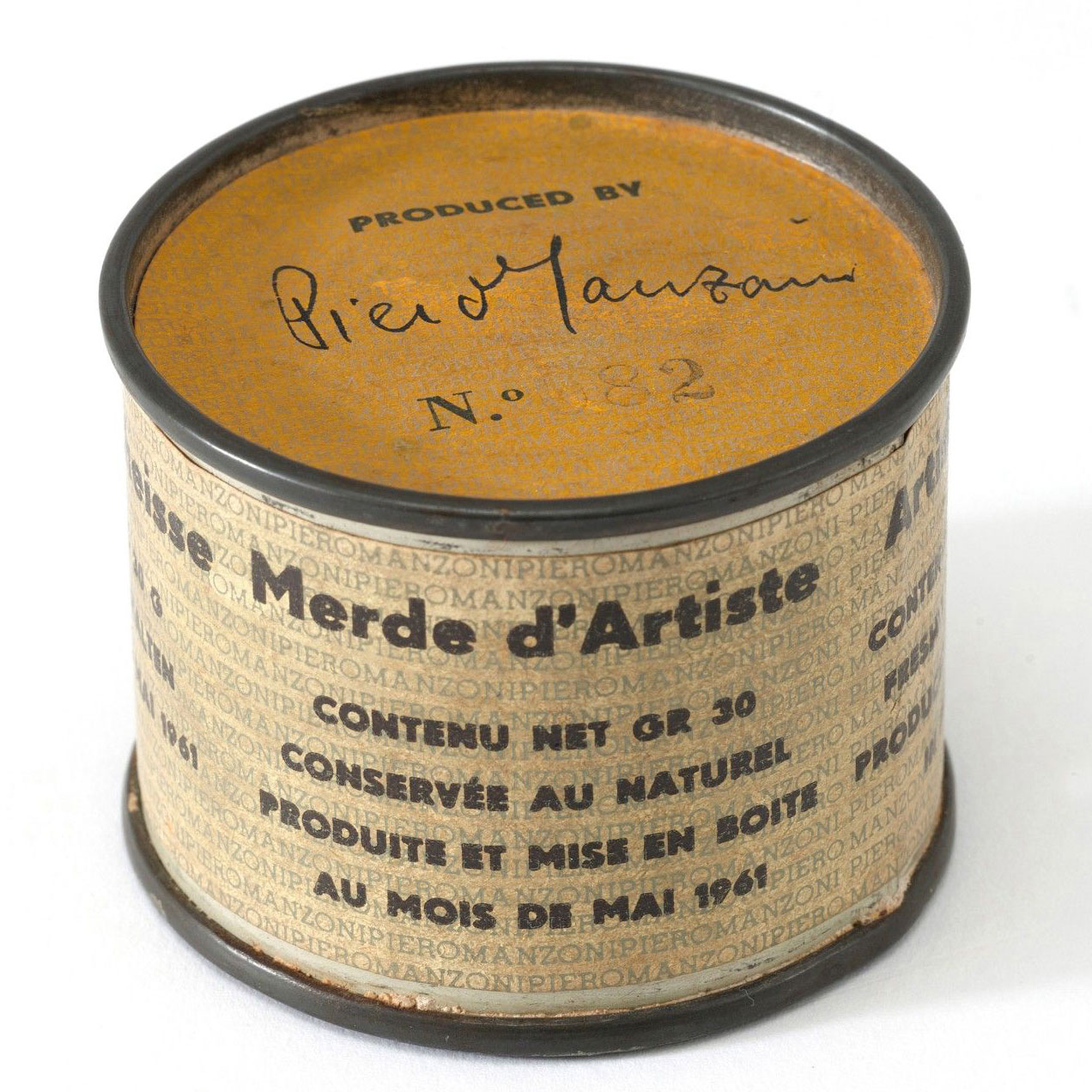
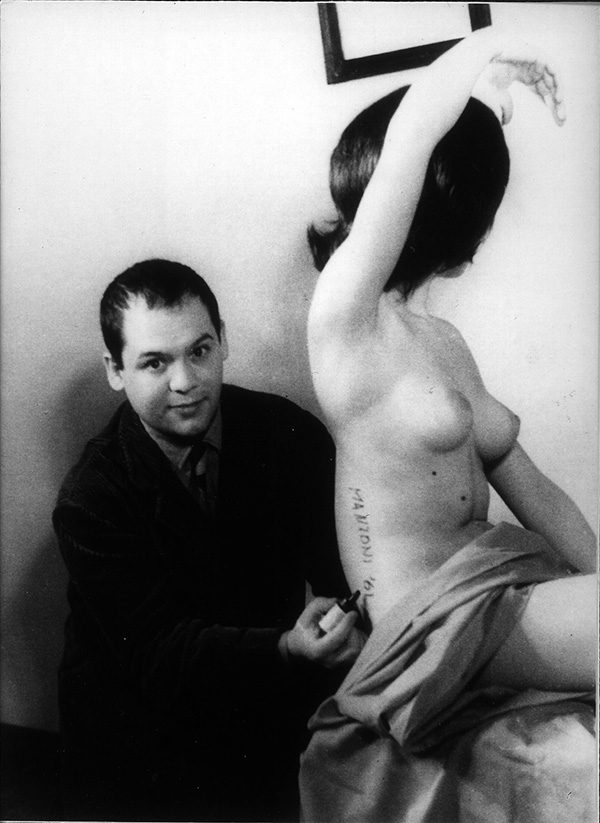 Piero Manzoni was born Count Meroni Manzoni di Chiosca e Poggiolo, in Soncino, (a village in the Po Valley of Cremona). Growing up in Milan, he spent most of his summer days at Albisola Capo, where he and his parents would meet up with Lucio Fontana, the founder of the Spatialism Movement. Self-taught, he started his artistic career as a painter, making gestural, abstract works. In the ‘50s, he began to question traditional methods of art making and explored the ties among artistic practice, the collective unconscious, and so-called primal, universal imagery through manifestos: one coproduced with Ettore Sordini, Camillo Corvi-Morra, and Giuseppe Zecca (1956) and one produced independently (1957). Both were titled “Per la scoperta di una zona di immagini”. Shortly afterward and influenced by his visit to Yves Klein’s exhibition at the Galleria Apollinaire in Milan, he began his “Achrome” series (1957–63). In direct response to Yves Klein’s paintings, Manzoni experimented with a series of works in varying materials, all lacking color. He began with a series of gesso-coated canvases, moving on to canvas covered in kaolin, which he then cut or folded. Later, he produced “Achromes” of other colorless materials: white cotton wool, fiberglass, rabbit skin, and bread, even experimenting with phosphorescent paint so that the “colours” would change over time. Manzoni began to interrogate the nature of the art object itself with a series of proto-Conceptual works. In 1958 Piero Manzoni exposed with Lucio Fontana, and Enrico Baj, the founder of the Nuclear Art, the same year he created the first version of “Line 1000 Meters Long”, a metal drum containing a roll of paper with a precisely measured ink line along its length. In the same year, he began to produce do-it-yourself pneumatic sculptures, comprising a balloon and tripod packed in a wooden case, the buyer could either inflate the balloon on one’s own or have Manzoni perform the task for a fee. From 1959 to 1960, Manzoni and artist Enrico Castellani published the only two issues of their journal, “Azimuth”. Another series of works were the “Lines”, single line drawings on paper, placed in sealed cardboard tubes, labelled and signed by the artist (the longest one had been executed on July 4/7/60, at Hernig, Denmark, on a 7,200-meters roll of newsprint). In 1961 at the Galleria La Tartaruga, Rome, Manzoni began signing his name on models as well as gallery visitors, issuing them with a stamped certificate and declaring this body of work “Sculture viventi”, that same year he created “Merda d’artista”, an edition of 90 30-gram cans, ostensibly containing the artist’s excrement, each valued at the market price of gold. His works were often featured at Galleria Azimut, the gallery that he founded with Castellani and was open from 1959 to 1960. For the final exhibition, Manzoni distributed hard-boiled eggs marked with his thumbprint to the audience, ironically positioning art in an ecclesiastical context of consumption and resurrection. He spent the final years of his life continuing to produce “Achromes”, experimenting with new materials including chemically altered cotton (which changed color with fluctuations in temperature), kaolin-covered dinner rolls, rocks, and wastepaper. Manzoni died of heart attack in his studio on 6/2/63, in Milan.