
PRESENTATION:Adam Pendleton-Some Wild Kind of Language
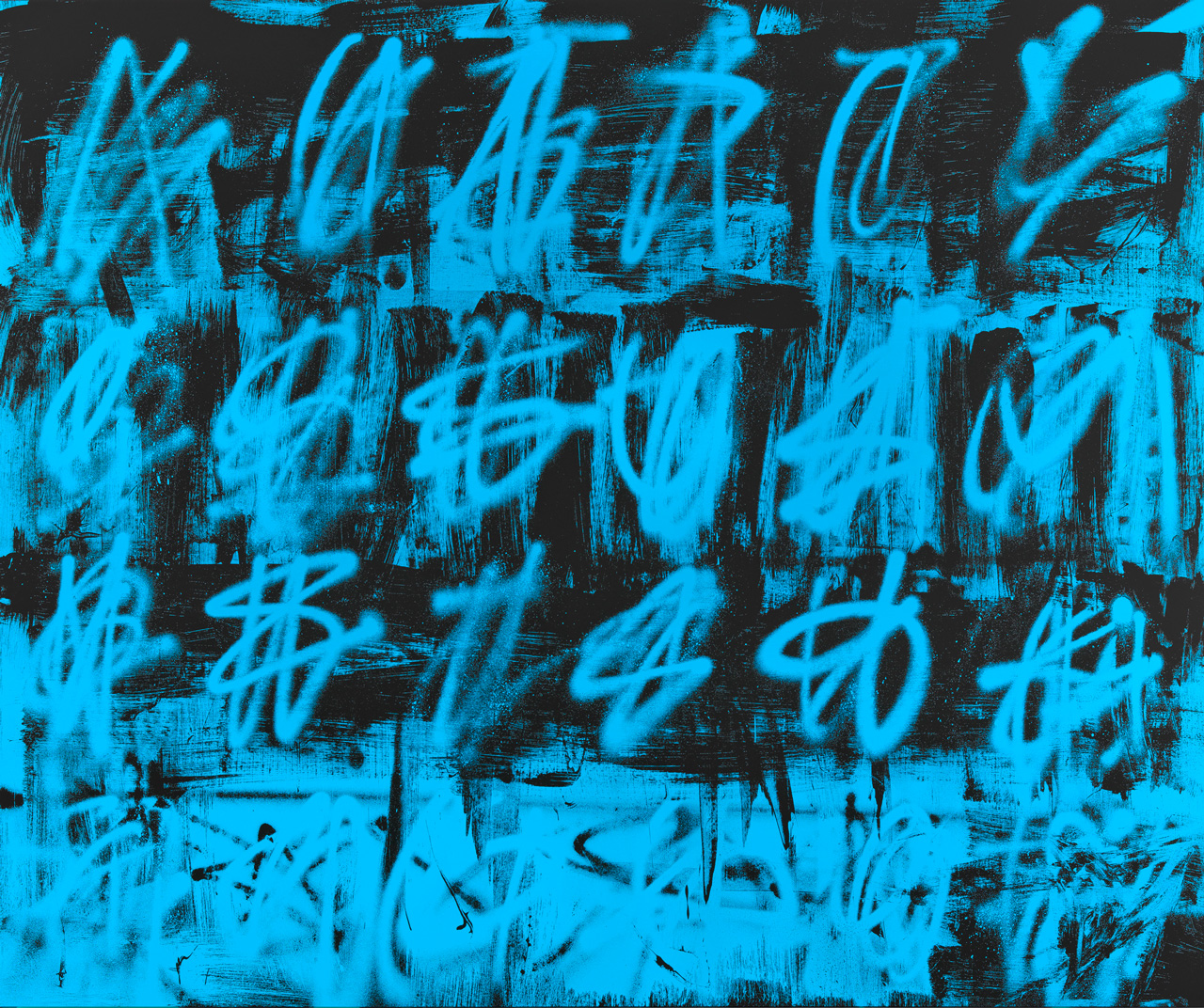
Upending linear compositional logic, Adam Pendleton’s paintings are created through a distilled layering of gesture, fragment, and form. Each painting comes to life through its expressionistic flourishes, stark contrasts, and subtle use of material, tone, and finish, combined with a precision reminiscent of minimal and conceptual art. In 2008, he began to define his working method as “Black Dada”, a critical framework for exploring the relationship between Blackness, abstraction, and the historical avant-gardes—for which he is now widely recognized.
By Dimitris Lempesis
Photo: Stedelijk Museum Archive
At the Stedelijk Museum Amsterdam, “Some Wild Kind of Language” marks American artist Adam Pendleton’s first major solo museum exhibition in the Netherlands. Bringing together ten paintings and eight monumental drawings, the exhibition expands Pendleton’s inquiry into how forms function not simply as vehicles for expression, but as sites where a geometry of attention emerges through relation, inquiry, and formal invention. Rather than treating abstraction as a closed or static formal language, Pendleton proposes it as an open way of inhabiting the world, where gesture, language, and geometry never resolve into fixed meanings, remaining in continuous motion to reorganize the conditions of perception.
Installed within the central spaces of the museum’s historic 1895 building, the exhibition directly integrates the Stedelijk’s architecture and collection as active components of the artwork. The most dramatic intervention occurs in the museum’s iconic central staircase, a space historically transformed in 1938 when curator Willem Sandberg painted its dark brick walls white to establish one of the world’s earliest white cubes. Pendleton radically transforms this landmark site into a black cube for the presentation of eight monumental Basis drawings, the largest drawings he has completed to date. Executed in gold ink on matte black paper, these works treat gold as a material that oscillates between illumination and opacity, presence and disappearance, acting as an active record of process within the historic architectural niches.
In the IMC Gallery, also known as the Gallery of Honour, Pendleton’s paintings enter into an explicit dialogue with the legacies of modernism, Minimalism, and Conceptual art. Featuring massive canvases measuring nearly six meters wide, his “Black Dada, Days”, and monumental “WE ARE NOT” paintings respond directly to the large-scale North American Color Field works by artists like Barnett Newman and Morris Louis that the Stedelijk has historically showcased. Pendleton’s distinct painting process begins on paper, where he layers paint, spray paint, ink, watercolor, and fragmentary text through stenciling, before documenting and silkscreening these layers to conflate the manual and the mechanical.
Through his overarching conceptual framework of Black Dada, Pendleton reclaims abstraction as a expansive and unrestricted space of real-time investigation. As the artist explains, “Black Dada” gives him permission to break rules regarding how paintings should be made, the limits of language, or expectations surrounding Black art and identity. By reorienting historic architecture and staging an ongoing conversation with the museum’s permanent collection, “Some Wild Kind of Language” demonstrates that abstract form remains an evolving and vital method for engaging with the historical and political forces of the present.
Photo: Adam Pendleton, Untitled (Days), 2026. Silkscreen ink and black gesso on canvas, 84 x 101 inch / 213.4 x 256.5 cm. Collection Laura Arrillaga-Andreessen and Marc Andreessen. Courtesy of the artist. Photo Elisabeth Bernstein
Info: Curator: Rein Wolfs, Stedelijk Museum, Museumplein 10, Amsterdam, The Netherlands, Duration: 10/10/2026-17/1/2027, Days & Hours: Daily 10:00-18:00, www.stedelijk.nl/
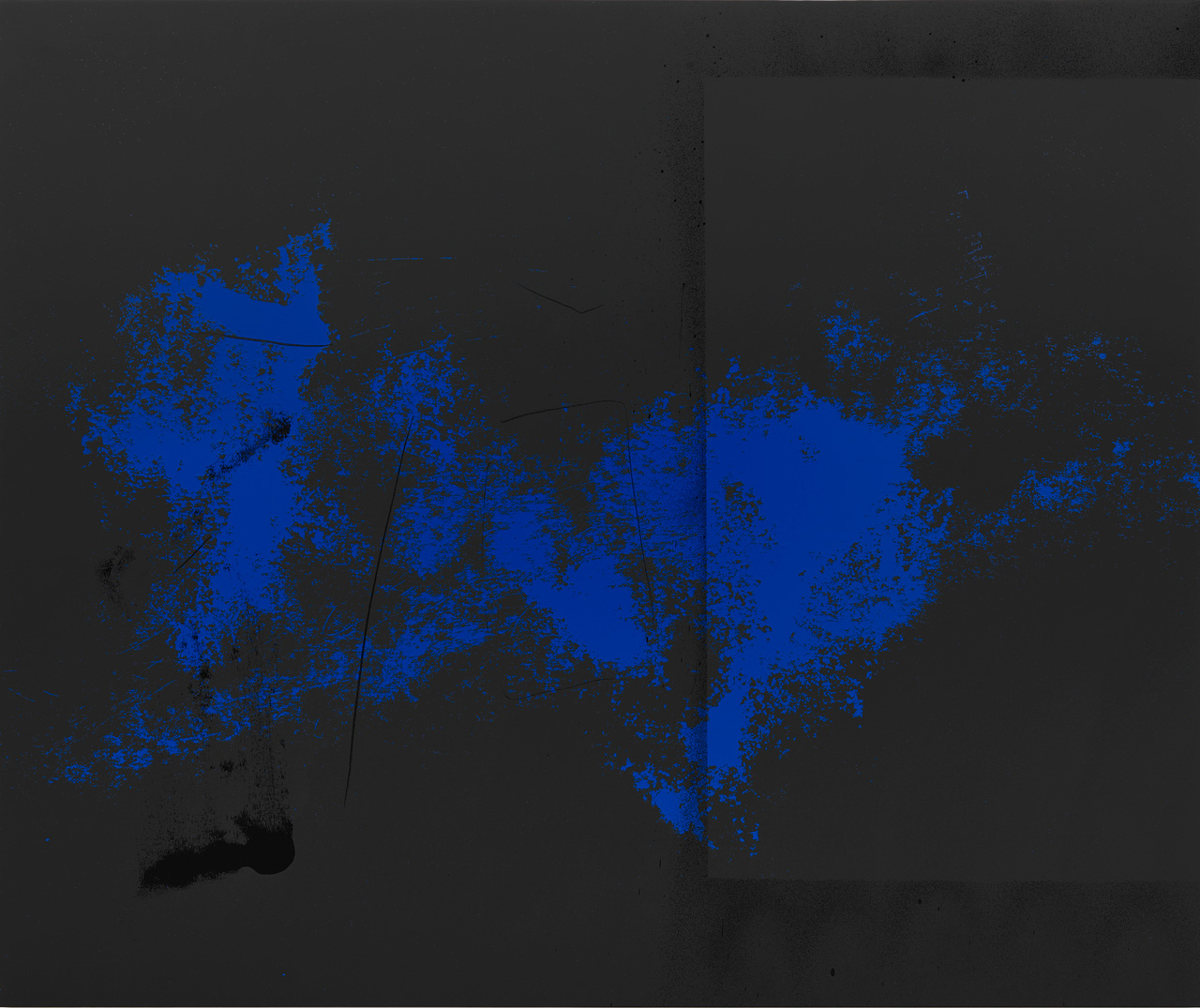
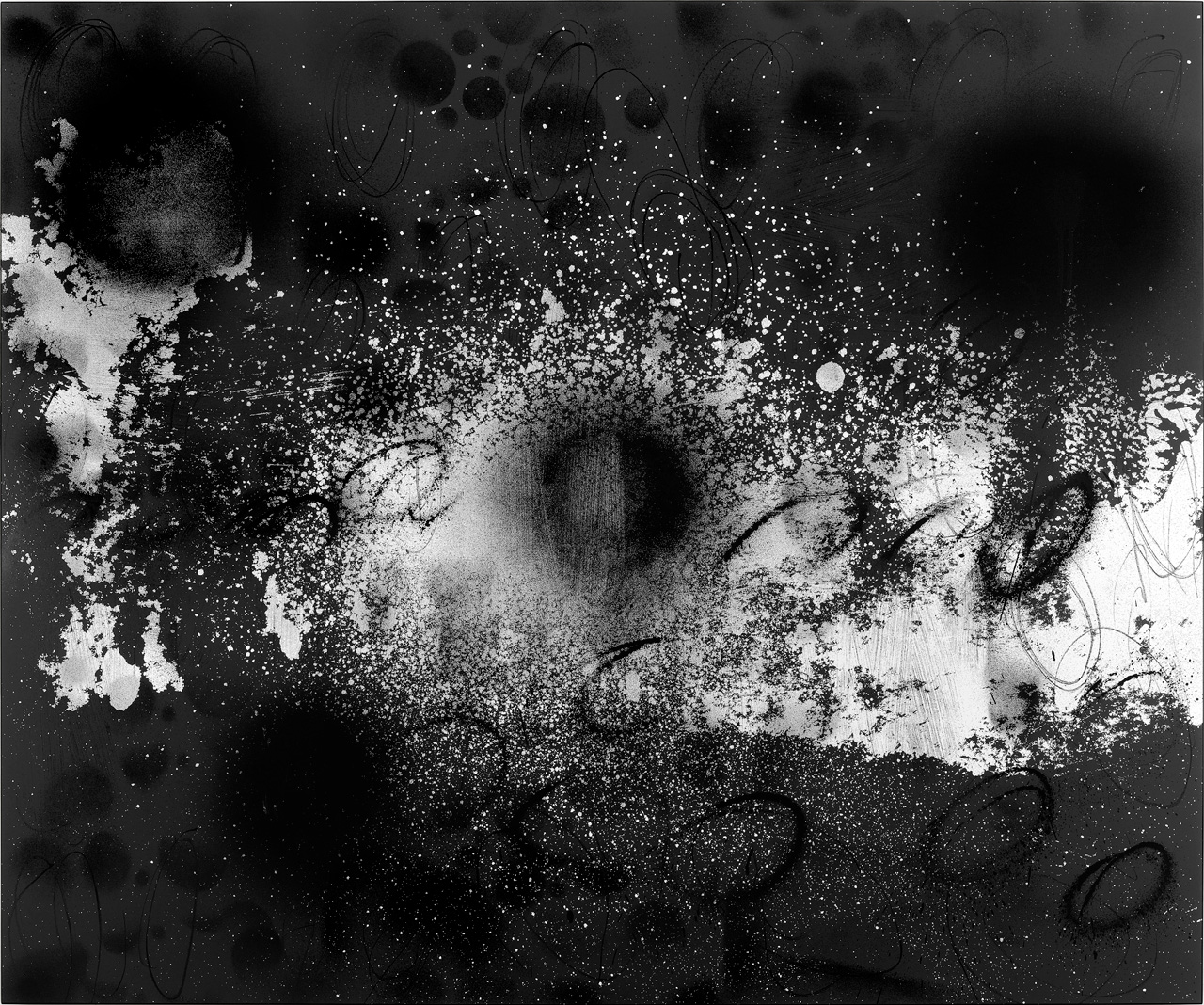
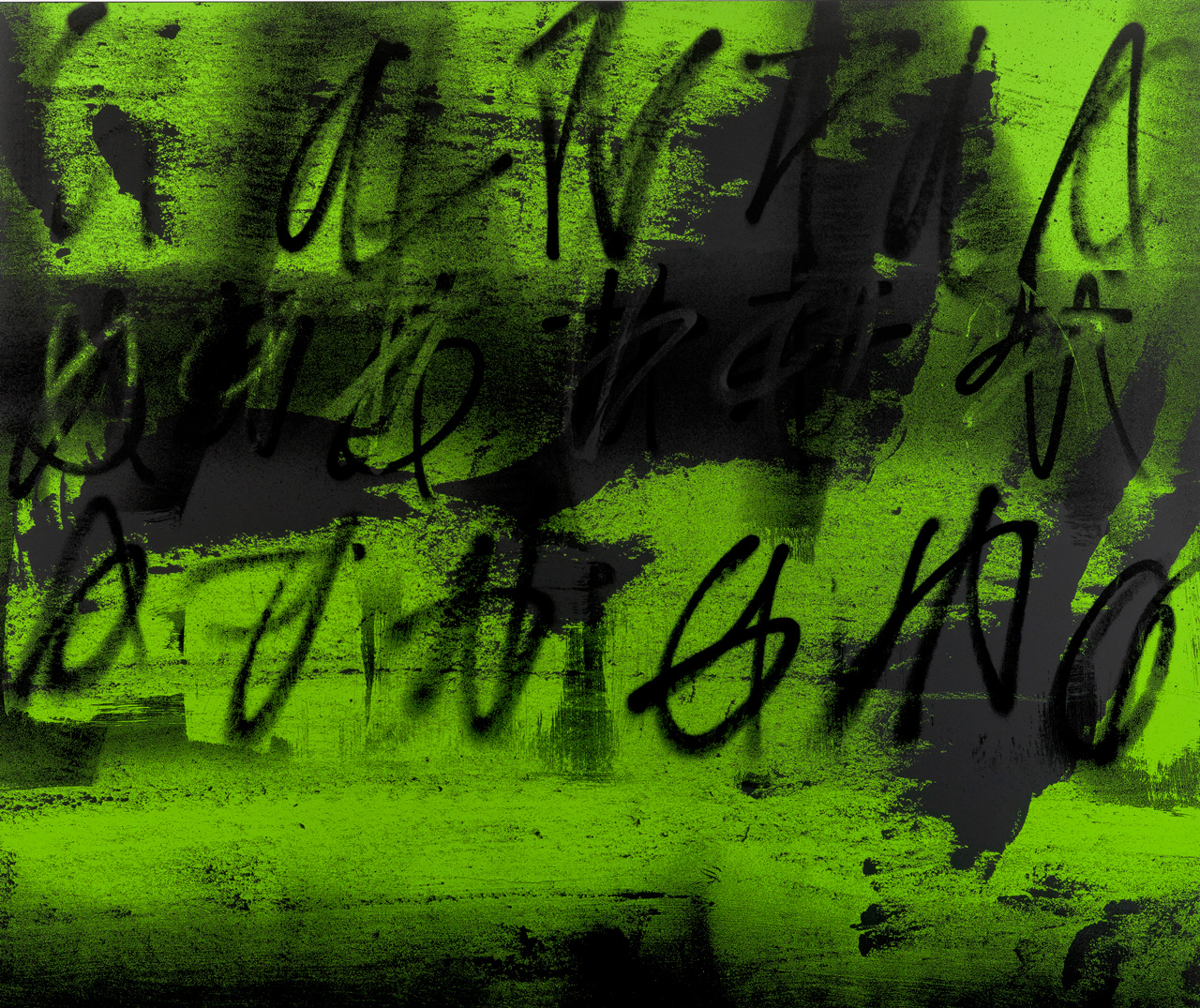
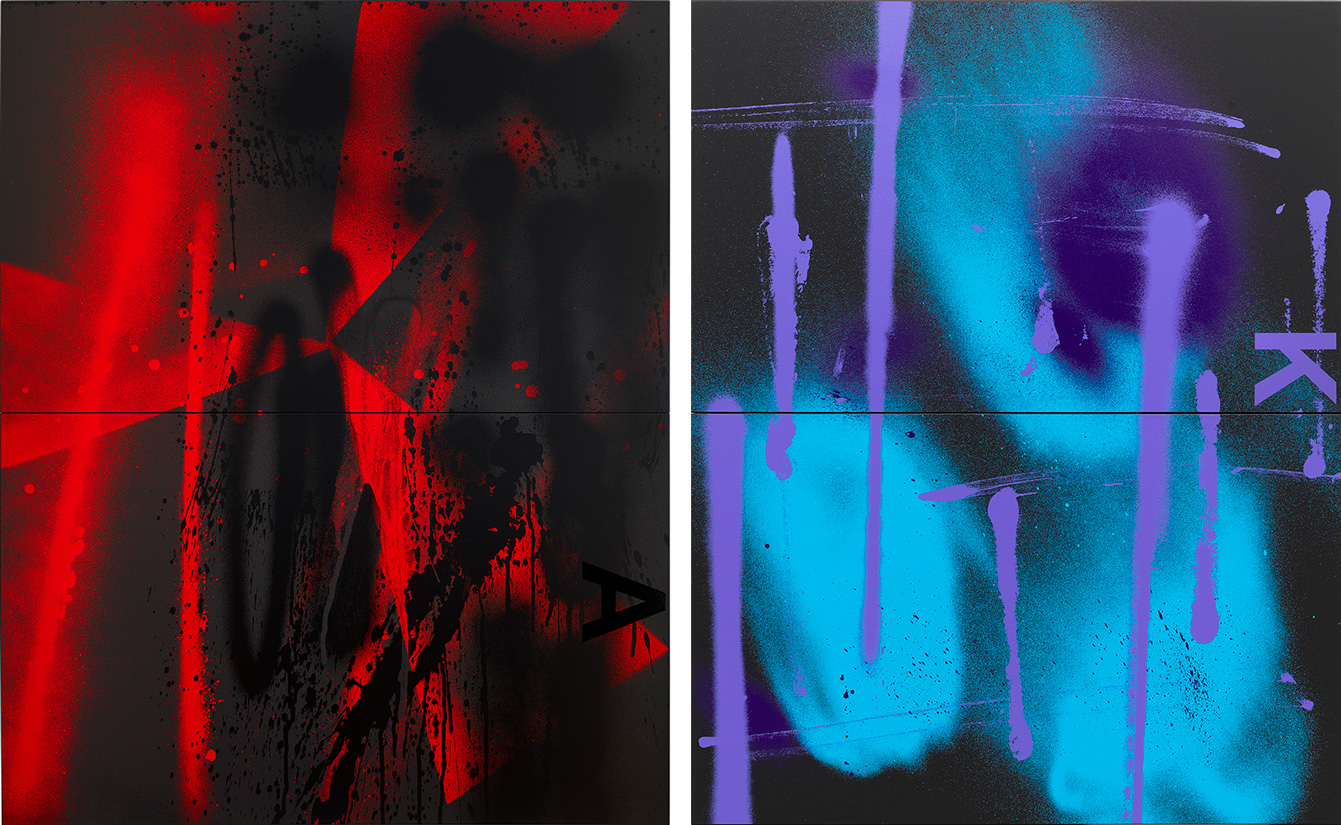
Right: Adam Pendleton, Black Dada (K), 2026. Silkscreen ink and black gesso on canvas, two parts, 60 x 47.5 inch / 152.4 x 120.7 cm. Courtesy of the artist. Photo Elisabeth Bernstein