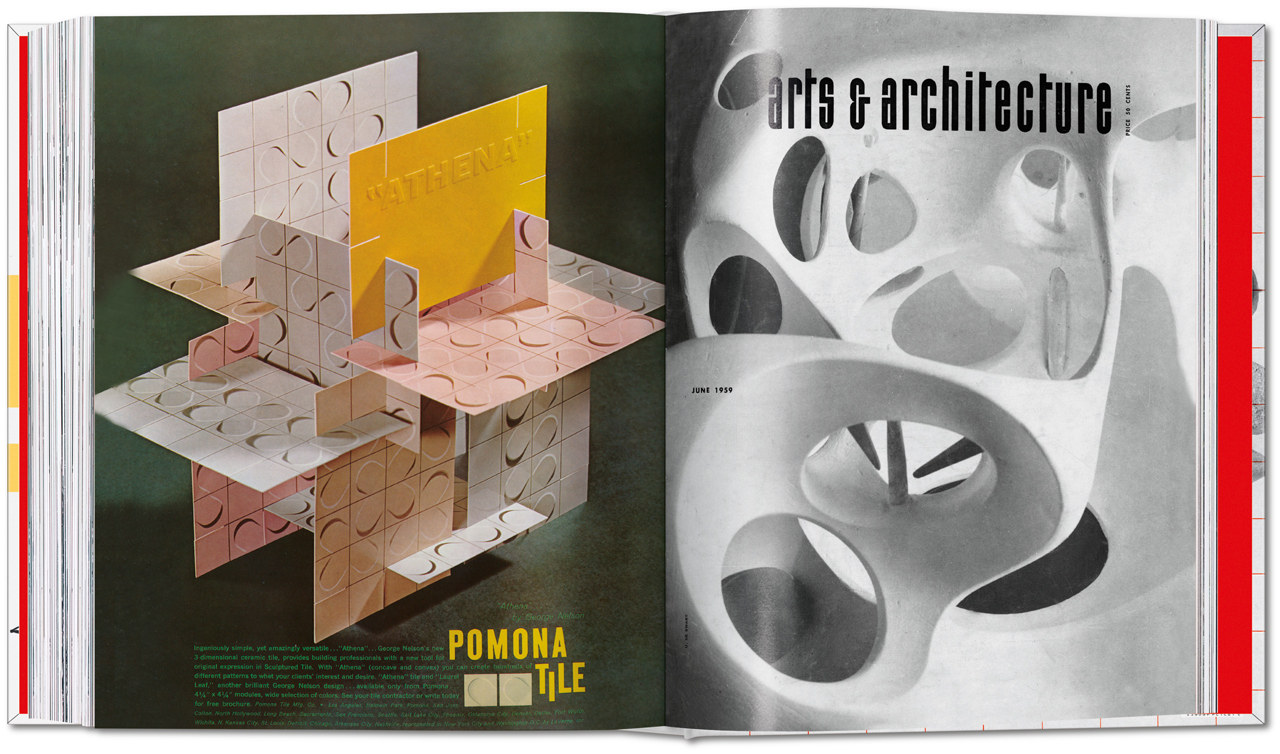
BOOK: Arts & Architecture 1955–1959, Taschen Publications
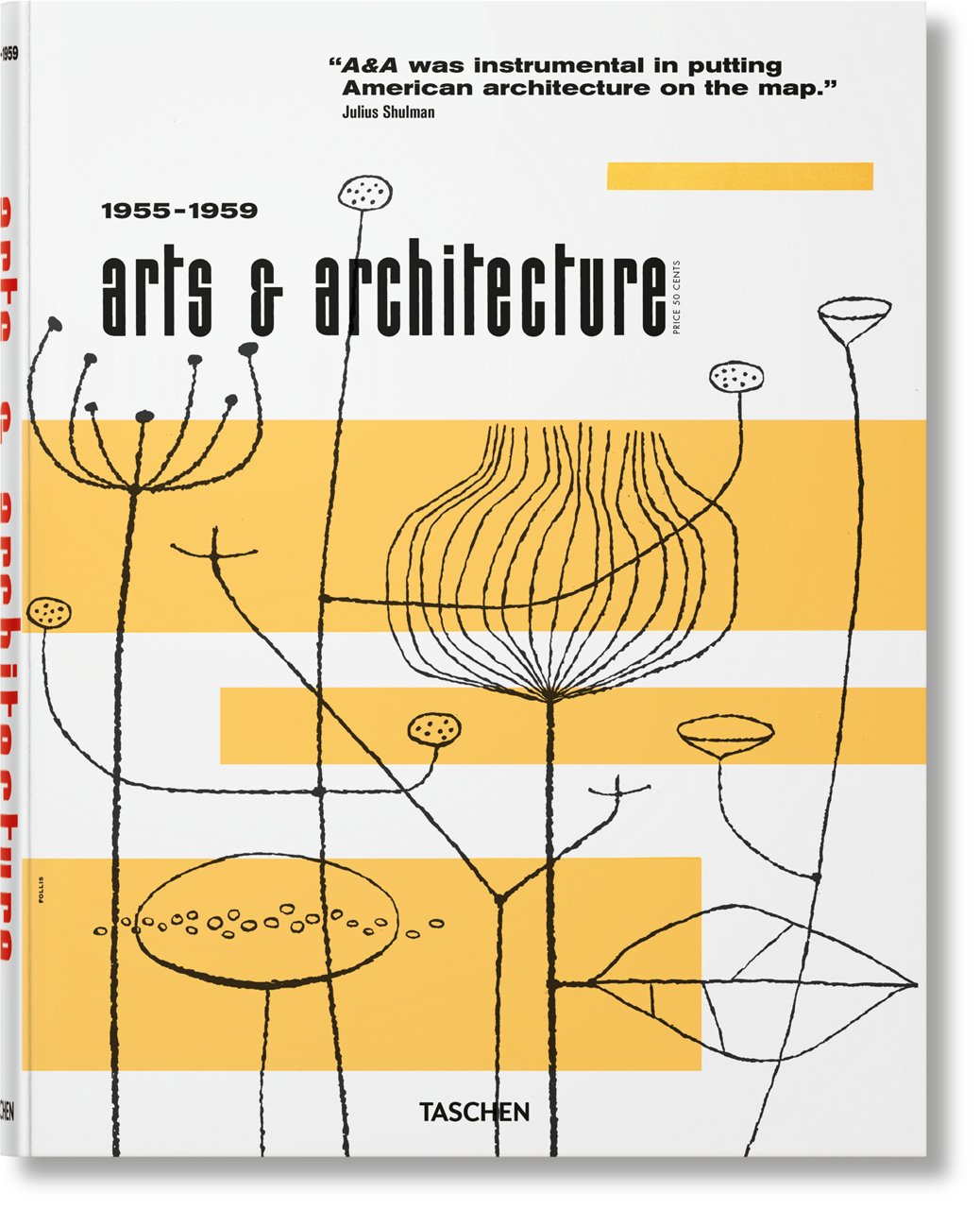
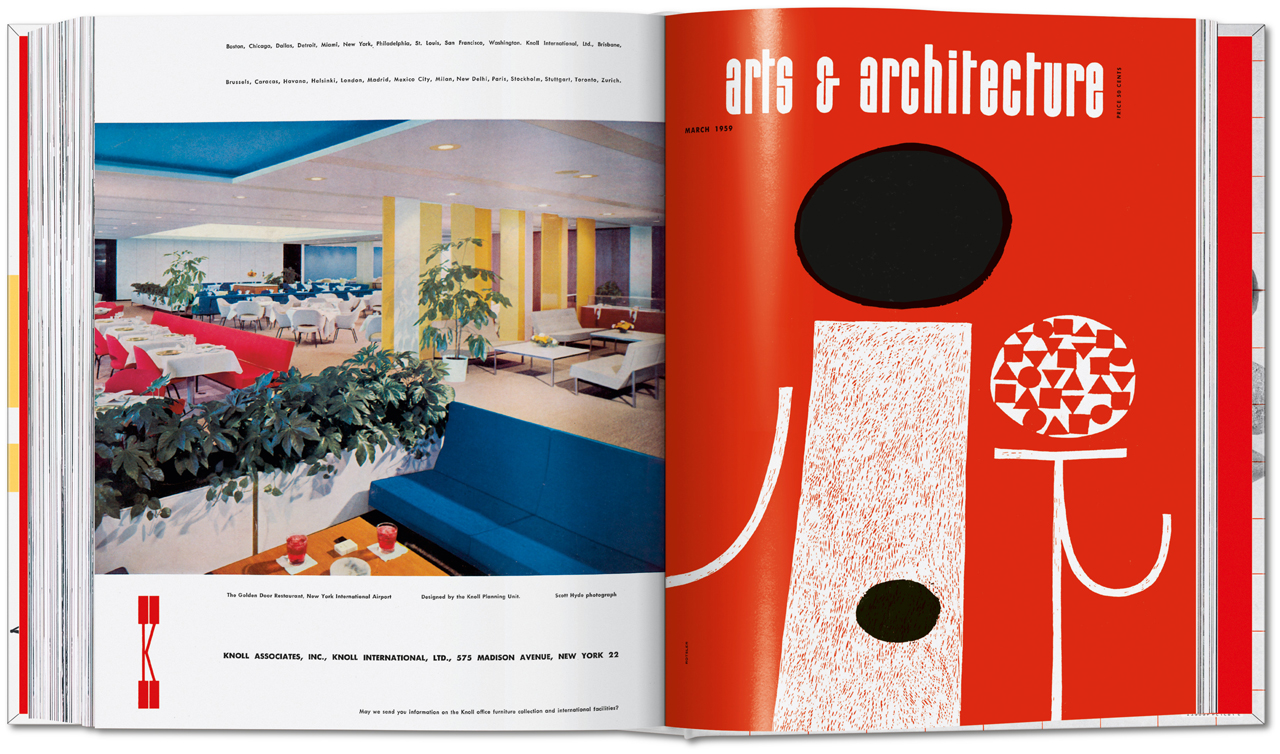
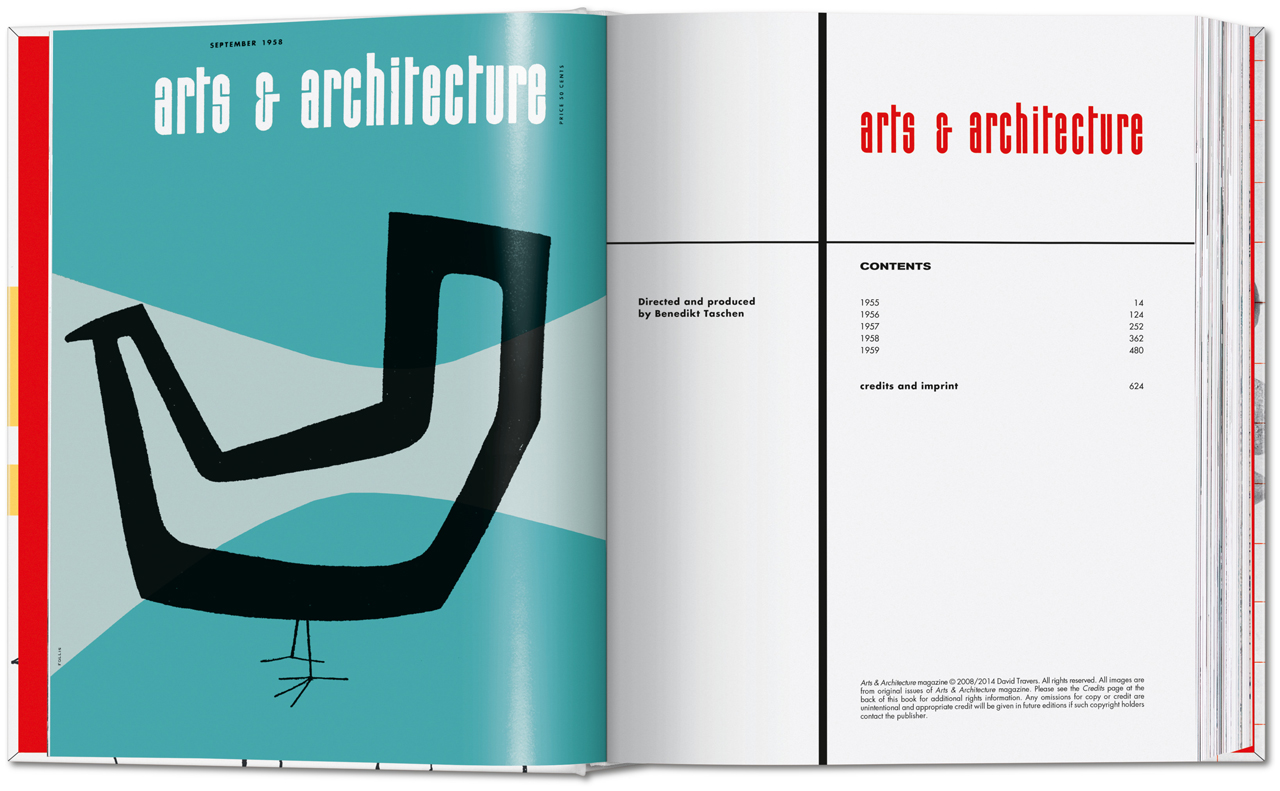
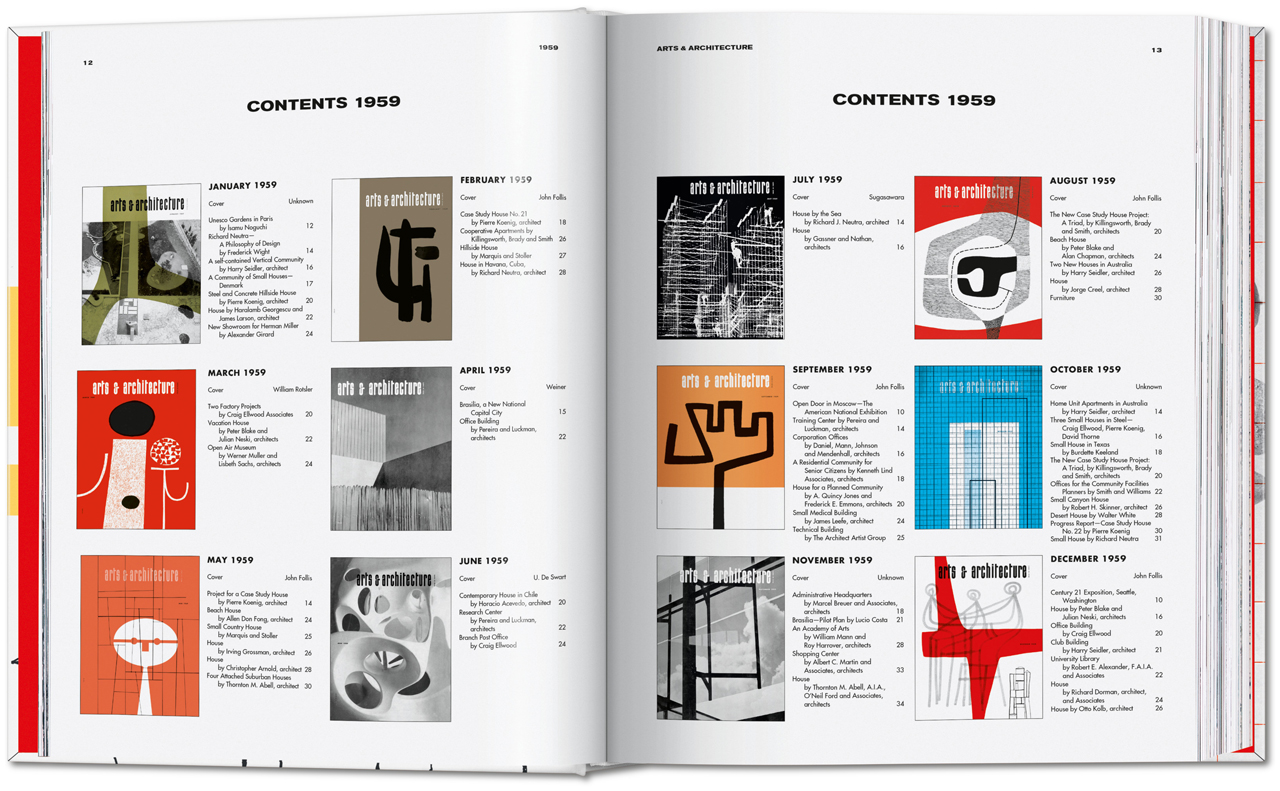
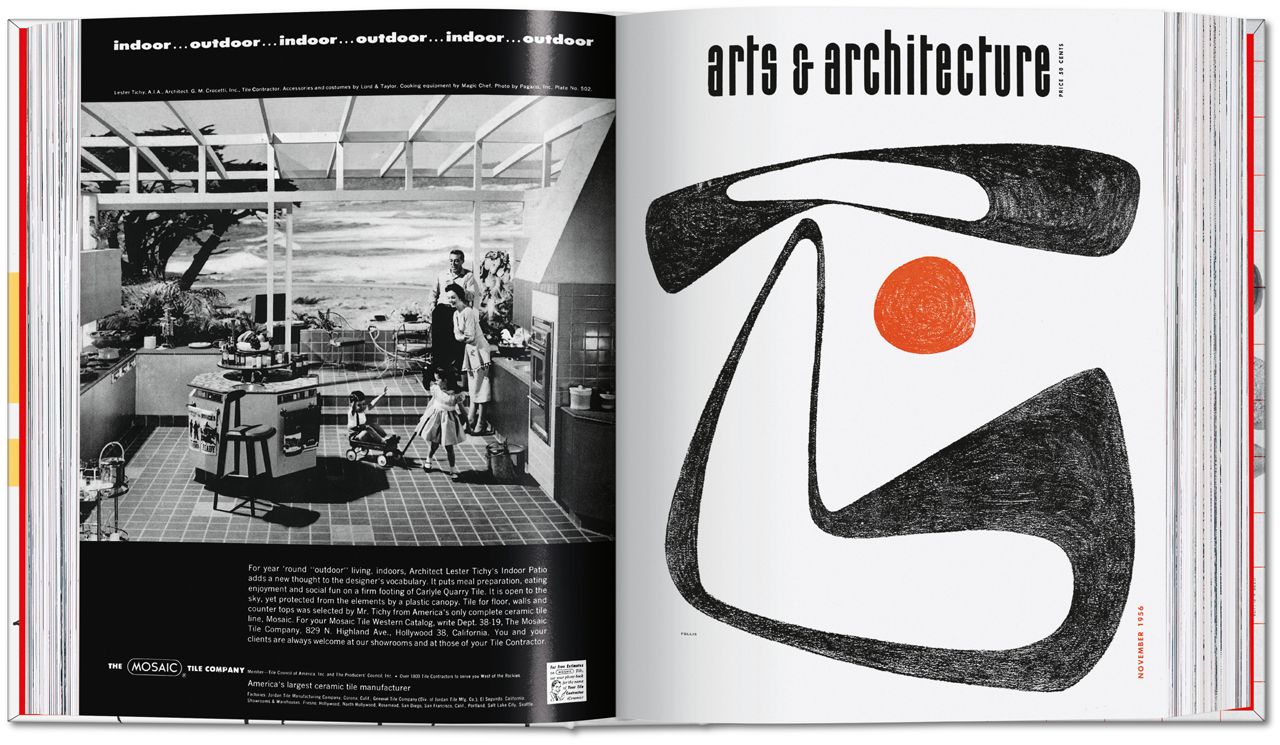
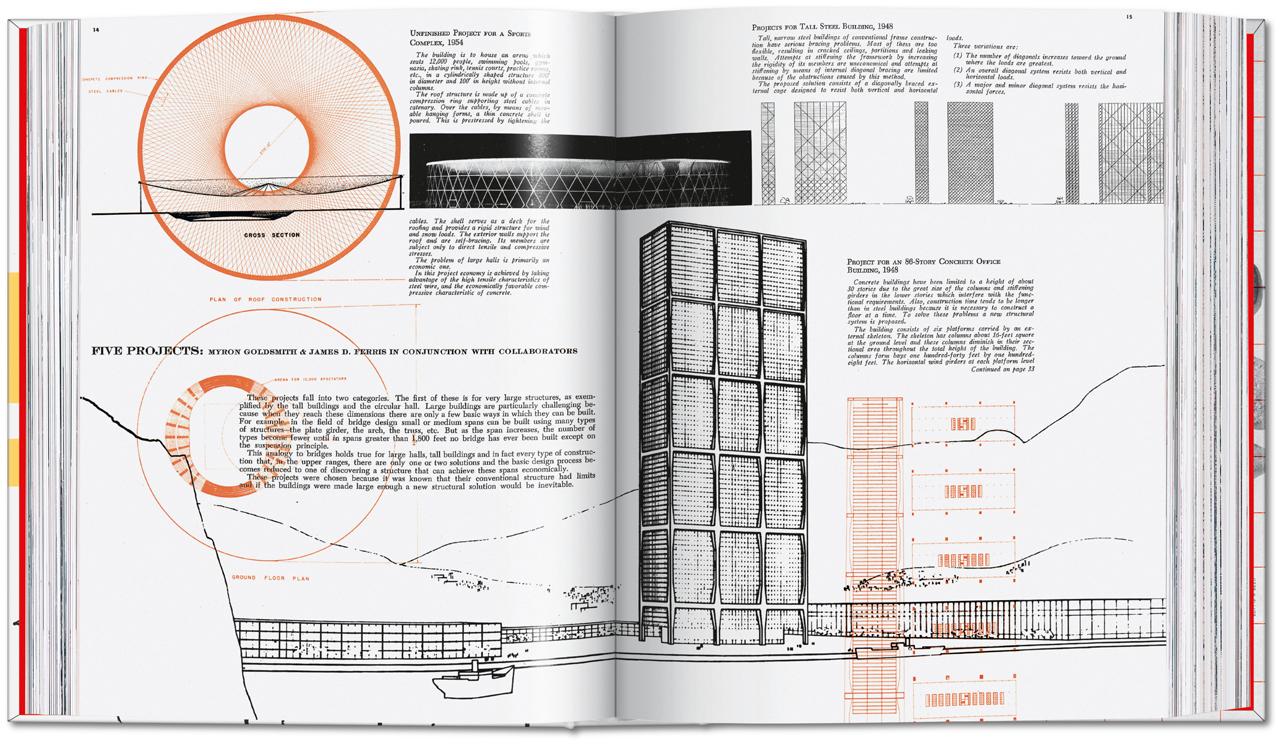
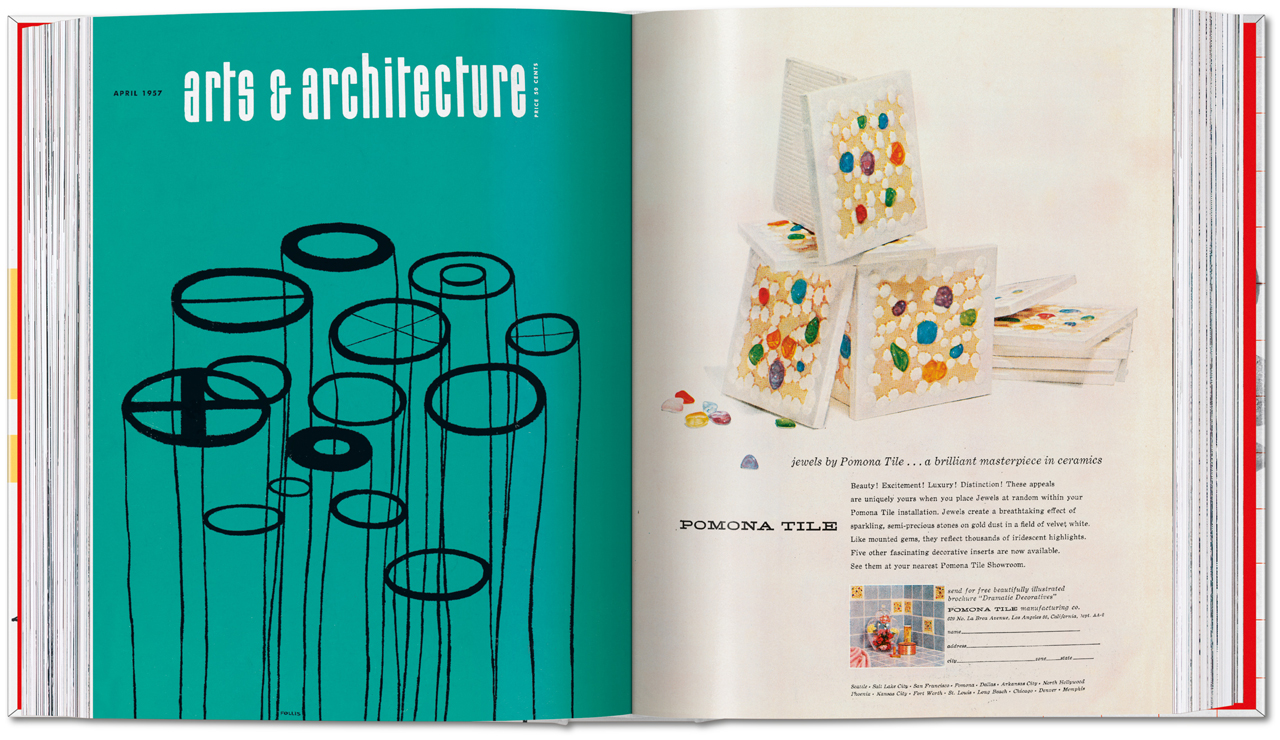
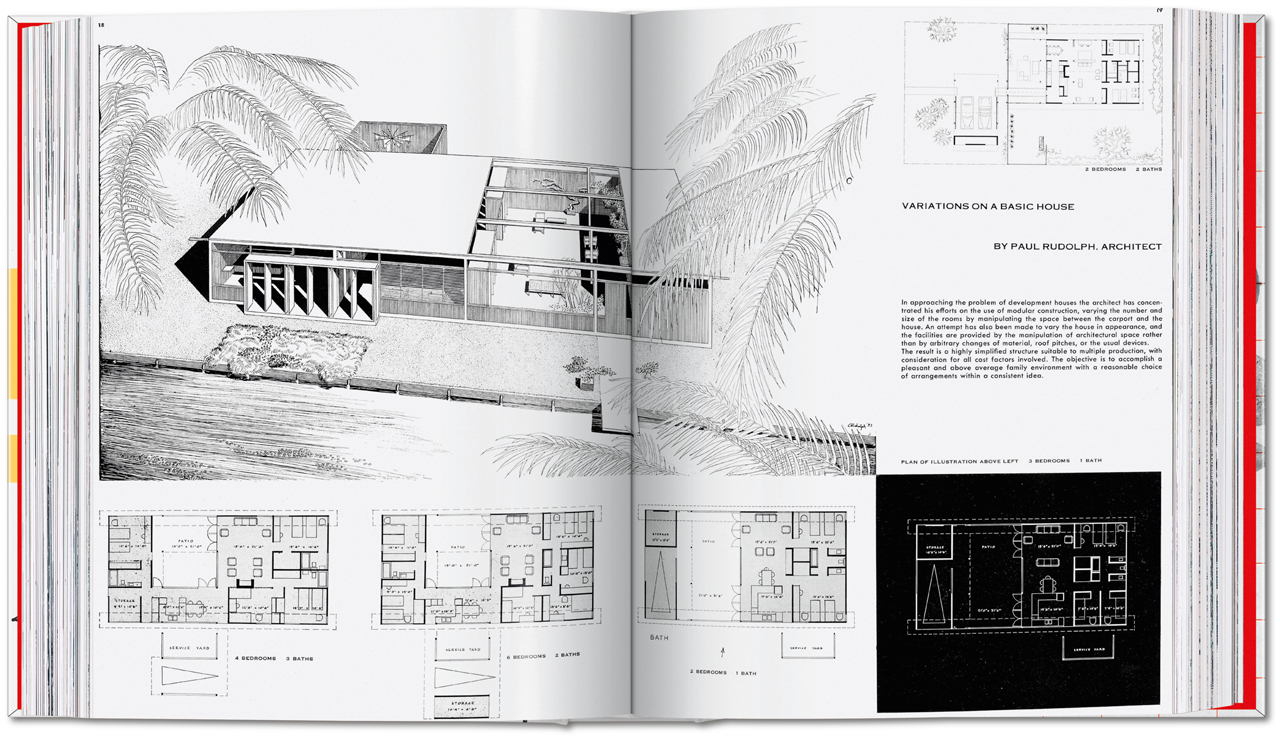
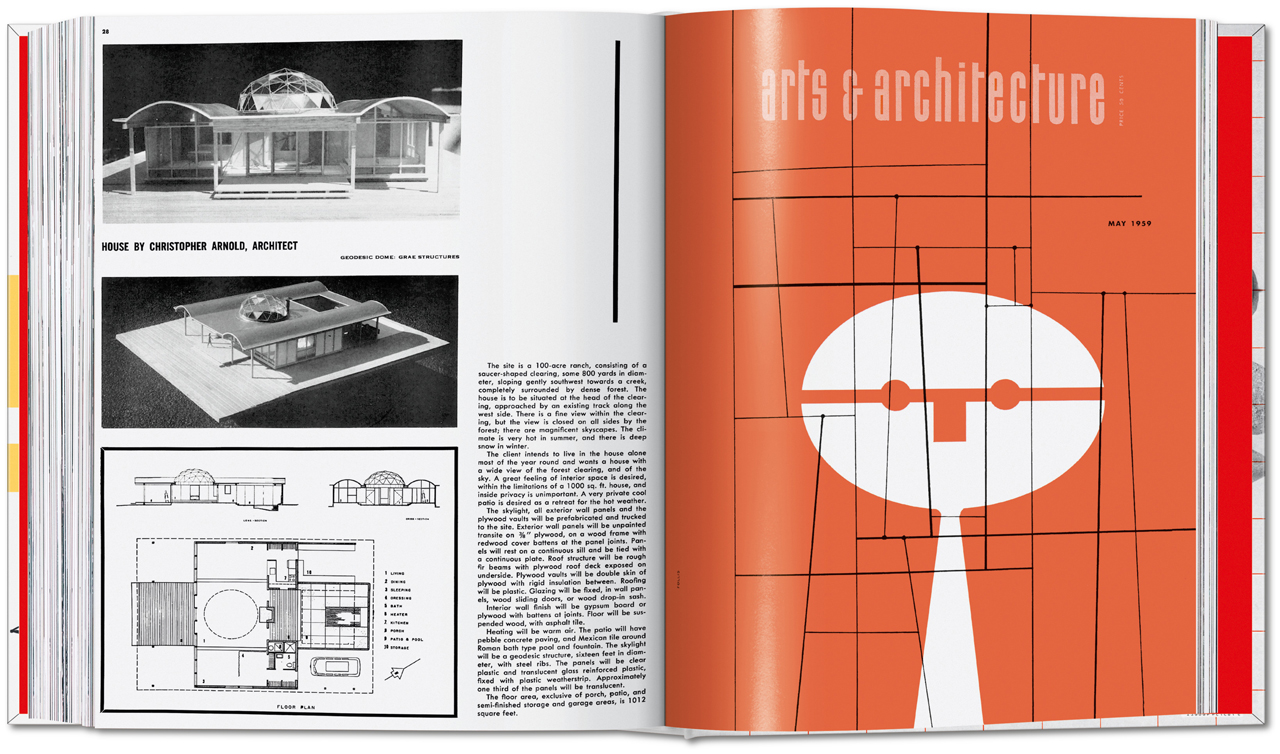
Following the end of World War II, American residential design underwent a quiet yet radical revolution. Architects moved away from ornamental traditions, turning their focus toward clean lines, open spatial planning, and industrial materials adapted for everyday living. At the heart of this transformation was Arts & Architecture, a vanguard publication that chronicled and actively shaped the postwar architectural landscape. Originally published by Taschen in 2008 as a complete facsimile edition, the newly curated volume “Arts & Architecture 1955–1959” gathers essential highlights from the magazine’s peak years between 1955 and 1959. It offers an accessible and captivating lens into a pivotal movement, spotlighting the legendary Case Study House Program and the visionary California modernists who built it.
The core strength of this volume lies in its thorough documentation of the Case Study House Program. Launched with the goal of producing low-cost, easily replicable residential prototypes, the program challenged architects to rethink how modern families lived. Through rich photographic spreads, detailed floor plans, and contemporary commentary, the book captures how visionaries like Pierre Koenig, Craig Ellwood, and Richard Neutra integrated glass, structural steel, and seamless indoor-outdoor living into standard residential design.
Pierre Koenig demonstrated how industrial materials and steel framing could create light-filled, airy spaces that felt both minimalist and inviting. Craig Ellwood excelled at blending crisp geometric forms with natural surroundings and accessible proportions. Meanwhile, Richard Neutra pioneered biorealism, crafting homes that connected human health and psychological well-being directly to the surrounding landscape.
Beyond structural engineering and aesthetics, this selection emphasizes the socio-political engagement of Arts & Architecture. The magazine treated design not as an exclusive luxury reserve for the wealthy, but as an essential tool for social progress in post-war society. By repurposing war-era industrial materials for affordable home construction, bridging fine art with civic planning, and designing functional, high-quality residential spaces tailored for modern families, the magazine championed democratic living.
This curated edition serves as both an essential reference for architectural historians and a deeply satisfying read for design enthusiasts. By capturing the peak years of mid-century innovation, Benedikt Taschen delivers a compelling tribute to a publication that fundamentally reshaped the American living environment. It stands as an enduring record of a time when optimism, material ingenuity, and democratic design aligned to transform modern habitation.