ISLAND ART GUIDES: Hydra, the Primordial Witch… Part I
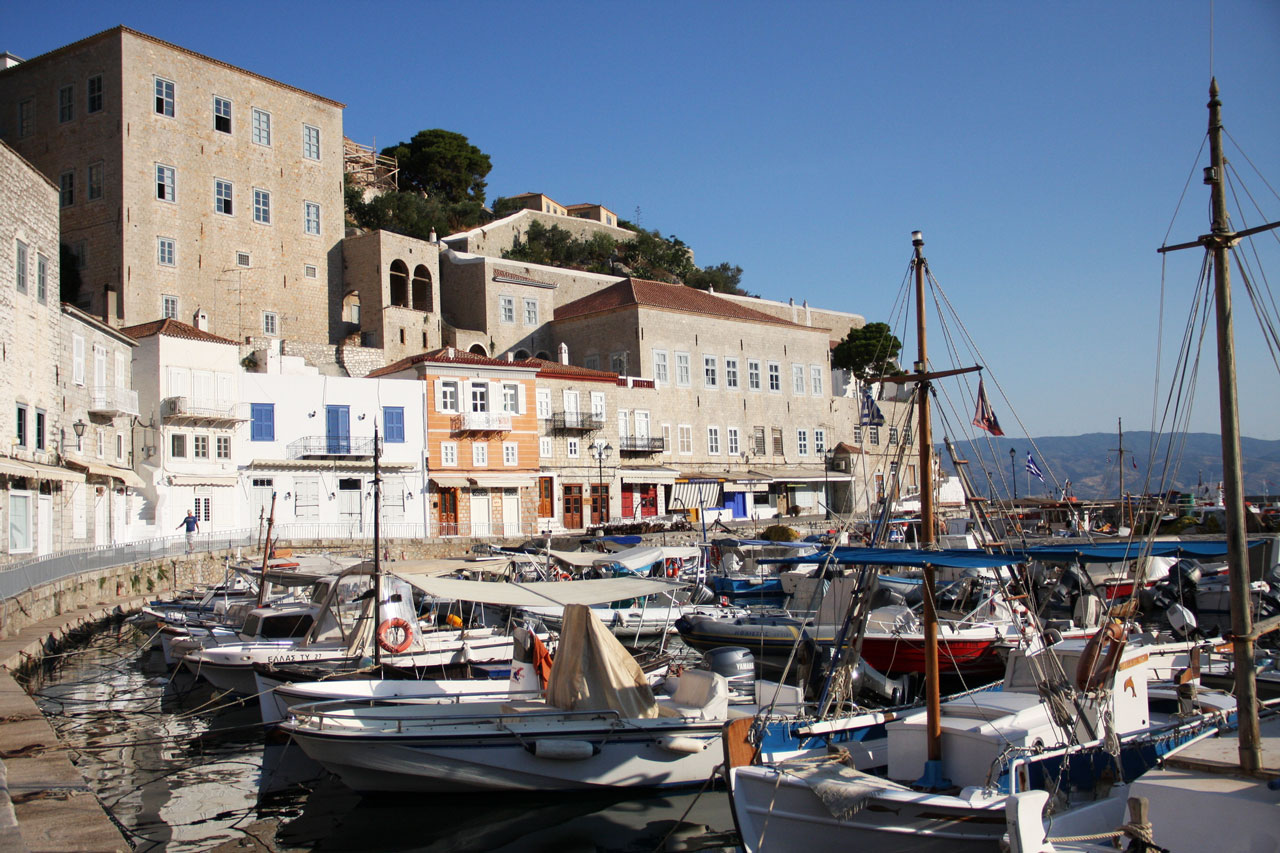
Inspired by the themes of Art and Summer, we are launching a new column in which different contributors, through their own unique perspectives, take us on a journey to the hidden side of the Greek islands, where art, history, and culture meet cosmopolitanism. Our first destination is Hydra, the Grande Dame of the Saronic Gulf, as it is so often called. To me, however, Hydra—the island that holds a special place in our hearts—is the First / Primordial Witch, in the words of the Poet Odysseas Elytis.
By Efi Michalarou
Photo: Dimitris Lempesis
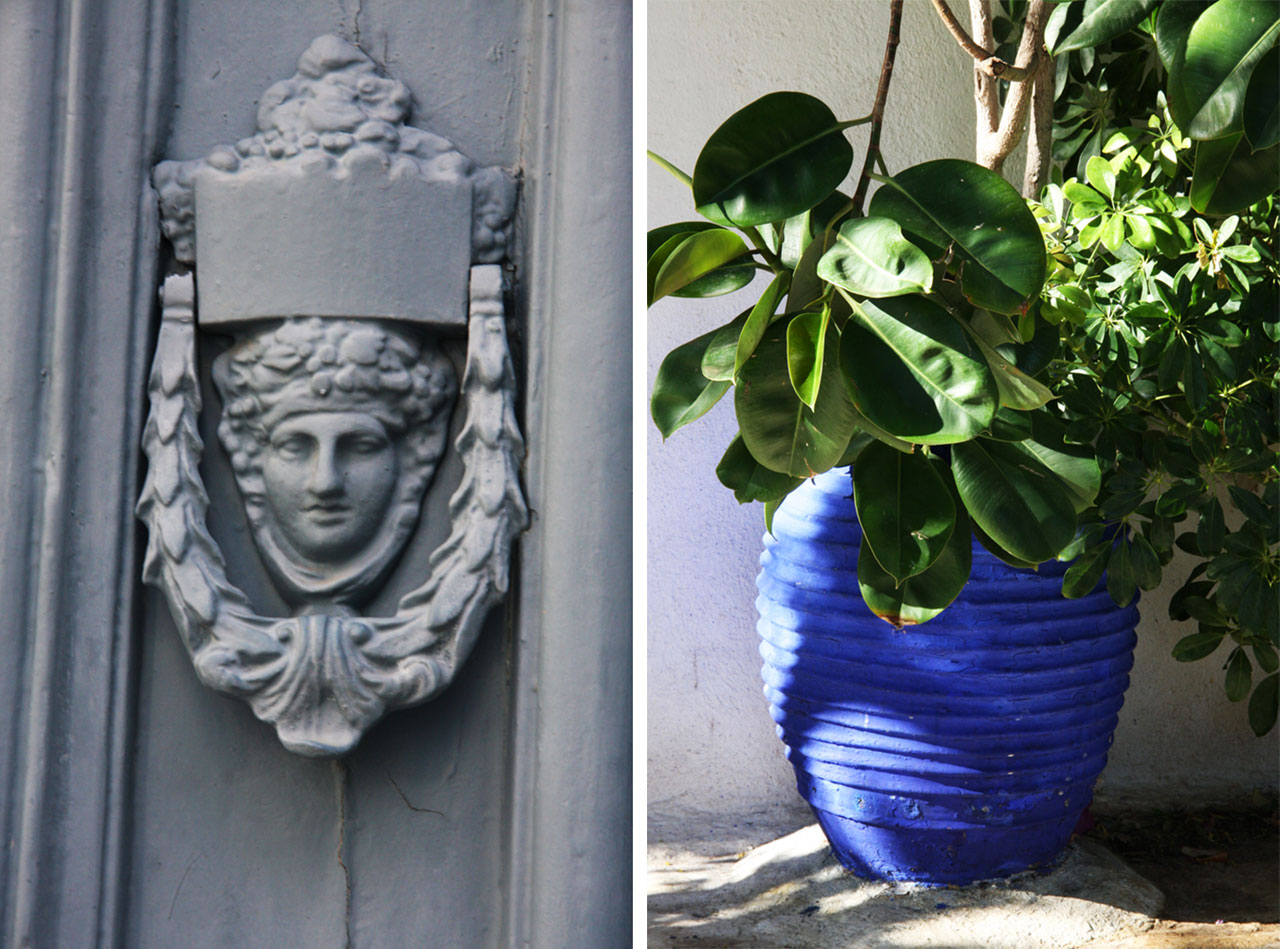
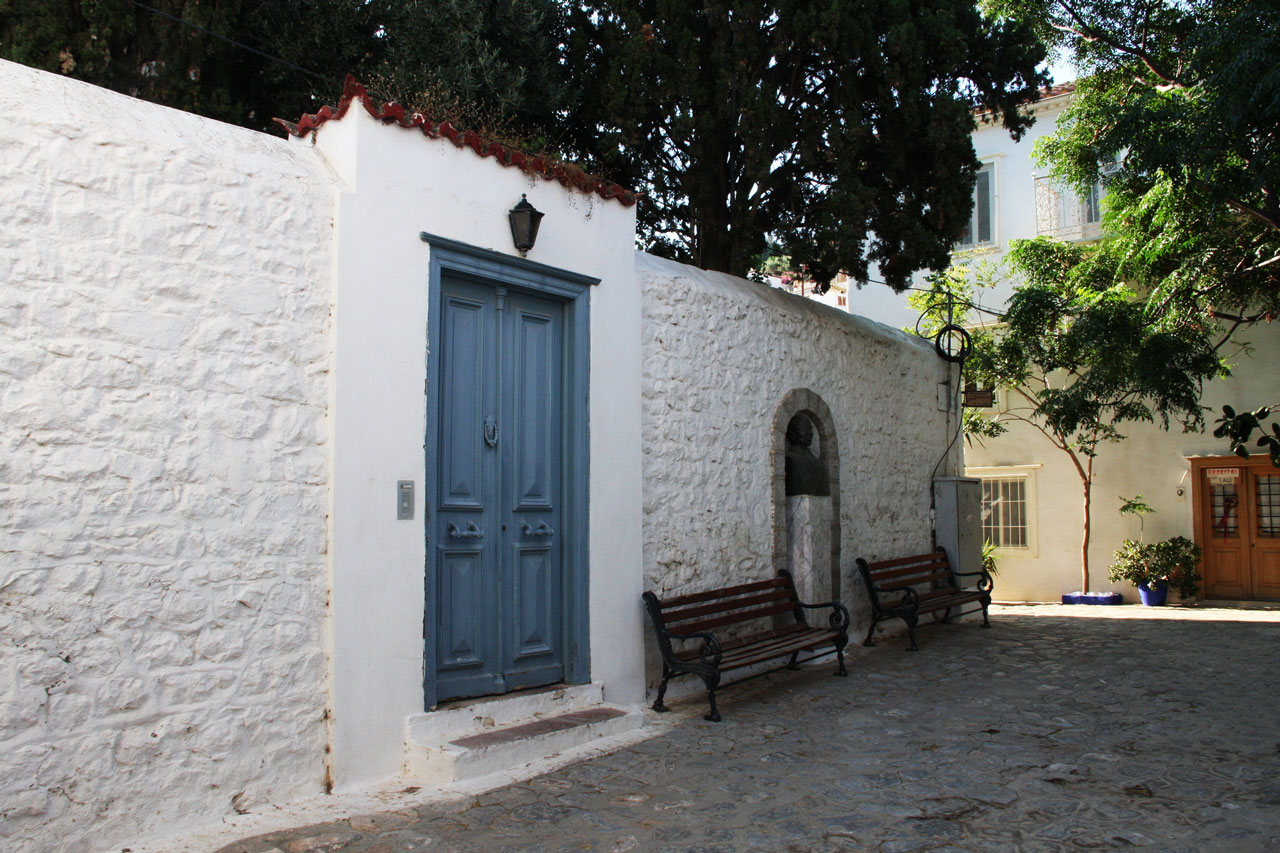
My relationship with Hydra is a long one; it has gone through many fluctuations and great storms. Yet, from the moment I first set my foot on the island in 1992, with a friend, for a four-day stay, until today, I have remained enchanted by this strangely beautiful and rugged place. Its Architecture, which makes it unique in the world, with its Mansions that seem to float at the edge of the rocks, at the edge of the sky; its Aura, which overwhelms you from your very first steps along the horseshoe-shaped harbour; the Reflection of the Sun’s orange light upon the grey of the rocks; its Dry Landscape, which nonetheless bears no resemblance to that of the Cyclades islands; its Courtyards, which, when the great Wooden Doors open after you rhythmically knock on the Door Knocker, flood your senses with Colors and Scents… all have contributed to this profound love affair. I fell in love with Hydra at first sight. If one can truly marry a place, then I have married two in my lifetime: Hydra and Paris.
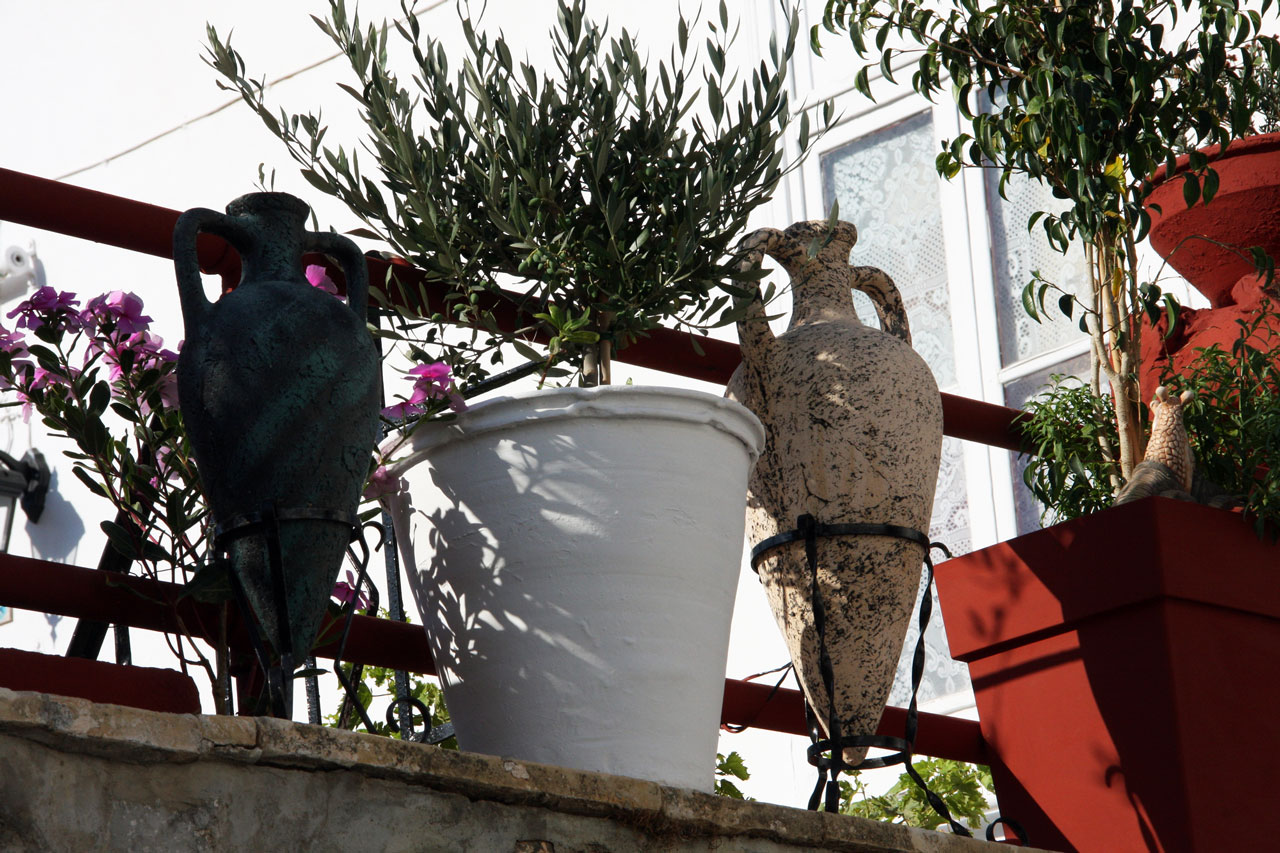
The hotel “Hydra” where we stayed, with its unique view, allowed me every afternoon to dream and wonder about so many things — things that, in the years that followed, were revealed to me one by one. I knew that something different was happening here…
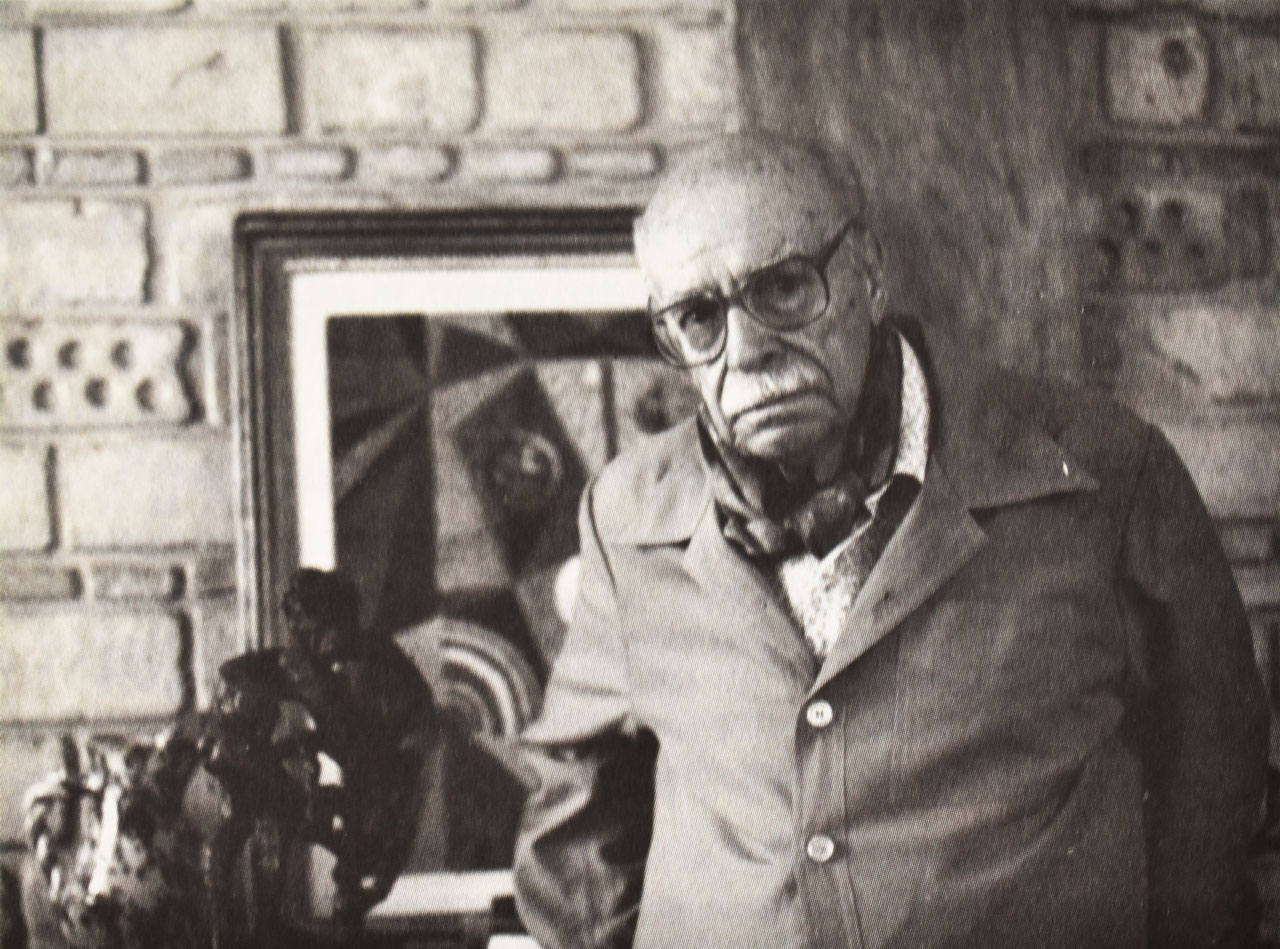
And this was confirmed the following summer, which was also my official baptism into journalism, when I collaborated with the newspaper “Kathimerini” and its supplement “Epta Imeres” (Seven Days) for a which was dedicated to Hydra. Apart from the Hydra-born painter Nikos Hadjikyriakos-Ghikaς, who gave me both my first interview as a journalist and his last one, as he passed away a year later, I met everyone with whom I would later become professionally and personally connected. If one believes in chance or karma, for me the summer of 1993 was the beginning of a professional life and a career path that I could never have imagined I would follow.
I experienced the island at the threshold of an era, a moment when one cycle was coming to an end and a new one was beginning. It was the time when the writer Margarita Liberaki, in her home on Lycabettus Hill, gave me the entire world in a handwritten manuscript, on an old yellow journalists’ paper once used by newspapers. “Marguerite is asleep, I’ll write about her myself,” I remember her whispering to me, referring to her daughter Margarita Karapanou. She had been waiting for me with great joy that warm July midday, with a steaming coffee pot and blue unfiltered Gauloises cigarettes beside her. “Bouba is a peculiar person, but if she takes a liking to you, you will have a special place in her heart,” she told me almost confidentially as I was leaving…
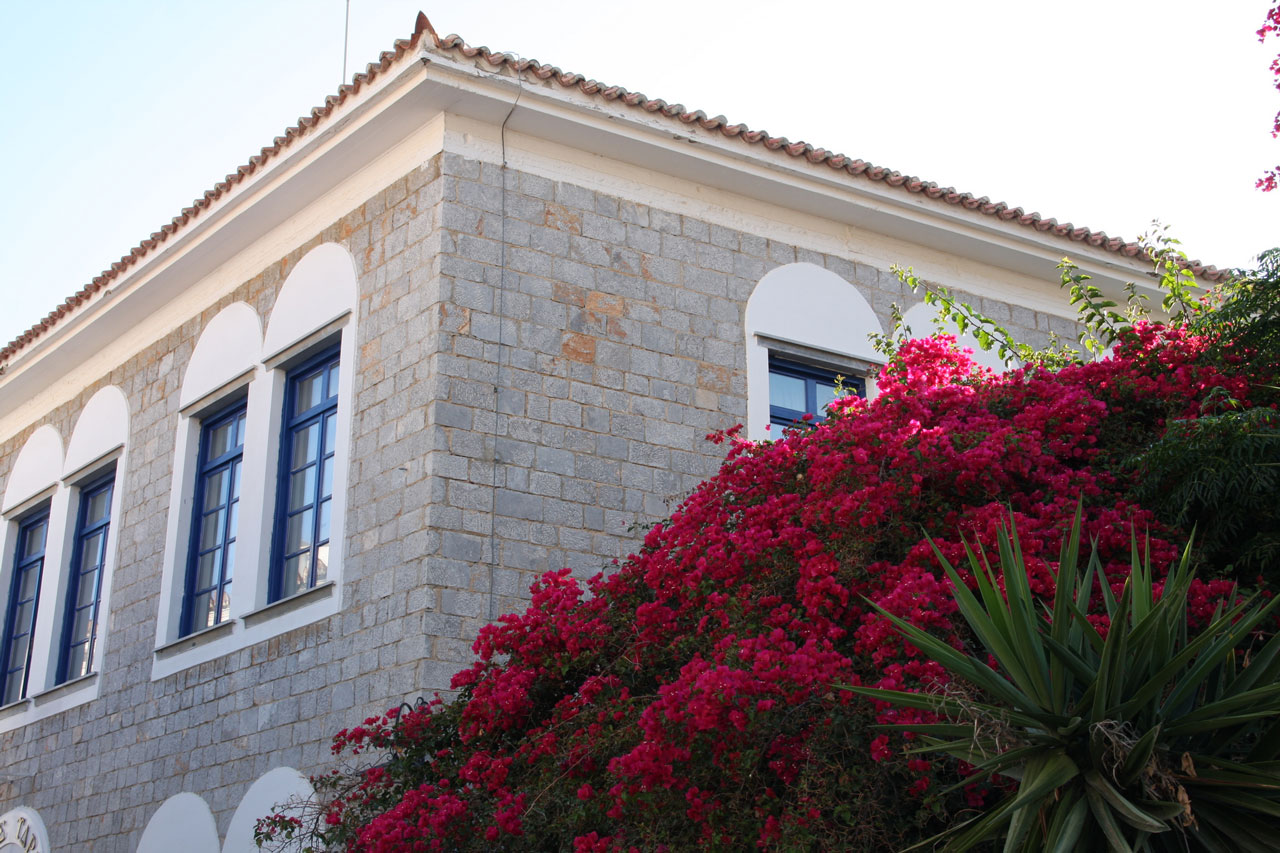
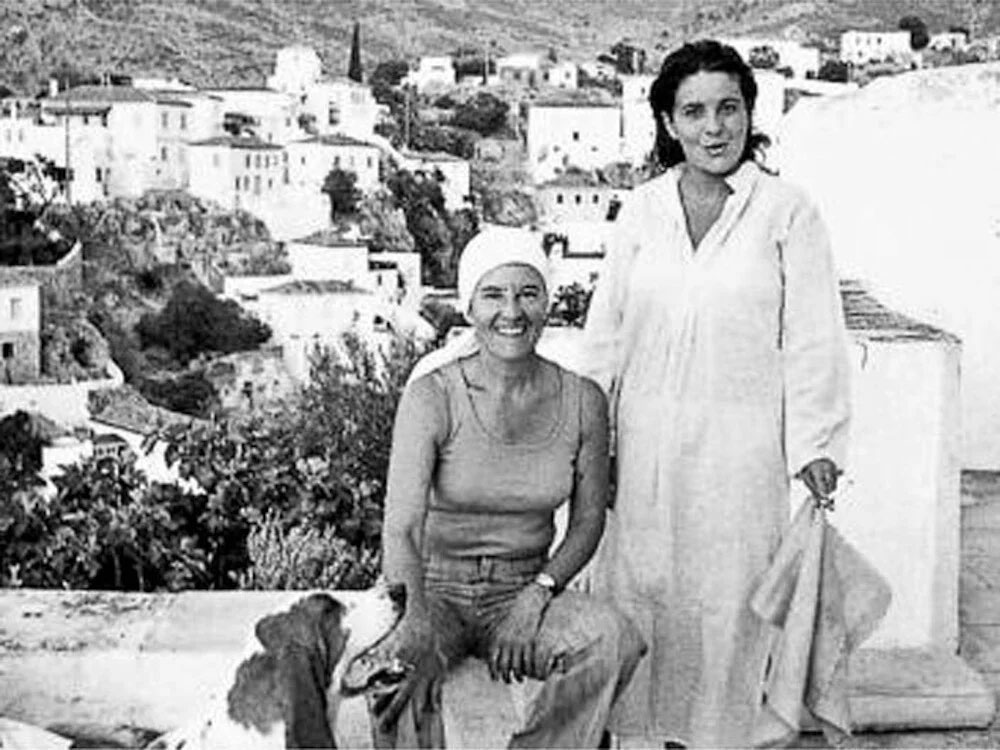
Indeed, the sculptor Aglaia Lyberaki (the first wife of our great painter Yannis Moralis, and later the wife of the French Gildo Caputo, was a truly enigmatic figure. Her house in Kamini filled me with both awe and fear; standing in the middle of the road, perched at the edge of the cliffs, it gave me the feeling that one wrong step would send me into the sea. If Margarita was an ingénue (as much as she could ever be), Aglaia was a grande dame — no, more than that, a true character actress. A larger-than-life figure, with silver hair and a Doric presence, she spoke slowly and looked at you with a strict, scrutinising gaze, as if she wanted to decode your innermost thoughts. But after the introductions by Tetsis and by Margarita’s sister — who adored me from the very first glance — I eventually passed the test. From time to time, she would invite me to her home for coffee and conversation, calling me “Euthalia”. She was, after all, the only person to whom I allowed this heavy and unfamiliar name of mine (!). With each meeting, her personal story gradually unfolded: her relationship with art, with Hydra, and with her life in Paris.
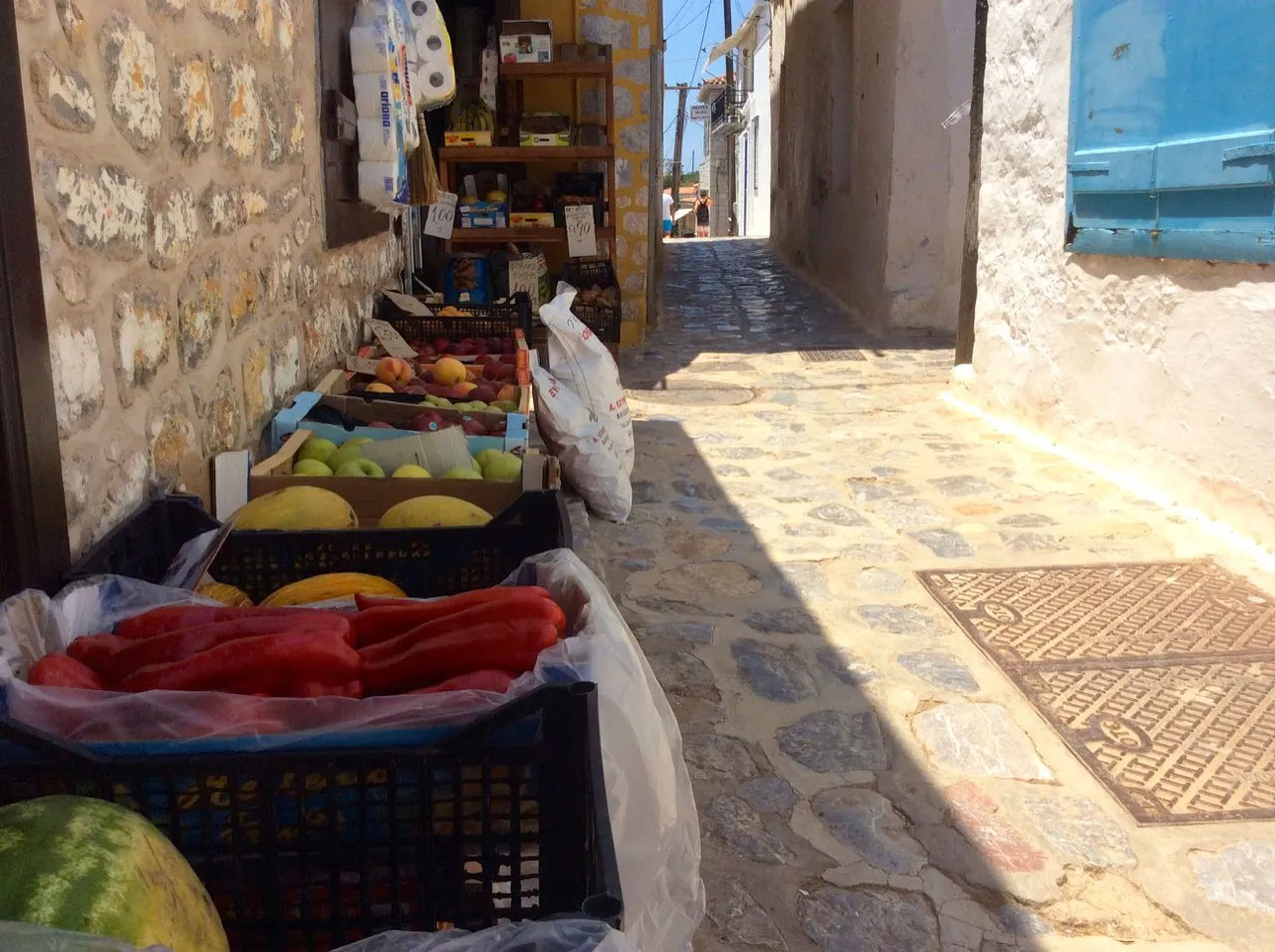
“Will you have some cherries? Aren’t you going to do justice to my sweets?” Niki Kanagini wondered when we met at her studio on Mimnermou Street, as she opened my food container. “I’m on a strict diet,” I replied, and she contented herself with offering me a warm French coffee in one of the enormous ceramic cups made by her friend Eleni Vernardaki. Although at that time I was not yet familiar with contemporary art, I greatly admired Kanagini’s works. This was in contrast to the paintings of Giorgos Mavroidis, a great painter, whose work did not resonate with me in the same way. Every time he saw me, he would suggest painting my portrait. The last time, in an attempt to persuade me, he emphasised that his wife would also be present.
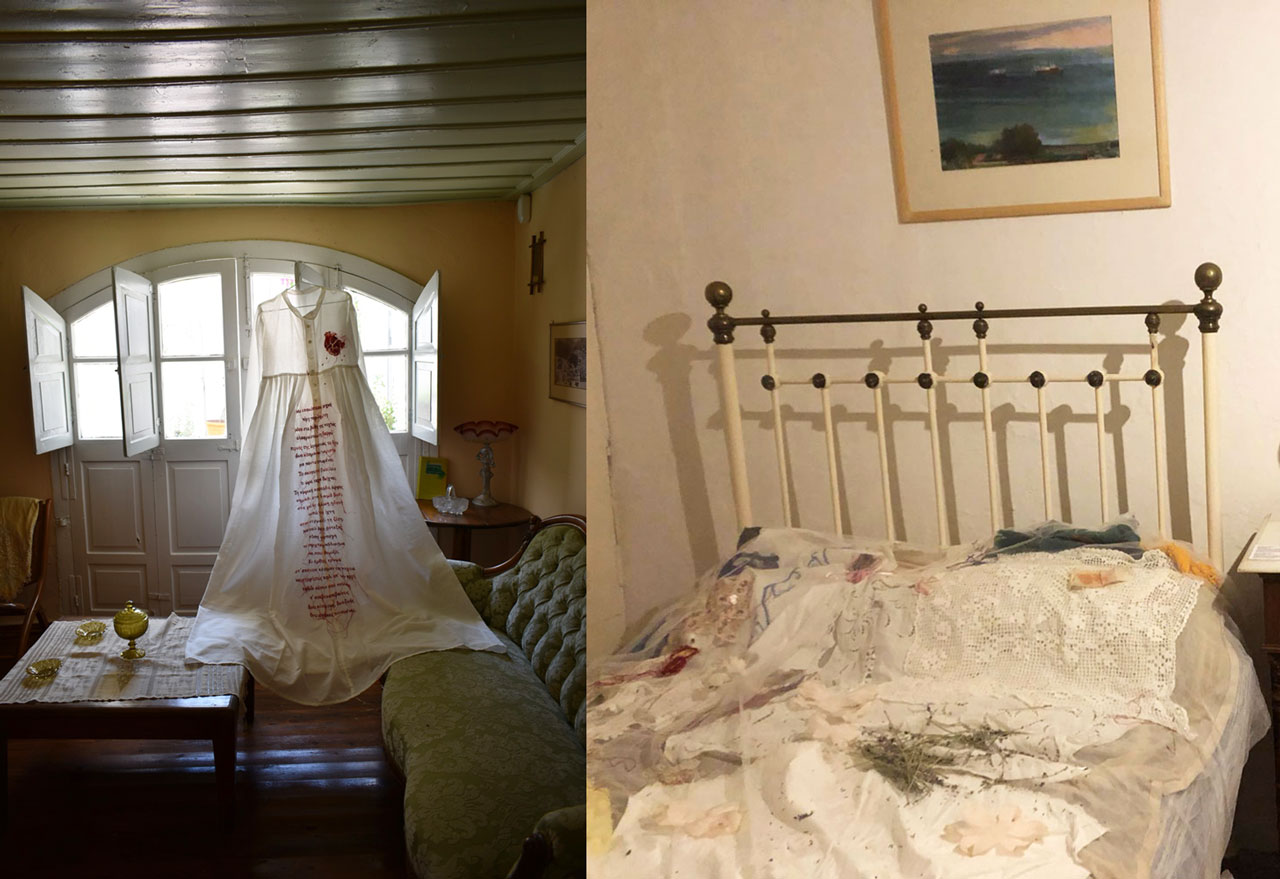
Right: Maria Zygomala, Kali Strosi (The Fine Bedding), 2021–2024. Installation: linen and cotton fabric, tulle, lace, wool, colored silk threads, gold threads, money, and endless patterns. Variable dimensions. From the exhibition “Weaving the Future VII’, held at the Tetsis House. Photo: Dimitris Lempesis
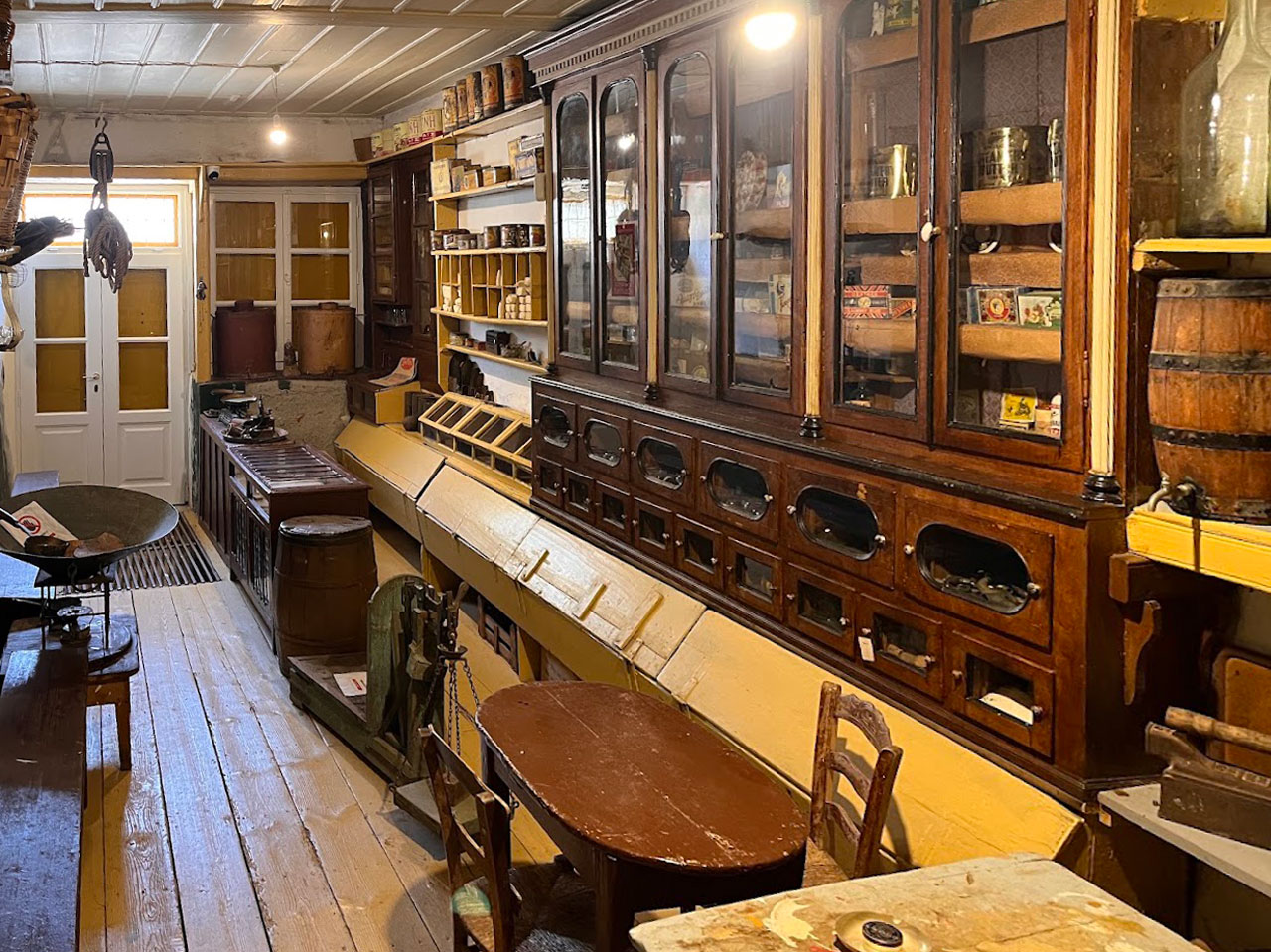
The painter Panagiotis Tetsis had a wonderful house near the legendary grocery store known by foreigners as “Four Corners”, right next to Leonard Cohen’s house. By pure chance, that house became mine for an entire summer, as he was away and had entrusted it to his beloved student, Magda Siamkouri. With his consent, I stayed there for three whole months. “Four Corners” is a small grocery store, like Gavrilos’ shop on the road to the Nersing Home — places where time seems to have stopped. Every time I pass by, I am enchanted by everything around me, and my eyes light up with the same wonder as a child’s. The last time I passed by, two years ago, with a couple of architects, the candles were hanging there — the ones now made by Mrs. Maria’s daughter in the small candle-making workshop that once existed a little further down the road toward Kamini, next to the house of Iris Charamis. Iris had painted that house countless times, as well as the Kamini Epitaph, which on Good Friday is carried into the sea to bless the waters, as a wish and prayer for the sailors and sponge divers who are departing…
Across the way, near the burned house of Hadjikyriakos-Ghikaa in the centre of the Kamini settlement, stands the house of Mariannina Kriezis, which she eventually sold because, at night, she heard noises coming from an old chest. “It’s your grandfather’s ghost,” Christos Papoulias would teasingly tell her — although she believed him. The shipowner Giannis Lyras bought the house with the intention of transforming it into a cultural centre, but over the years it seems that the shared narrative of Mariannina and Christos was ultimately confirmed, since the house eventually remained closed… And because the history of Hydra — like the history of all small places haunted by ghosts — is vast, I will never forget one night when I lost my way home and found myself wandering through some courtyards, under a moonlit sky, among shadows in the middle of Kamini. For a moment, I almost found myself believing in the myths and legends myself…
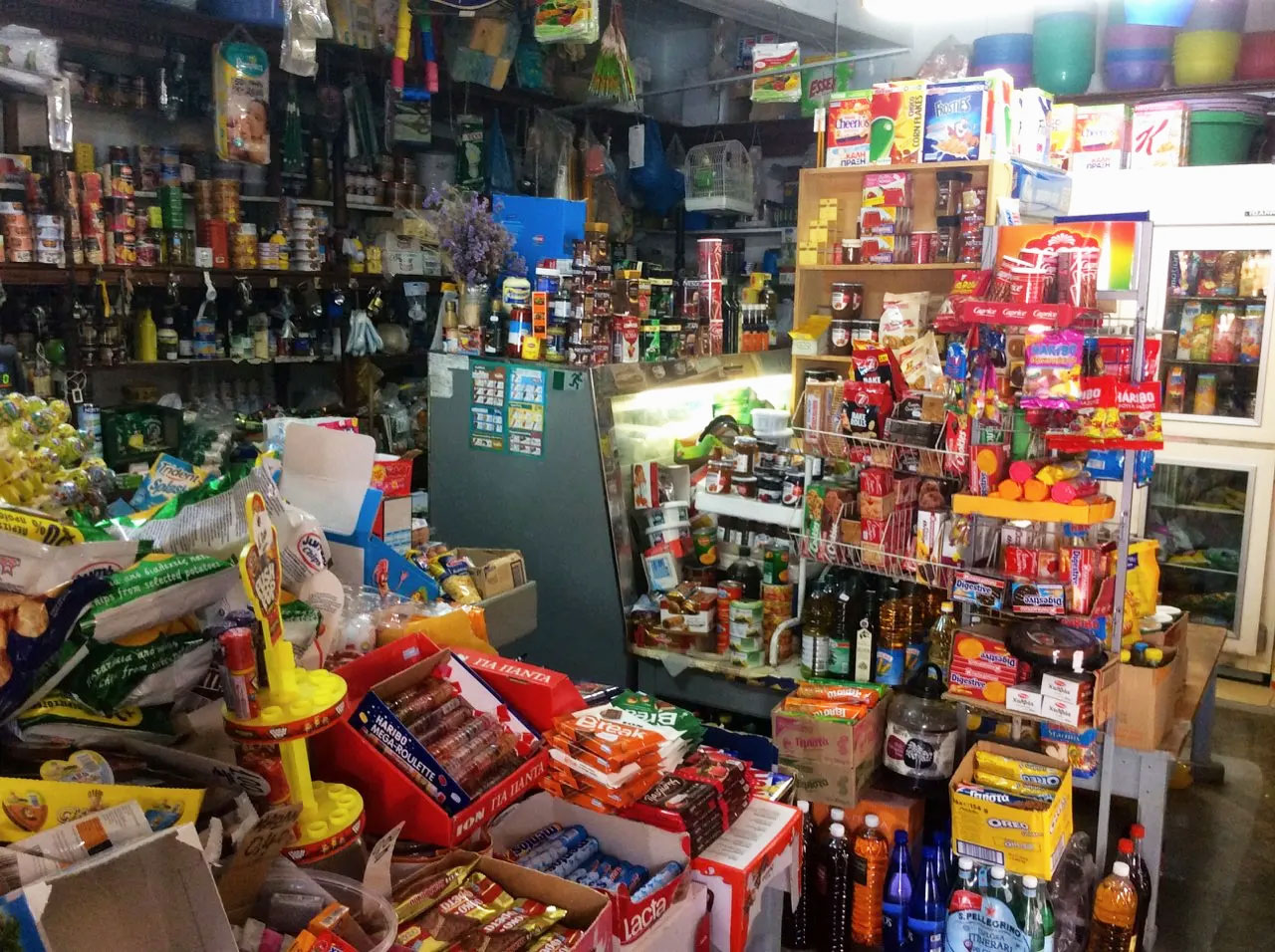
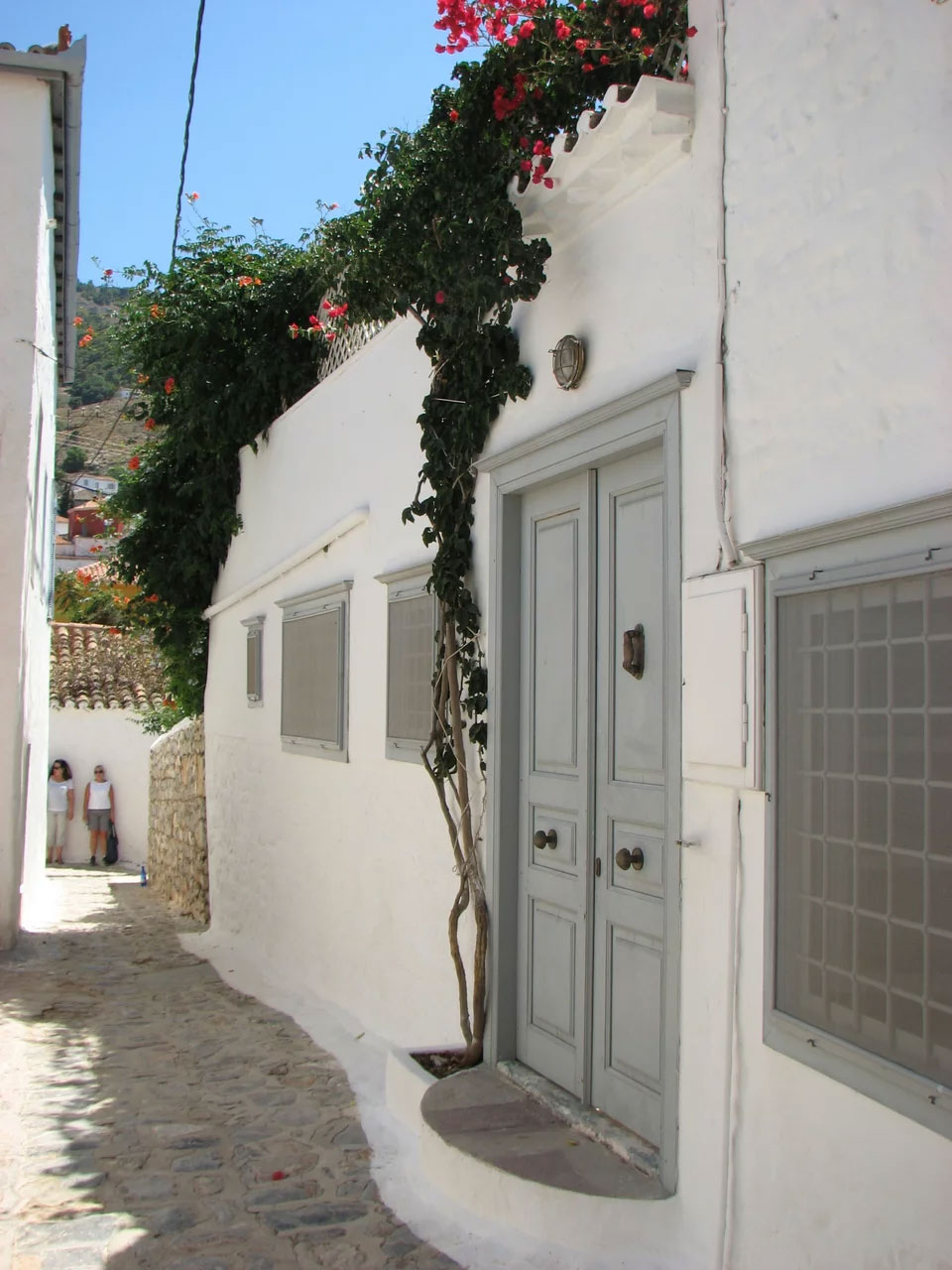
One of the most beautiful memories from that period is a large brunch with many friends, among them, Adam Cohen and his mother Barbara (Leonard’s second wife). It was a time when Leonard Cohen had already distanced himself from Hydra. Adam played on the piano songs of his own as well as those of his father. Another unforgettable moment was the party a few evenings later, on the rooftop of the old house, with Tetsis’ grandmother’s grocery store set up in the basement as a living museum. The rooftops of Hydra and its parties are a story in themselves — one whose thread we will follow and unravel later.
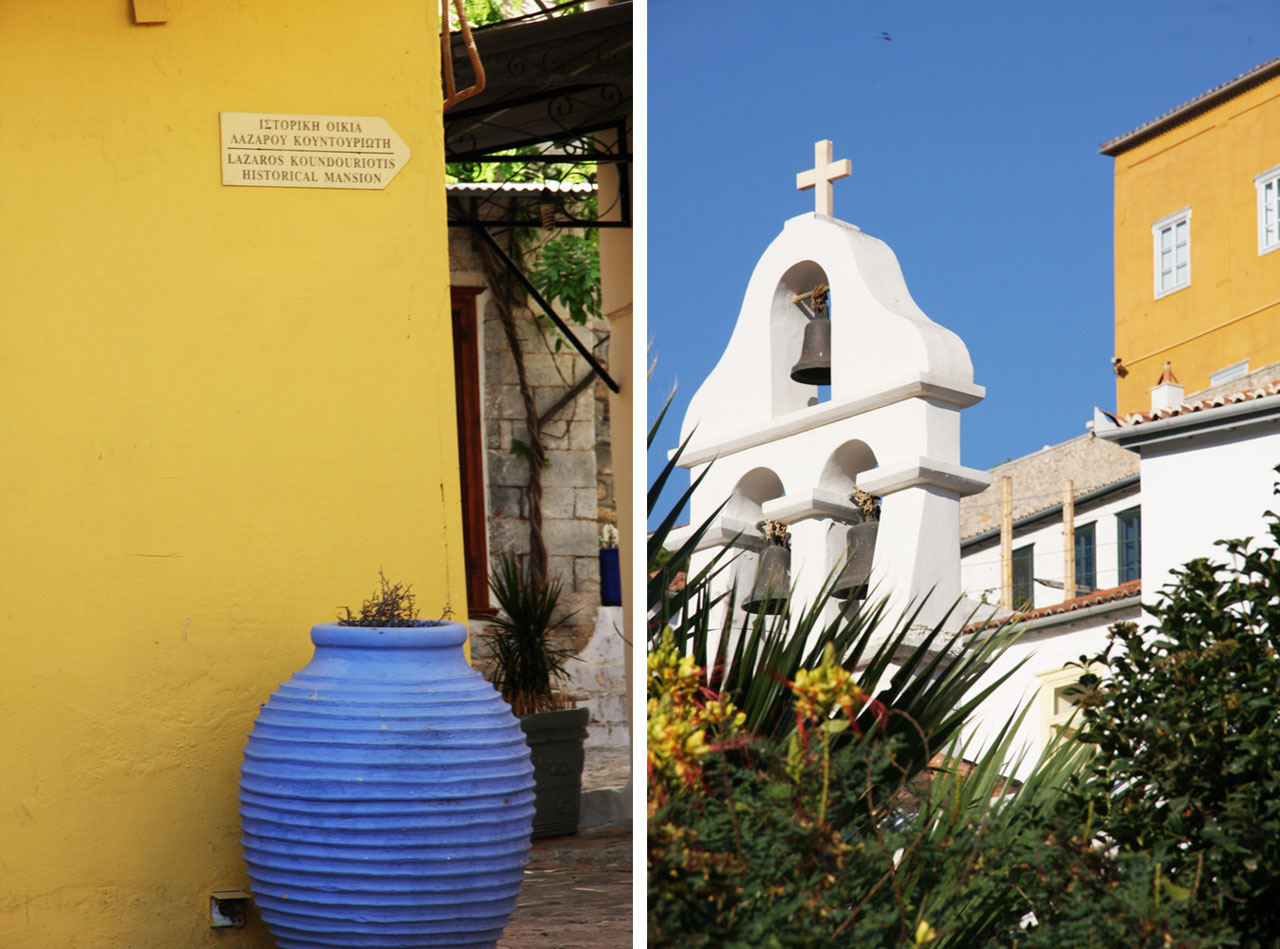
* In the house where I was first hosted in 1993, I had the great privilege of havingin in the summer of 2024,two works from the project I organized, “Weaving the Future VII,” exhibited there. The project brought together 44 Greek women artists and was presented across 14 different venues under the auspices of the Municipality of Hydra. Τhe Panagiotis Tetsis House and the former residence of the prominent Hydriot statesman Lazaros Kountouriotis are open to the public as museums administered by the Historical and Ethnological Society of Greece.
Read the Greek Version