BOOK:David Hammons, White Cube
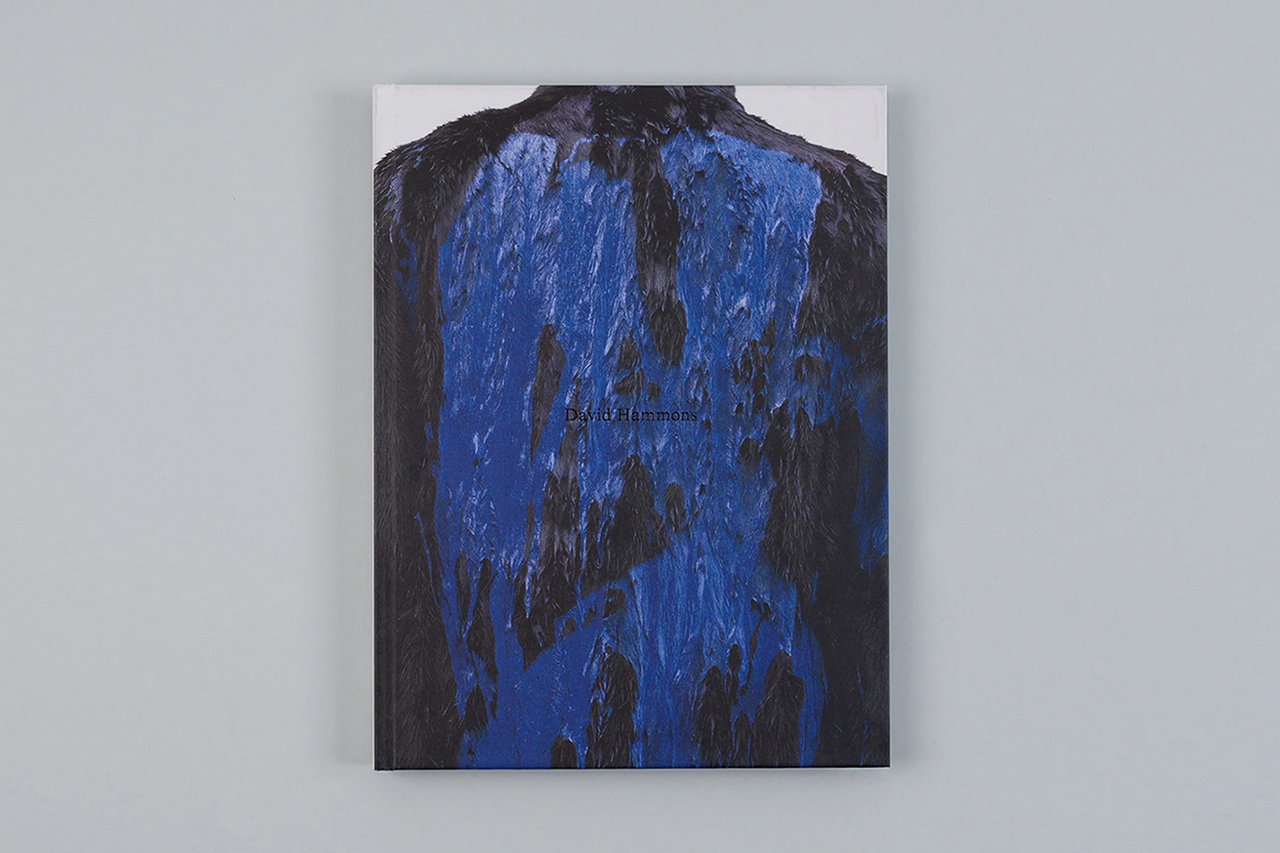
Few contemporary artists have cultivated mystery as effectively—or as deliberately—as David Hammons. For more than five decades, Hammons has challenged the conventions of the art world while simultaneously becoming one of its most influential figures. White Cube’s monograph, “David Hammons”, embraces this paradox, offering a thoughtful and visually sophisticated study of an artist whose work consistently resists easy interpretation. Rather than attempting to demystify Hammons, the publication succeeds by respecting the opacity that lies at the heart of his practice.
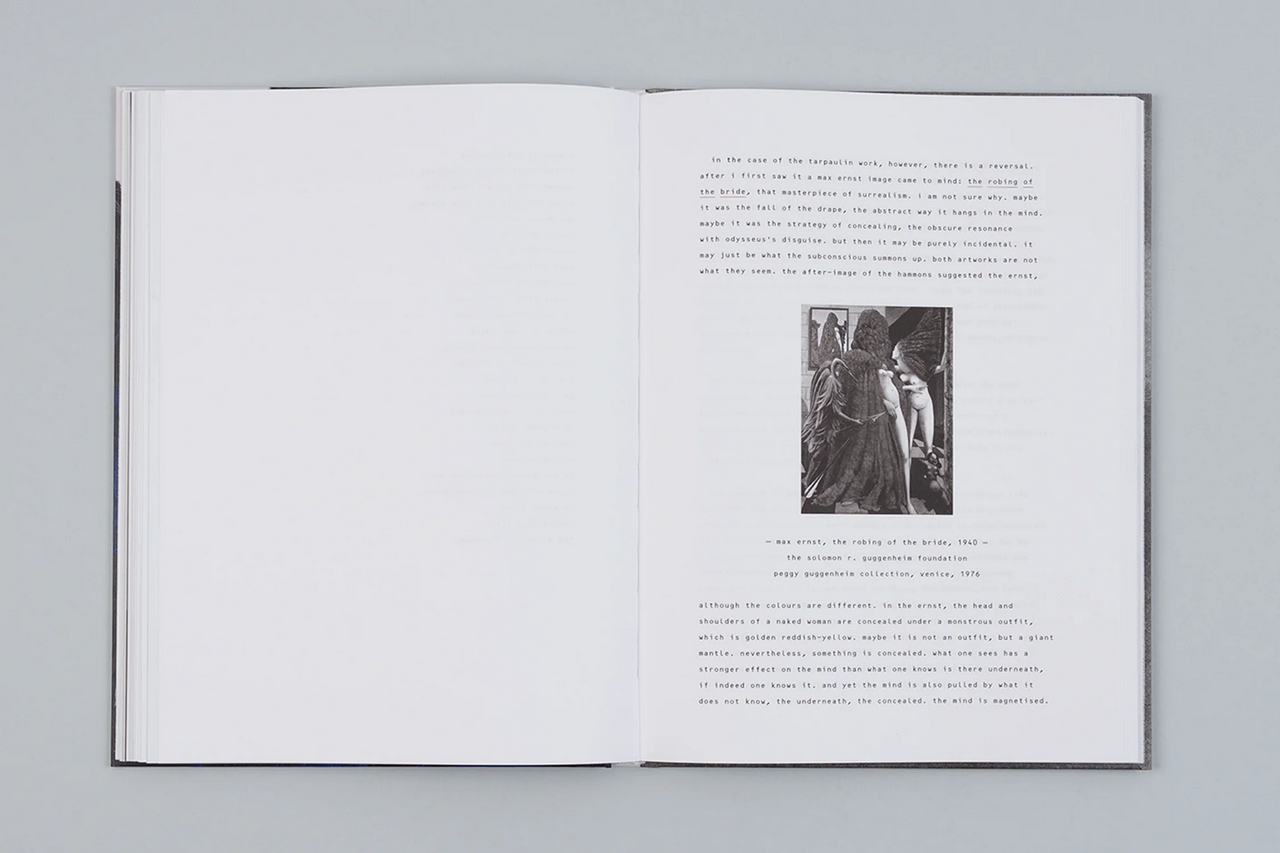
At the center of the book is an extended essay by Booker Prize–winning writer Ben Okri, whose reflections provide an ideal intellectual framework for understanding Hammons. Okri examines the artist’s skepticism toward the cult of artistic personality, contrasting Hammons’s refusal of self-mythologizing with the biographical traditions established by figures such as Pliny the Elder and Giorgio Vasari. In a contemporary art world increasingly driven by visibility, branding, and personal narrative, Hammons’s insistence on absence and indirection appears both radical and deeply political. Okri’s essay captures this tension with clarity and poetic sensitivity, presenting Hammons as an artist who understands that withholding can be as powerful as revealing.
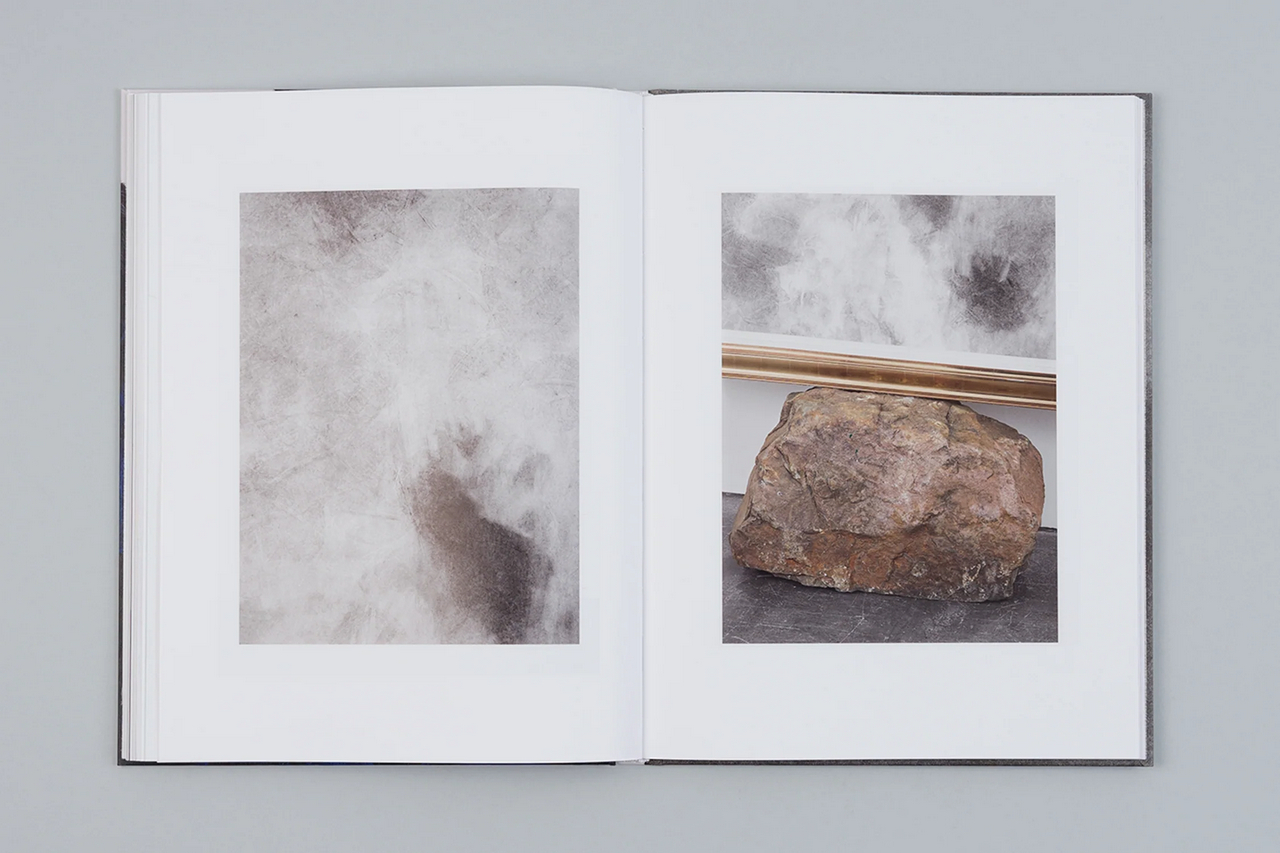
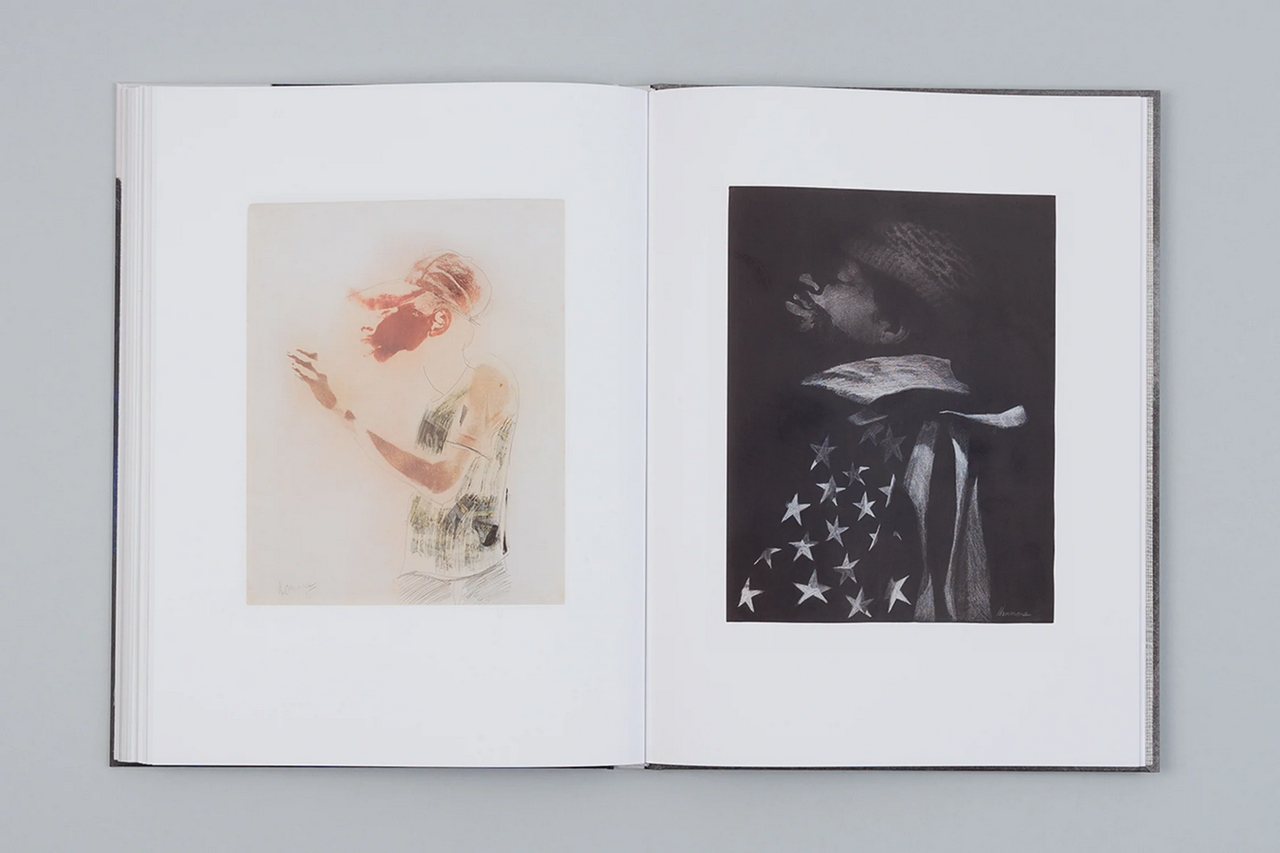
The publication’s visual structure reinforces these themes. Opening with stills from “Phat Free” (1995/1999), Hammons’s only known video work, the book traces a career that ranges from the celebrated body prints of the late 1960s and 1970s to later works that deploy disguise, invisibility, and coded forms of communication. Rather than overwhelming the reader with exhaustive documentation, the monograph adopts a measured pace, allowing individual works the space to resonate. This restraint mirrors Hammons’s own artistic methodology, which often privileges suggestion over declaration.
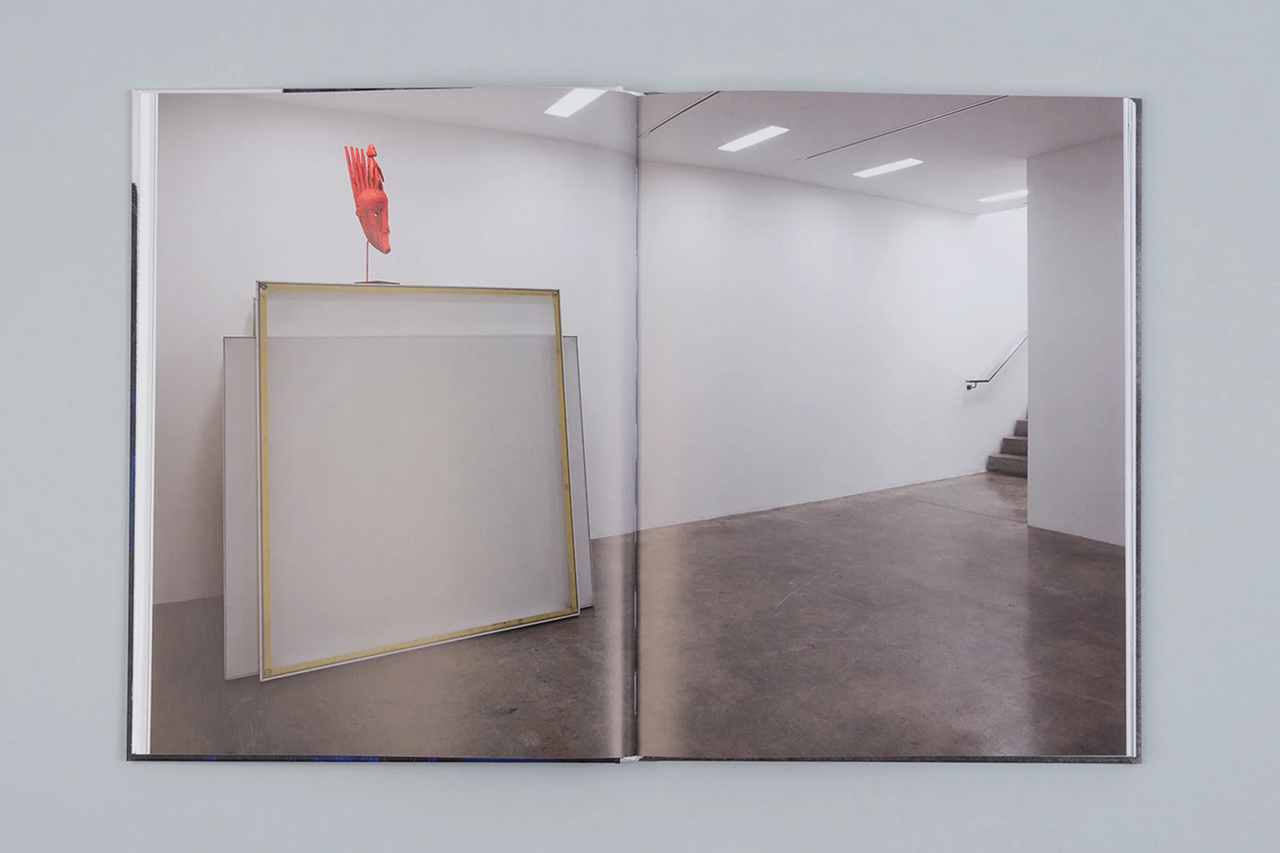
One of the publication’s most intriguing curatorial gestures is its inclusion of a dialogue with the work of Agnes Martin, particularly “Untitled #9” (1999), which Hammons selected for his 2014 exhibition at White Cube Mason’s Yard. The comparison highlights unexpected affinities between two artists often viewed as occupying different artistic and cultural territories. Both, however, share an interest in silence, reduction, and the power of what remains unsaid. By drawing attention to these connections, the monograph expands our understanding of Hammons beyond the familiar narratives of race, institutional critique, and found-object assemblage.
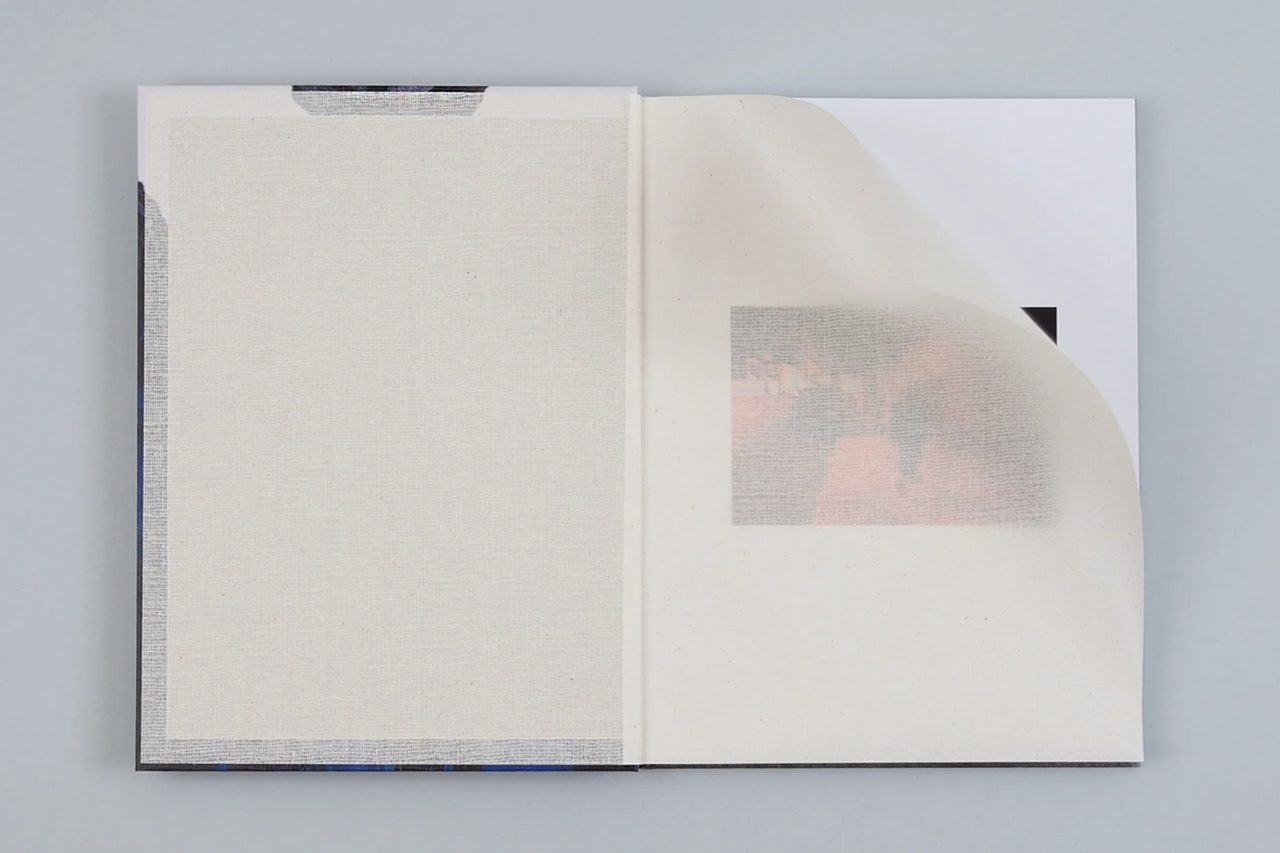
The book’s physical design, created by Studio Jonathan Hares, deserves particular praise. Images are carefully spaced throughout the volume, producing a rhythm that reflects the deliberateness of Hammons’s artistic output. The design avoids the temptation of spectacle, instead encouraging sustained looking and contemplation. This sensitivity to pacing transforms the monograph from a mere catalogue into an experience that echoes the artist’s own resistance to excess and immediacy.
What distinguishes David Hammons from many contemporary artist monographs is its willingness to leave questions unresolved. Rather than offering definitive interpretations, it presents Hammons as a figure whose significance lies partly in his refusal to be fully known. The publication recognizes that the artist’s enduring importance stems not only from his groundbreaking works but also from his challenge to the mechanisms through which art is consumed, documented, and historicized.
As both a scholarly resource and a beautifully produced object, White Cube’s “David Hammons” is an exemplary monograph. It provides valuable critical insight while preserving the enigmatic quality that makes Hammons one of the most compelling artists of the contemporary era. For readers interested in conceptual art, institutional critique, or the politics of artistic visibility, this volume is an essential addition to the literature on a truly singular artist.-Dimitris Lempesis