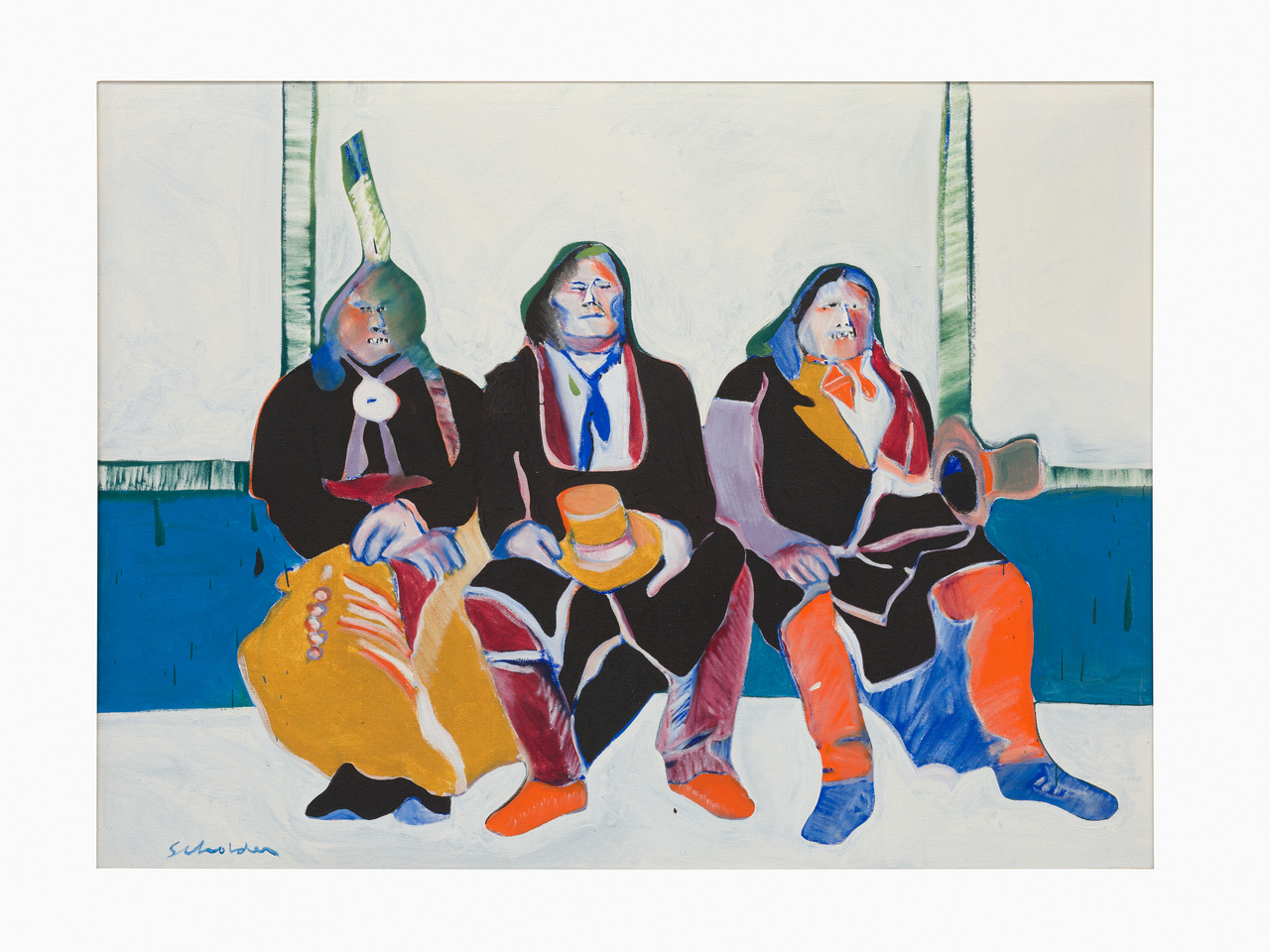
PRESENTATION: Fritz Scholder
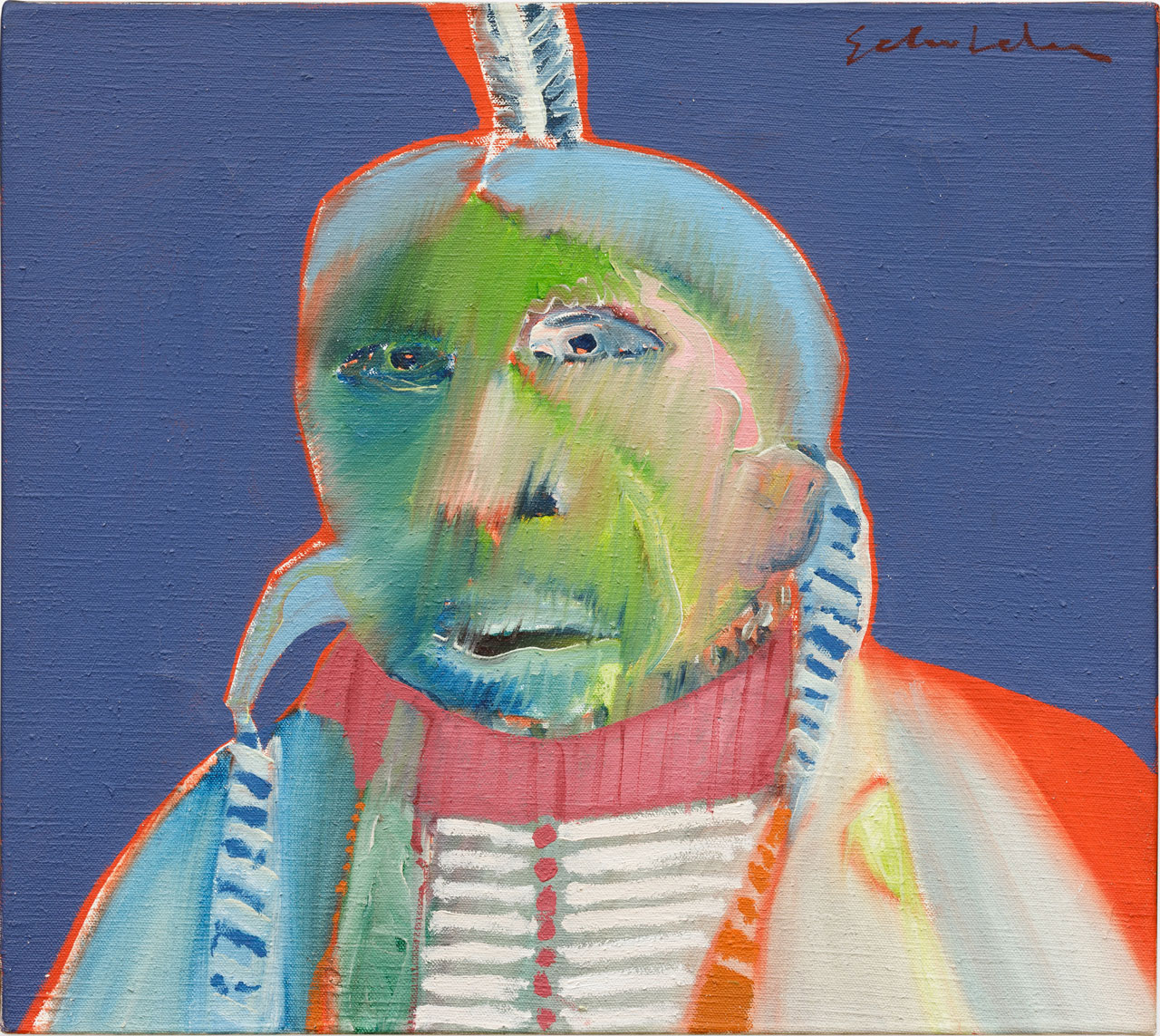
Fritz Scholder is credited with having reconceptualized the portrayal of Native Americans in contemporary art away from traditional, romanticized stereotypes to a “new realism” with candid, truthful, even startling, images of modern-day Native people. He became famous for his ground-breaking resolve to “paint the Indian real, not red.” His myriad approaches to the subject established his place as a leading progenitor of the New American Indian Art movement, which opened the door to Native American artists for invigorated prominence and a new artistic freedom in the contemporary art world.
By Dimitris Lempesis
Photo M.M.K. Archive
Fritz Scholder’s paintings take the familiar imagery of the American West and quietly—but firmly—turn it into something political. Instead of repeating the usual “cowboys and Indians” scenes, his work insists on Indigenous presence and the right to land. This tension sits at the heart of his major exhibition at TOWER MMK.
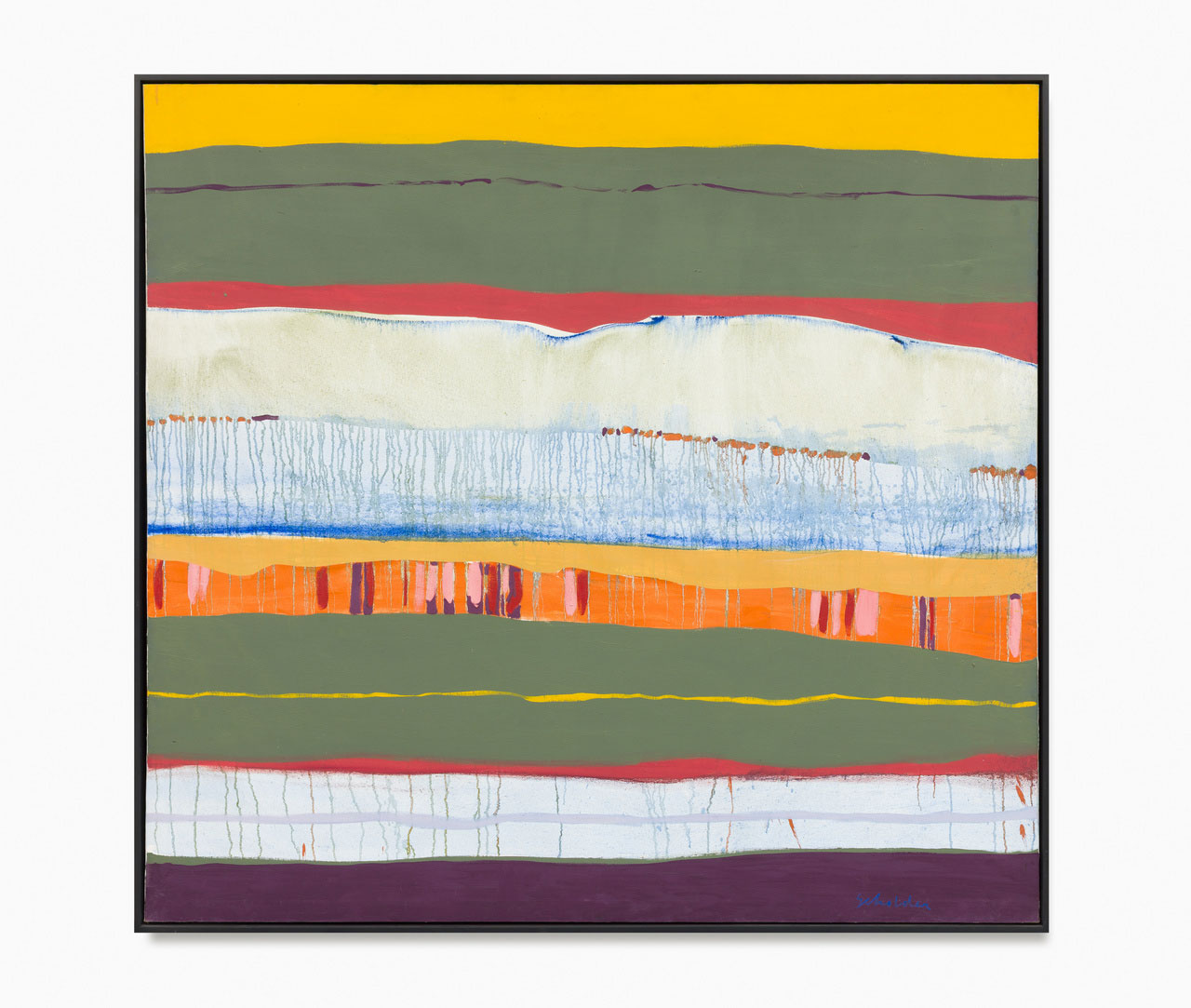
His landscapes echo the colors of New Mexico—soft bands of blue, brown, green, gray, pink, and violet layered across the canvas. They shimmer with light, almost calm and meditative. But against these gentle backgrounds, Scholder’s figures stand out sharply, often set against bold, flat colors. The contrast is striking: the land feels expansive and alive, while the people seem caught in something more intense, more unresolved.
As early as the 1960s and 1970s, Scholder was already questioning how Indigenous people had been portrayed. For generations, their bodies, histories, and identities had been shaped through the lens of a white majority—turned into symbols, stereotypes, or fantasies. Scholder pushed back against this. He borrowed from historical photographs but altered them—stretching, distorting, sometimes making them grotesque—to reveal the power structures behind those images. His work speaks directly to the idea of visual sovereignty: the right of a people to define themselves rather than be defined by others.
He approached this with both humor and sharp clarity. In doing so, he broke away not only from Western expectations but also from the established conventions of Native American art at the time. What he created instead were contemporary, unsettling images that refused to be easily categorized.
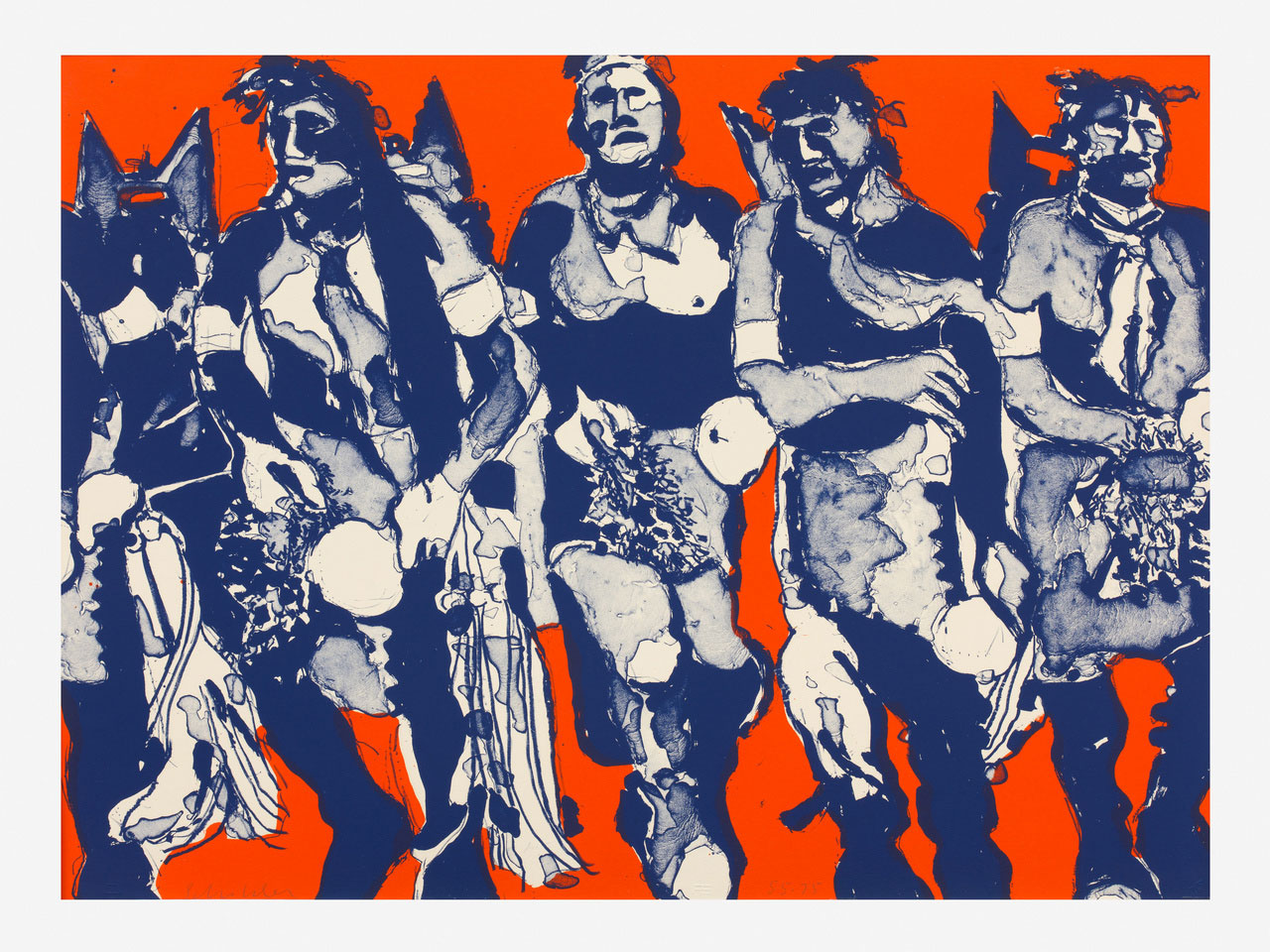
The exhibition brings together a wide range of his work—paintings, drawings, collages, and lithographs—offering a broader view of what American Pop Art can be. Scholder’s contribution expands that category, complicating it with questions of identity, history, and power.
His own relationship to identity was complicated. He described himself as “Indian/not-Indian.” His father was half Luiseño, and that heritage carried the weight of historical trauma—from Spanish missionization in California to forced conversion and labor. That history created deep ruptures, even a sense of shame that carried through generations. This complexity shows up in his work.
You can see it in the titles of his paintings. Early on, they were simple: “Indian No. 1.” But quickly they became more charged: “Mad Indian”, “Monster Indian”, “Insane Indian”. Others placed the figure in everyday situations—”Indian in Car, Indian at the Bus Depot”. These weren’t distant or romantic figures; they were present, complicated, and often troubled. Scholder refused to make images that were easy to consume. His figures can feel haunted, as if carrying history within them—and that’s precisely why they matter.
His first painting in the series, “Indian No. 1”, feels almost like a declaration. A single figure looks straight at the viewer, expression restrained. The image draws from historical photography but moves beyond realism. The face is painted in deep red, streaked with blue and yellow, slightly blurred yet intense. The word “INDIAN” is stenciled across the canvas—not to identify a specific person, but to point to the imposed label itself.
This series didn’t emerge in isolation. Scholder was teaching at the Institute of American Indian Arts, where his students were already challenging stereotypes. Influenced by artists like T. C. Cannon, he built on that energy. Santa Fe itself was filled with competing images of Native identity—some authentic, many not. Scholder pushed those tensions further, using distortion to expose the violence embedded in representation.
By the early 1970s, his work had become darker. He spoke about painting “monsters,” explaining simply: “I paint what I see.” These monsters weren’t about Indigenous people themselves—they were about the distortions created by colonialism. In his paintings, faces blur, bodies twist, features become skull-like. The effect is unsettling, but deliberate. It suggests that the violence of history doesn’t disappear; it lingers, shaping both the oppressed and the oppressor.
One of the most powerful examples is “Massacre in America: Wounded Knee”. Based on a historical photograph of the Wounded Knee Massacre, Scholder strips away the soldiers and focuses only on the aftermath: a mass grave filled with bodies. The scene is stark, almost empty, dominated by white space. A lone horse stands on the horizon. By removing the perpetrators, he refuses the original image’s framing and forces the viewer to confront the violence itself—without distraction or justification.
Other works, like “Indian in Car” or “Mad Indian”, bring that sense of unease into more intimate settings. Figures appear trapped, contorted, caught mid-gesture. There’s a sense of isolation, even desperation. These are difficult images, but intentionally so—they demand that viewers confront what they might otherwise ignore.
Over time, his figures changed again. Features became sharper, more skeletal. In works like “Indian with Beer Can”, he played with contemporary stereotypes, first presenting them almost casually, then pushing them into something darker and more exaggerated. The transformation is telling: what starts as familiar quickly becomes unsettling.
In 1972, Scholder turned the lens on himself with “Self-Portrait as a Vampire”. Pale, hollow-eyed, set against a blood-red background, he casts himself as part of the haunting. Around this time, while traveling in Europe, he distanced himself from his role as a cultural representative and instead explored places like Transylvania. The painting suggests that colonialism isn’t something external—it affects everyone, including himself.
After this, his work shifted again. The intensity softened. He began painting scenes drawn from popular culture—Hollywood Westerns, historical references, figures on horseback in open landscapes. These images might seem calmer, even nostalgic at first glance.
But his final series,” Indian Land”, brings everything into focus. Here, the emphasis is no longer on the figure alone, but on the land itself. A rider might appear small against a vast stretch of grassland, looking outward. These are not portraits of suffering—they are statements. The land is central, and with it comes a clear message about Indigenous sovereignty.
This shift changes the tone entirely. Earlier works confronted viewers with distorted identities and historical trauma. Indian Land asks something more direct: recognition of territorial rights. And that proved harder for audiences to accept. While many could engage with the emotional intensity of his earlier paintings, the political implications of land and ownership were less comfortable.
In the end, Scholder’s work traces a movement—from exposing stereotypes, to revealing historical violence, to asserting presence and rights. His paintings don’t offer easy answers. Instead, they hold a mirror up to history and ask the viewer to sit with what they see.
Photo: Fritz Scholder, Monster Indian, 1968, © Fritz Scholder, photo: Axel Schneider
Info: Curators: Susanne Pfeffer, Julia Eichler, MMK Museum for Modern Kunst, Tower MMK, TaunusTurm, Taunustor 1, Frankfurt am Main, Germany, Duration: 25/4/10/2026, Days & Hours: Tue & Thu-Sun 10:00-18:00, Wed 10:00-20:00, www.mmk.art/
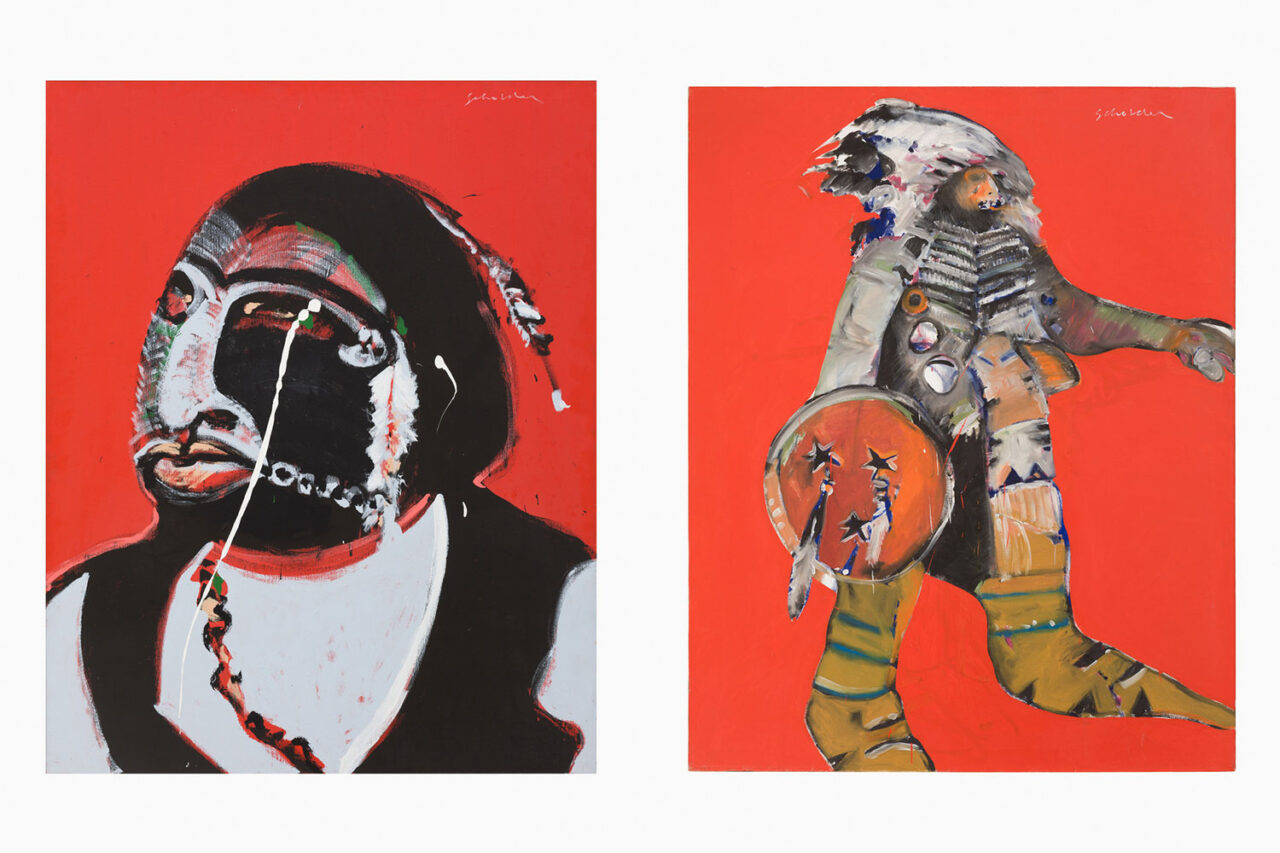
Right: Fritz Scholder, Sioux Warrior, 1971, © Fritz Scholder, photo: Axel Schneider
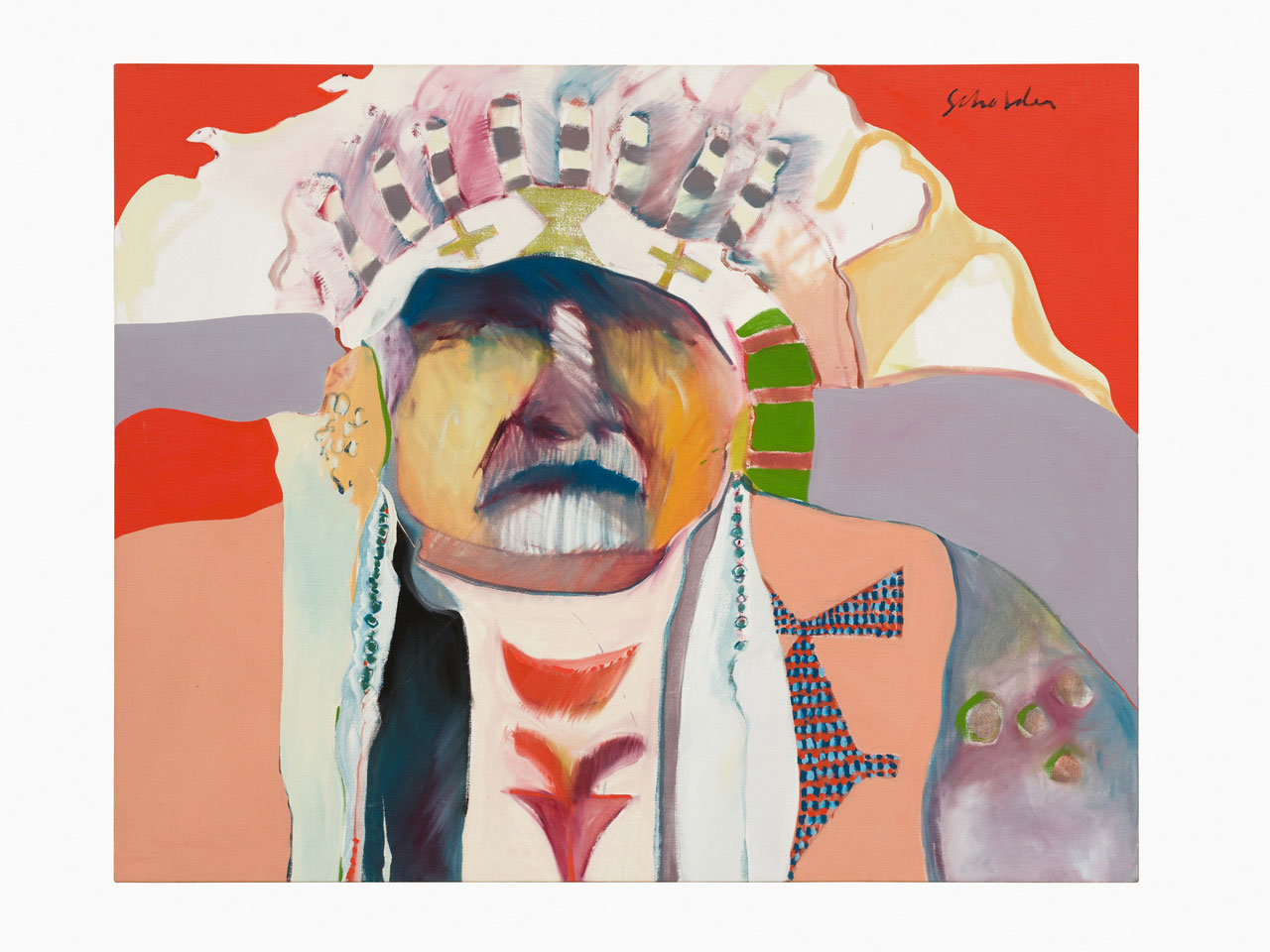
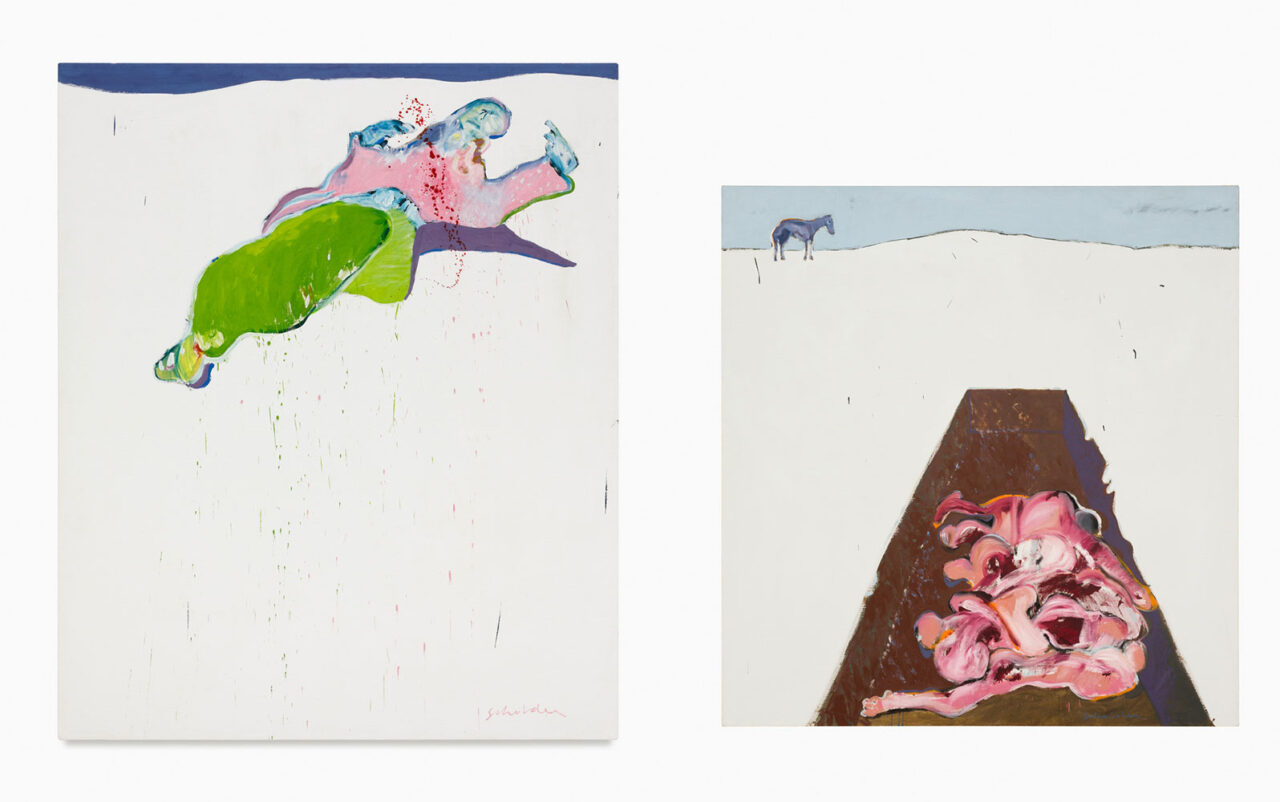
Right: Fritz Scholder, Massacre in America: Wounded Knee, 1972, © Fritz Scholder, photo: Axel Schneider
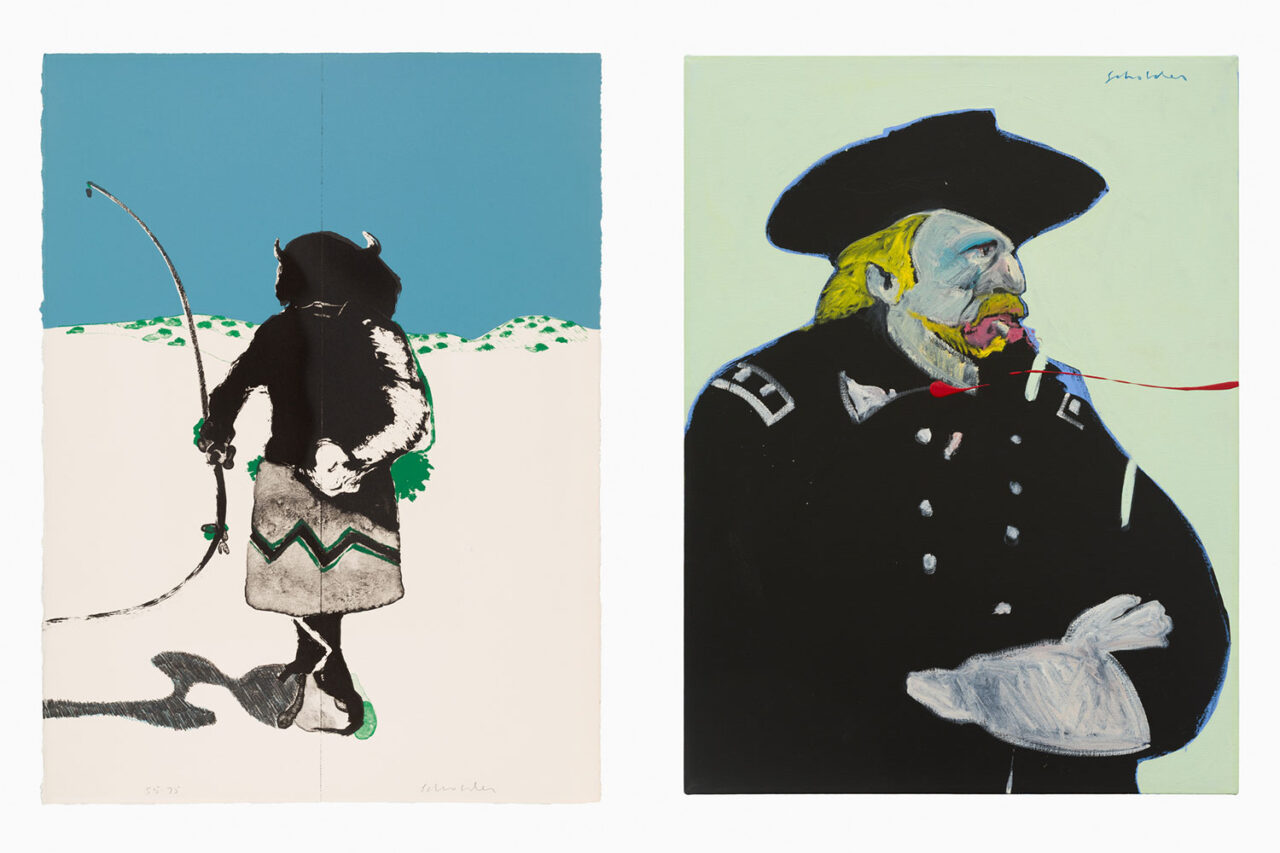
Right: Fritz Scholder, Portrait, 1896, 1976, © Fritz Scholder, photo: Axel Schneider
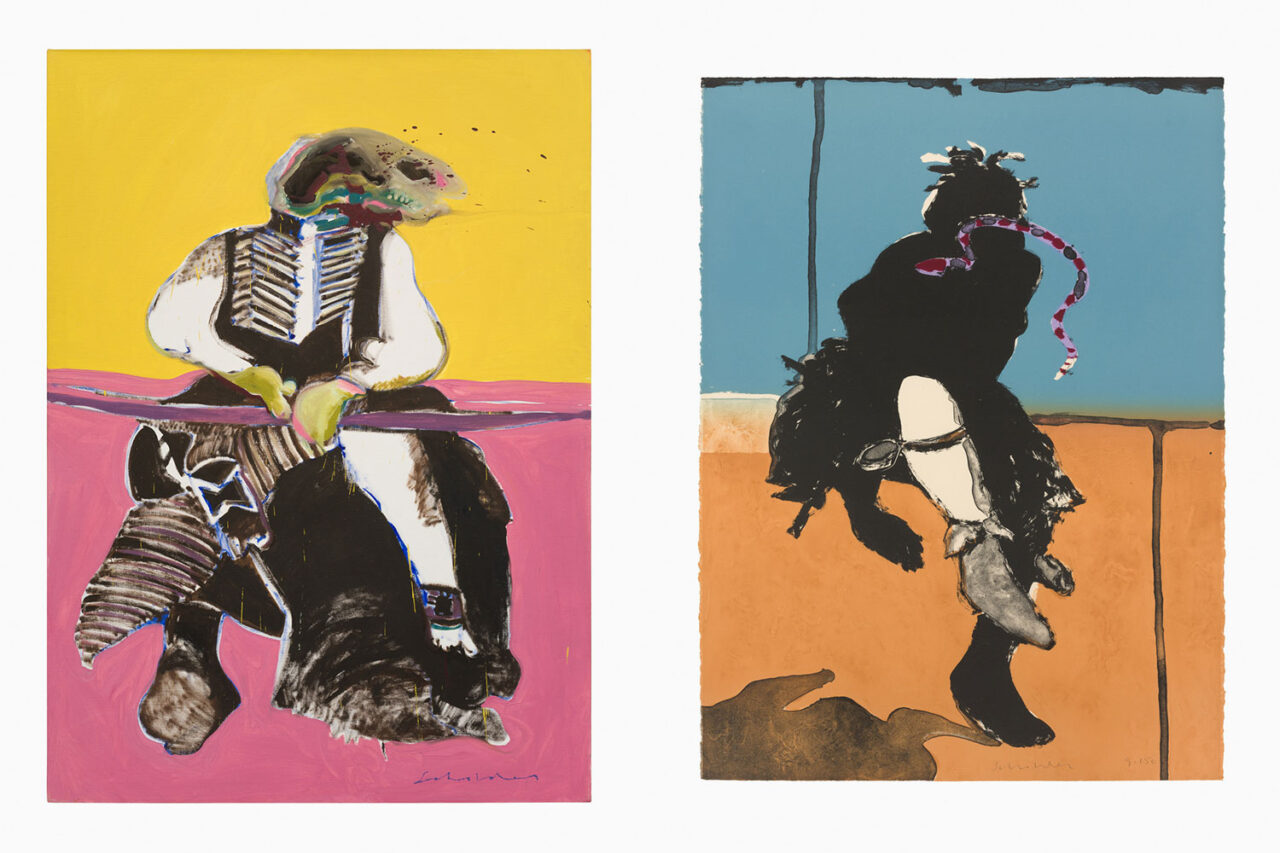
Right: Fritz Scholder, Snake Dancer, 1979, © Fritz Scholder, photo: Axel Schneider
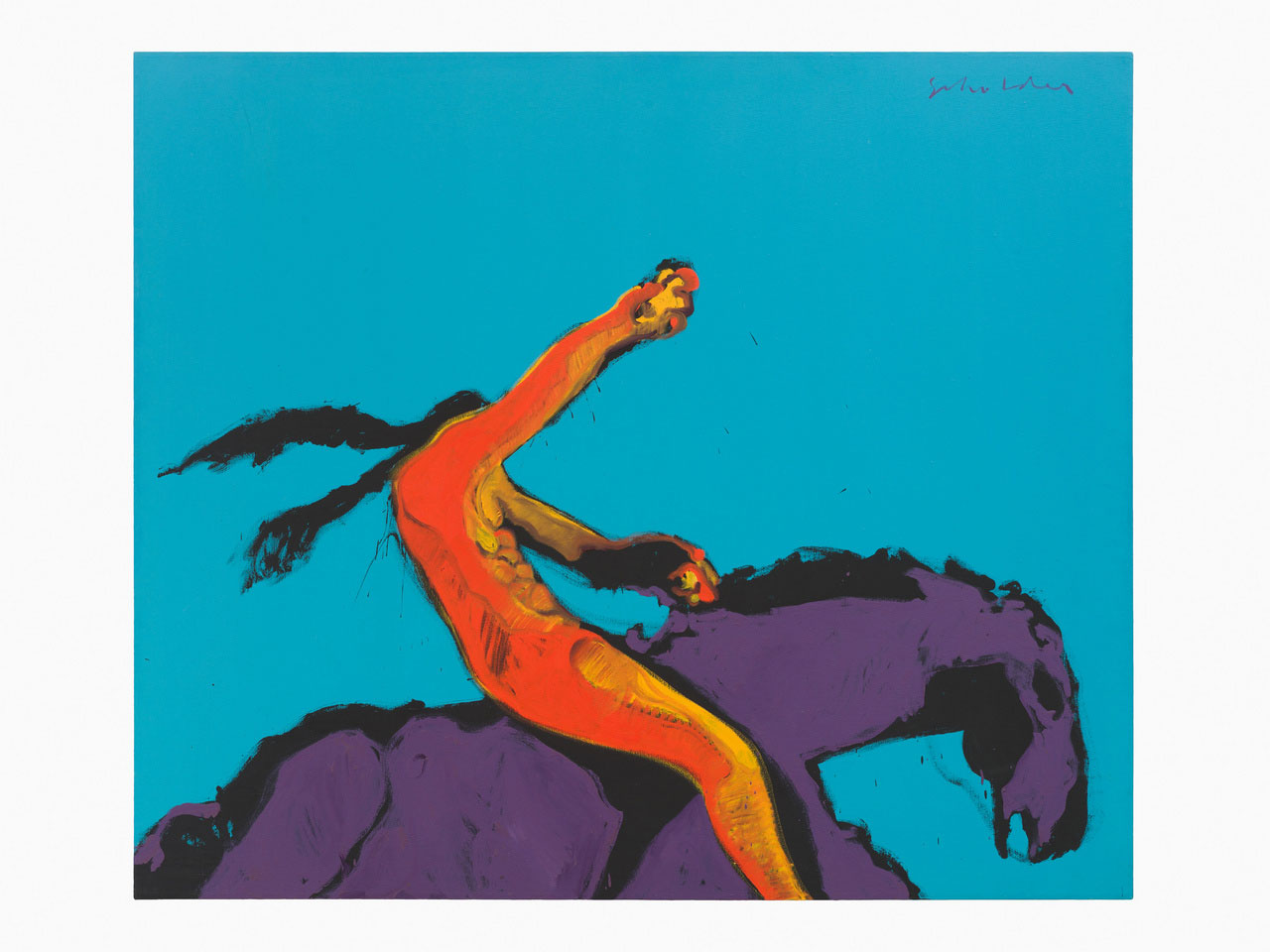
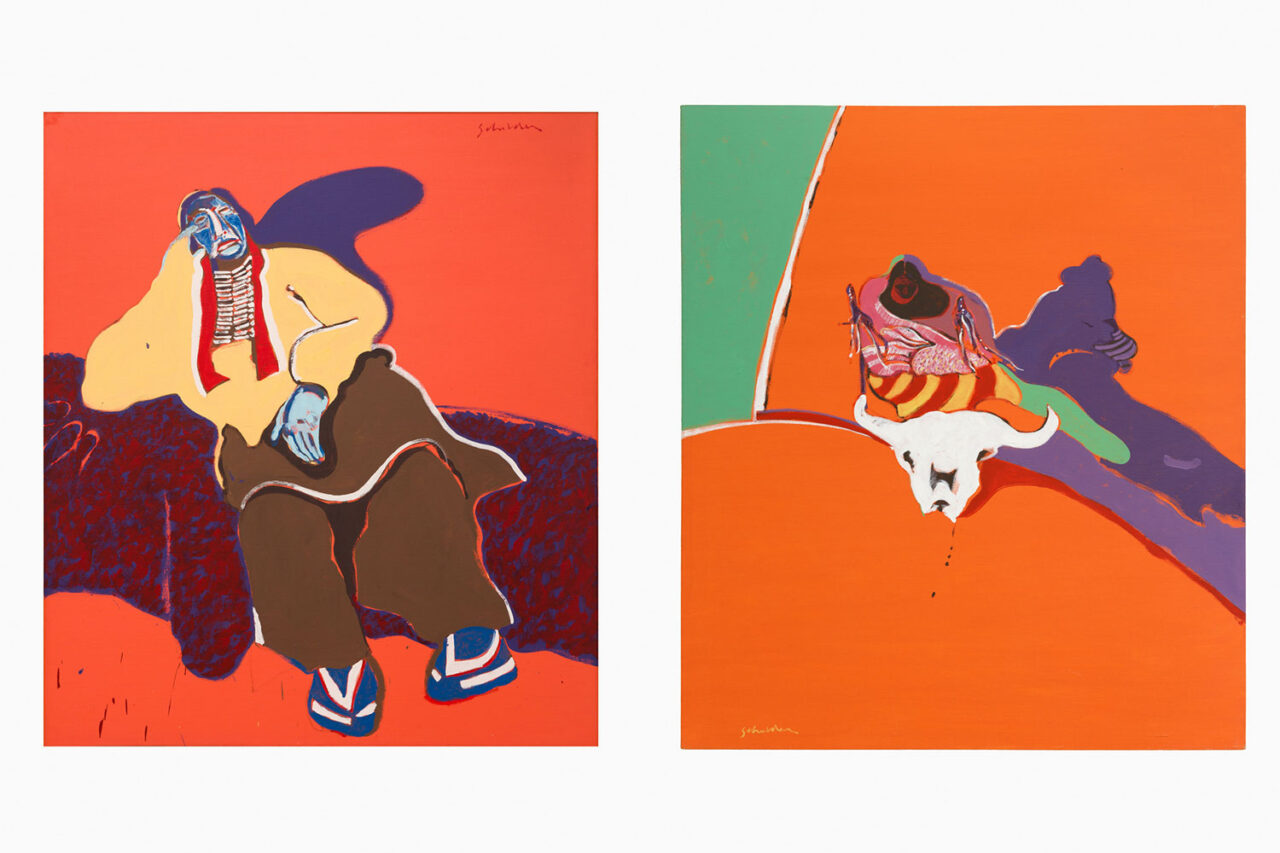
Right: Fritz Scholder, White Buffalo Ceremony, 1972, © Fritz Scholder, photo: Axel Schneider
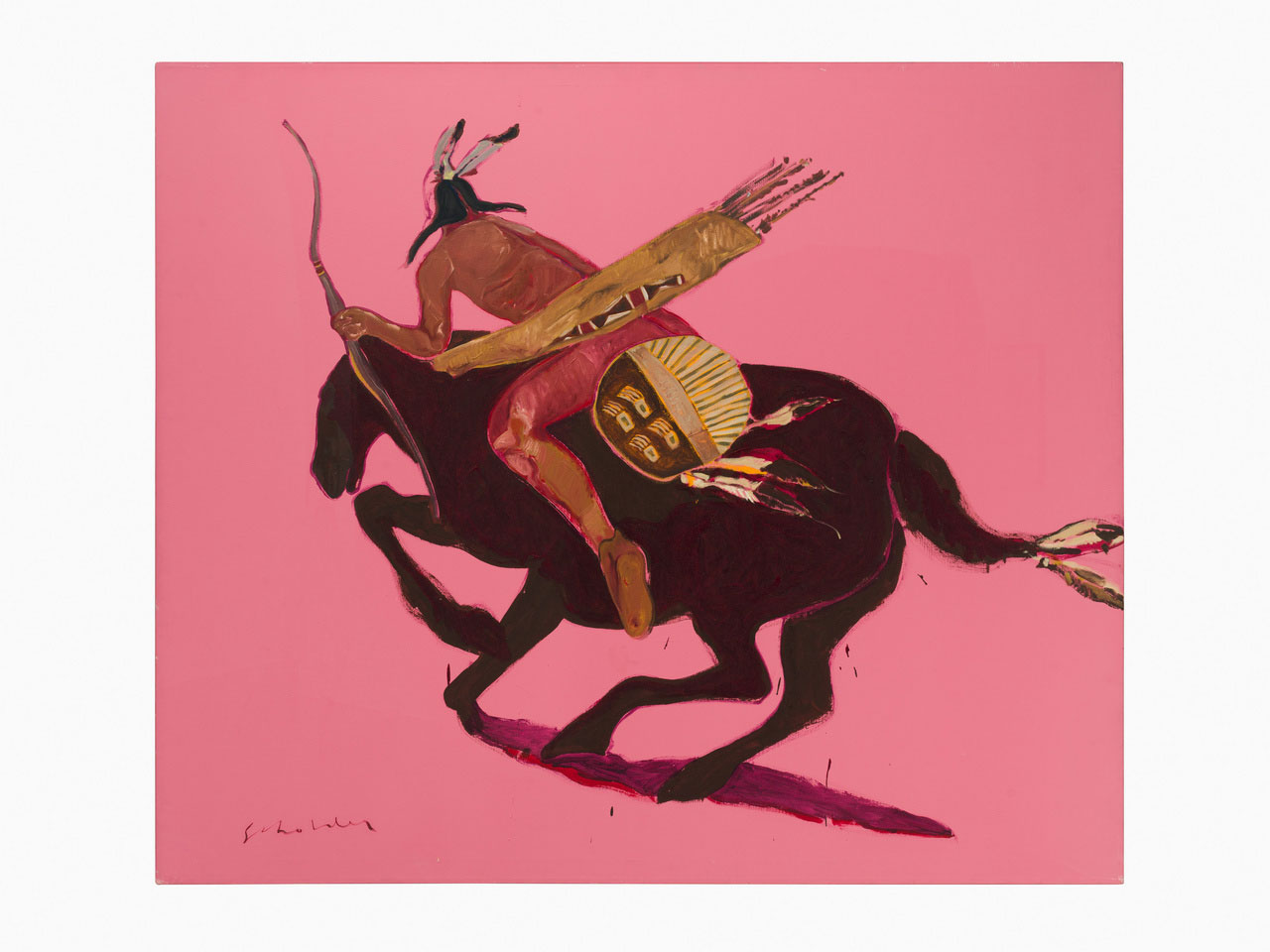
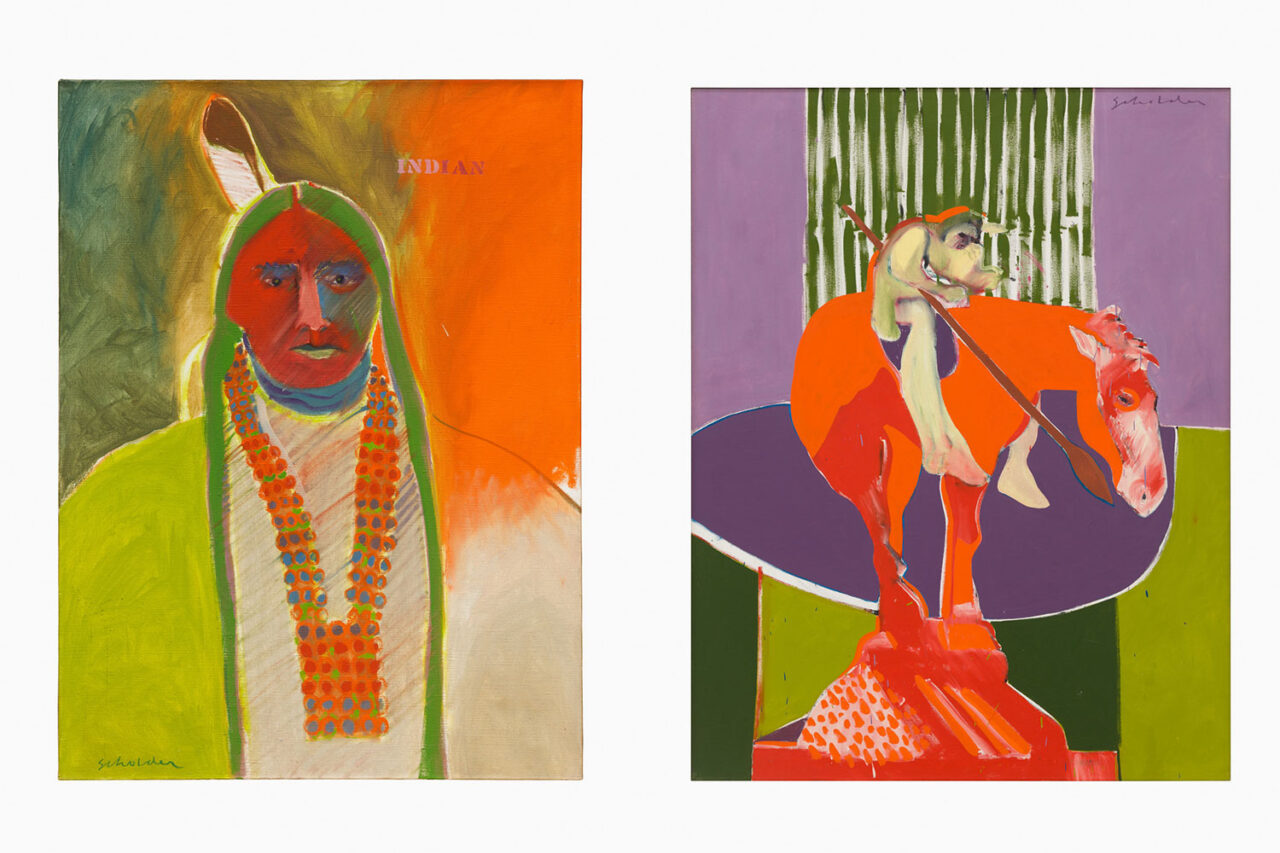
Right: Fritz Scholder, End of the Trail, 1970, © Fritz Scholder, photo: Axel Schneider