The Visual Language Of Women In Contemporary Art
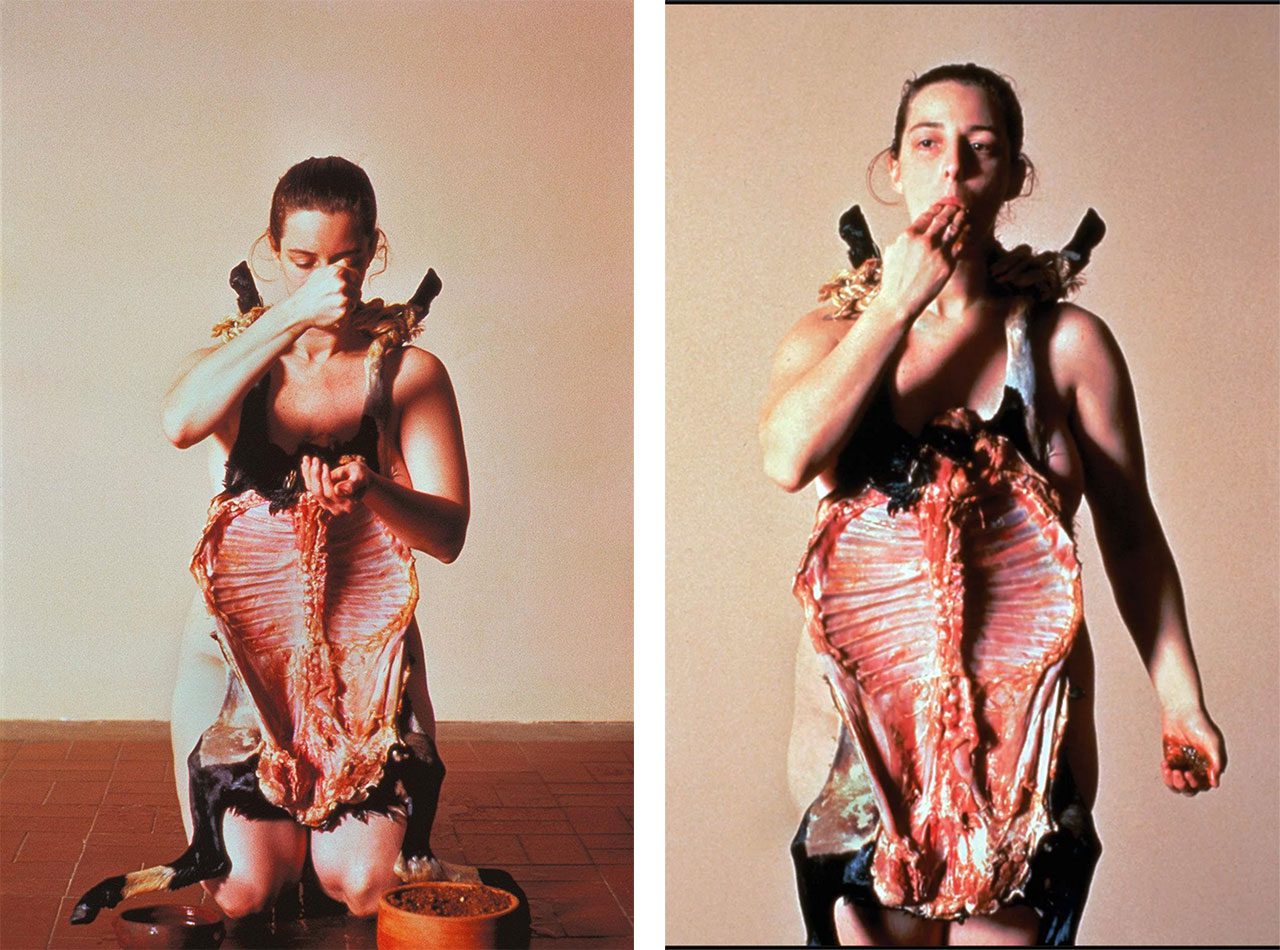
Everything began in New York on March 8, 1857, when women textile workers took to the streets protesting unfair working conditions and unequal rights. Over time, this day evolved into a day of remembrance and celebration. Because Art cannot be separated from life and society—and because women artists are not exempt from the challenges that shape them—we have chosen to present artists who, through their work and their visual language, have left and continue to leave a powerful mark on the international art scene.
By Efi Michalarou
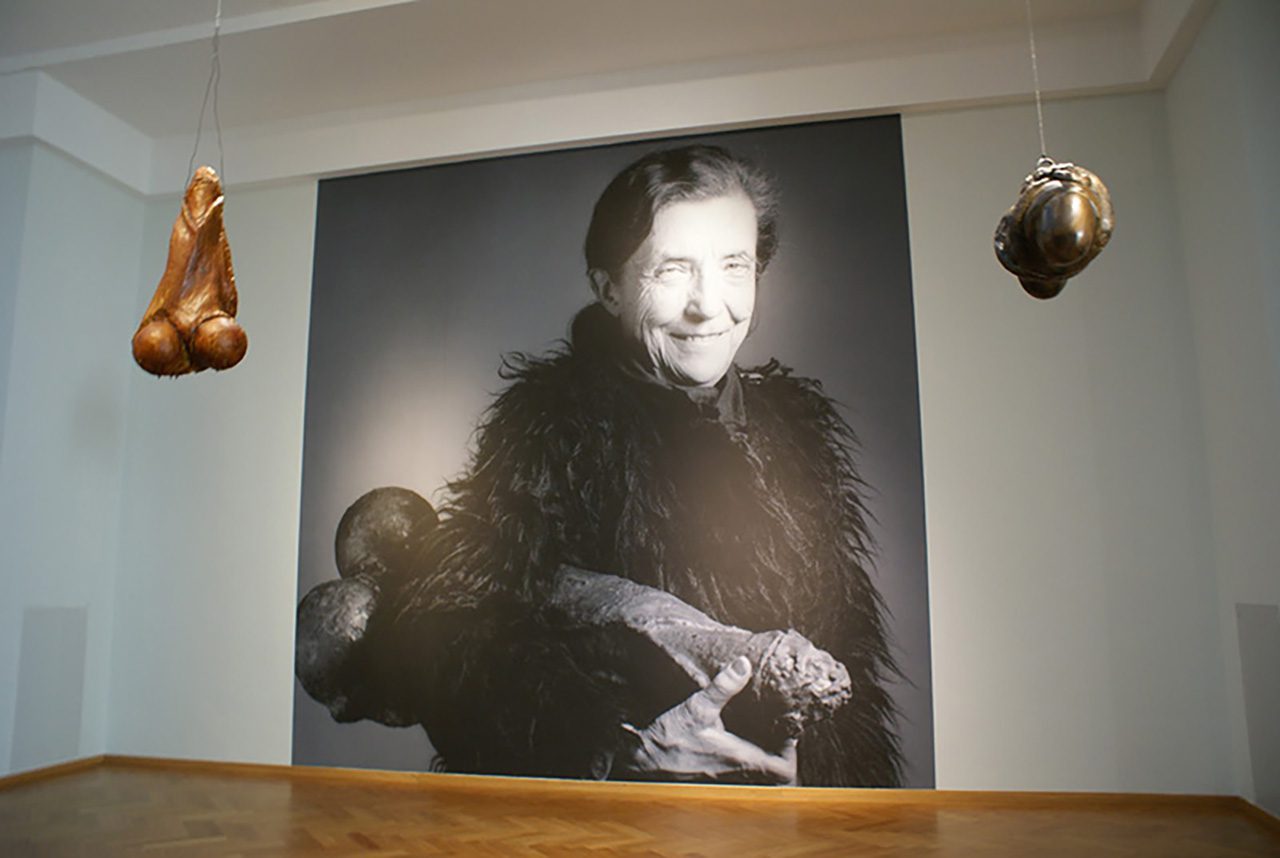
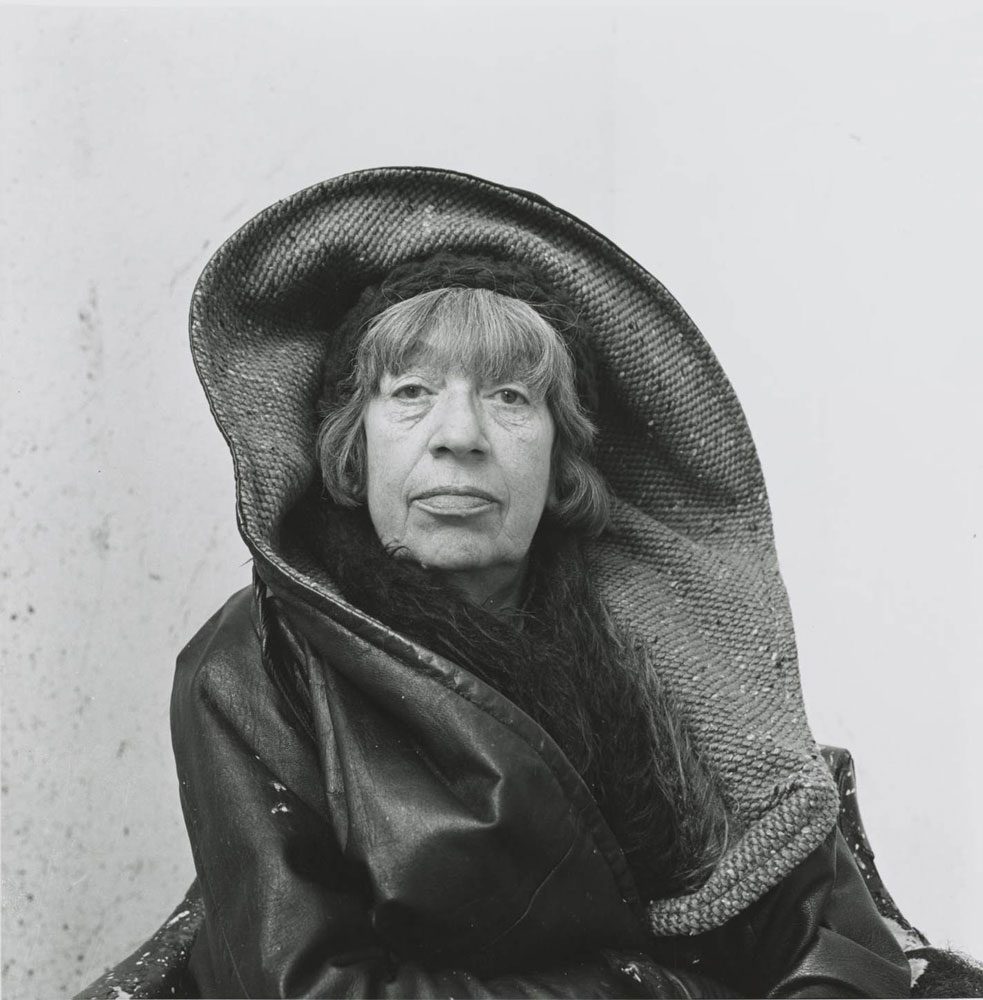
From Louise Bourgeois, who in 1945 metaphorically raised her fist and brought it down forcefully on the table in opposition to fellow Abstract Expressionists who sought to exclude Black artists, women, and gay artists from their movement (see Abstract Expressionism: Other Politics, Ann Gibson, Yale University Press), to much more contemporary figures such as Kimsooja, Mona Hatoum, and Tania Bruguera, whose work narrates the political histories of their homelands while mapping their countries’ social and geopolitical landscapes.
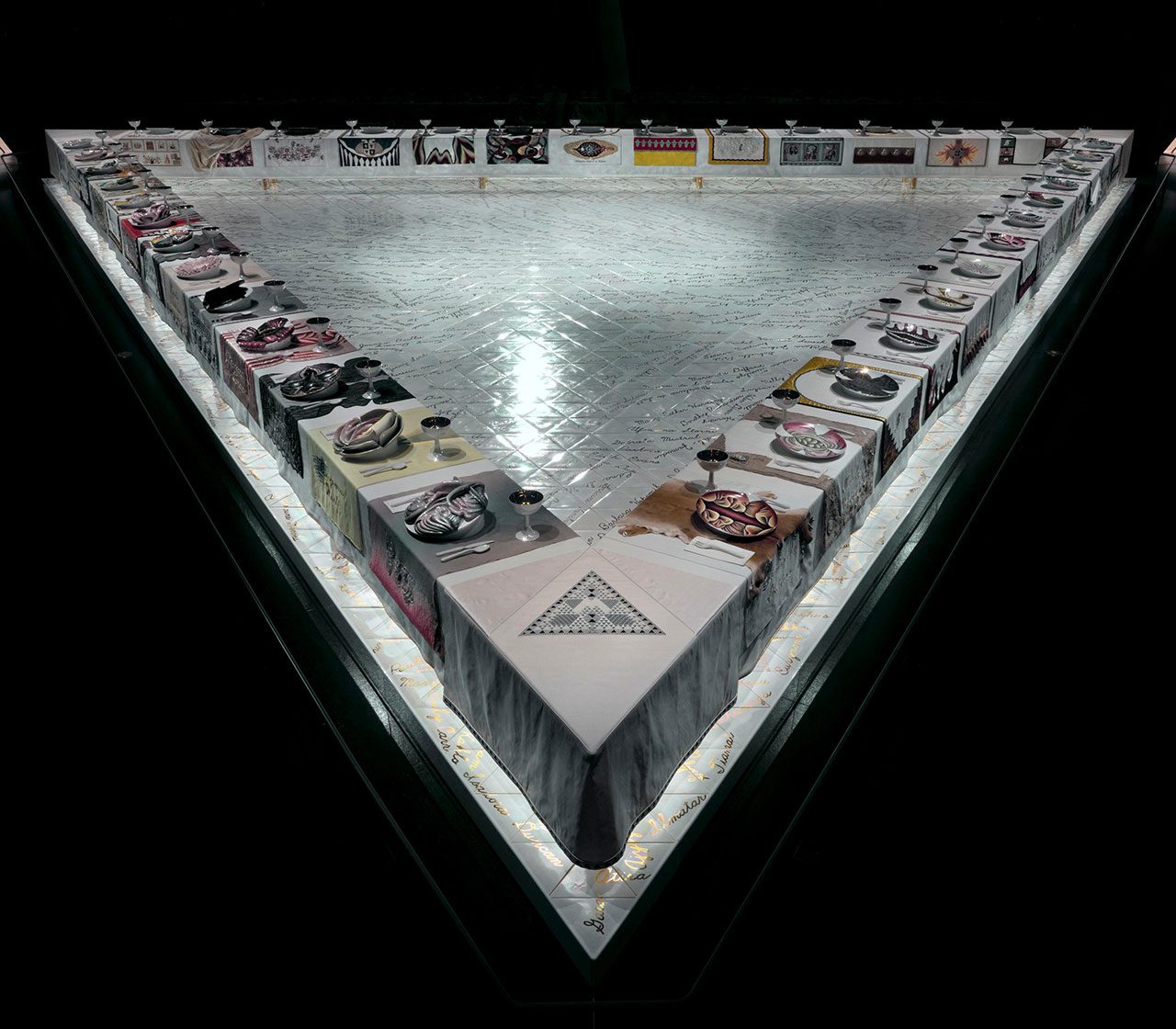
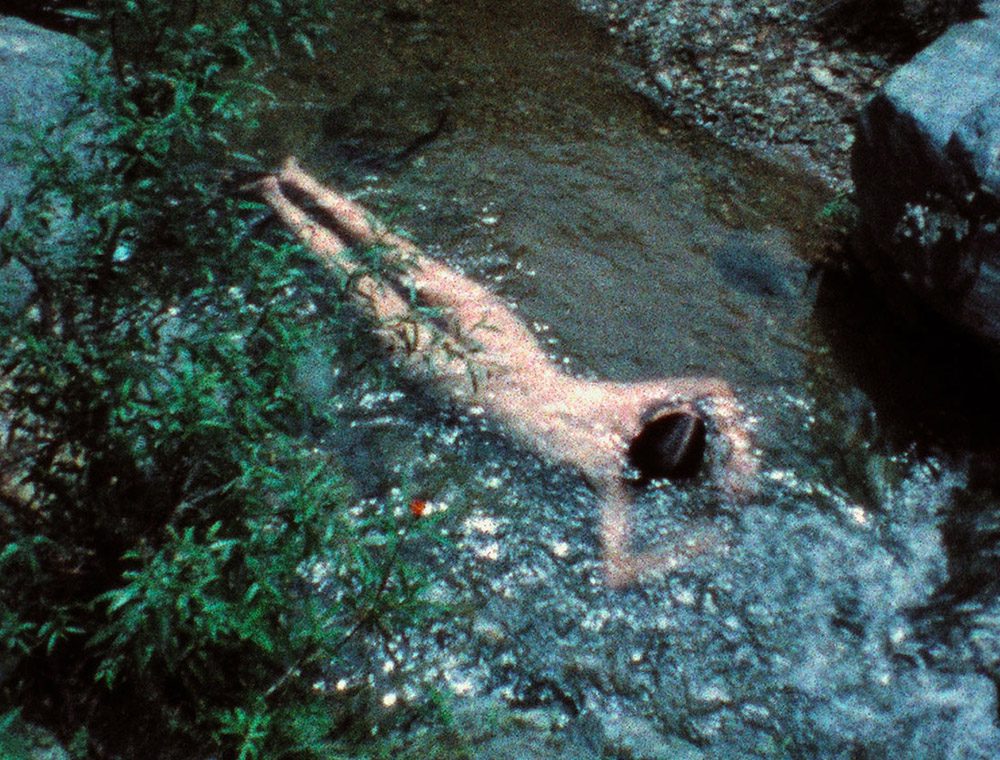
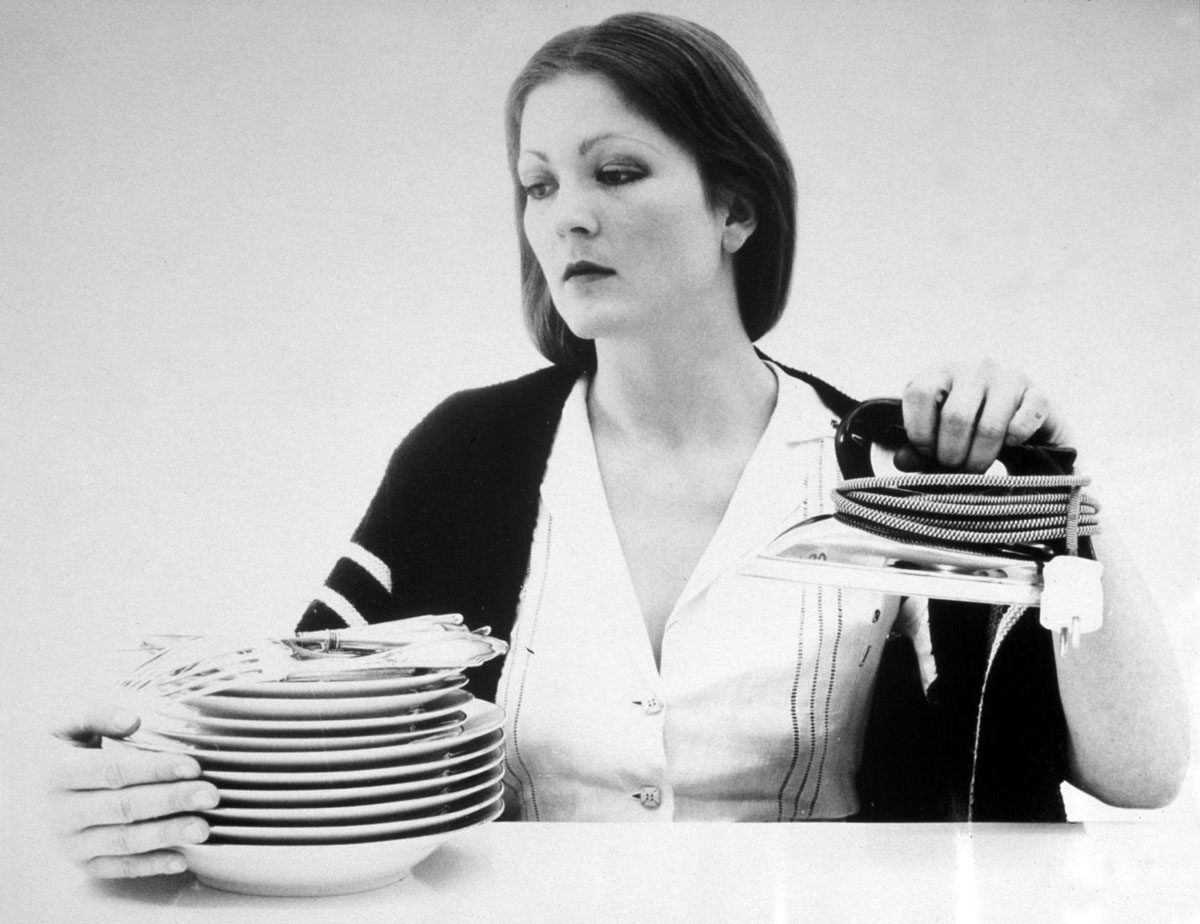
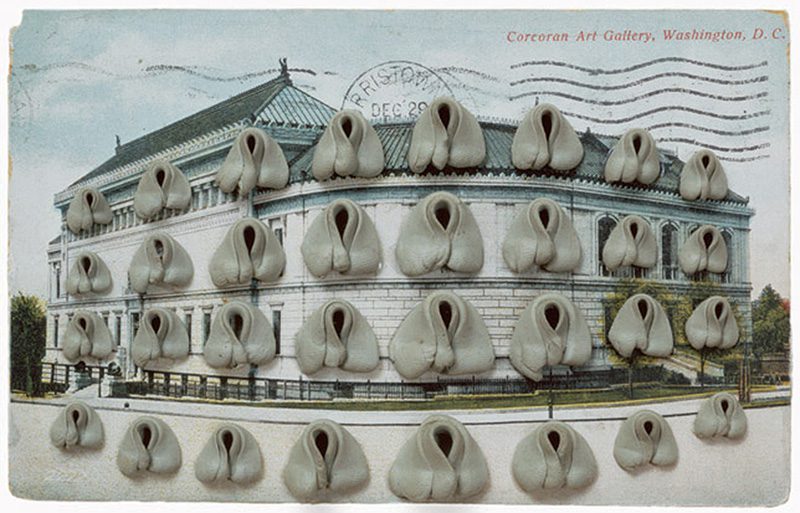
Today, on the occasion of International Women’s Day, we present fifteen women artists who, each through her own artistic medium—painting, sculpture, photography, video, and performance—unfolds a personal narrative that inevitably expands into a collective one within the global art scene. From the struggle for recognition equal to that of men—often achieved only posthumously—as in the case of Lee Krasner, long referred to merely as “Jackson Pollock’s widow,” to feminist pioneers such as Hannah Wilke, Judy Chicago, Valie Export, and Ana Mendieta, the latter a victim of what has never been officially acknowledged as femicide.
And as we find ourselves today under the looming shadow of another major war—one we fervently hope will be avoided—while the Middle East is once again engulfed in conflict, we have chosen to highlight artists and works that confront us with the horror of war.
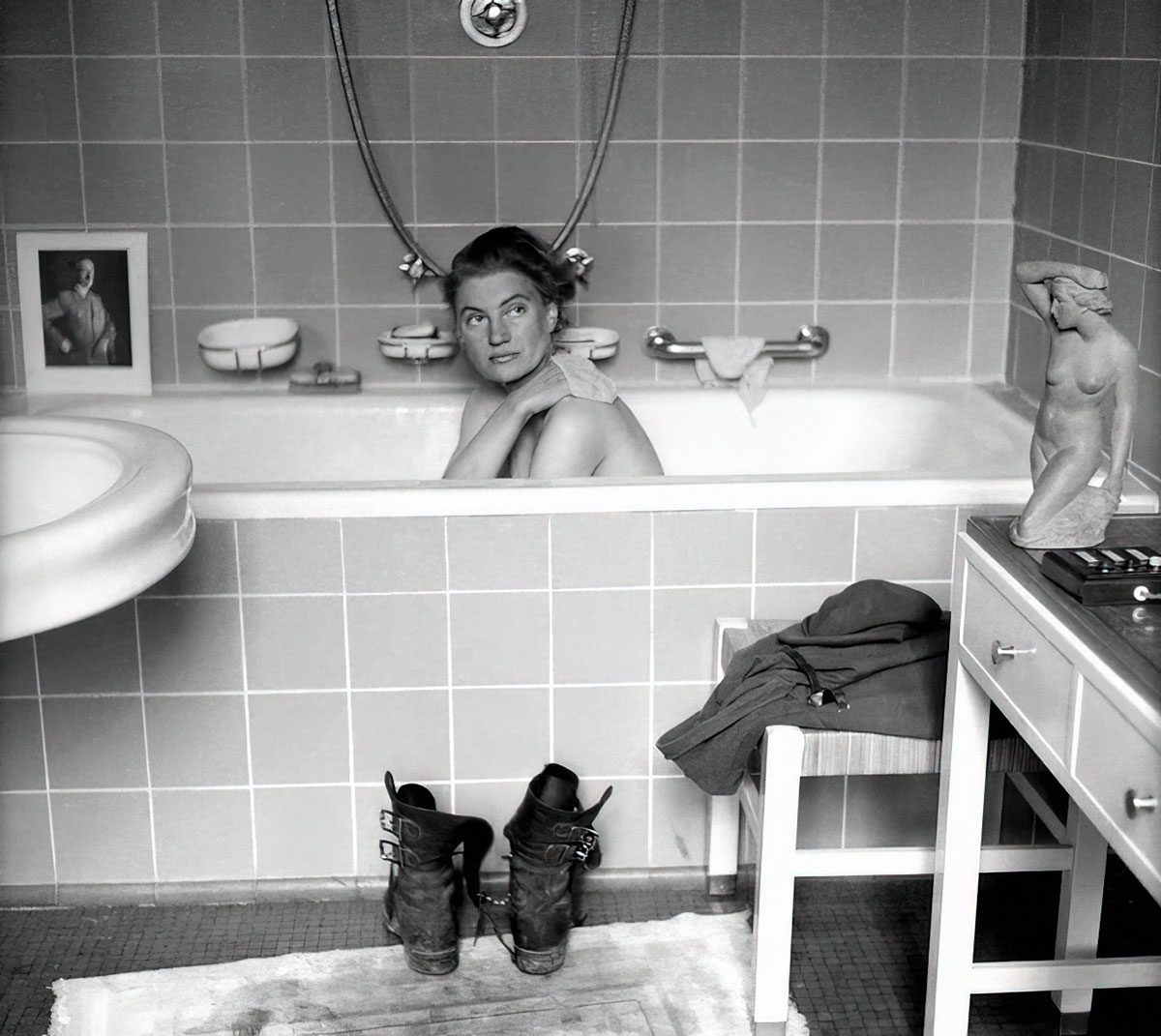
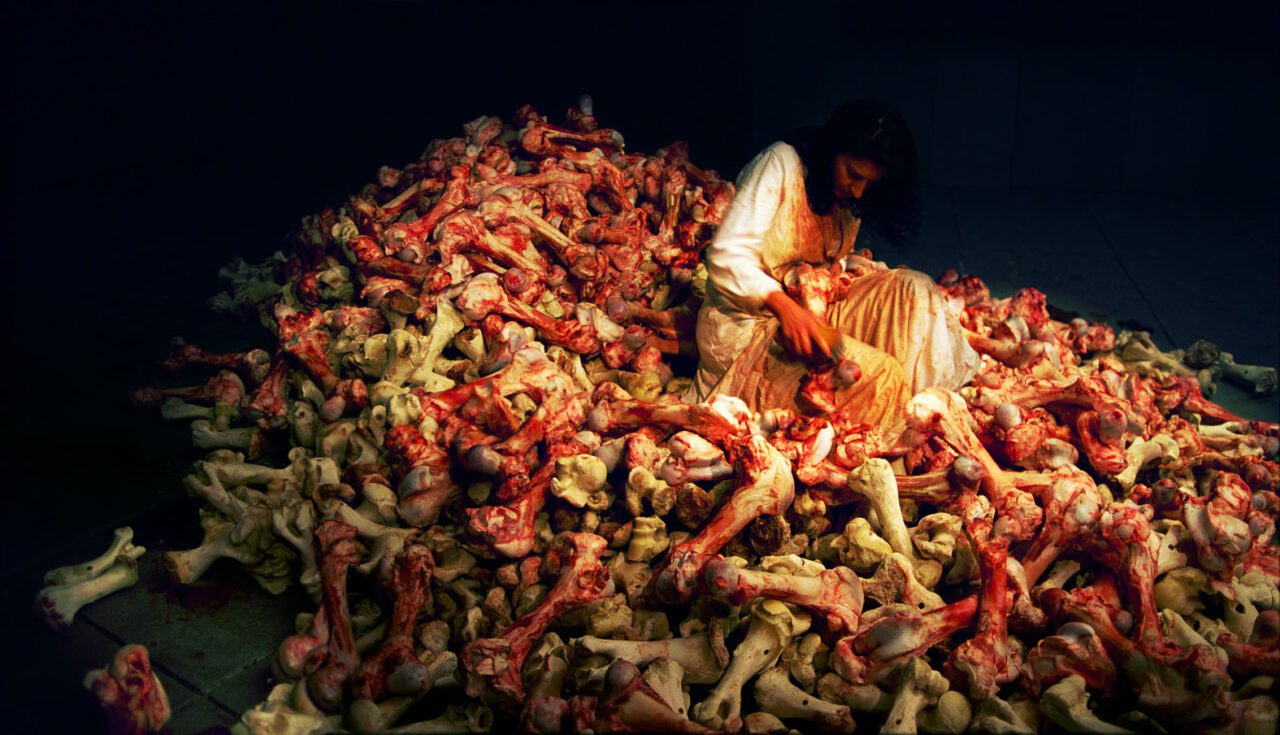
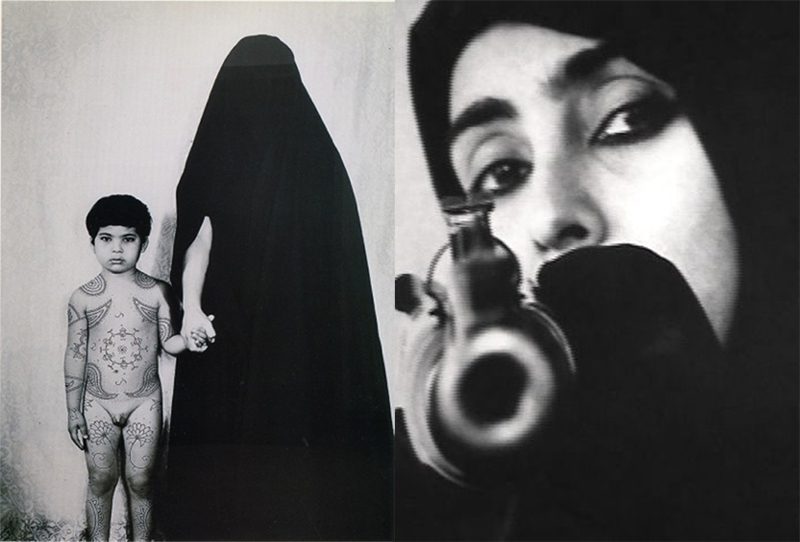
From Lee Miller’s iconic photograph in Hitler’s bathtub, taken shortly after the end of the Second World War—an image symbolizing the victory of a war correspondent who, working for Vogue, documented the many faces and atrocities of the war across Europe—to the black-and-white photographs of Shirin Neshat depicting the women who took up arms during the Iranian Revolution of 1979; and to Marina Abramović’s performance “Balkan Baroque”, presented at the Venice Biennale in 1997, which evokes the brutality of the wars in the former Yugoslavia.
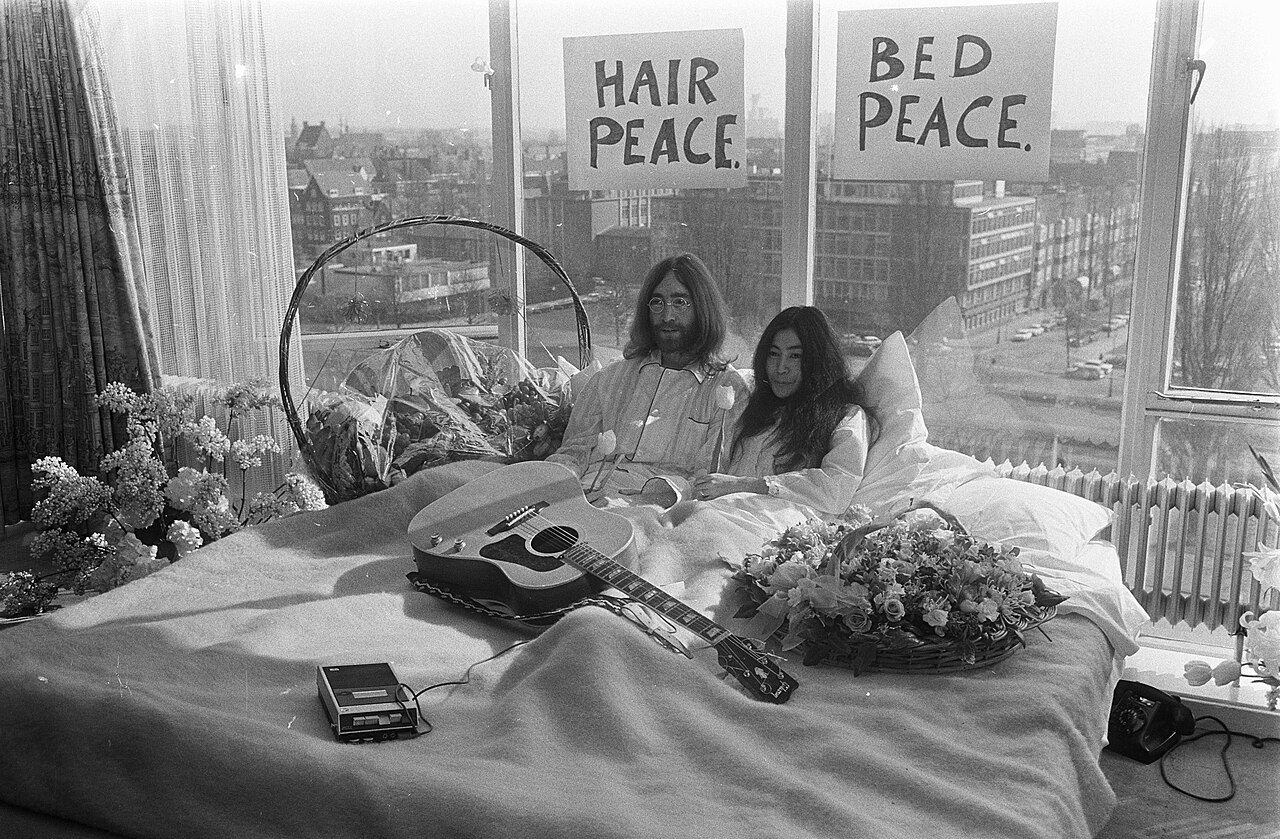
Through these works, the aim is to recall the terror of war and symbolically exorcise it through art. In this spirit we also remember Yoko Ono, one of the most prominent peace activists of her time, who together with her husband John Lennon staged the well-known performance “Bed-In for Peace”.
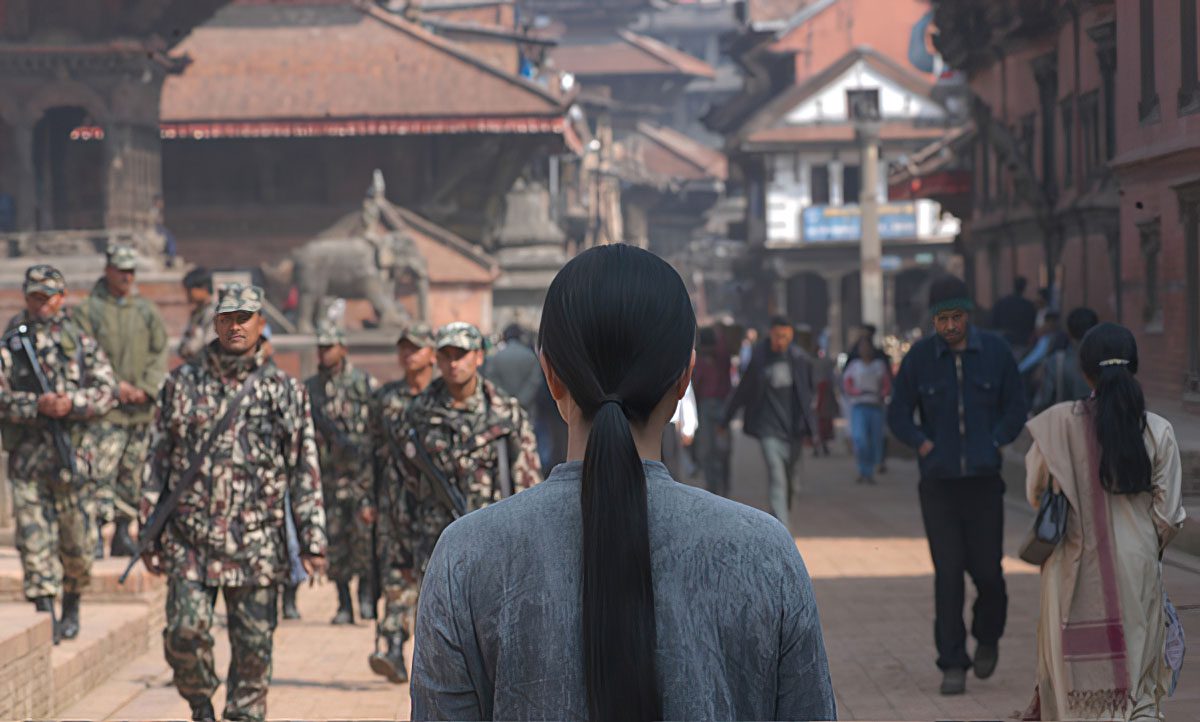
Cover Photo: Τania Bruguera