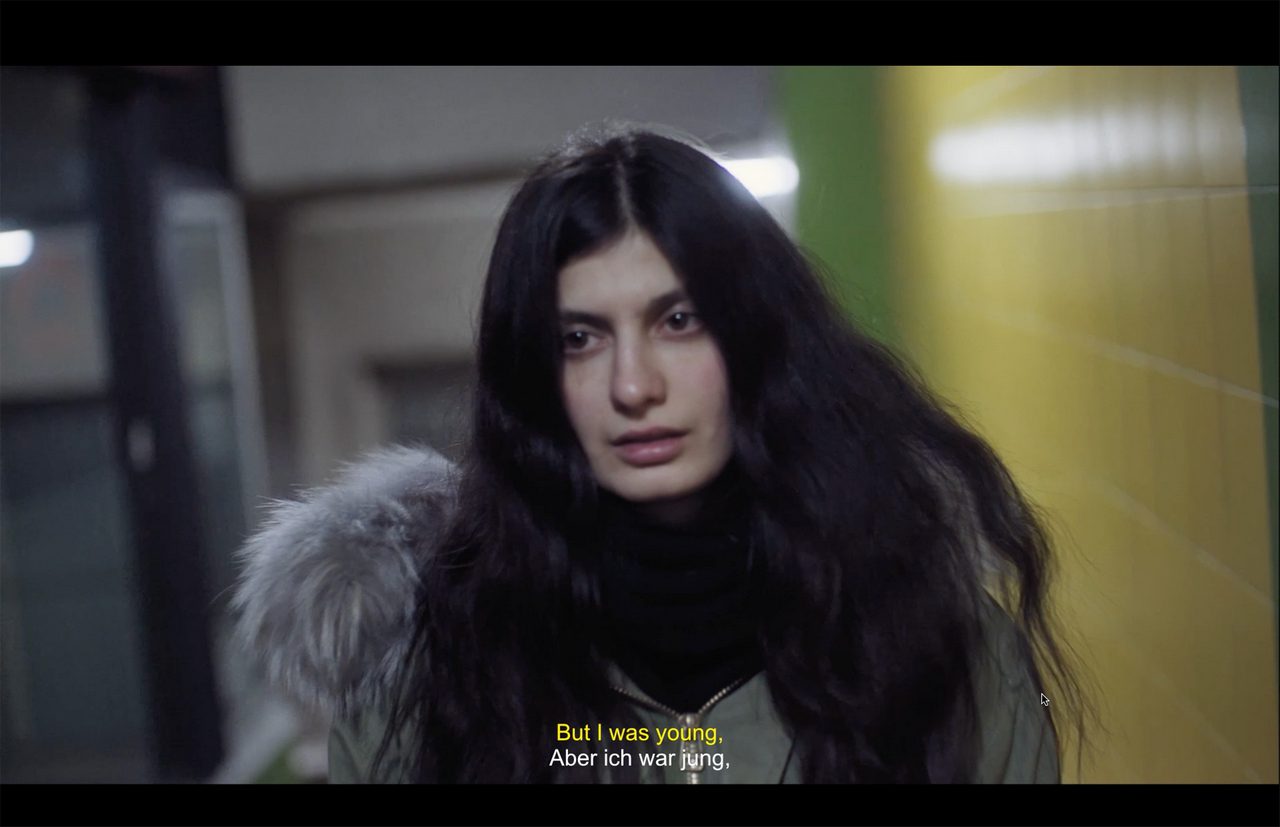
VIDEO:Tohé Commaret-PONTOPREIS MMK 2026
In the films of Tohé Commaret, reality never appears as a stable condition. Instead, it trembles—caught between documentary observation and hallucinatory drift, between the banality of suburban life and the persistence of myth. Working across mobile phone footage and 16mm film, natural settings and constructed scenographies, Commaret has developed a hybrid cinematic language that unsettles conventional distinctions between fact and fiction.
By Dimitris Lempesis
Photo: MMK Archive
Tohé Commaret’s practice does not merely represent the world; it tests how the world is sensed, remembered, and narrated by those who inhabit its margins. Born in 1992 in Vitry-sur-Seine and now based in Paris, Commaret occupies a generational position shaped by migration, precarity, and the saturation of images. Her films are typically shot without scripts. This methodological choice is not a gesture of spontaneity for its own sake, but a precise strategy: it opens a space for co-authorship and improvisation, allowing protagonists to decide what they reveal of their inner lives. The medium, in turn, adjusts to the subject. Narrative structures emerge from conversation, gesture, silence. What results is a cinema of negotiated visibility.
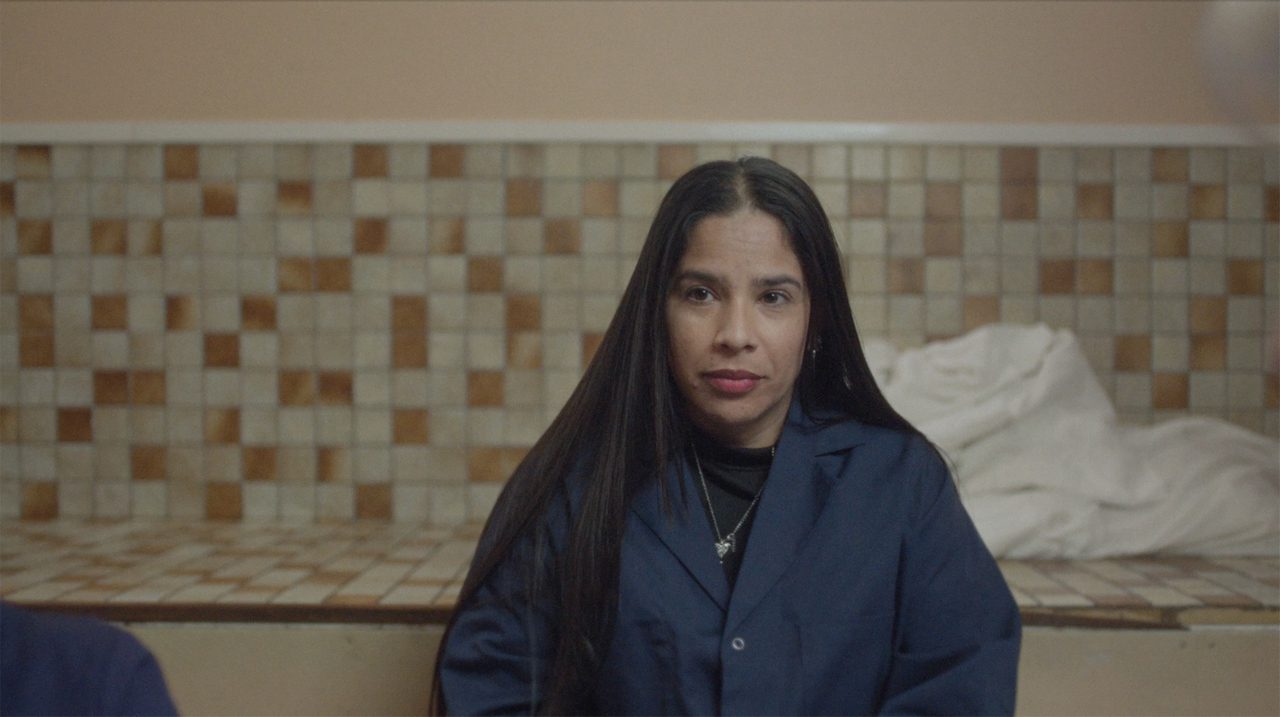
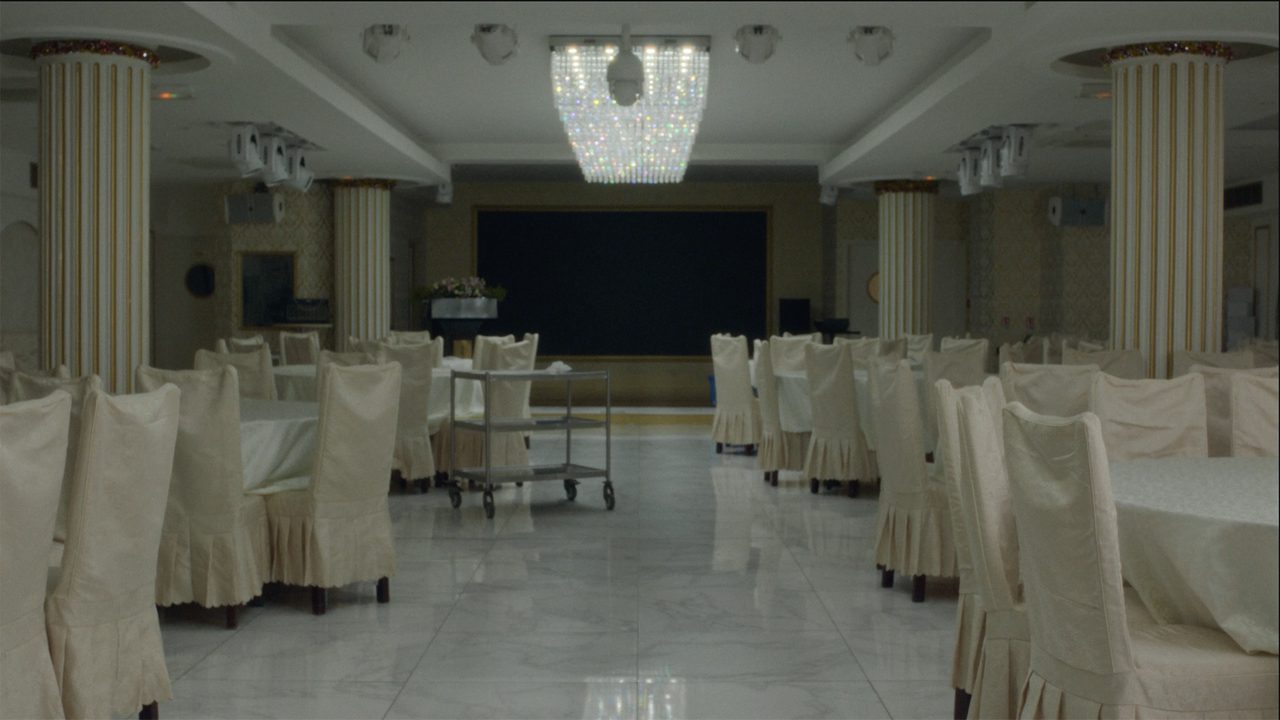
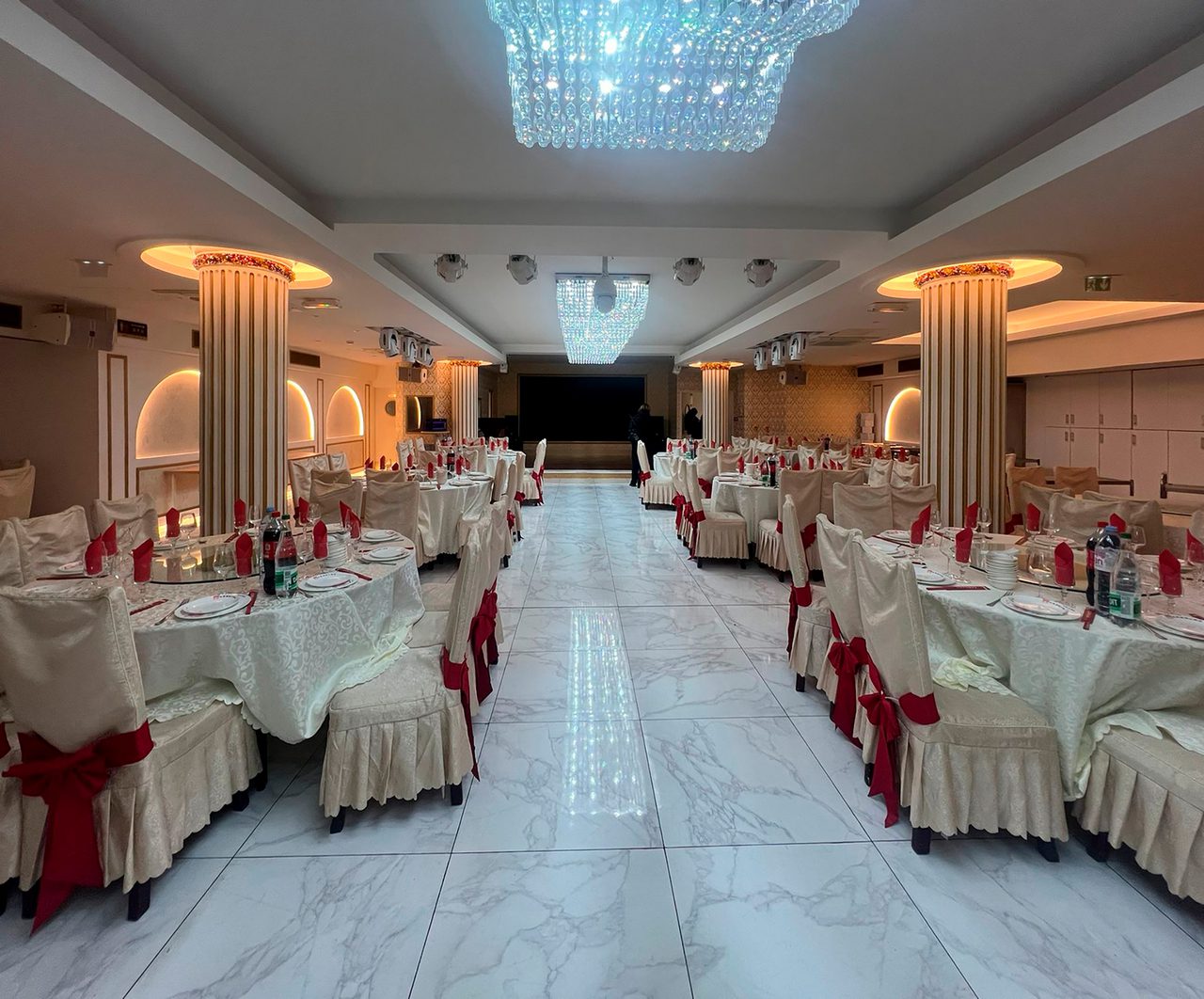
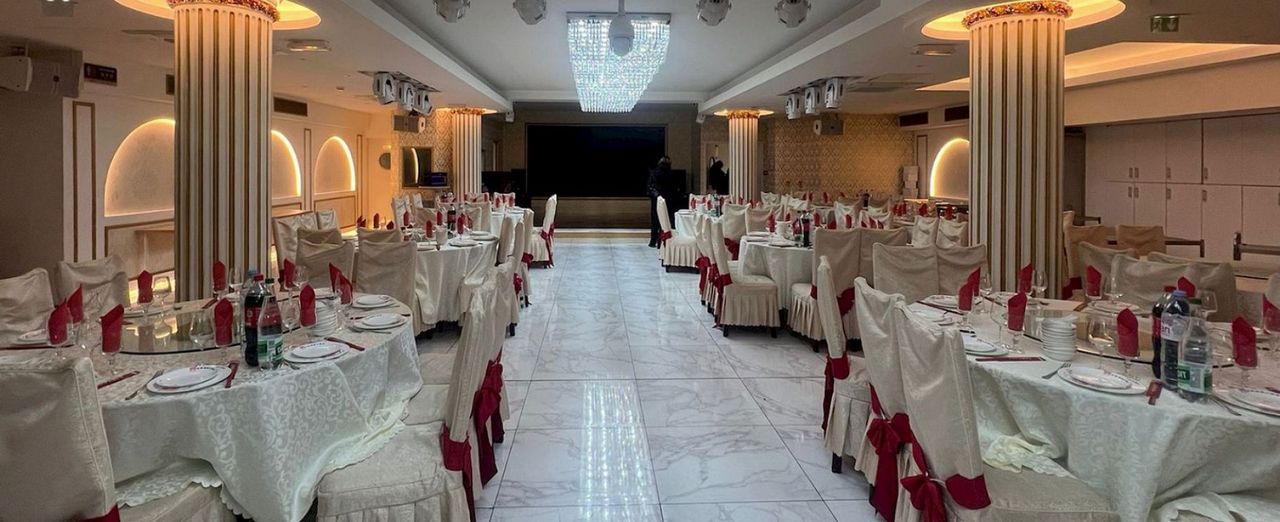
This ethos finds new institutional resonance with her receipt of the 2026 PONTOPREIS MMK, awarded by the Jürgen Ponto-Stiftung in collaboration with the MUSEUM MMK FÜR MODERNE KUNST. For her first institutional solo exhibition, Commaret has conceived “ZOLLAMTMMK”, a new film set in a banqueting hall suspended in temporal ambiguity: Ionic columns, inexpensive chandeliers, round tables dressed in cream cloth. It is both the morning before and the day after an event—an in-between time when the social script has dissolved but its traces linger. The space becomes a threshold, charged with anticipation and residue, where multiple generations move between cultures and realities.
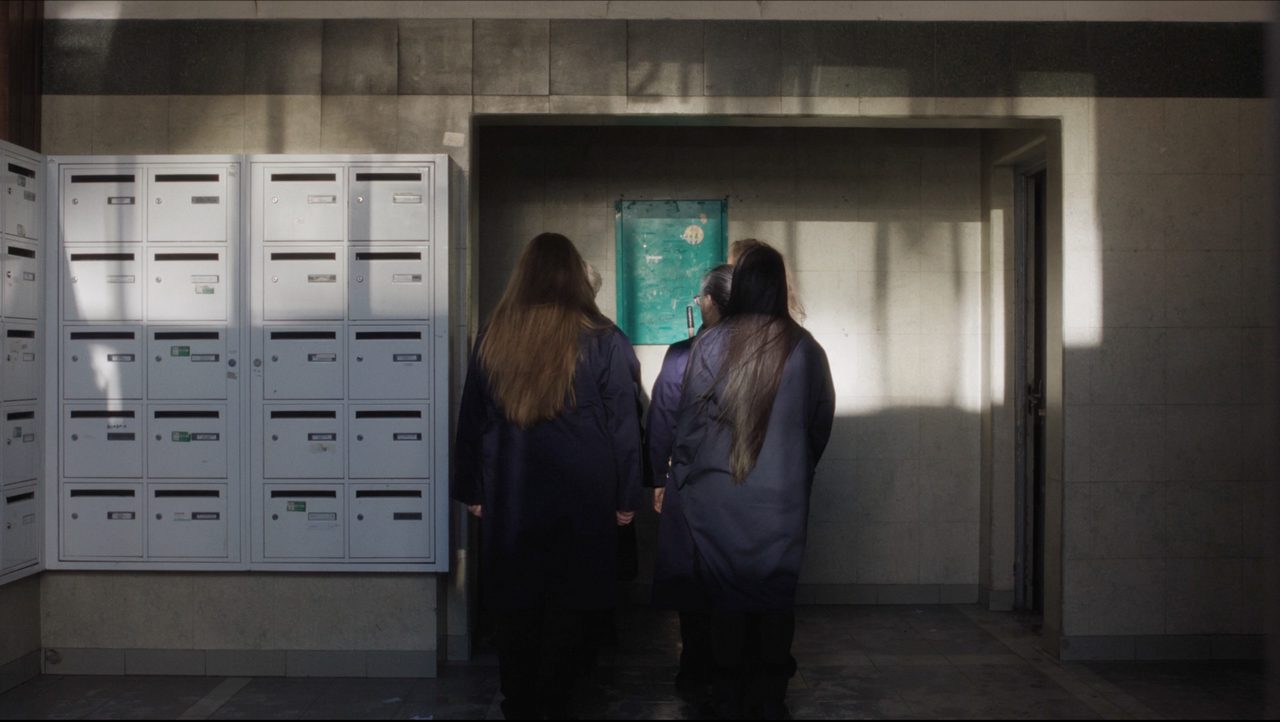
Such liminal environments are central to Commaret’s aesthetic. Her protagonists—often drawn from her own neighborhood—navigate classed and racialized identities with self-determination and vigilance. Their subjective perspectives structure the films. The camera does not dominate; it accompanies. Seemingly generic settings—an apartment corridor, a concrete square, a windswept hillside—thicken into dense psychological landscapes. Belonging and estrangement coexist.
Commaret’s Chilean heritage forms a persistent undercurrent in this work. Her mother fled the dictatorship of Augusto Pinochet to seek refuge in France, and that history of exile reverberates throughout the films. In “Pukyu” (2025), named after a Quechuan myth referring to the fontanel—the soft spot on a baby’s skull that gradually closes—Commaret invokes the idea that some people remain permanently open to the world’s intensities. The metaphor resonates with her cinema itself: porous, hypersensitive, receptive to unseen forces. In “Eso Que Nos Lleva “(2021), set in Valparaíso, a protagonist carries dreams and nightmares shaped by collective trauma. Ancestors and ghosts circulate. Characters appear suspended between realms, as if possession and memory were indistinguishable.
This affinity with myth and folklore aligns her work with the tradition of Latin American magic realism, though she translates its literary strategies into audiovisual form. Sound design plays a decisive role. Layered, echoing, hypnotic compositions create an atmosphere of suspension. In “Because of (U)”, a young girl repeatedly rings intercoms in empty corridors, searching for an absent addressee. The gesture is banal yet ritualistic, comic yet desperate. Reality dilates under the pressure of repetition.
If myth provides one axis, suburban architecture provides another. Growing up around the concrete “dalle Robespierre” in Vitry-sur-Seine, Commaret absorbed the psychic charge of that raw esplanade—at once a site of sociality and surveillance, attraction and paranoia. In “Sur la Dalle” (2018), she films children playing and talking on this slab of concrete. The setting is neither romanticized nor condemned; it becomes a stage on which intimacy and estrangement unfold. In “Palma”, the dalle is transfigured into a fictional square, both recognizably local and estranged, bordering on dystopian. The transformation recalls the speculative atmospheres of J. G. Ballard’s “Vermilion Sands”, with its notion of the suburb as an “exotic suburb of the mind.” Commaret’s Vitry, too, is less a geographic location than a psychic terrain.
Her recurring cast—friends, neighbors, childhood acquaintances—moves fluidly from one film to another, generating a cumulative social portrait. The absence of a fixed script permits a subtle redistribution of authorship. Cinema becomes an instrument for addressing structural injustice: those who are typically denied representation participate in shaping their own image. Commaret interrogates the narratives we construct to shield ourselves from painful realities, as well as the identities imposed upon us by class, gender, and history. Her characters test the limits of these constraints, sometimes through humor, sometimes through quiet defiance.
Gendered experience occupies a particularly acute position within this framework. Commaret’s attention to detail—blue eyeshadow, platform shoes, manicured nails—operates not as ornament but as index. In the installation version of “Because of (U)”, presented at the 2024 Lyon Biennale, a young woman remains silent and motionless while an unseen man’s voice aggressively recounts their breakup. The asymmetry is palpable; toxic masculinity is rendered as disembodied sonic violence
Children and adolescents recur as figures of lucidity. Rather than idealizing innocence, Commaret portrays young people as perceptive and unsentimental observers. In “8” (2022), three teenage girls discuss immersing themselves in self-generated stories, dreaming while awake as the adults around them remain oblivious. The gesture resonates with theoretical efforts, such as those advanced by Vincent Romagny in “Politiser l’enfance”, to reconceive childhood as a political condition rather than a naturalized state. Commaret’s adolescents are neither symbols nor sociological data; they are agents of perception.
Across this body of work, cinema becomes a site of hypersensitivity—an apparatus attuned to minor gestures, peripheral spaces, and fragile solidarities. By refusing rigid scripts and embracing improvisation, Commaret constructs a practice that is formally supple and politically alert. Her films do not offer resolution. They linger in the interim: the day after, the morning before. In that unstable interval, new forms of belonging flicker into view.
Photo: Tohé Commaret, Rosa, 2026, © Tohé Commare
Info: Museum MMK Für Moderne Kunst, Domstraße 10, Frankfurt am Main, Germany, Duration: 7/3-31/5/2026, Days & Hours: Tue & Thu-Sun 10:00-18:00, Wed 10:00-20:00, www.mmk.art/