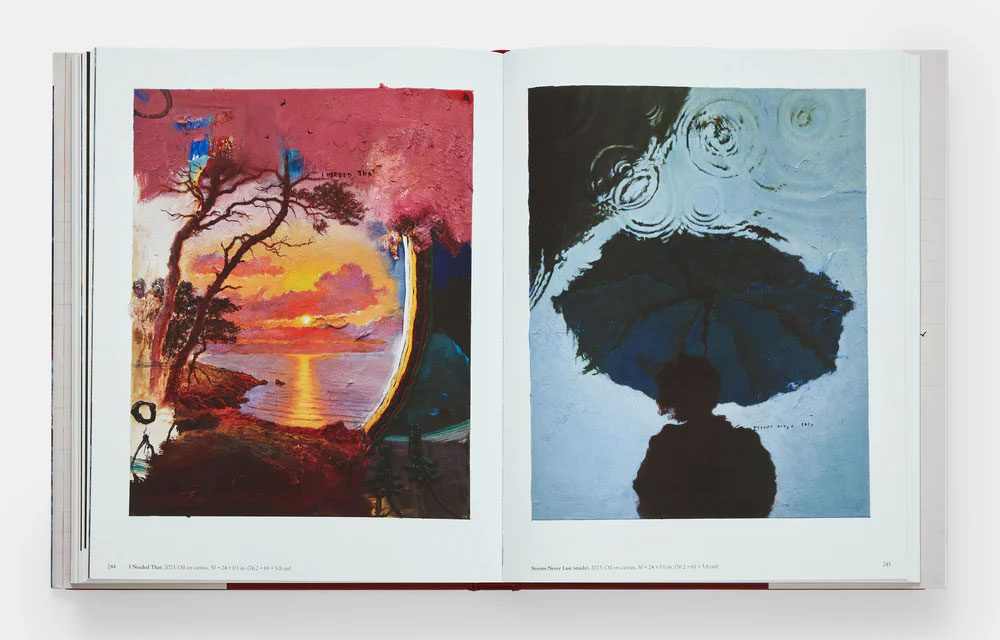
BOOK: Friedrich Kunath-The Grand Tour, Phaidon Publications
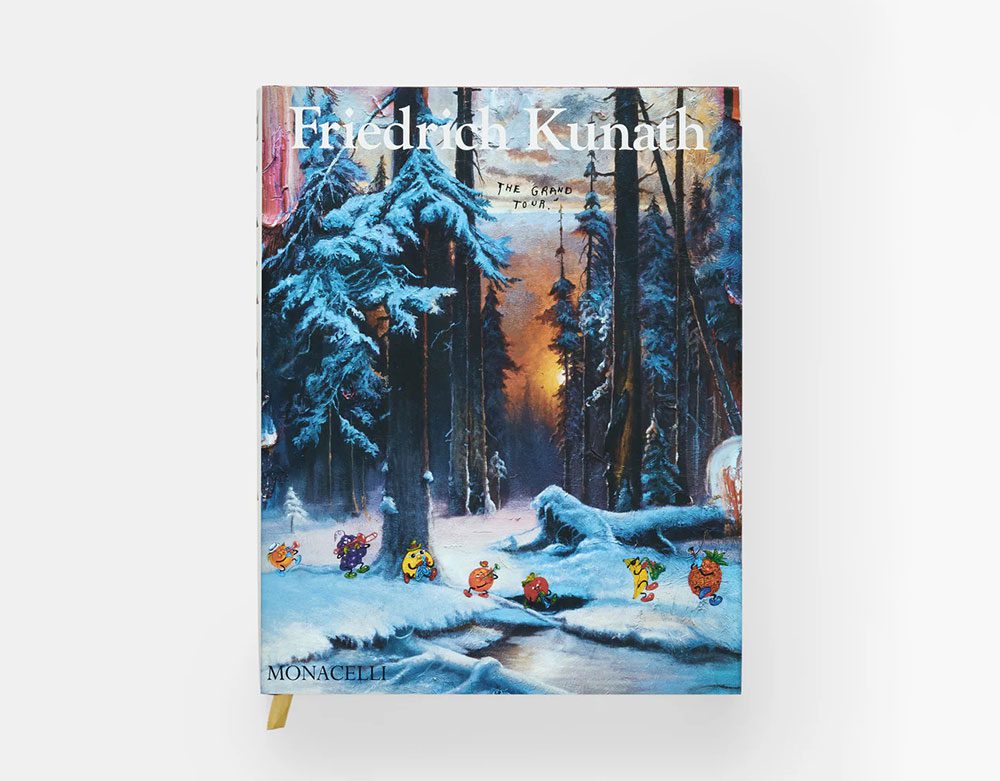
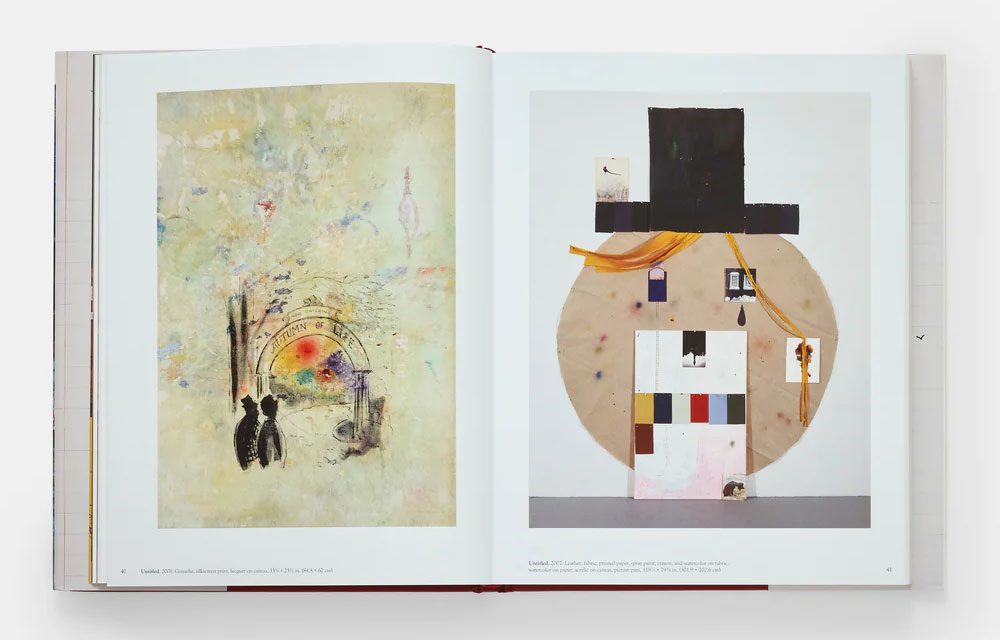
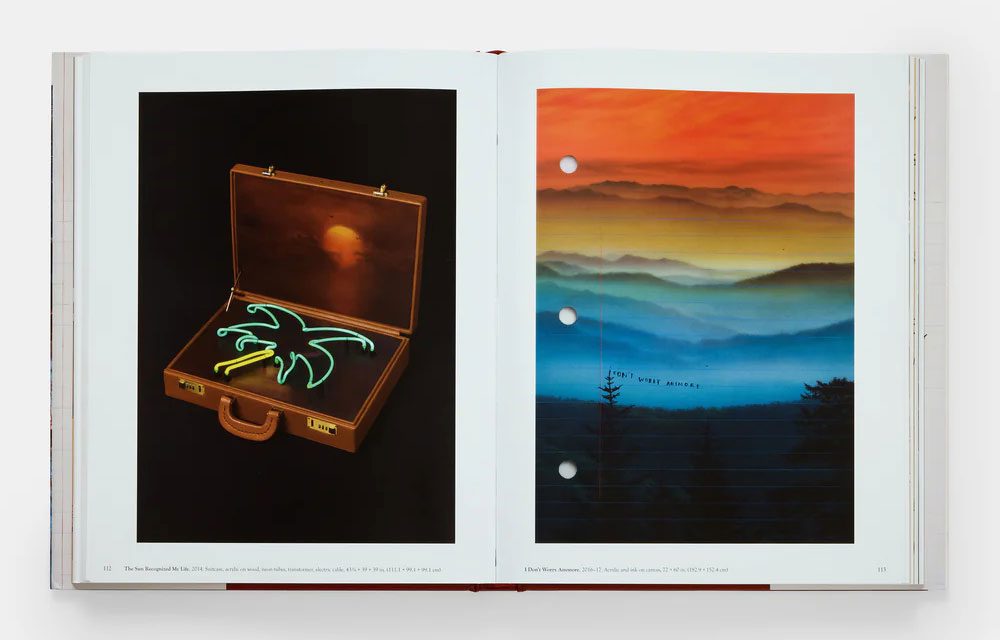
Friedrich Kunath was born in Chemnitz (formerly Karl-Marx-Stadt), East Germany, in 1974. His early life was shaped by the cultural and political upheavals of the late 20th century, including the fall of the Berlin Wall and the subsequent reunification of Germany. Kunath studied at the Braunschweig University of Arts before relocating to Los Angeles in the early 2000s, a move that profoundly influenced his artistic trajectory. This biographical context is crucial to understanding Kunath’s work. Friedrich Kunath’s “The Grand Tour”, published by Phaidon/Monacelli in November 2025, stands as the most comprehensive monograph to date on the German-born, Los Angeles-based artist. Spanning three decades of Kunath’s multifaceted practice, the book is both a visual and intellectual journey through his paintings, installations, and personal narrative. With essays by Dan Bejar, Naomi Fry, Jennifer Higgie, and Robert Pfaller, the volume not only documents Kunath’s artistic evolution but also situates his work within the broader context of contemporary art, cultural memory, and the interplay between irony and sincerity. This review offers an in-depth analysis of the book’s artistic themes, visual style, layout and design, the significance of Kunath’s oeuvre, the quality of reproductions, the accompanying texts, and its overall impact on readers and the contemporary art landscape.
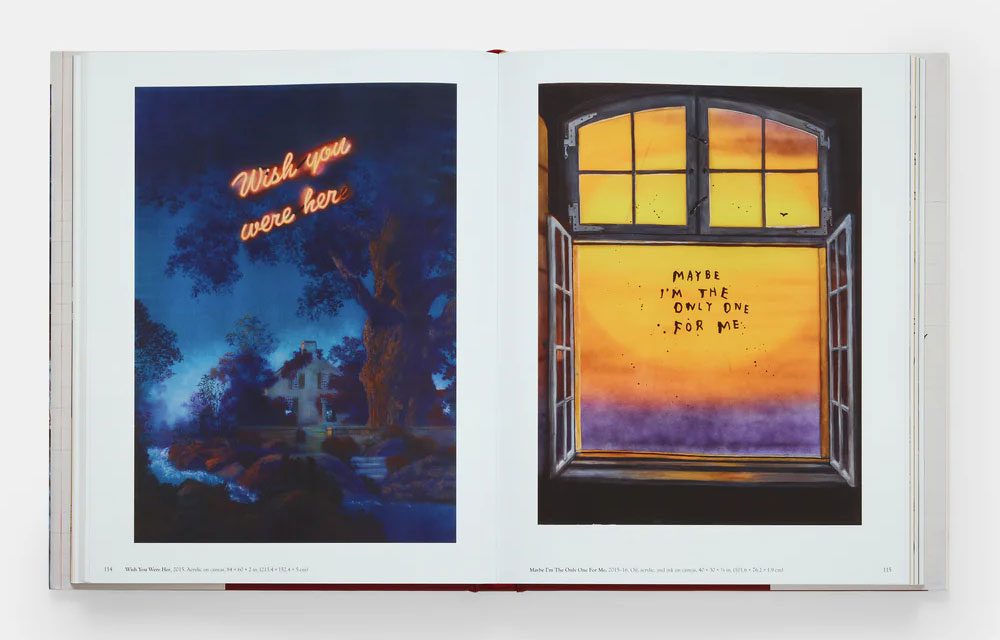
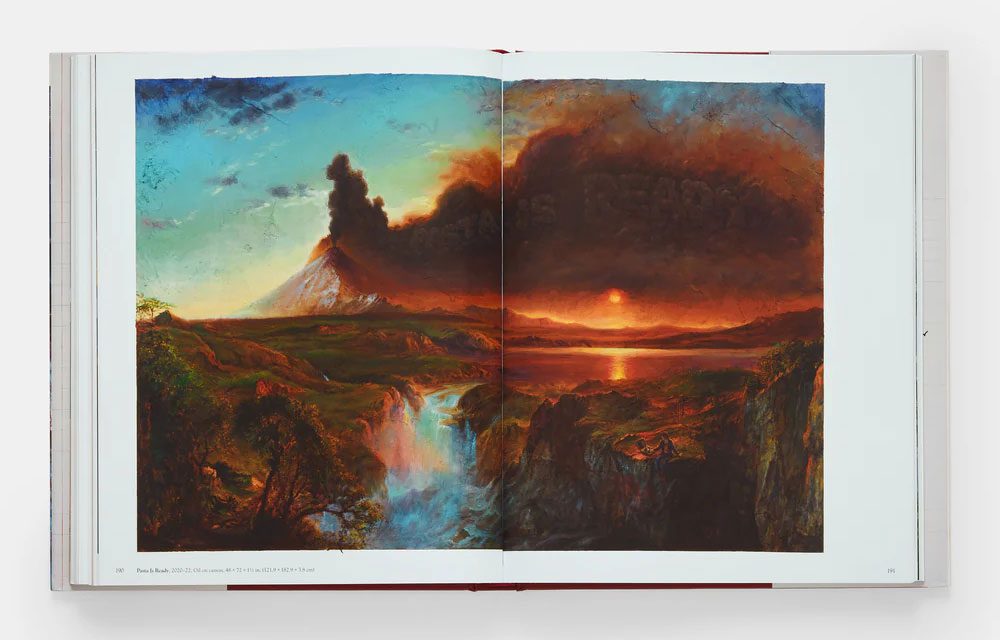
At the heart of The Grand Tour lies Friedrich Kunath’s signature fusion of German Romanticism with motifs from Western popular culture. His paintings and installations are imbued with the sublime aesthetics reminiscent of Caspar David Friedrich and other Romantic masters, yet they are punctuated by references to album covers, cartoon imagery, and the iconography of American consumerism. This duality is not merely stylistic but thematic, reflecting Kunath’s own biography as an East German émigré who has spent the last two decades in Los Angeles. The book foregrounds this cultural hybridity, presenting works that oscillate between nostalgia and irony, longing and humor.
Kunath’s art is deeply invested in the exploration of universal human emotions—solitude, longing, melancholy, and the search for meaning. These themes are rendered with a pathos that is always tempered by wit, often bordering on self-parody. For instance, his landscapes, while romantic and idyllic, are frequently interrupted by incongruous elements: sad emoji faces, synthetic rainbows, or handwritten phrases that evoke both pop lyrics and existential musings. This interplay creates a tension between sentimentality and skepticism, inviting viewers to question the authenticity of emotion in a media-saturated world.-Dimitris Lempesis